People
Historical Figures and Influential People in History
Explore rulers, generals, thinkers, scientists and reformers who shaped world history. Search for a specific person, or browse by era, region, country and A–Z.
Historical Figures from Europe
Use the filters on the right to narrow the figure index while keeping the main results in view.
146 results
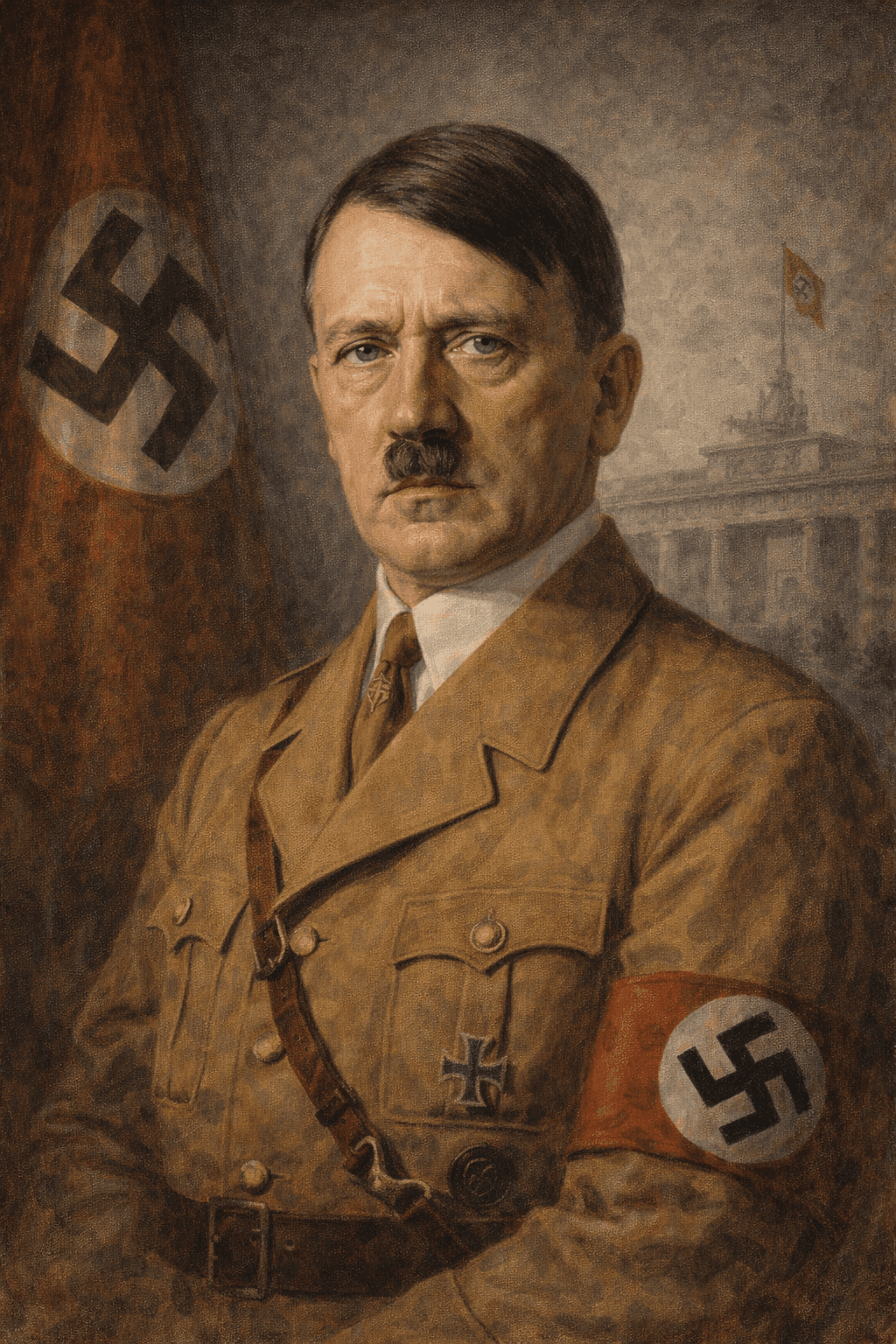
Adolf Hitler
1889–1945Industrial AgeGermany
He turned a failed coup and a prison sentence into a path to absolute power, and the world spent a decade wondering if he could be reasoned with.
Open profile →
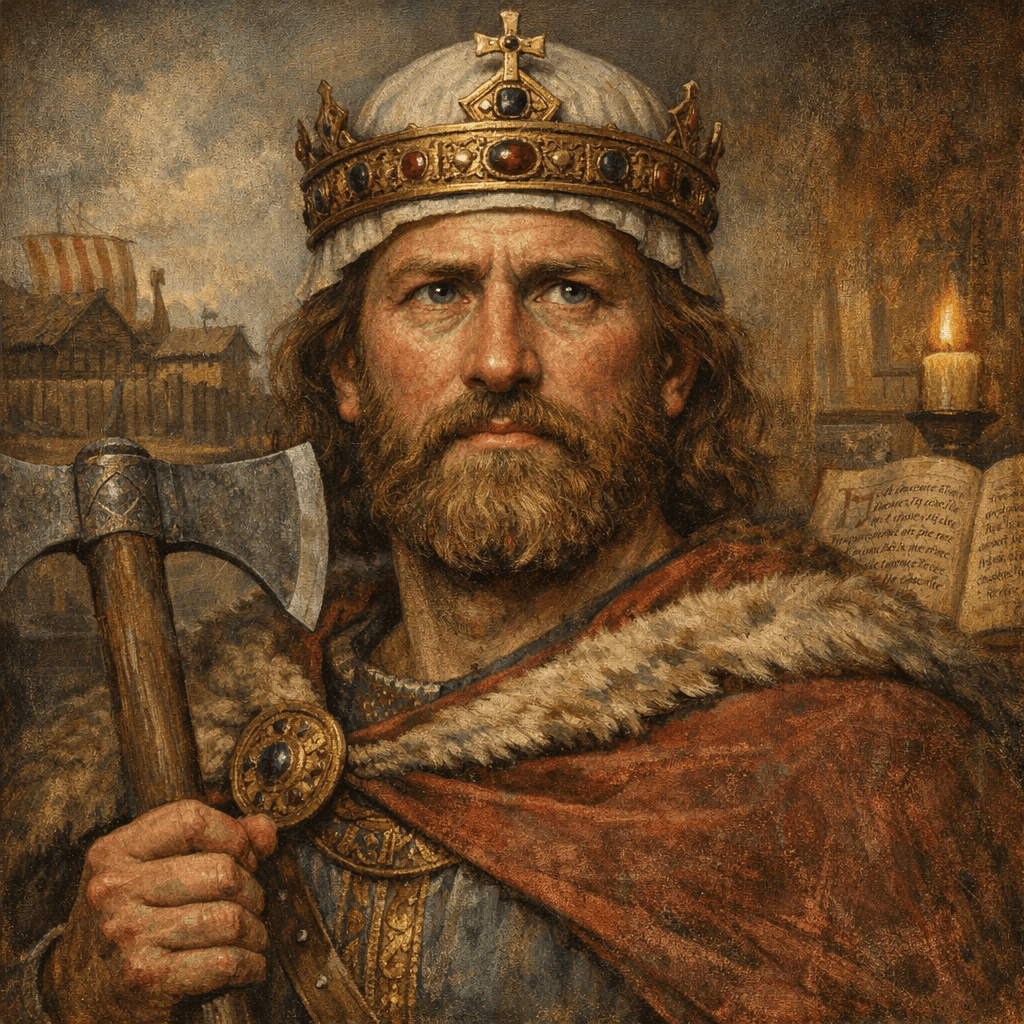
Alfred the Great
849–899Medieval PeriodUnited Kingdom
He was chased into a swamp by Viking invaders and reduced to hiding — then came back to build a kingdom they couldn't break.
Open profile →
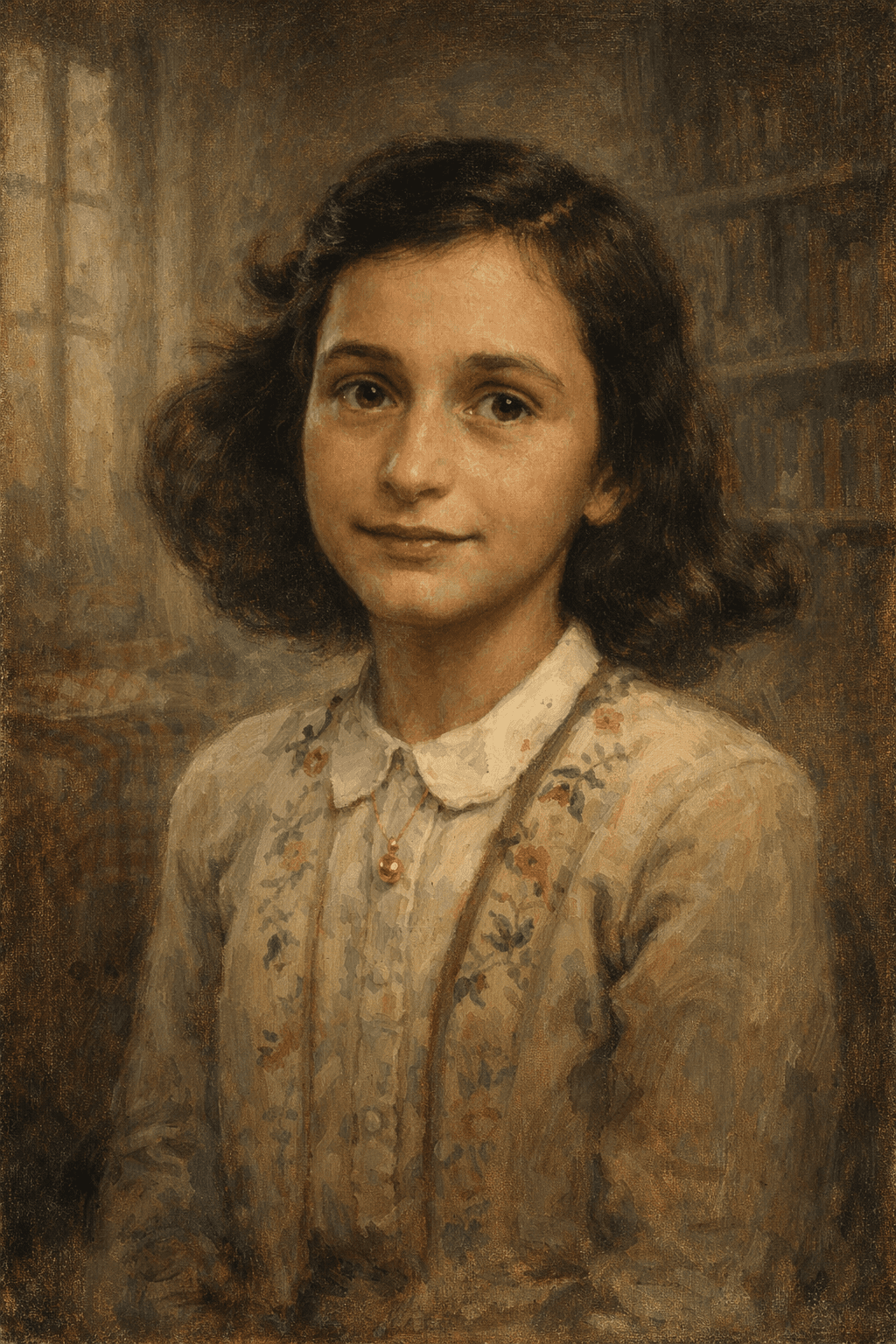
Anne Frank
1929–1945Modern HistoryGermany
She spent two years hidden behind a bookcase writing about ordinary life — and what she wrote became one of the most read books in history.
Open profile →
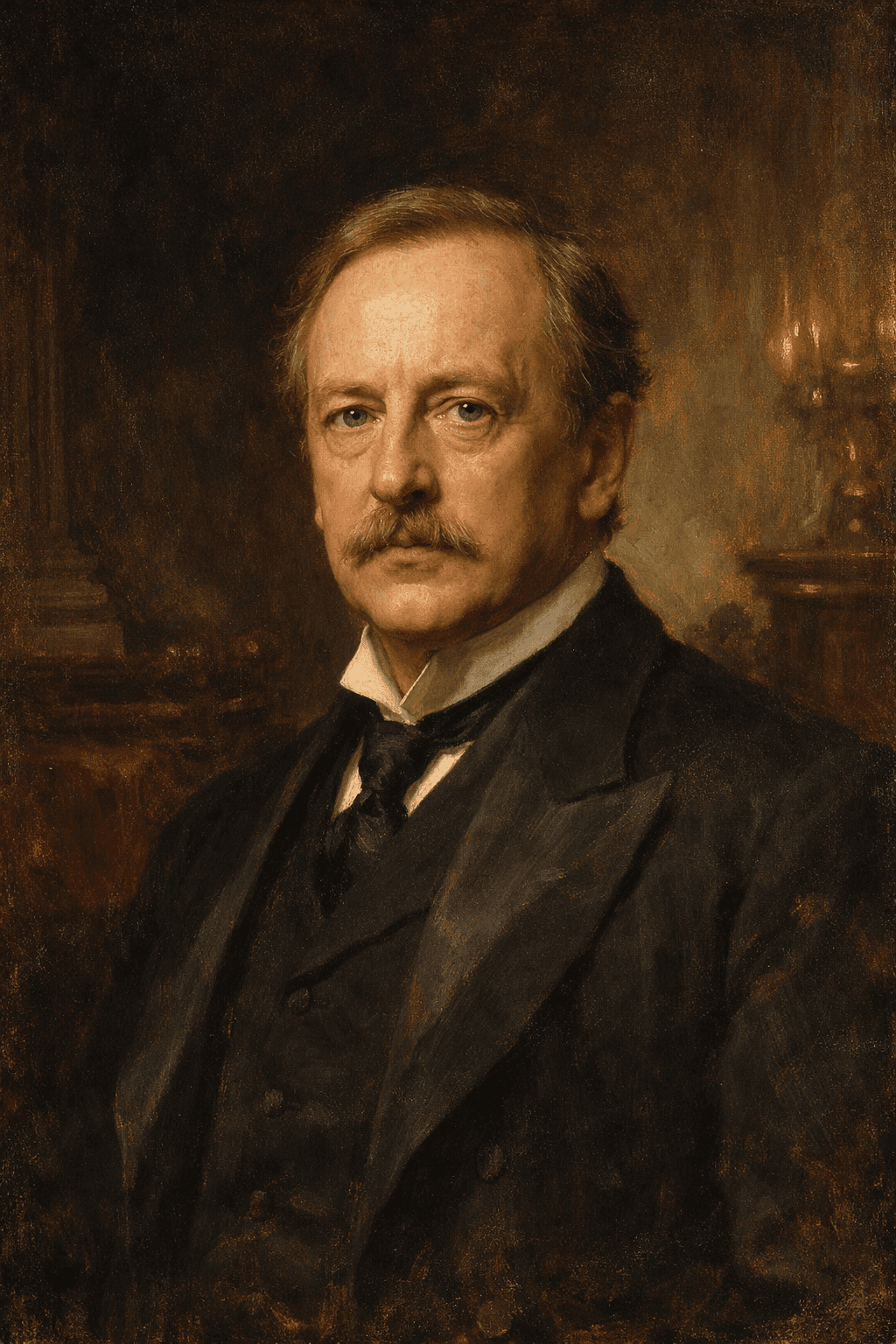
Archibald Primrose, 5th Earl of Rosebery
1847–1929Industrial AgeUnited Kingdom
He inherited wealth and ambition, briefly became prime minister without strong party backing, and spent the rest of his life reflecting on power he never fully controlled.
Open profile →
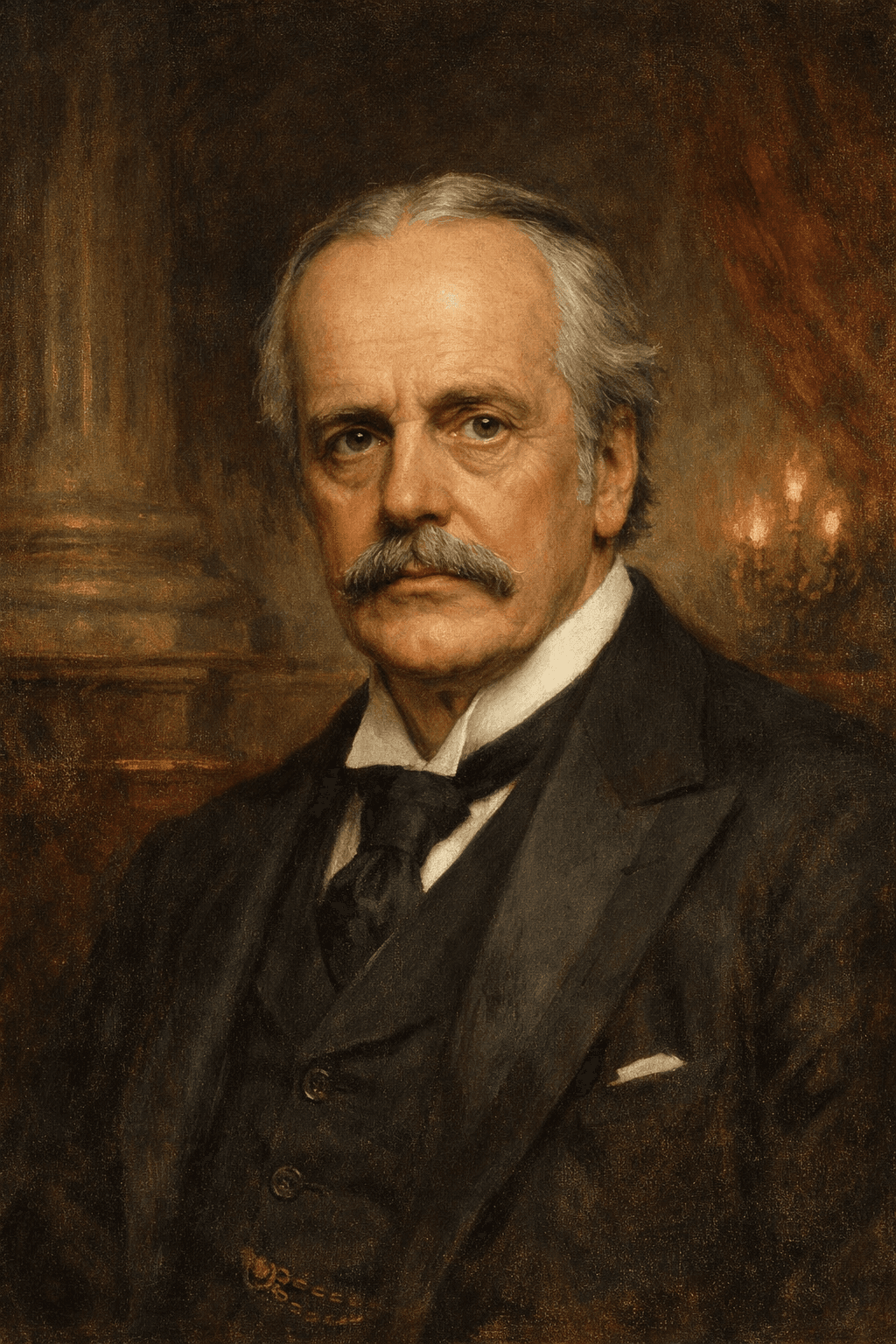
Arthur Balfour
1848–1930Industrial AgeUnited Kingdom
He led Britain during a restless imperial era, but his name became permanently tied to a single wartime letter that reshaped the politics of the Middle East.
Open profile →
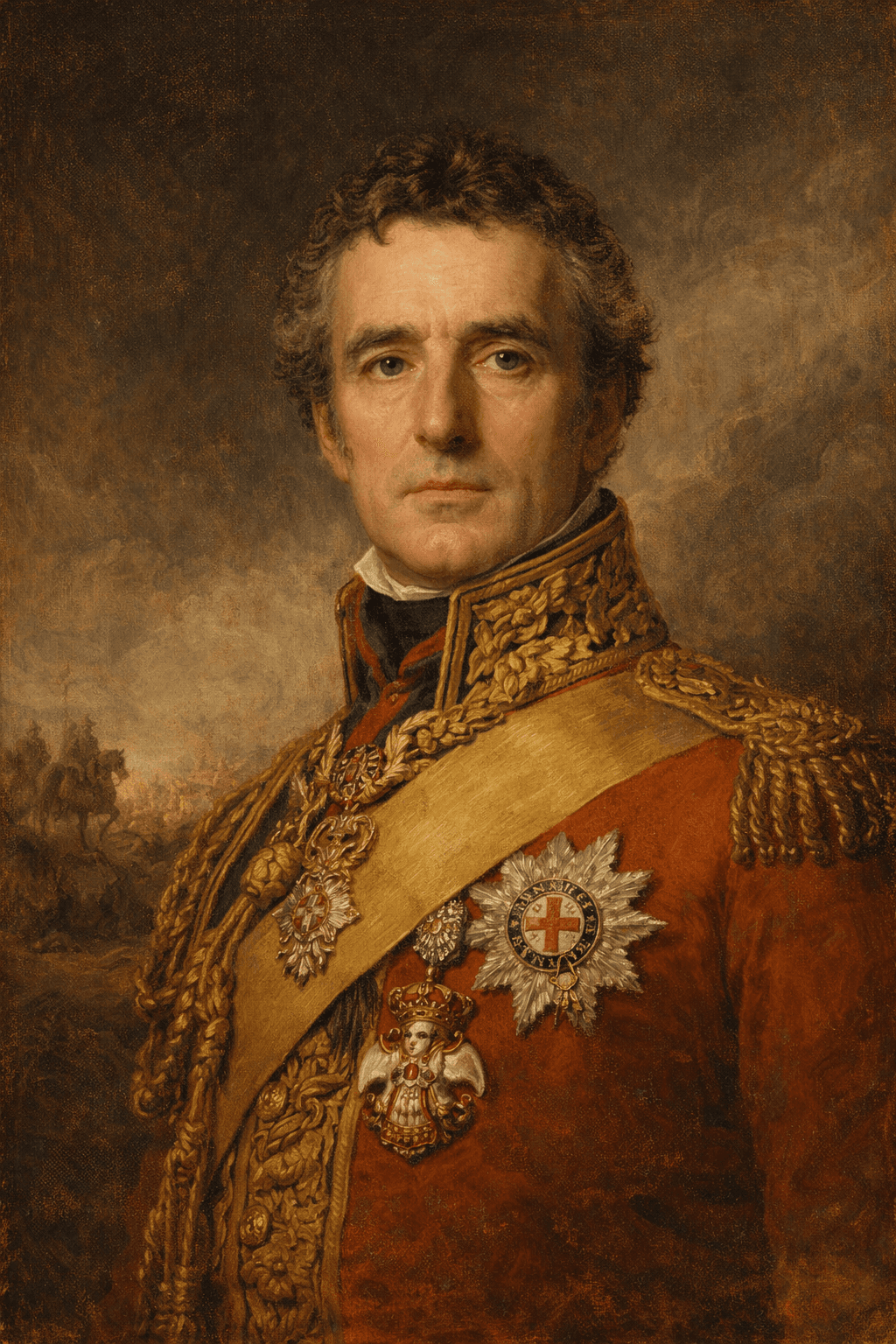
Arthur Wellesley, Duke of Wellington
1769–1852Industrial AgeUnited Kingdom
He built his reputation defeating Napoleon in a final showdown at Waterloo, then carried that authority into politics, shaping Britain long after the cannons fell silent.
Open profile →
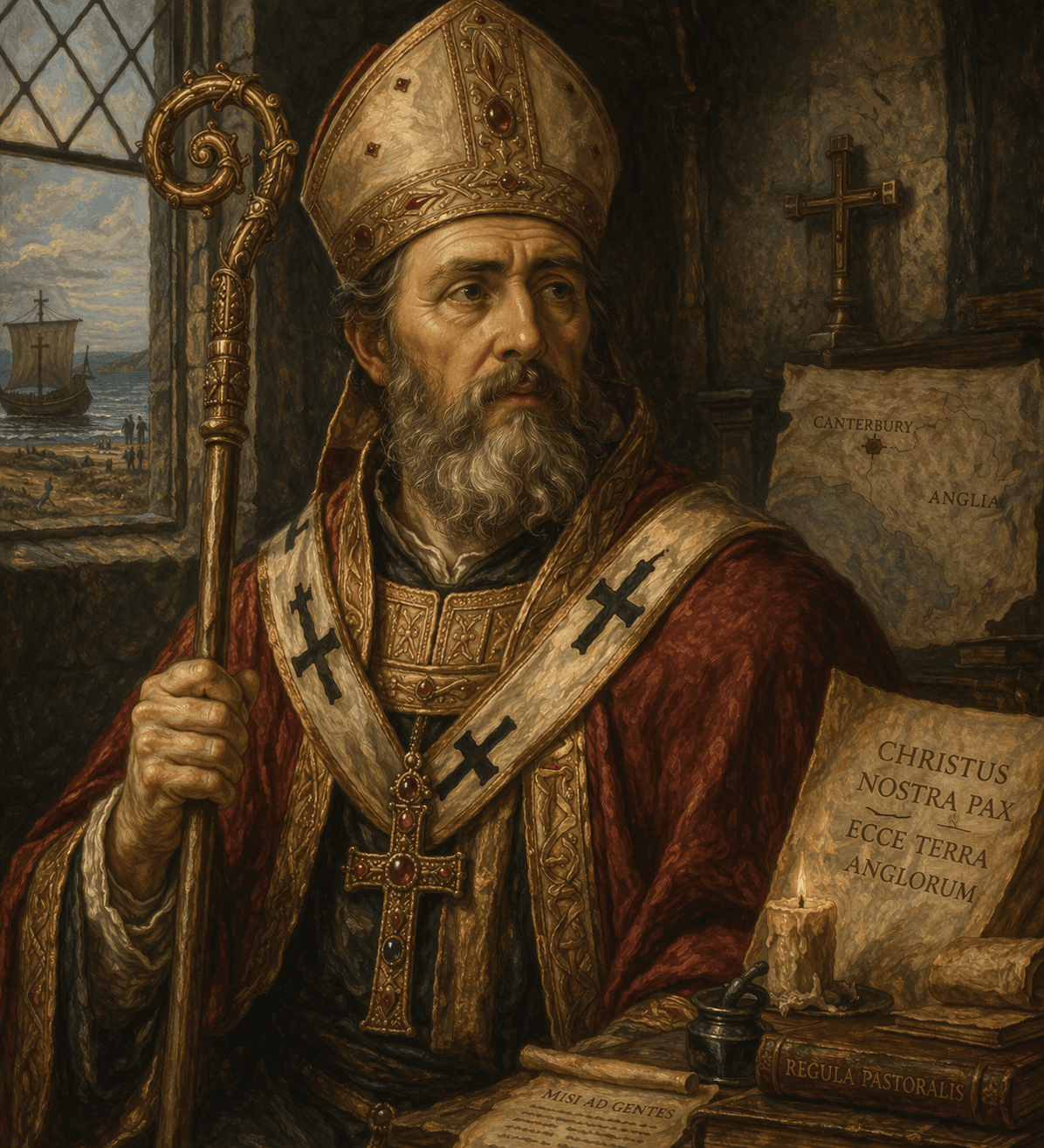
Augustine of Canterbury
534–604Medieval PeriodUnited Kingdom
He was sent to convert a pagan island on the edge of the known world, arrived expecting resistance, and was startled to find a queen who was already Christian.
Open profile →
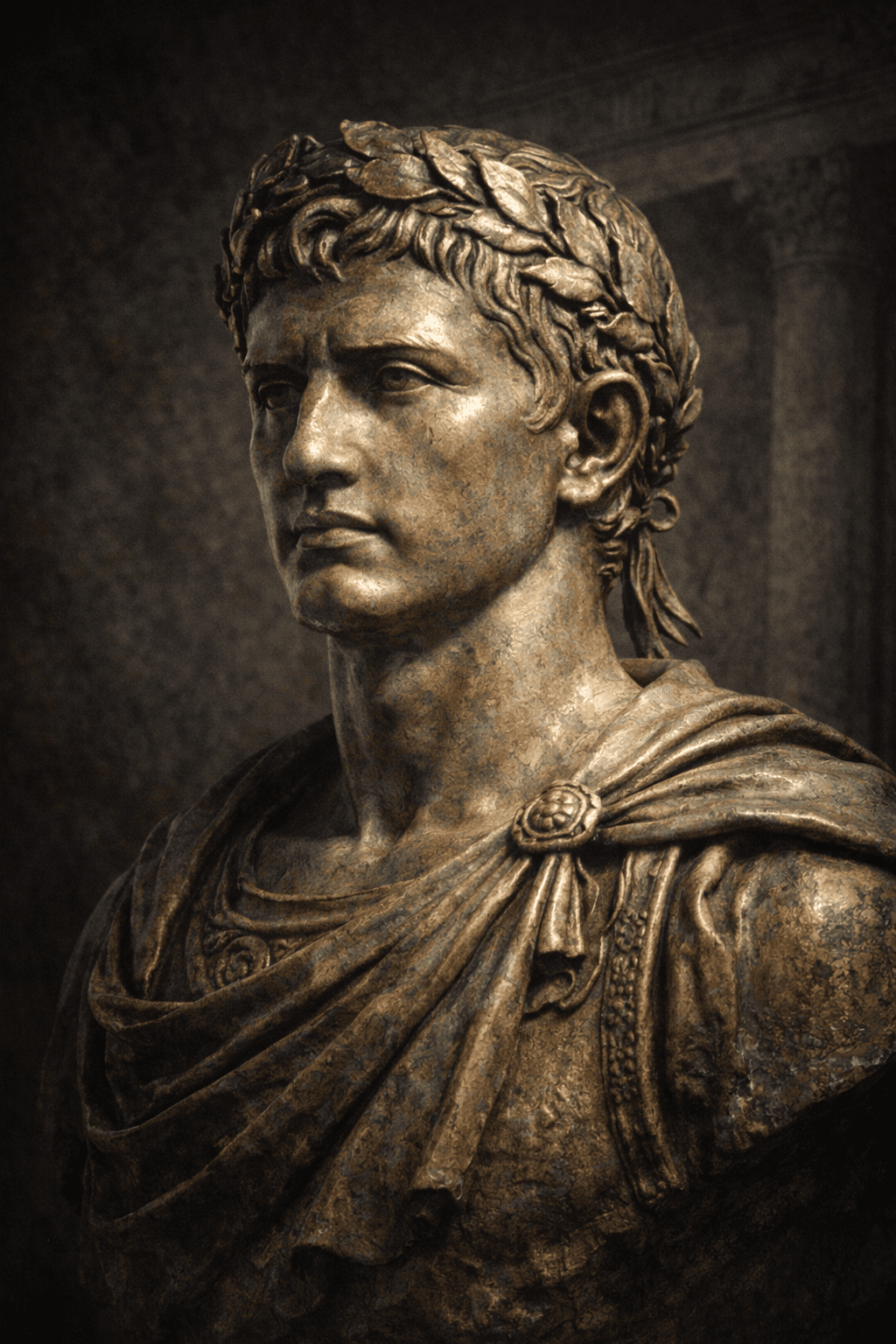
Augustus
-63–14Classical WorldItaly
He won Rome's civil wars by outmanoeuvring everyone who tried to destroy him — then spent the next forty years pretending he hadn't changed anything.
Open profile →
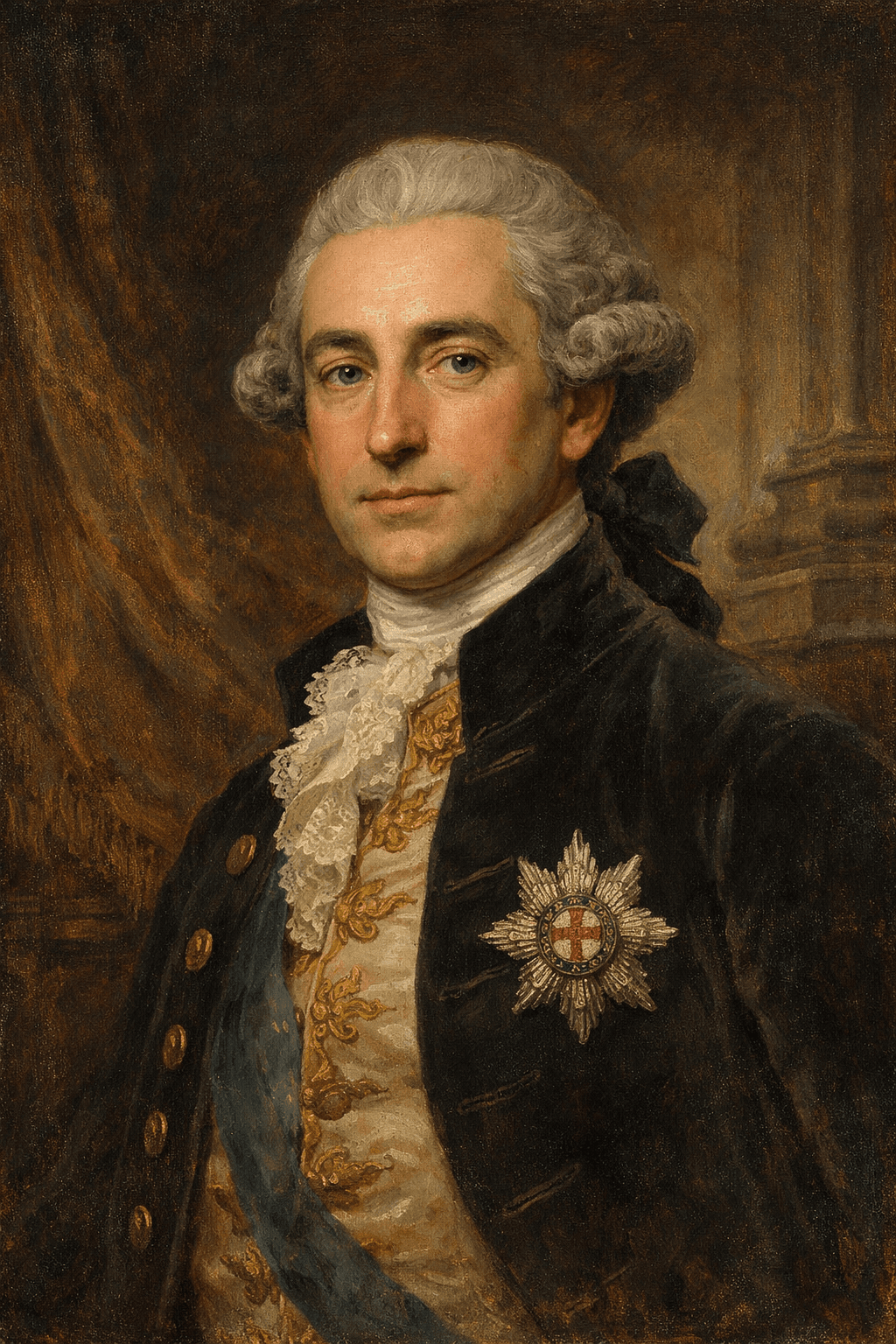
Augustus FitzRoy, 3rd Duke of Grafton
1735–1811Early Modern EraUnited Kingdom
He became prime minister while still young, struggled to control factional politics, and stepped aside as his government faltered under pressure from both allies and critics.
Open profile →
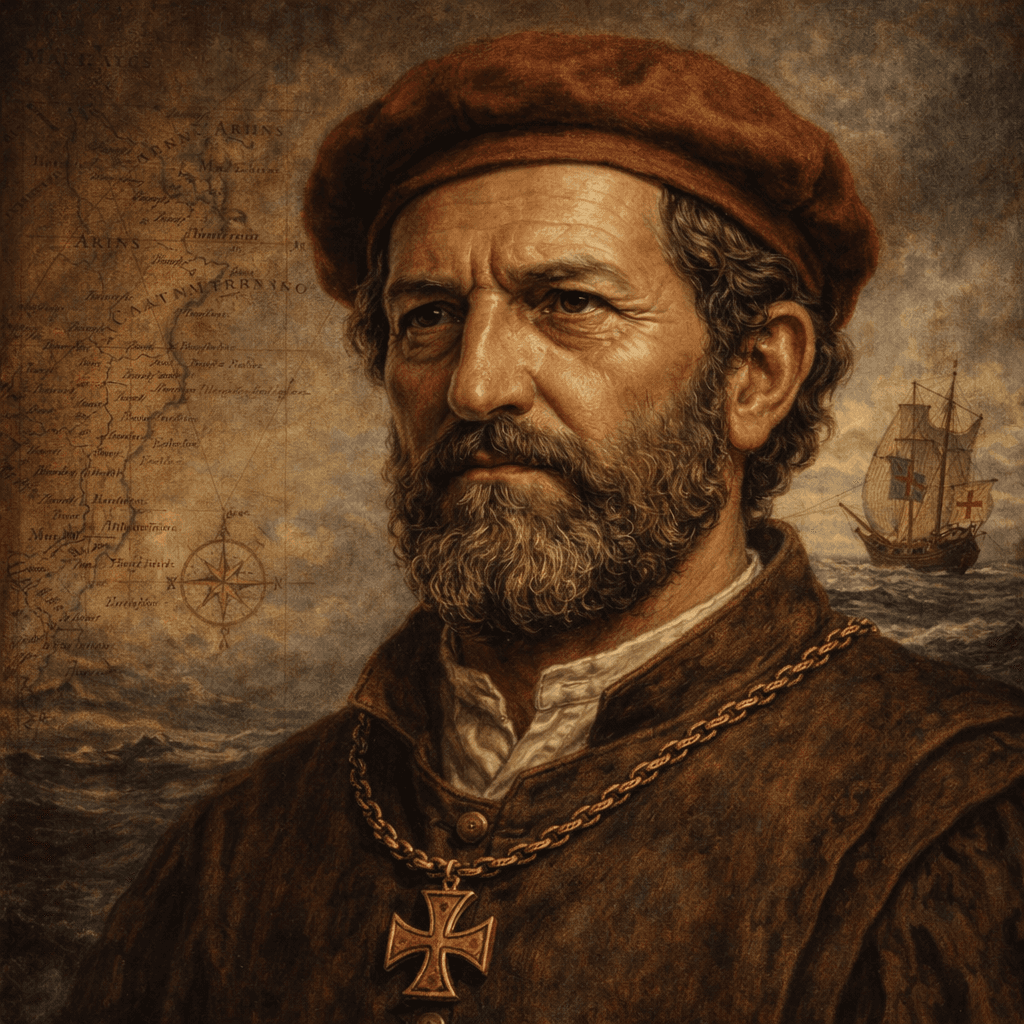
Bartolomeu Dias
1450–1500Medieval PeriodPortugal
He sailed further south than any European had gone, rounded the tip of Africa in a storm, and returned to find that nobody wanted to talk about anything except Columbus.
Open profile →
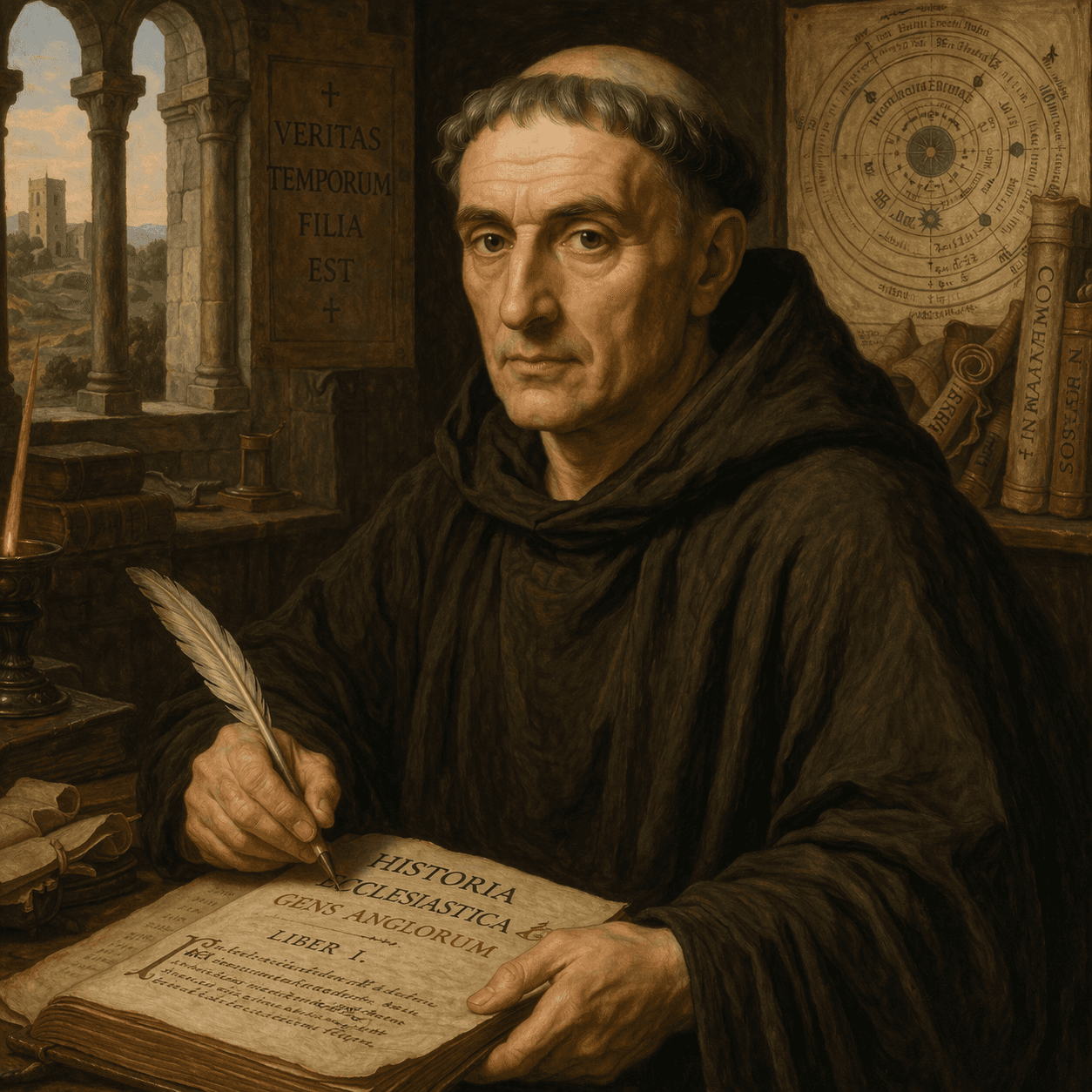
Bede
673–735Medieval PeriodUnited Kingdom
He never left his monastery and never sought power — yet the history he wrote in a Northumbrian cell shaped how an entire nation understood itself.
Open profile →
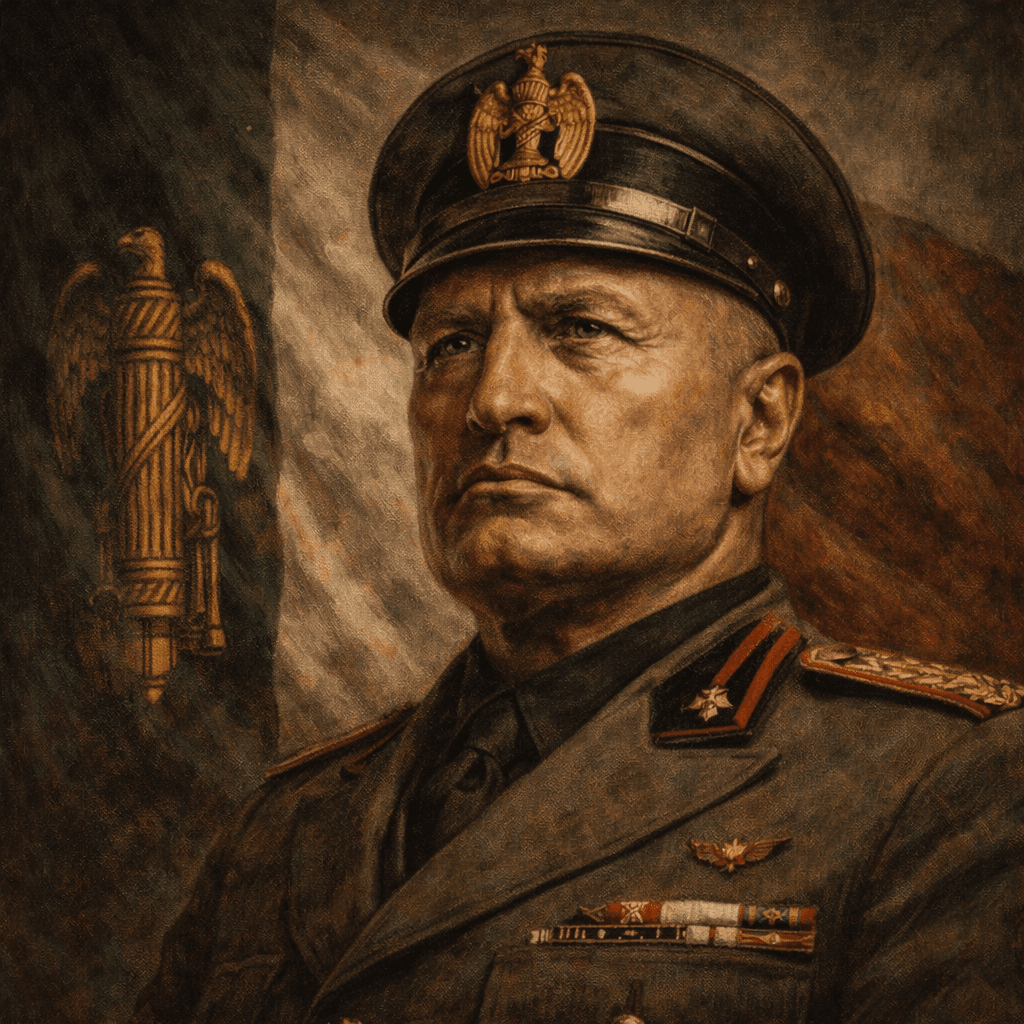
Benito Mussolini
1883–1945Industrial AgeItaly
He invented fascism, made the trains run on time, and allied himself with Hitler — a sequence of decisions that ended with him hanging upside down from a petrol station.
Open profile →
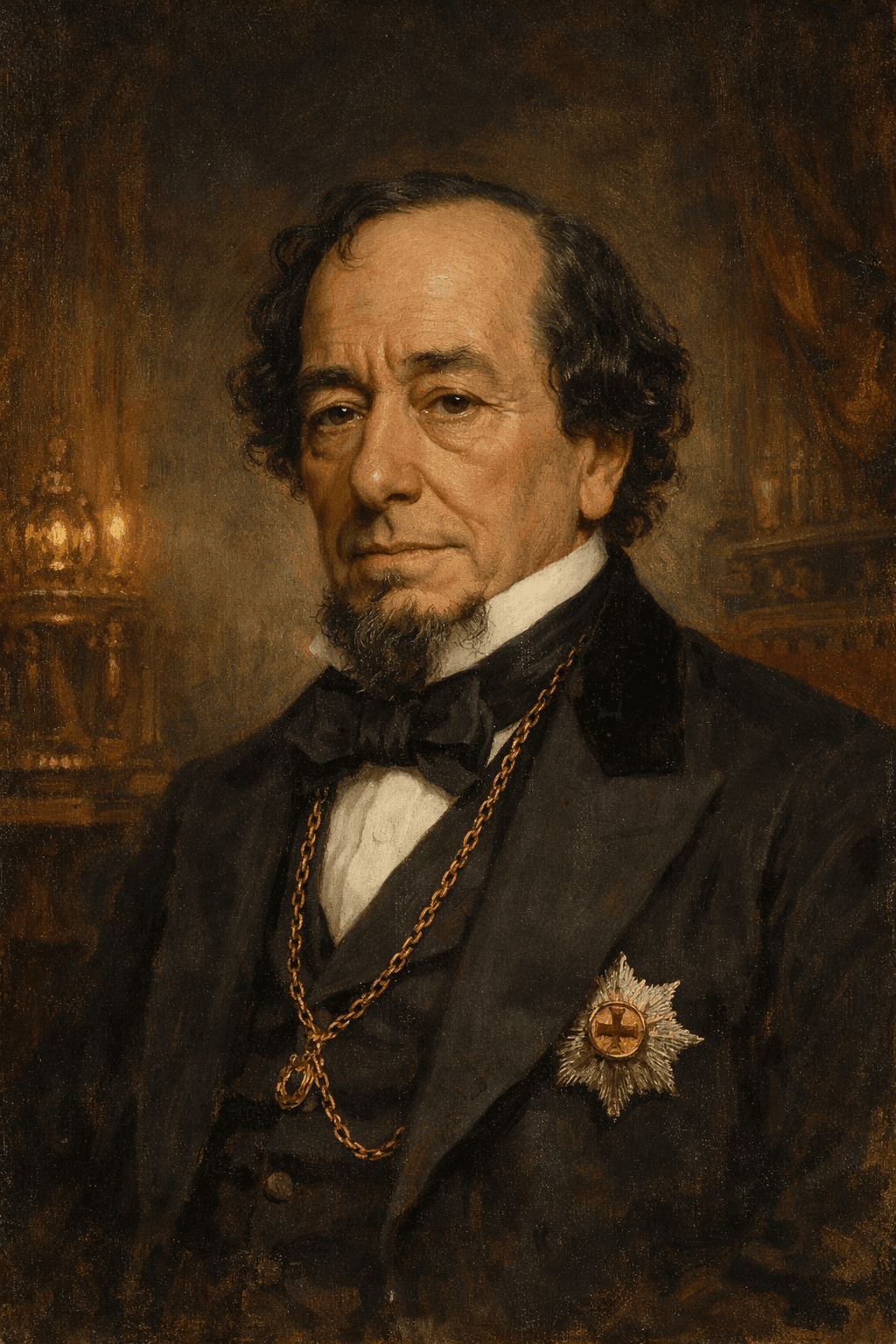
Benjamin Disraeli
1804–1881Industrial AgeUnited Kingdom
He transformed himself from an outsider mocked in Parliament into a dominant prime minister who reshaped British conservatism and expanded imperial ambition with calculated flair.
Open profile →
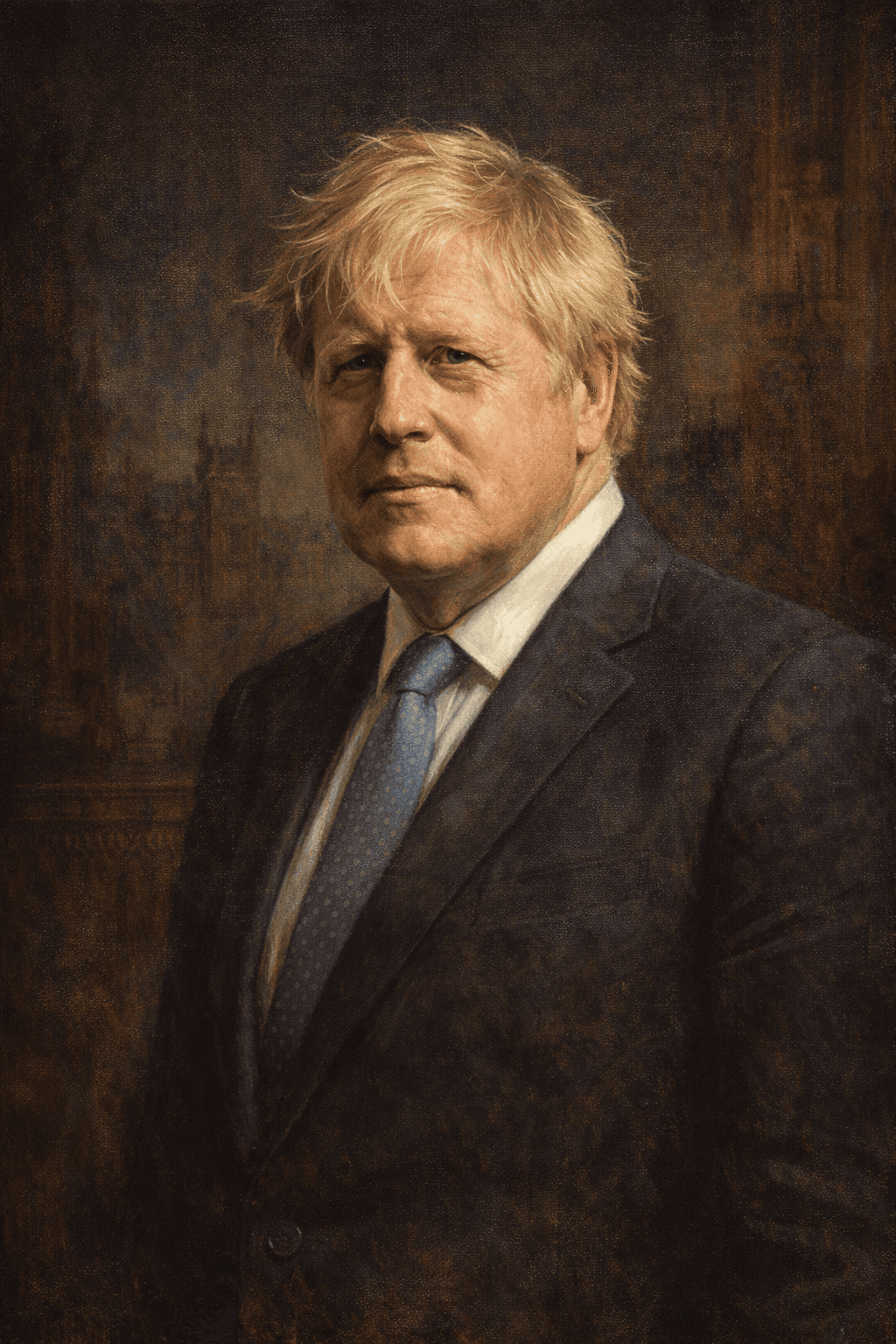
Boris Johnson
1964–?Modern HistoryUnited Kingdom
He built a career on being underestimated, won a referendum nobody thought he'd win, became prime minister, then resigned over a party he claimed he didn't know had happened.
Open profile →
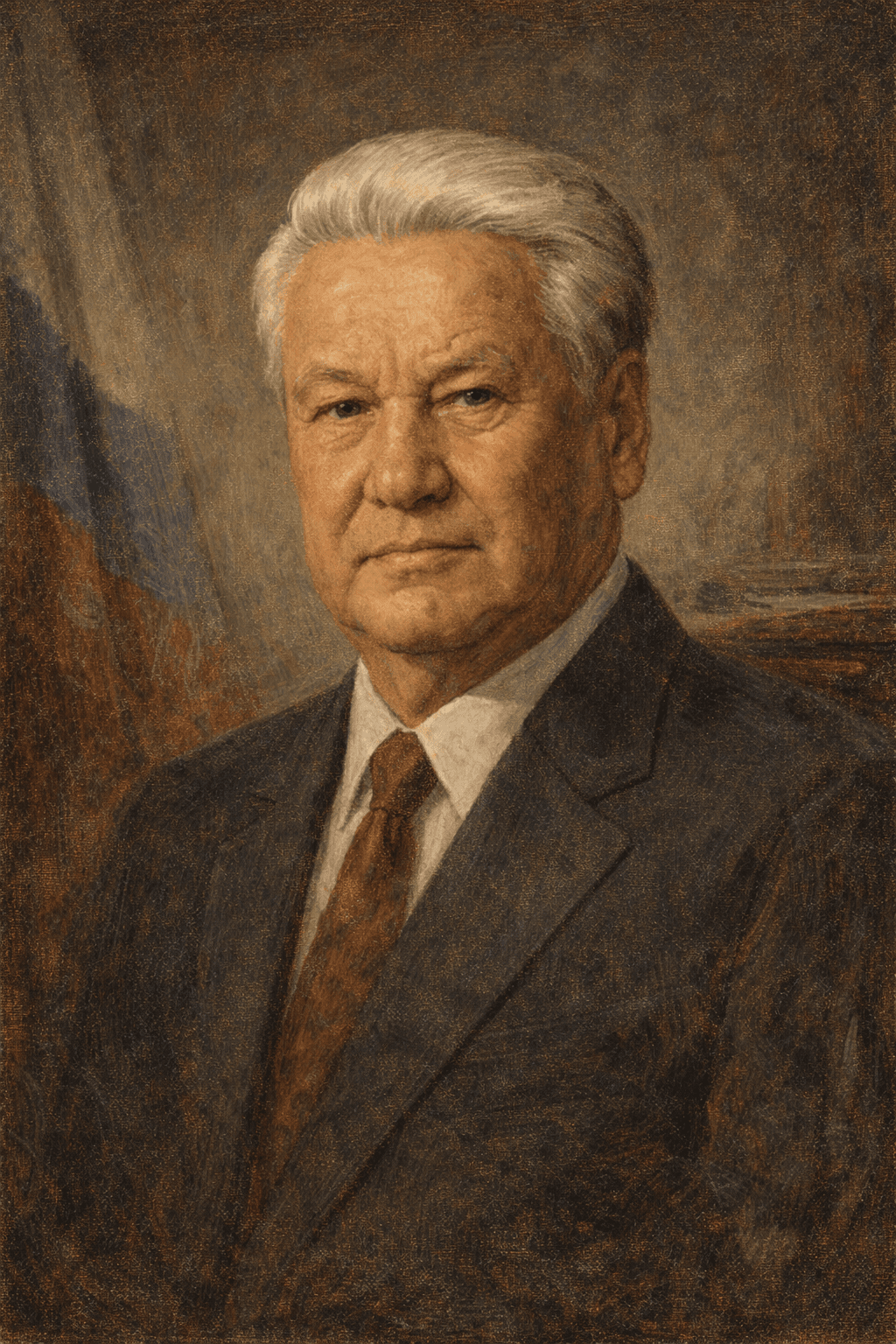
Boris Yeltsin
1931–2007Modern HistoryRussia
He stood on a tank to face down a coup — then spent the next decade watching the country he'd saved slowly come apart.
Open profile →
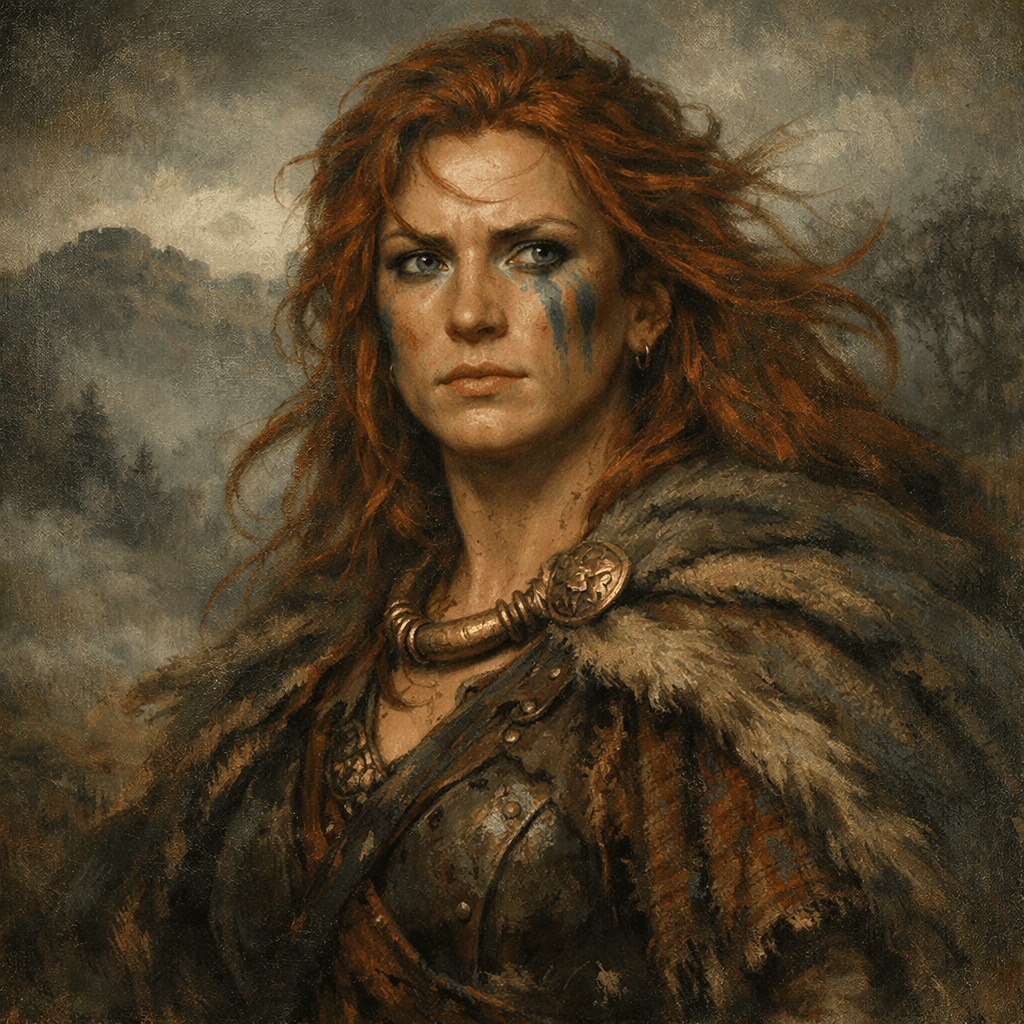
Boudica
?–61Unknown EraUnited Kingdom
She led the most serious uprising against Roman Britain in history, burnt three cities to the ground, and came closer than anyone to making the Romans leave.
Open profile →
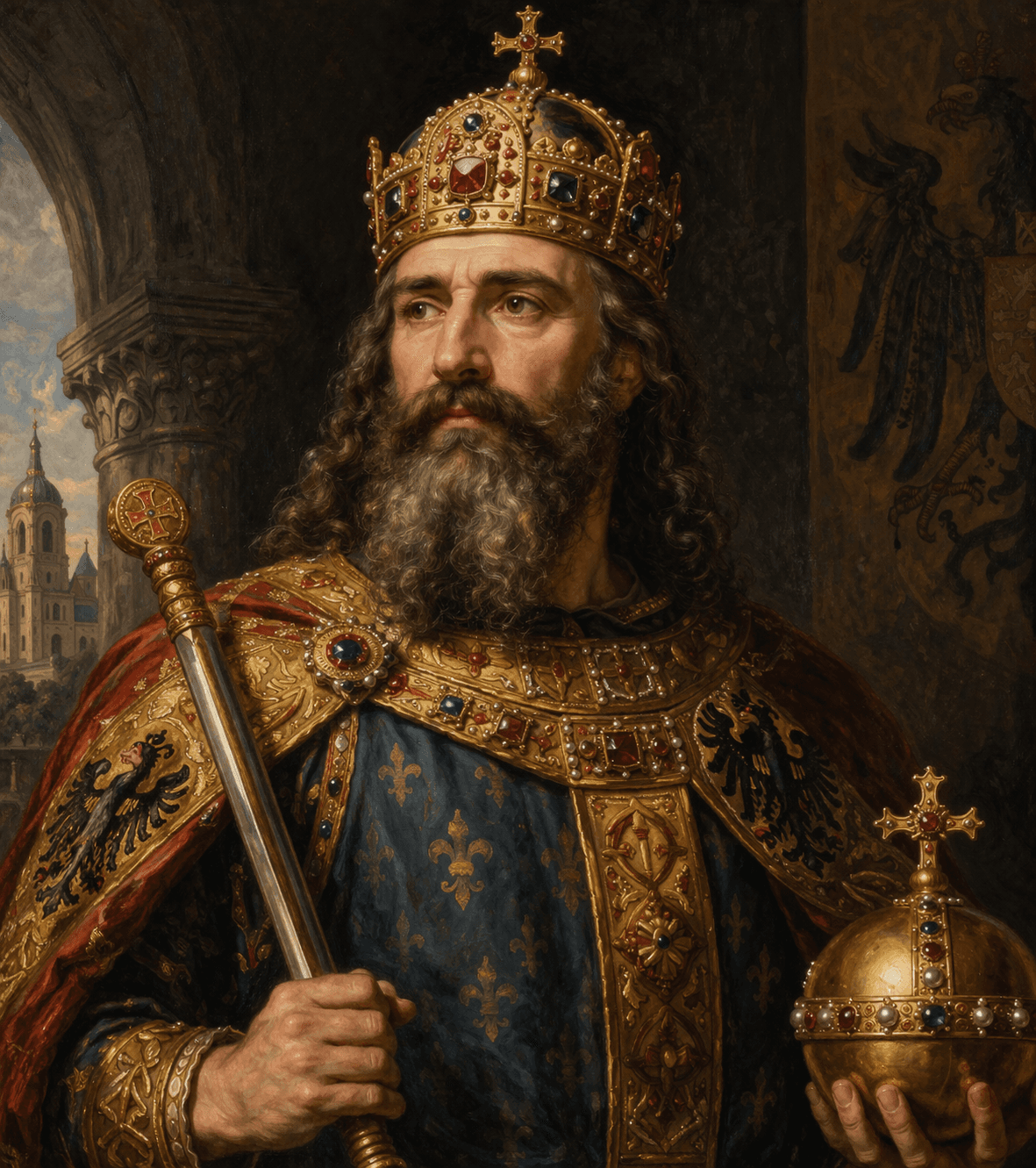
Charlemagne
742–814Medieval PeriodFrance
He could barely read but built an empire that stretched across western Europe — and the coronation that defined his legacy was apparently a surprise even to him.
Open profile →
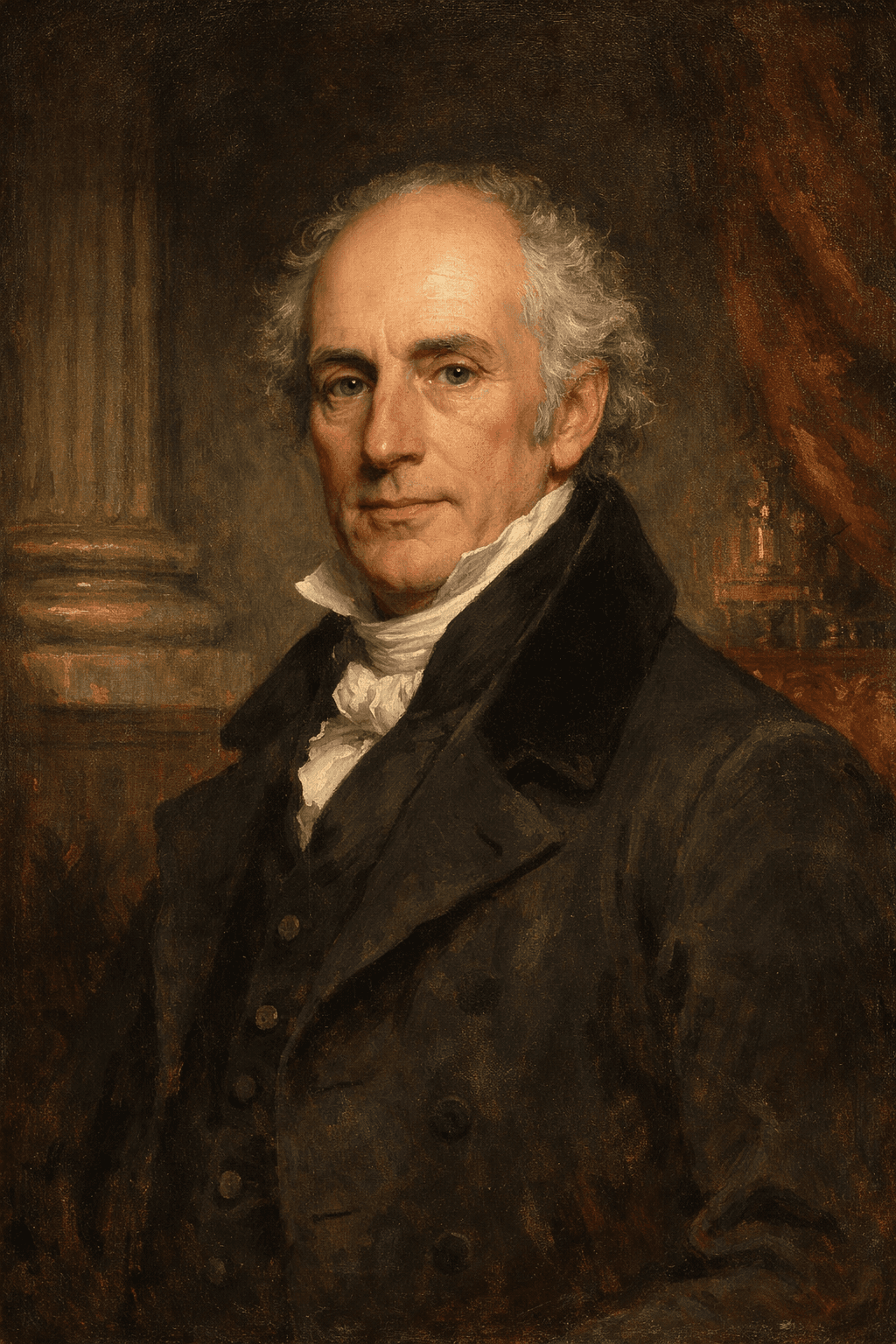
Charles Grey, 2nd Earl Grey
1764–1845Industrial AgeUnited Kingdom
He spent decades pressing for political reform, then as prime minister forced through the 1832 Reform Act and helped redraw the rules of British public life.
Open profile →
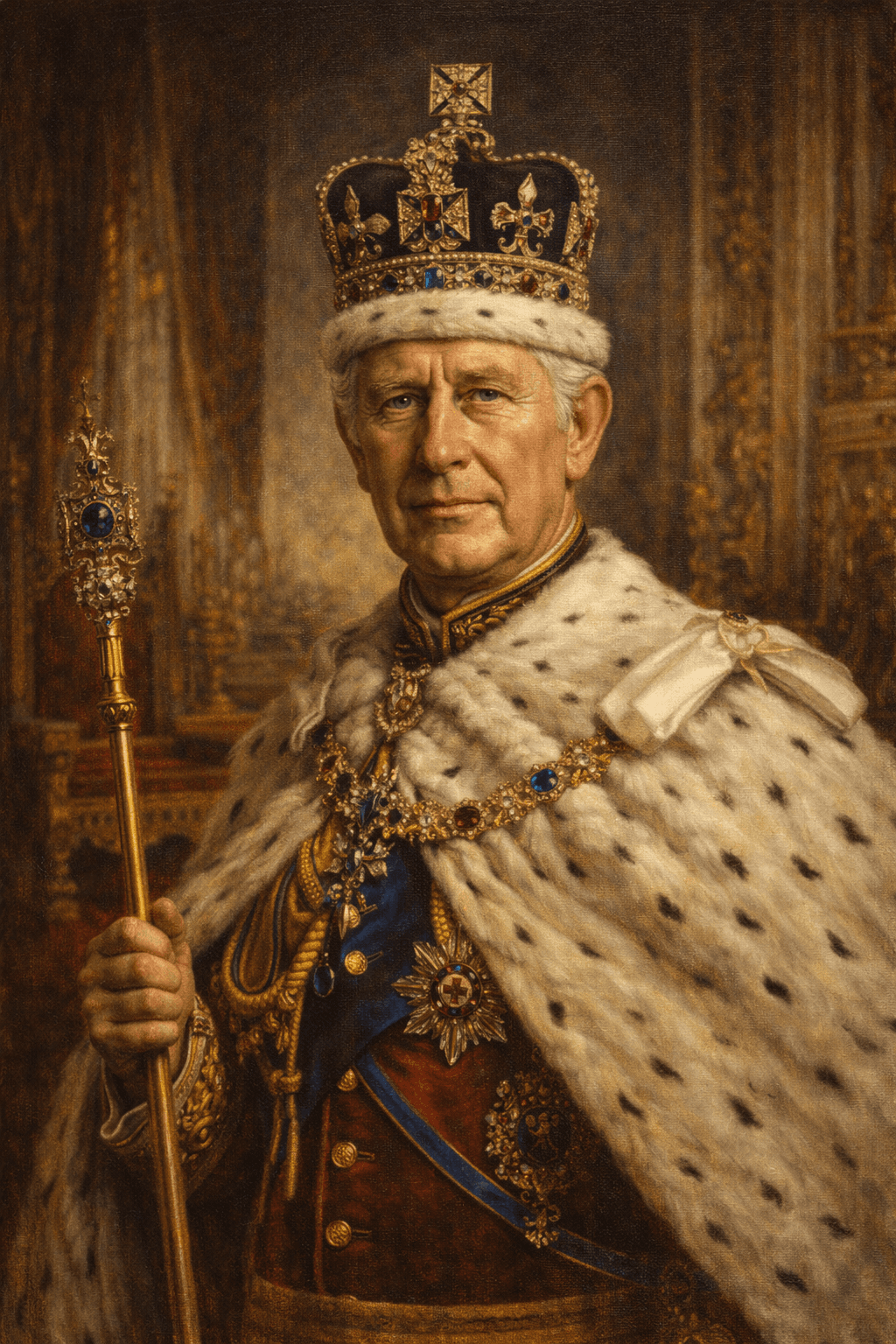
Charles III
1948–?Modern HistoryUnited Kingdom
He waited longer to become king than almost anyone in British history — and arrived on the throne with decades of opinions about the world already fully formed.
Open profile →
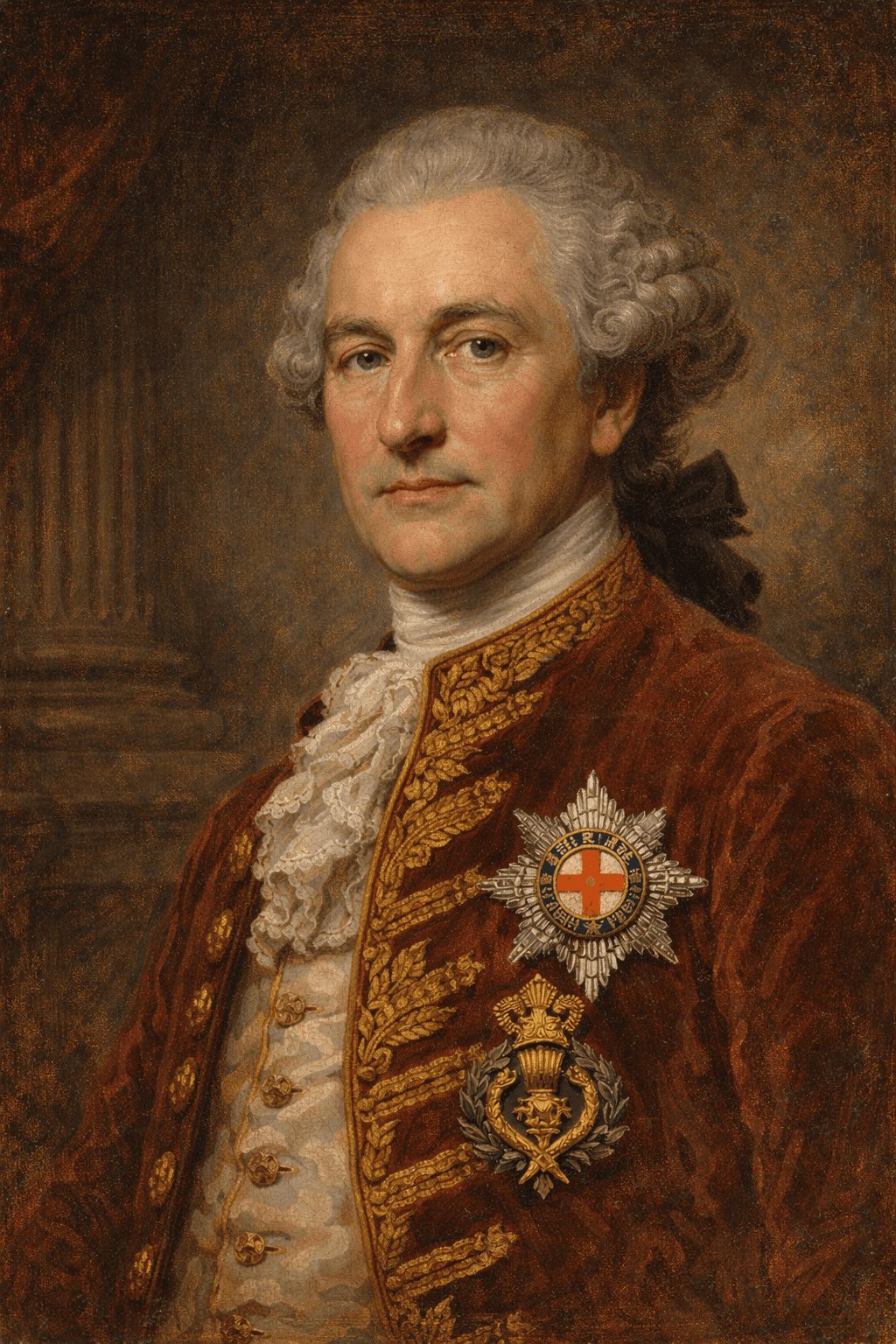
Charles Watson-Wentworth, 2nd Marquess of Rockingham
1730–1782Early Modern EraUnited Kingdom
He twice became prime minister during a turbulent imperial crisis, pushing for reconciliation with American colonies while trying to restrain royal influence over British politics.
Open profile →
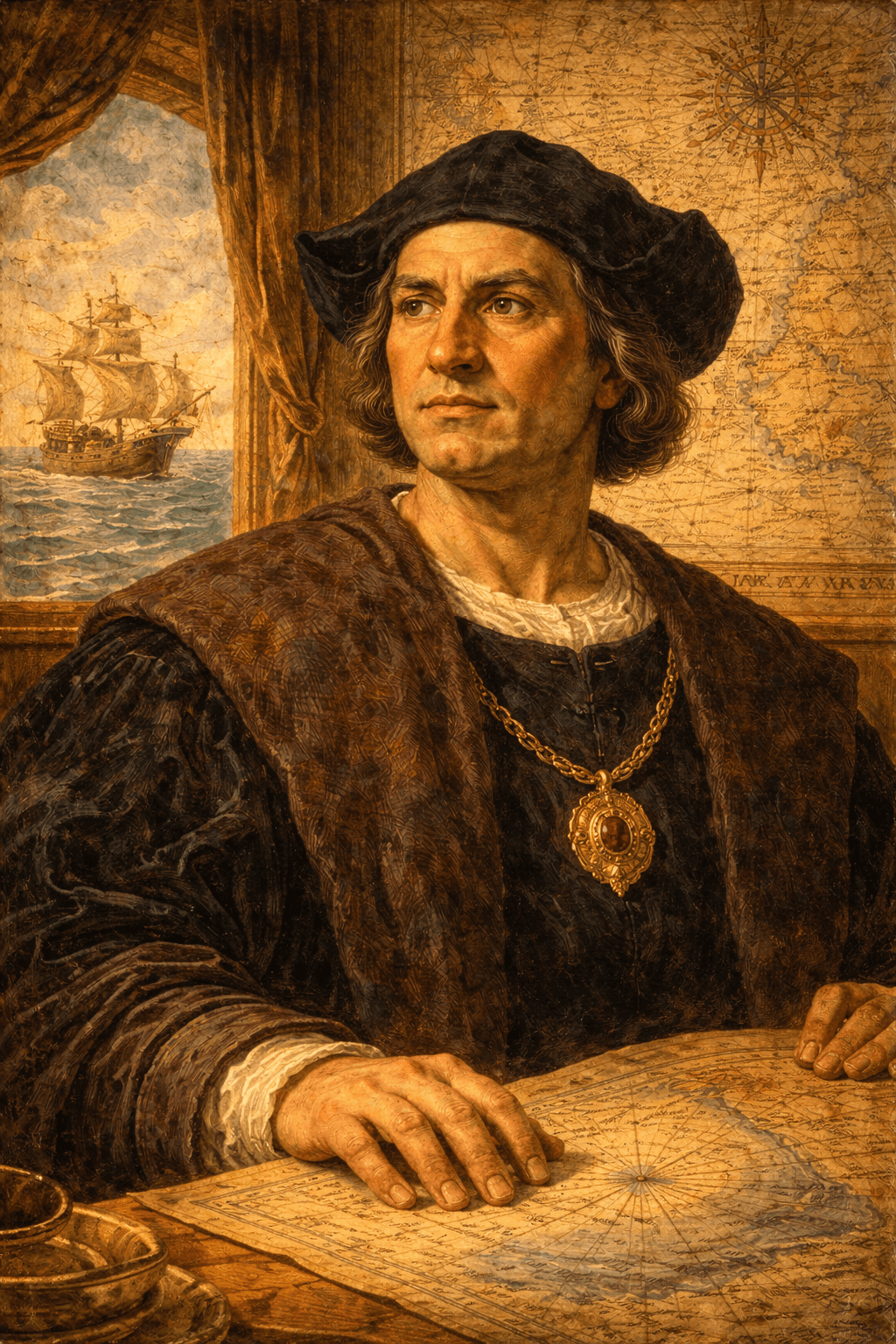
Christopher Columbus
1451–1506Medieval PeriodItaly
He sailed west to reach the east, miscalculated the size of the earth, and stumbled onto a continent — then spent the rest of his life denying it was there.
Open profile →
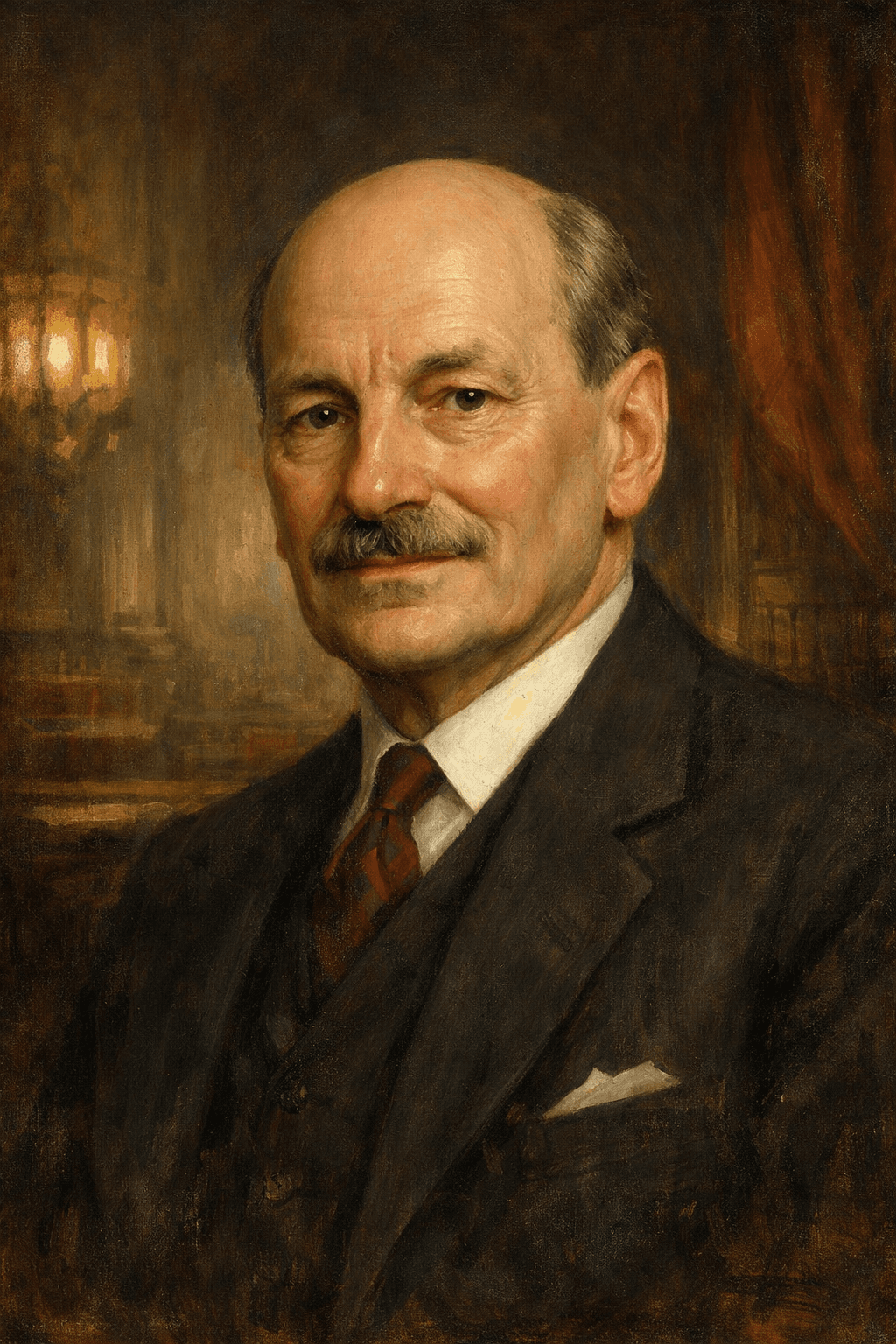
Clement Attlee
1883–1967Industrial AgeUnited Kingdom
He quietly reshaped Britain after war, building a welfare state and national health system that changed everyday life more deeply than many louder leaders ever managed.
Open profile →
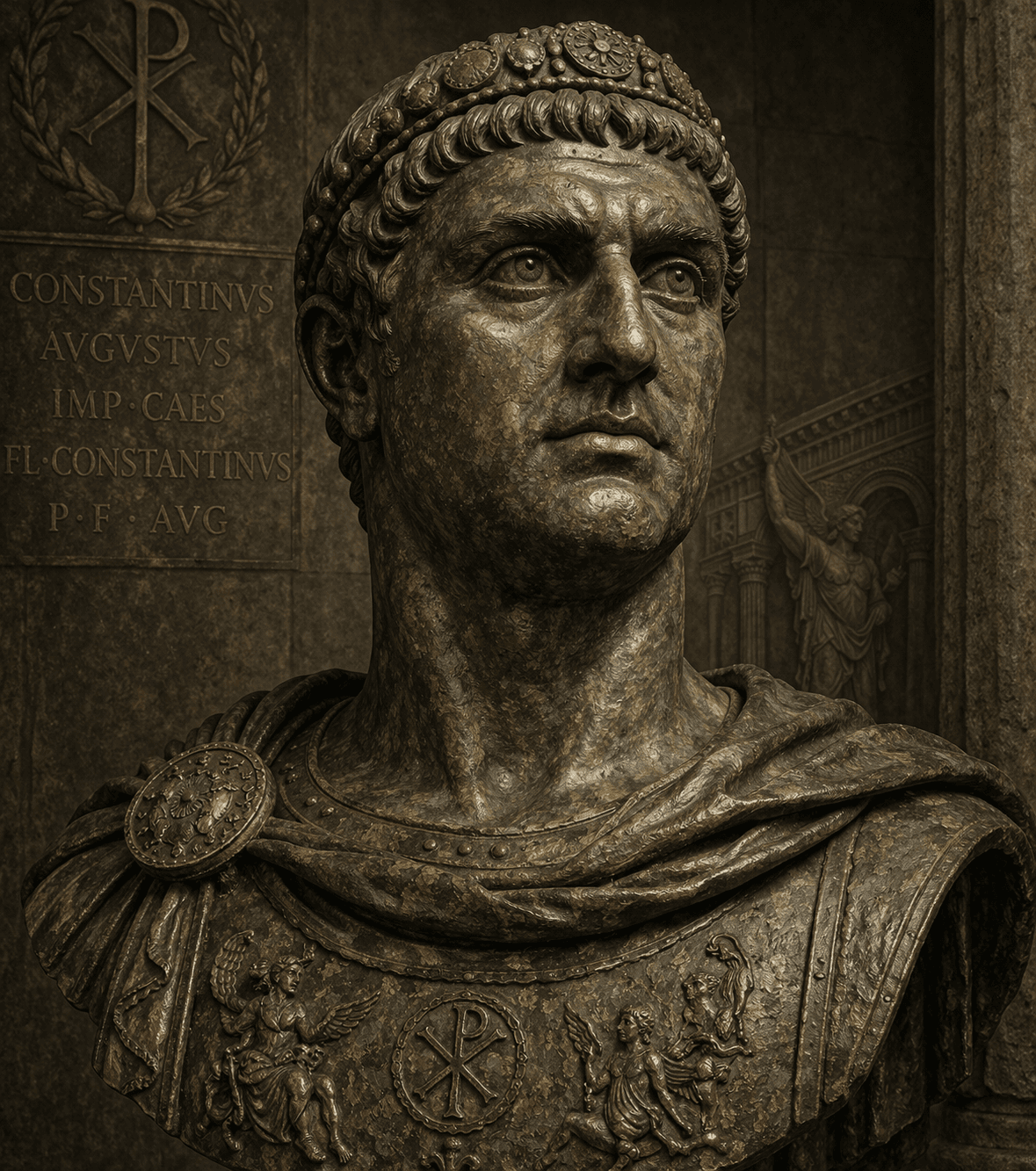
Constantine the Great
272–337Classical WorldItaly
He converted to Christianity on the eve of battle, won the battle, and spent the rest of his reign trying to work out what that meant for an empire built on other gods.
Open profile →
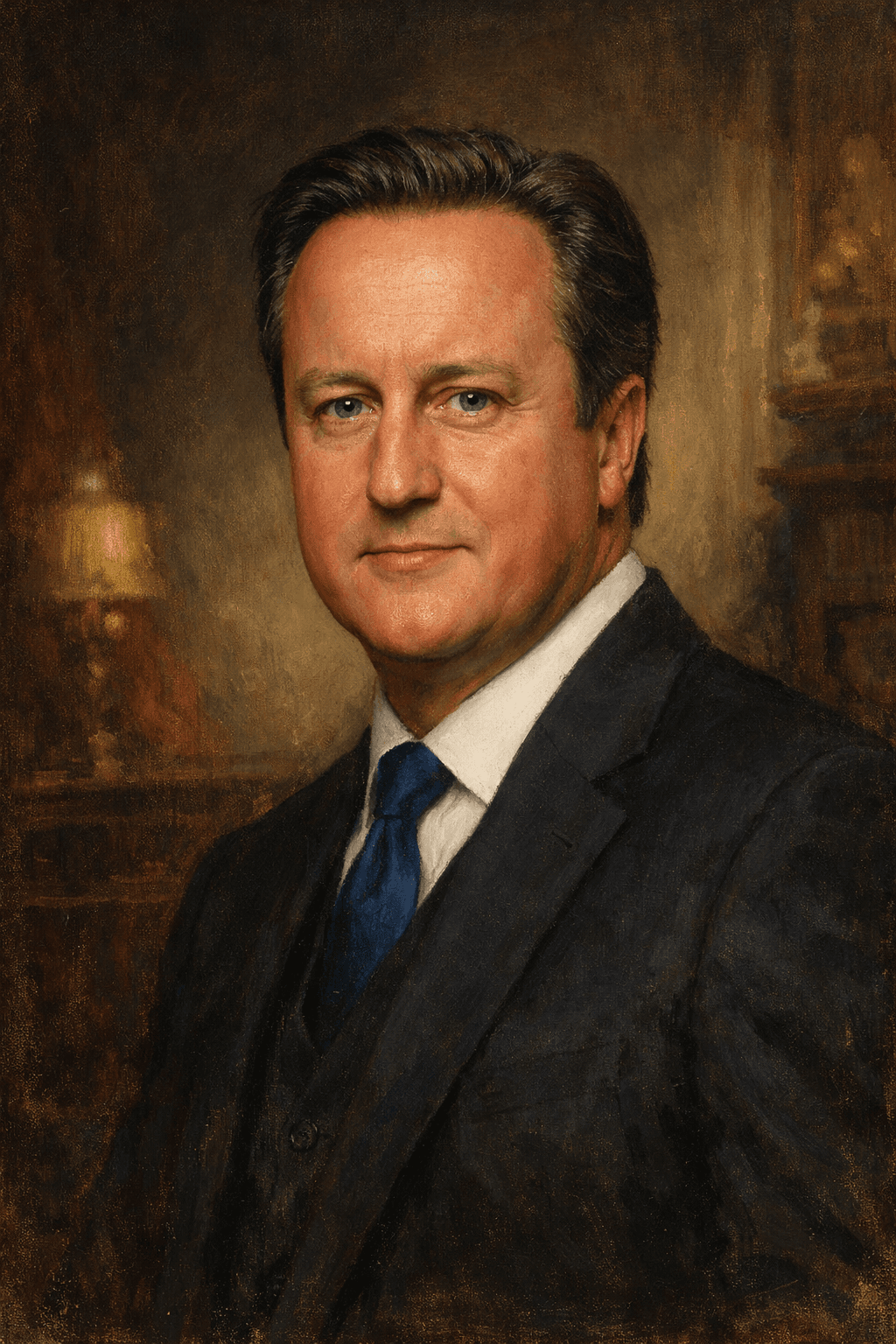
David Cameron
1966–?Modern HistoryUnited Kingdom
He rebranded Britain’s Conservative Party, led the country through austerity, then gambled on a referendum he thought he would win—and lost everything when voters chose Brexit.
Open profile →
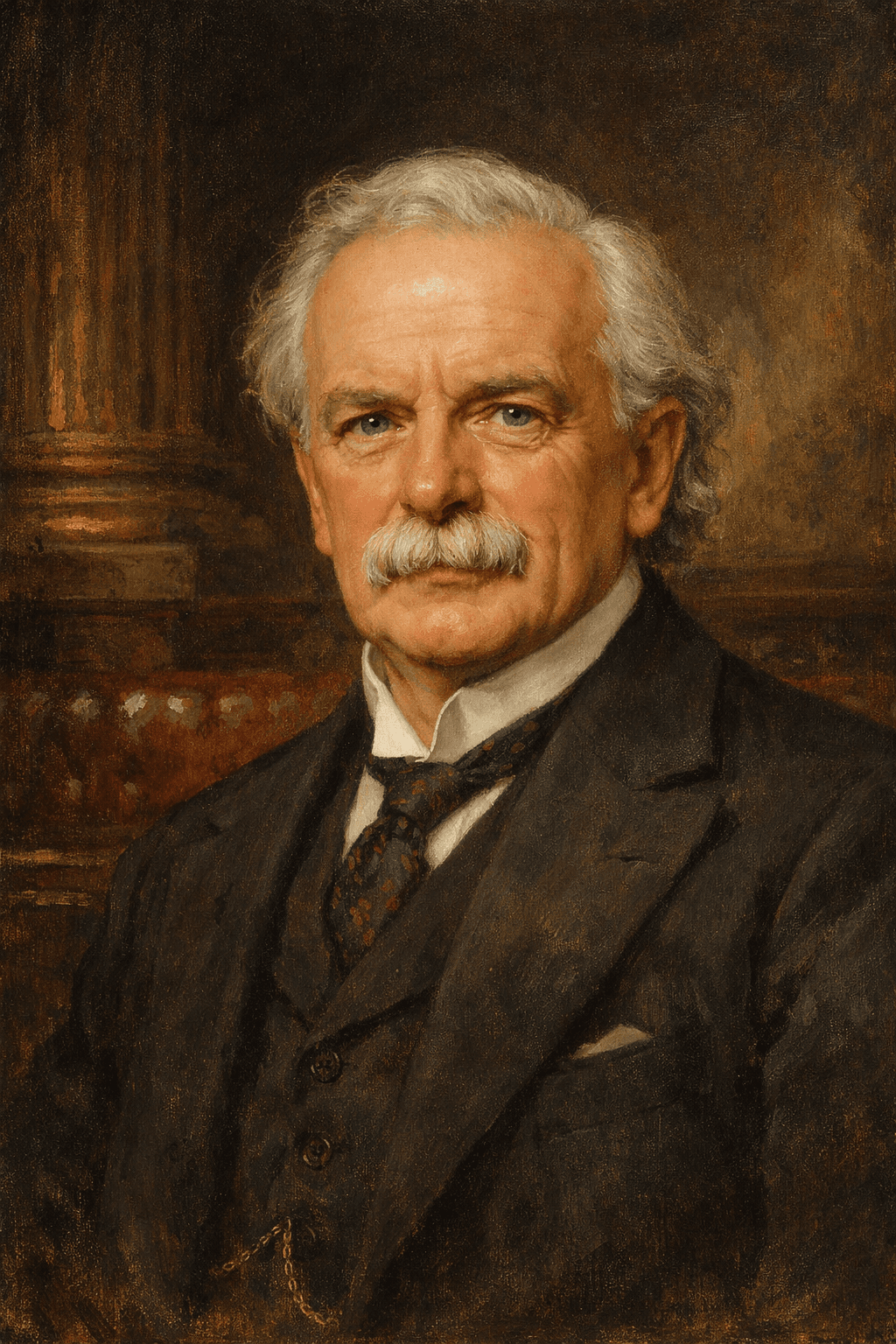
David Lloyd George
1863–1945Industrial AgeUnited Kingdom
He guided Britain to victory in the First World War, helped redraw the map of Europe at Versailles, and then watched everything he built come apart in the following decade.
Open profile →
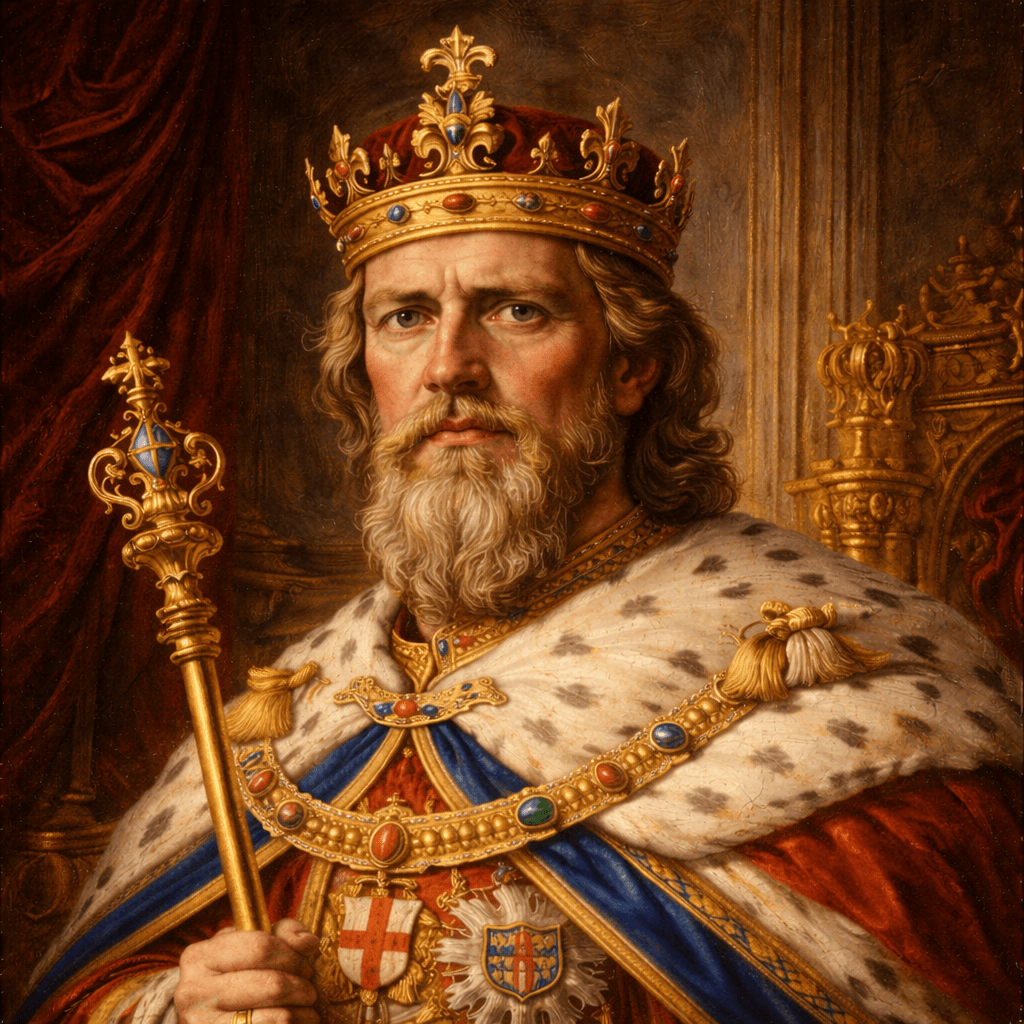
Edward I of England
1239–1307Medieval PeriodUnited Kingdom
He was determined to bring the whole of Britain under English rule — and came close enough that Scotland has been pushing back ever since.
Open profile →
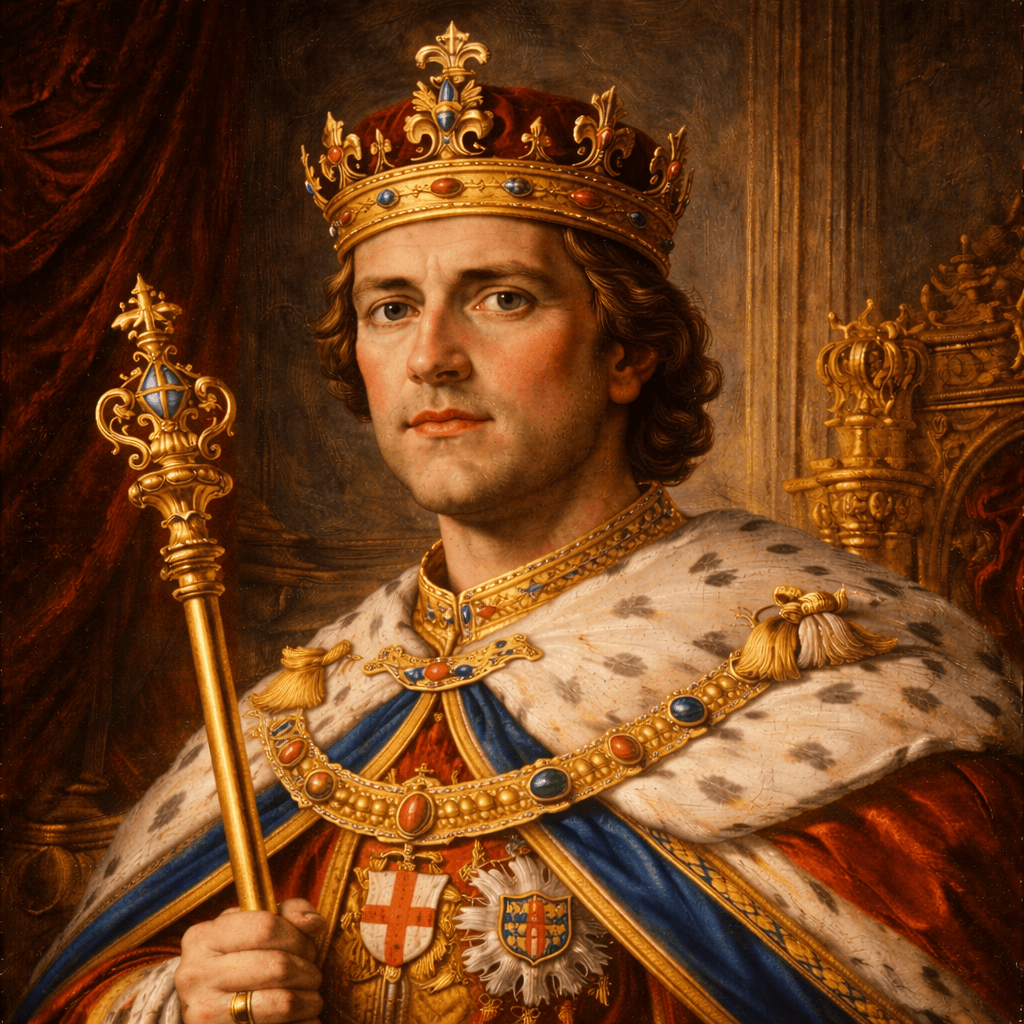
Edward II of England
1284–1327Medieval PeriodUnited Kingdom
His father conquered Scotland and he lost it — at Bannockburn, against a force half the size of his own, in one of the most complete military reversals of the medieval era.
Open profile →
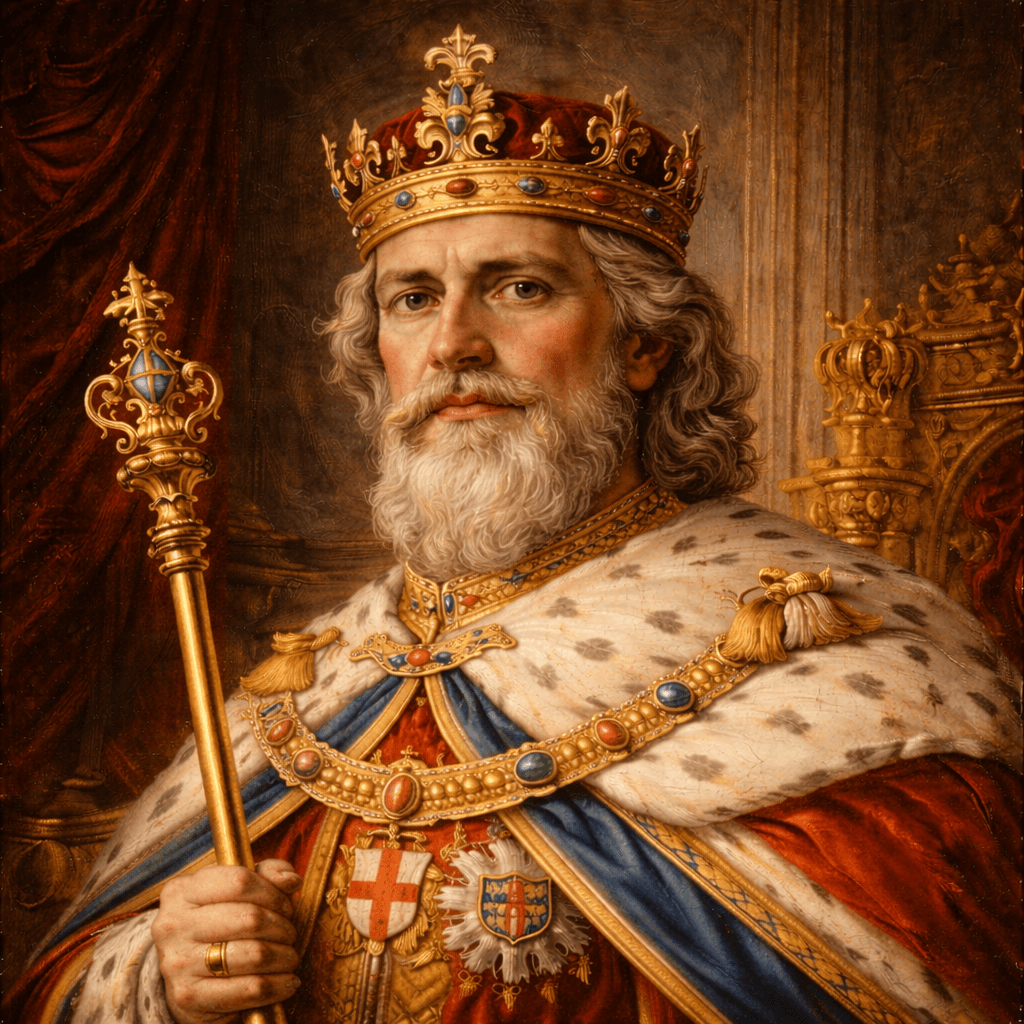
Edward III of England
1312–1377Medieval PeriodUnited Kingdom
He started the Hundred Years' War over a claim to the French throne that even his own lawyers found unconvincing, and then made it look plausible by winning every battle for a decade.
Open profile →
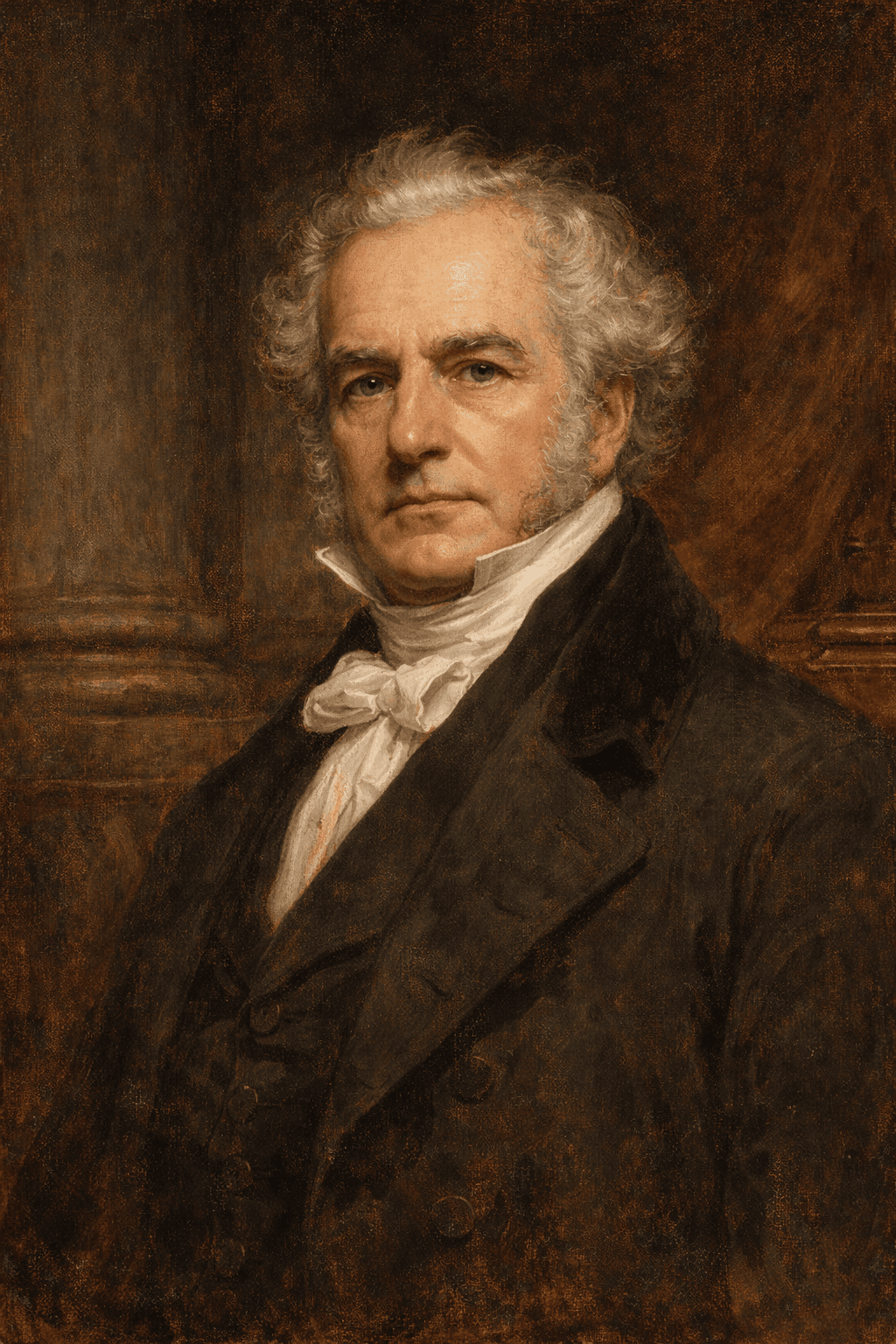
Edward Smith-Stanley, 14th Earl of Derby
1799–1869Industrial AgeUnited Kingdom
He led Britain three times without ever securing lasting control, shaping modern Conservative identity while proving how fragile power could be in a divided political age.
Open profile →
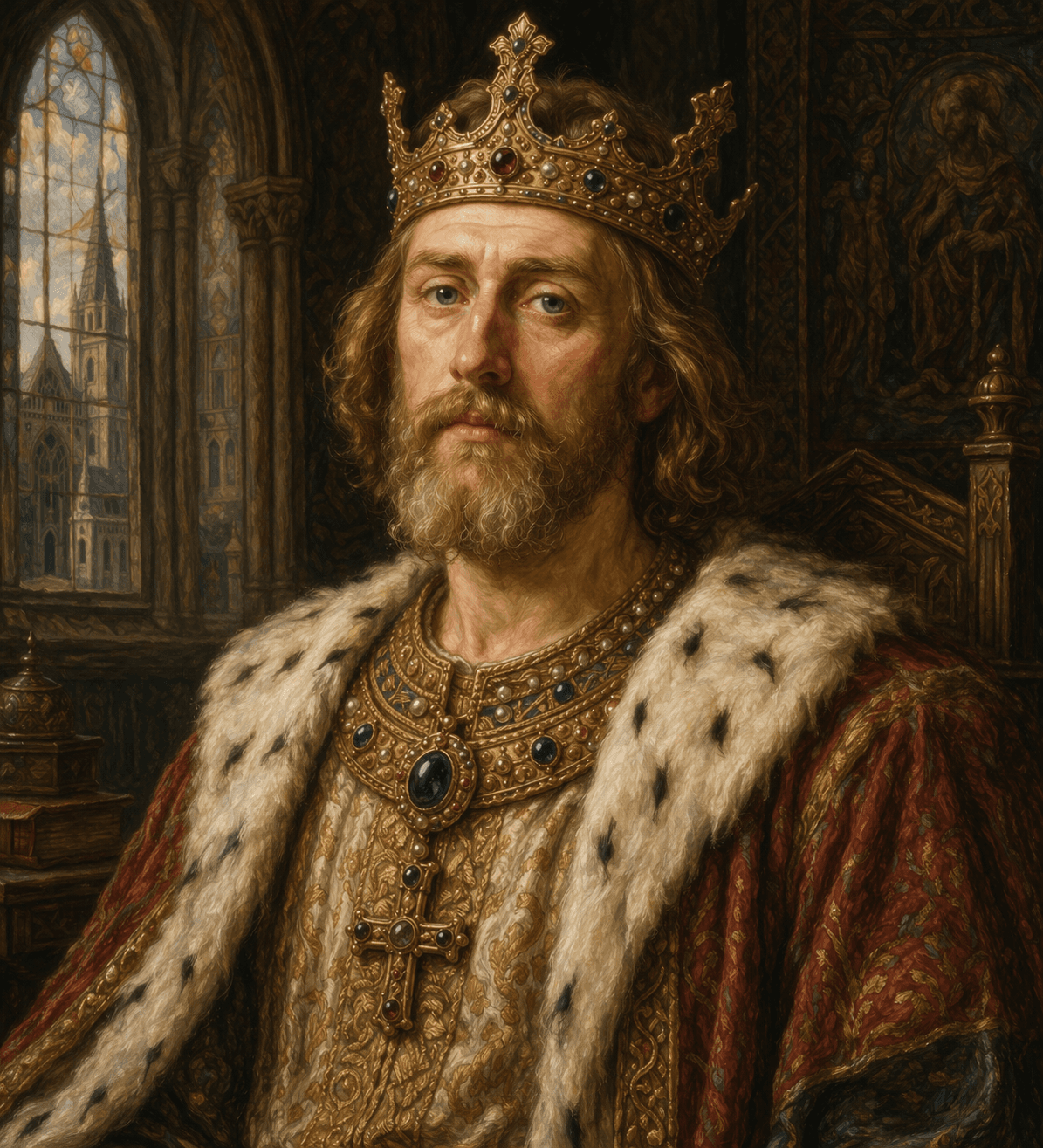
Edward the Confessor
1003–1066Medieval PeriodUnited Kingdom
He reigned for twenty-three years without producing an heir, and the war over who came next transformed England more completely than anything he had done while alive.
Open profile →
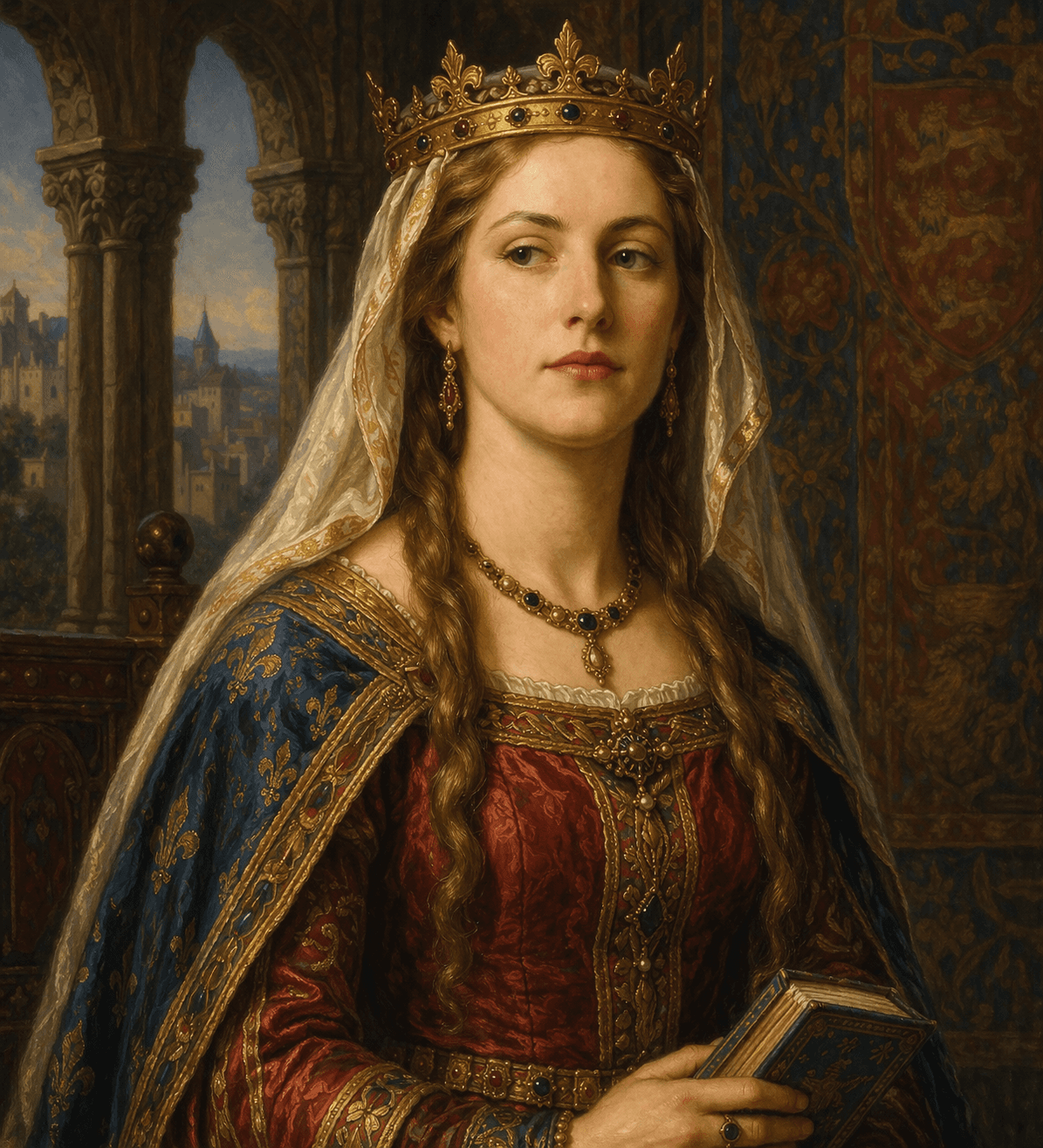
Eleanor of Aquitaine
1122–1204Medieval PeriodFrance
She was queen of France, then queen of England, was imprisoned by her own husband, outlived him, and spent her eighties managing European diplomacy on behalf of her sons.
Open profile →
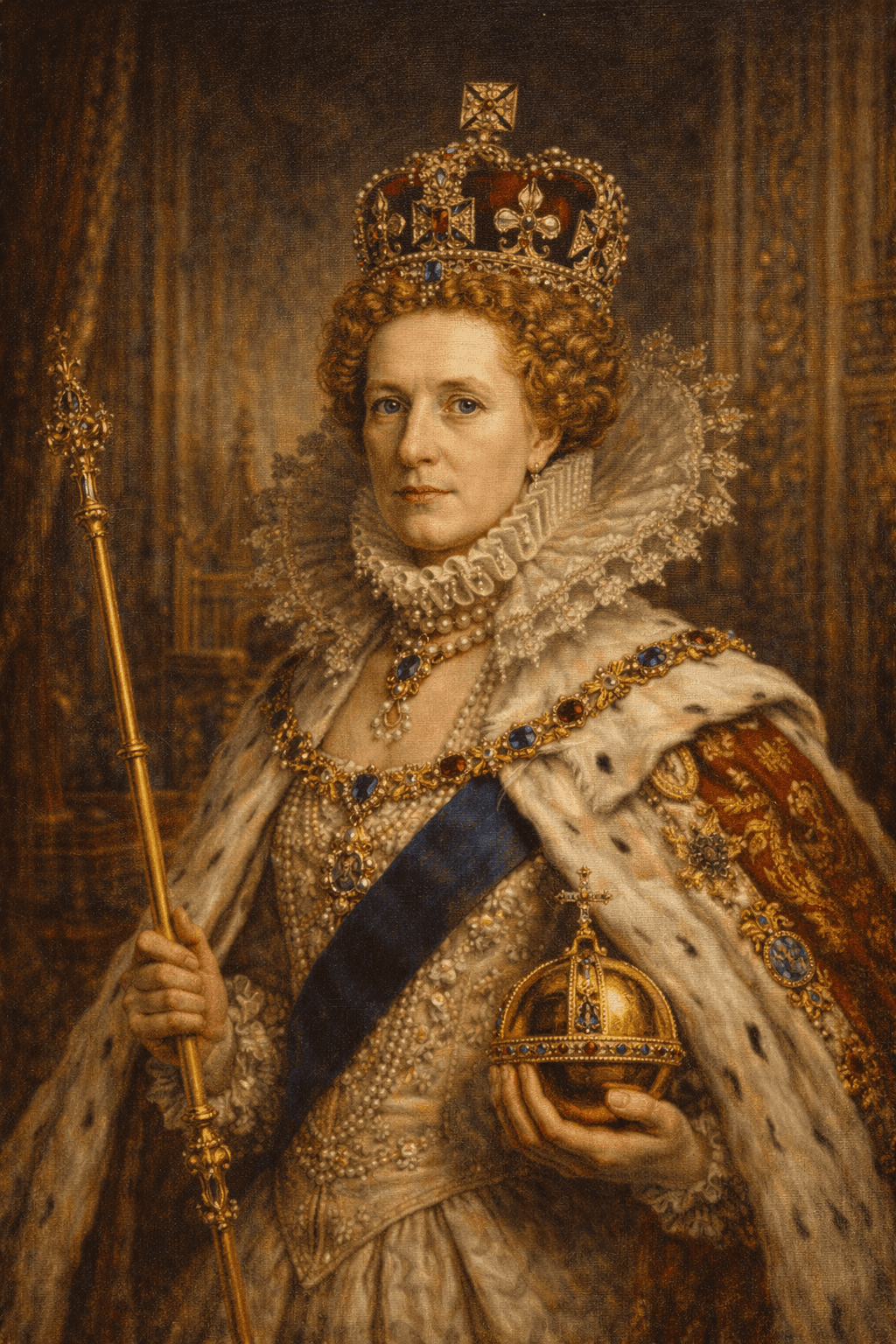
Elizabeth I
1533–1603Early Modern EraUnited Kingdom
Every European power assumed a woman couldn't rule alone — and she governed England for forty-five years without a husband, surviving plots, rebellions, and the Spanish Armada.
Open profile →
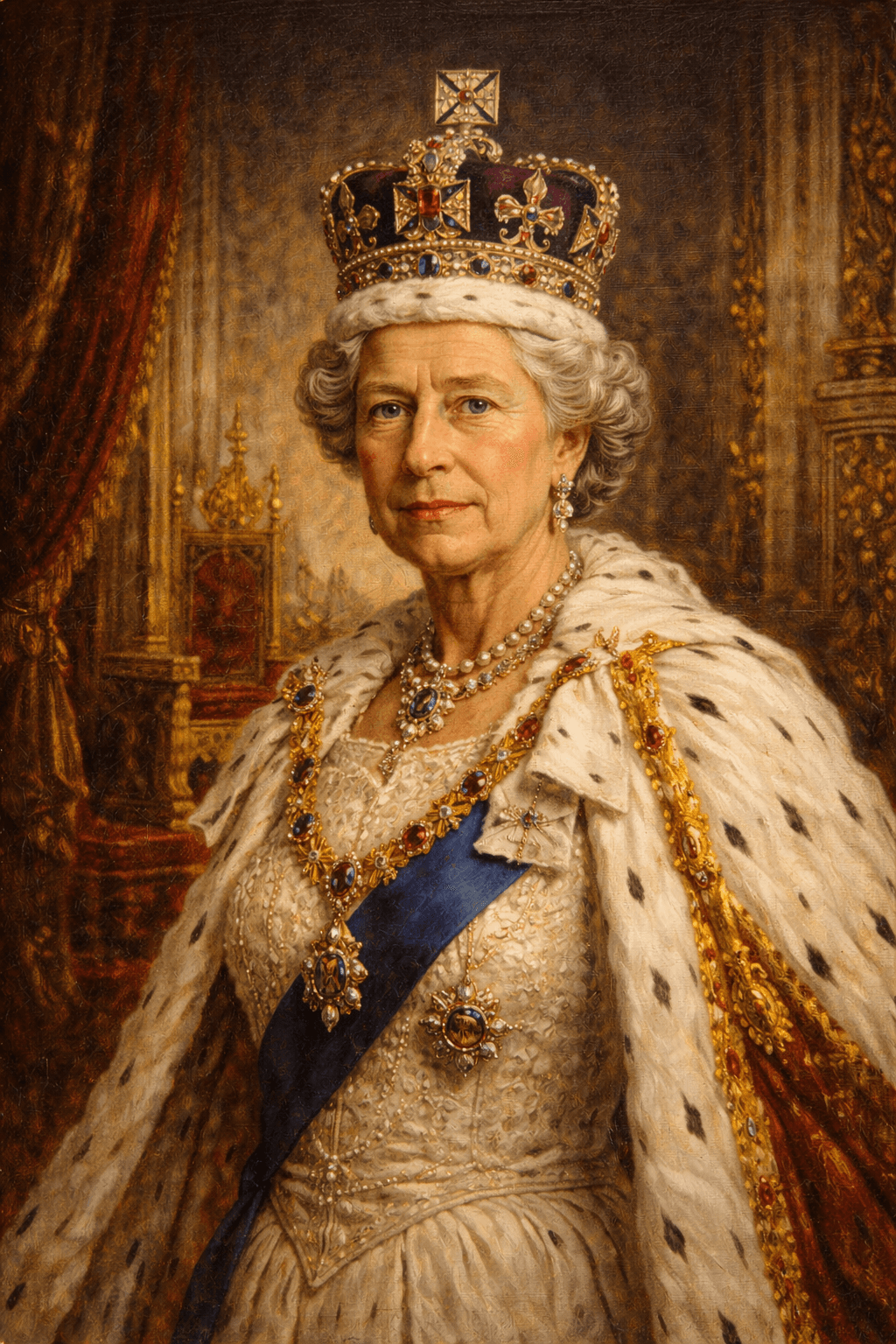
Elizabeth II
1926–2022Modern HistoryUnited Kingdom
She became queen at twenty-five and reigned for seventy years — watching fourteen prime ministers come and go while the empire that shaped her childhood quietly disappeared.
Open profile →
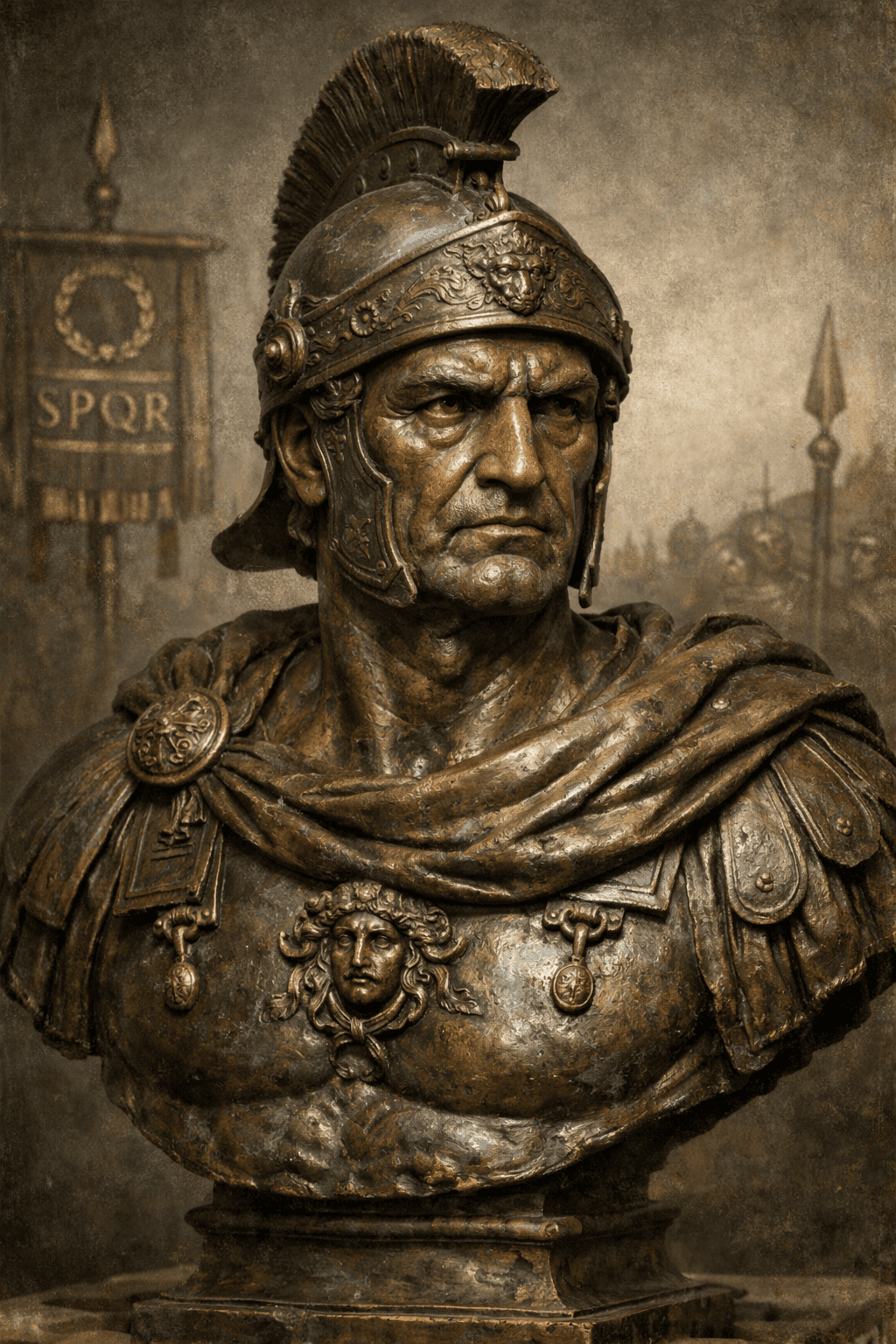
Fabius Maximus
280–203Classical WorldItaly
While Rome panicked after disaster, he refused to fight — shadowing Hannibal's army, cutting off supplies, wearing down the invader — and the Romans called him a coward for it.
Open profile →
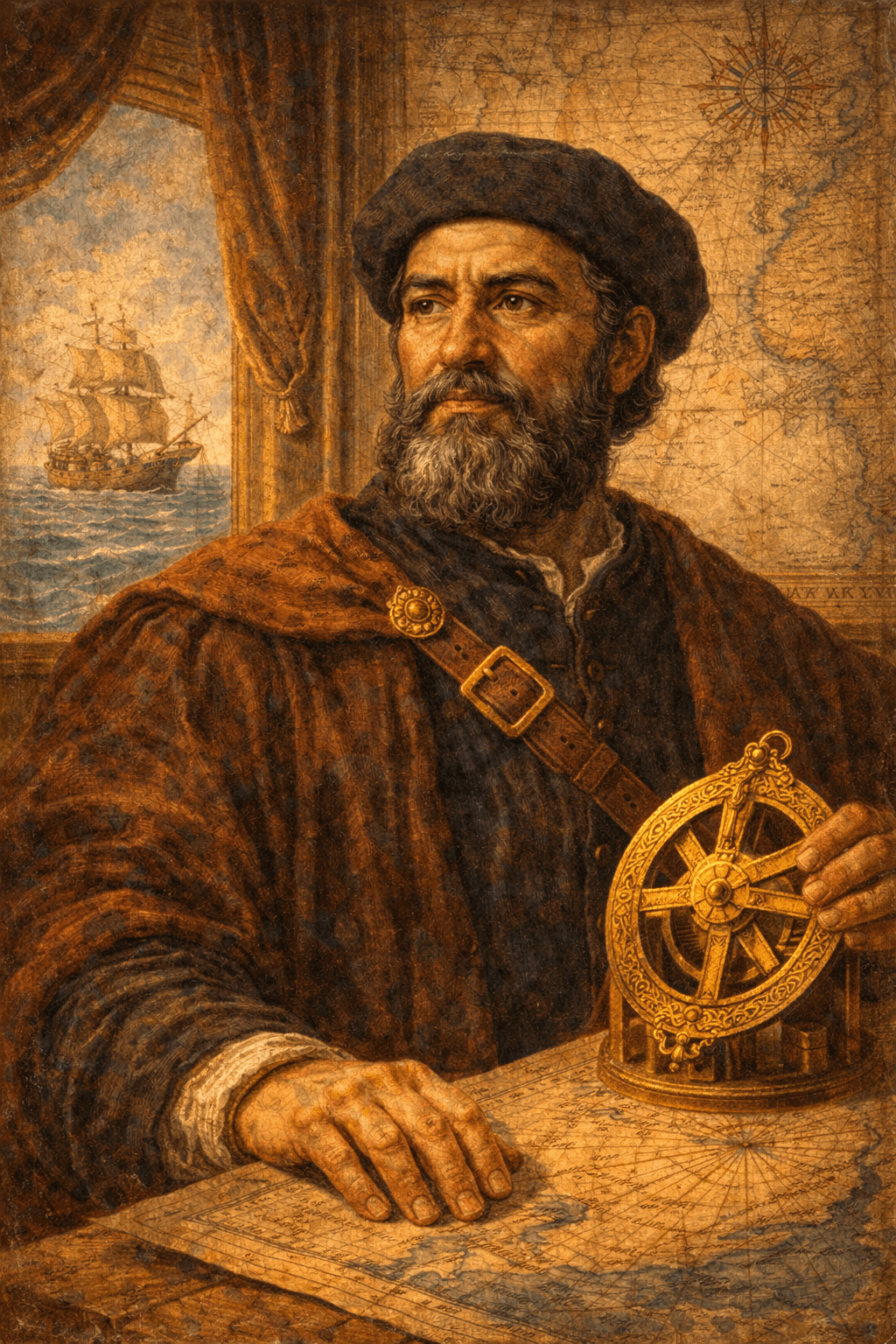
Ferdinand Magellan
1480–1521Medieval PeriodPortugal
Portuguese-born navigator who led the first expedition to cross the Pacific Ocean, enabling the first circumnavigation of Earth and reshaping global geographic understanding.
Open profile →
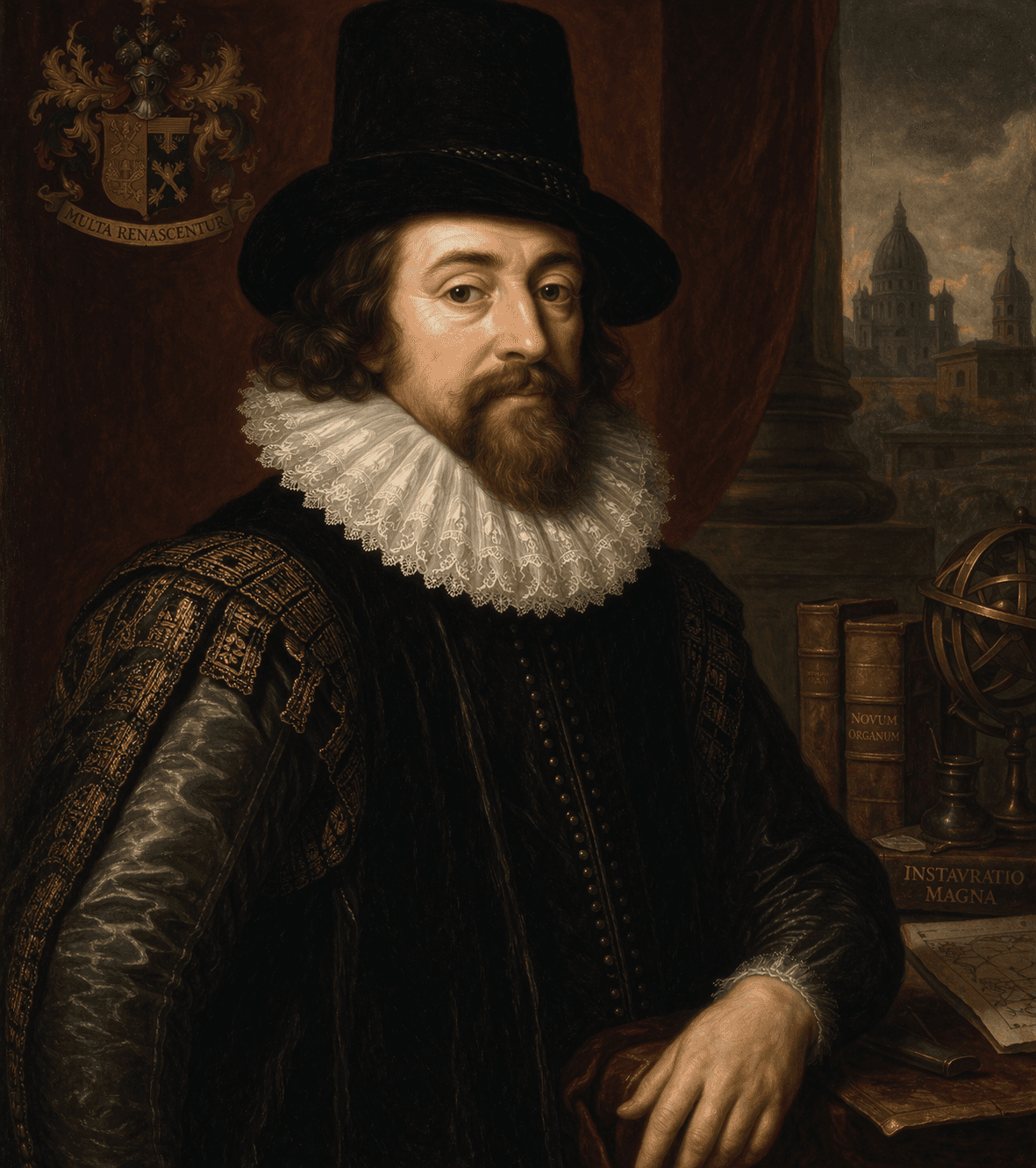
Francis Bacon
1561–1626Early Modern EraUnited Kingdom
He argued that everything we thought we knew about the natural world needed to be tested against reality — a simple idea that took centuries to fully spread.
Open profile →
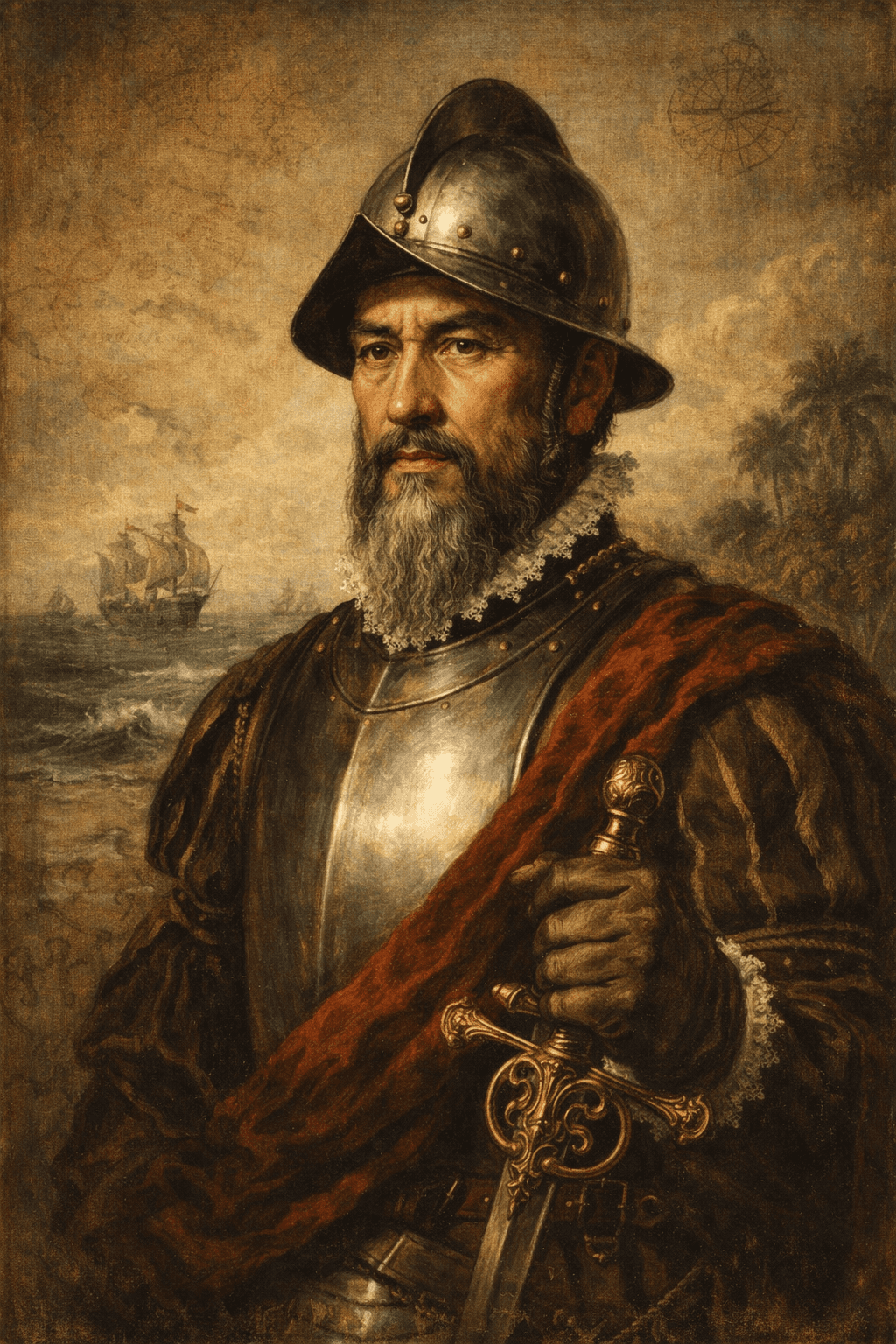
Francisco Pizarro
1478–1541Medieval PeriodSpain
He arrived in Peru with 168 men, took the Inca emperor hostage at a diplomatic meeting, and used that leverage to destroy the most powerful empire in the Americas.
Open profile →
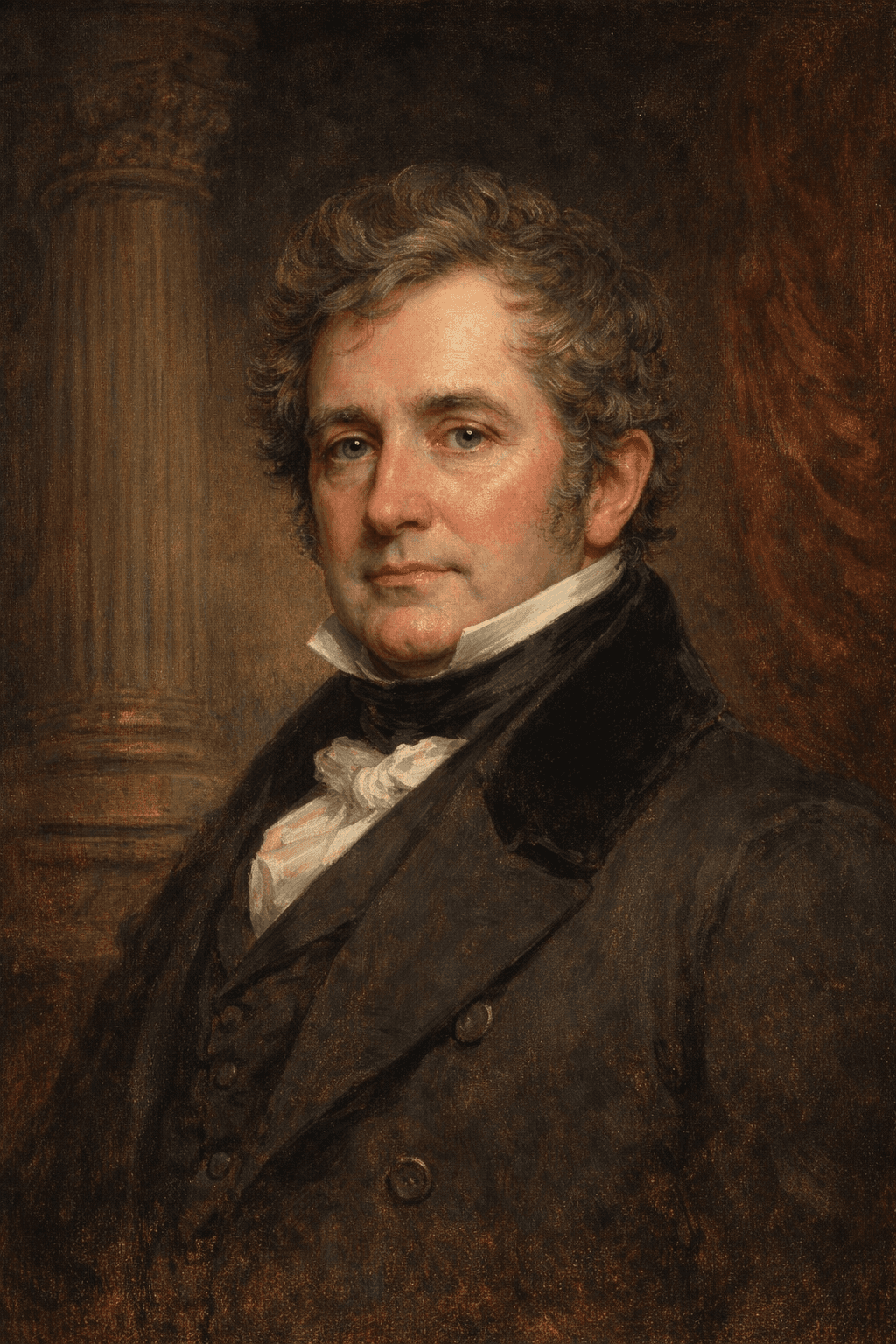
Frederick Robinson, Viscount Goderich
1782–1859Industrial AgeUnited Kingdom
He rose through finance and diplomacy to briefly become prime minister, only to preside over a government so fragile it collapsed within months.
Open profile →
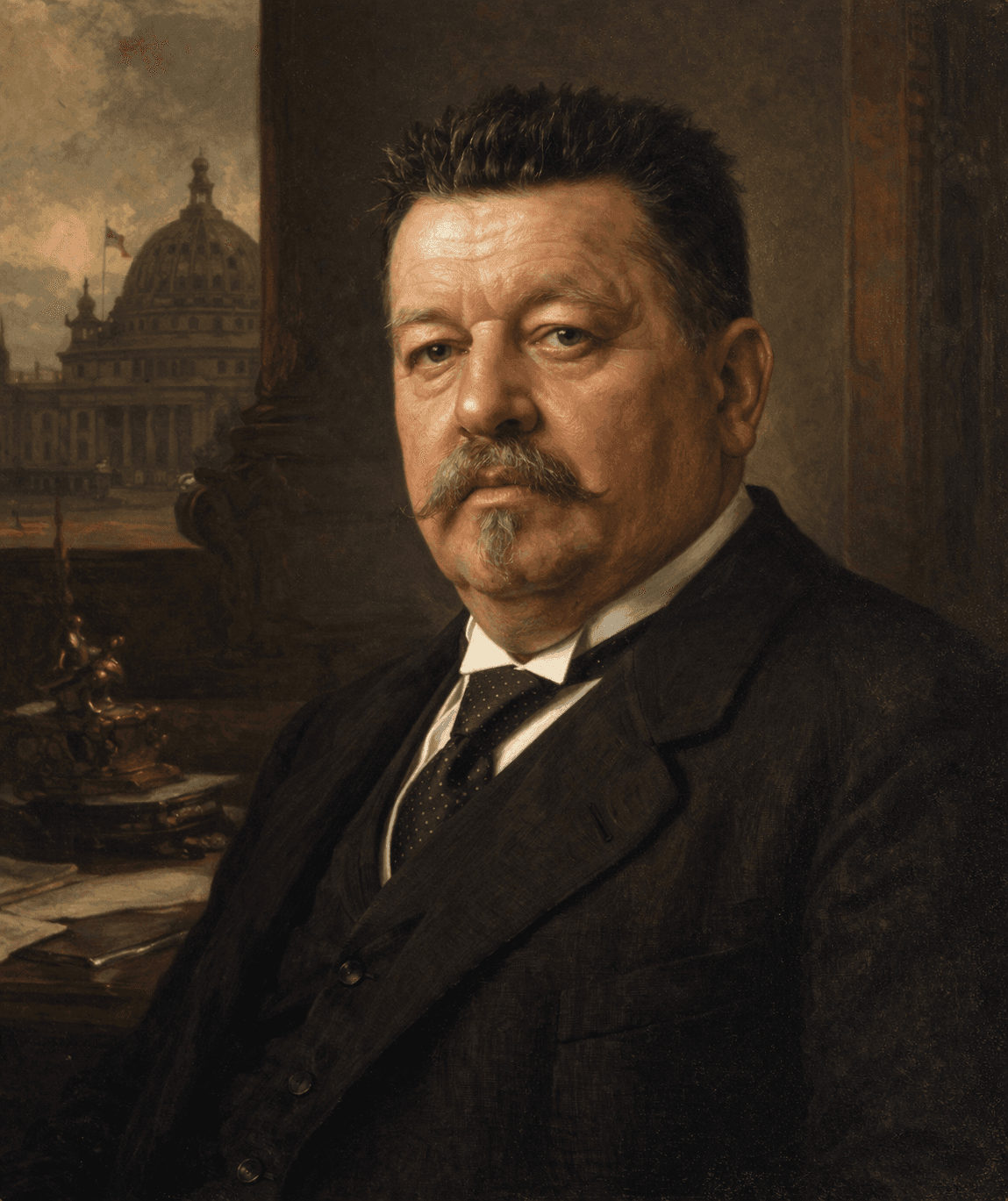
Friedrich Ebert
1871–1925Industrial AgeGermany
He became Germany's first democratic president in a revolution he didn't want, crushed the uprisings that threatened it, and died before he could see what was coming next.
Open profile →
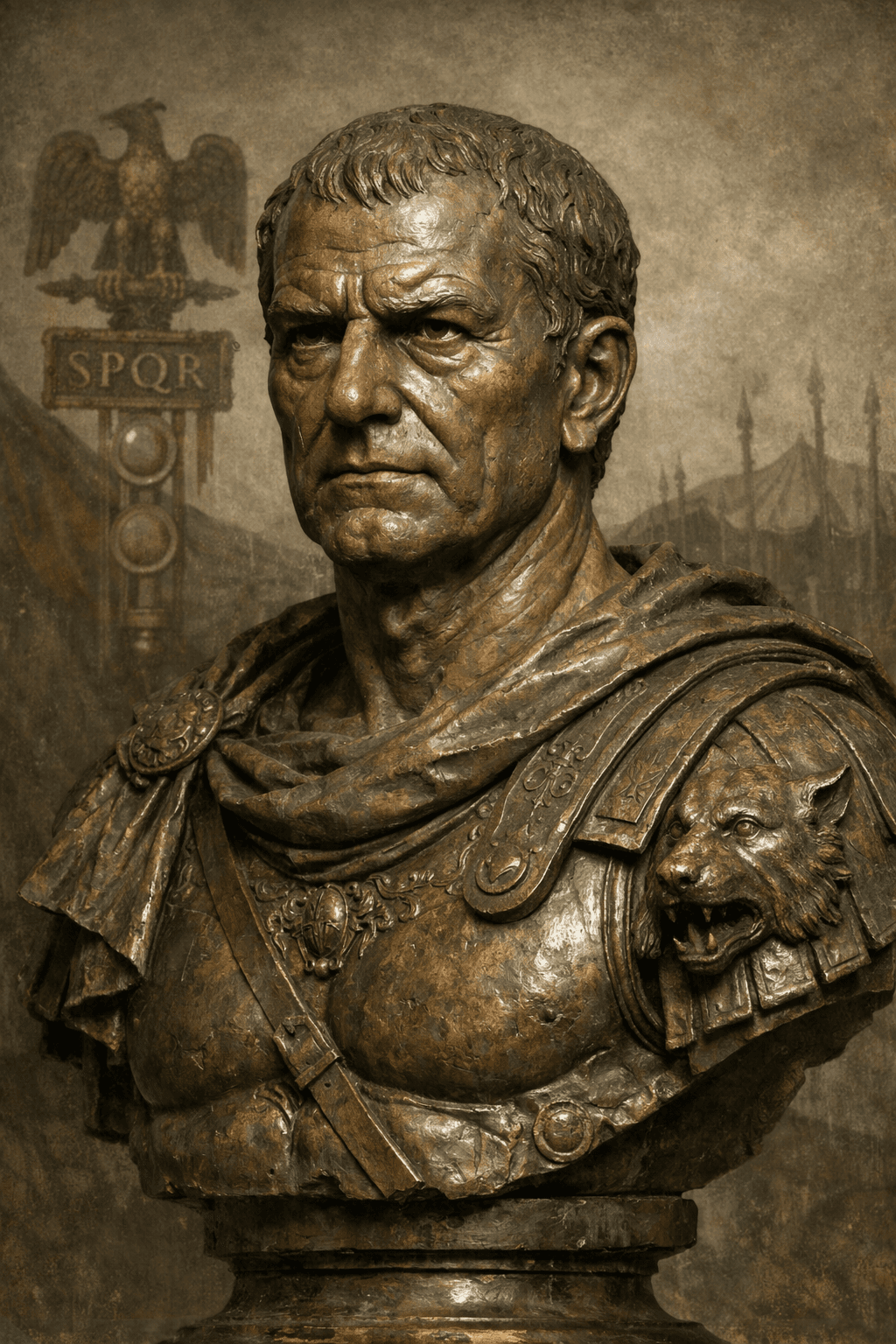
Gaius Marius
-157–-86Classical WorldItaly
He saved Rome from invasion, won seven consulships — more than anyone before him — and in doing so proved that the republic's rules meant nothing when a general had a loyal army.
Open profile →
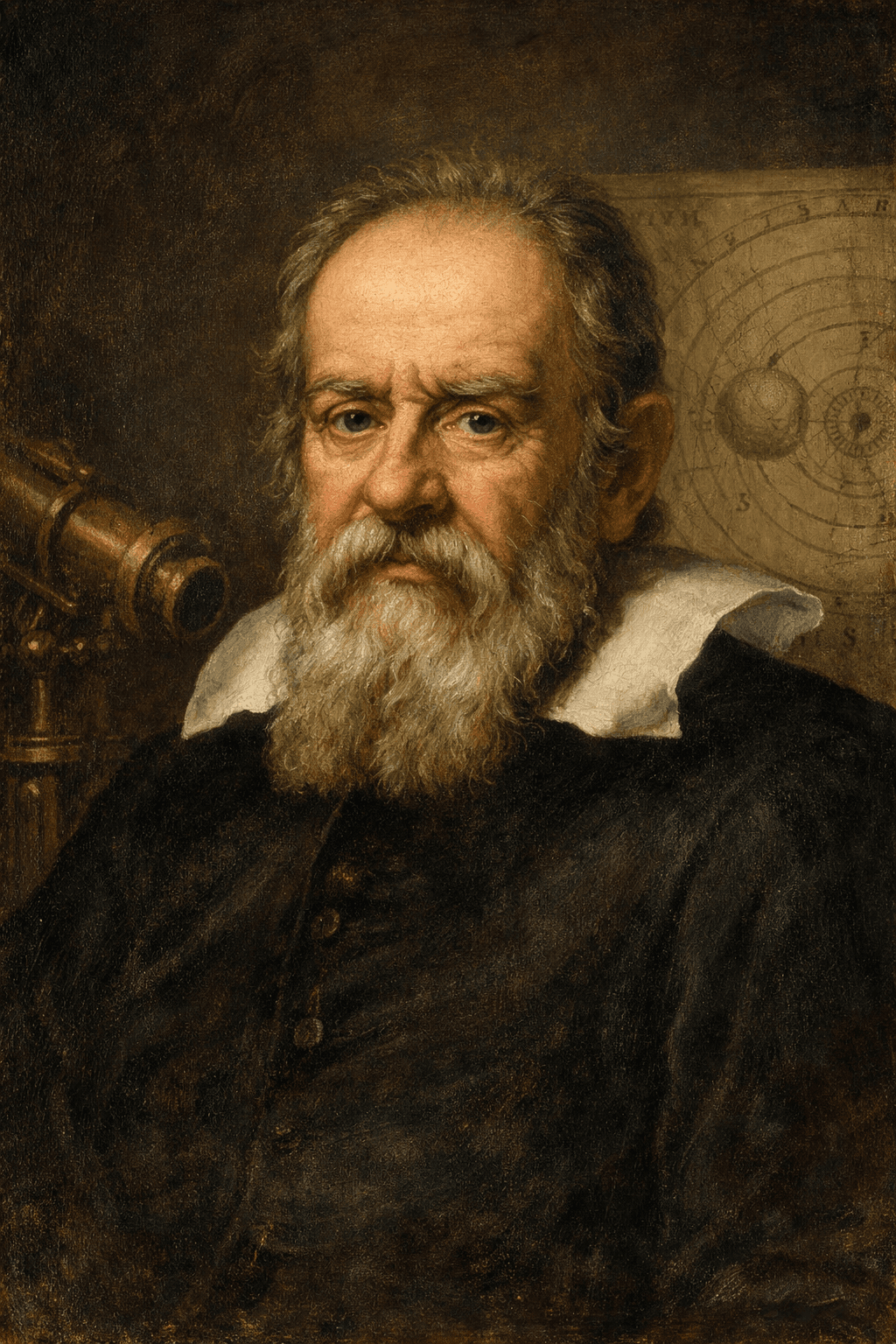
Galileo Galilei
1564–1642Early Modern EraItaly
He pointed a telescope at the sky, saw things that couldn't be explained by the accepted model of the universe, and spent the rest of his life in trouble for saying so.
Open profile →
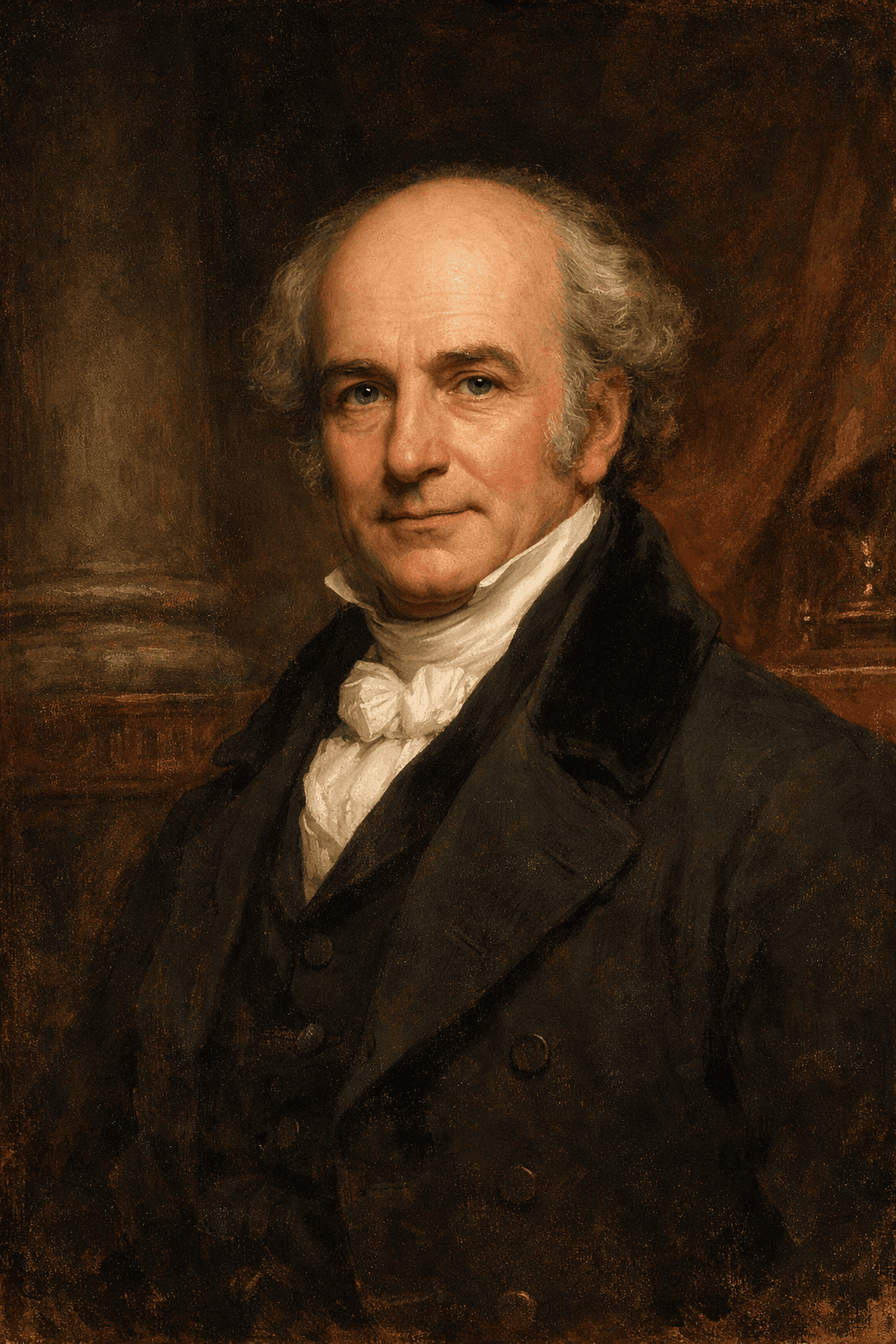
George Canning
1770–1827Industrial AgeUnited Kingdom
He climbed from financial insecurity to the highest office in Britain, but his brief time as prime minister ended almost as soon as it began.
Open profile →
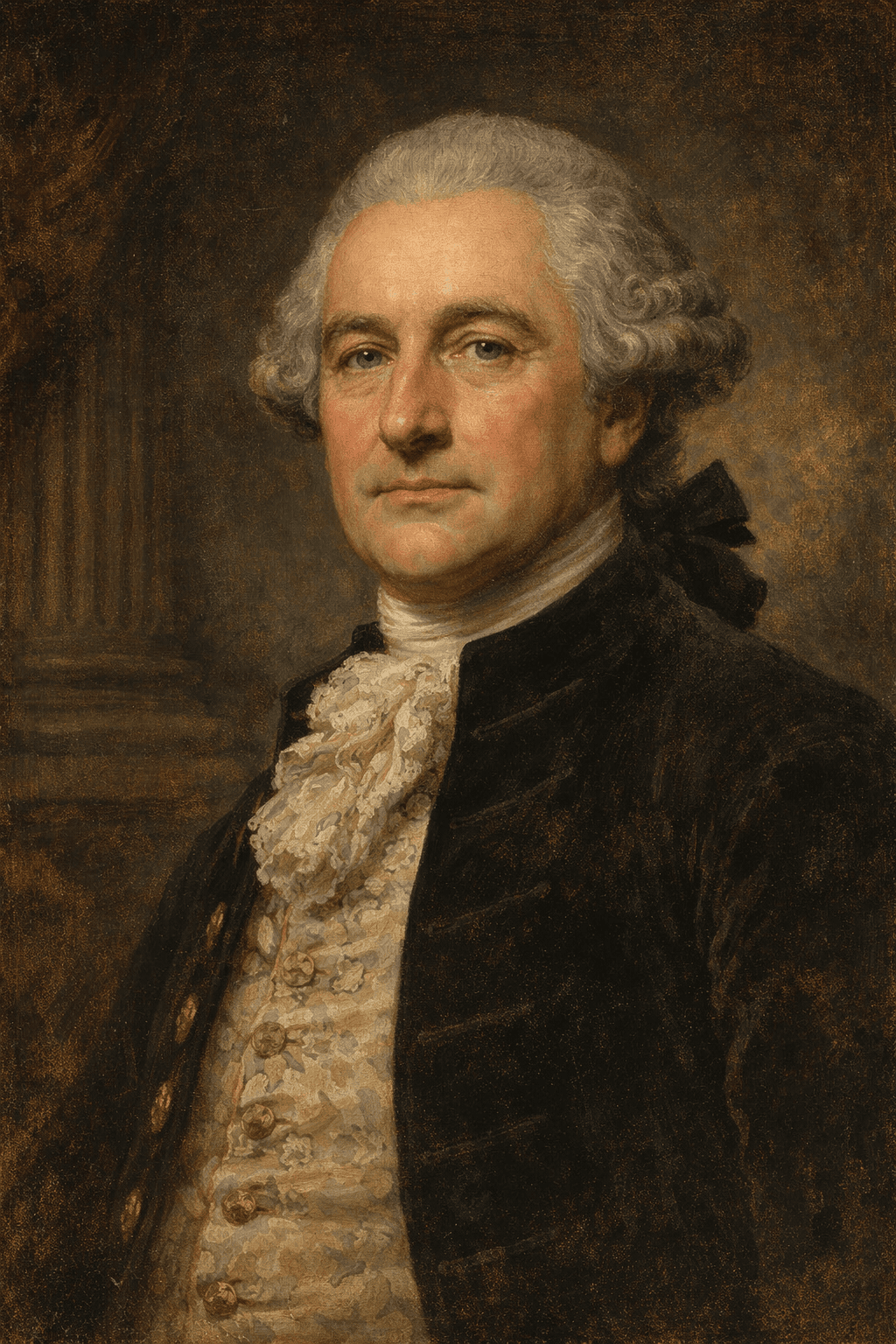
George Grenville
1712–1770Early Modern EraUnited Kingdom
He tried to tighten Britain’s grip on its American colonies through taxation, and in doing so, helped spark resistance that would eventually lead to revolution.
Open profile →
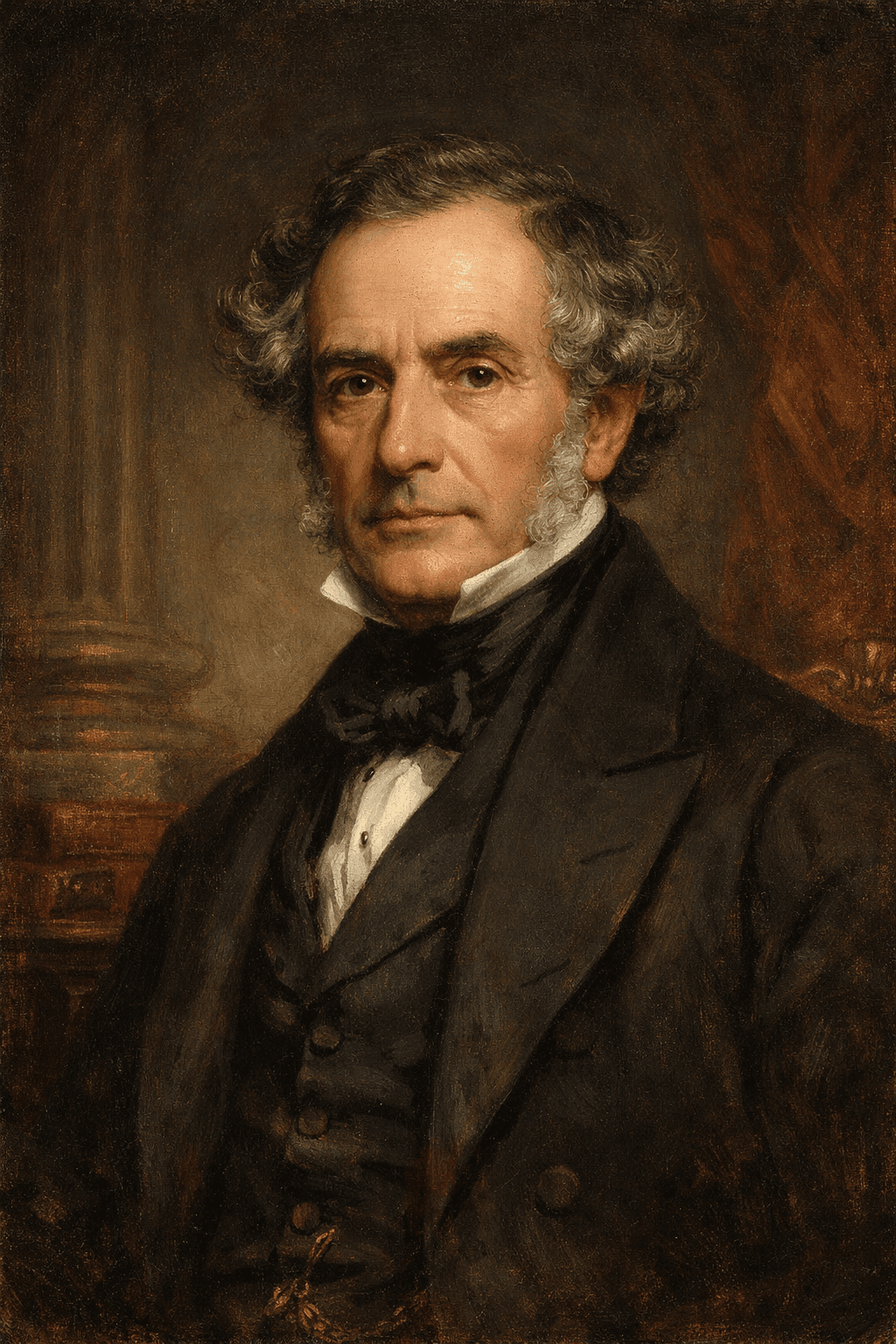
George Hamilton-Gordon, 4th Earl of Aberdeen
1784–1860Industrial AgeUnited Kingdom
He preferred quiet diplomacy to loud politics, yet found himself leading Britain into the Crimean War, a conflict that tested his cautious instincts and ended his premiership.
Open profile →
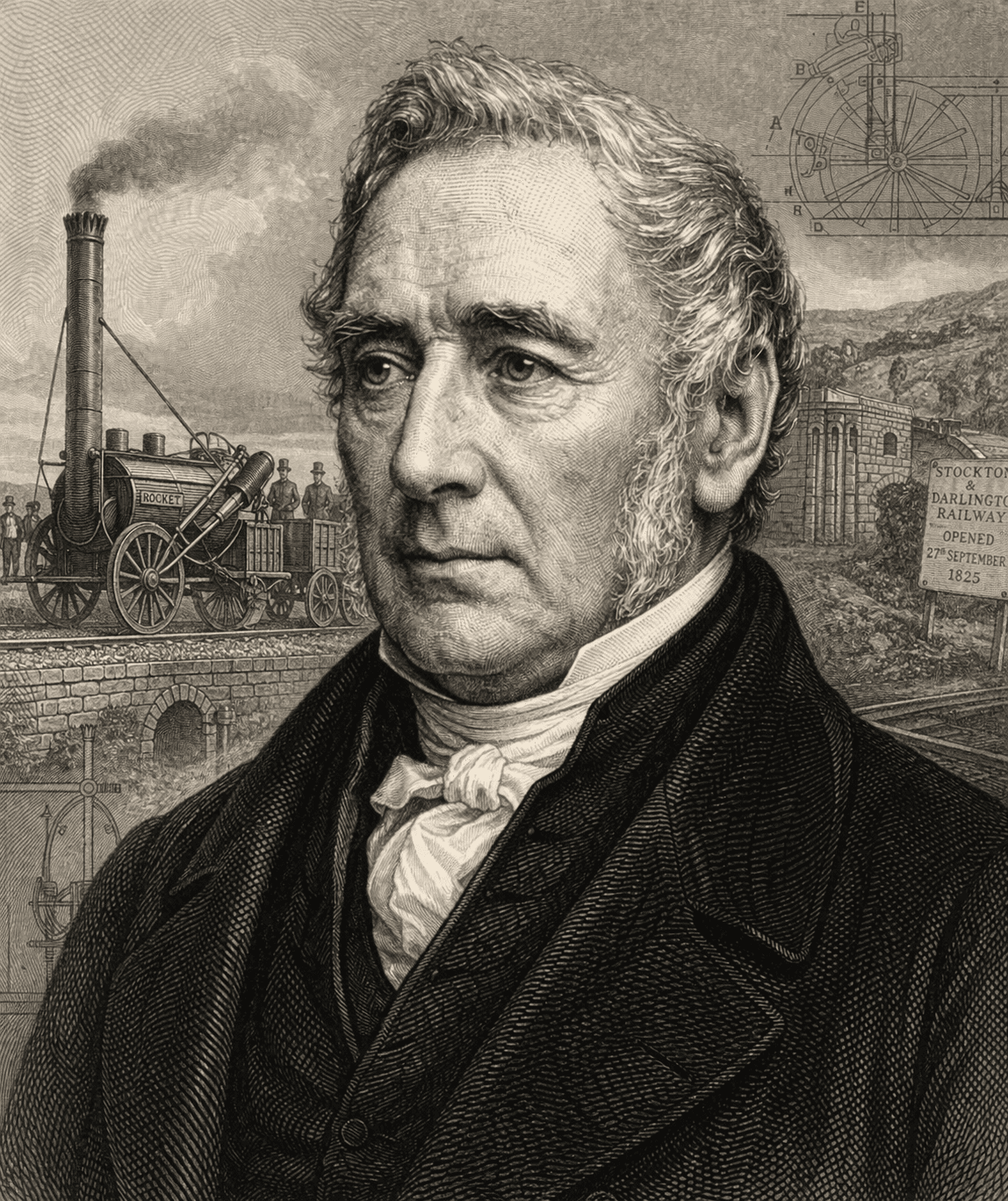
George Stephenson
1781–1848Industrial AgeUnited Kingdom
He grew up illiterate on the Northumberland coalfields and redesigned the way humans moved across the surface of the earth.
Open profile →
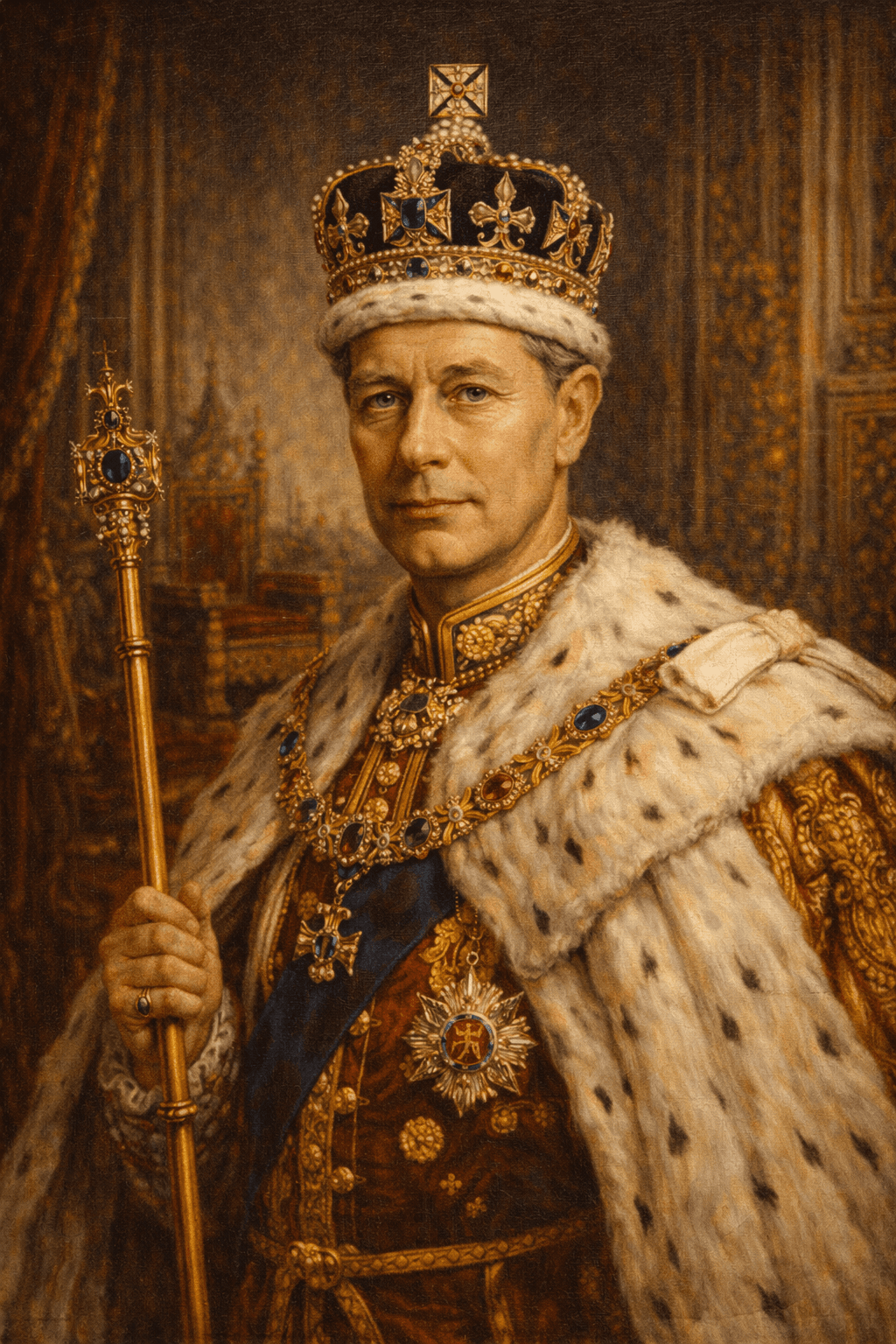
George VI
1895–1952Industrial AgeUnited Kingdom
He never wanted to be king, had a stammer that made public speaking an ordeal, and became the defining symbol of his country's refusal to give in during its darkest years.
Open profile →
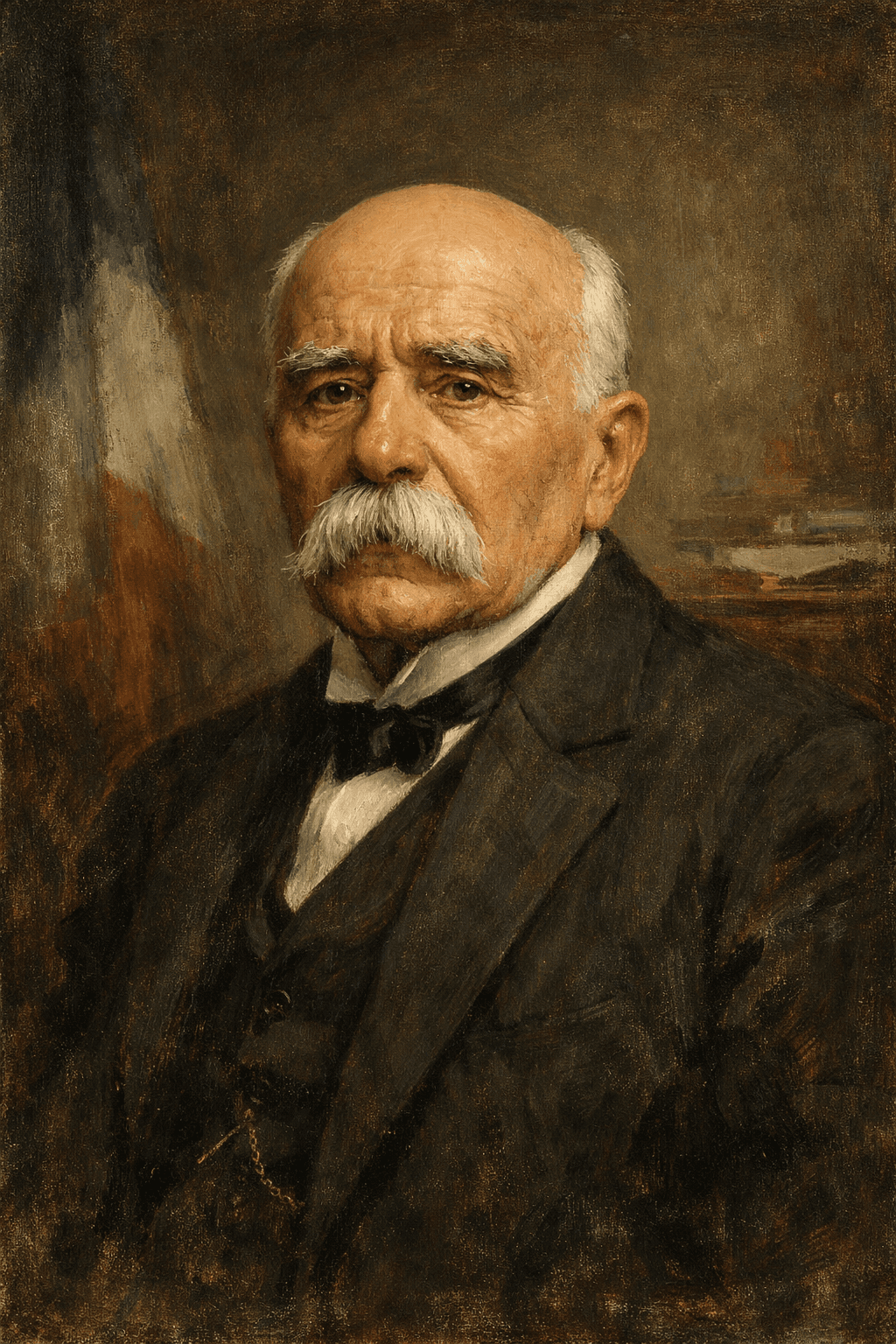
Georges Clemenceau
1841–1929Industrial AgeFrance
He had been waiting his entire career for France to get its revenge on Germany — and when it finally came, he made sure the peace was as harsh as the victory.
Open profile →
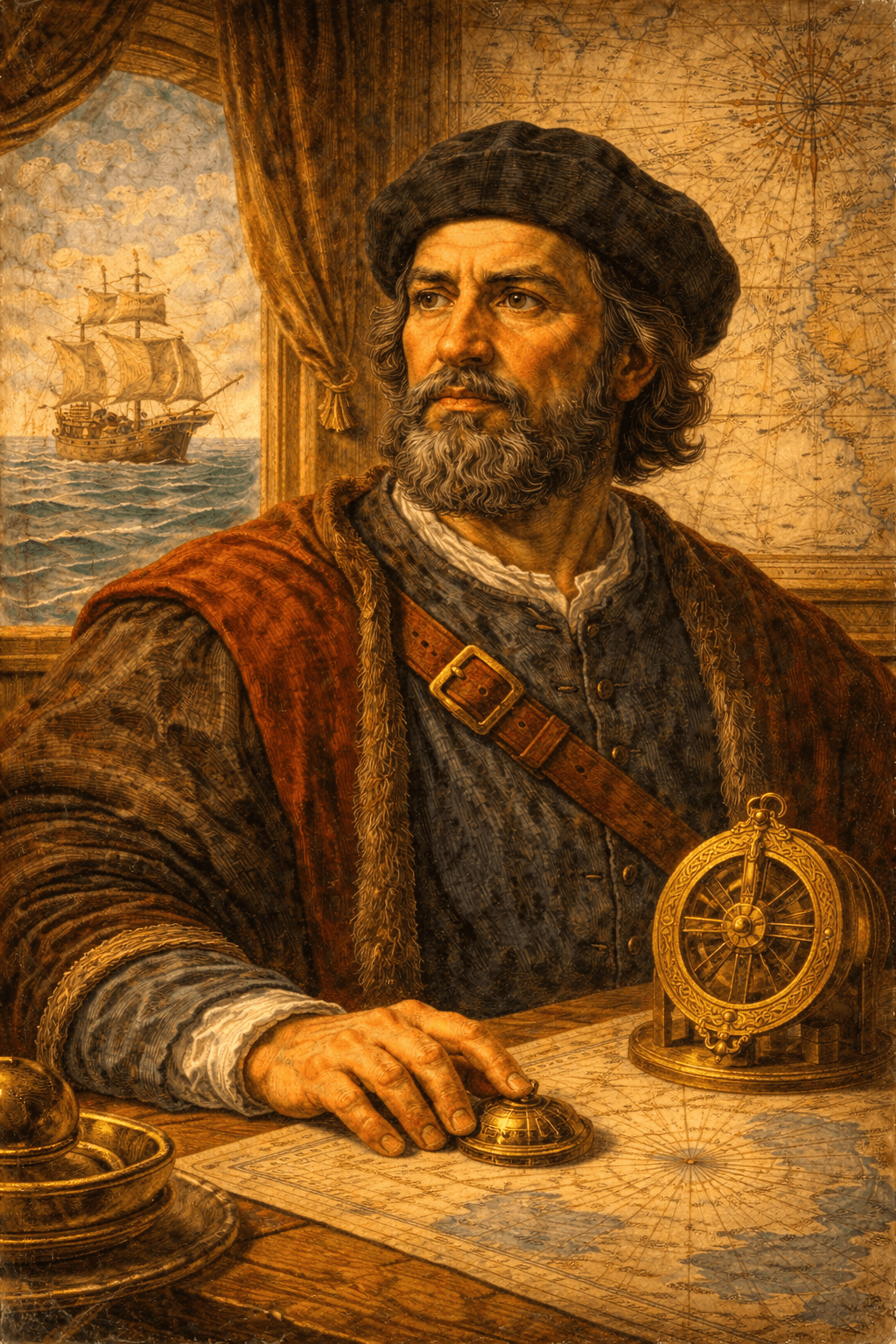
Gil Eanes
1390–1460Medieval PeriodPortugal
For years, European sailors had turned back at the same cape, convinced that beyond it lay boiling seas and monsters — until he sailed past it and found nothing but ocean.
Open profile →
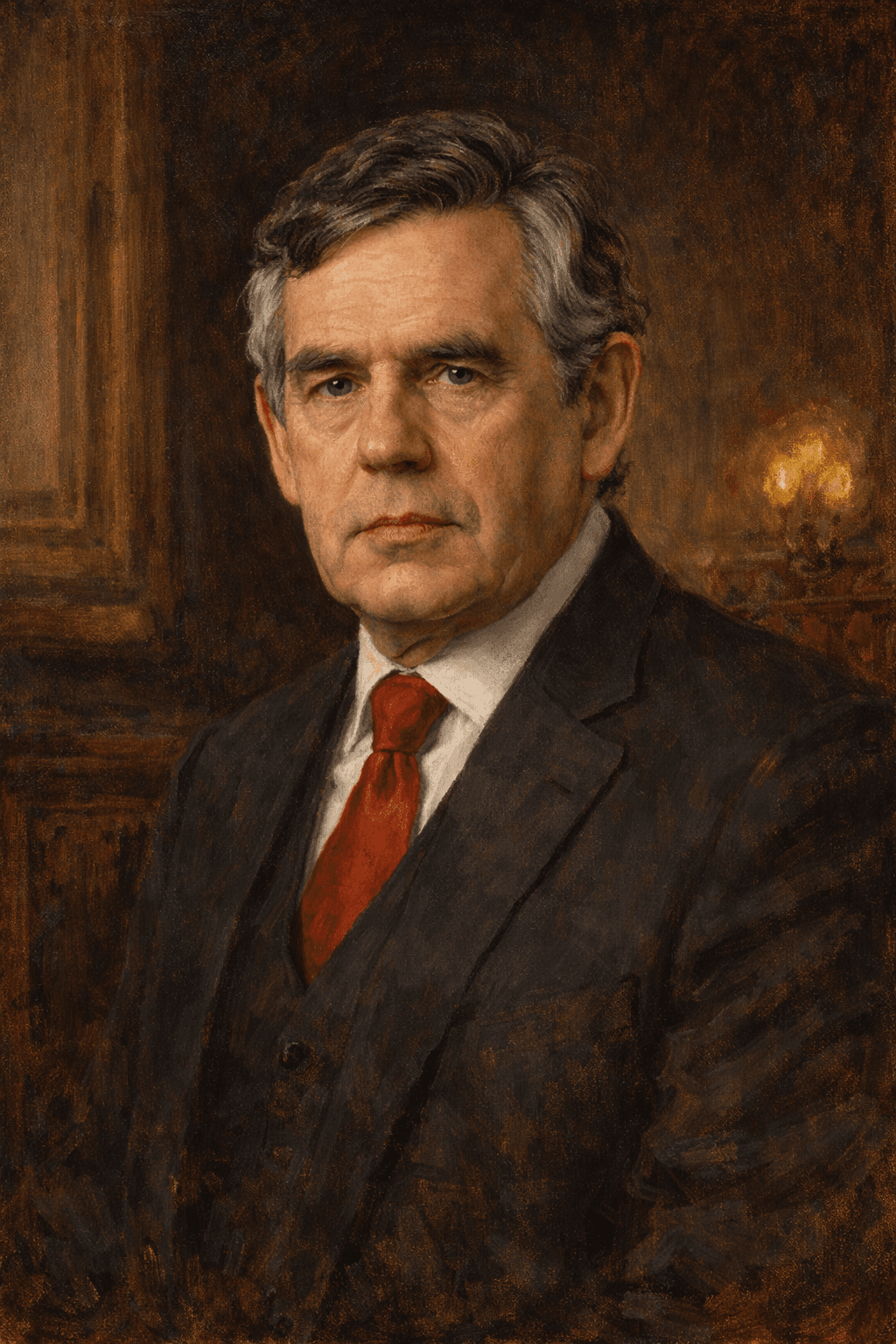
Gordon Brown
1951–?Modern HistoryUnited Kingdom
He spent a decade controlling Britain’s economy as chancellor before inheriting the premiership mid-crisis, where global financial turmoil defined and ultimately limited his time in power.
Open profile →
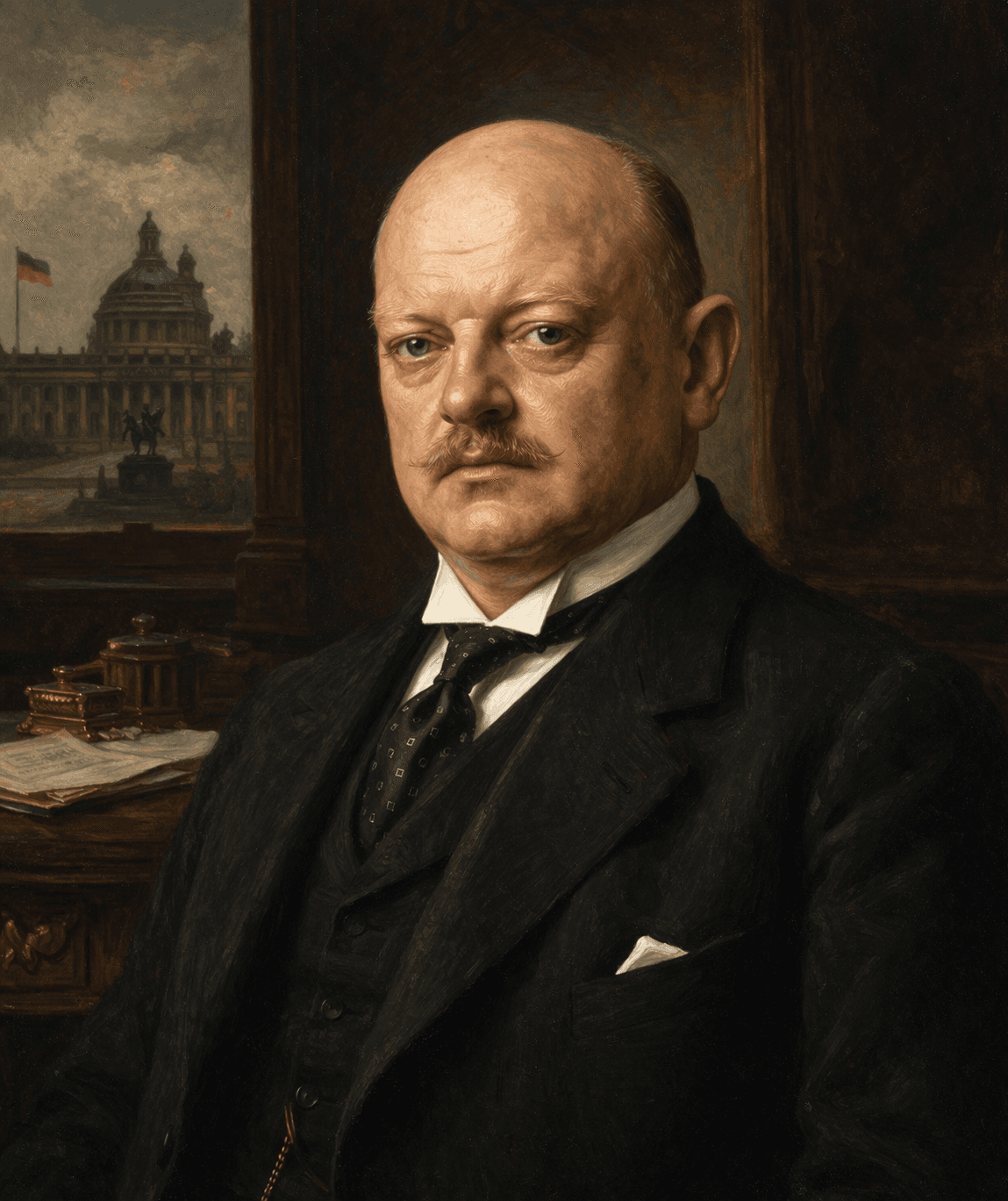
Gustav Stresemann
1878–1929Industrial AgeGermany
Gustav Stresemann was a German statesman who stabilised the Weimar Republic and reshaped its foreign relations through pragmatic diplomacy after the First World War.
Open profile →
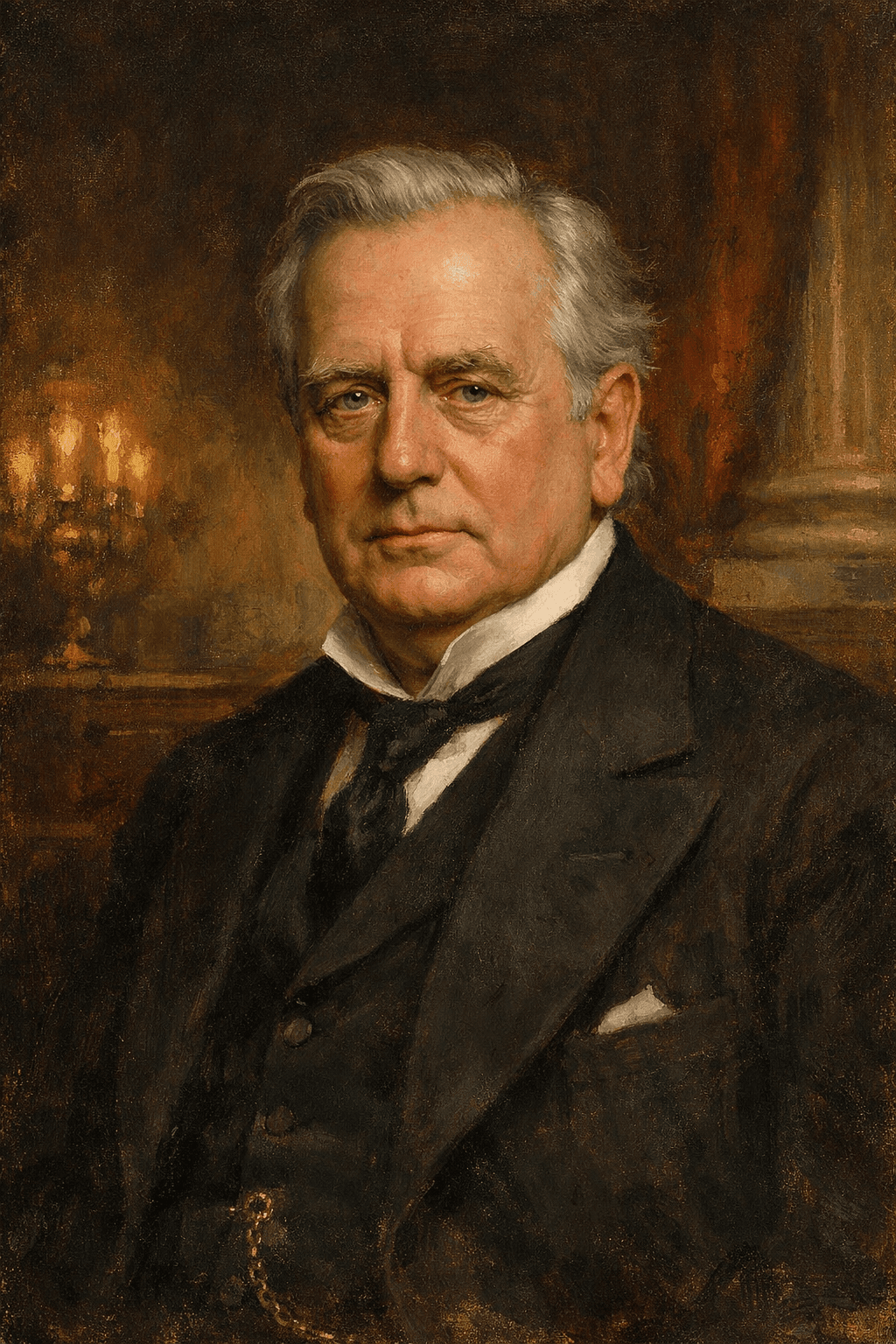
H. H. Asquith
1852–1928Industrial AgeUnited Kingdom
He led Britain into the First World War with calm confidence, yet the strain of total war quietly eroded his authority and ended his political dominance.
Open profile →
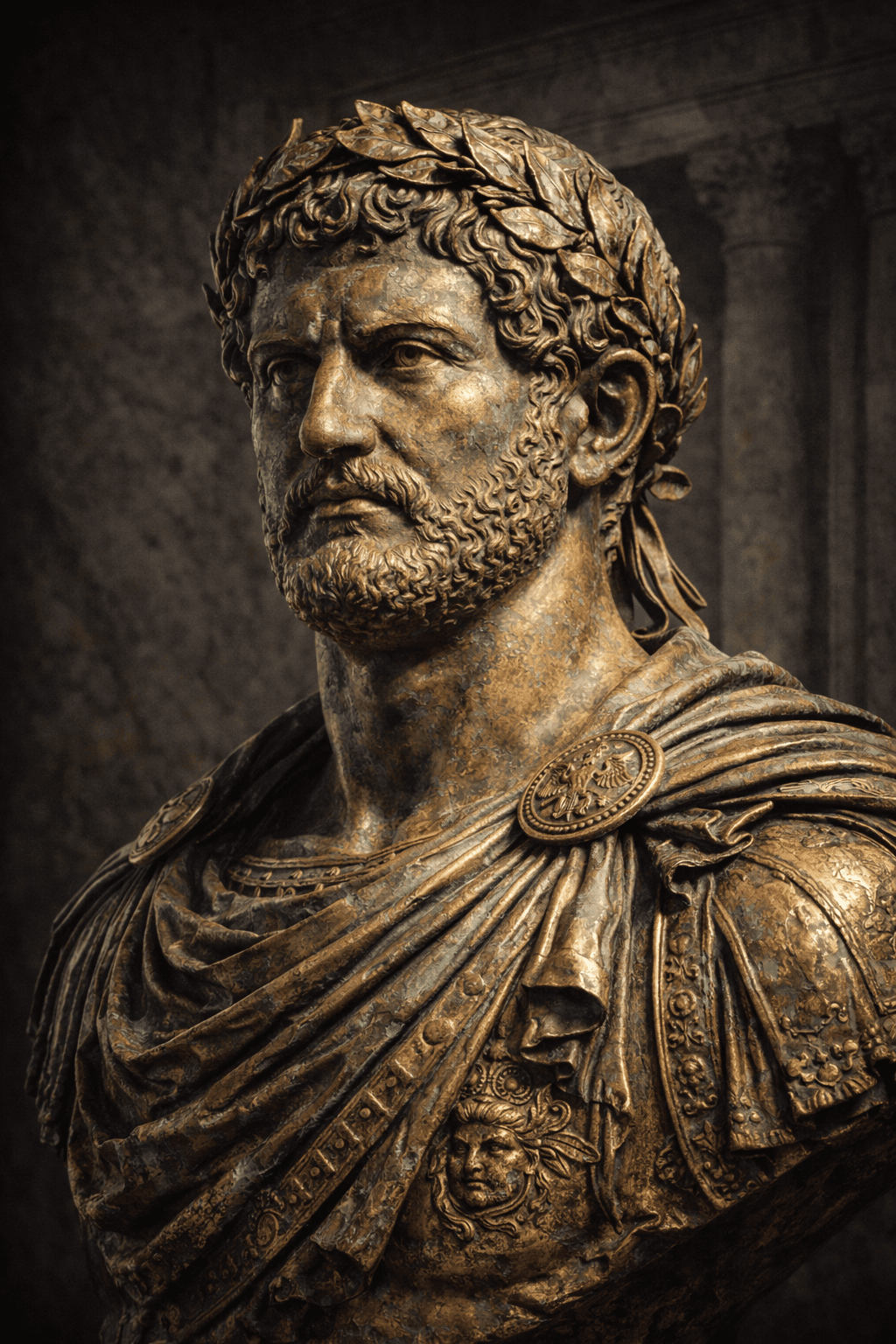
Hadrian
76–138Classical WorldItaly
He spent half his reign travelling the empire he governed, ordered a wall built across the north of Britain, and died designing a tomb that still stands in Rome.
Open profile →
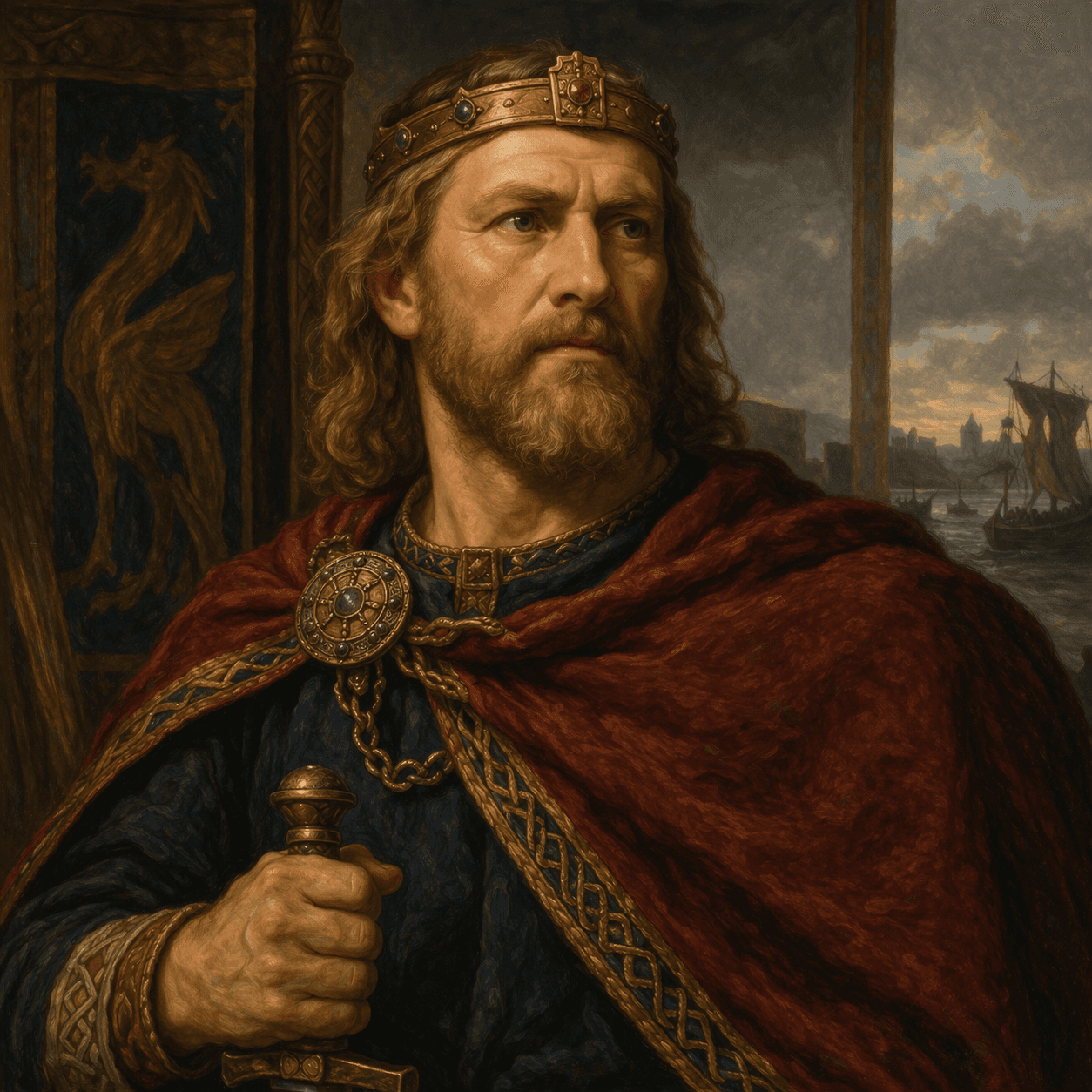
Harold Godwinson
1022–1066Medieval PeriodUnited Kingdom
He fought one battle in the north of England, marched his exhausted army two hundred miles south, fought another battle the same week, and died with an arrow in his eye.
Open profile →
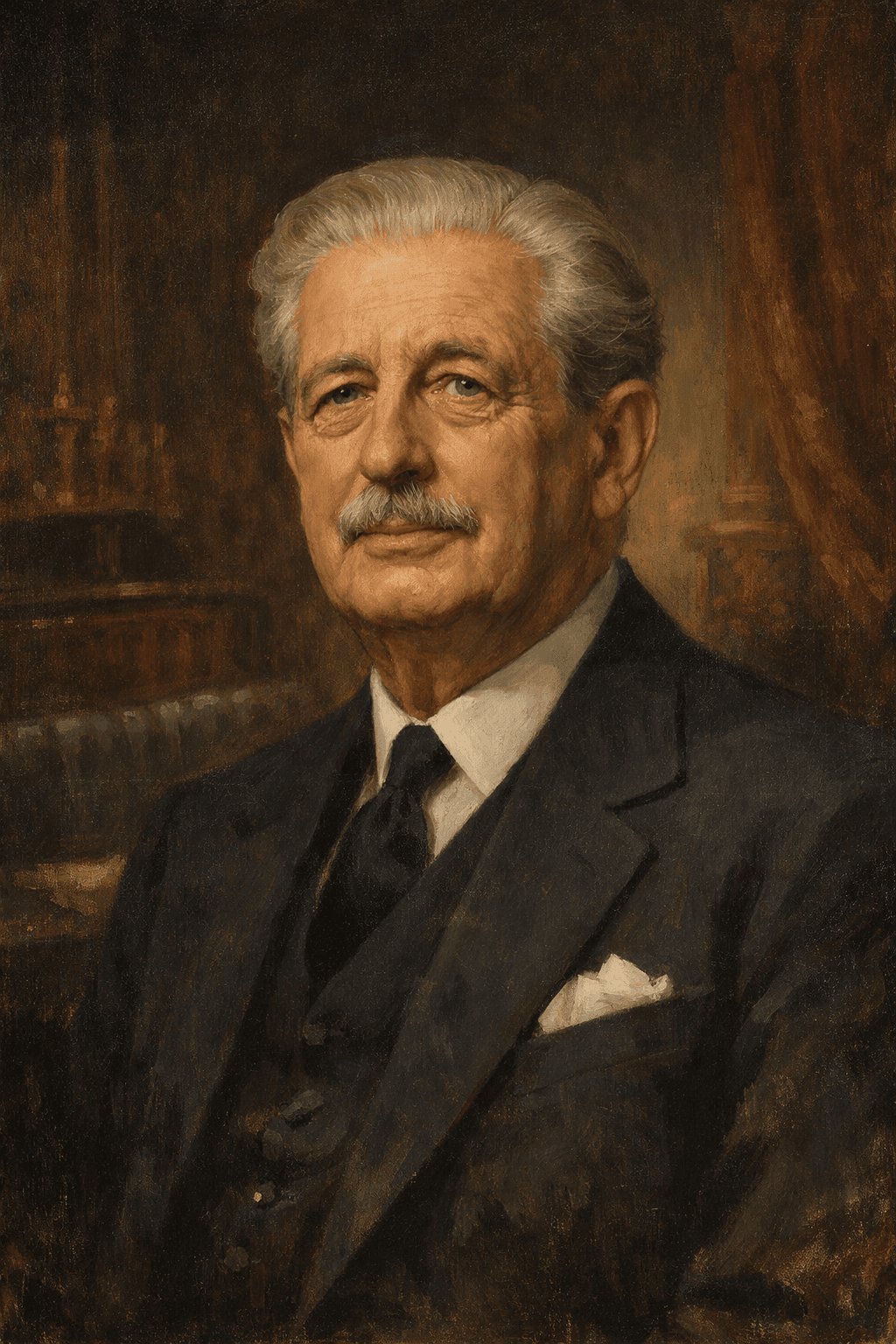
Harold Macmillan
1894–1986Industrial AgeUnited Kingdom
He inherited a nervous Britain after crisis, steadied its confidence with calm authority, and quietly accepted that the empire he grew up in was slipping away.
Open profile →
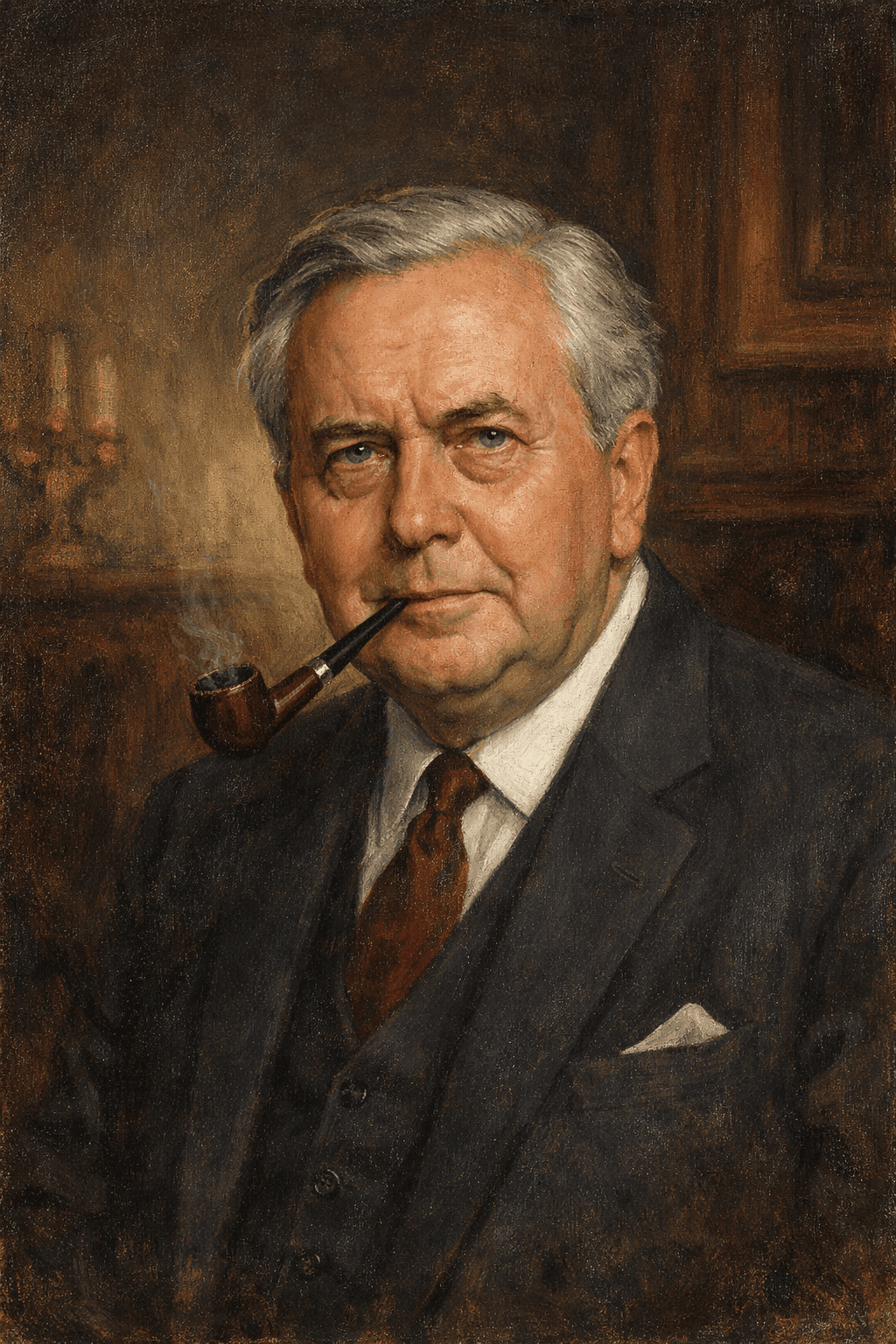
Harold Wilson
1916–1995Modern HistoryUnited Kingdom
He twice led Britain through turbulent economic and social change, balancing reform with political survival while quietly managing crises that could have ended his premiership much sooner.
Open profile →
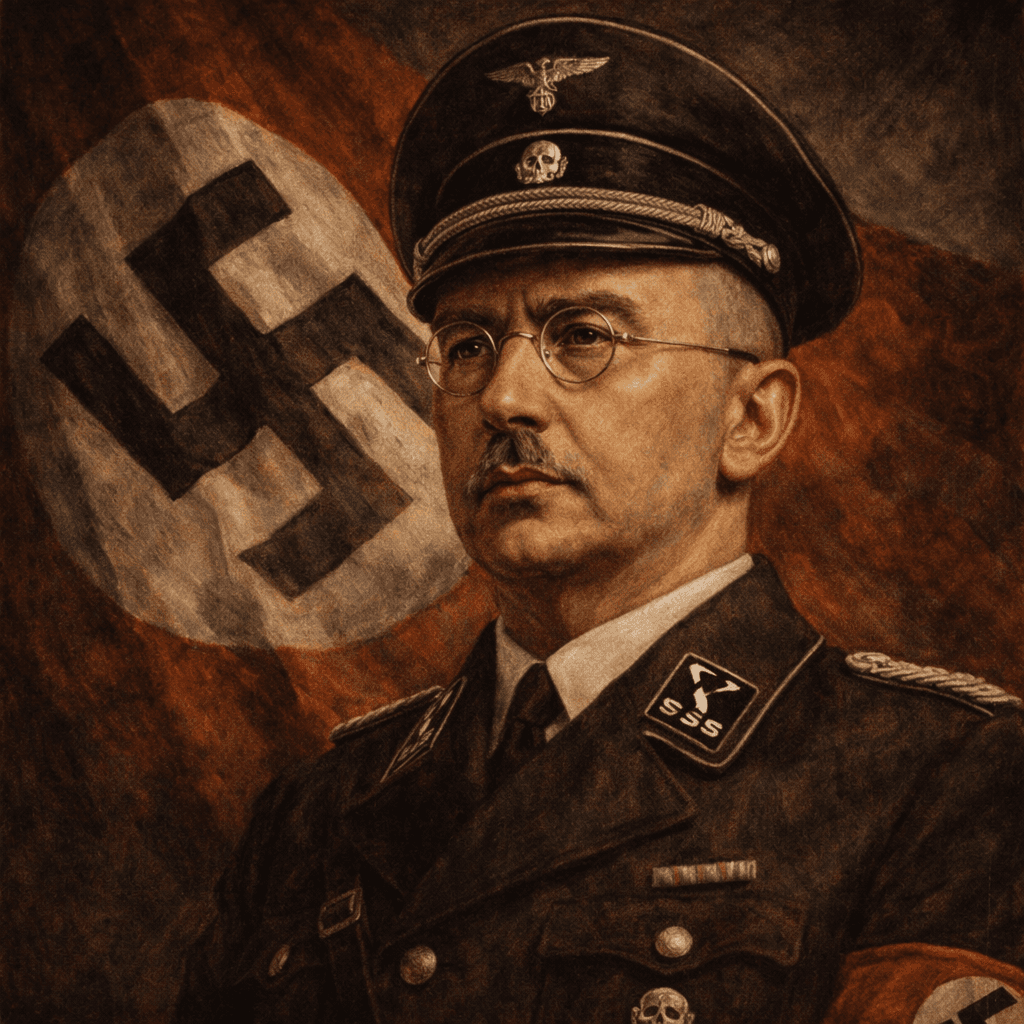
Heinrich Himmler
1900–1945Industrial AgeGermany
He was a failed chicken farmer who became the most feared man in Nazi Germany — running the SS, the Gestapo, and the machinery of the Holocaust with the orderliness of a bureaucrat.
Open profile →
Henry Addington
1757–1844Industrial AgeUnited Kingdom
He stepped from the Speaker’s chair into the role of prime minister during wartime uncertainty, negotiated a fragile peace, and later became a firm hand in domestic repression.
Open profile →
Henry I
1068–1135Medieval PeriodUnited Kingdom
He had more than twenty illegitimate children, lost his only legitimate son in a shipwreck, and spent the rest of his reign trying to solve a succession crisis that would outlast him.
Open profile →
Henry II
1133–1189Medieval PeriodUnited Kingdom
He was England's most capable medieval king — and one remark he made in anger led to the murder of his closest friend in a cathedral, a crisis from which he never fully recovered.
Open profile →
Henry III
1207–1272Medieval PeriodUnited Kingdom
He reigned for fifty-six years and spent much of that time in conflict with his own barons — a struggle that produced the first English parliament, though that wasn't what anyone intended.
Open profile →
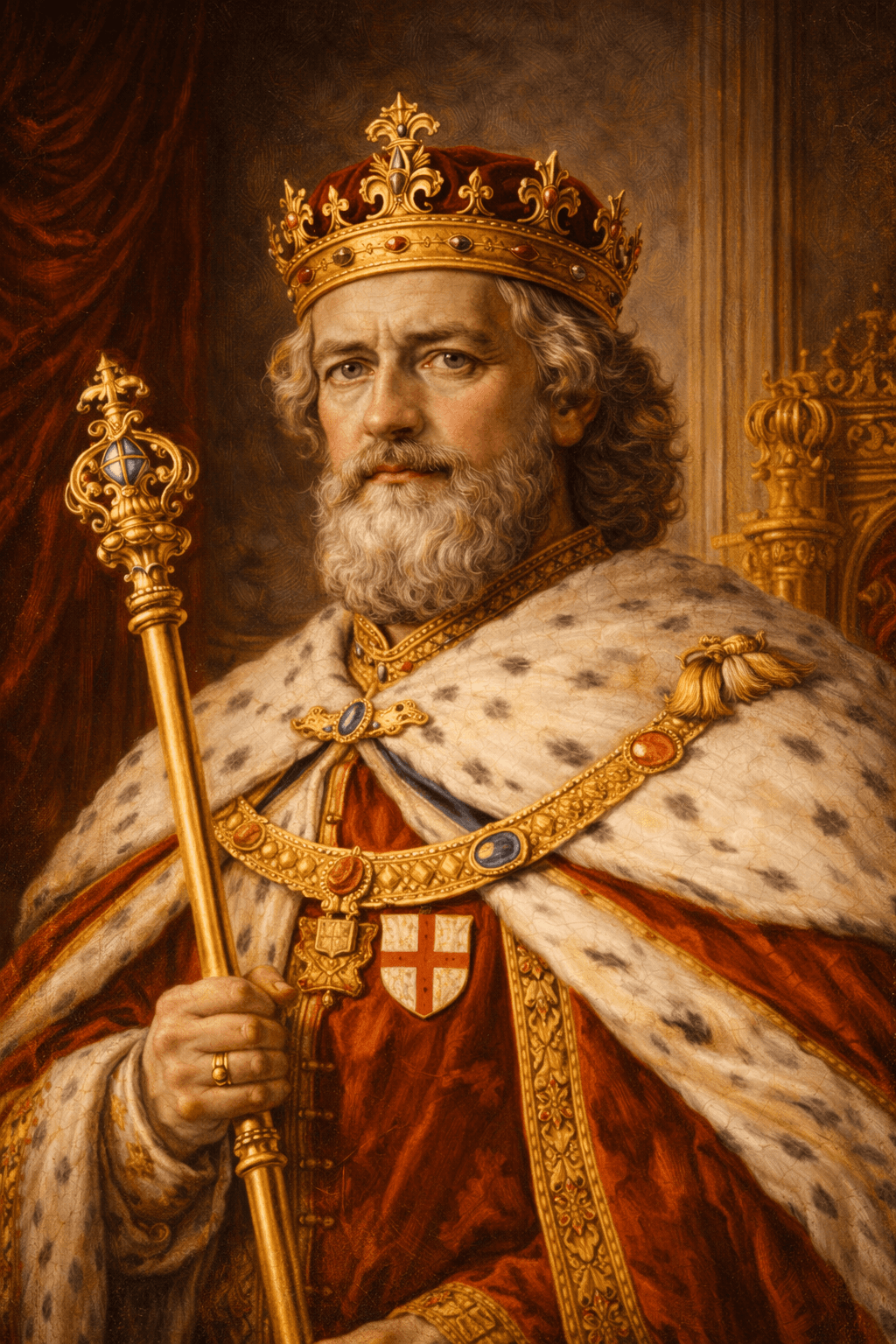
Henry IV
1367–1413Medieval PeriodUnited Kingdom
He seized the crown from his cousin, spent the rest of his reign defending it against the consequences, and died before his son could show what he had really inherited.
Open profile →
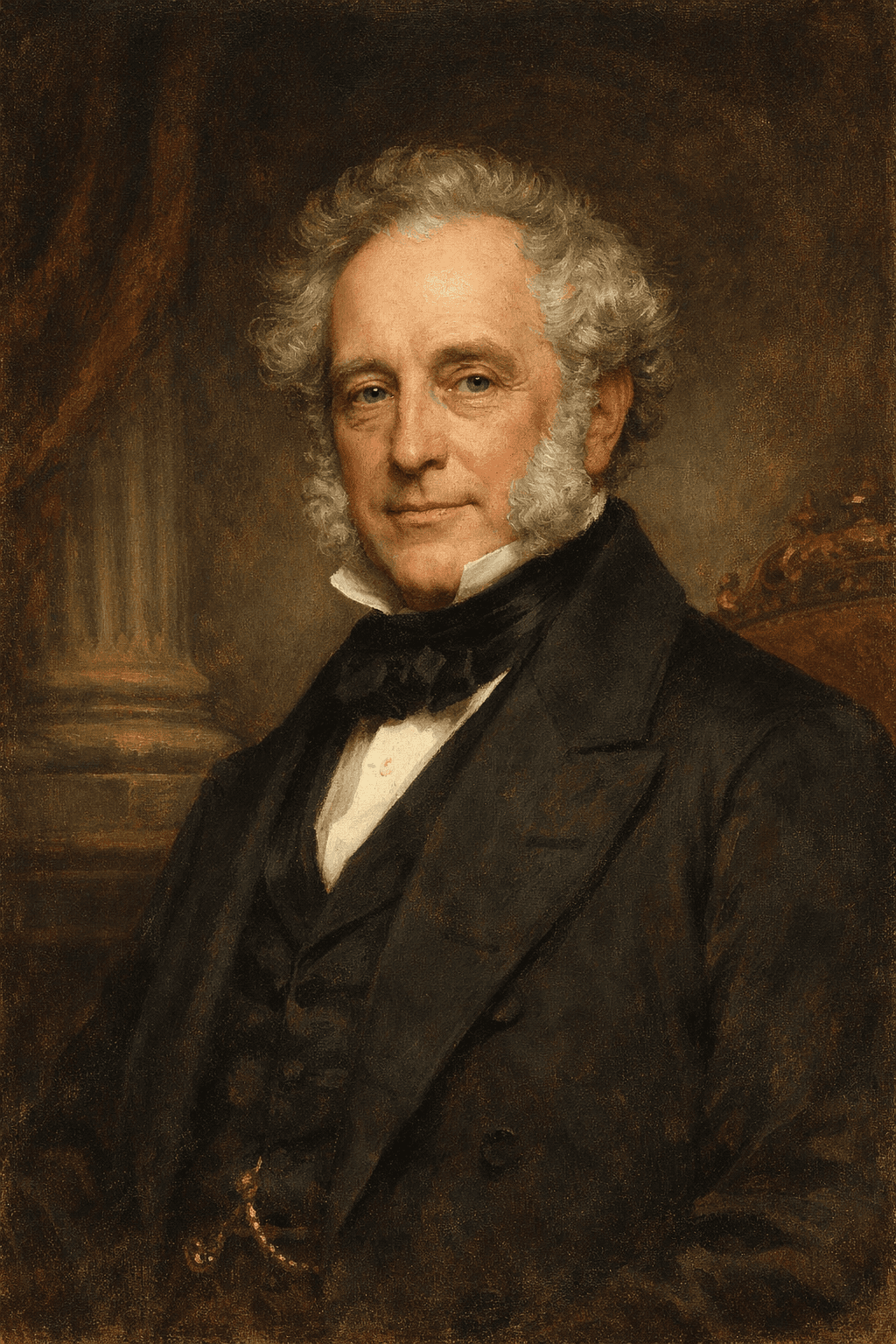
Henry John Temple, 3rd Viscount Palmerston
1784–1865Industrial AgeUnited Kingdom
He spent decades shaping British foreign policy with bold confidence, becoming prime minister late in life and turning national pride into a political weapon.
Open profile →
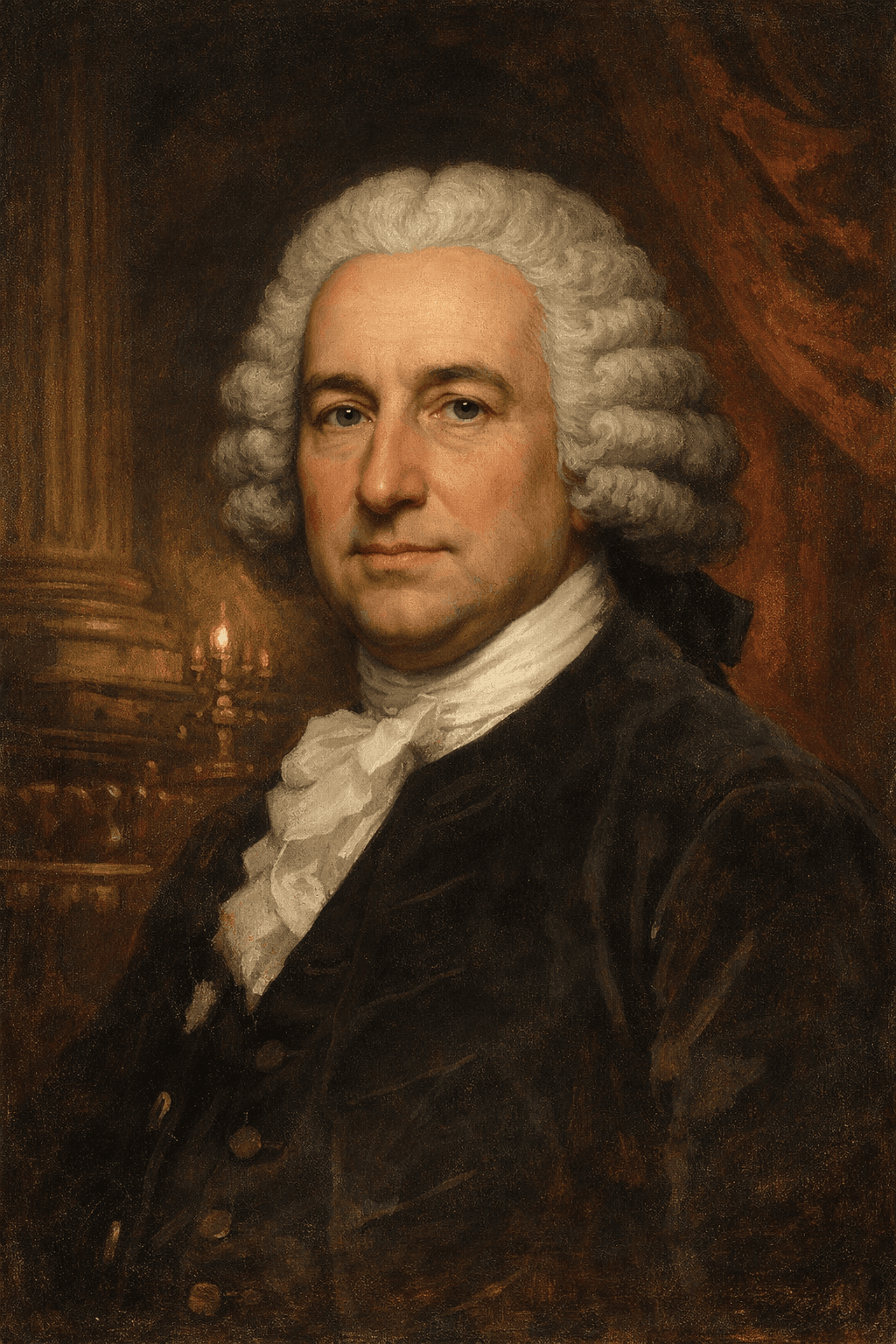
Henry Pelham
1694–1754Early Modern EraUnited Kingdom
He quietly stabilised Britain after years of conflict, balancing royal power and parliamentary control while building financial trust that allowed the state to recover and expand.
Open profile →
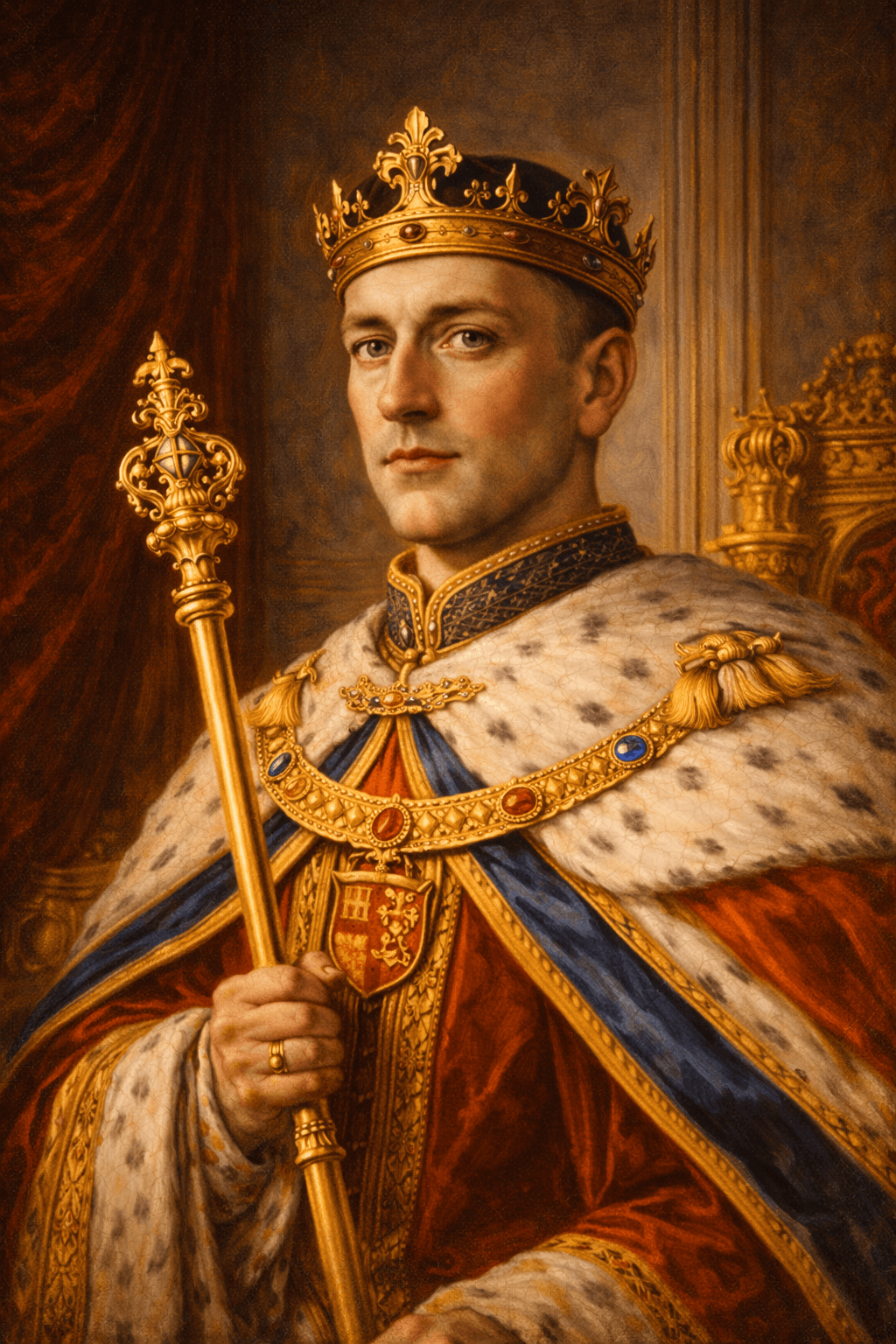
Henry V
1386–1422Medieval PeriodUnited Kingdom
He led a small, sick, exhausted army across northern France and destroyed a much larger force at Agincourt — a victory so unlikely that people have been trying to explain it ever since.
Open profile →
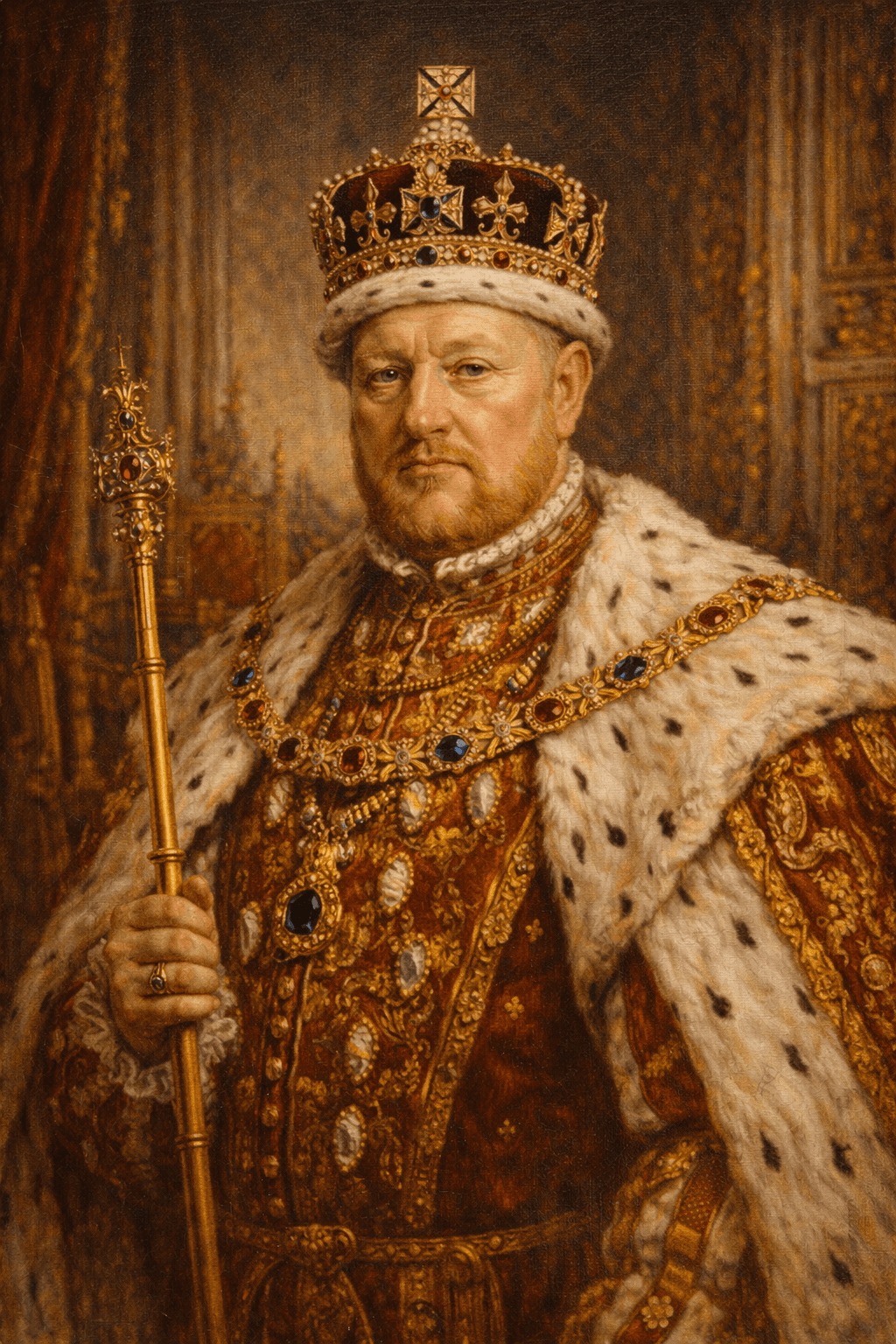
Henry VIII
1491–1547Medieval PeriodUnited Kingdom
He wanted a divorce, couldn't get one through the usual channels, and ended up breaking with Rome and remaking England's relationship with Christianity to get what he wanted.
Open profile →
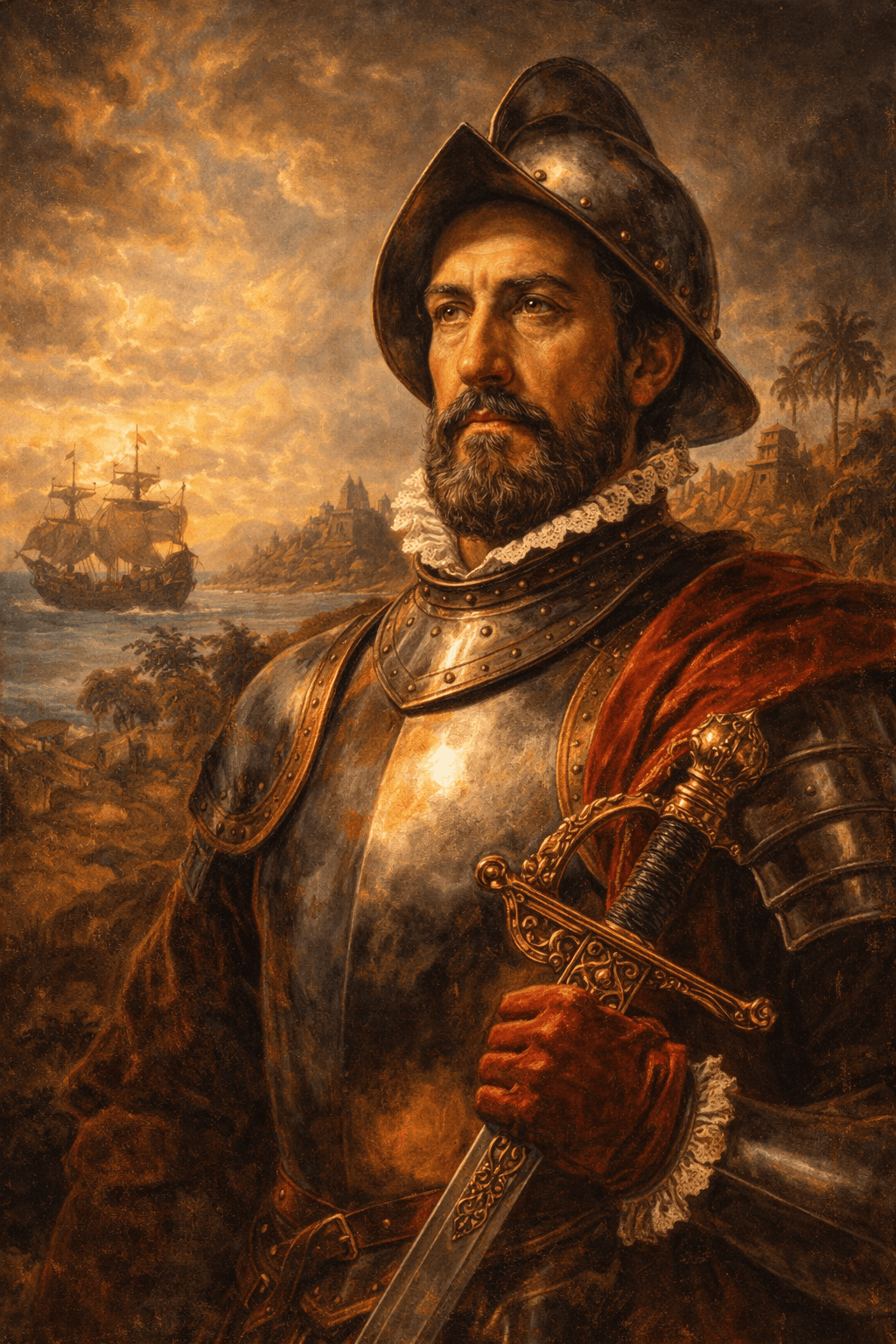
Hernan Cortes
1485–1547Medieval PeriodSpain
He arrived in Mexico without authorisation, burned his own ships to prevent retreat, and two years later was master of the most powerful empire in the Americas.
Open profile →
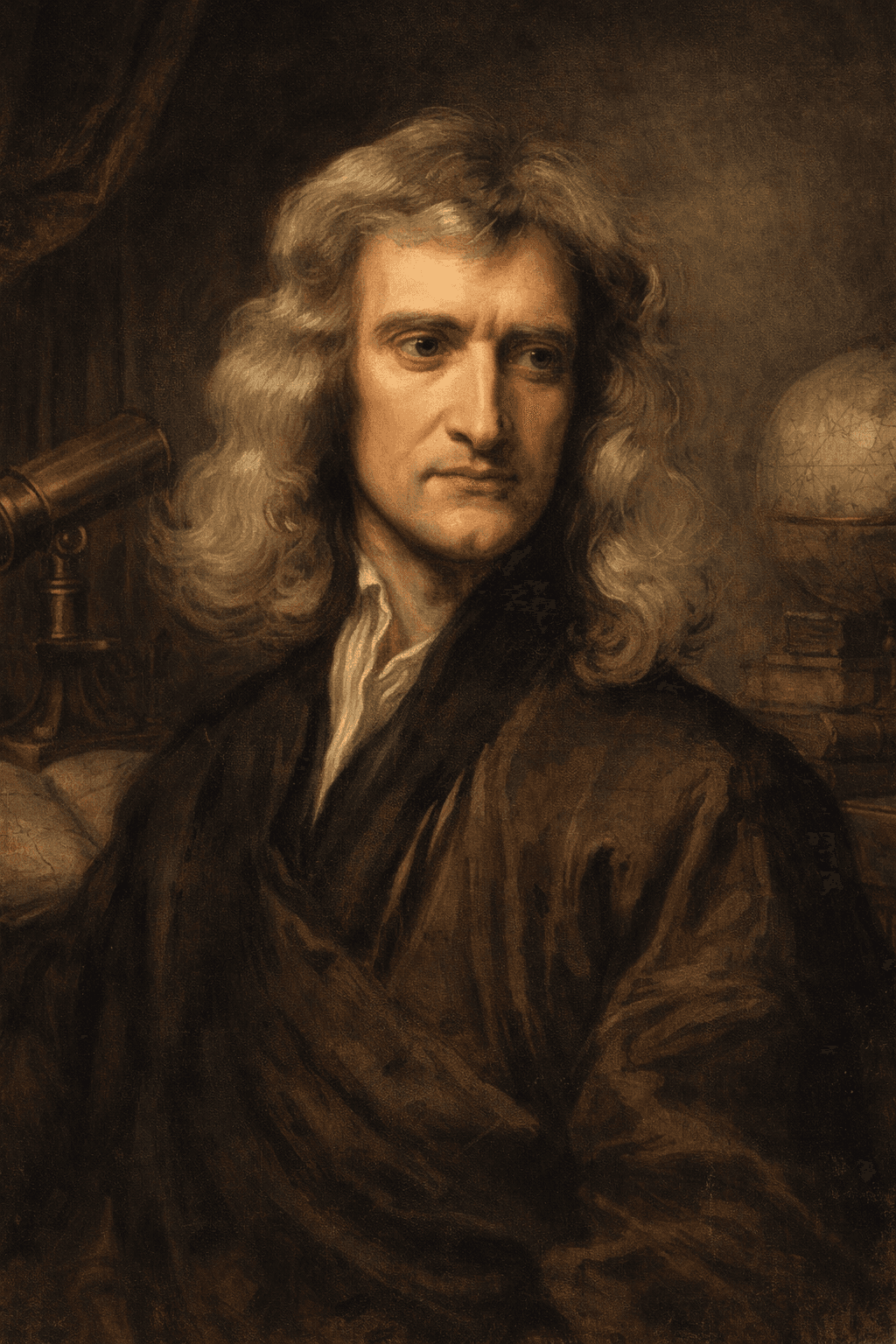
Isaac Newton
1643–1727Early Modern EraUnited Kingdom
Isaac Newton reshaped science by formulating the laws of motion and universal gravitation while developing calculus and advancing the understanding of light and optics.
Open profile →
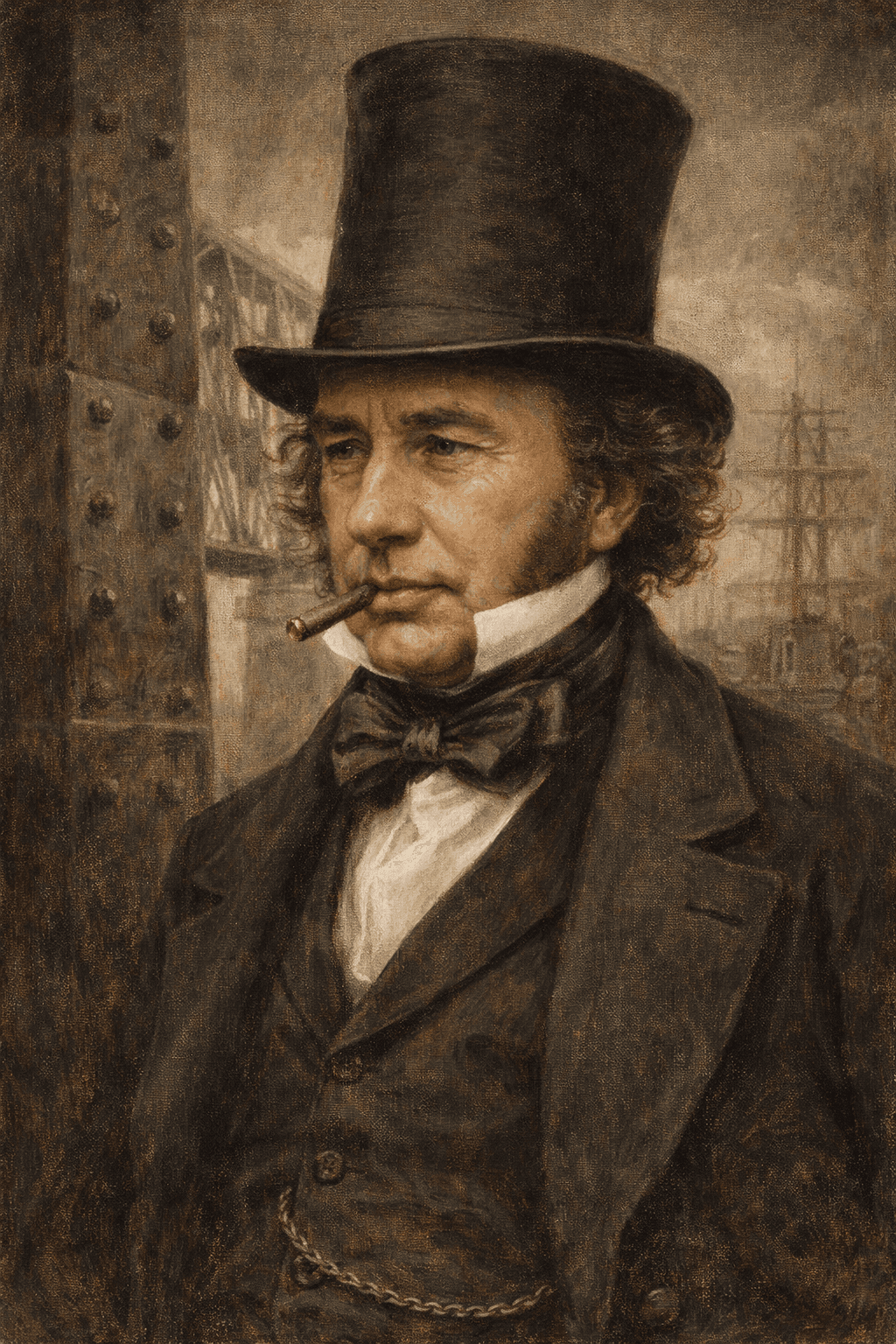
Isambard Kingdom Brunel
1806–1859Industrial AgeUnited Kingdom
He was told his ship was too big to float and his tunnel was too deep to survive — and spent his career proving that what seemed impossible was mostly a failure of imagination.
Open profile →
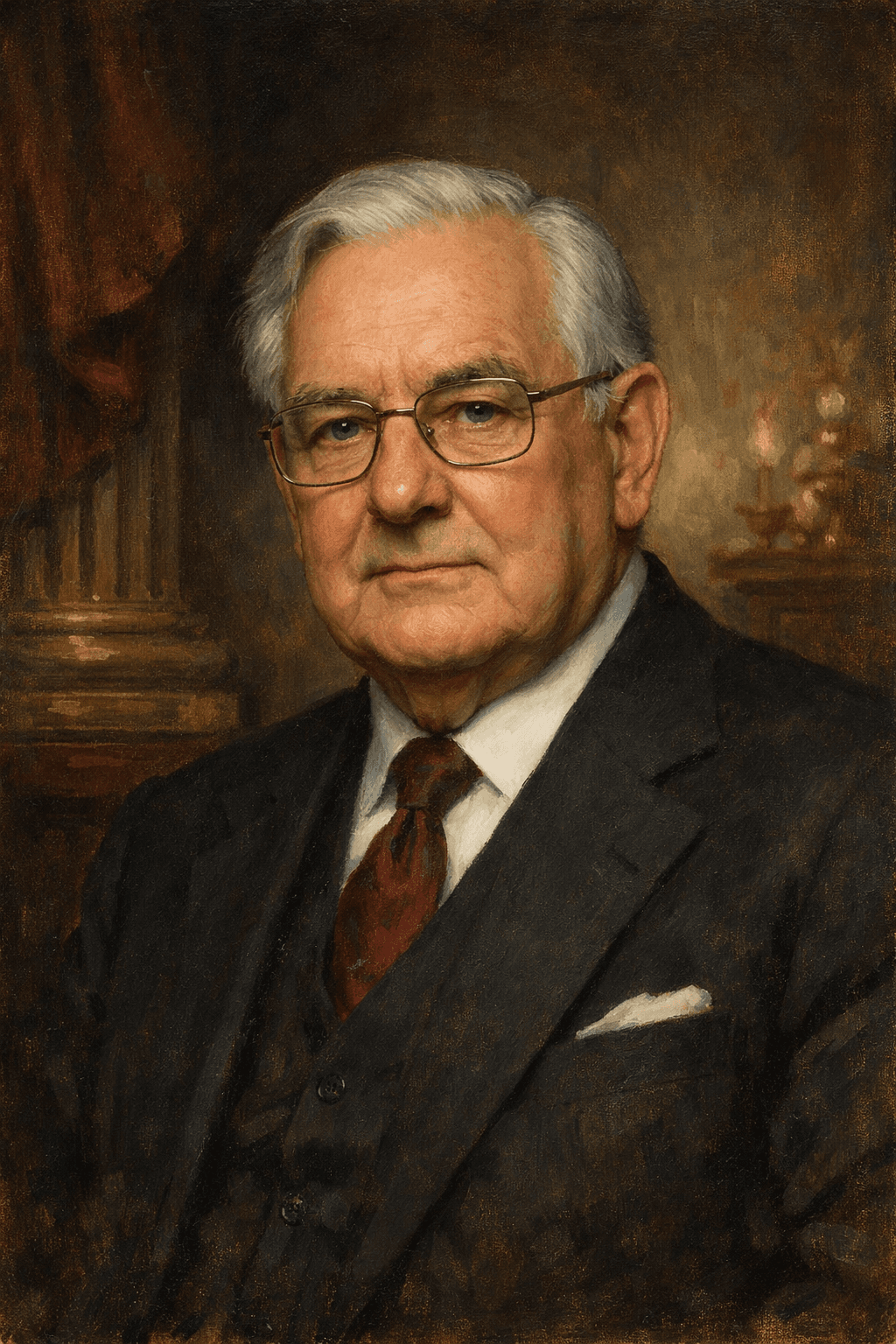
James Callaghan
1912–2005Modern HistoryUnited Kingdom
He rose from a naval rating to Britain’s only leader to hold all four great offices of state, yet his premiership became defined by strikes that eroded public trust.
Open profile →
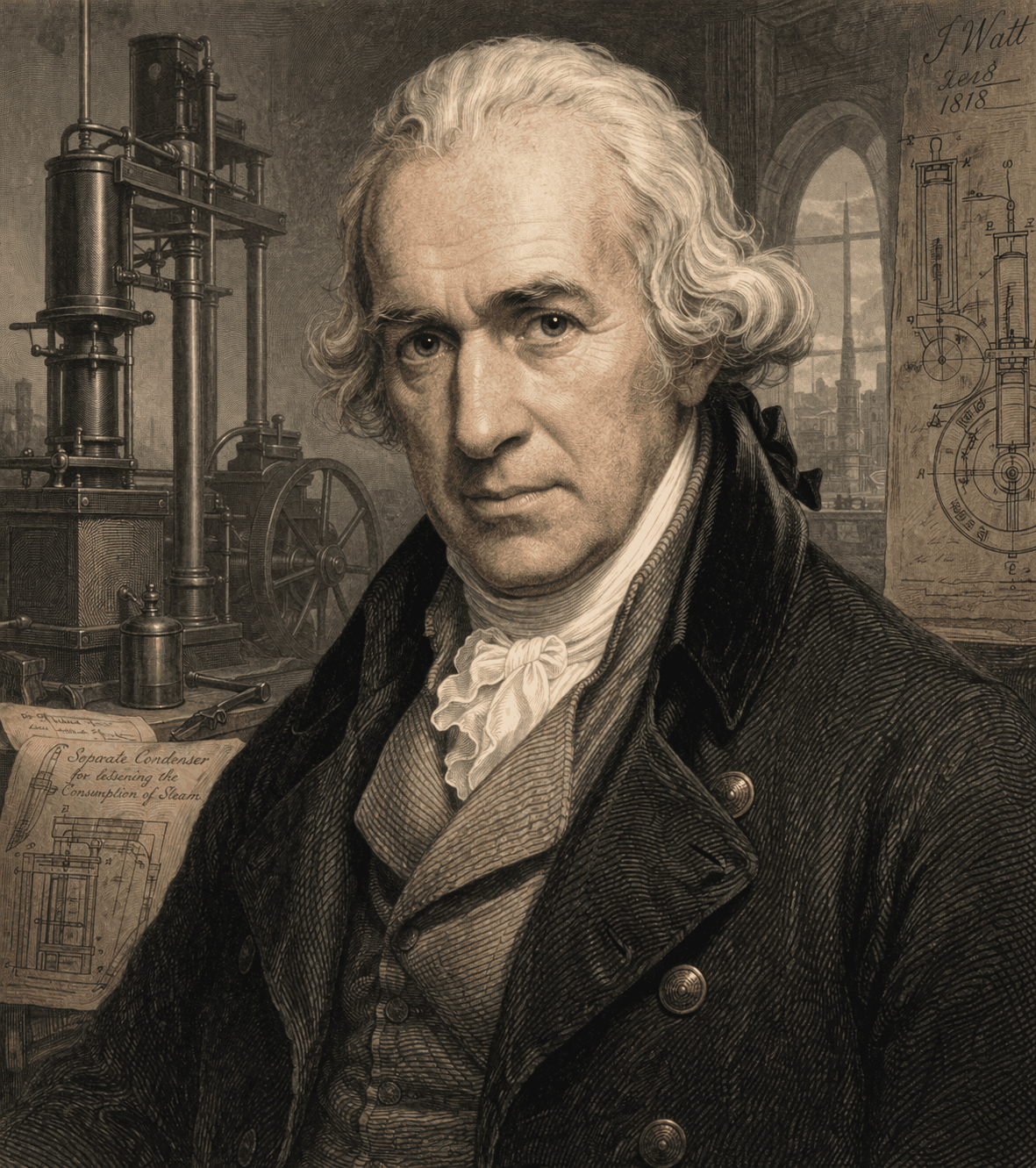
James Watt
1736–1819Early Modern EraUnited Kingdom
He spent years improving a machine that already existed — the adjustments he made were so significant that the world still measures power in his name.
Open profile →
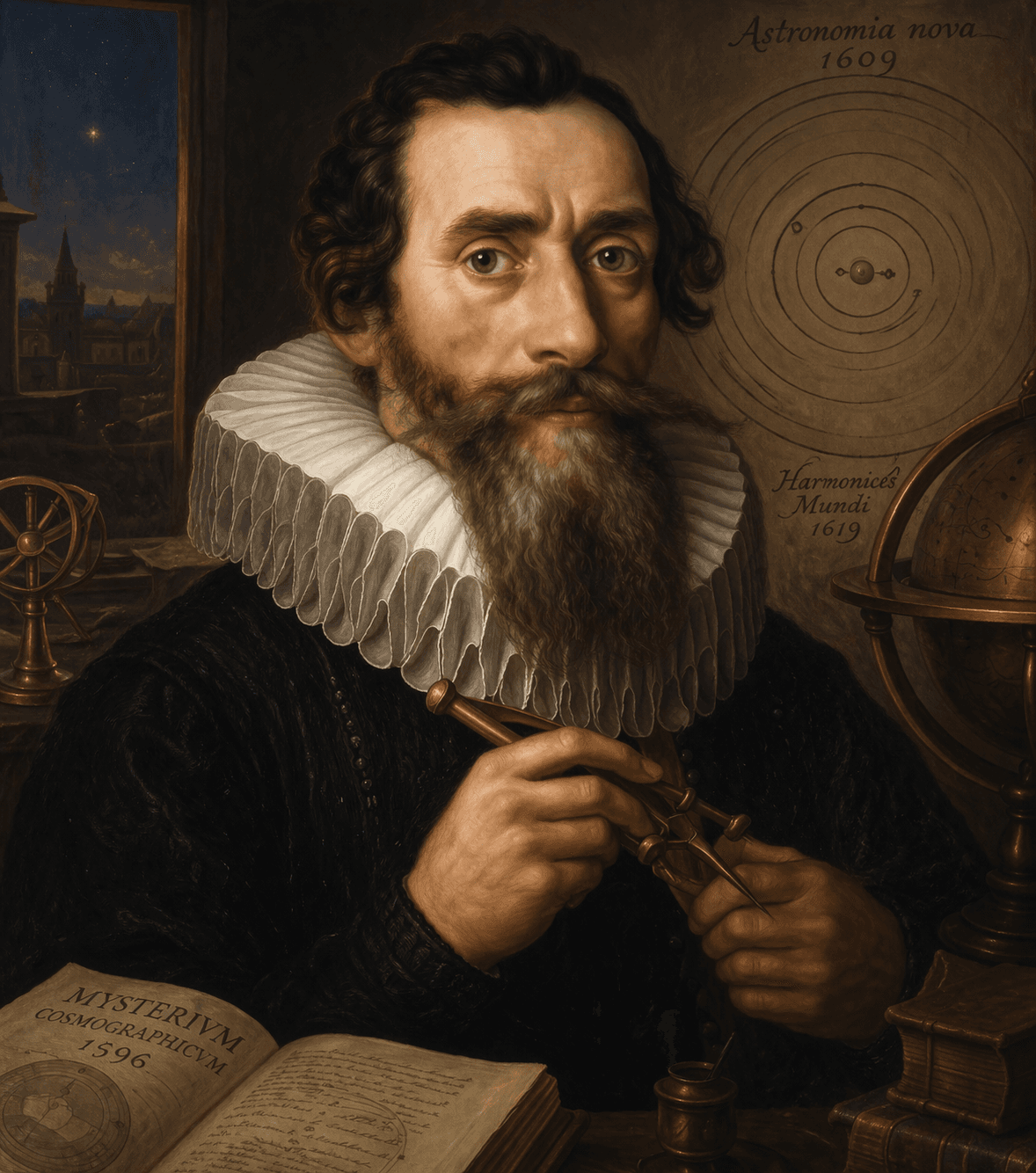
Johannes Kepler
1571–1630Early Modern EraGermany
He used his rival's painstakingly collected data — data the rival had died trying to protect — to prove that the planets moved in ellipses, not the perfect circles the universe was supposed to use.
Open profile →
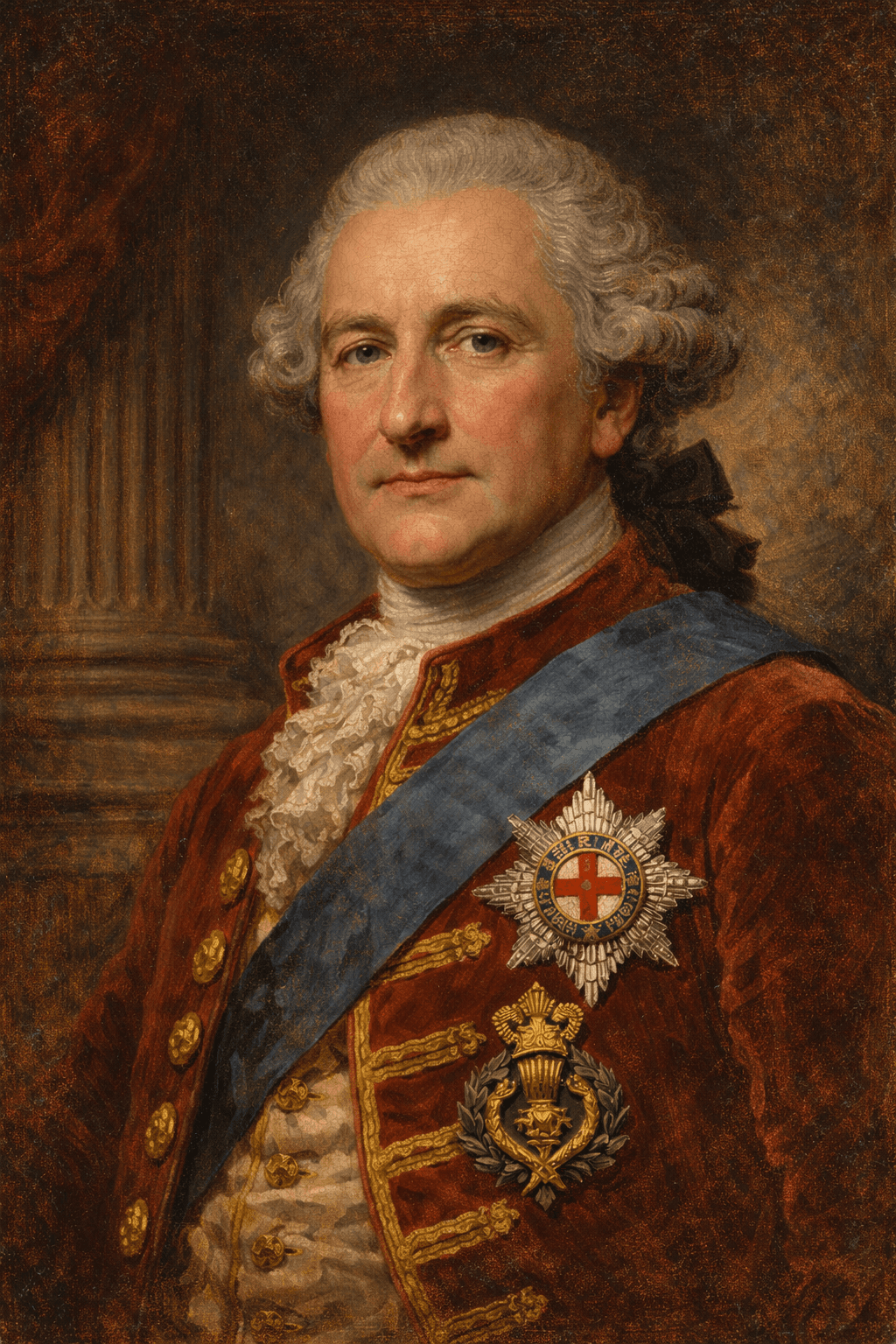
John Stuart, 3rd Earl of Bute
1713–1792Early Modern EraUnited Kingdom
He rose from royal tutor to Britain’s prime minister through personal influence over a young king, only to fall rapidly amid suspicion, hostility, and political isolation.
Open profile →
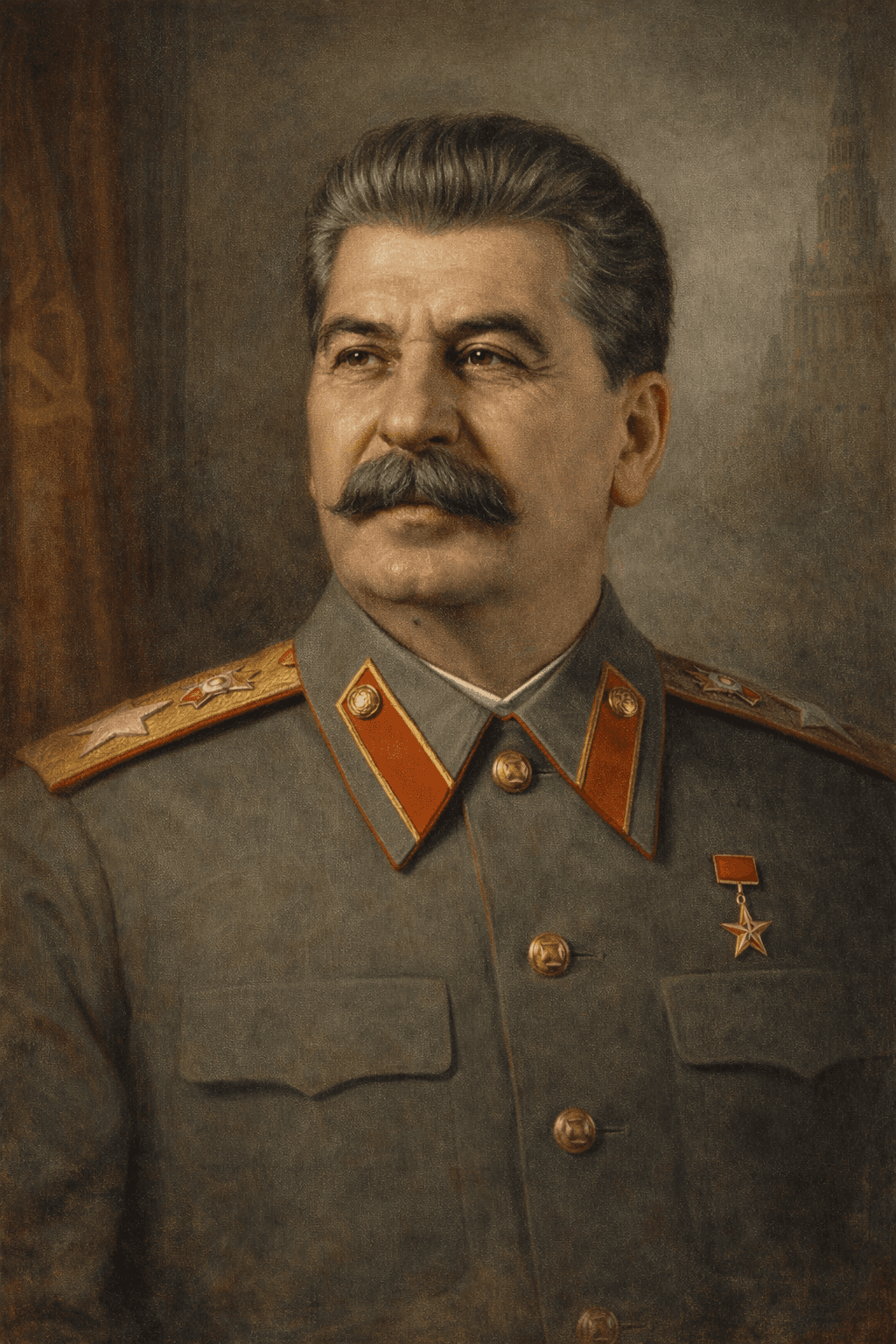
Joseph Stalin
1878–1953Industrial AgeRussia
He transformed the Soviet Union through forced industrialisation and systematic terror, killed millions in the process, and died in his bed with people too afraid to call a doctor.
Open profile →
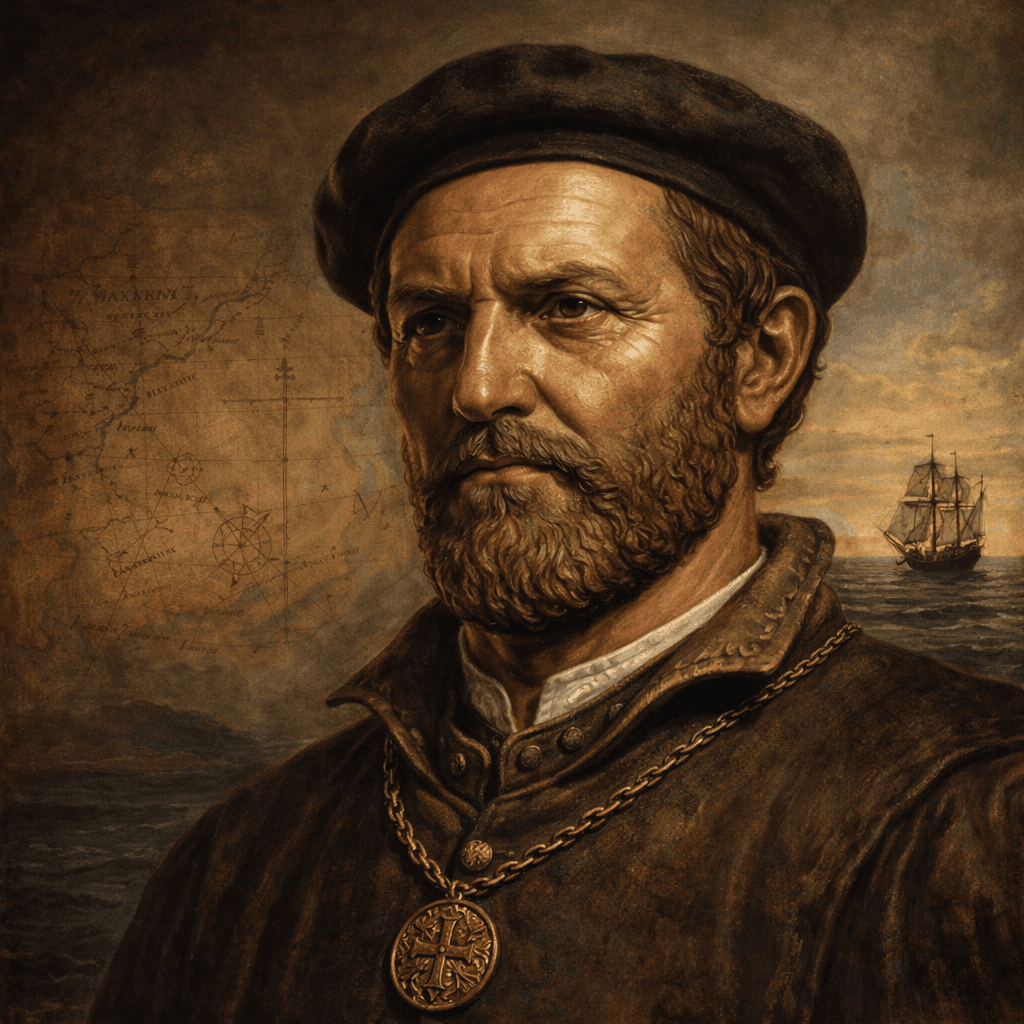
Juan Sebastián Elcano
1486–1526Medieval PeriodSpain
Magellan gets the credit for circumnavigating the globe — but Magellan died halfway round, and it was Elcano who brought the surviving ship home.
Open profile →
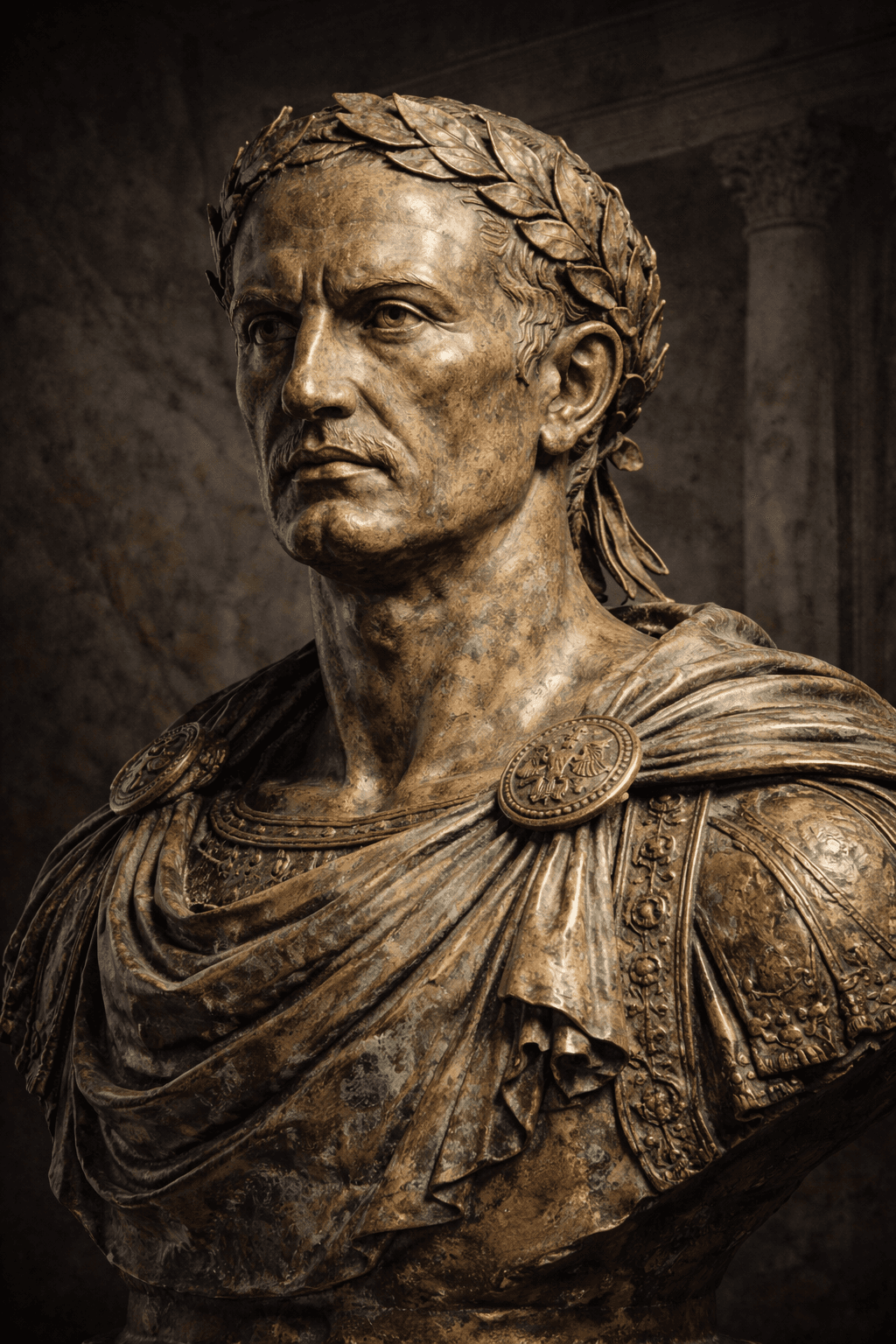
Julius Caesar
-100–-44Classical WorldItaly
He held all the power Rome could offer — then a group of senators decided that was the problem.
Open profile →
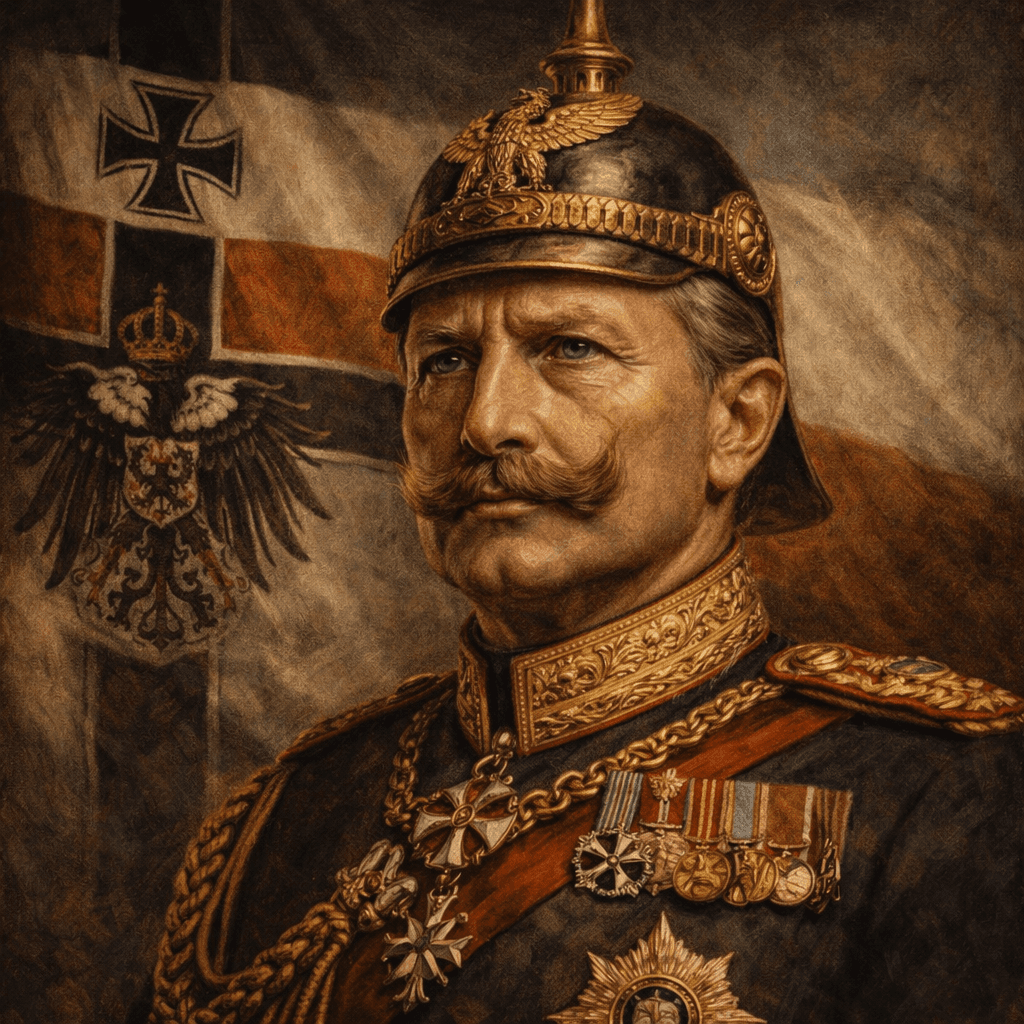
Kaiser Wilhelm II
1859–1941Industrial AgeGermany
He believed himself to be a great statesman, dismissed the chancellor who actually was one, and spent thirty years inadvertently helping cause the worst war Europe had ever seen.
Open profile →
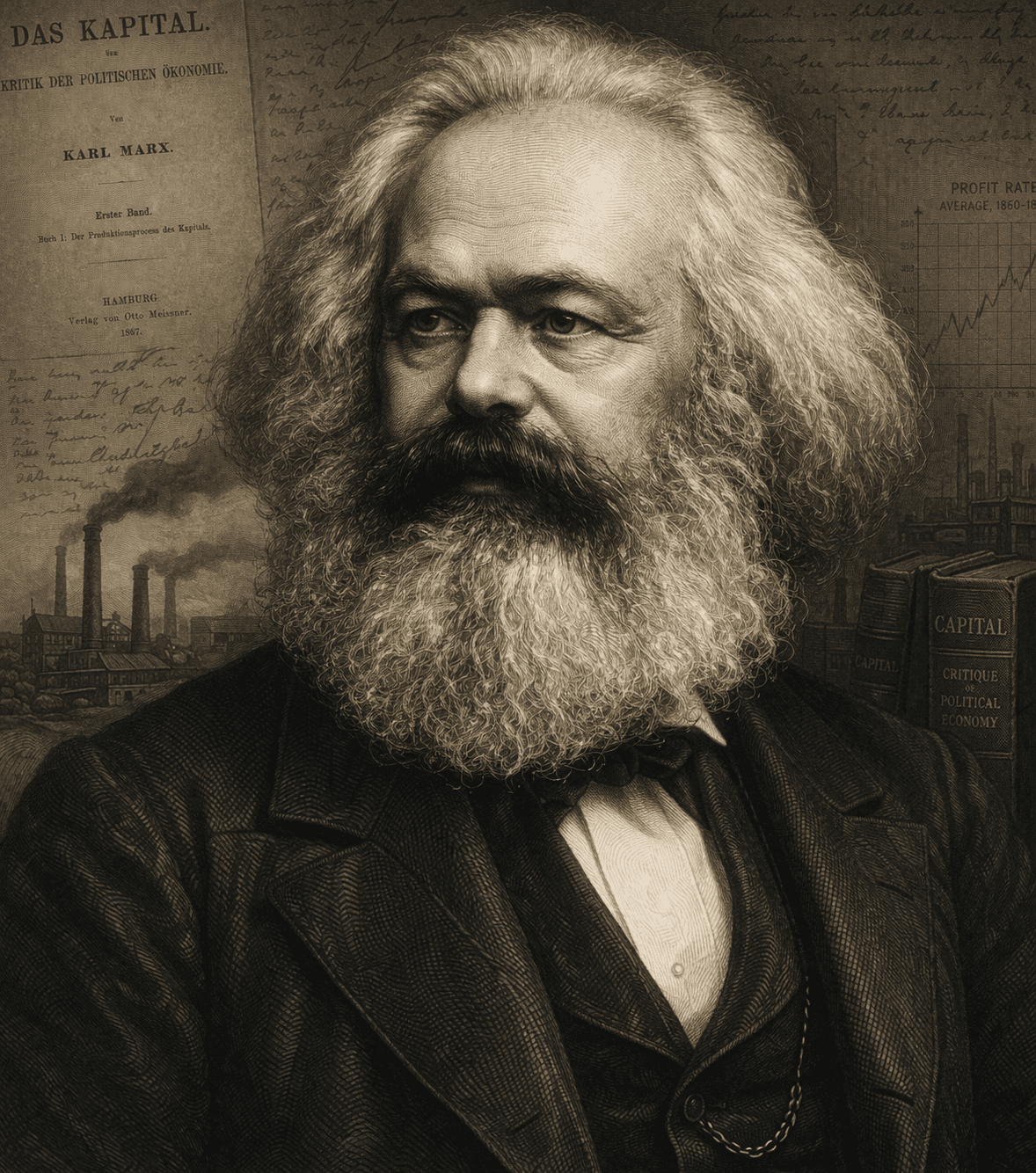
Karl Marx
1818–1883Industrial AgeGermany
He spent his life in poverty writing about the workers' revolution, died before it happened, and his ideas were used to justify revolutions he never imagined by leaders he would never have trusted.
Open profile →
King John of England
1166–1216Medieval PeriodUnited Kingdom
He lost Normandy, lost the battle of Bouvines, and was forced to sign Magna Carta — and the document that defined his failure became the foundation of constitutional rights everywhere.
Open profile →
Liz Truss
1975–?Modern HistoryUnited Kingdom
She won the Conservative leadership contest and became prime minister — then announced an economic plan that crashed the pound, collapsed her authority, and ended her premiership in forty-five days.
Open profile →
Lord Grenville
1759–1834Industrial AgeUnited Kingdom
He led Britain through a tense moment in the Napoleonic era and helped push through the abolition of the slave trade, reshaping both foreign policy and moral direction.
Open profile →
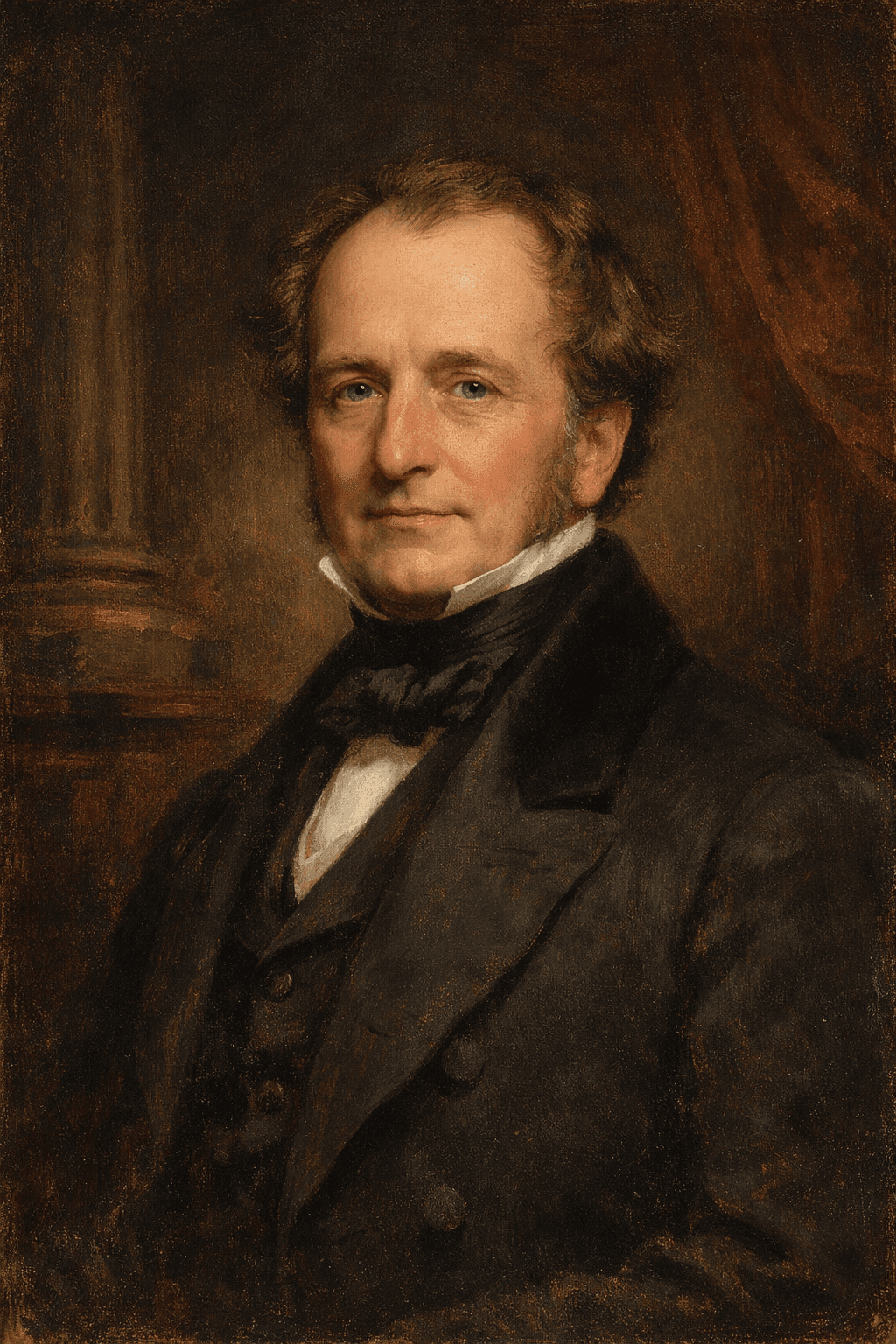
Lord John Russell
1792–1878Industrial AgeUnited Kingdom
He spent decades pushing Britain toward broader democracy, championing reform laws that reshaped Parliament while twice serving as prime minister during an era of political change.
Open profile →
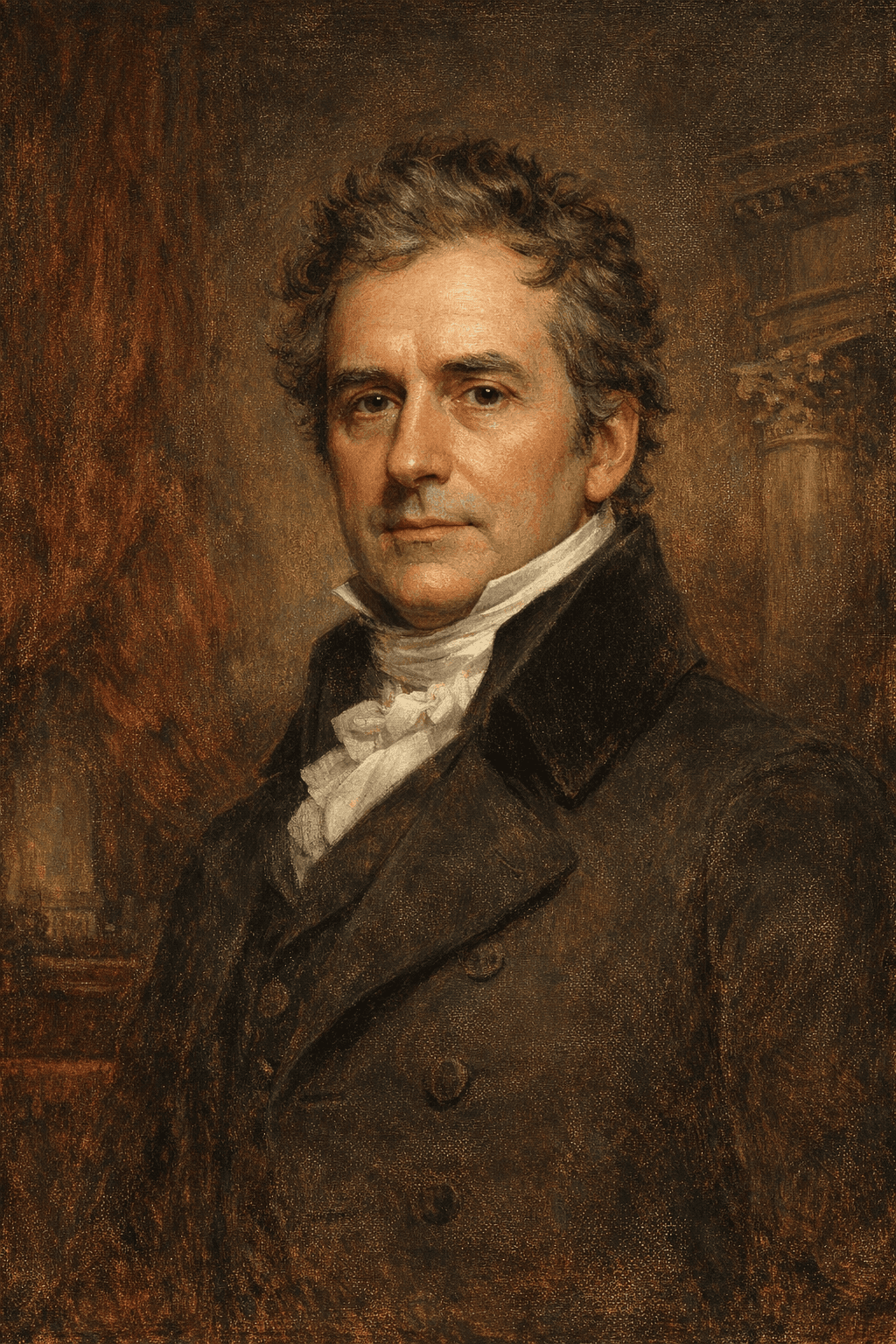
Lord Liverpool
1770–1828Industrial AgeUnited Kingdom
He steered Britain through the final defeat of Napoleon and into uneasy peace, balancing reform fears with stability in a society strained by war and change.
Open profile →
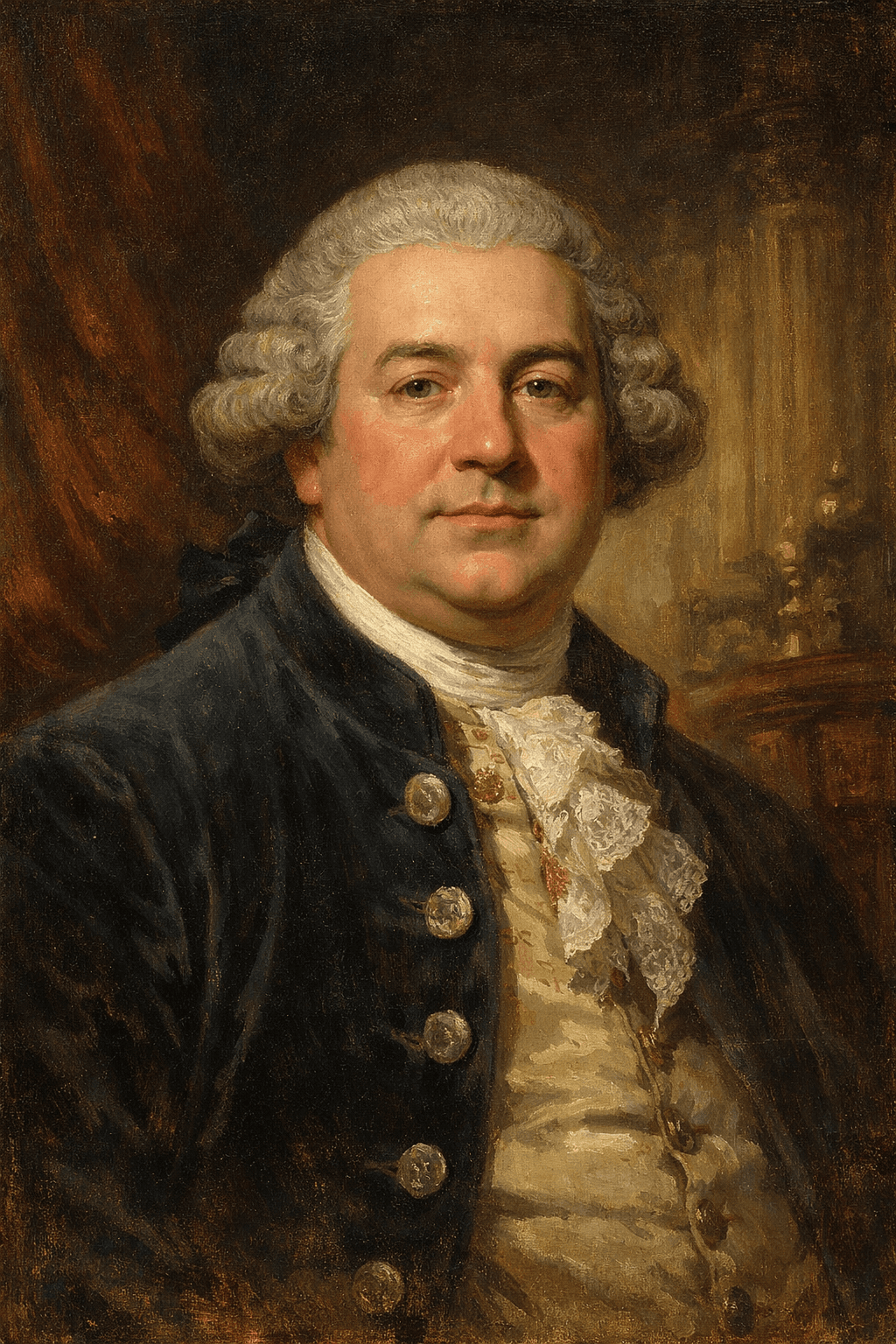
Lord North
1732–1792Early Modern EraUnited Kingdom
He tried to manage a restless empire through compromise and control, but his decisions during the American conflict ended with Britain losing its colonies.
Open profile →
Lucius Cornelius Sulla
-138–-78Classical WorldItaly
He marched his army on Rome twice — something no Roman general had ever done — became dictator, reformed the republic, and then walked away of his own free will.
Open profile →
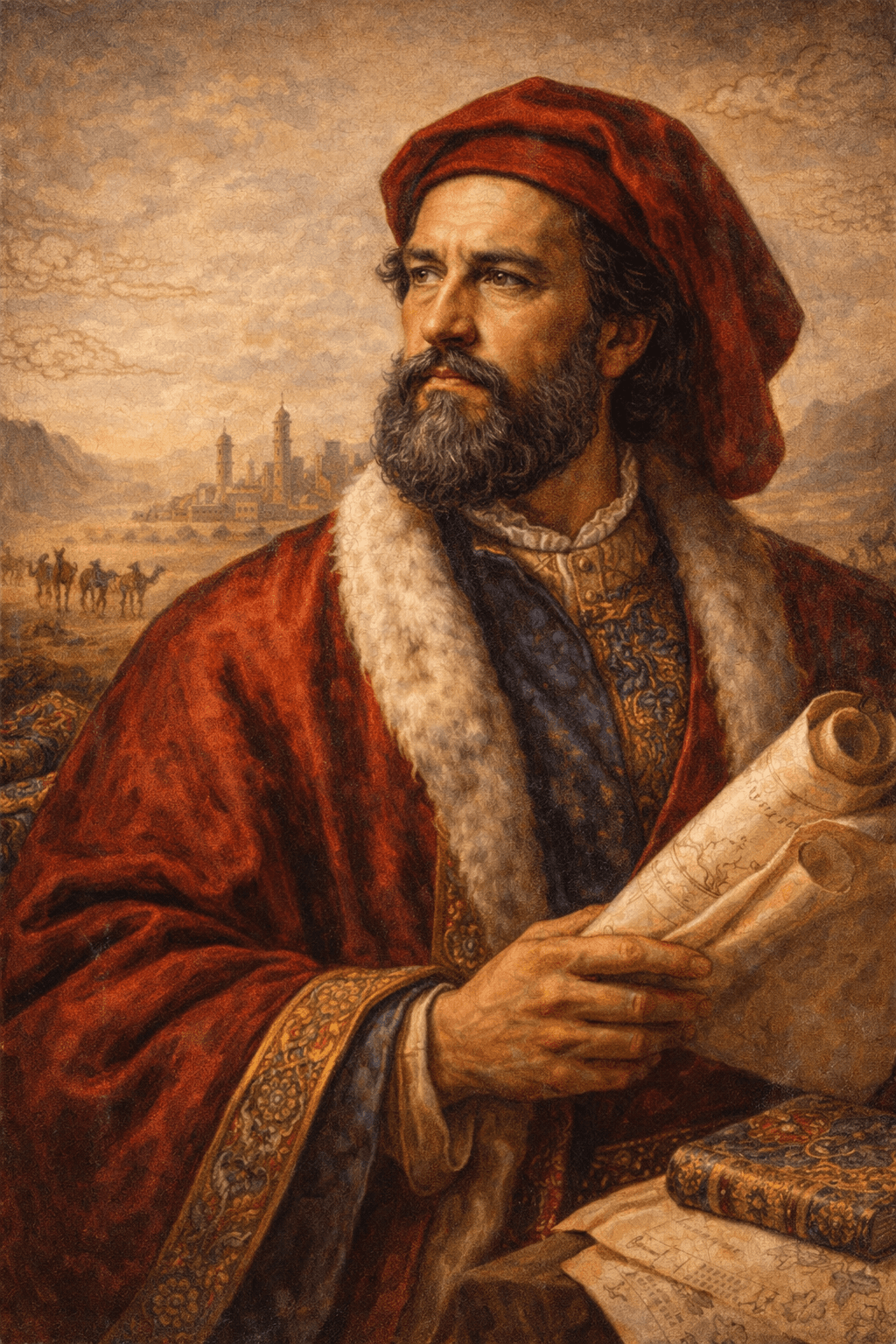
Marco Polo
1254–1324Medieval PeriodItaly
He spent seventeen years at the court of Kublai Khan, returned to Venice, and described a world so different from anything Europeans had seen that most people assumed he was lying.
Open profile →
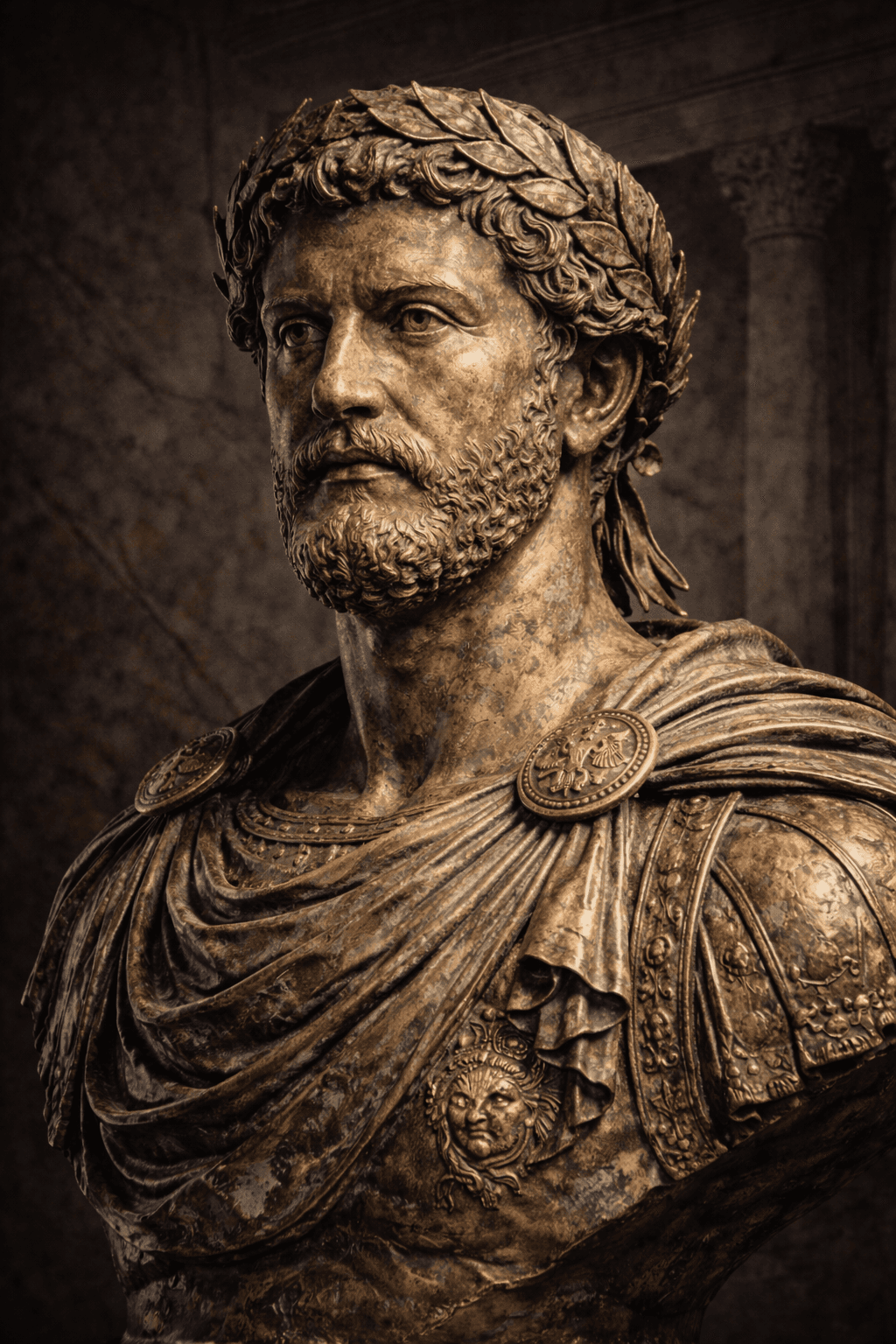
Marcus Aurelius
121–180Classical WorldItaly
He spent his reign doing the opposite of what he wrote — a philosopher king who believed in peace, presiding over almost constant war.
Open profile →
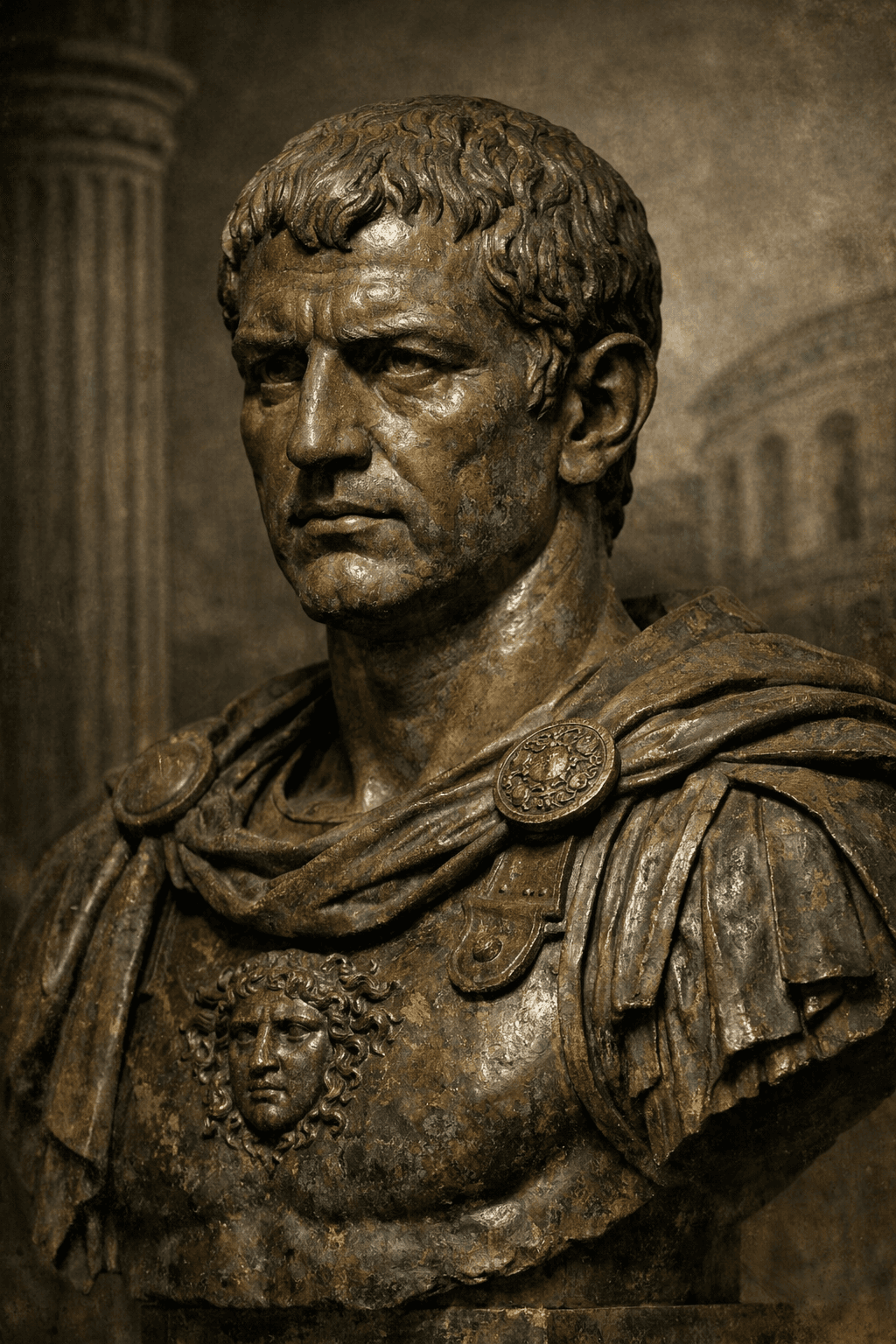
Marcus Livius Drusus
-124–-91Classical WorldItaly
He proposed reforms that might have prevented the Social War, was assassinated before they could pass, and his death triggered the very conflict he had tried to avoid.
Open profile →
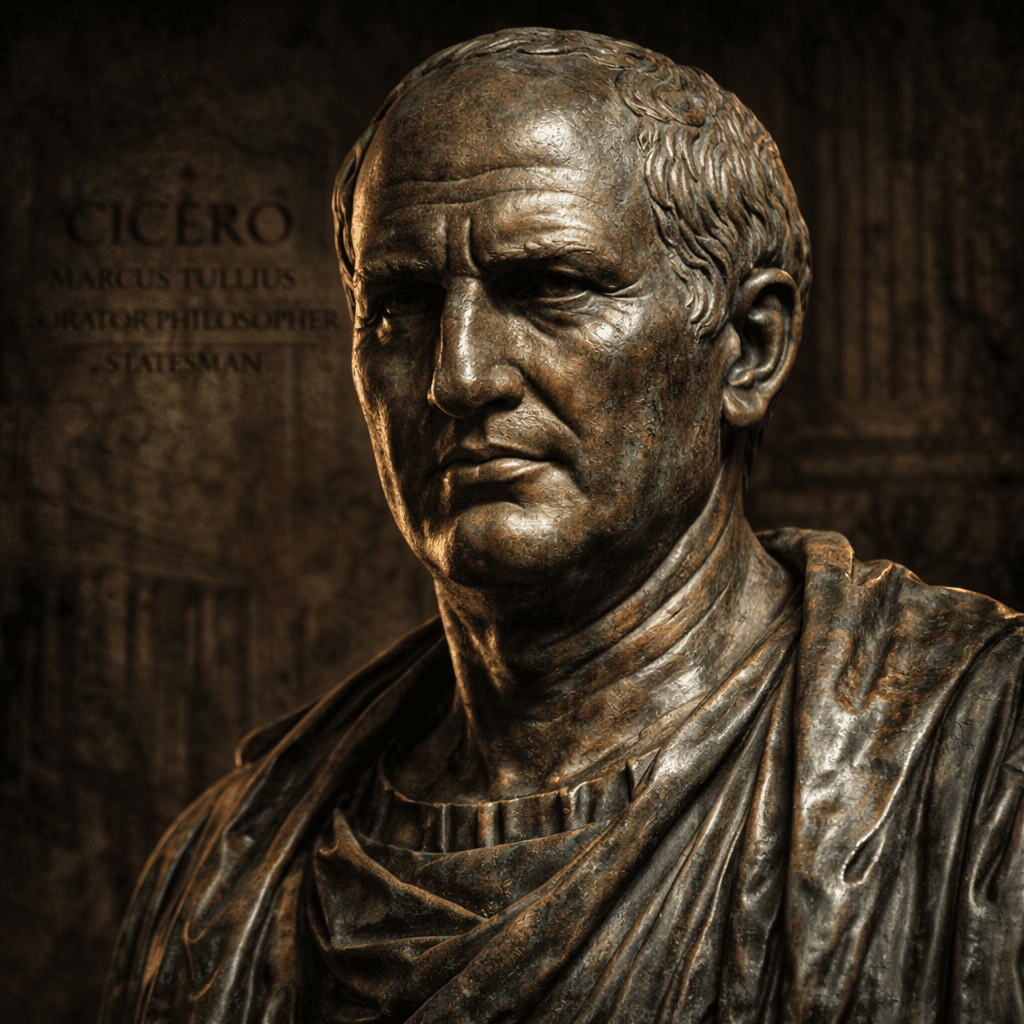
Marcus Tullius Cicero
-106–-43Classical WorldItaly
He used his speeches to destroy Rome's most dangerous men — and when he ran out of enemies to expose, Rome's most dangerous men came for him.
Open profile →
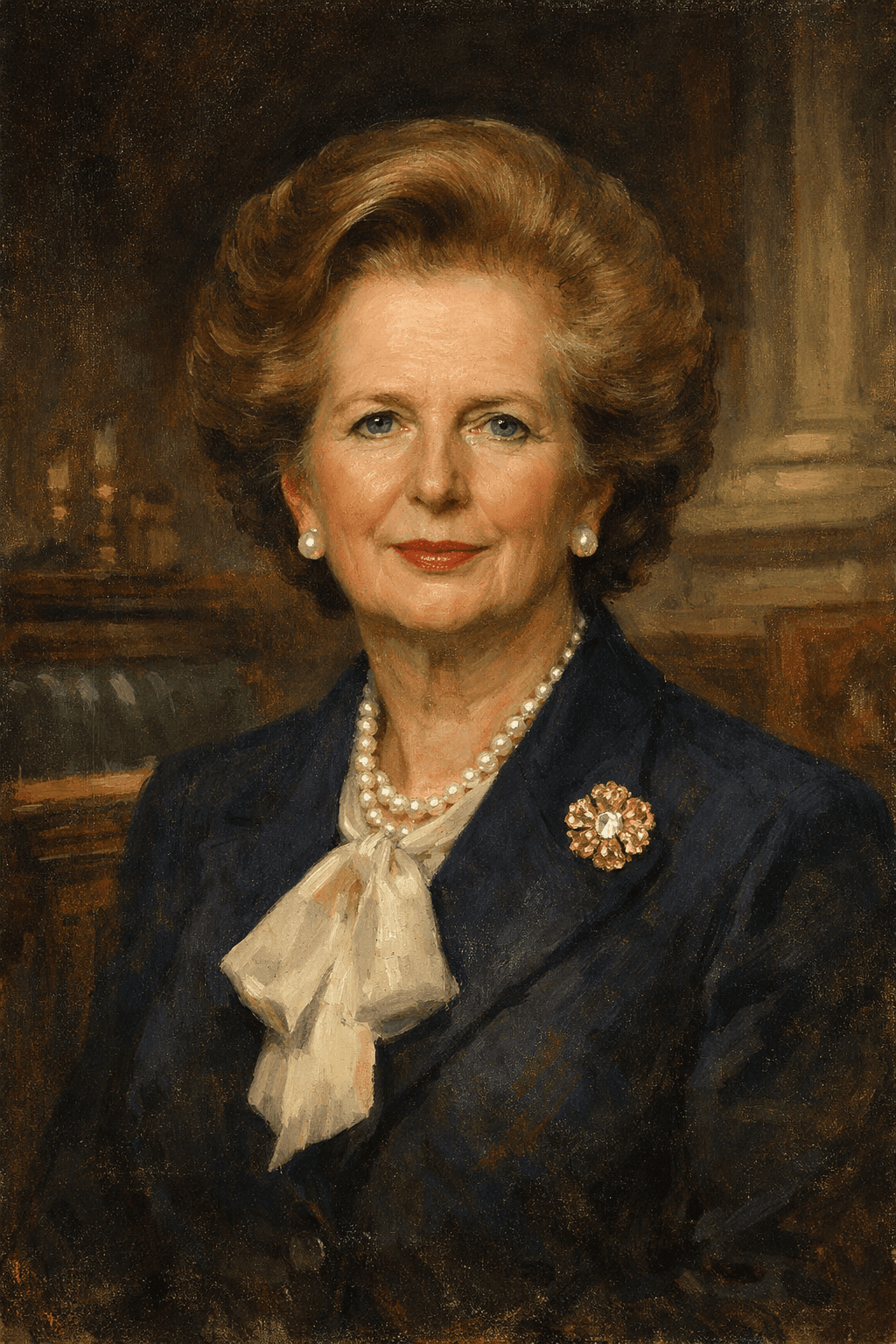
Margaret Thatcher
1925–2013Modern HistoryUnited Kingdom
She remade Britain's economy, broke the unions, and won three consecutive elections — and the country has been arguing about what she did ever since.
Open profile →
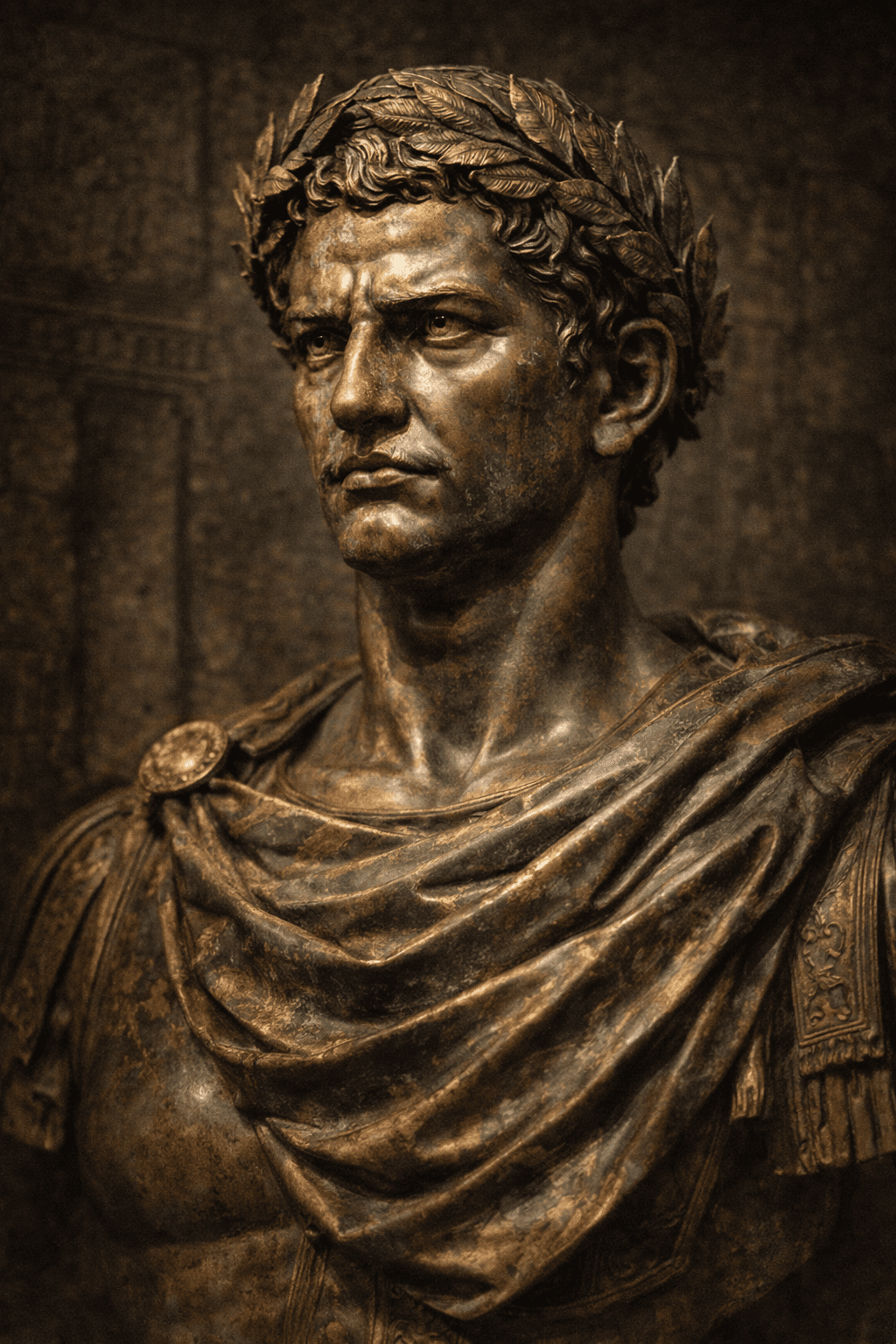
Mark Antony
-83–-30Classical WorldItaly
He was Rome's most powerful man after Caesar's death, threw in his lot with Cleopatra, and lost everything — though whether through love, miscalculation, or bad luck depends on who you ask.
Open profile →
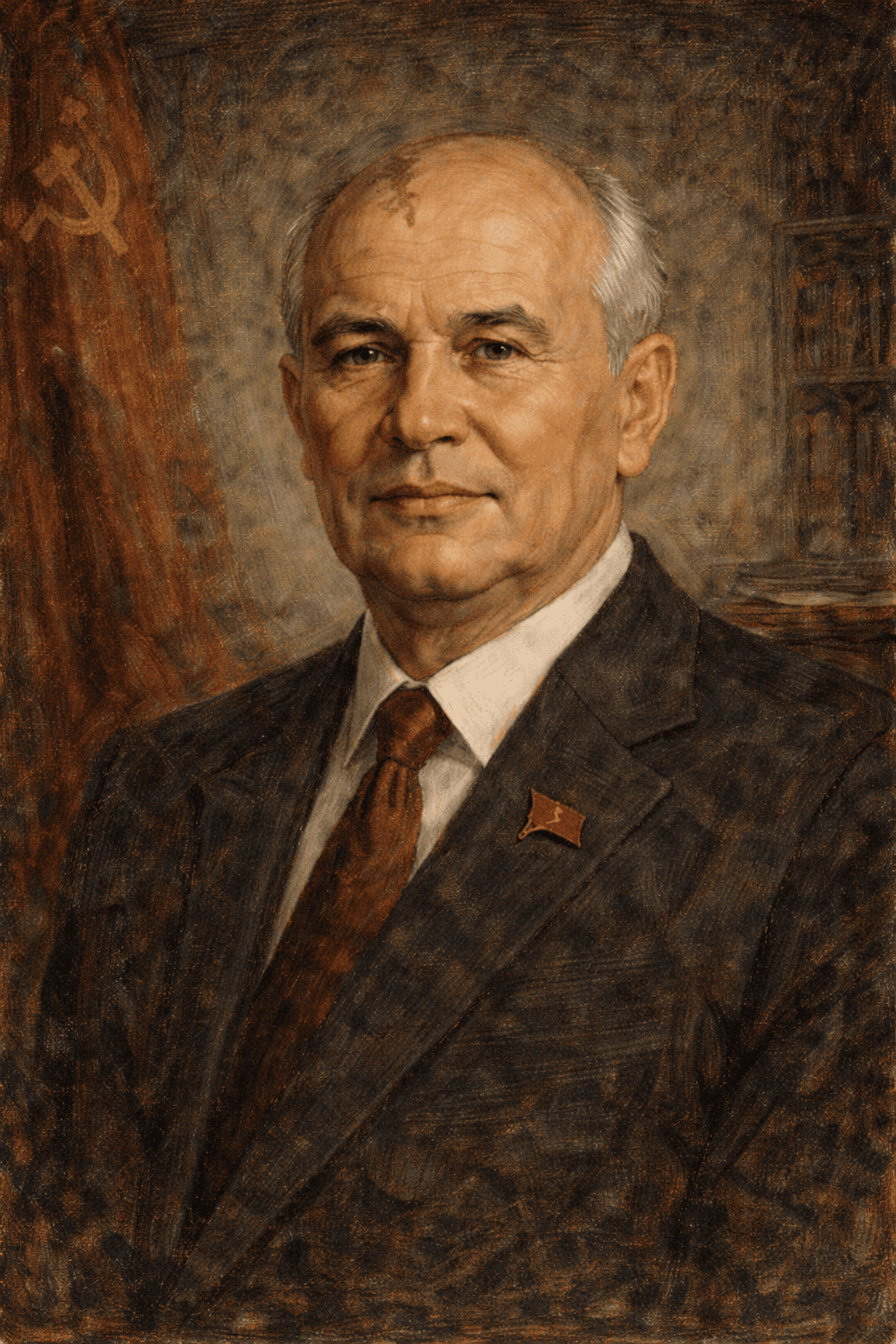
Mikhail Gorbachev
1931–2022Modern HistoryRussia
He set out to save the Soviet Union through reform, and instead presided over its peaceful dissolution — an outcome he didn't intend and never entirely accepted.
Open profile →
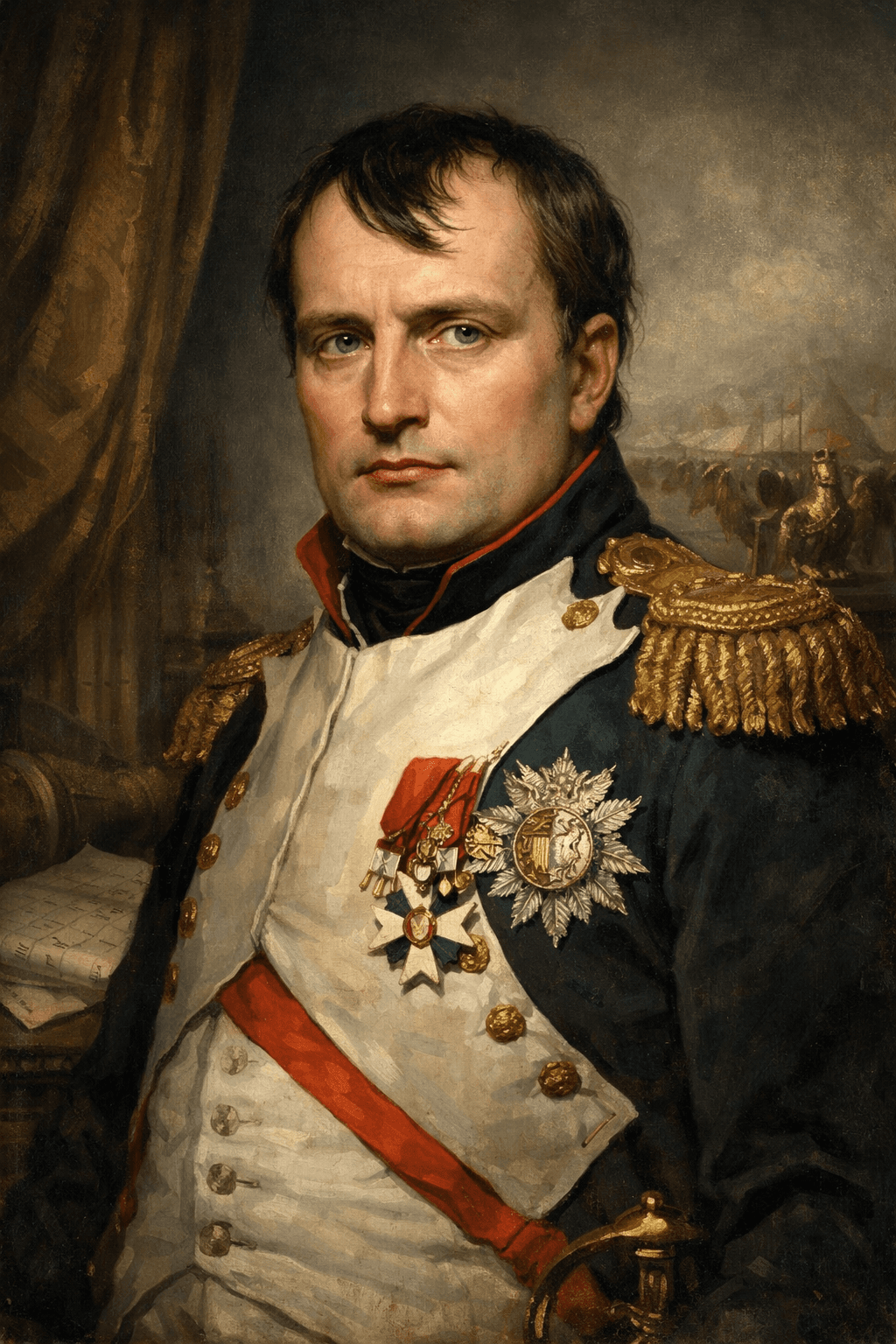
Napoleon Bonaparte
1769–1821Industrial AgeFrance
He rose from obscure Corsican origins to master of Europe, then invaded Russia — a decision that set the clock ticking on everything he had built.
Open profile →
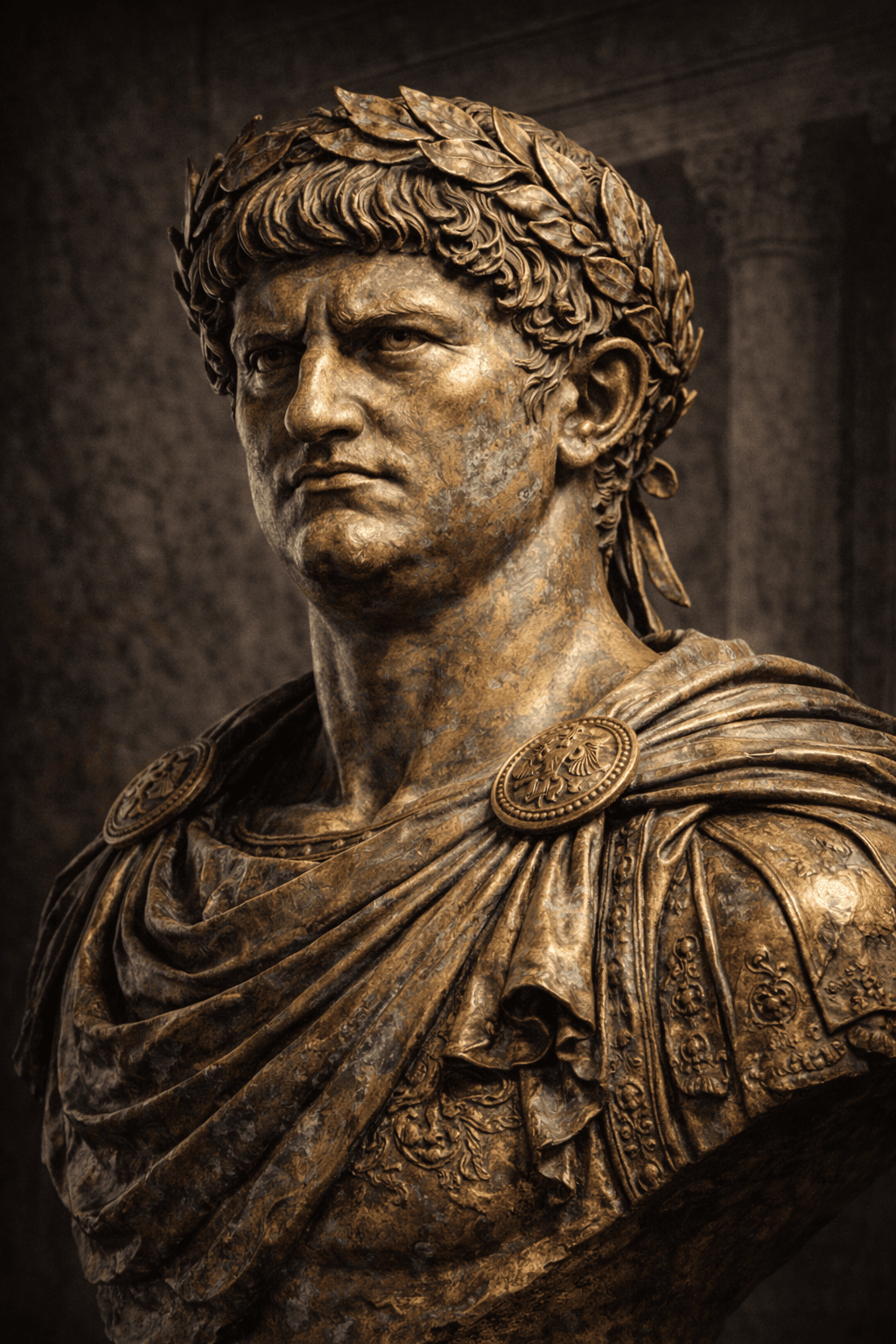
Nero
37–68Classical WorldItaly
He was blamed for burning Rome, killing his own mother, and destroying the Julio-Claudian dynasty — and historians have spent two thousand years arguing about how much of it is actually true.
Open profile →
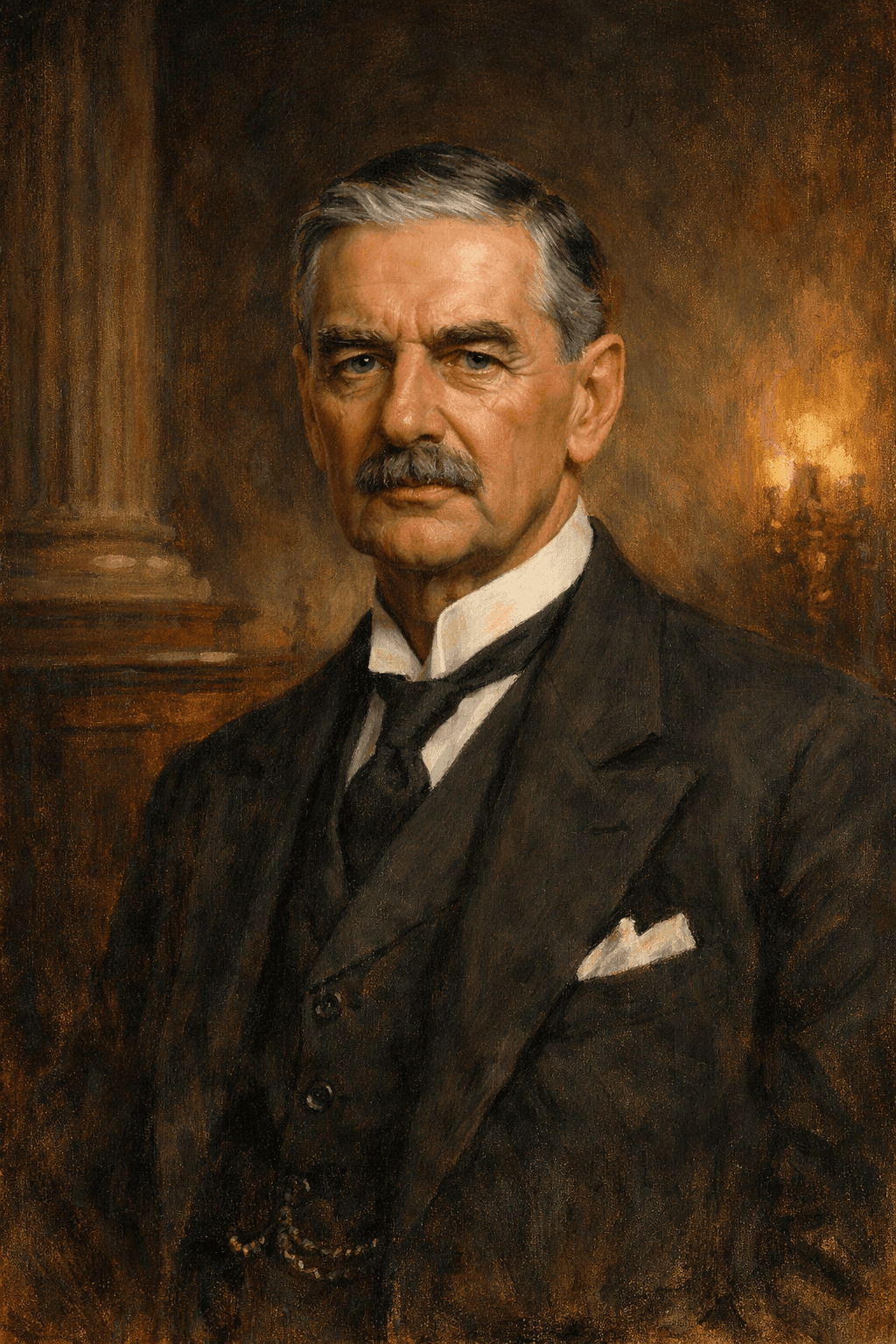
Neville Chamberlain
1869–1940Industrial AgeUnited Kingdom
He staked his reputation on avoiding war through negotiation with Adolf Hitler, only to see his promise of peace collapse within a year.
Open profile →
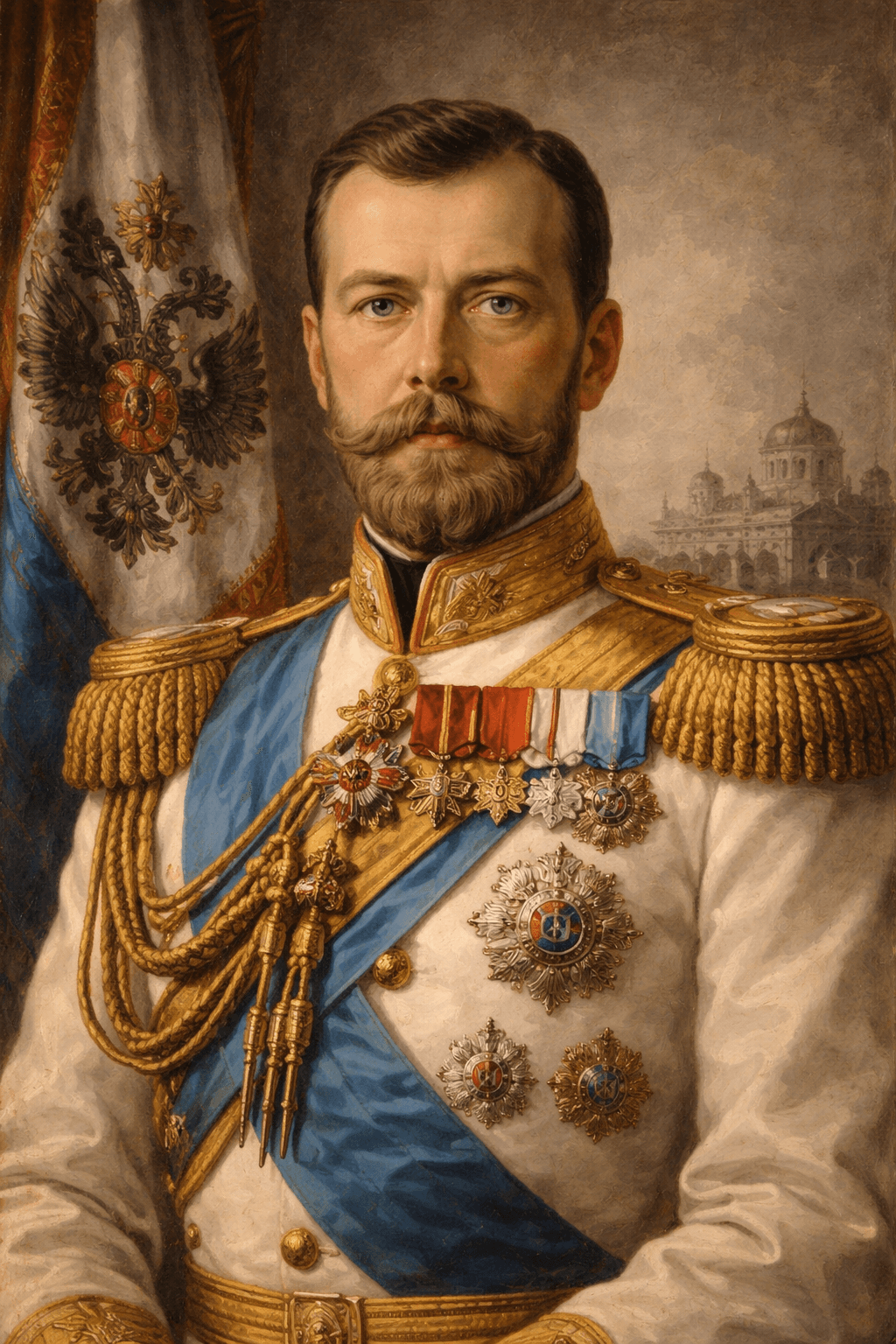
Nicholas II
1868–1918Industrial AgeRussia
He inherited the largest country on earth, believed in autocracy deeply and sincerely, and watched it all collapse because he couldn't imagine any other way to rule.
Open profile →
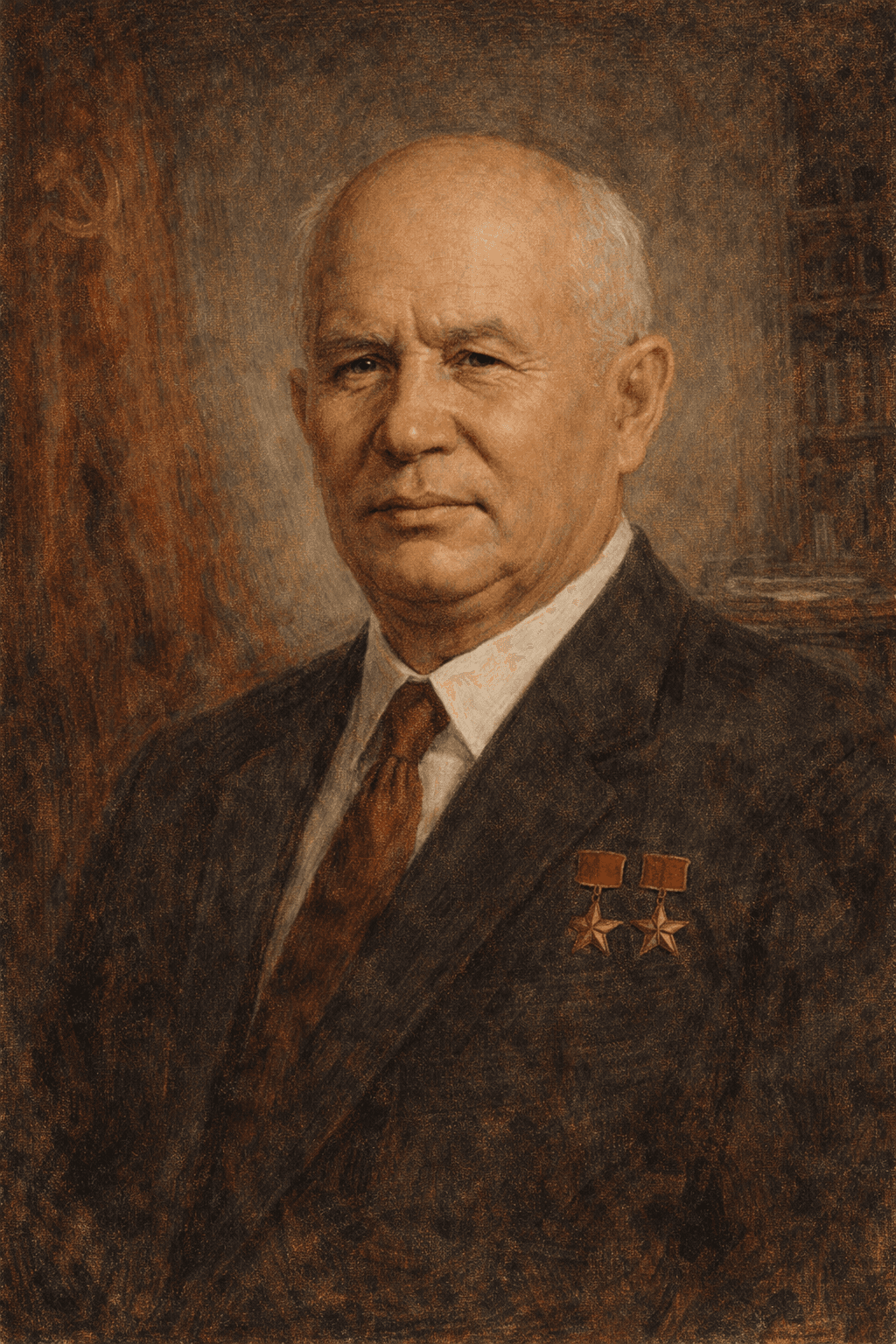
Nikita Khrushchev
1894–1971Industrial AgeRussia
He denounced Stalin, launched Sputnik, and brought the world to the edge of nuclear war over Cuba — then was removed from power while on holiday by colleagues who'd had enough.
Open profile →
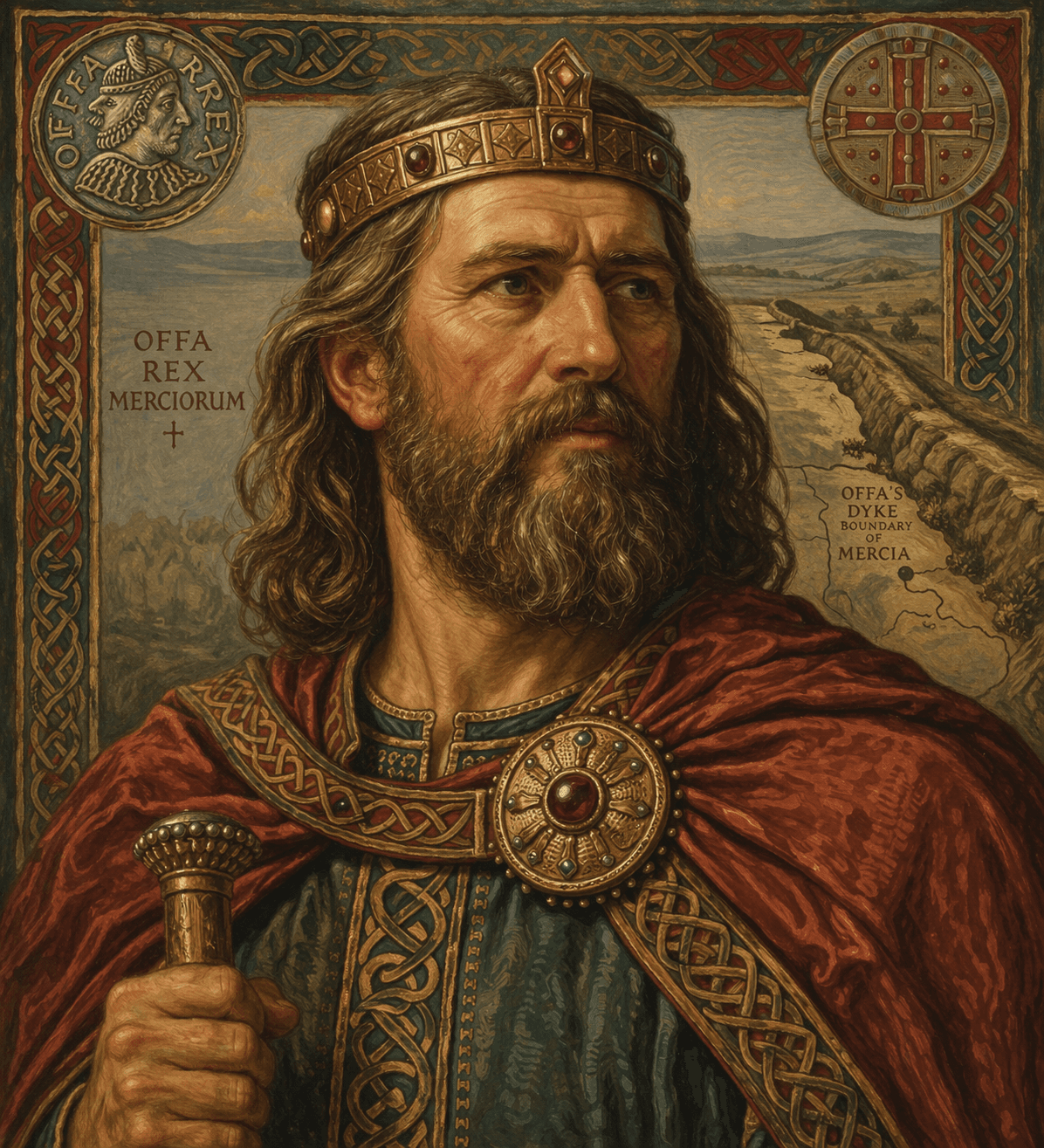
Offa of Mercia
730–796Medieval PeriodUnited Kingdom
He was the most powerful king in England before England existed — and his legacy was so thoroughly erased by what came after that most people have barely heard of him.
Open profile →
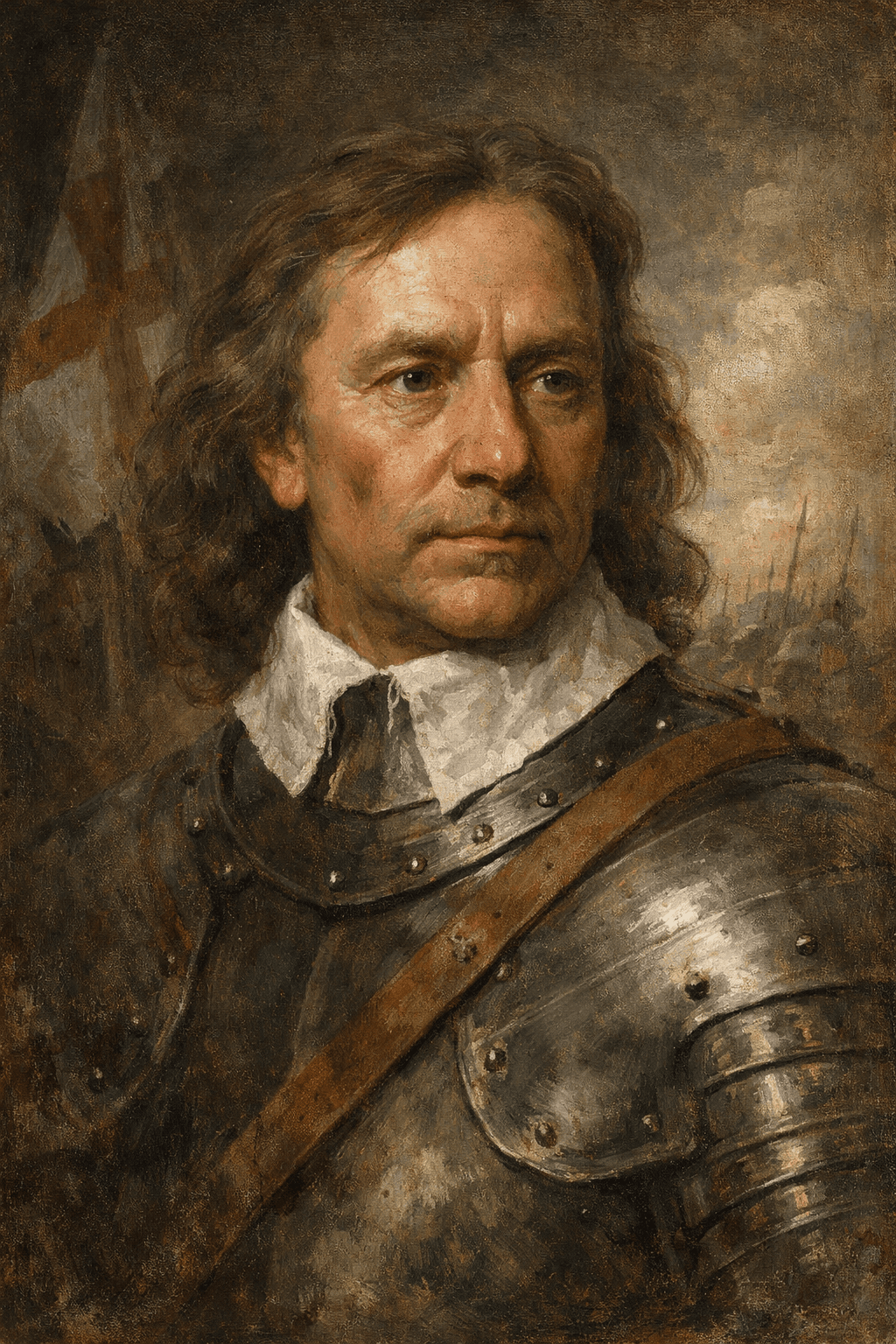
Oliver Cromwell
1599–1658Early Modern EraUnited Kingdom
He went to war to limit royal power, signed the king's death warrant, and ended up with more authority than any English monarch before him — a contradiction he never satisfactorily resolved.
Open profile →
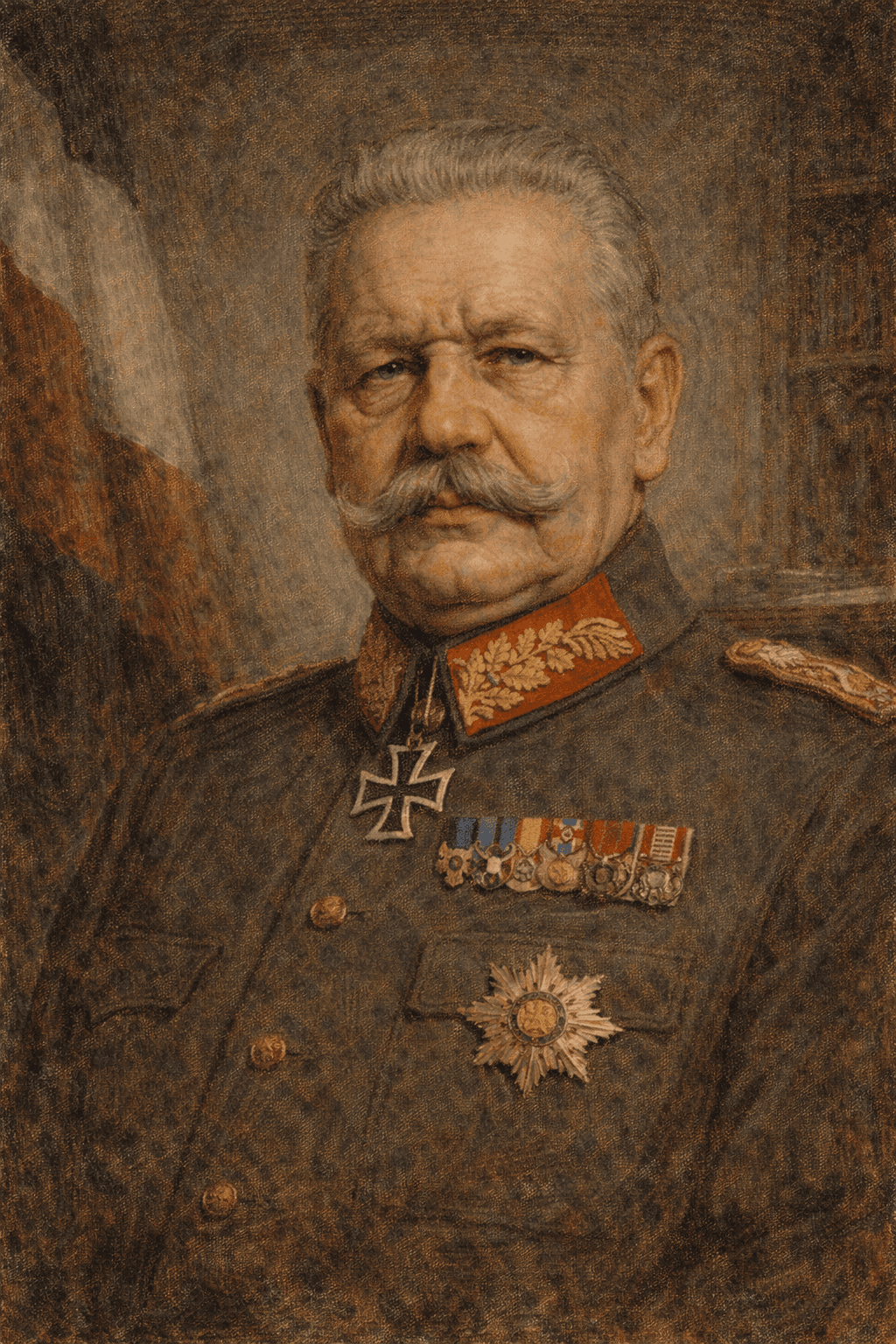
Paul von Hindenburg
1847–1934Industrial AgeGermany
He was a war hero and a president who despised Hitler, considered him a vulgar upstart — and then appointed him chancellor anyway, convinced he could control him.
Open profile →
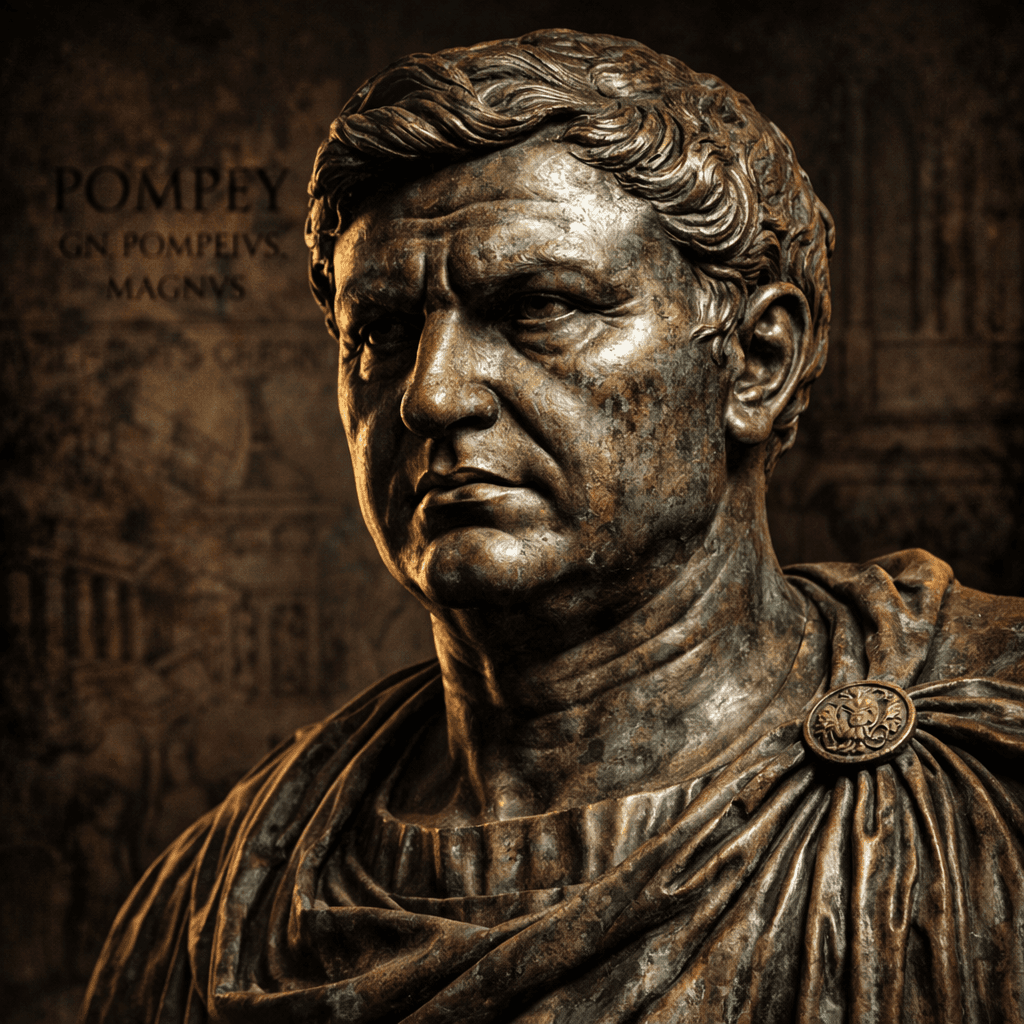
Pompey the Great
-106–-48Classical WorldItaly
He was the most celebrated Roman general of his age, until Caesar's victories in Gaul made his own look modest — a rivalry that helped end the republic.
Open profile →
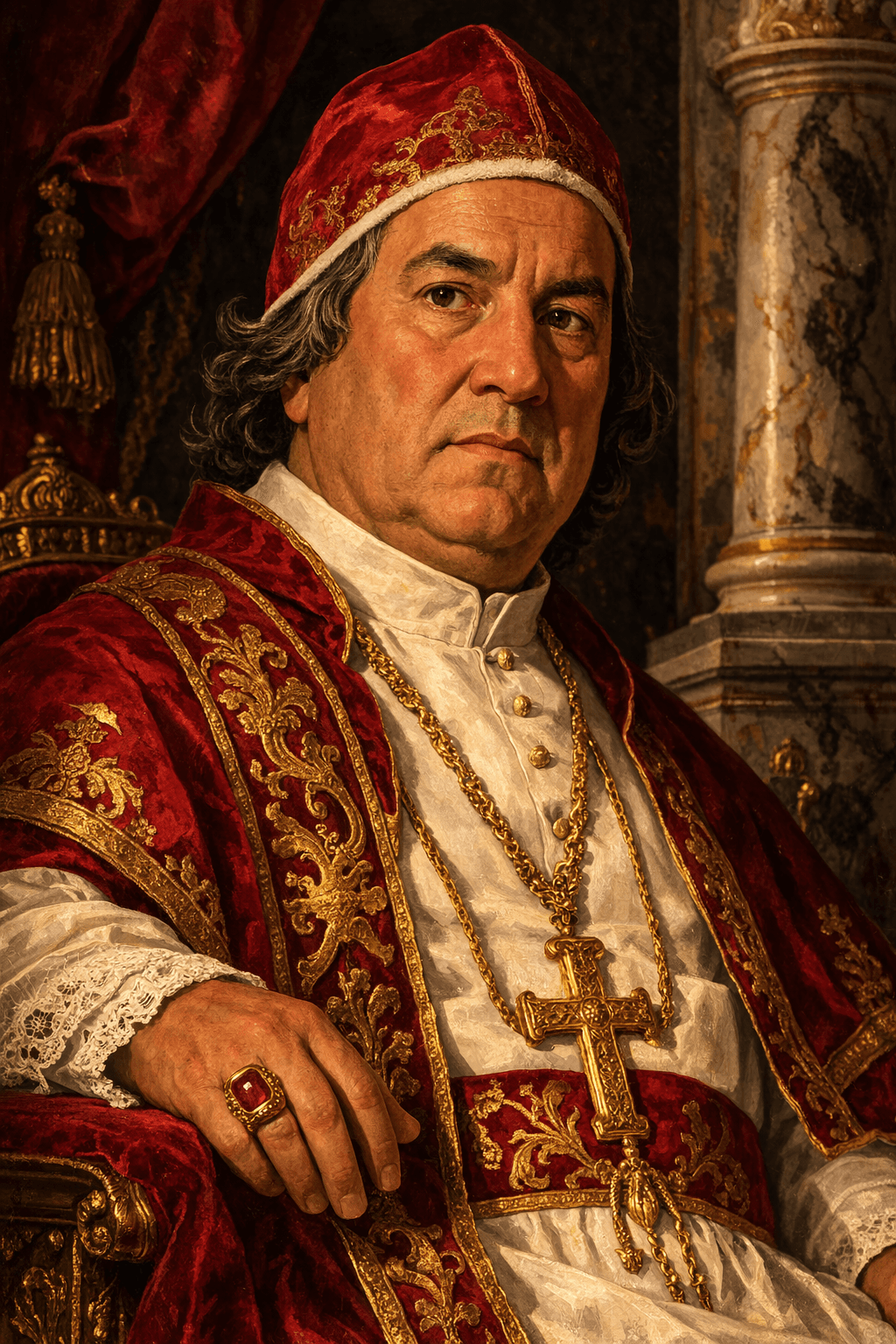
Pope Alexander VI
1431–1503Medieval PeriodSpain
He was a pope who fathered children, bribed his way to the papacy, and helped divide the entire western hemisphere between two countries — and the Church never fully disowned him.
Open profile →
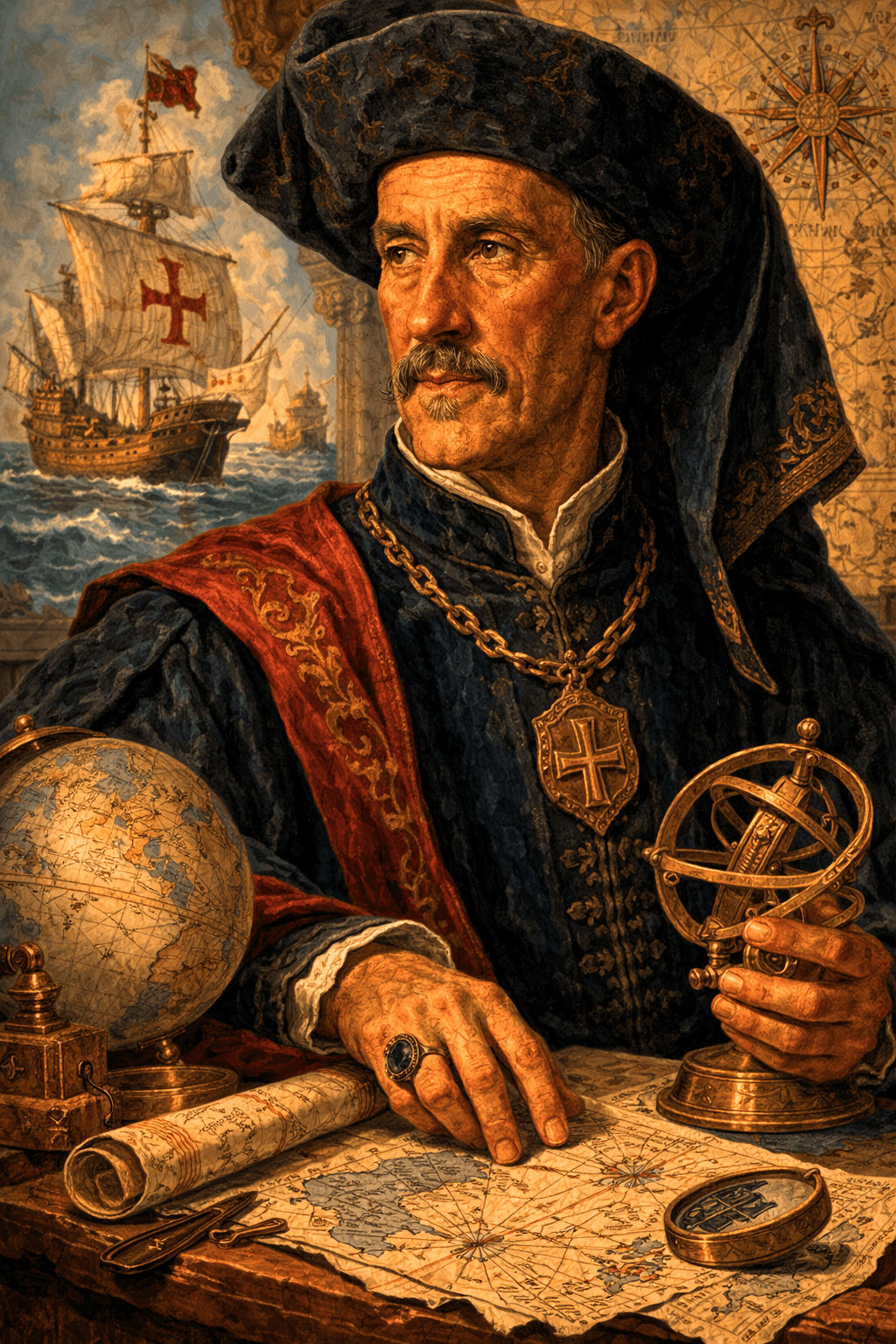
Prince Henry the Navigator
1394–1460Medieval PeriodPortugal
He never navigated anywhere himself — but the expeditions he financed from his palace on the Portuguese coast opened the African coastline and began the age of exploration.
Open profile →
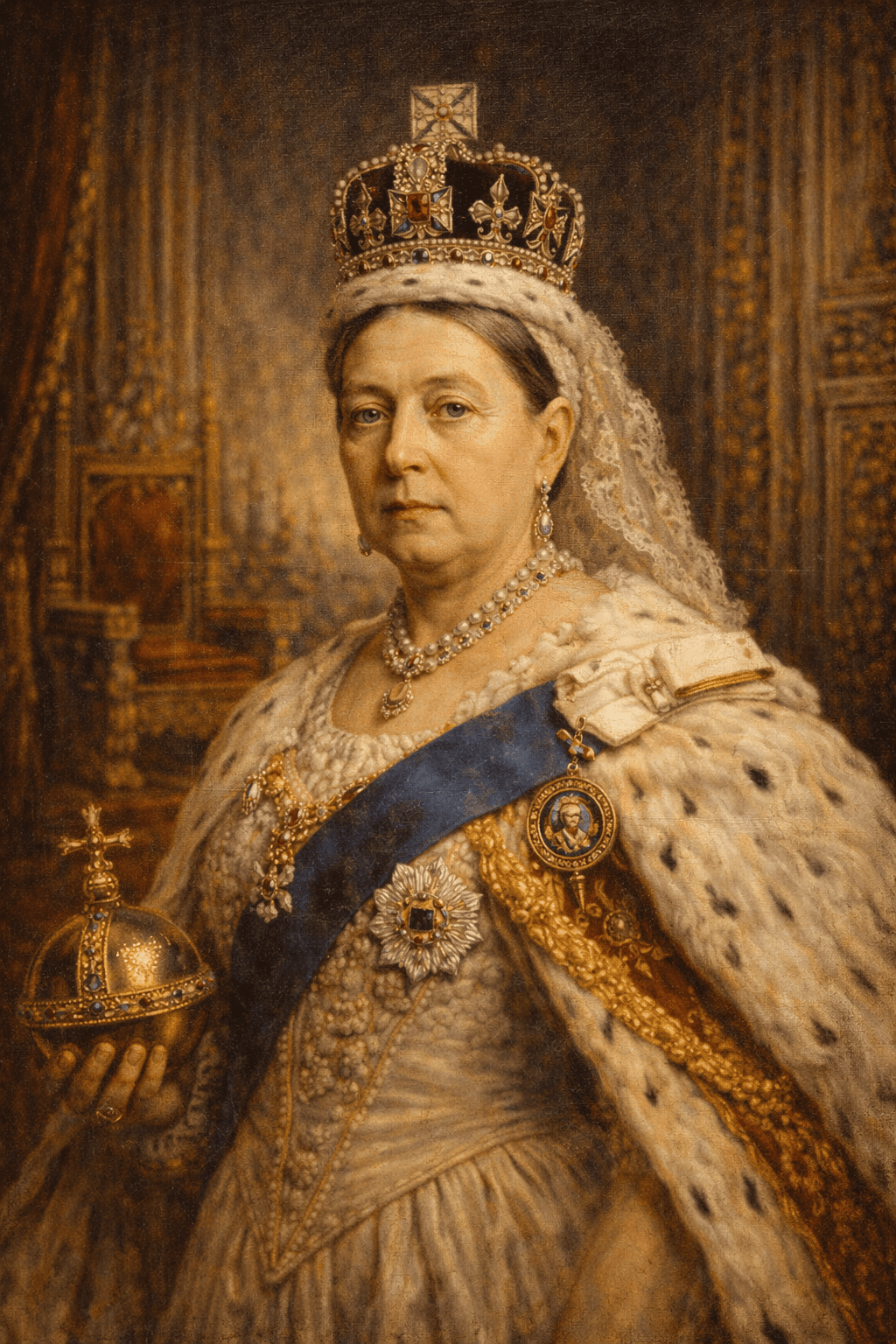
Queen Victoria
1819–1901Industrial AgeUnited Kingdom
She became queen at eighteen, reigned for sixty-three years, and by the time she died her descendants sat on the thrones of half the royal houses of Europe.
Open profile →
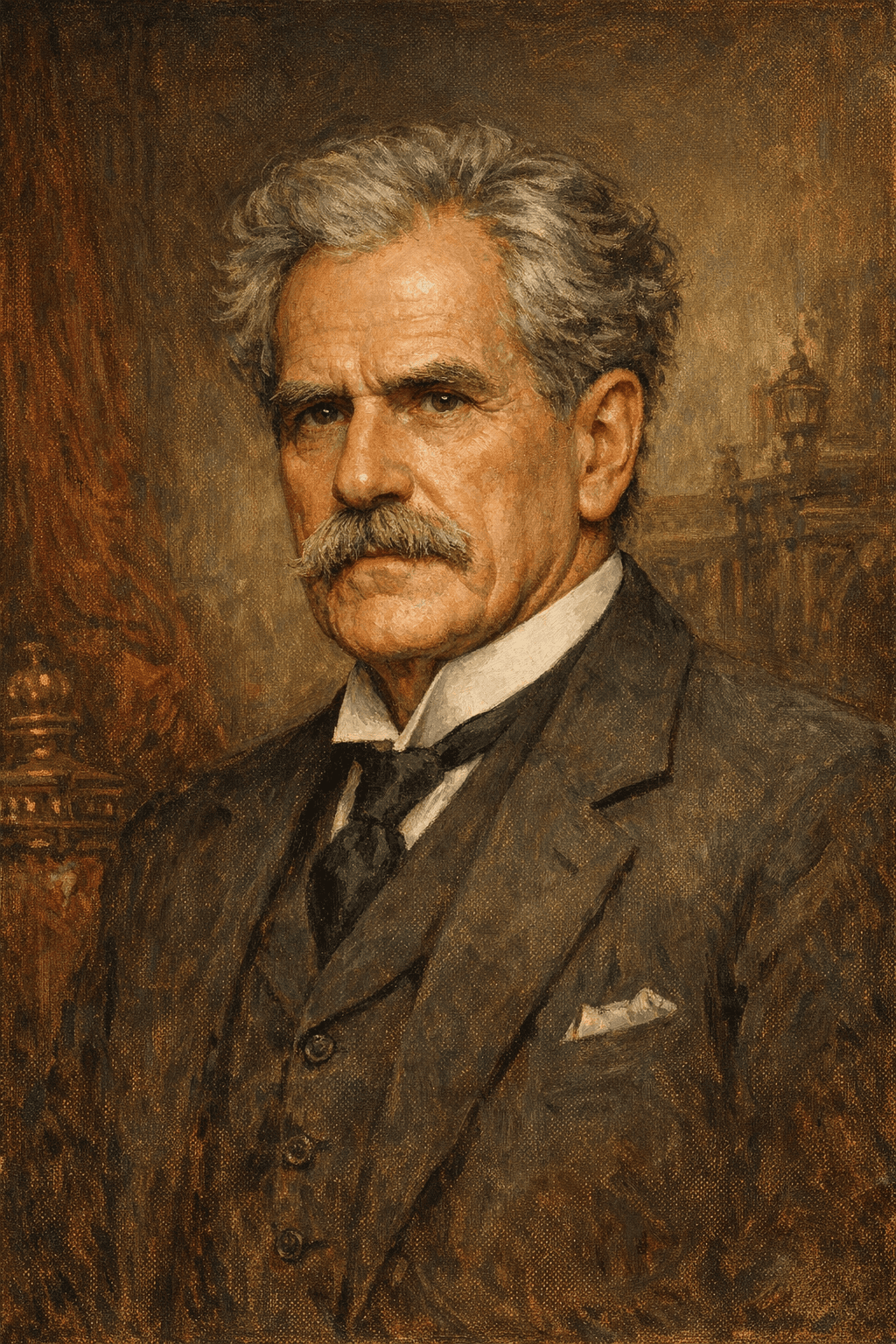
Ramsay MacDonald
1866–1937Industrial AgeUnited Kingdom
He rose from illegitimate birth in rural poverty to lead Britain’s first Labour government, only to split his party and govern with former opponents during crisis.
Open profile →
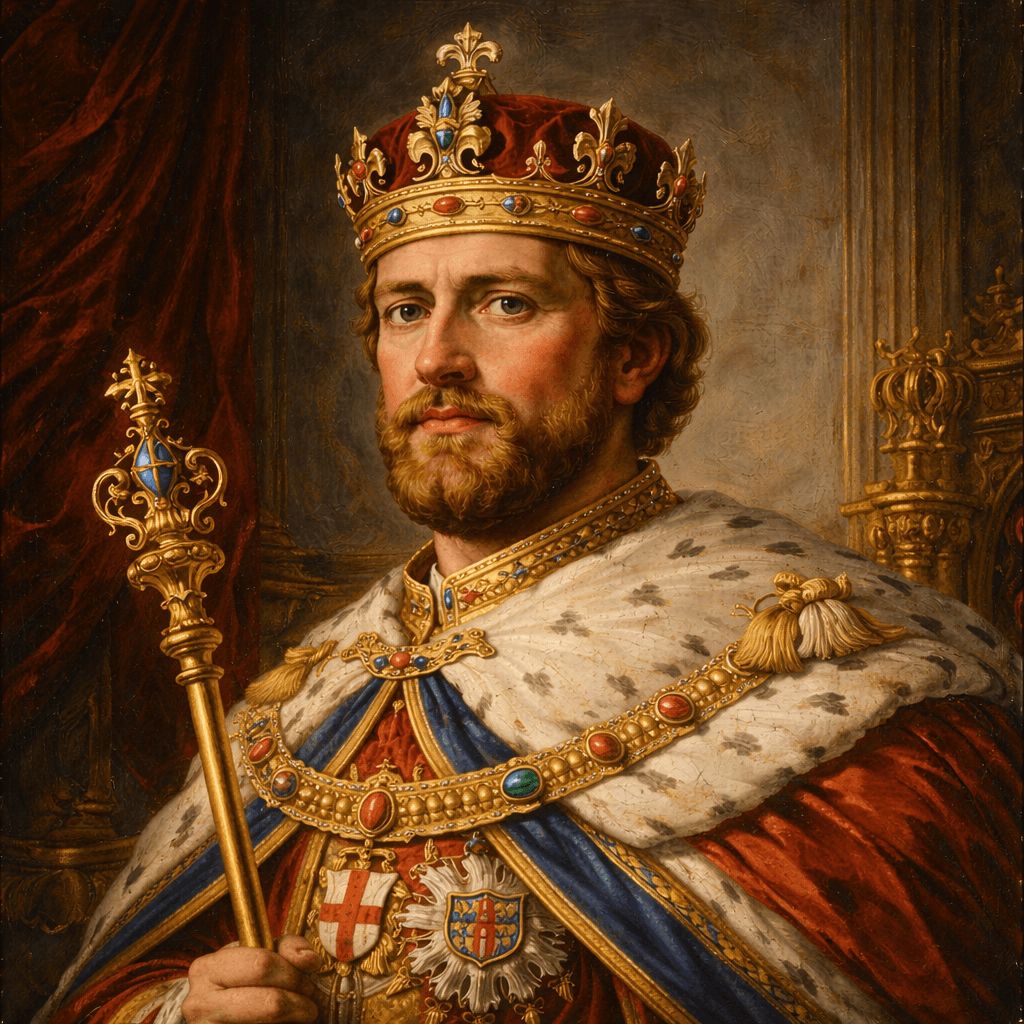
Richard I
1157–1199Medieval PeriodUnited Kingdom
He spent less than six months of his ten-year reign actually in England — and is still celebrated as one of its greatest medieval kings.
Open profile →
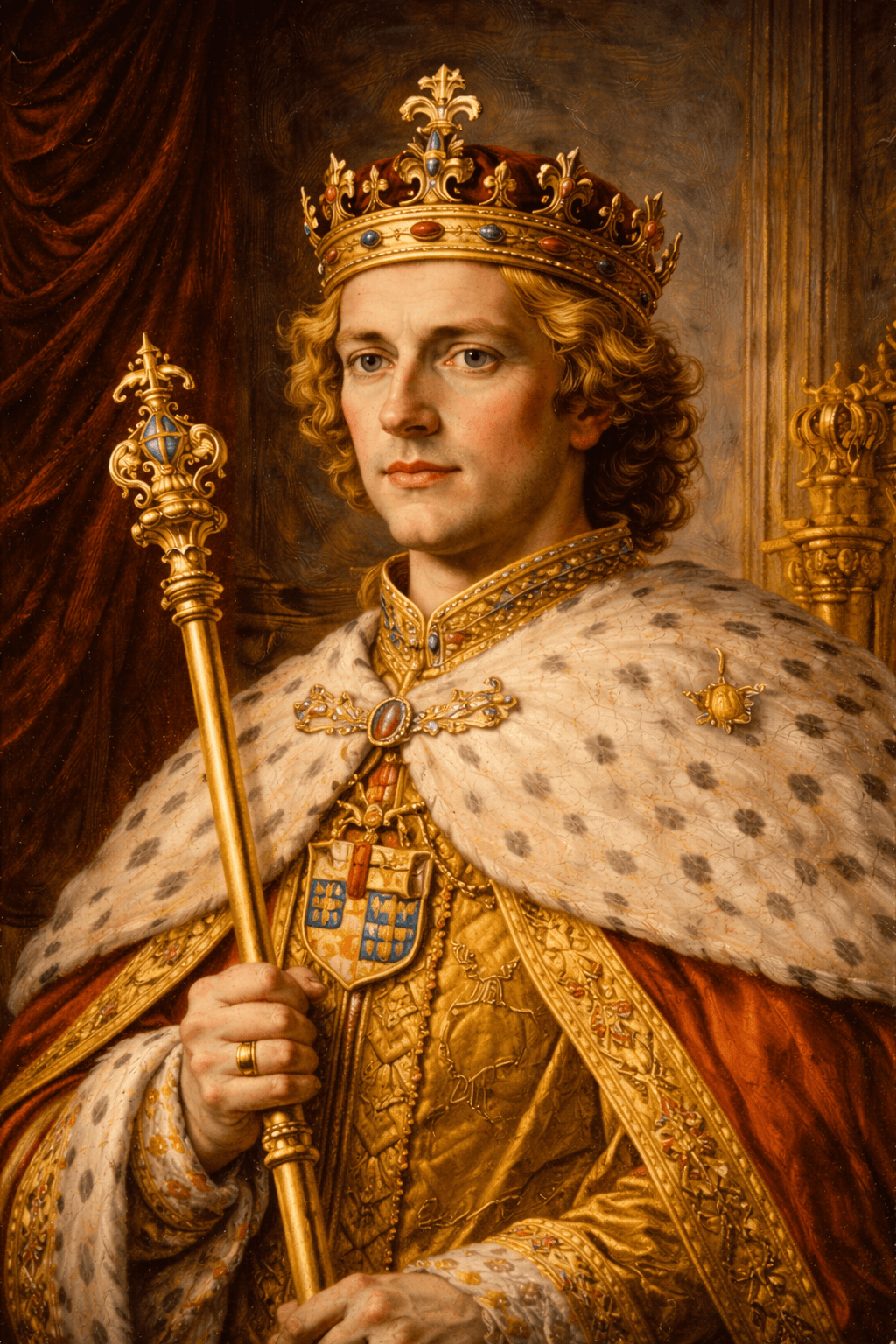
Richard II
1367–1400Medieval PeriodUnited Kingdom
He crushed the Peasants' Revolt at fifteen and spent the next twenty years becoming exactly the kind of king that invited deposition.
Open profile →
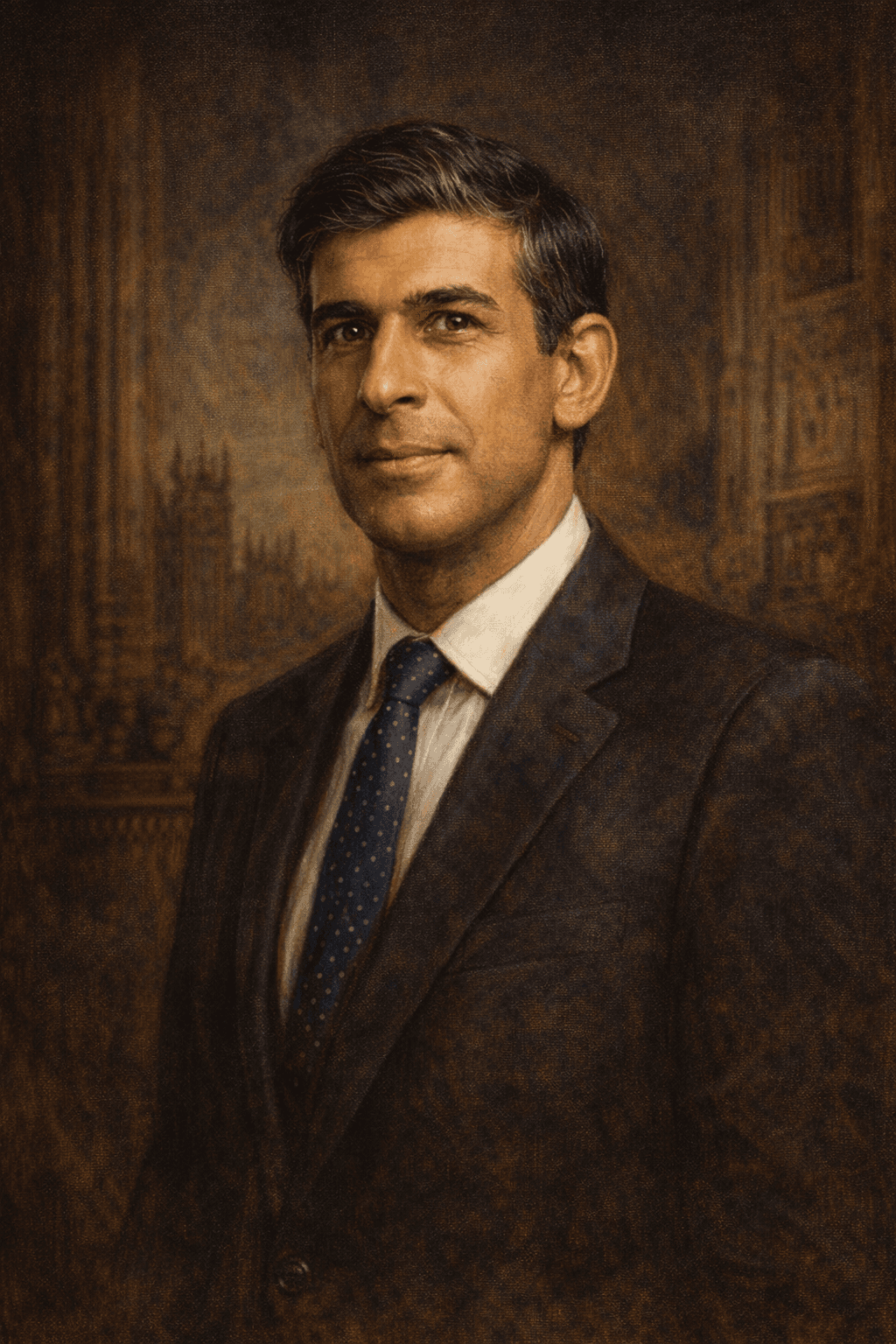
Rishi Sunak
1980–?Modern HistoryUnited Kingdom
He became Britain's first British-Asian prime minister at a moment of profound political instability — and governed long enough to test whether that instability could be managed.
Open profile →
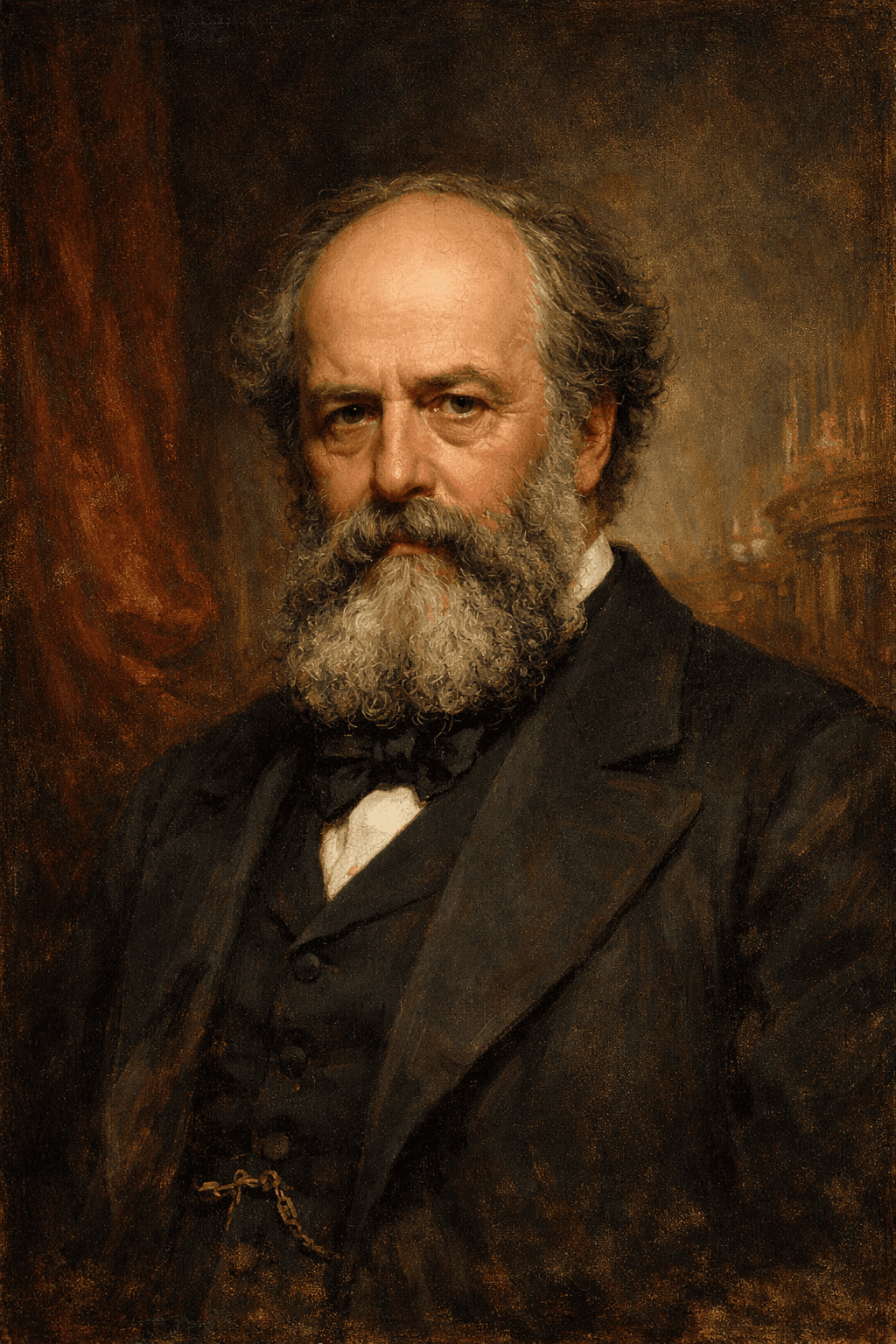
Robert Gascoyne-Cecil, 3rd Marquess of Salisbury
1830–1903Industrial AgeUnited Kingdom
He distrusted democracy yet led Britain repeatedly as prime minister, steering imperial policy with cold realism while quietly shaping the balance of power across Europe.
Open profile →
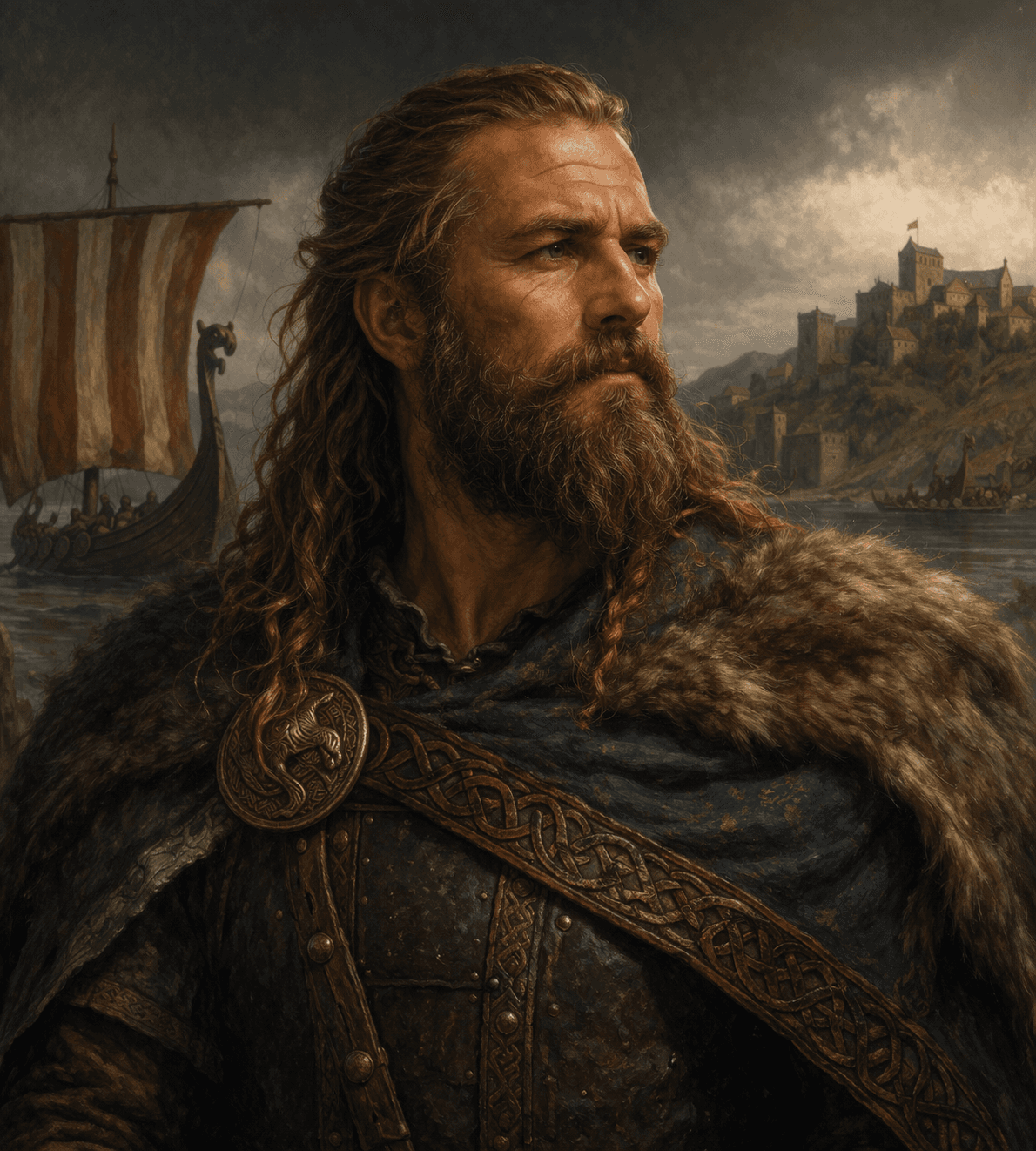
Rollo
860–930Medieval PeriodFrance
He led a Viking raid into northern France, was offered land to stop raiding, and became the founder of Normandy — and the great-great-great-grandfather of William the Conqueror.
Open profile →
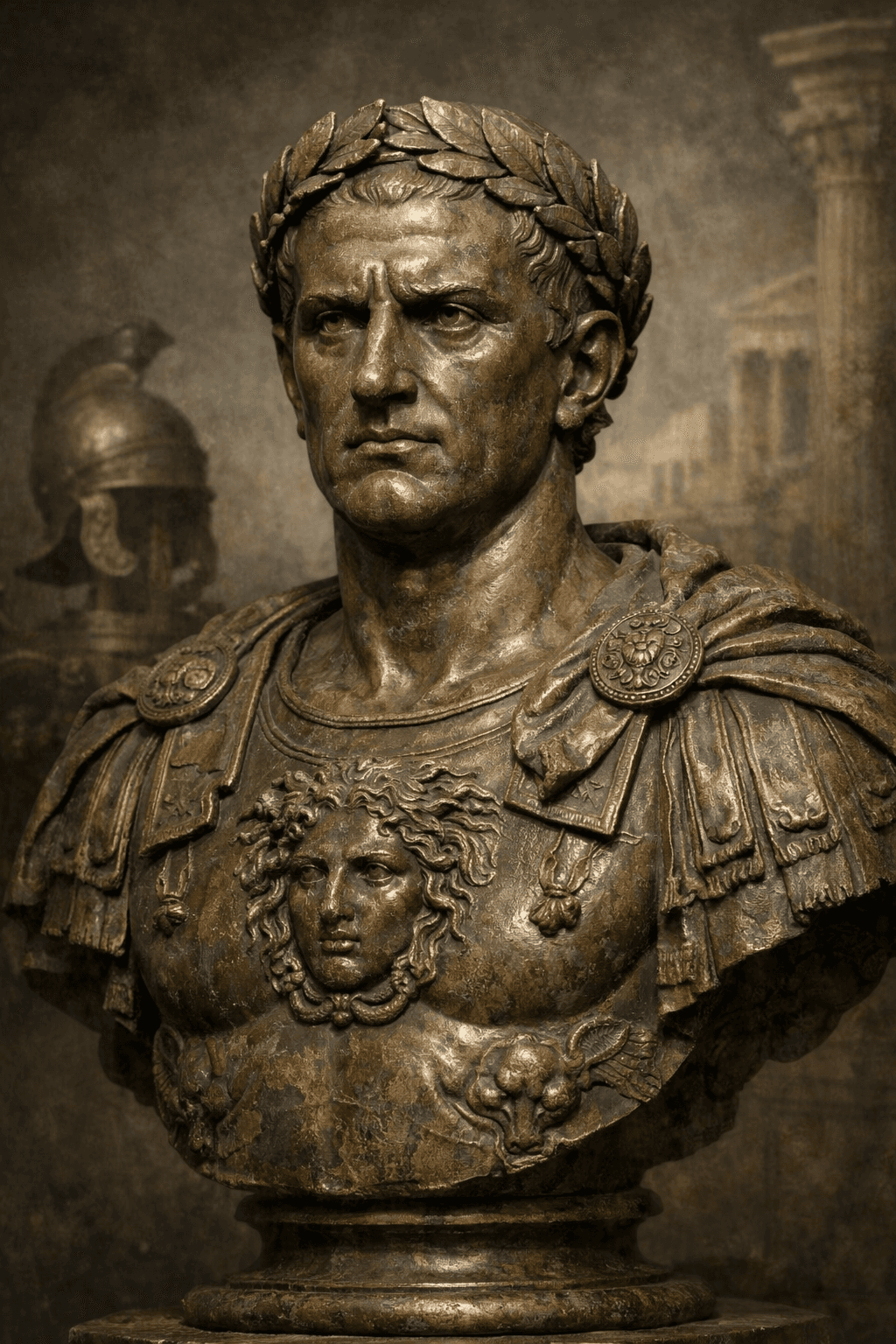
Scipio Africanus
-236–-183Classical WorldItaly
Rome had been losing to Hannibal for over a decade when Scipio proposed carrying the war to Africa — his own side thought he was reckless, and he won.
Open profile →
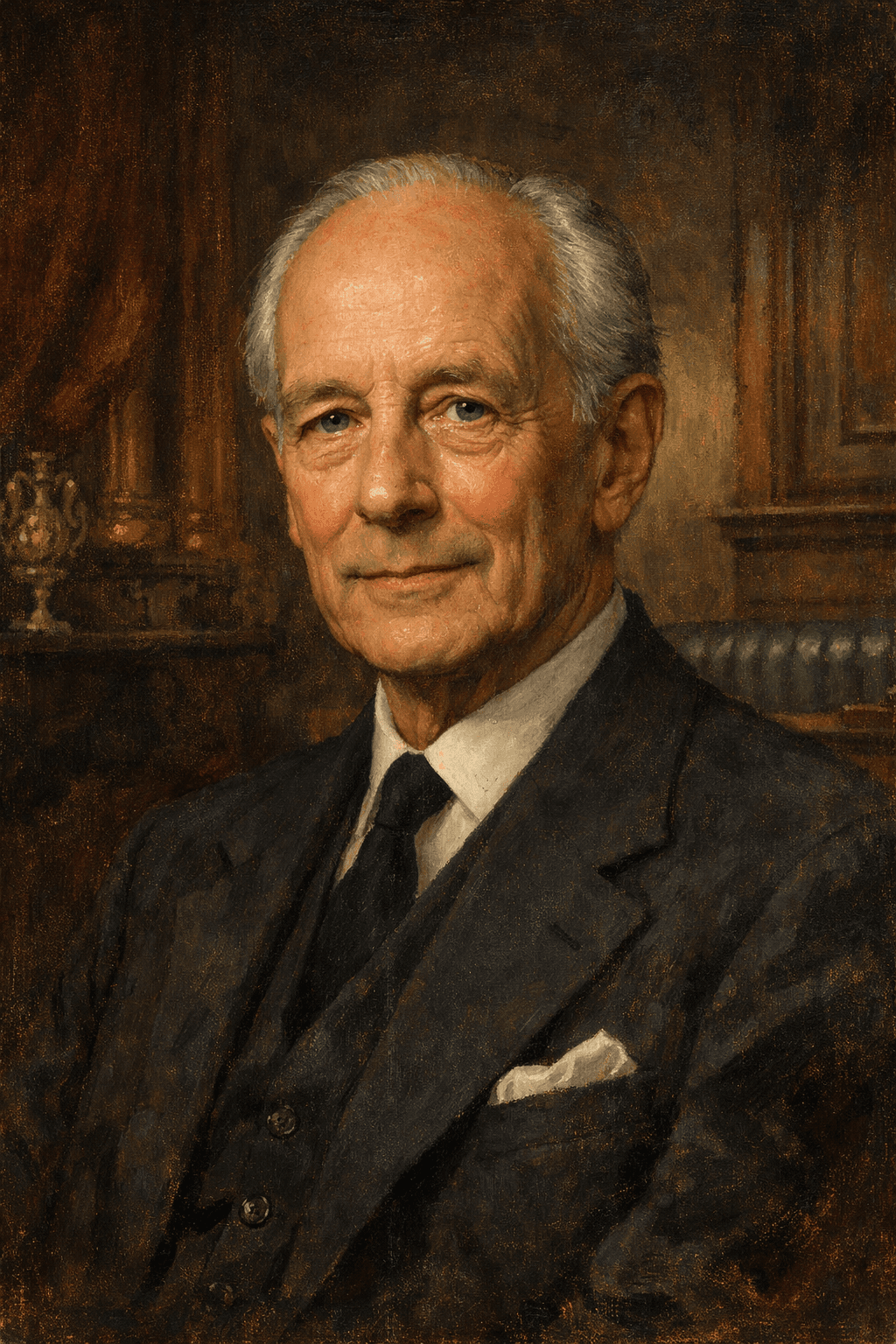
Sir Alec Douglas-Home
1903–1995Modern HistoryUnited Kingdom
He unexpectedly renounced his aristocratic title to become prime minister, led briefly during a turbulent political shift, and later returned as a steady voice in foreign affairs.
Open profile →
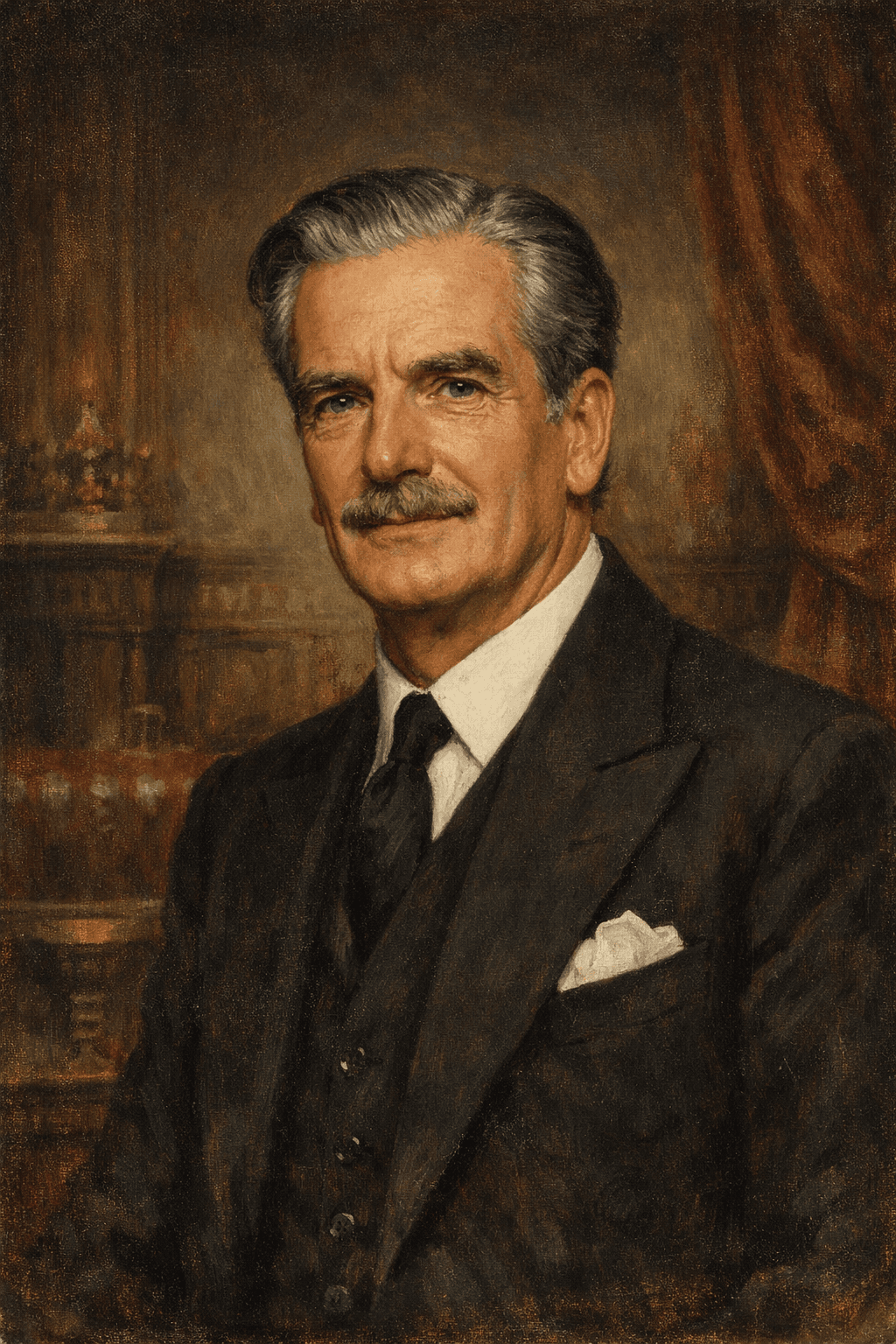
Sir Anthony Eden
1897–1977Industrial AgeUnited Kingdom
He spent decades warning about dictatorship abroad, yet his own premiership collapsed when the Suez Crisis exposed the limits of British power in a changing world.
Open profile →
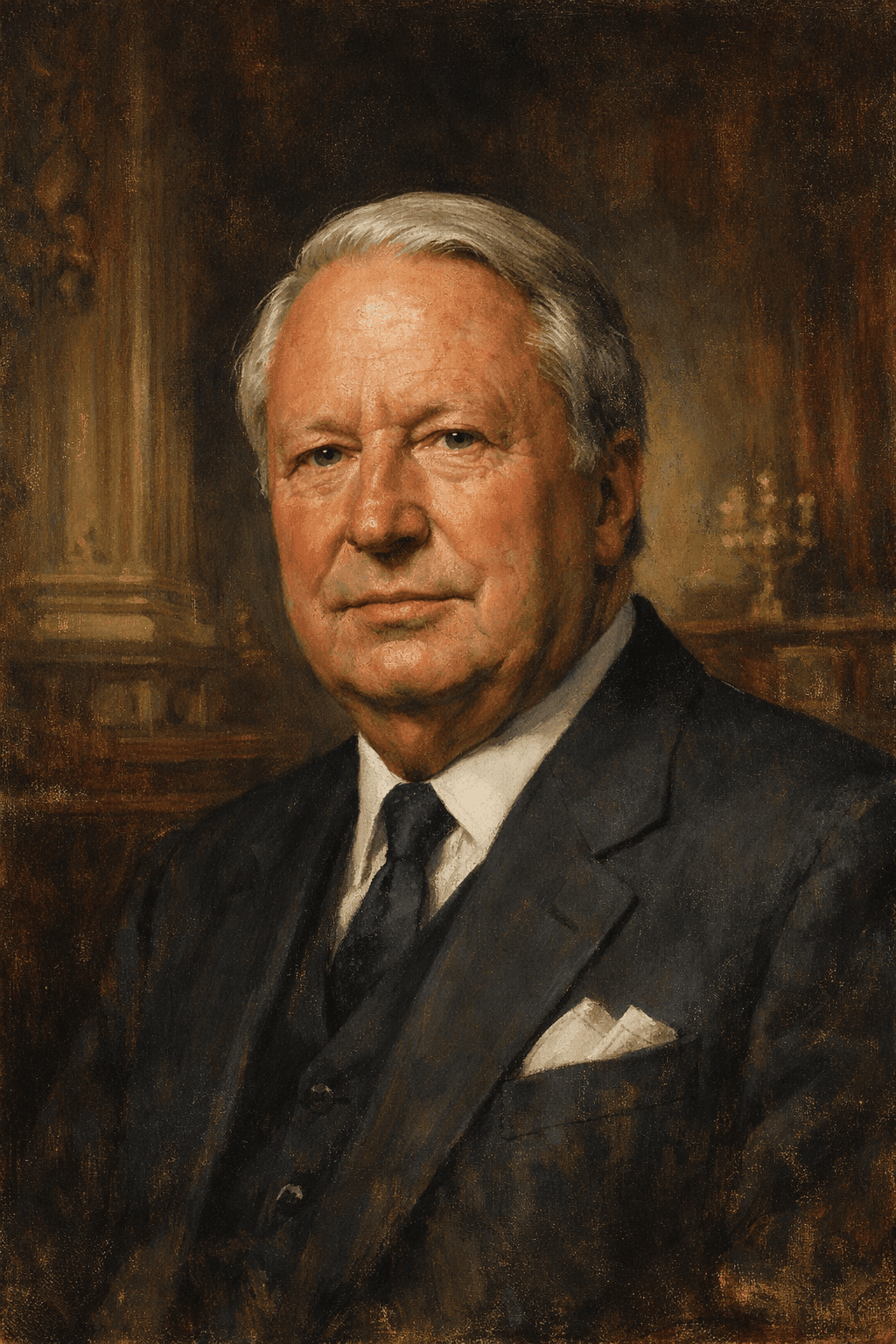
Sir Edward Heath
1916–2005Modern HistoryUnited Kingdom
He led Britain into the European Economic Community, but crippling strikes and economic turmoil during his premiership ultimately cost him power and reshaped his political legacy.
Open profile →
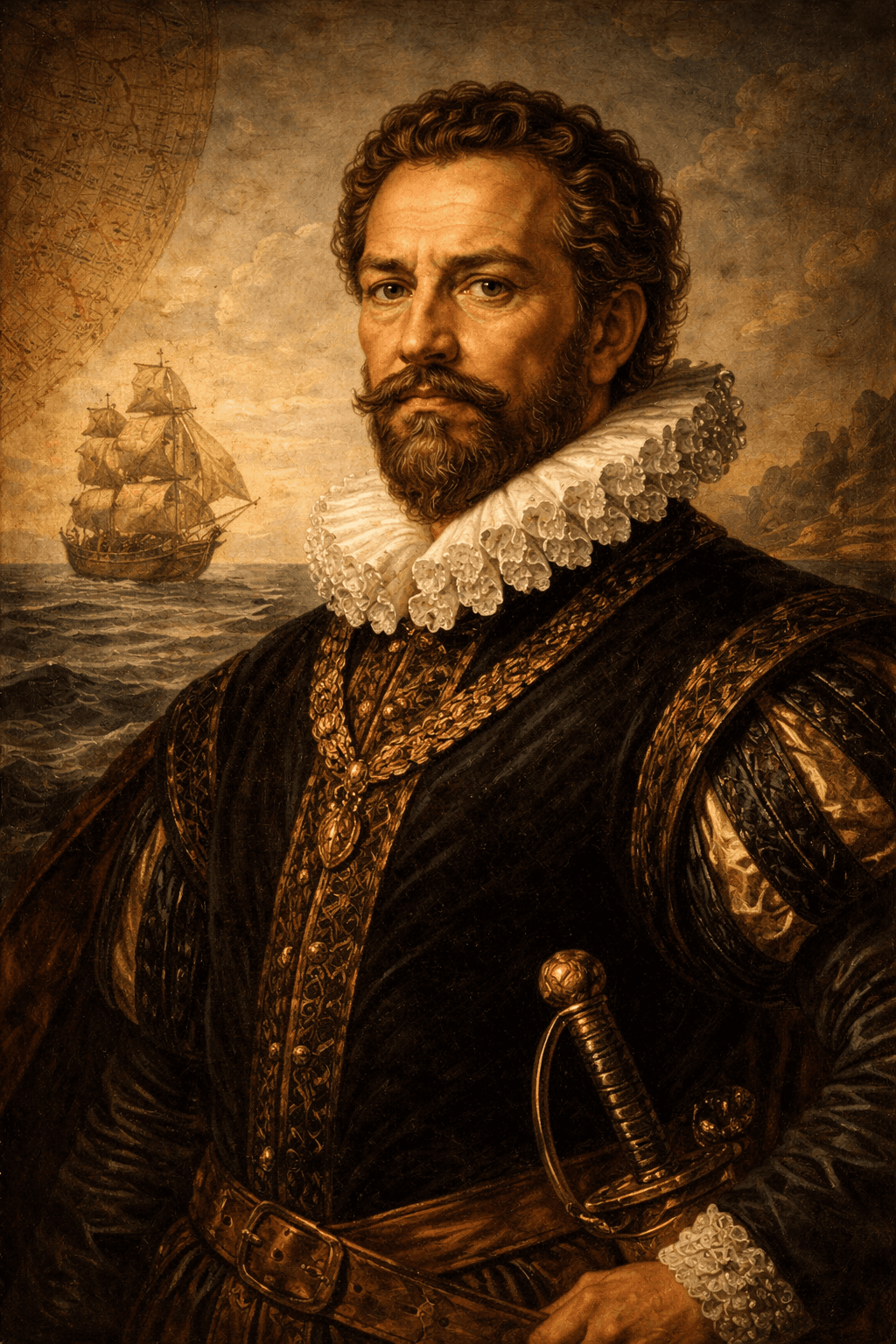
Sir Francis Drake
1540–1596Early Modern EraUnited Kingdom
The Spanish called him a pirate and put a price on his head; the English called him a hero and made him a knight — and both were essentially right.
Open profile →
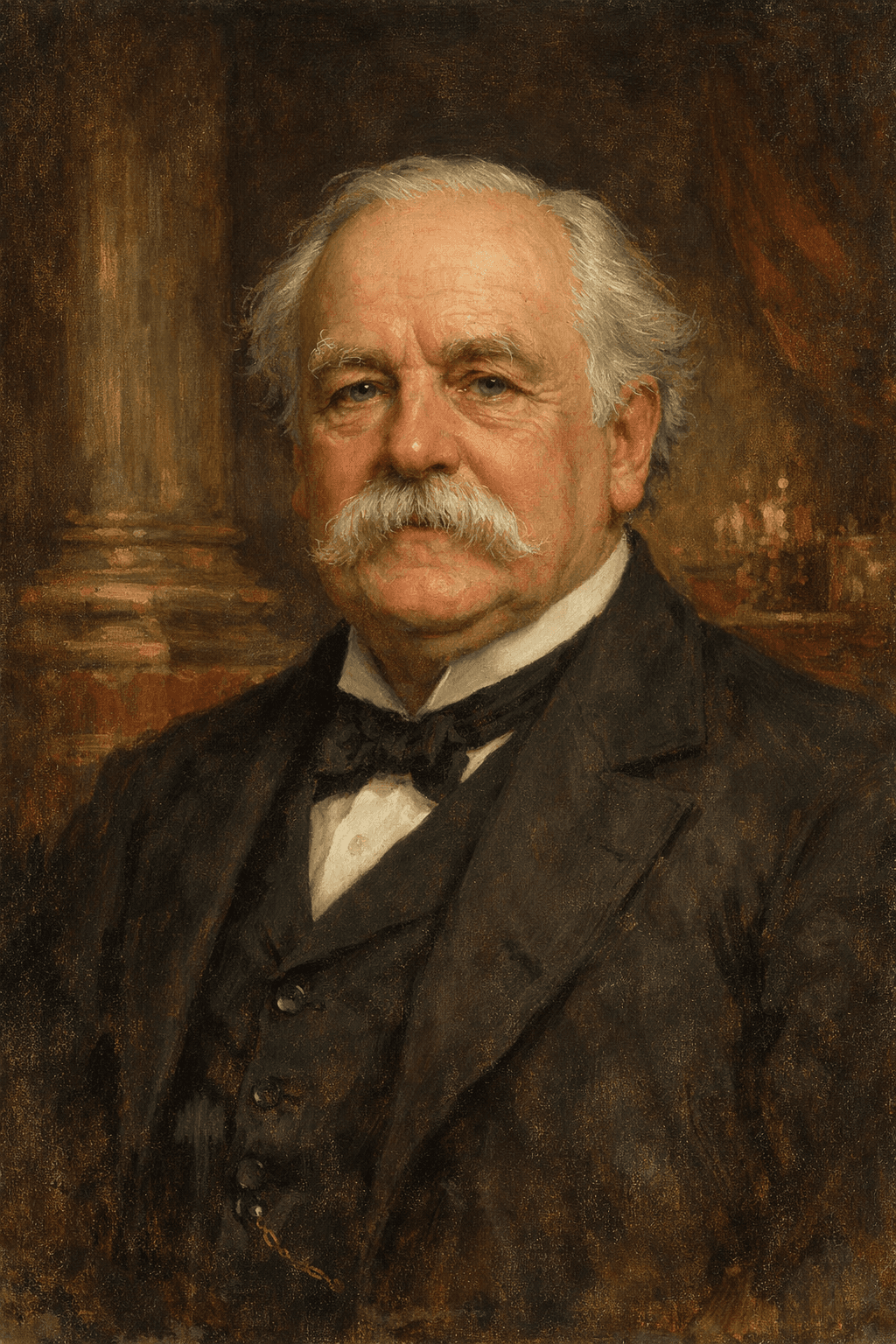
Sir Henry Campbell-Bannerman
1836–1908Industrial AgeUnited Kingdom
He spent decades in politics before unexpectedly leading a landslide victory, becoming prime minister and quietly reshaping British liberalism toward reform and reduced imperial aggression.
Open profile →
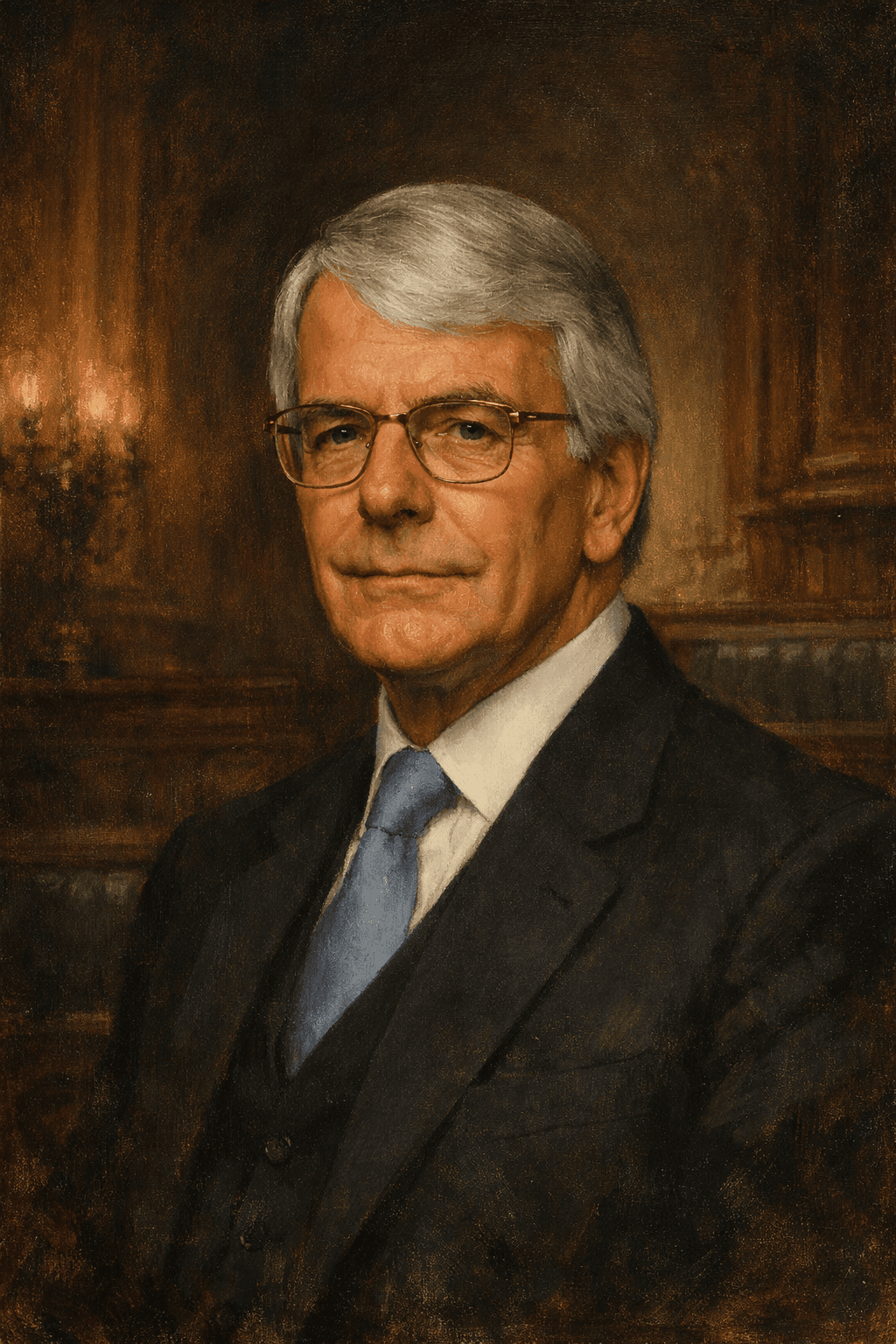
Sir John Major
1943–?Modern HistoryUnited Kingdom
He rose from a modest South London childhood to lead Britain through economic turbulence and peace negotiations in Northern Ireland, shaping a quieter but consequential era of leadership.
Open profile →
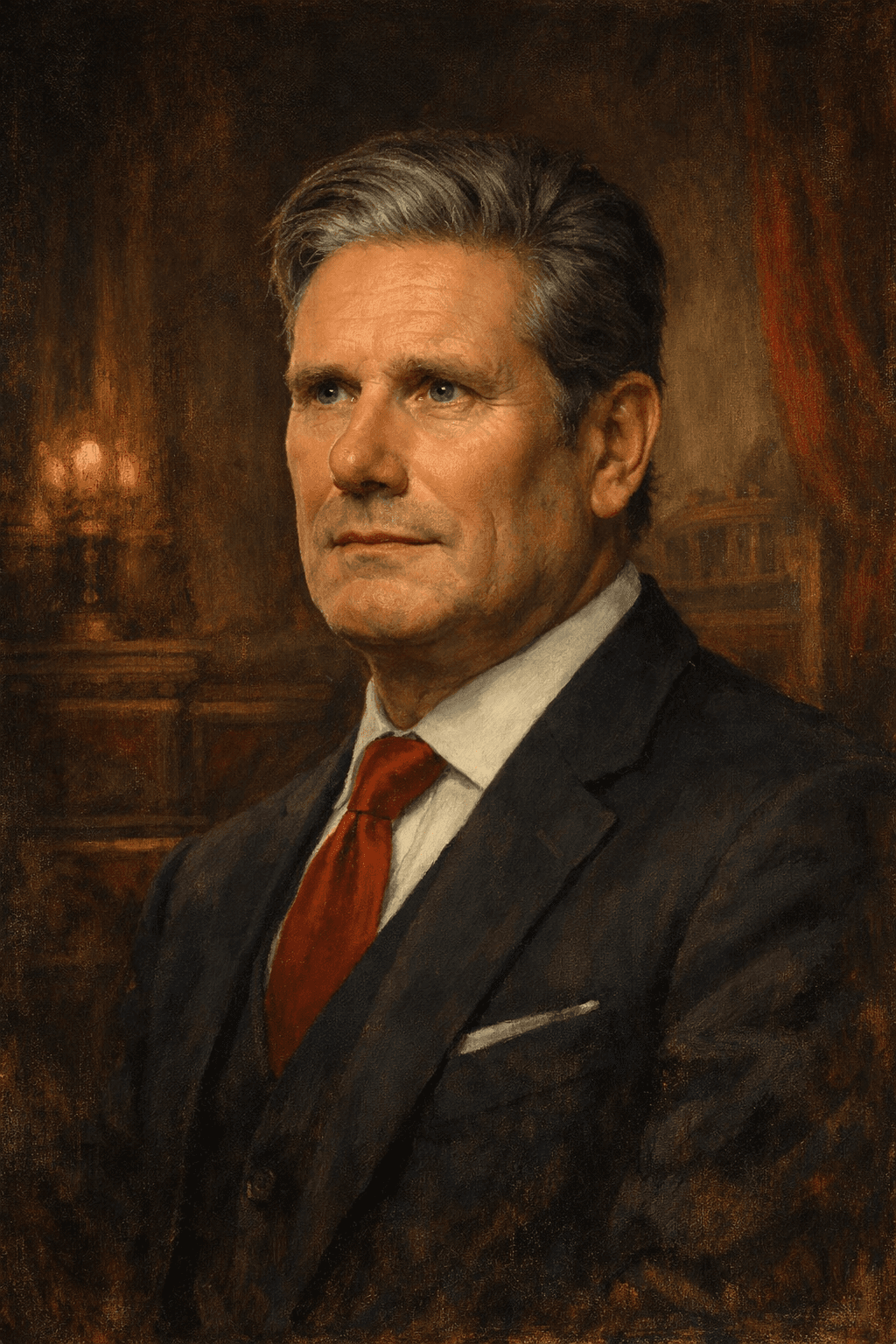
Sir Keir Starmer
1962–?Modern HistoryUnited Kingdom
He rebuilt a party that had just suffered its worst election result in a generation, led it to its largest majority in decades, then discovered that winning was only the beginning.
Open profile →
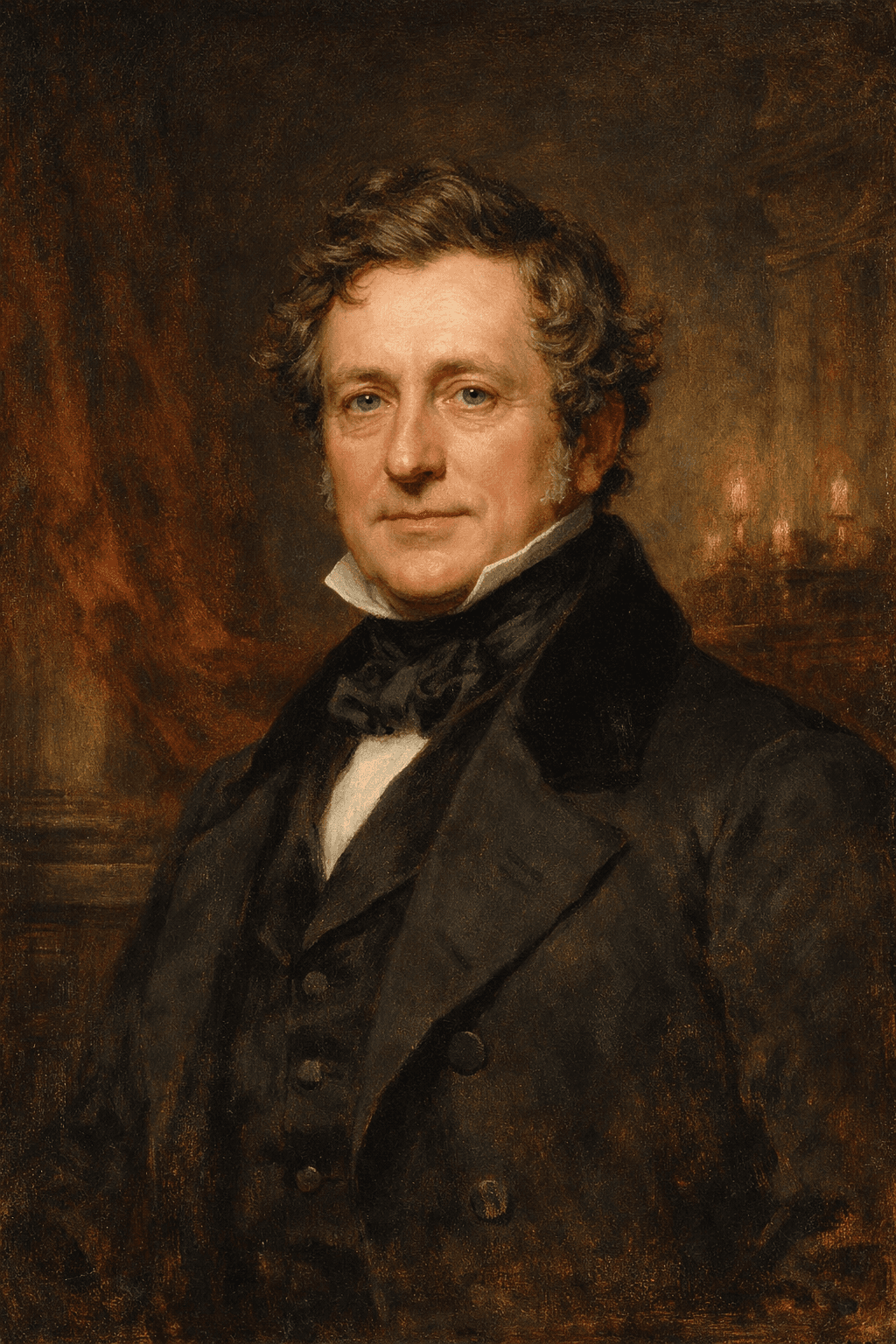
Sir Robert Peel
1788–1850Industrial AgeUnited Kingdom
He built modern policing in London and split his own party to repeal grain tariffs, choosing economic stability over political survival in a move that reshaped British politics.
Open profile →
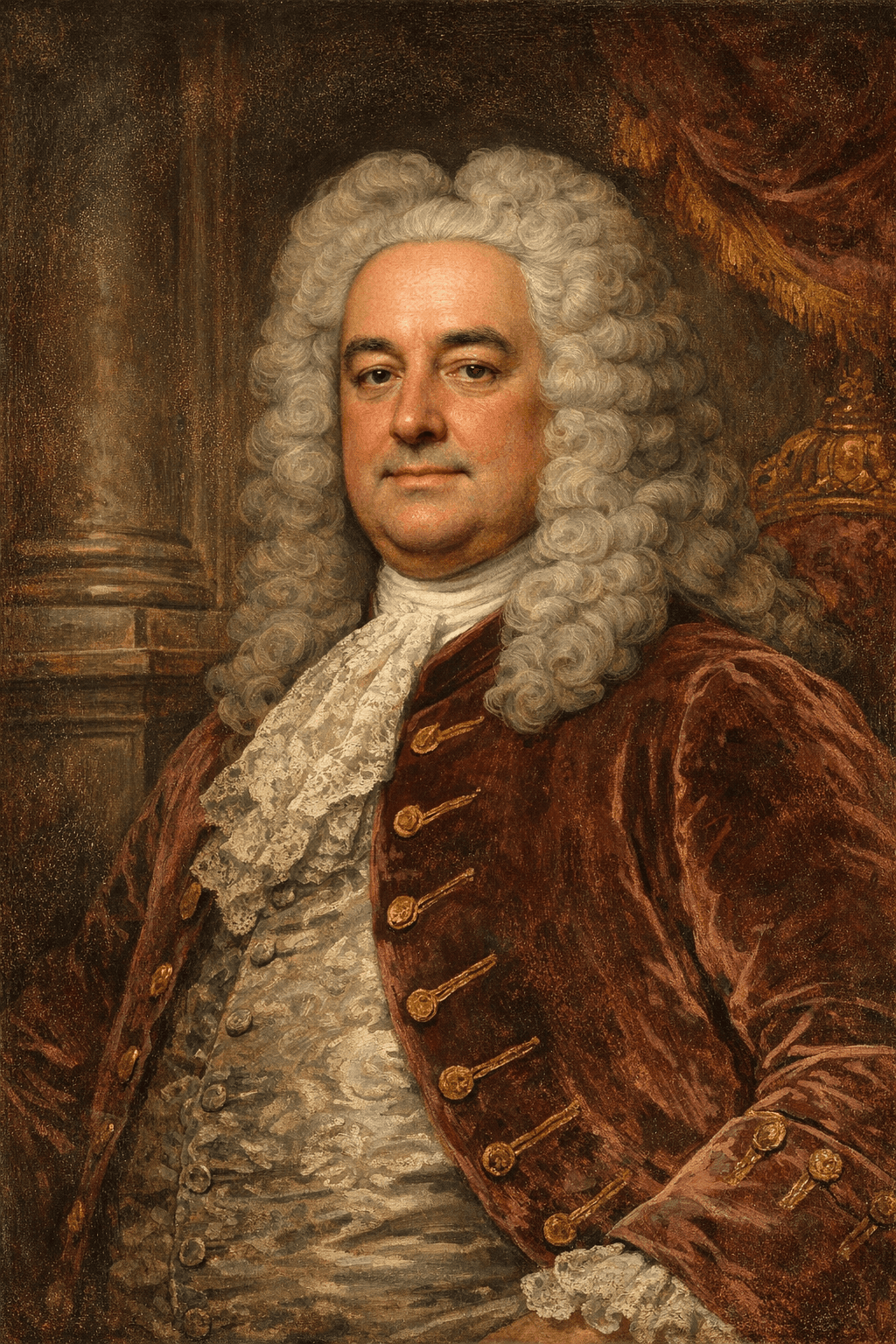
Sir Robert Walpole
1676–1745Early Modern EraUnited Kingdom
He quietly built the role of Britain’s first prime minister, mastering parliament and patronage while keeping a fragile kingdom stable through war scares and political intrigue.
Open profile →
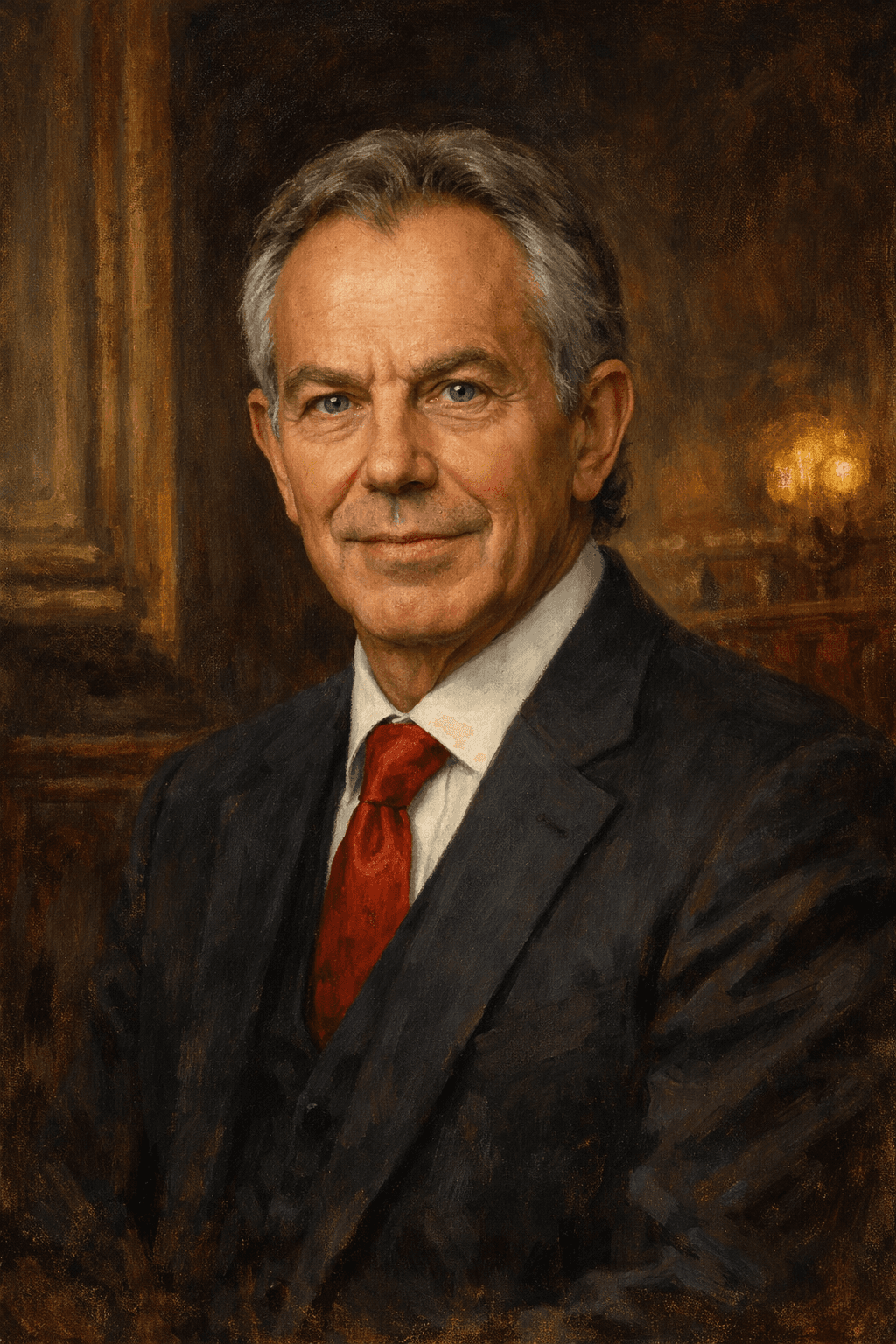
Sir Tony Blair
1953–?Modern HistoryUnited Kingdom
He won three elections and modernised his party, passed major reforms, and then committed Britain to a war in Iraq that overshadowed everything else he'd done.
Open profile →
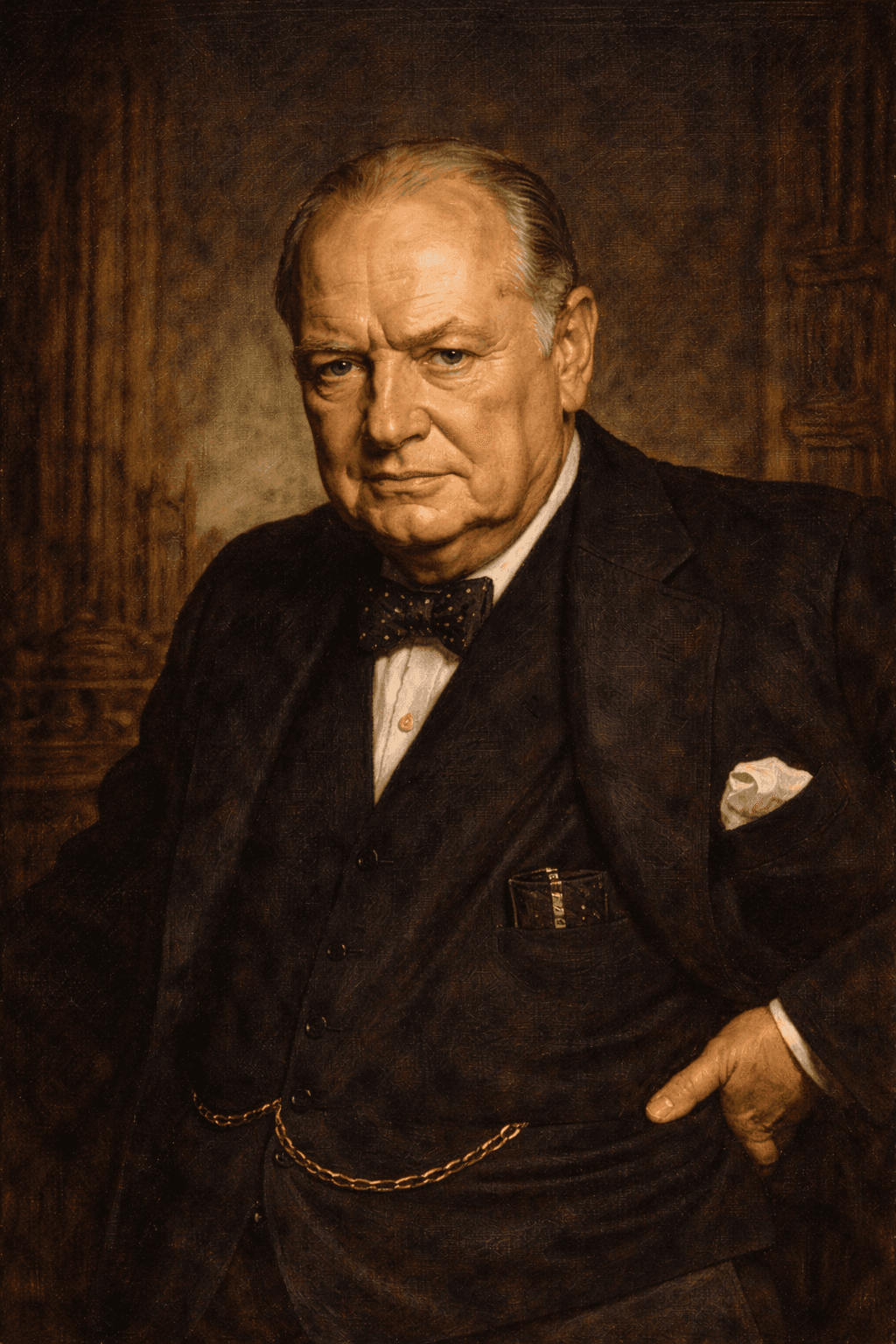
Sir Winston Churchill
1874–1965Industrial AgeUnited Kingdom
He spent the 1930s warning about Hitler while his own party tried to sideline him — and then, when the warning came true, they made him prime minister.
Open profile →
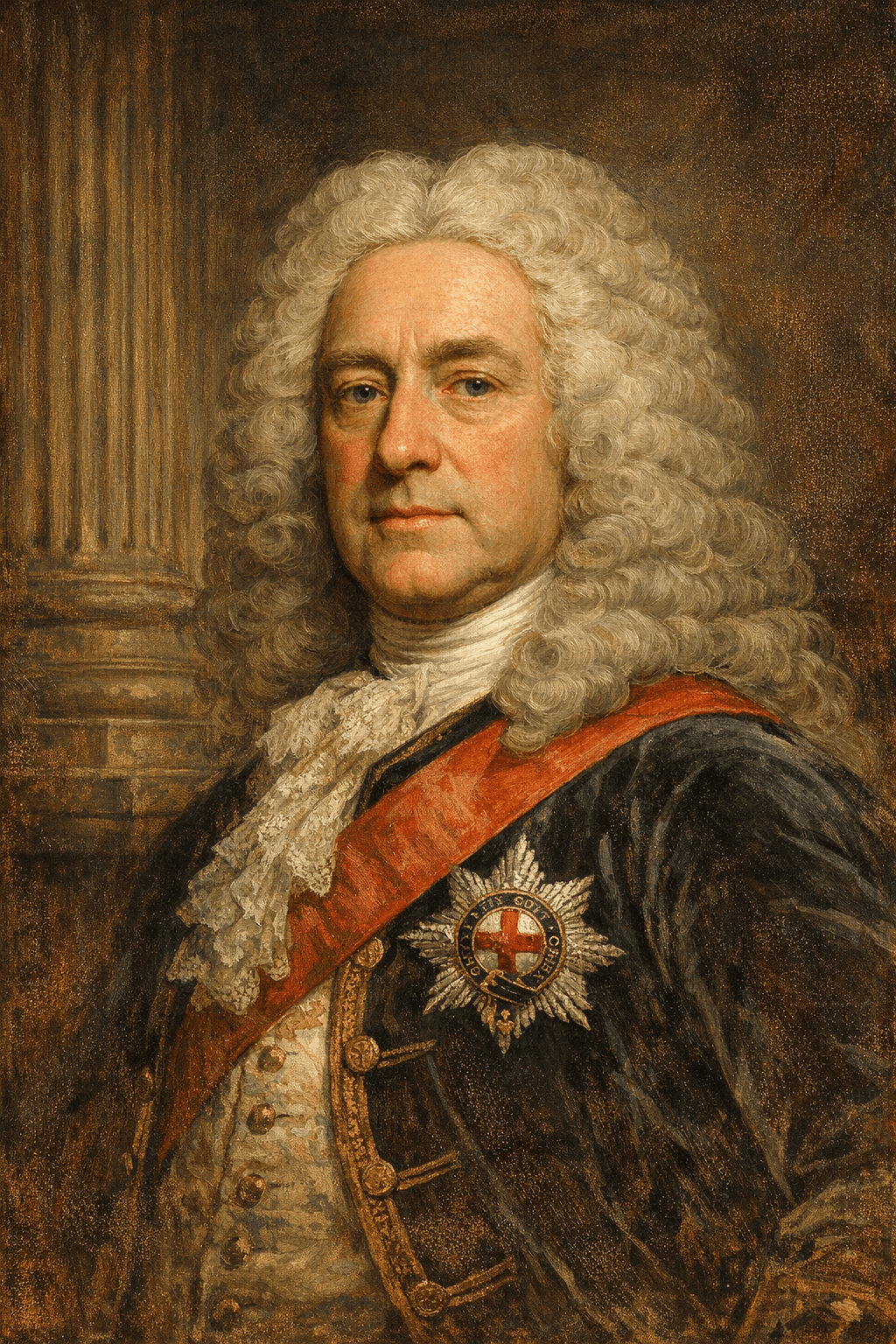
Spencer Compton
1673–1743Early Modern EraUnited Kingdom
He spent decades as a steady political operator, becoming prime minister almost by default when royal favour shifted, yet struggled to control the powerful forces around him.
Open profile →
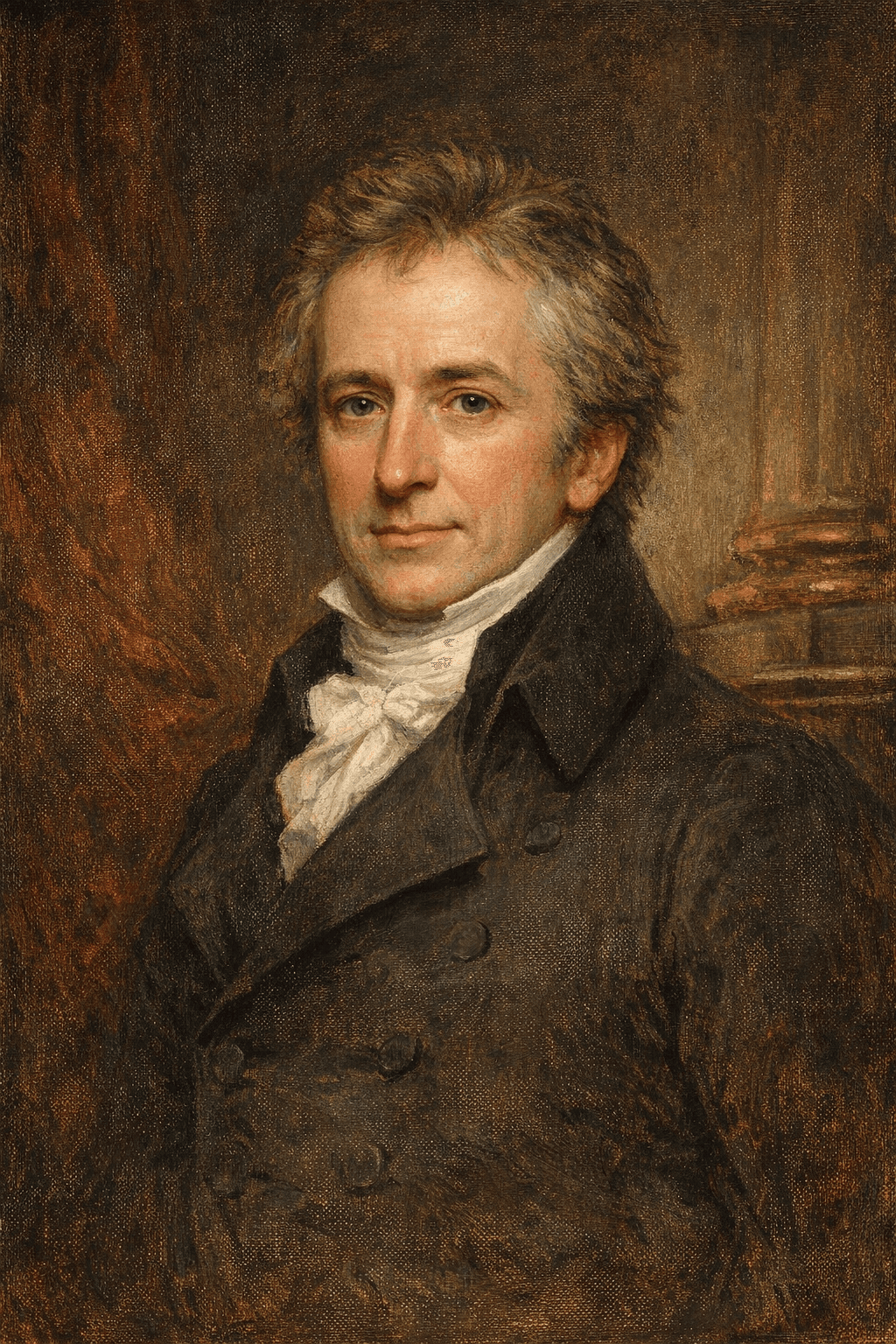
Spencer Perceval
1762–1812Industrial AgeUnited Kingdom
He led Britain through economic strain and war with France, only to become the only British prime minister ever assassinated, shot inside Parliament itself.
Open profile →
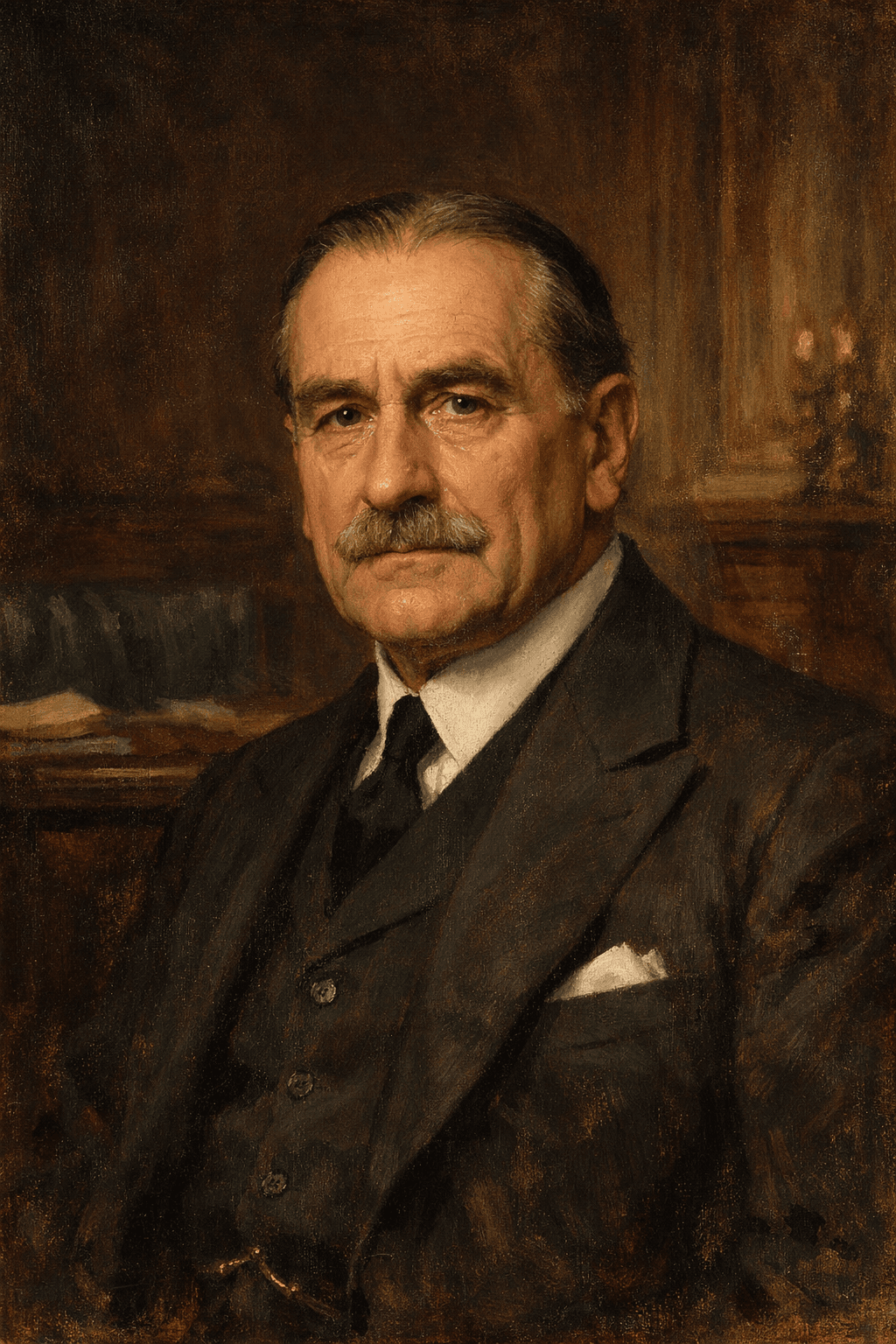
Stanley Baldwin
1867–1947Industrial AgeUnited Kingdom
He guided Britain through political upheaval between two world wars, choosing caution and consensus, yet faced lasting criticism for how his leadership approached the rise of Nazi Germany.
Open profile →
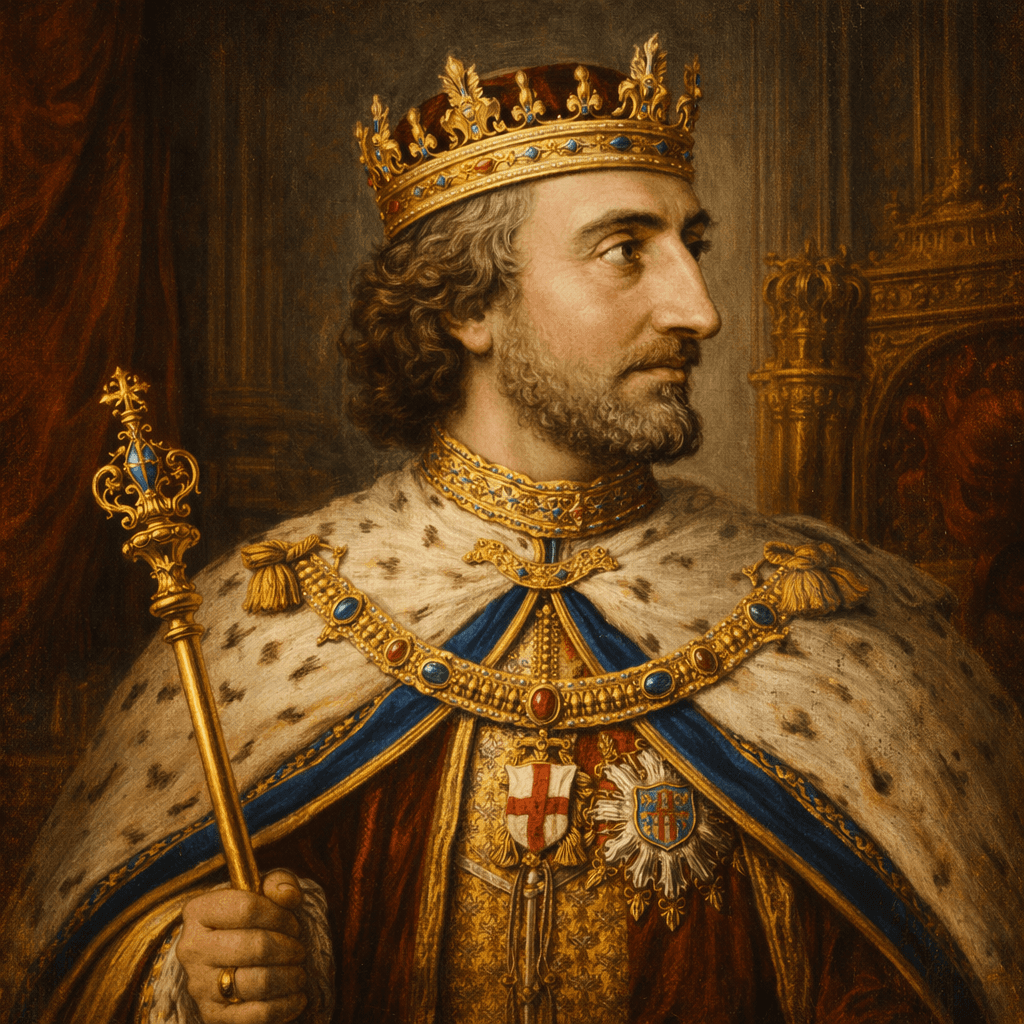
Stephen I of Blois
1096–1154Medieval PeriodUnited Kingdom
He seized the English crown when the succession was supposed to go to a woman, triggered nineteen years of civil war, and left the throne to the woman's son anyway.
Open profile →
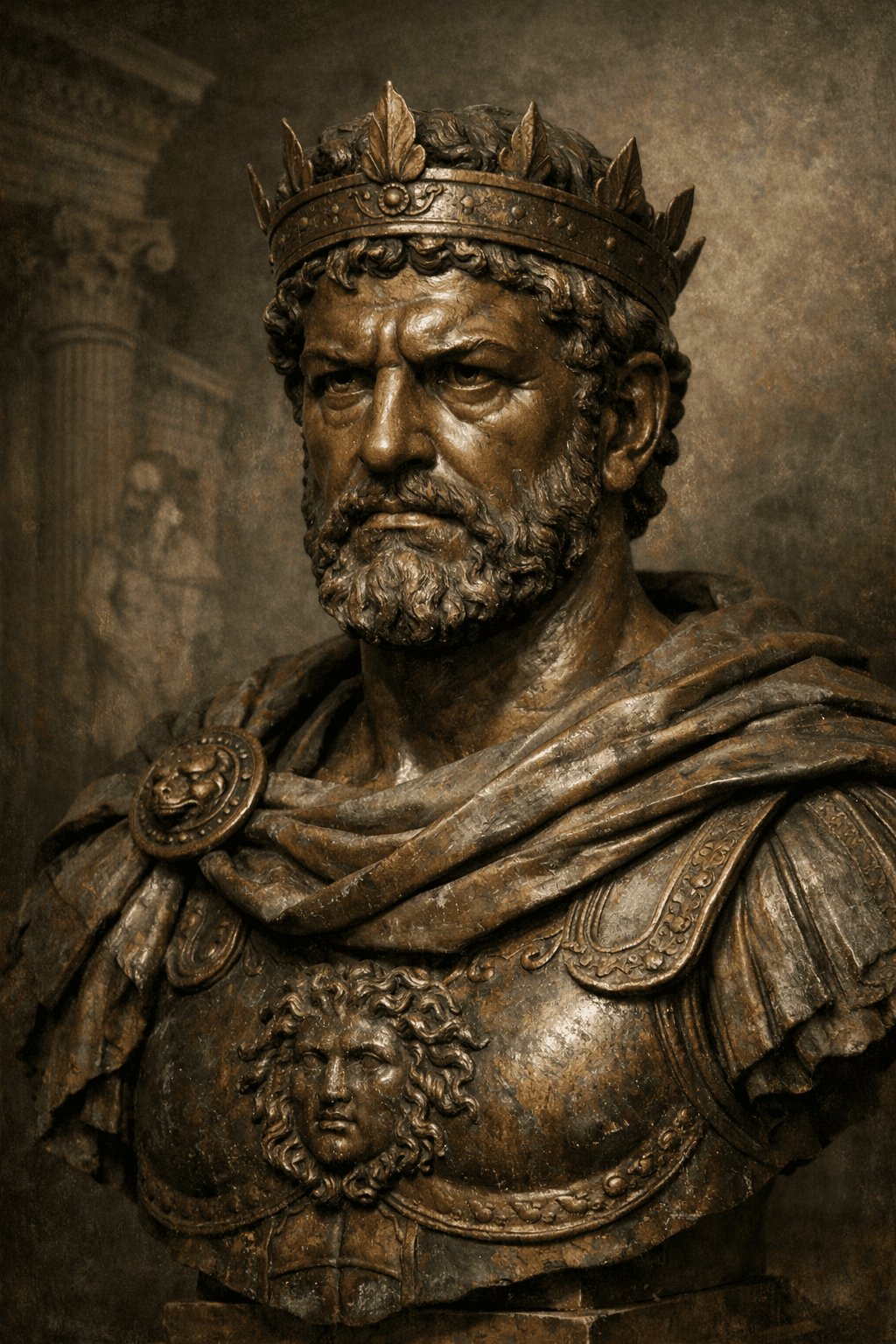
Tarquin the Proud
-550–-495Ancient CivilisationsItaly
He was Rome's last king — deposed in a revolt so definitive that the Romans refused to use the word 'king' for the next five hundred years.
Open profile →
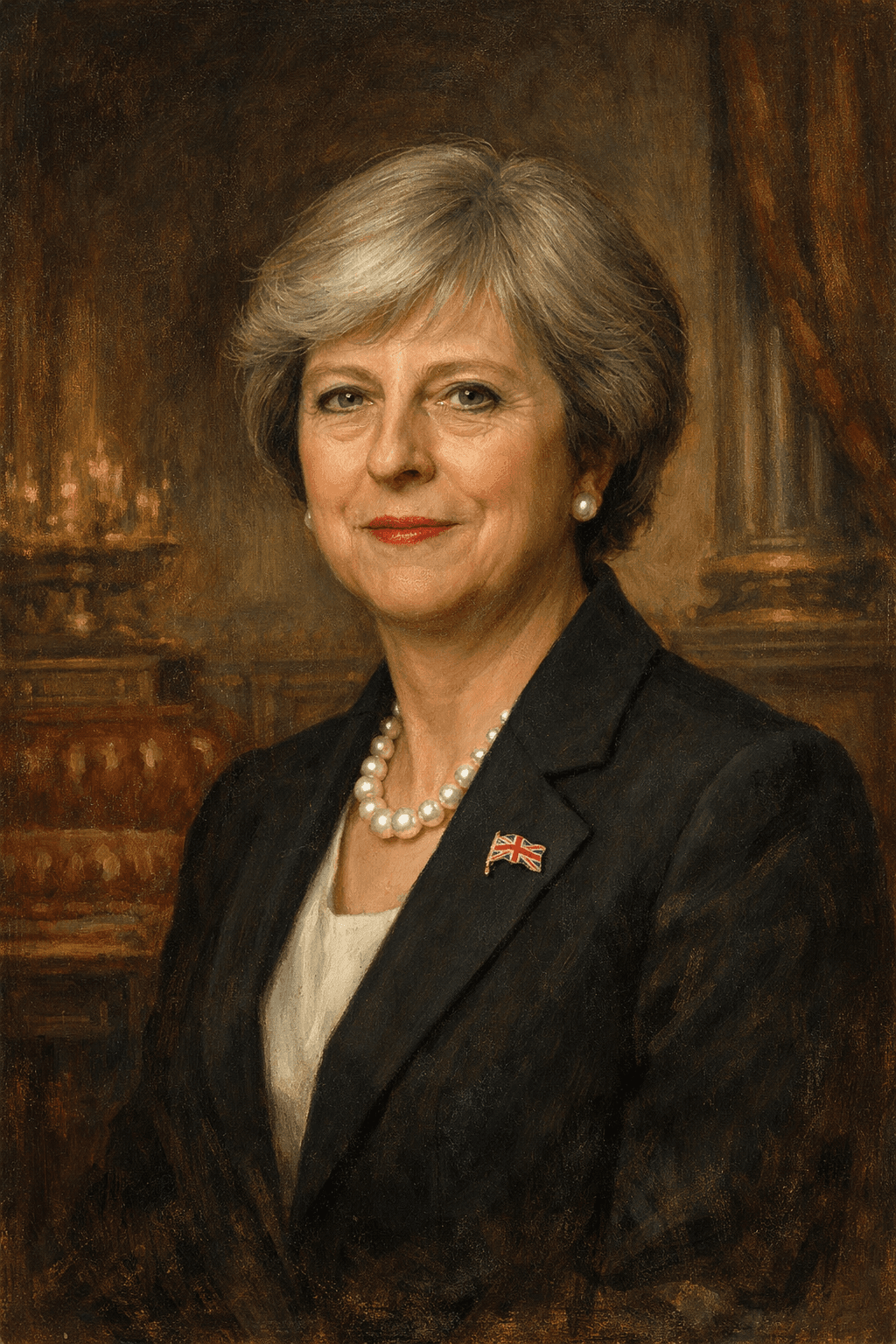
Theresa May
1956–?Modern HistoryUnited Kingdom
She stepped into leadership after a political earthquake, spent three years trying to deliver an exit few could agree on, and left office having defined a turbulent era.
Open profile →
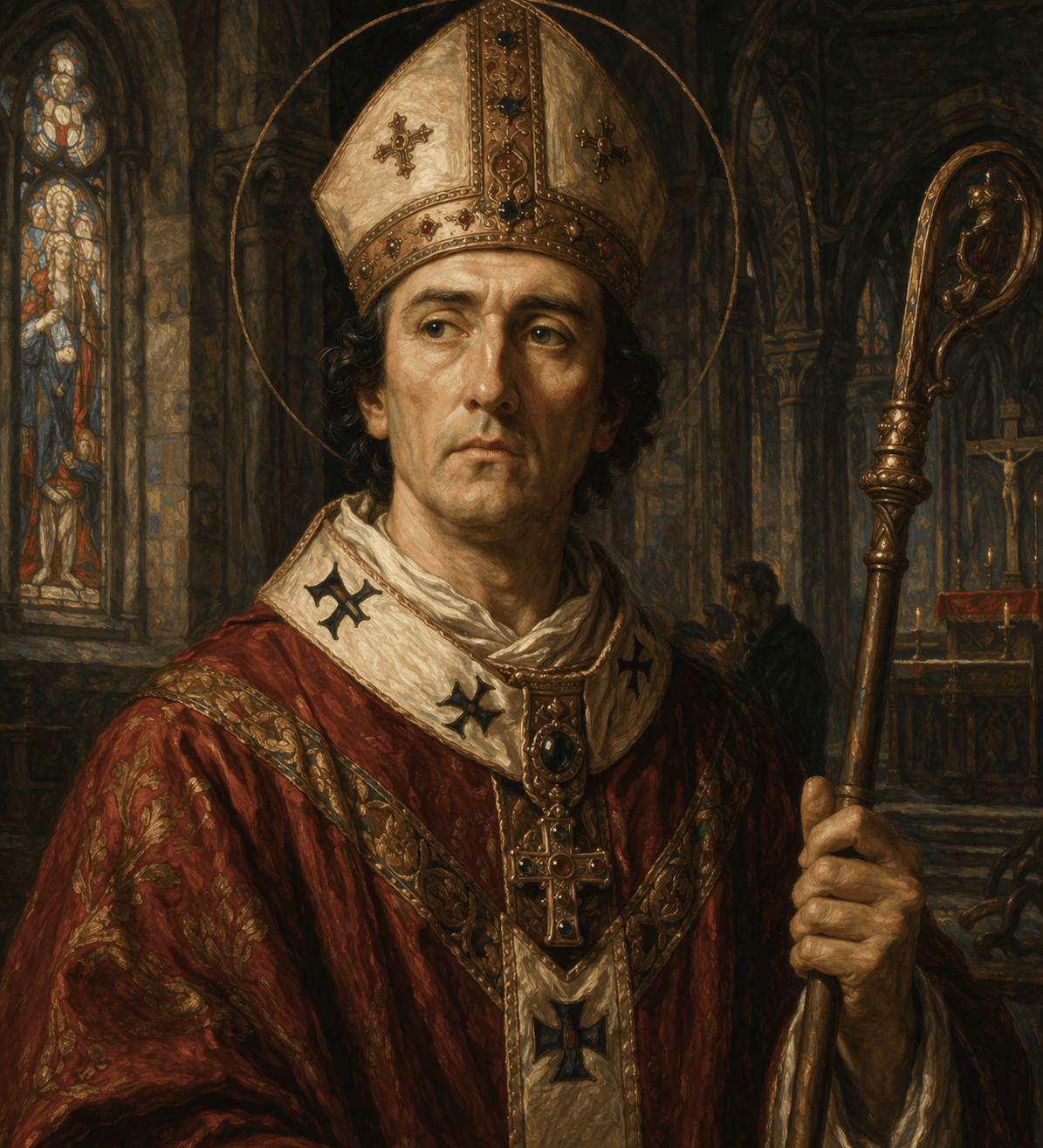
Thomas Becket
1119–1170Medieval PeriodUnited Kingdom
He was Henry II's closest friend and most trusted official until Henry made him Archbishop of Canterbury — and then he became the king's most implacable enemy.
Open profile →
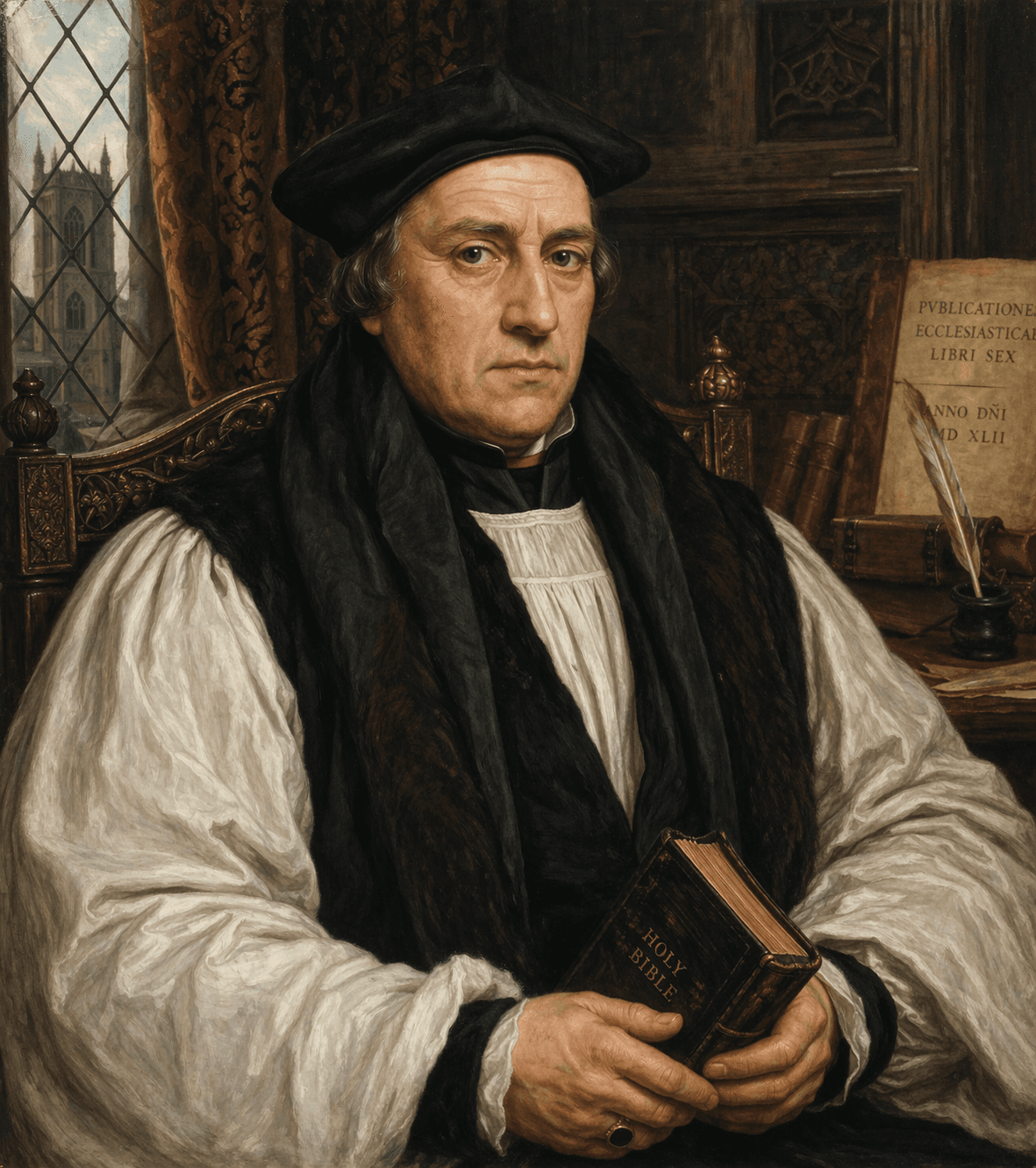
Thomas Cranmer
1489–1556Medieval PeriodUnited Kingdom
He helped Henry VIII get his first divorce, shaped the English Reformation, wrote the Book of Common Prayer, and was burned at the stake when the next monarch changed her mind about all of it.
Open profile →
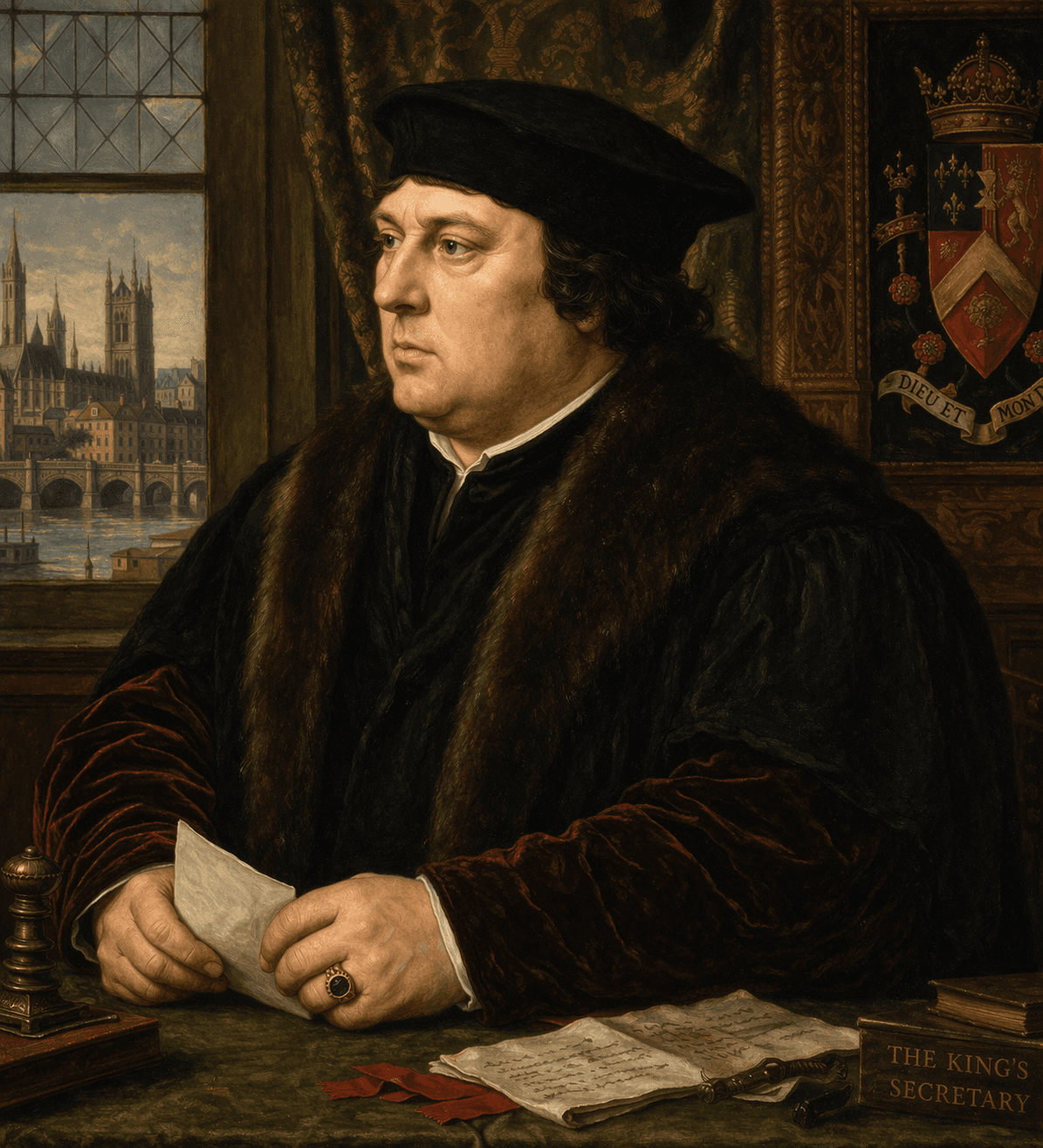
Thomas Cromwell
1485–1540Medieval PeriodUnited Kingdom
He rose from the son of a blacksmith to the second most powerful man in England, dismantled the monasteries, and was executed when he arranged a royal marriage that went badly.
Open profile →
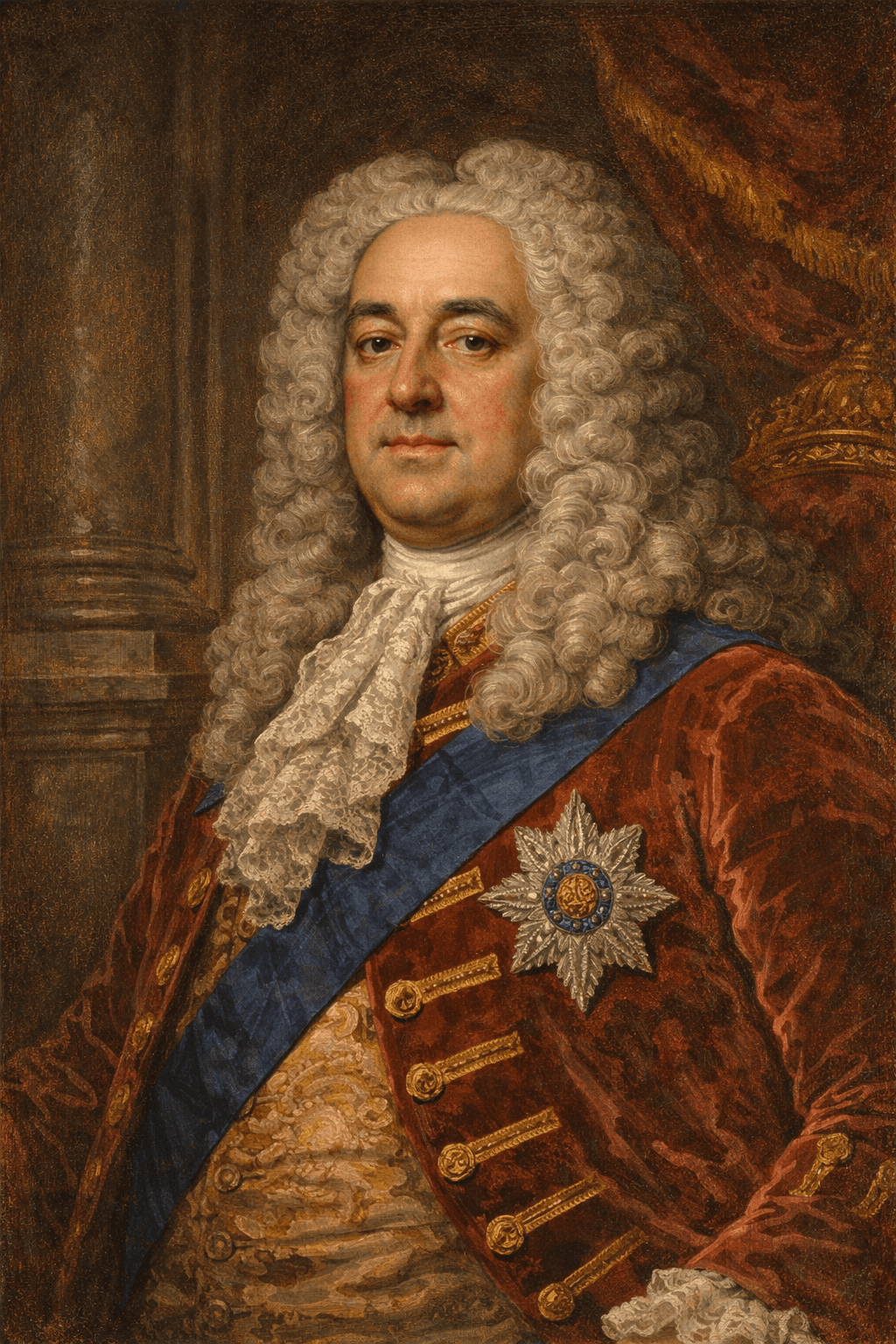
Thomas Pelham Holles, Duke of Newcastle
1693–1768Early Modern EraUnited Kingdom
He mastered elections, patronage, and political survival so completely that he could dominate government for decades without ever appearing fully in control.
Open profile →
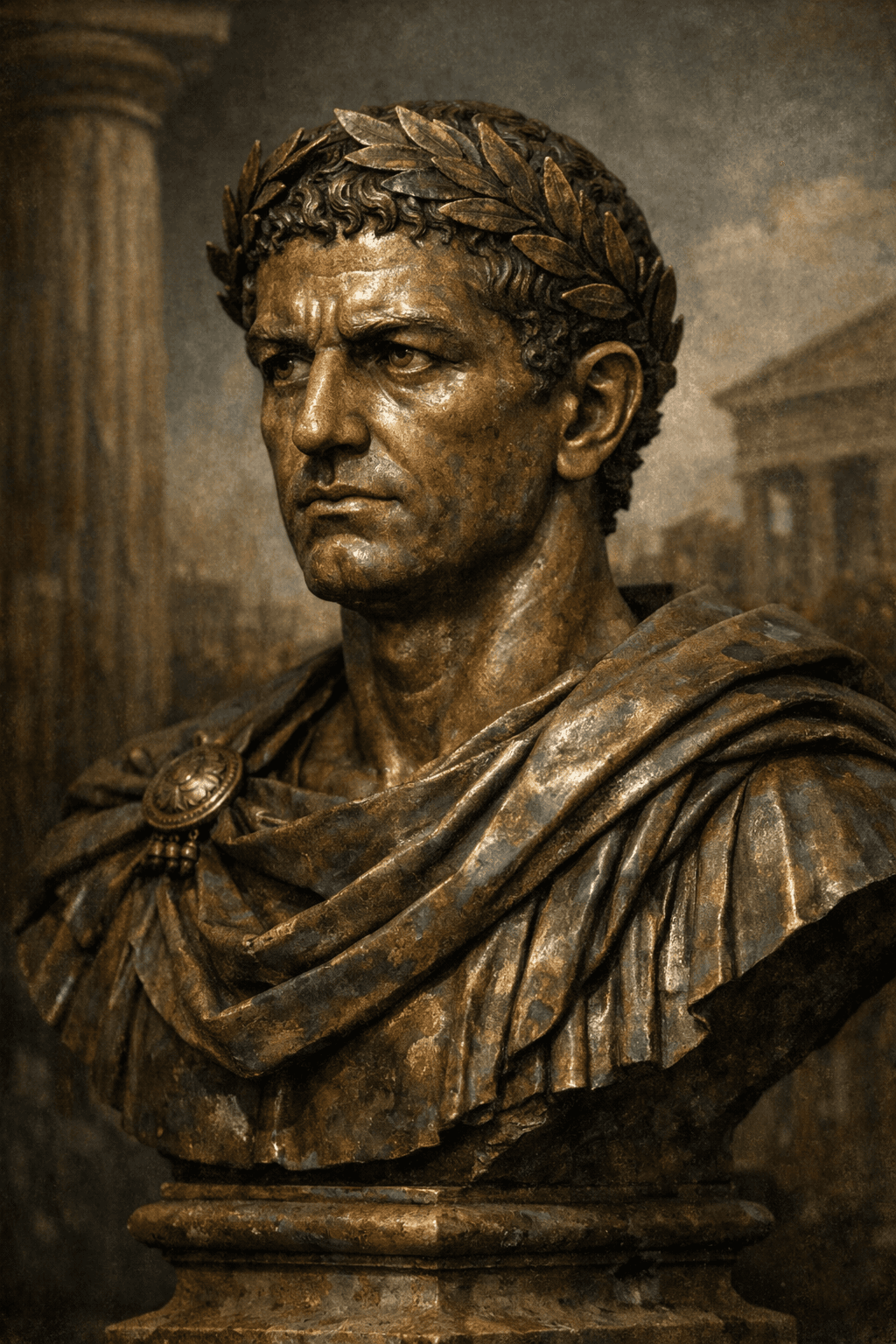
Tiberius Gracchus
-163–-133Classical WorldItaly
He proposed giving land to Rome's dispossessed poor, was told it was unconstitutional, and pushed ahead anyway — setting a precedent that helped destroy the republic.
Open profile →
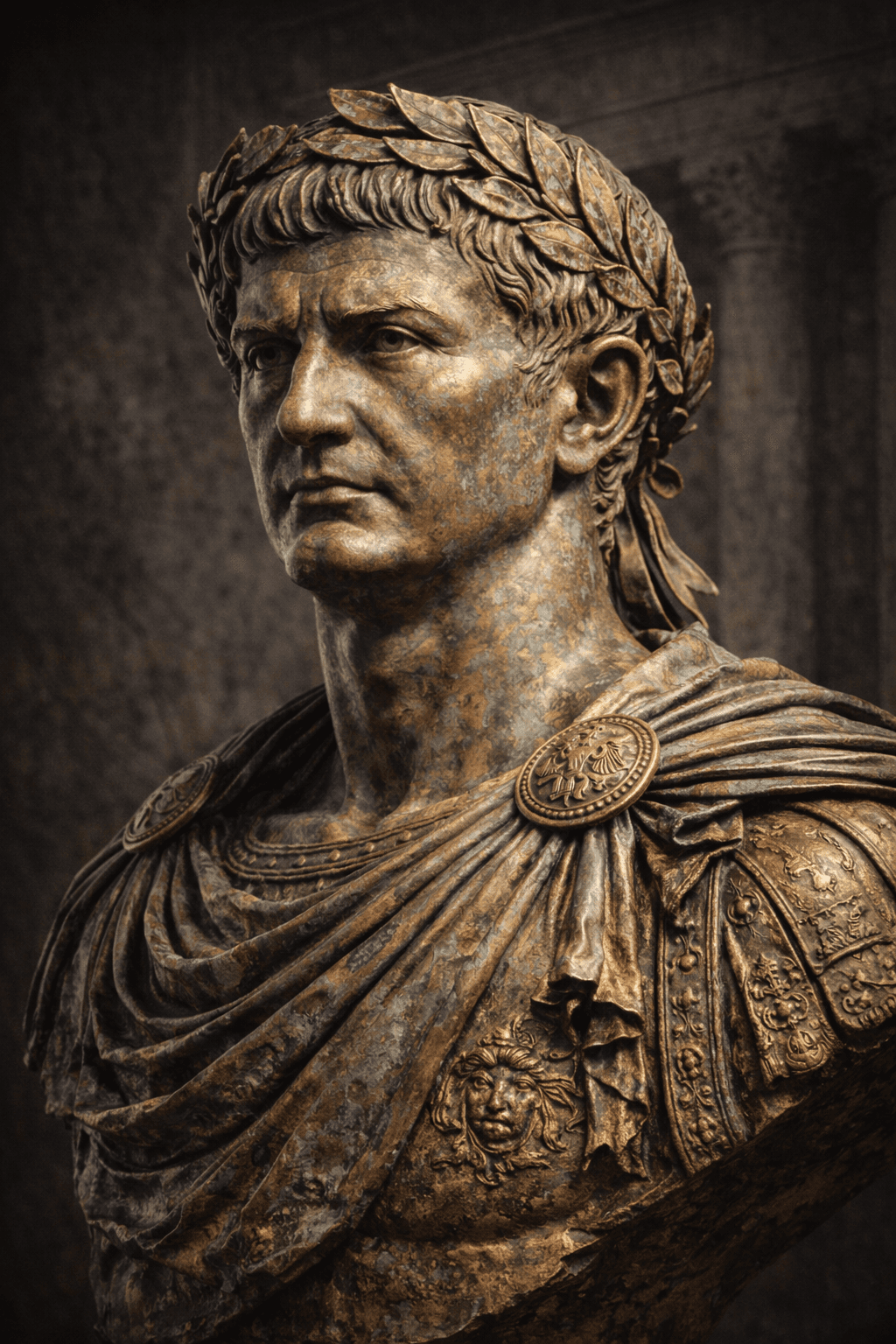
Trajan
53–117Classical WorldItaly
He pushed Roman territory to its greatest extent, won wars the Senate called unwinnable, and built so much that the Romans chose him as the benchmark: emperors were wished to be 'luckier than Augustus and better than Trajan.'
Open profile →
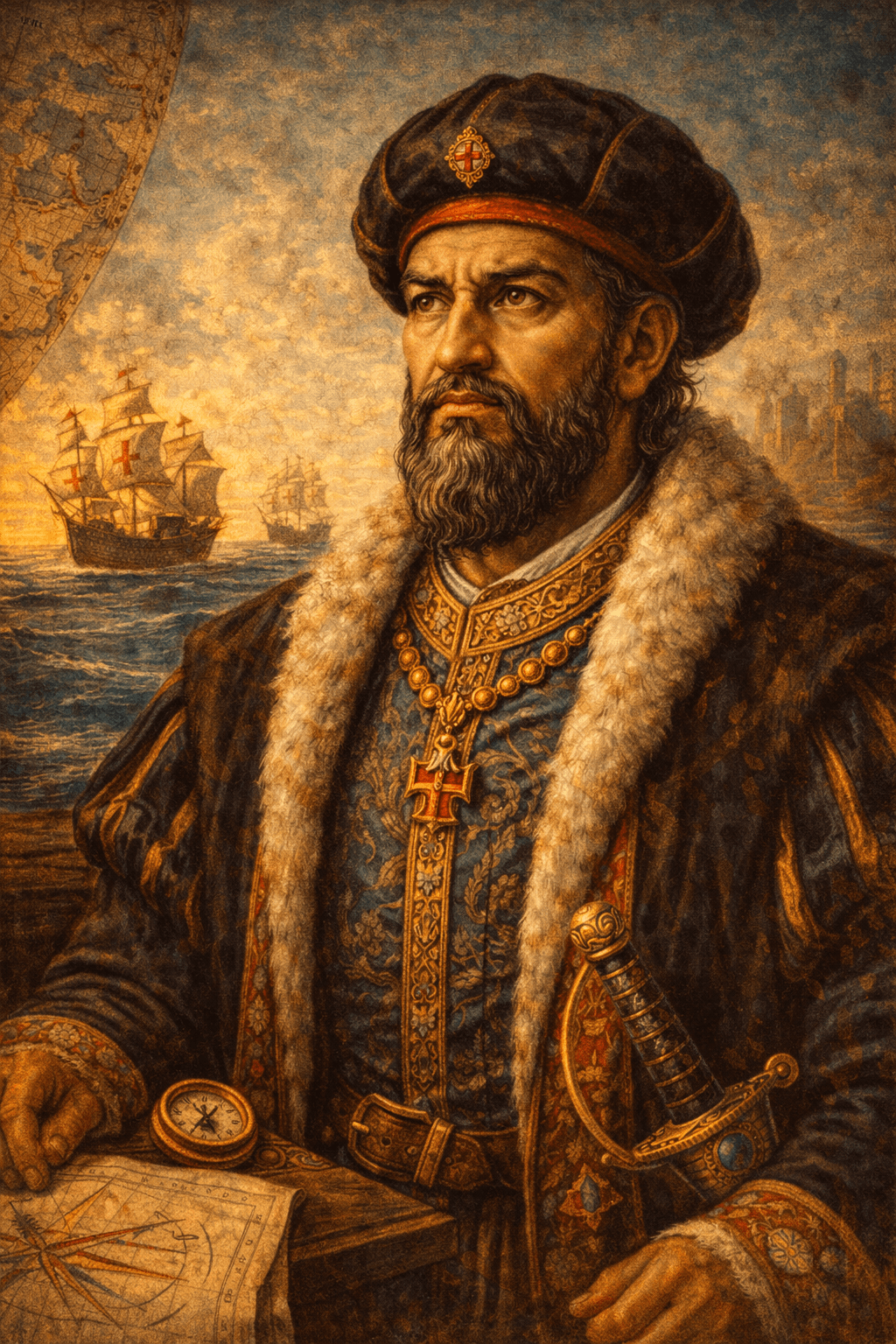
Vasco da Gama
1460–1524Medieval PeriodPortugal
He sailed round Africa to India, arrived with a fleet and a list of demands, and opened a trade route that made Portugal briefly the richest country in the world.
Open profile →
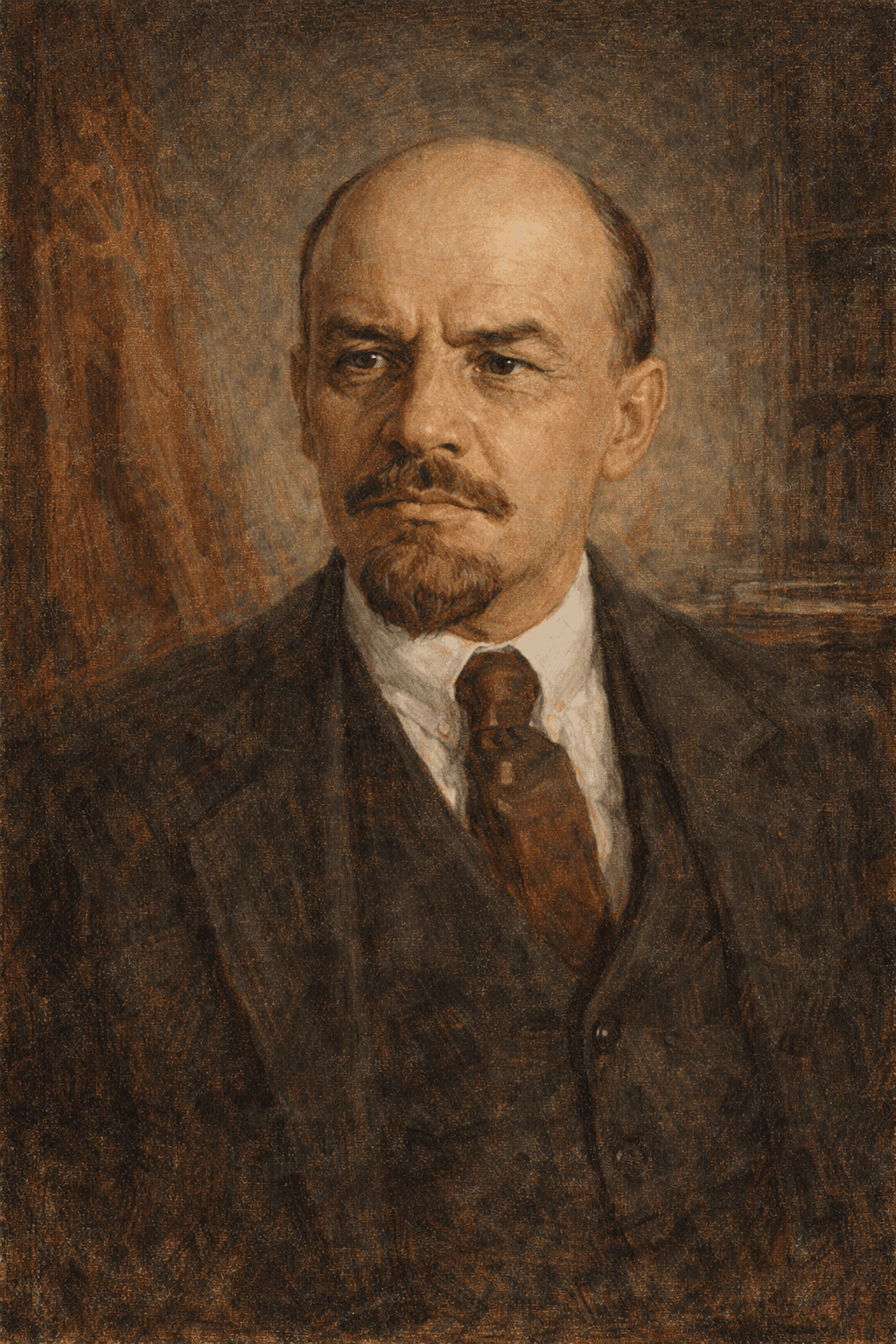
Vladimir Lenin
1870–1924Industrial AgeRussia
He spent years writing in exile about a revolution that never seemed to come — and when it finally arrived in 1917, he seized it so completely that his version became the only one that survived.
Open profile →
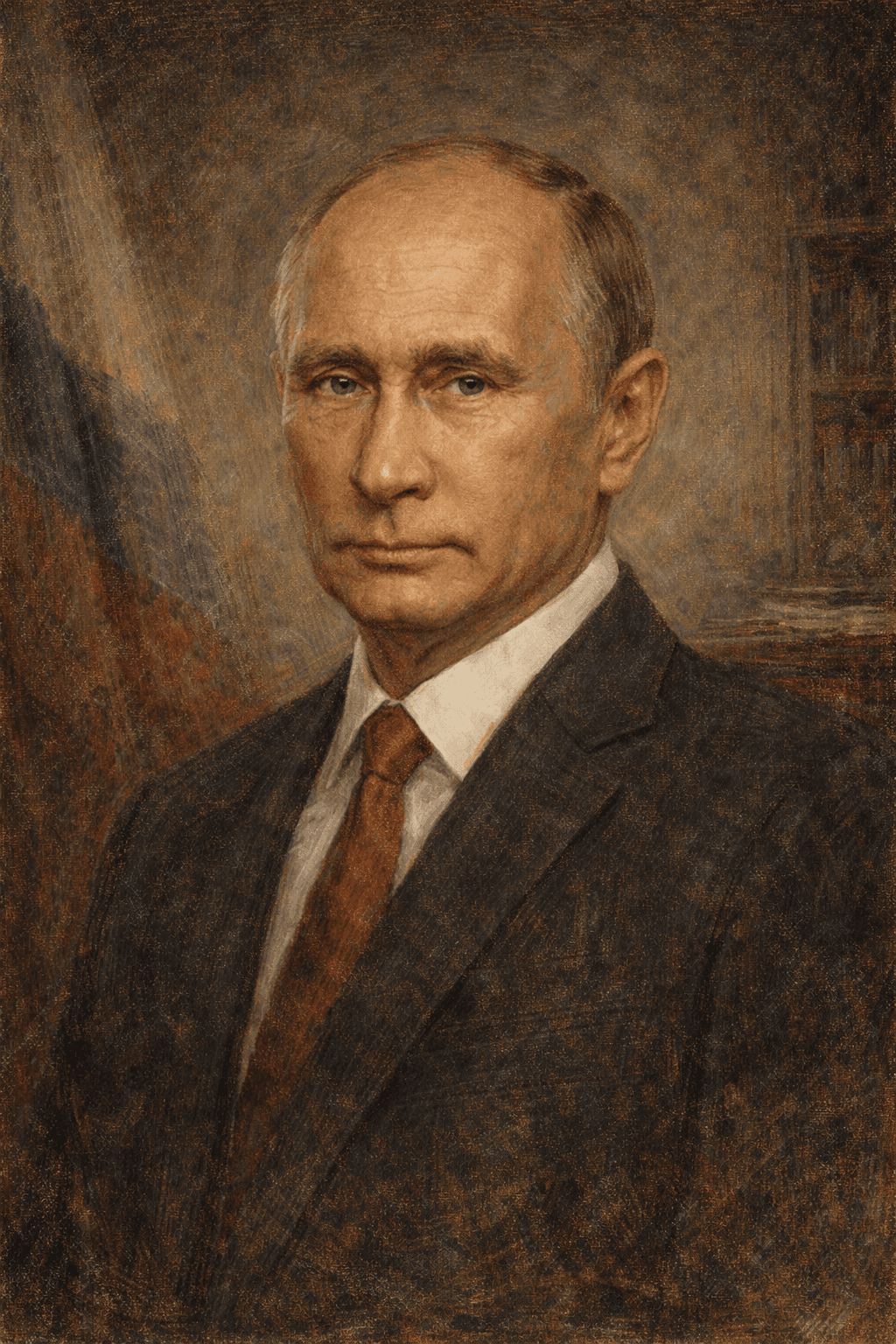
Vladimir Putin
1952–?Modern HistoryRussia
He came to power promising stability and order, and has remained in power long enough that the question of what Russia looks like without him has become genuinely difficult to answer.
Open profile →
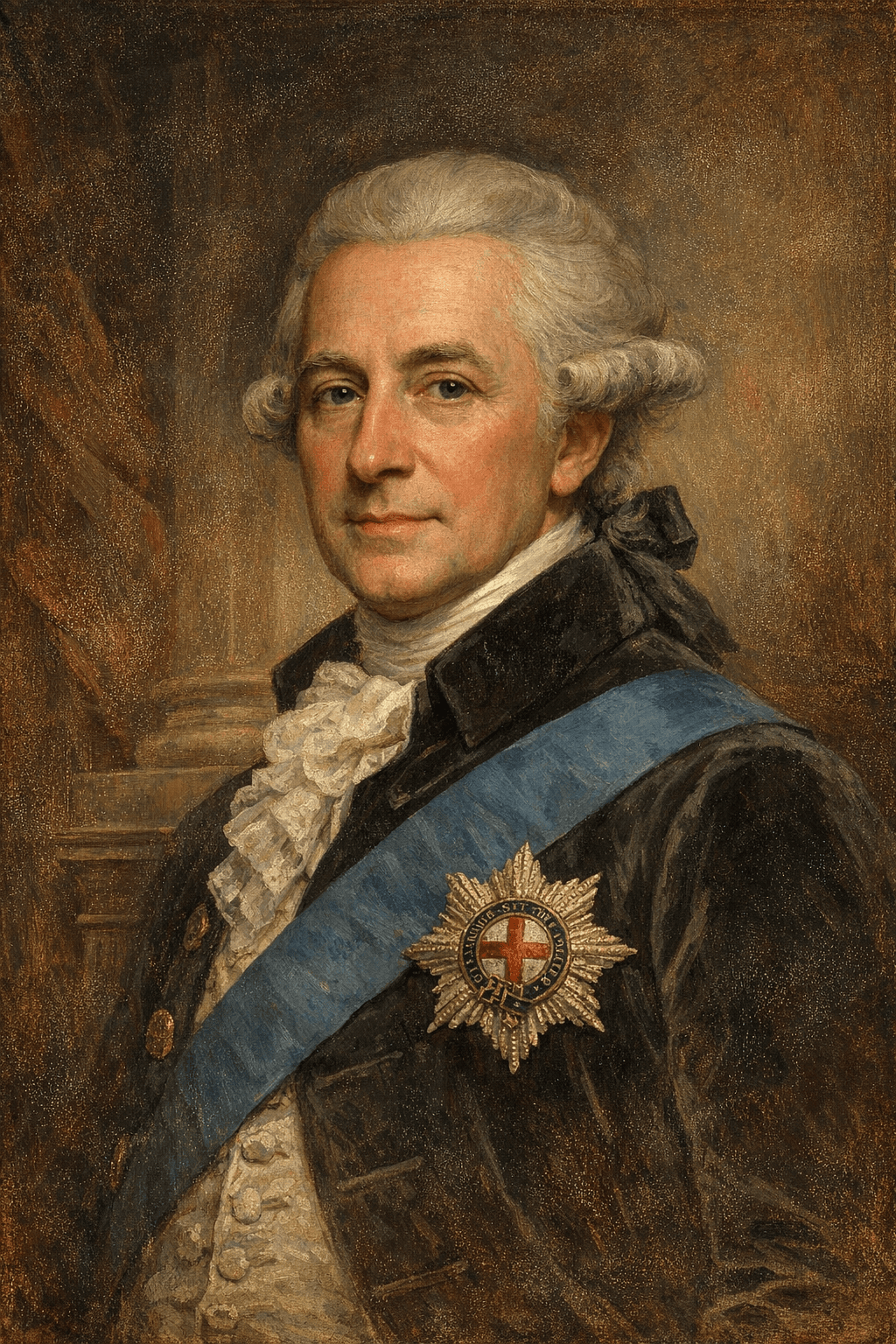
William Cavendish-Bentinck, 3rd Duke of Portland
1738–1809Early Modern EraUnited Kingdom
He twice served as British prime minister in moments of political strain, acting as a cautious broker between rival factions while never fully commanding the stage himself.
Open profile →
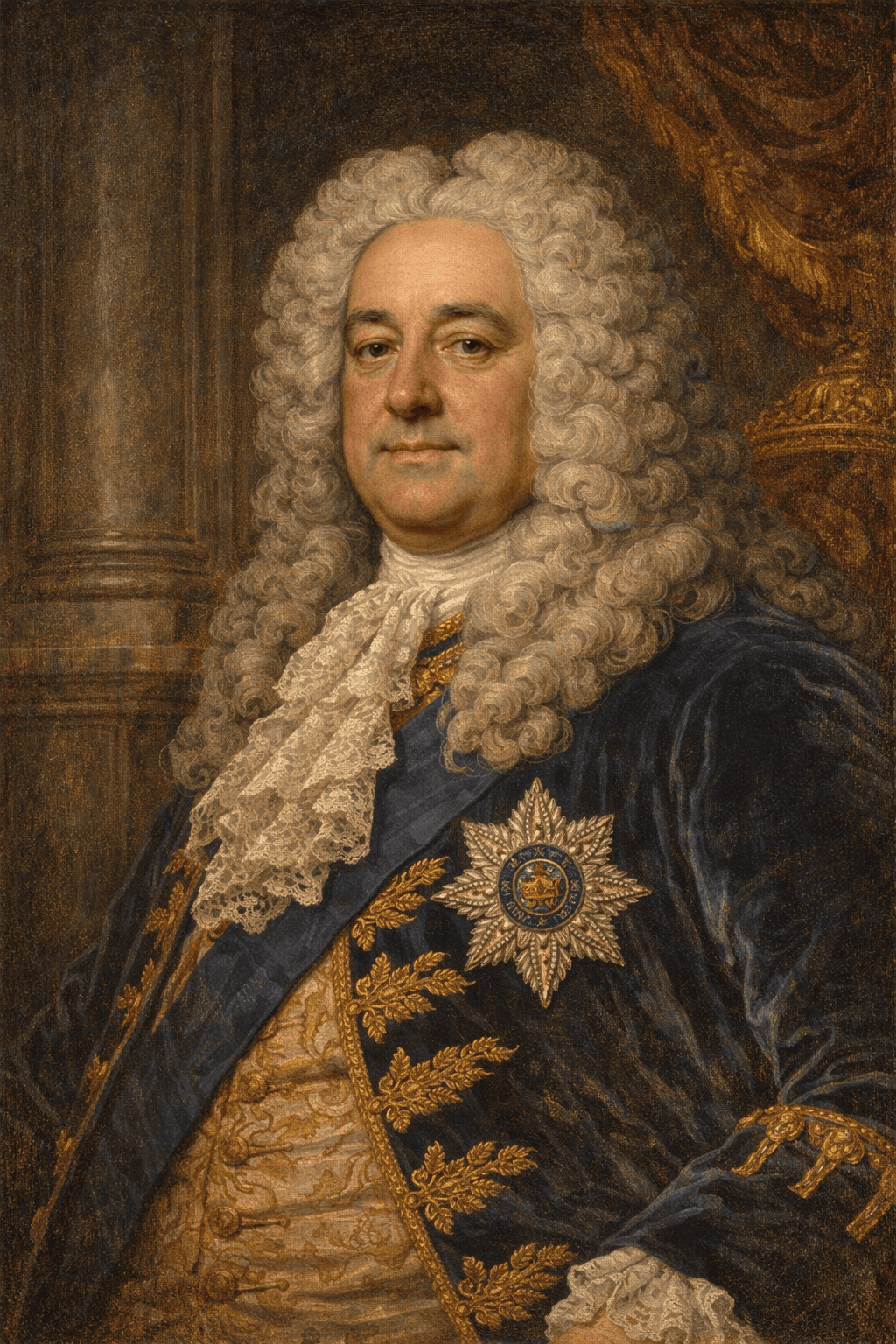
William Cavendish, 4th Duke of Devonshire
1720–1764Early Modern EraUnited Kingdom
He inherited immense estates and influence, then quietly steered British politics through patronage and alliances, helping shape power without seeking constant public attention.
Open profile →
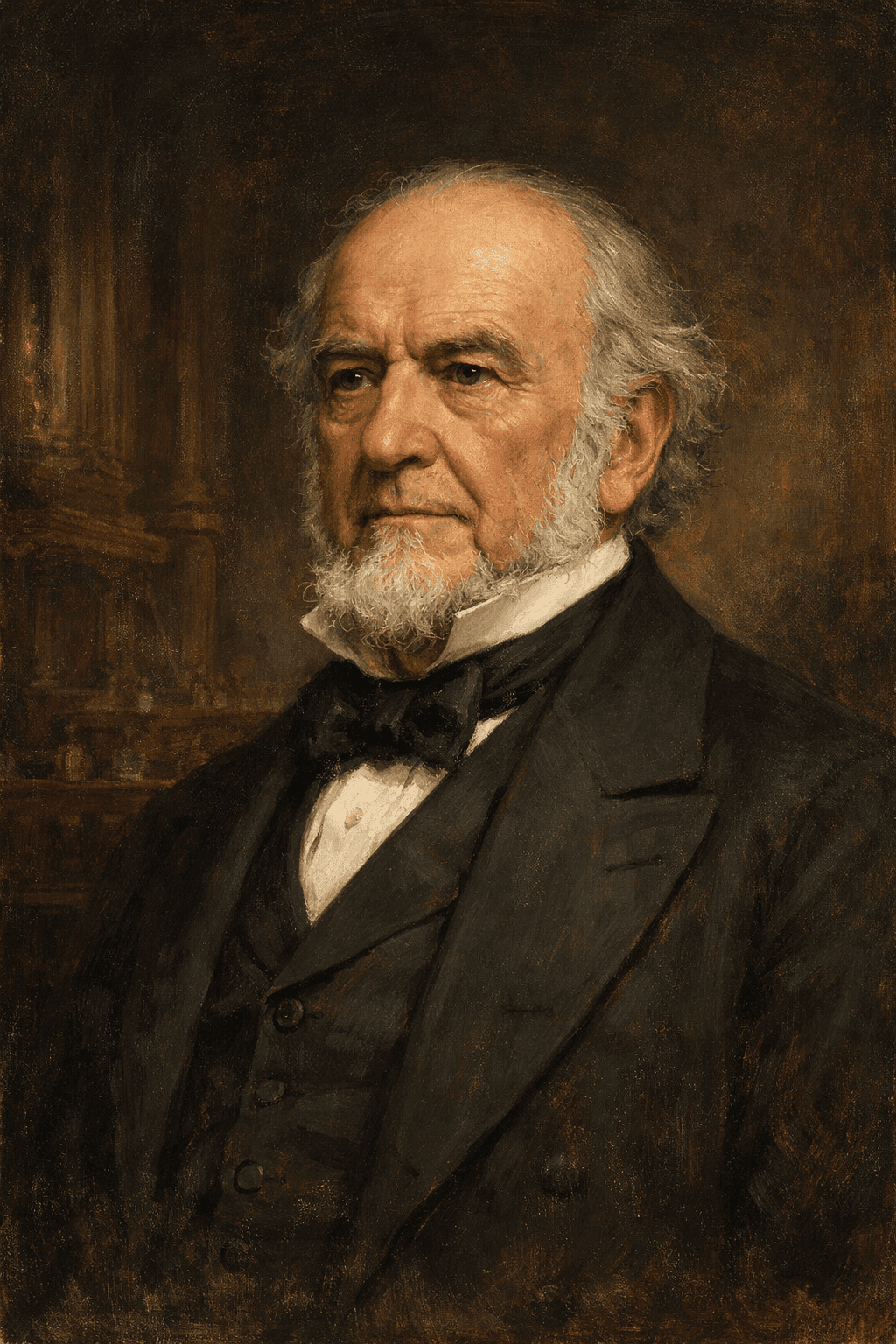
William Ewart Gladstone
1809–1898Industrial AgeUnited Kingdom
He reshaped British politics through relentless reform, moral conviction, and fierce rivalry, returning to power repeatedly even as age and controversy threatened to end his influence.
Open profile →
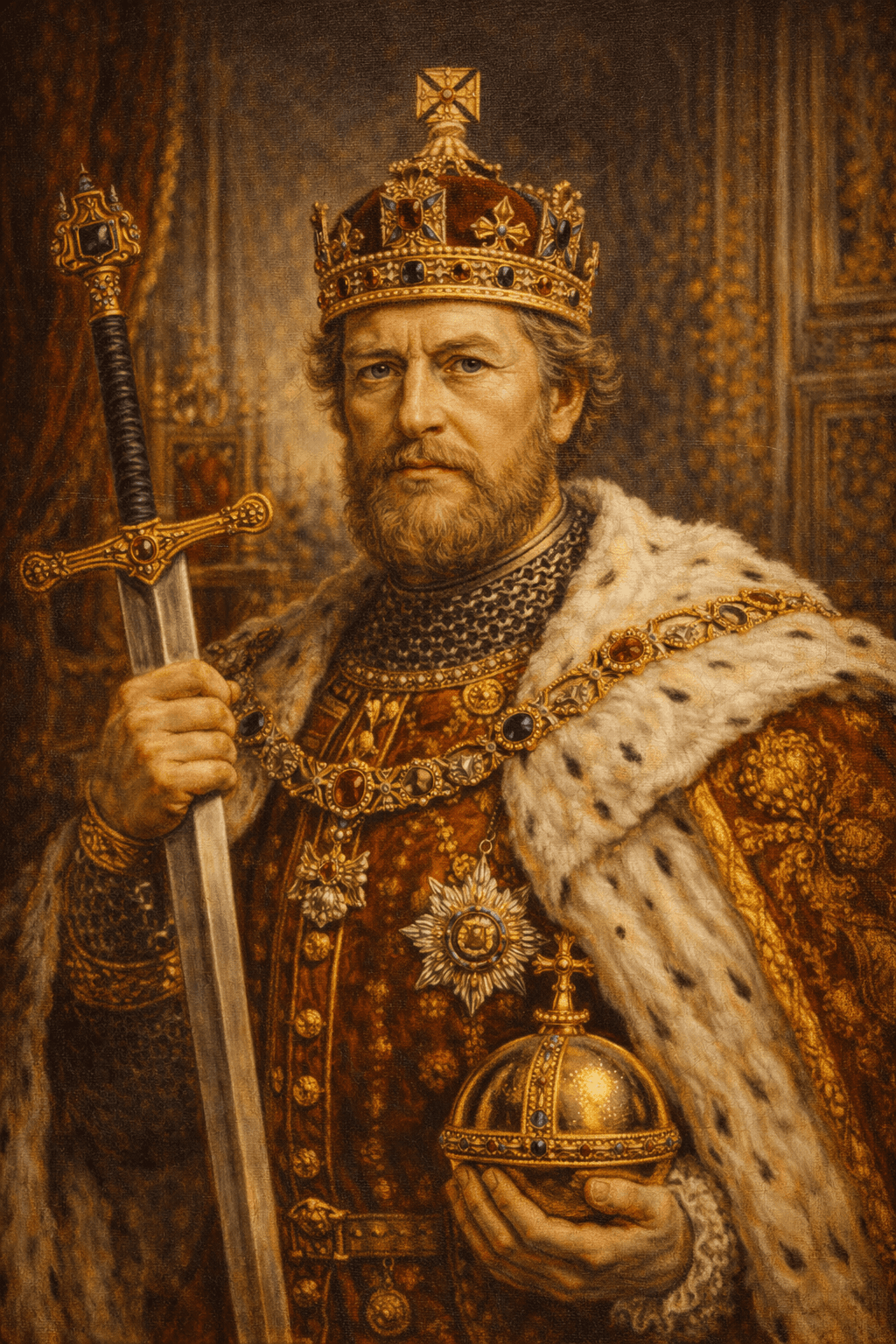
William I
1028–1087Medieval PeriodUnited Kingdom
He invaded England with no legitimate claim, won a single battle, and spent the next twenty years convincing a conquered people that what had just happened was normal.
Open profile →
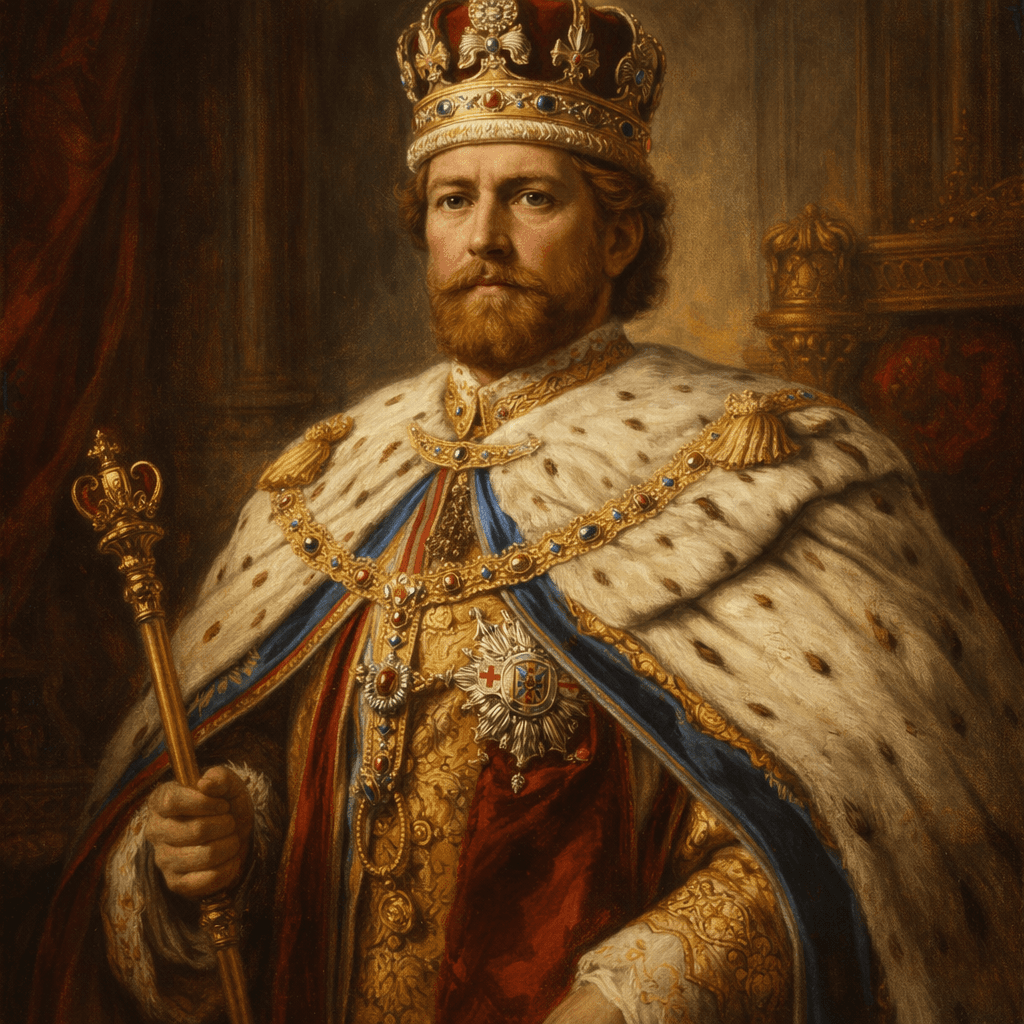
William II
1056–1100Medieval PeriodUnited Kingdom
He was found dead in the New Forest with an arrow through his chest — and whether it was an accident, a hunting party mishap, or something more deliberate has never been established.
Open profile →
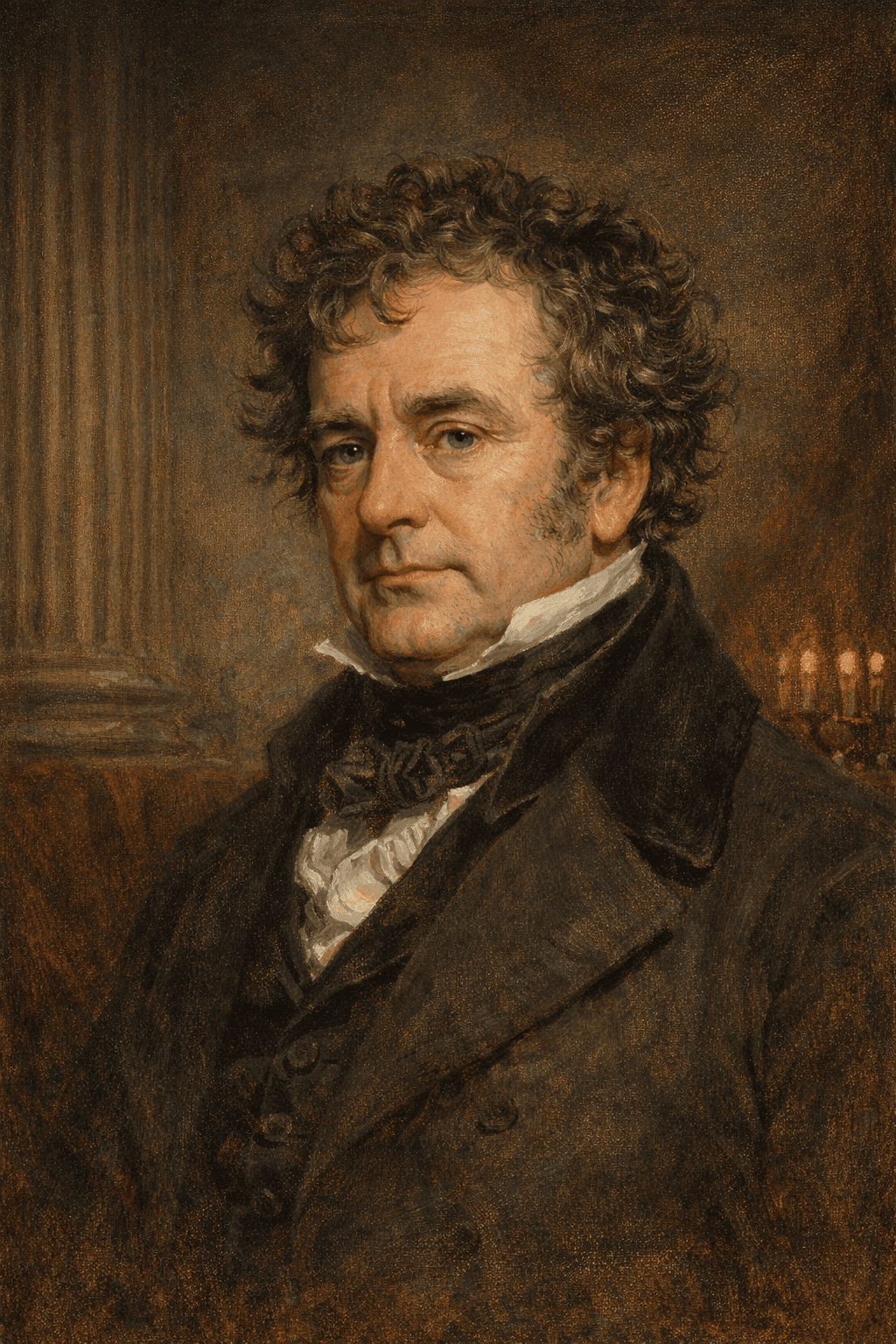
William Lamb, Viscount Melbourne
1779–1848Industrial AgeUnited Kingdom
He drifted into power almost reluctantly, yet became the steady guide of a young queen, shaping early Victorian politics through calm judgement rather than dramatic ambition.
Open profile →
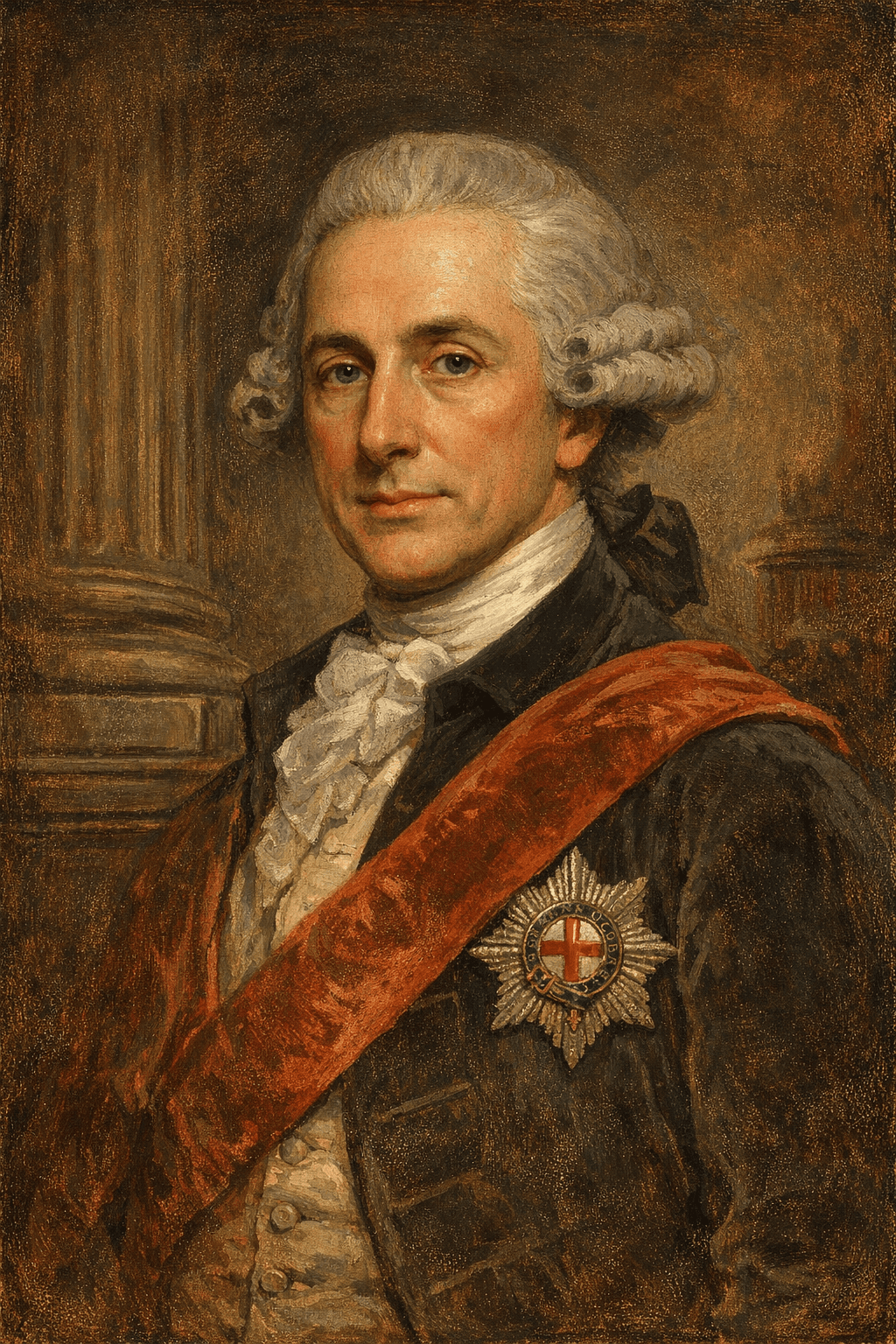
William Petty-Fitzmaurice, Earl of Shelburne
1737–1805Early Modern EraUnited Kingdom
He rose from aristocratic inheritance to become a reform-minded prime minister who steered Britain toward peace with America, yet left office before shaping the settlement’s long-term direction.
Open profile →
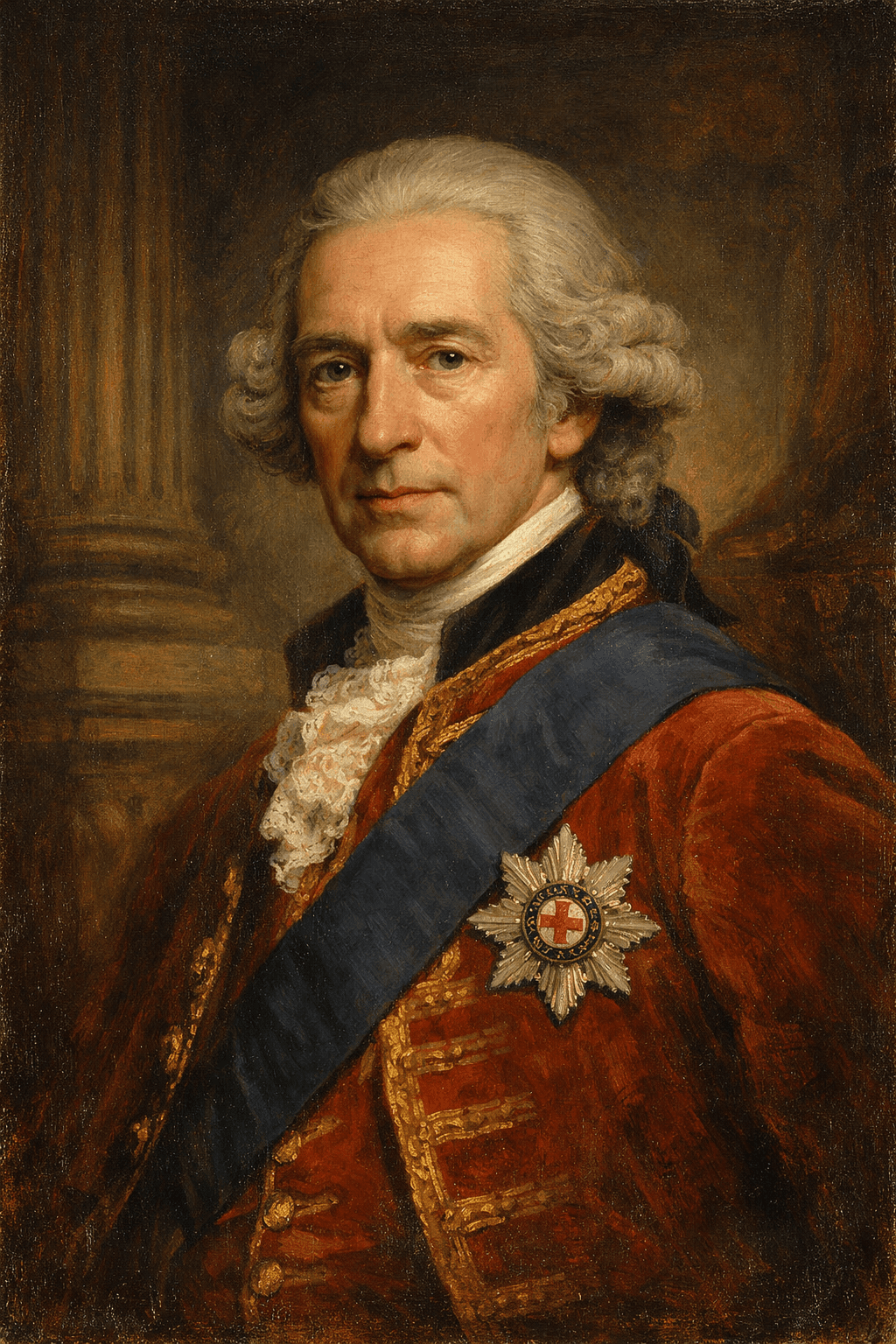
William Pitt the Elder
1708–1778Early Modern EraUnited Kingdom
He became Britain’s most commanding wartime leader during the struggle for empire, shaping victory against France before illness and politics slowly dimmed his influence.
Open profile →
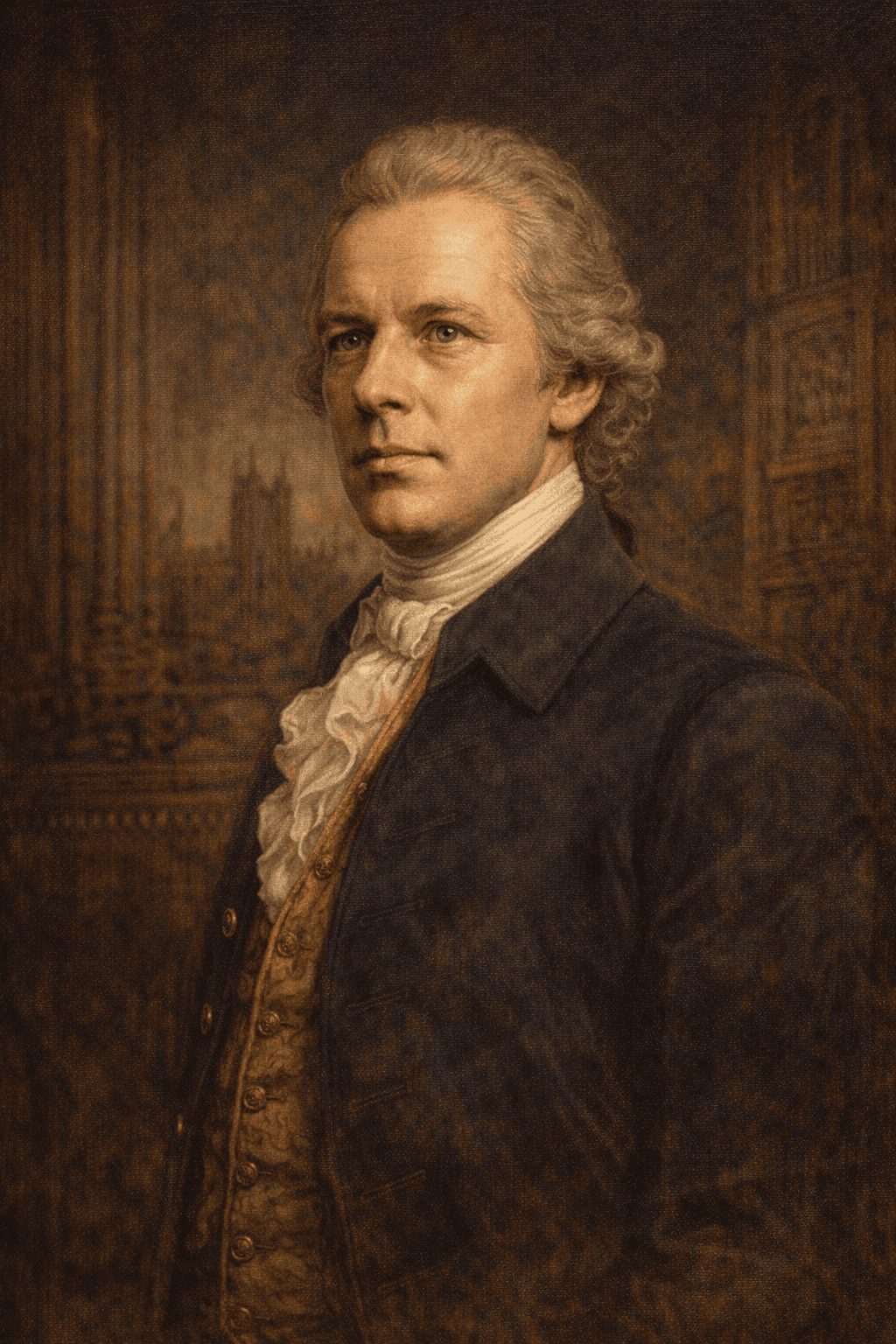
William Pitt the Younger
1759–1806Industrial AgeUnited Kingdom
He became prime minister at twenty-four, was widely expected to fail within months, and governed Britain for nearly twenty years through revolution, war, and the threat of Napoleon.
Open profile →
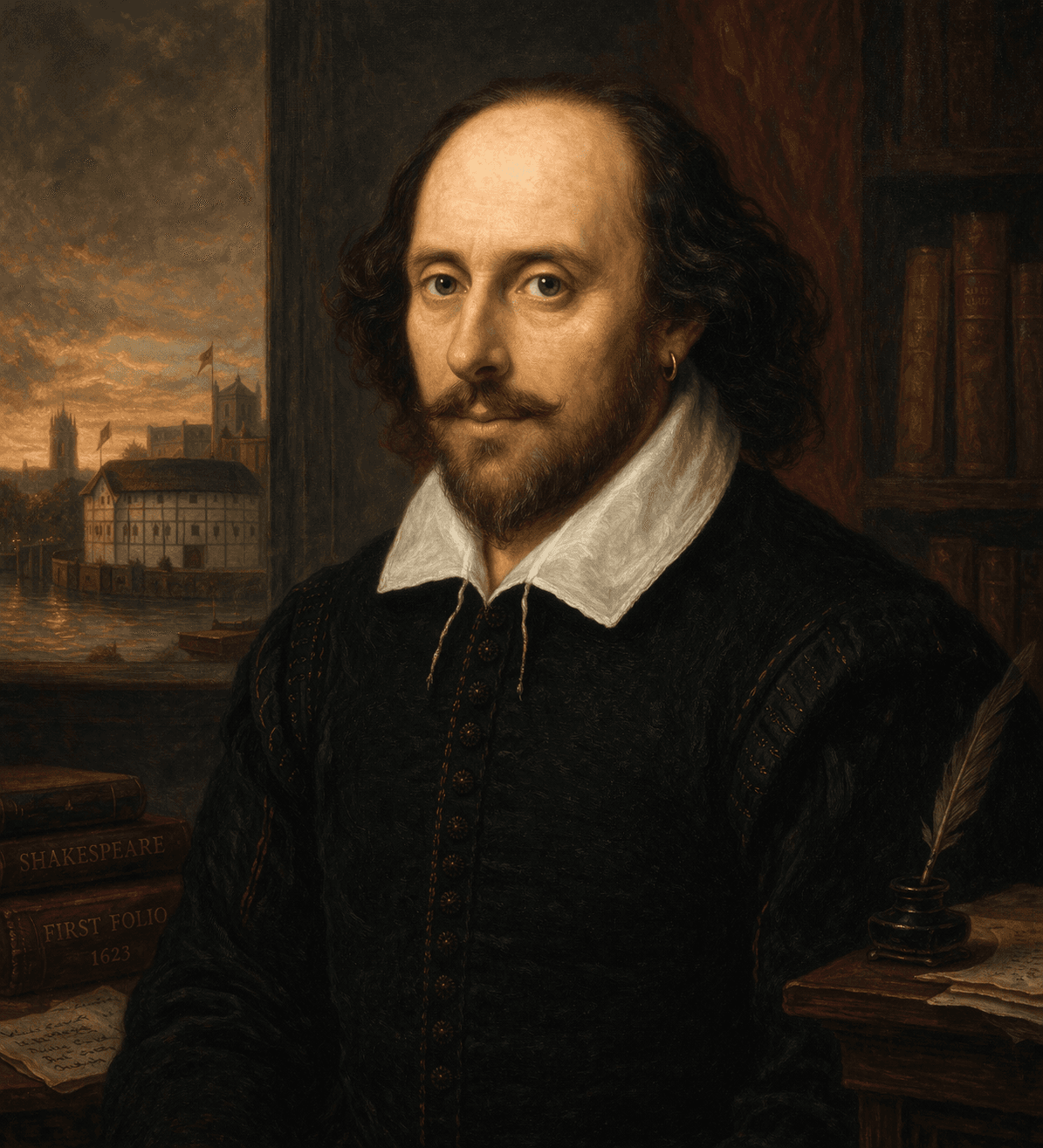
William Shakespeare
1564–1616Early Modern EraUnited Kingdom
He wrote thirty-seven plays, invented hundreds of words still in daily use, and left behind so little biographical trace that a persistent minority refuses to believe he existed.
Open profile →