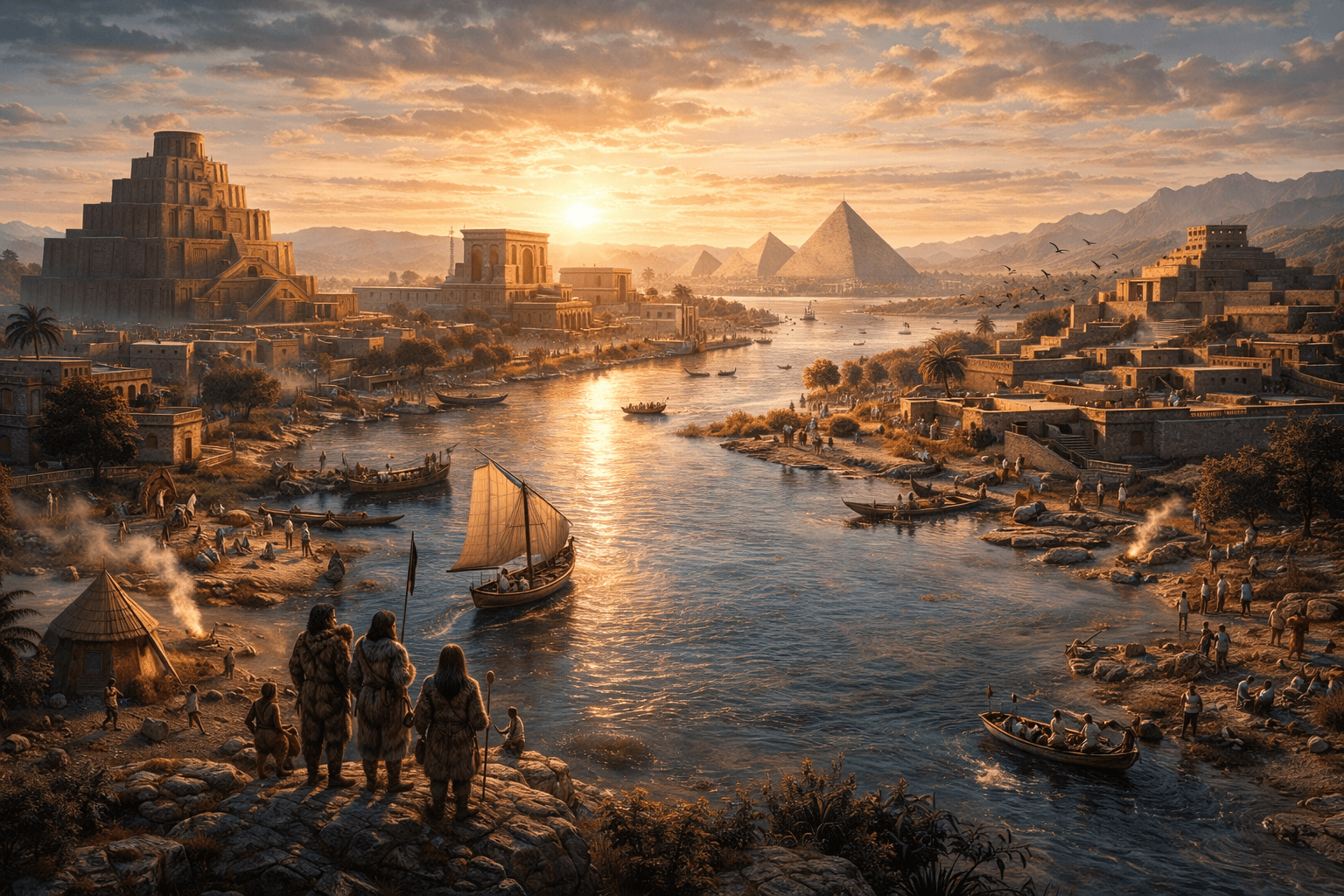
3500 BC – 2000 BC
Keystone
The First Civilizations
The first civilizations arose in fertile river valleys, where farming, cities, writing and governance transformed human societies and laid the foundations of the ancient world.
Read story→Explore 41 stories spanning 3,500 BC – 2,026 AD — from the earliest civilisations to the modern era. Includes 12 free Keystone stories.
Browse all 41 stories below. For the full interactive timeline, visit on a larger screen.
The first civilizations arose in fertile river valleys, where farming, cities, writing and governance transformed human societies and laid the foundations of the ancient world.
Read story→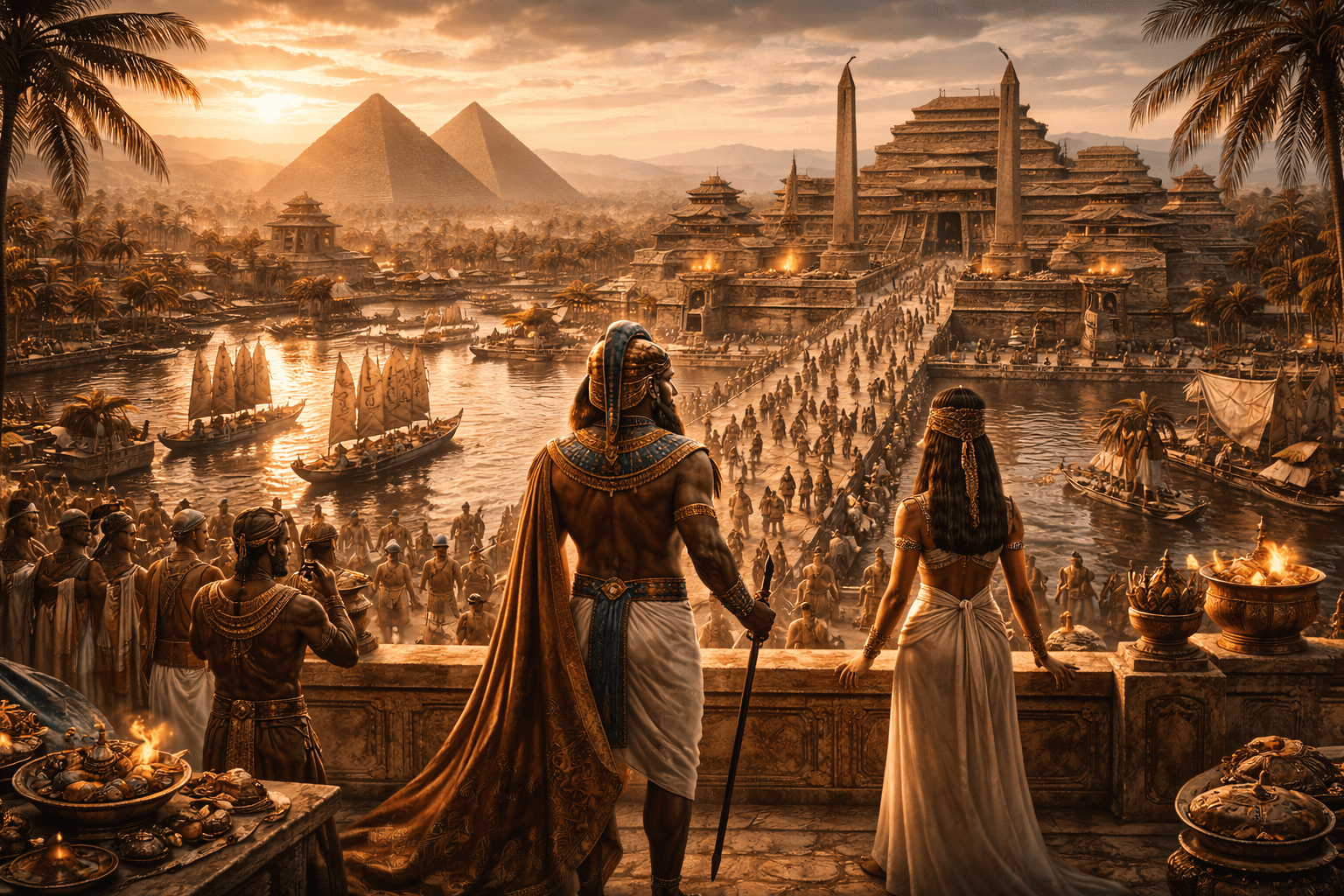
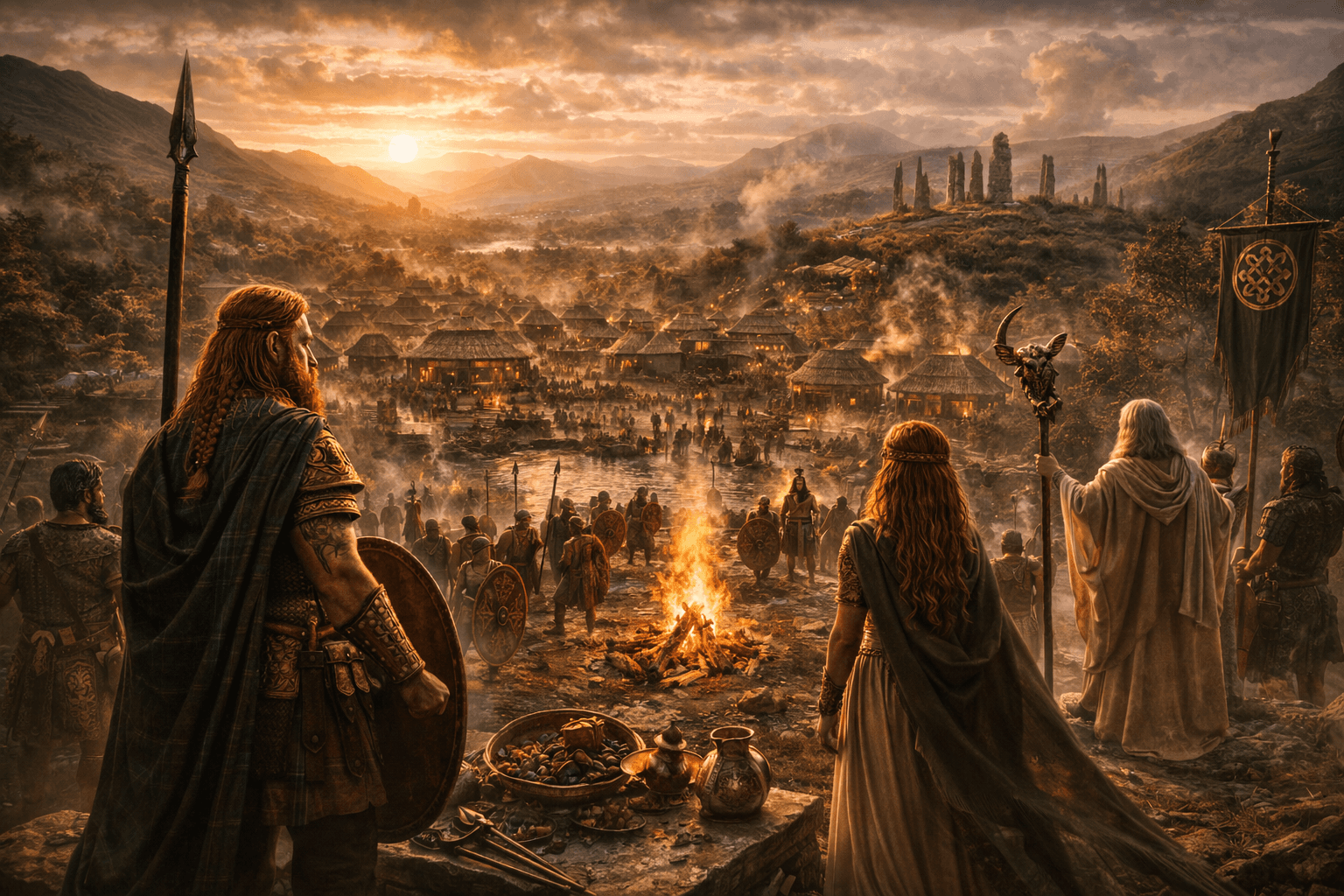
Celtic tribes spanned Europe, shaping culture, conflict, and a lasting legacy.
Read story→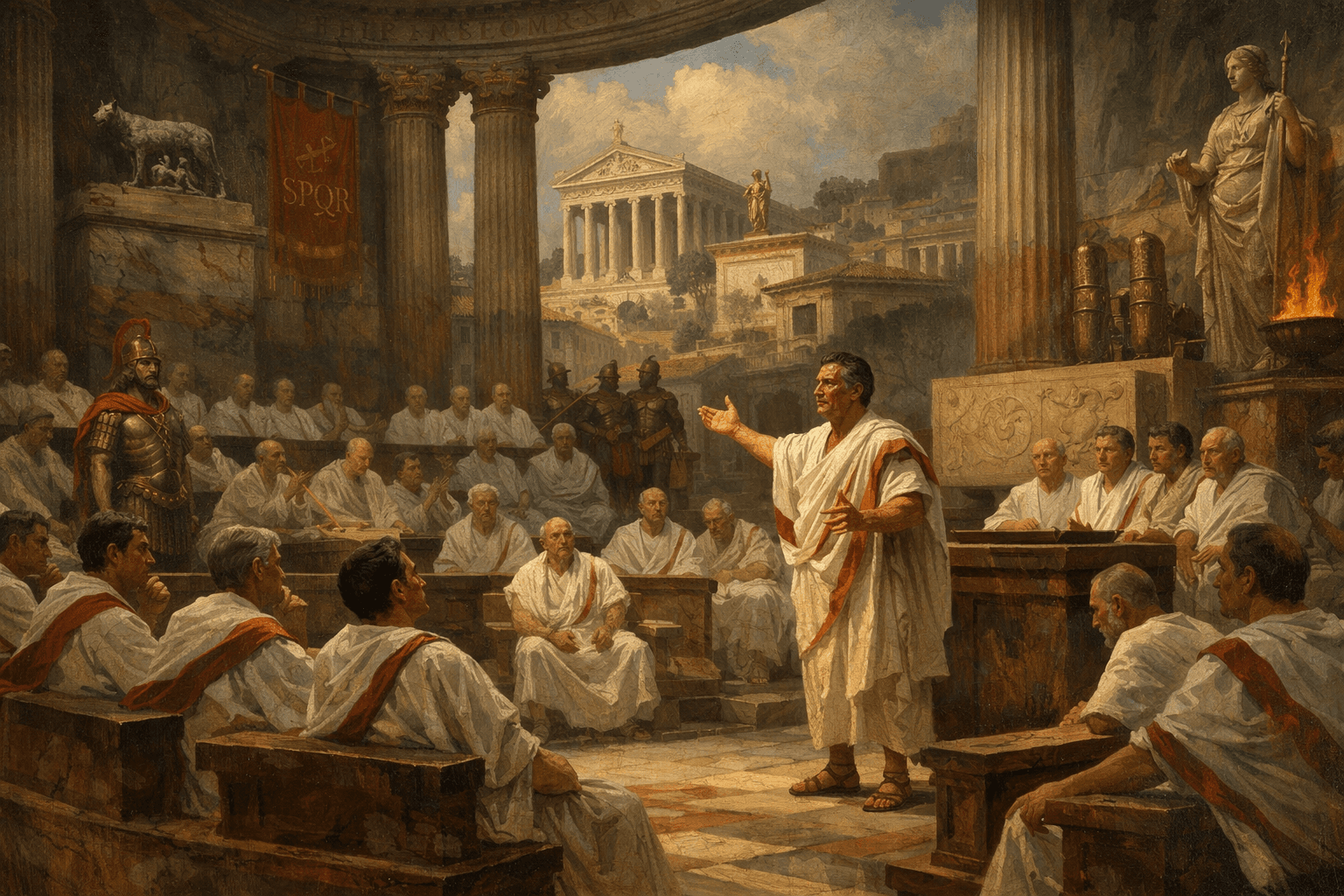
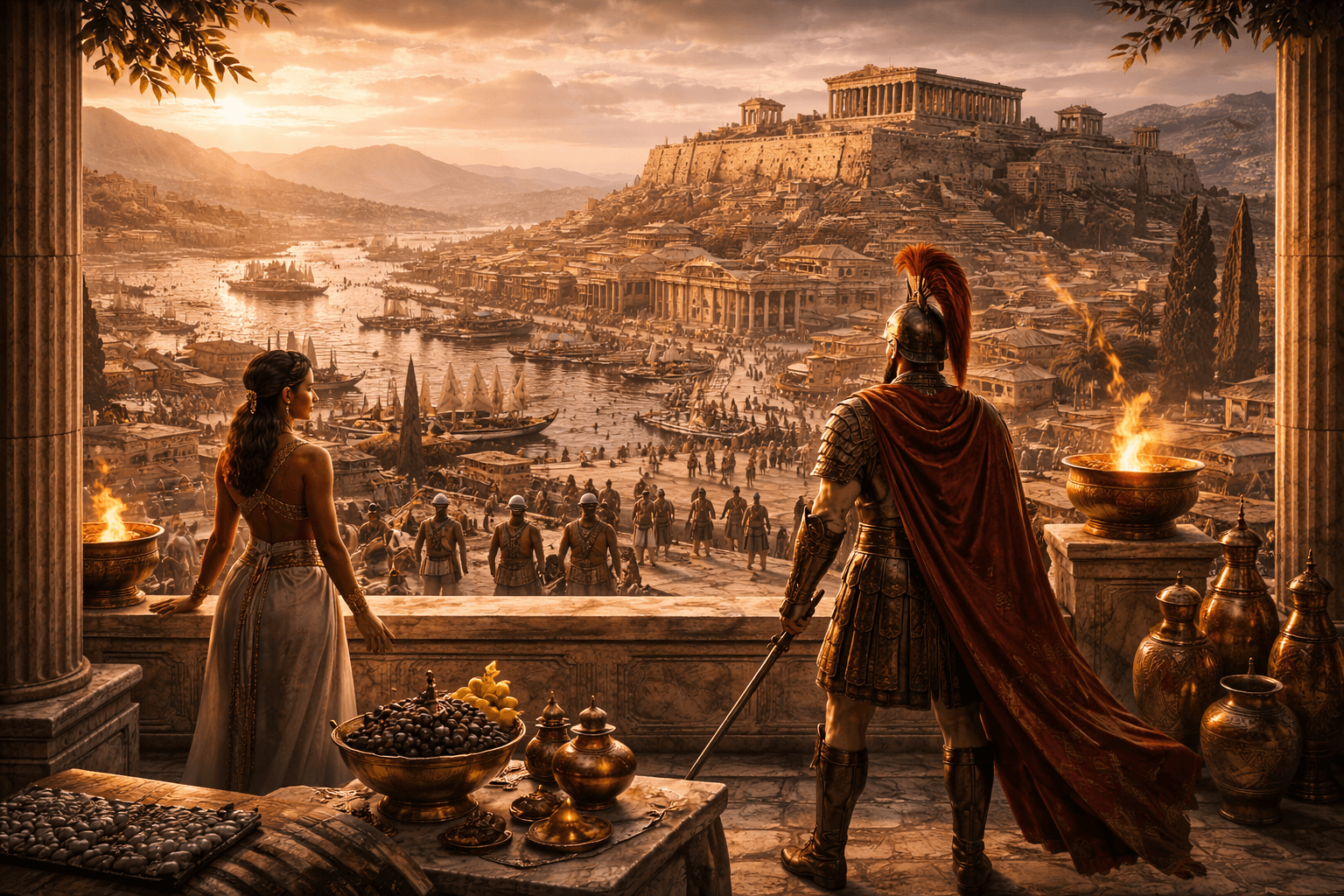
From the expulsion of Rome’s kings to the rise of Augustus, the Roman Republic built a powerful mixed constitution, expanded across the Mediterranean, and ultimately collapsed into civil war and one-man rule.
Read story→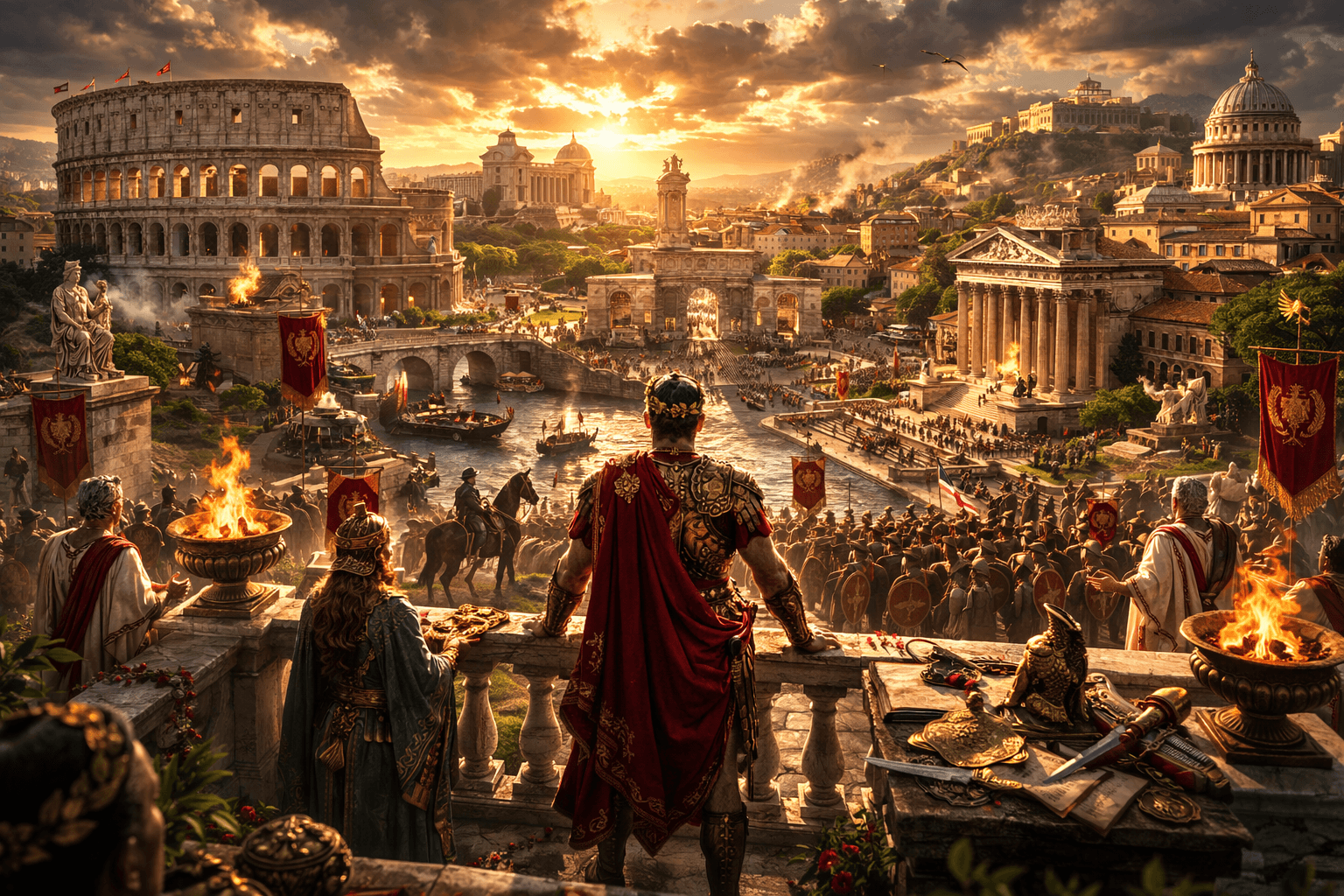
From Augustus to the fall of the Western Empire, Rome built a vast imperial system whose law, cities, armies and ideas shaped the ancient and medieval worlds.
Read story→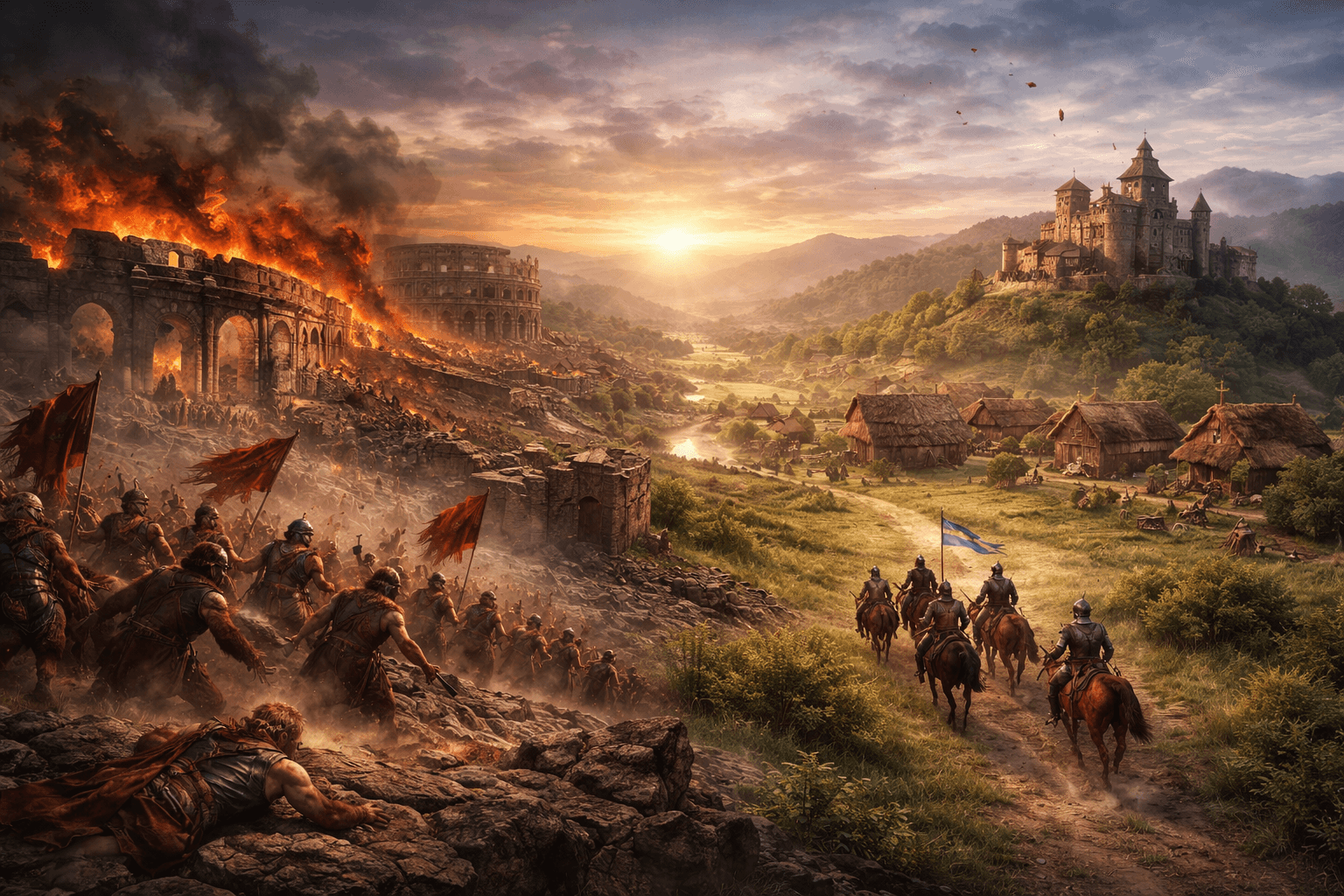
From the arrival of Gothic peoples at the Danube to the crowning of Charlemagne, this story traces how the Western Roman Empire fragmented into successor kingdoms and how a new medieval world took shape.
Read story→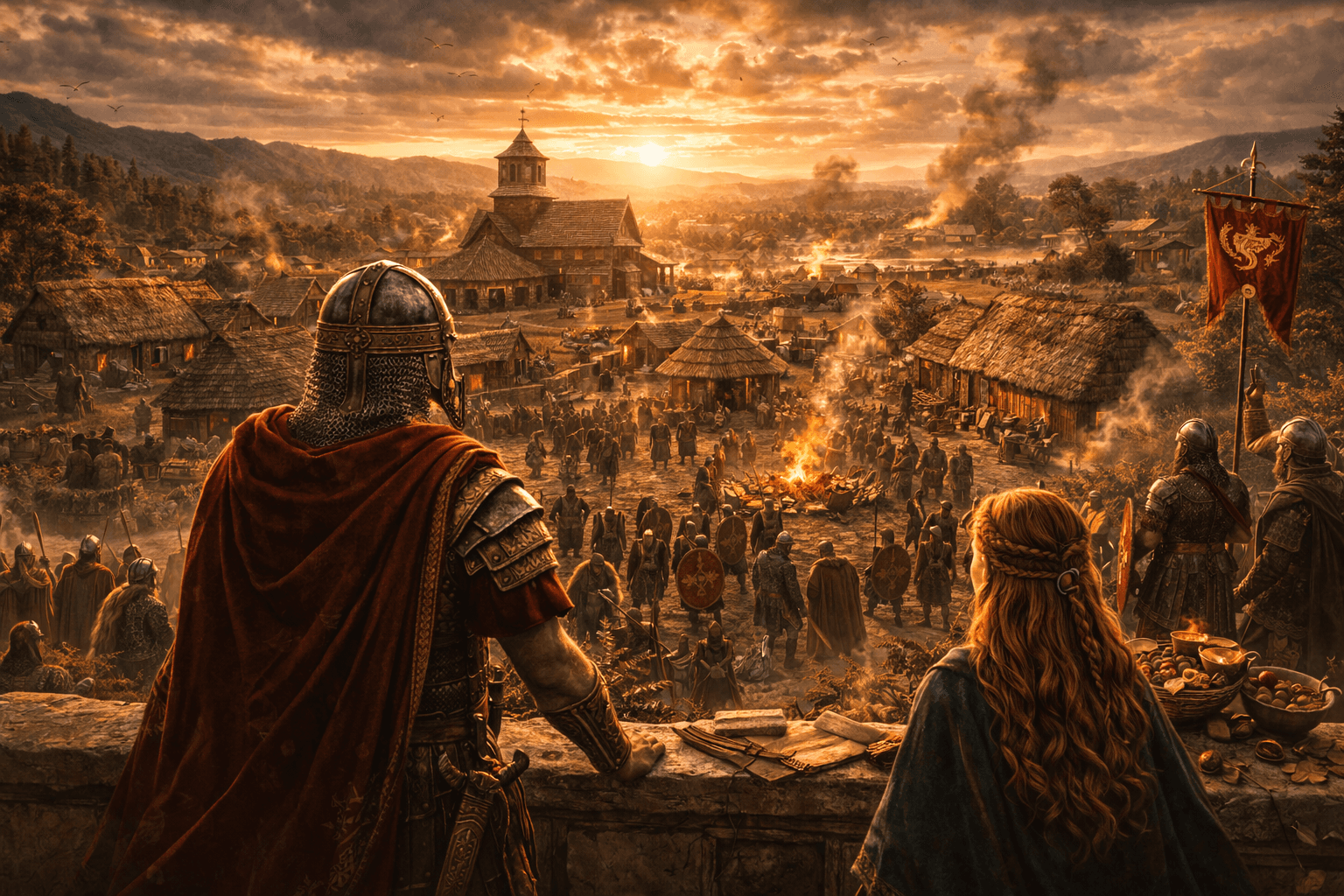
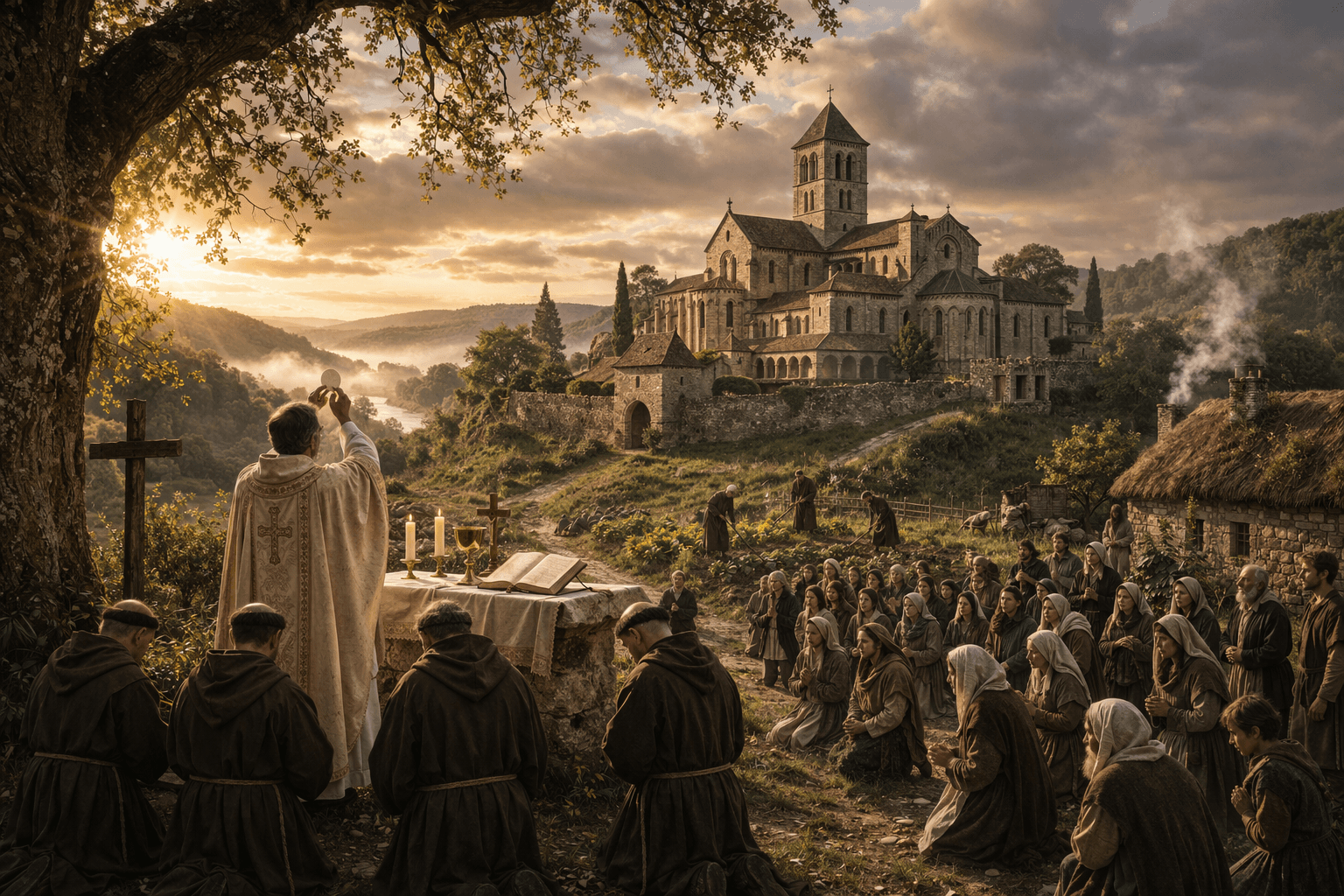
From the fall of the Western Roman Empire to the Avignon papacy, this story traces how the Christian Church built its authority through bishops, monasteries, missions, reform, and direct confrontation with Europe's rulers.
Read story→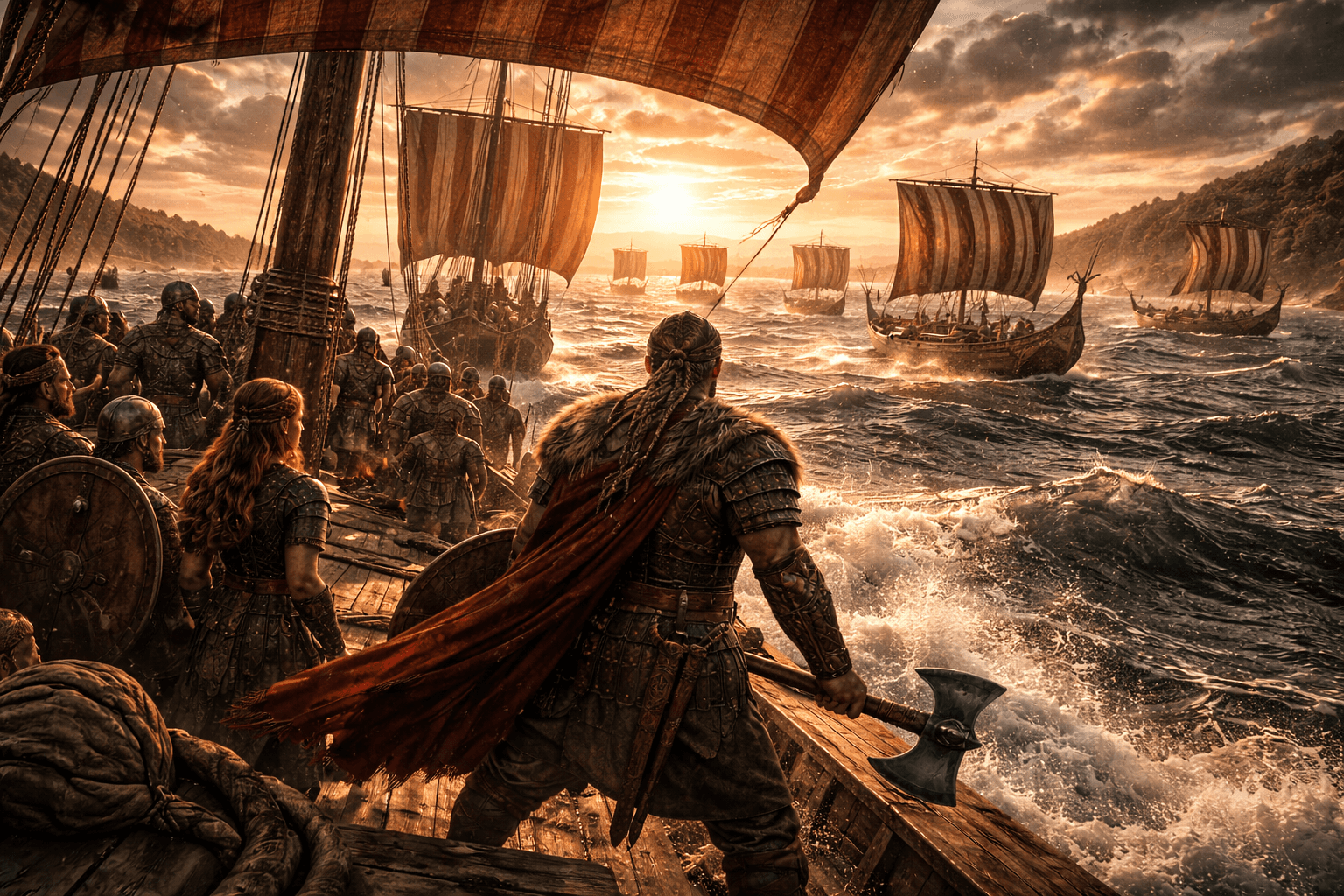
From raiders to traders, Vikings built kingdoms and networks that reshaped Europe and beyond.
Read story→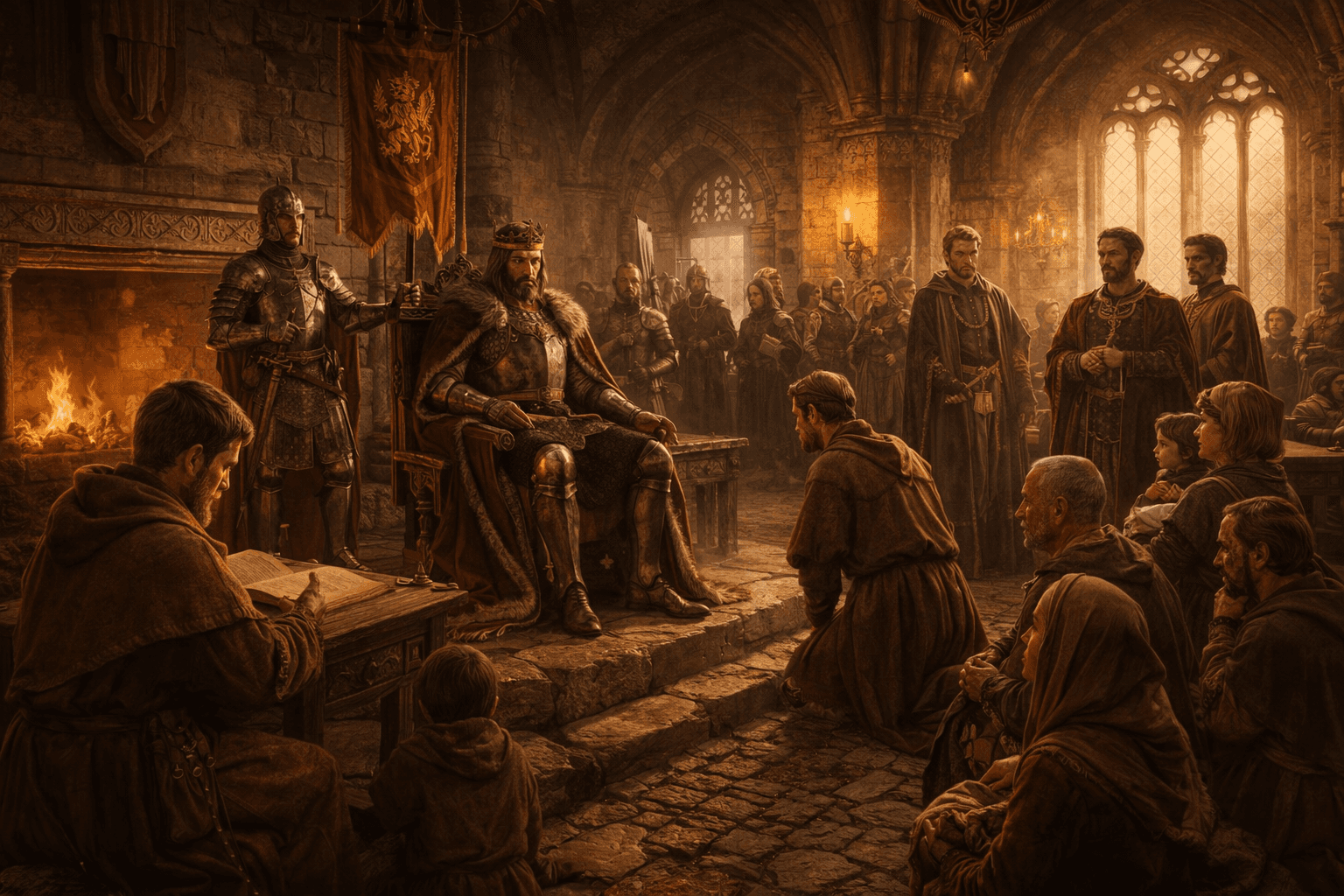
From the estates of Charlemagne's empire to the flowering of Gothic cathedrals, this story explores how feudal hierarchies, manorial agriculture, and Church authority shaped the lives of kings, knights, and peasants alike.
Read story→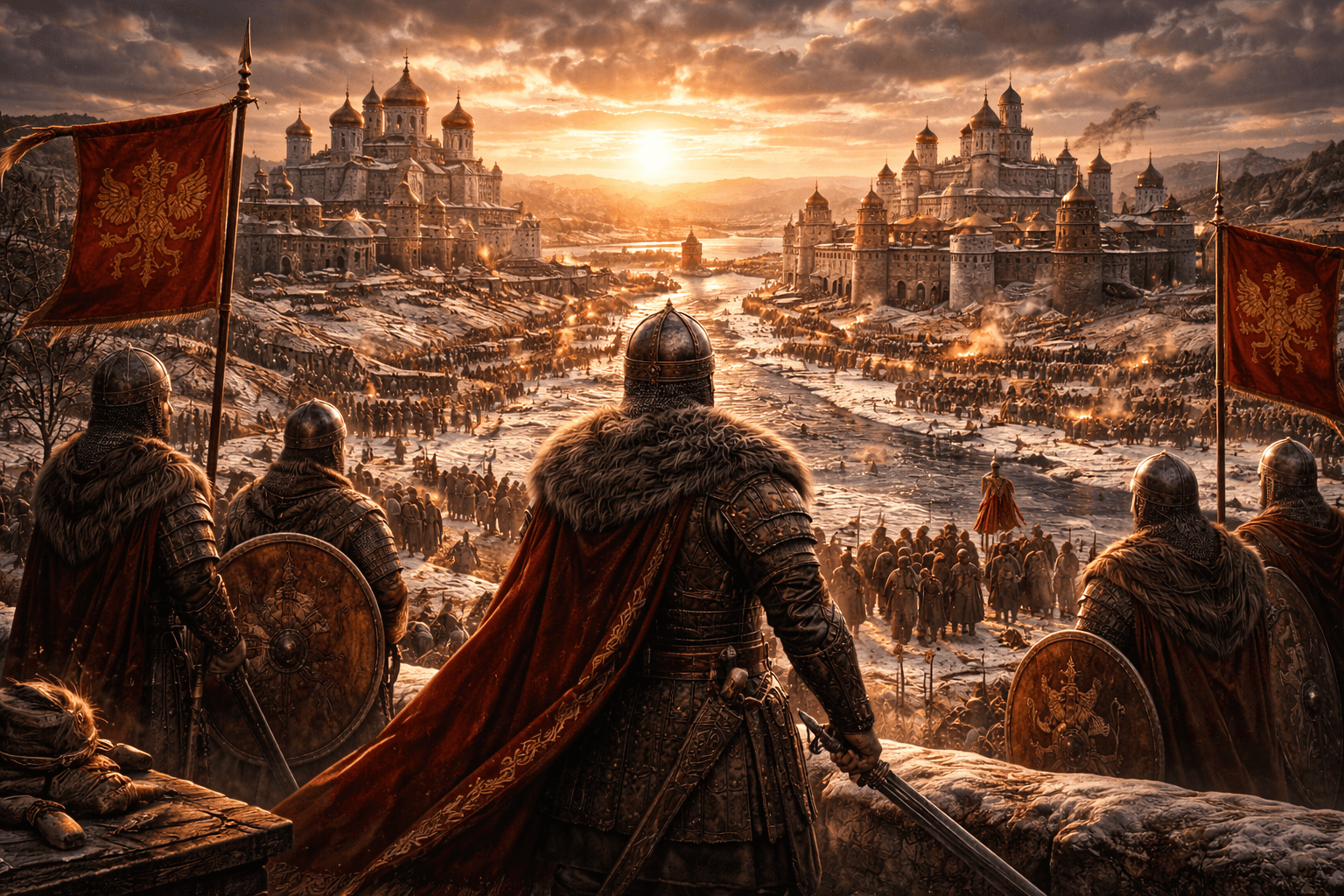
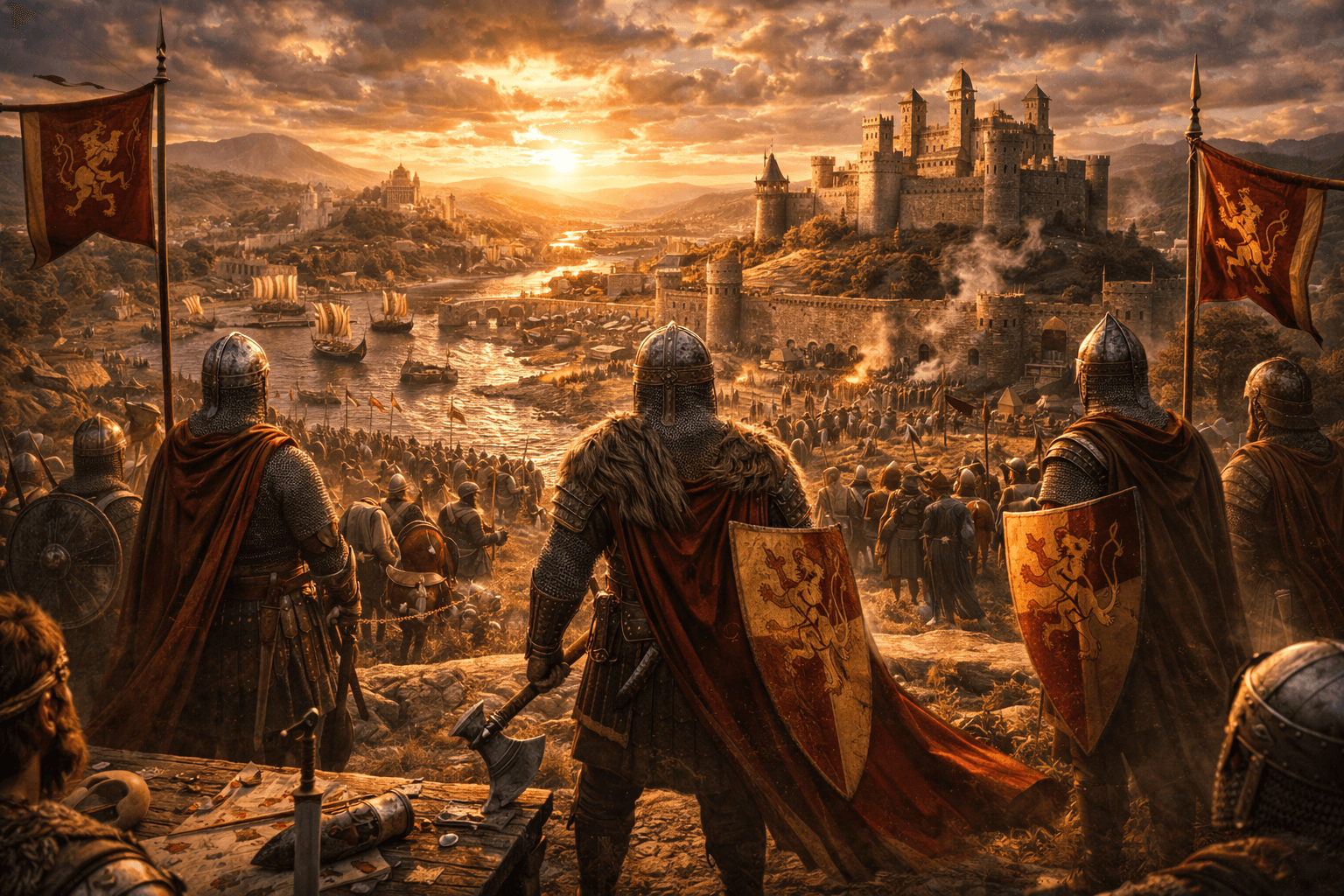
From Viking settlers to conquerors, the Normans reshaped England, Italy, and the medieval Mediterranean.
Read story→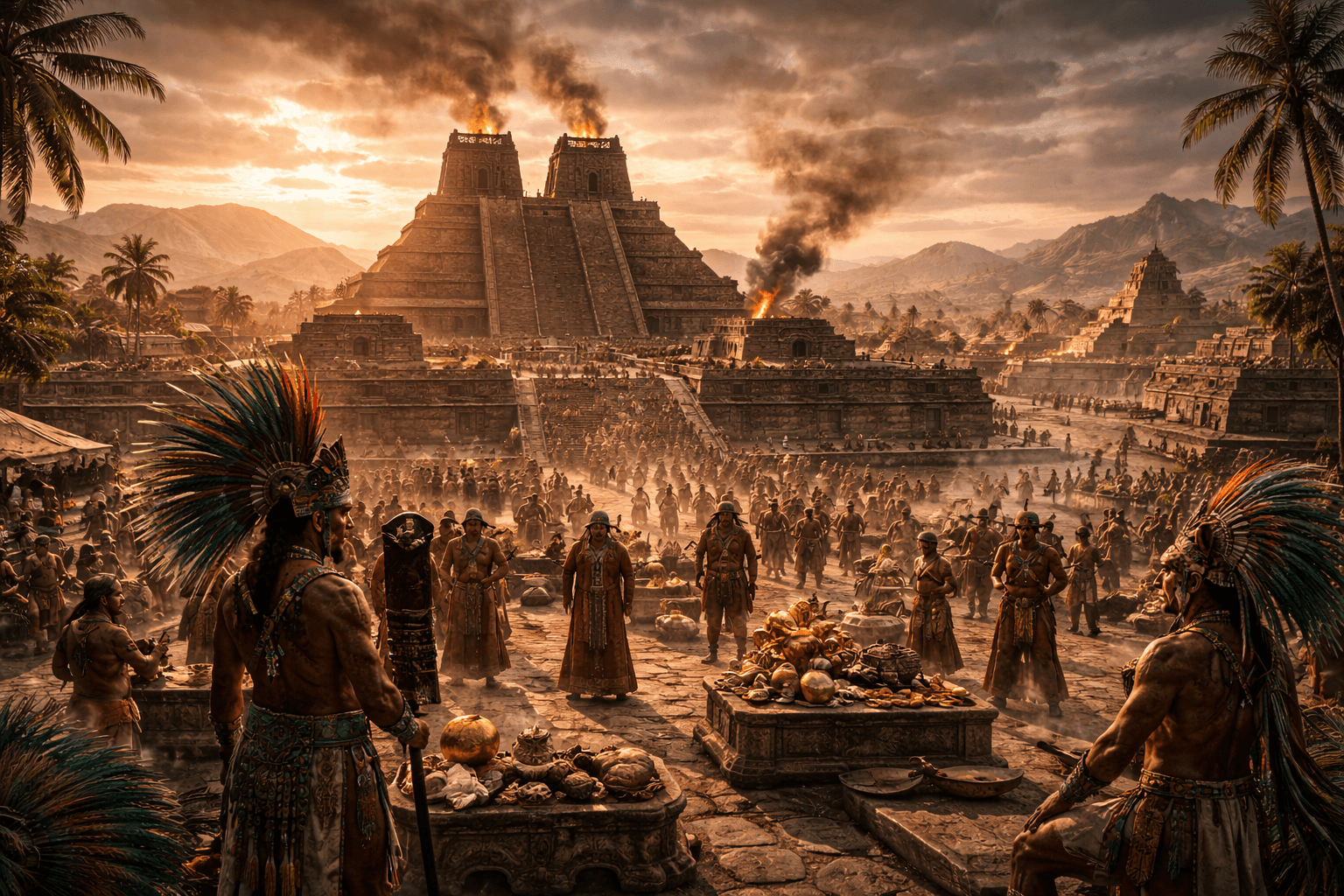
From migrants to empire, the Aztecs built a powerful civilisation before collapsing after Spanish conquest.
Read story→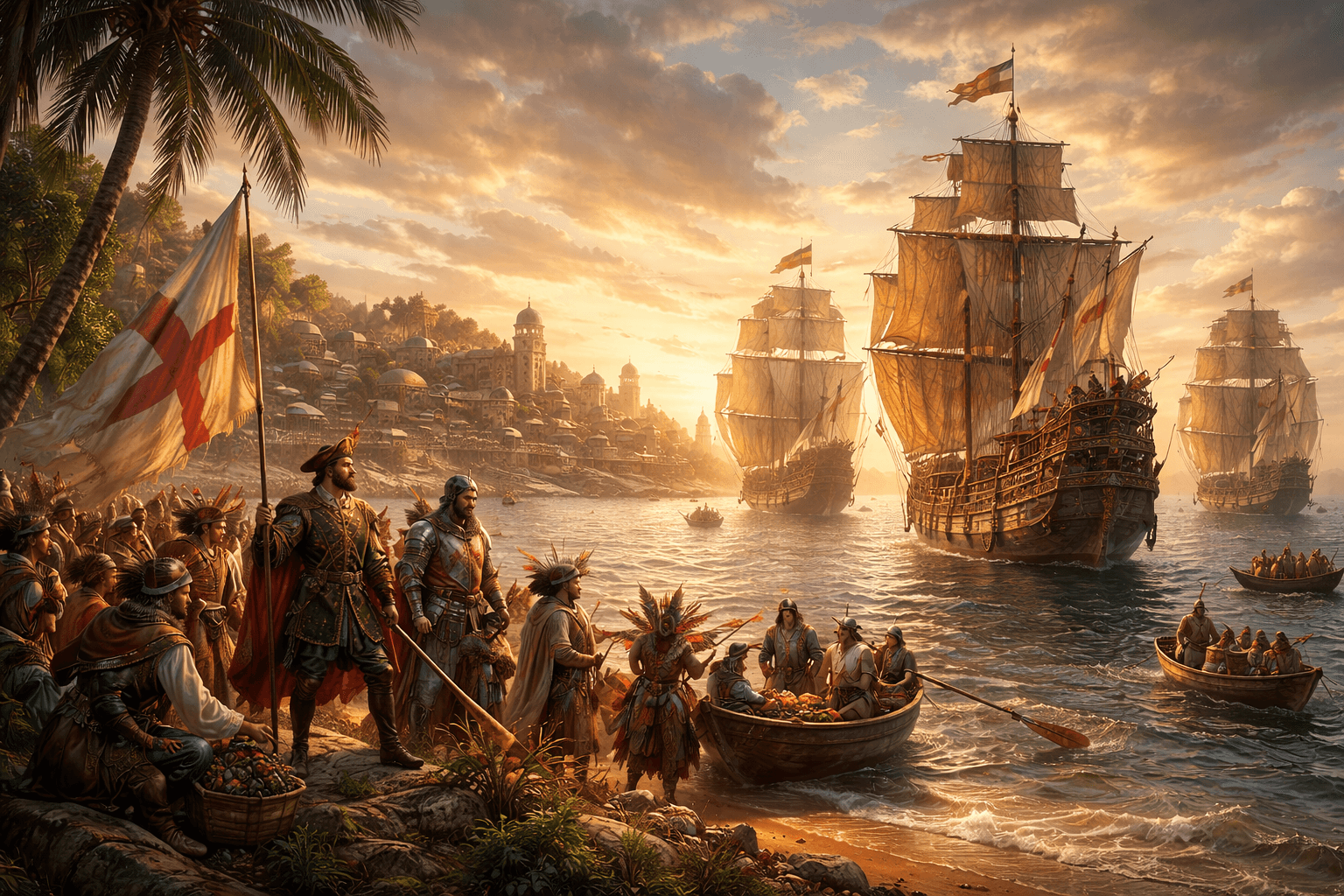
An era of exploration and empire linking continents through trade, conquest, and cultural exchange.
Read story→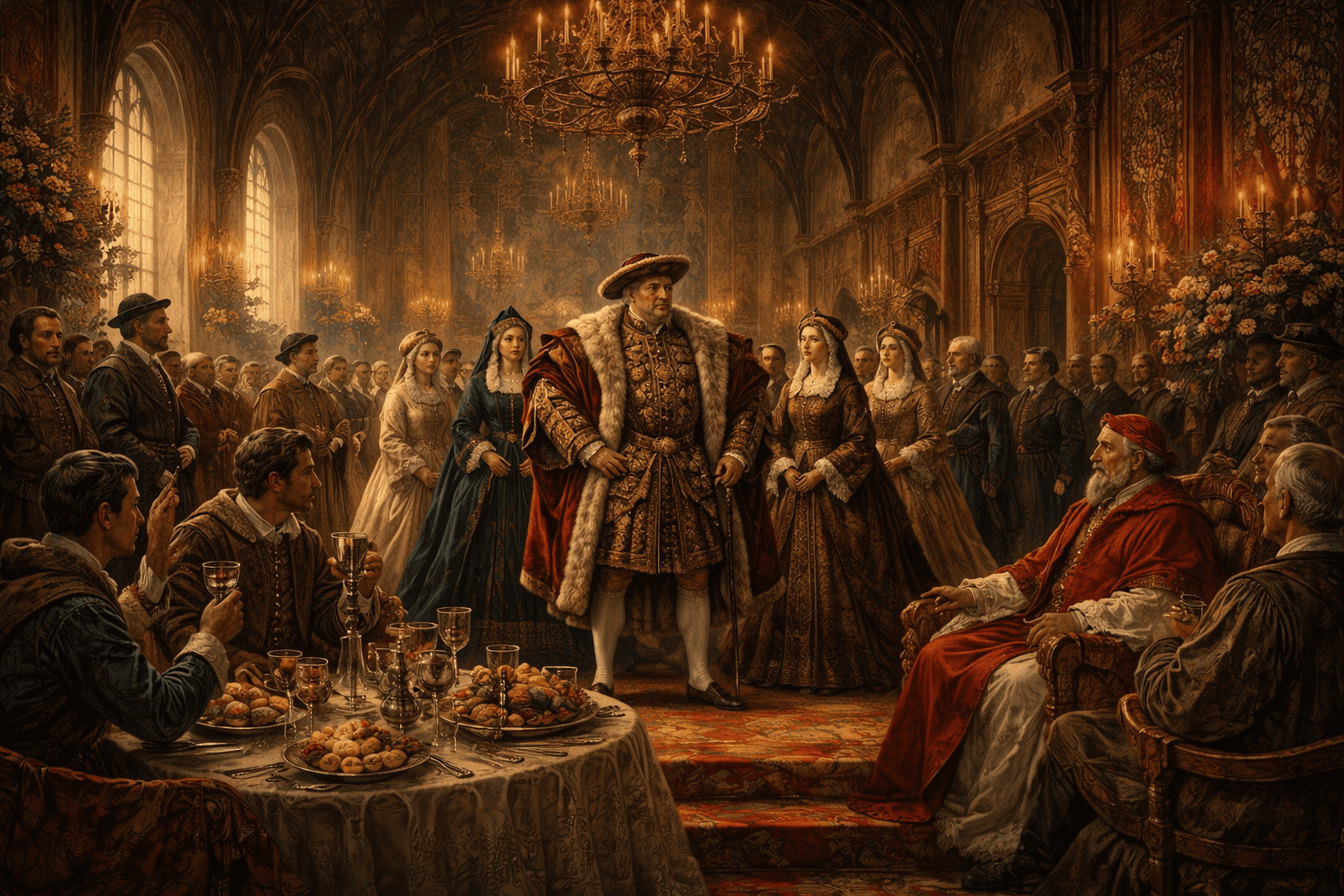
The Tudors strengthened royal power, drove religious change, and shaped early modern England.
Read story→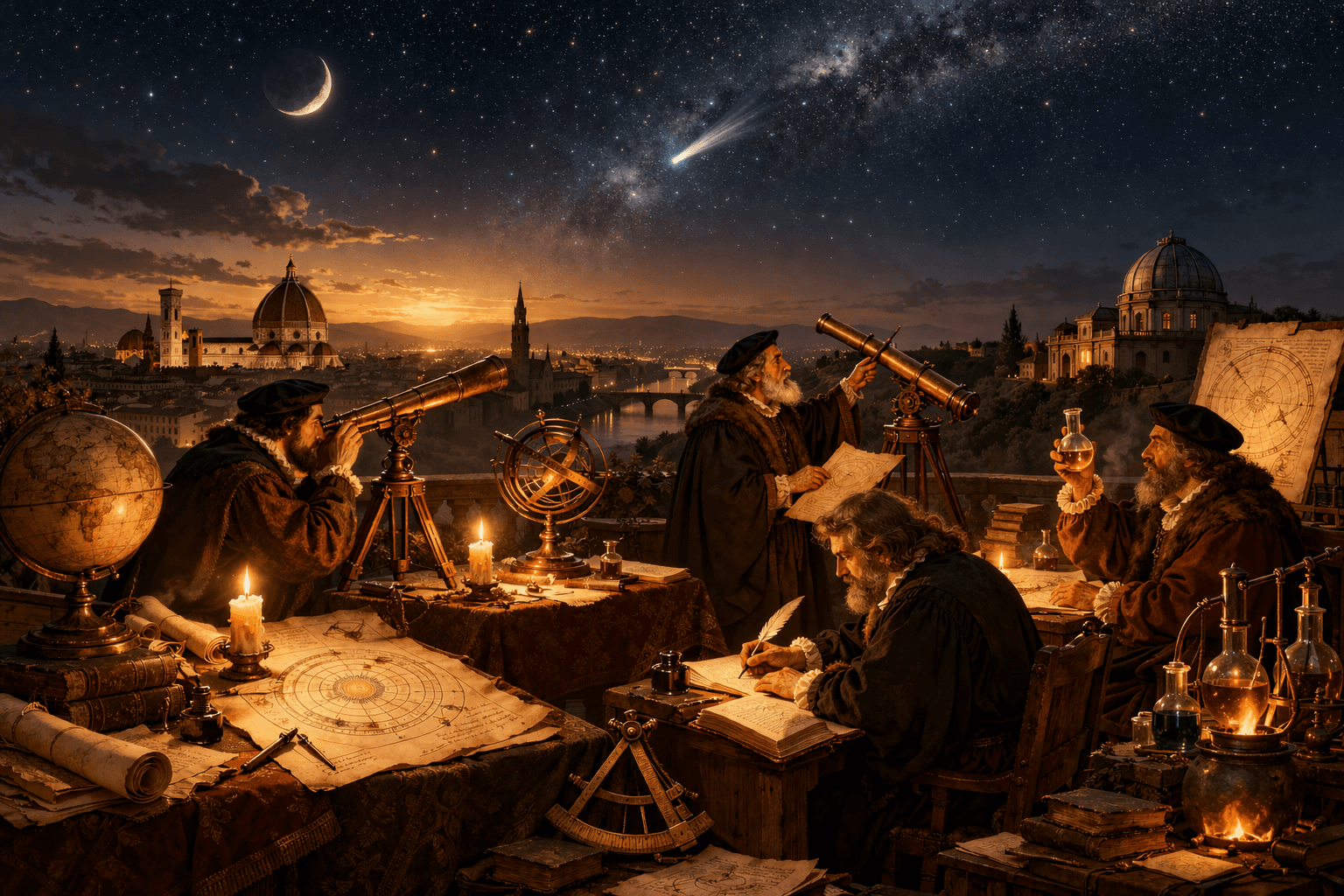
The Scientific Revolution transformed how humans understand the world, replacing tradition with observation, experimentation and mathematical laws that still shape modern science.
Read story→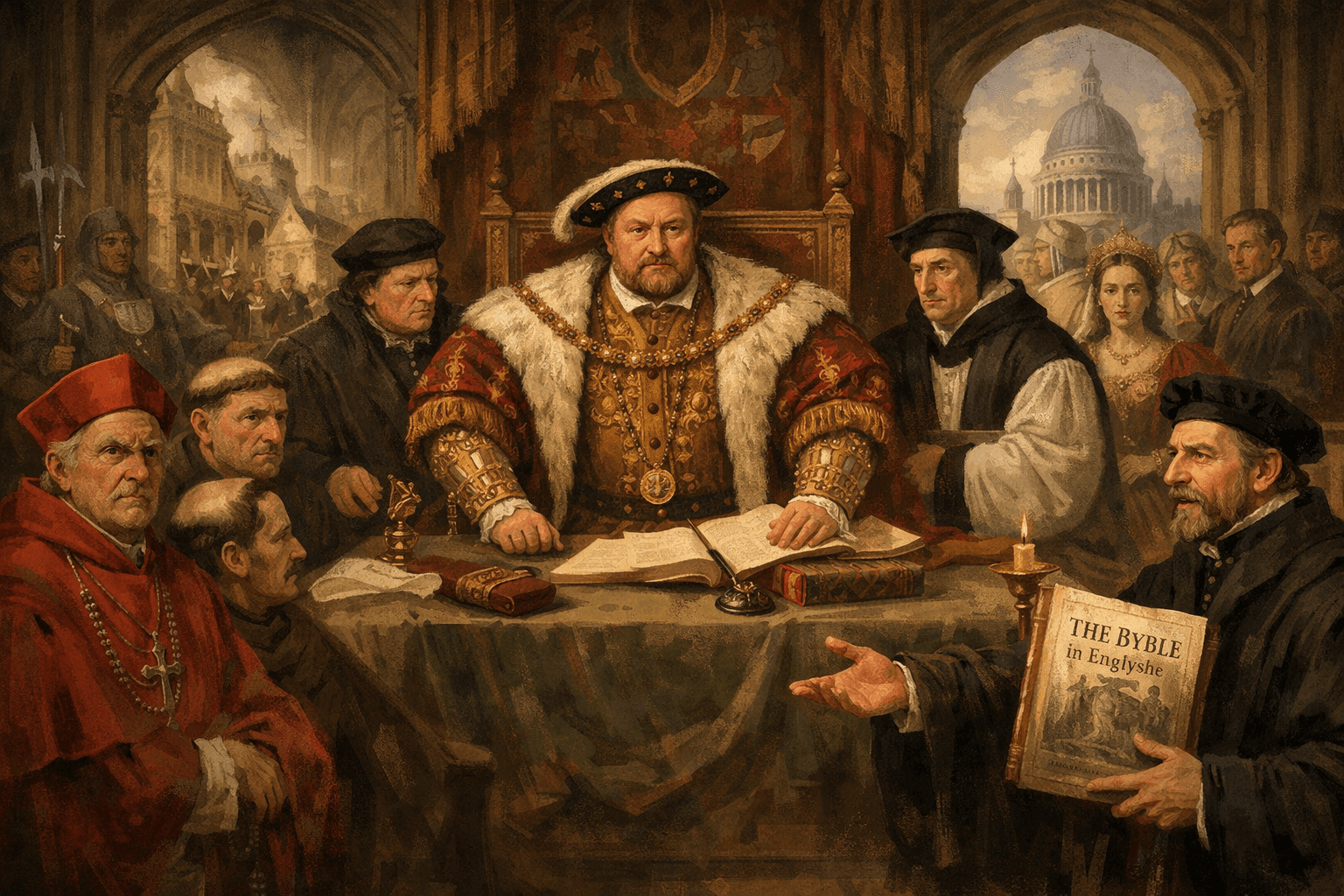
Henry VIII’s break with Rome reshaped religion, politics, and identity through decades of upheaval.
Read story→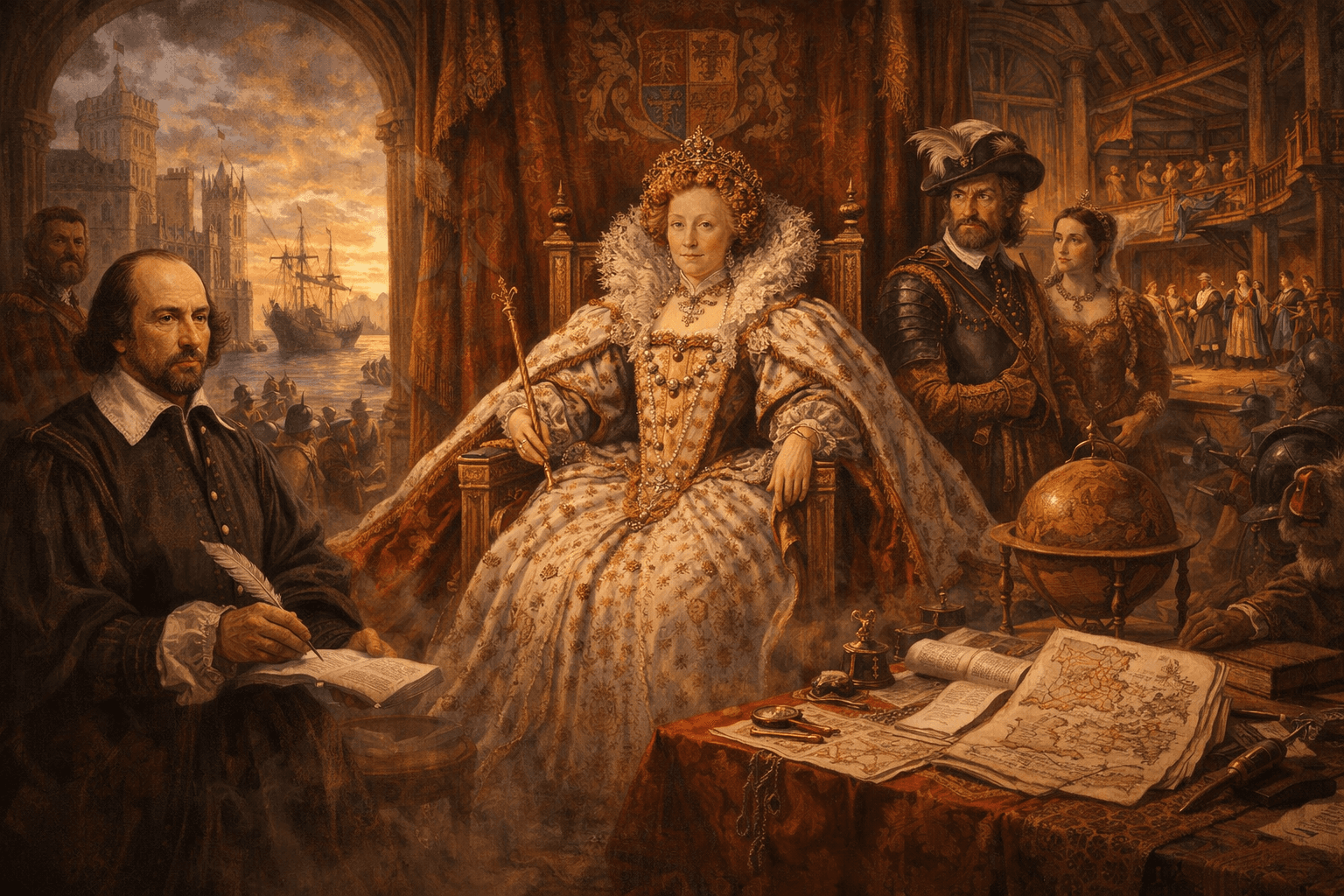
Elizabeth I’s reign brought stability, cultural flourishing, exploration, and victory over the Spanish Armada.
Read story→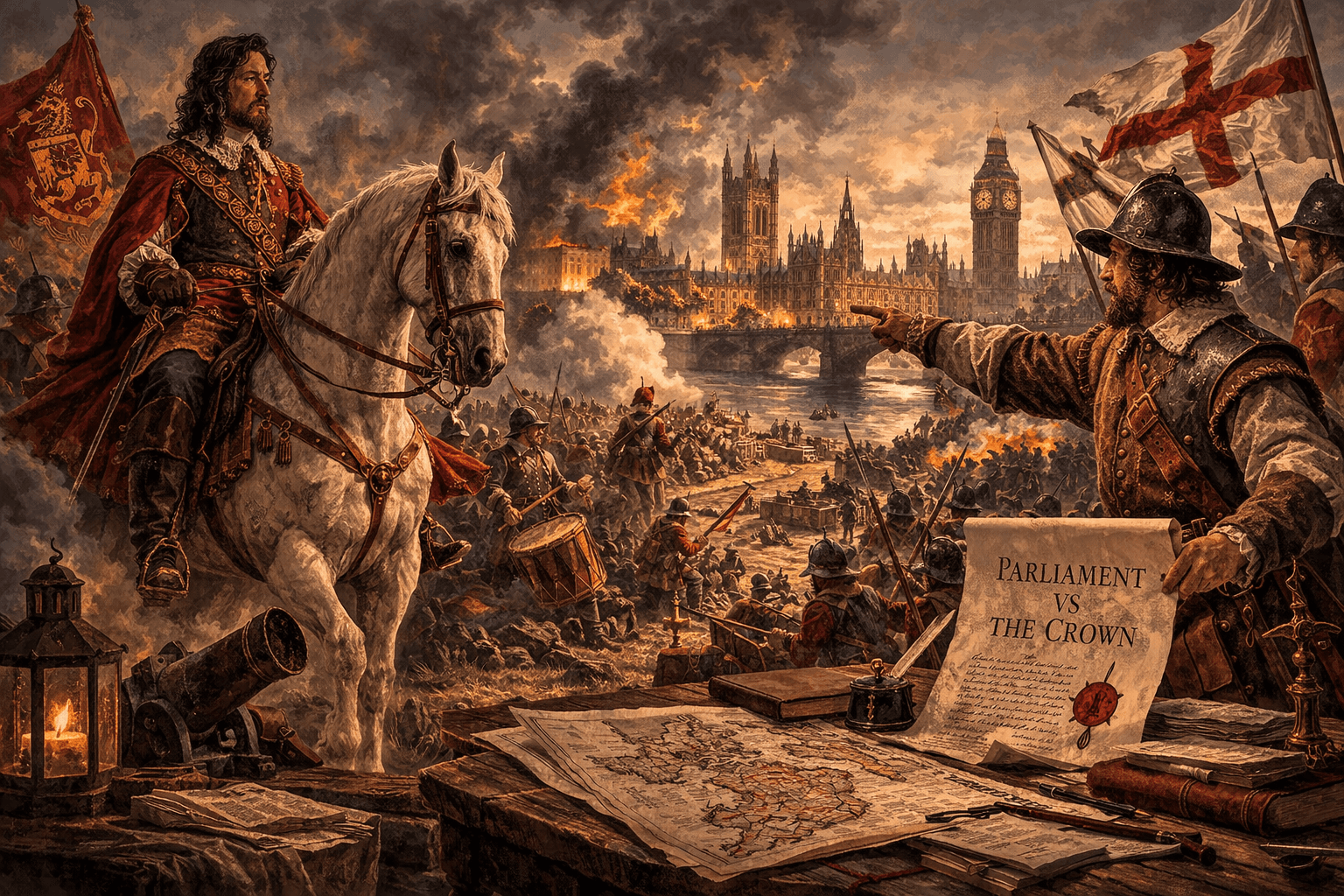
Civil war between king and Parliament led to regicide, a republic, and lasting constitutional change.
Read story→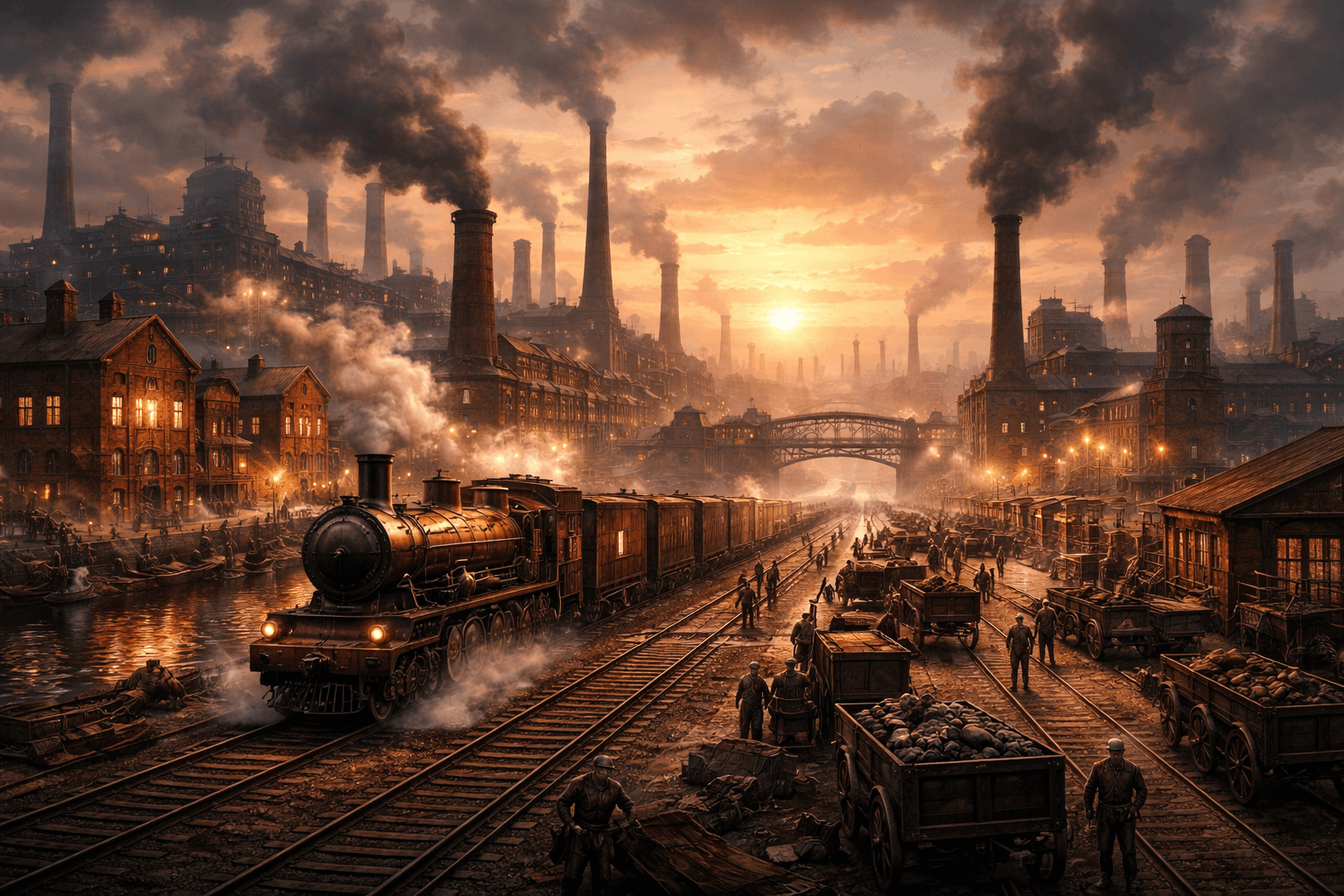
The Industrial Revolution began in Britain and spread globally, transforming economies, societies and everyday life through machines, factories and new energy sources.
Read story→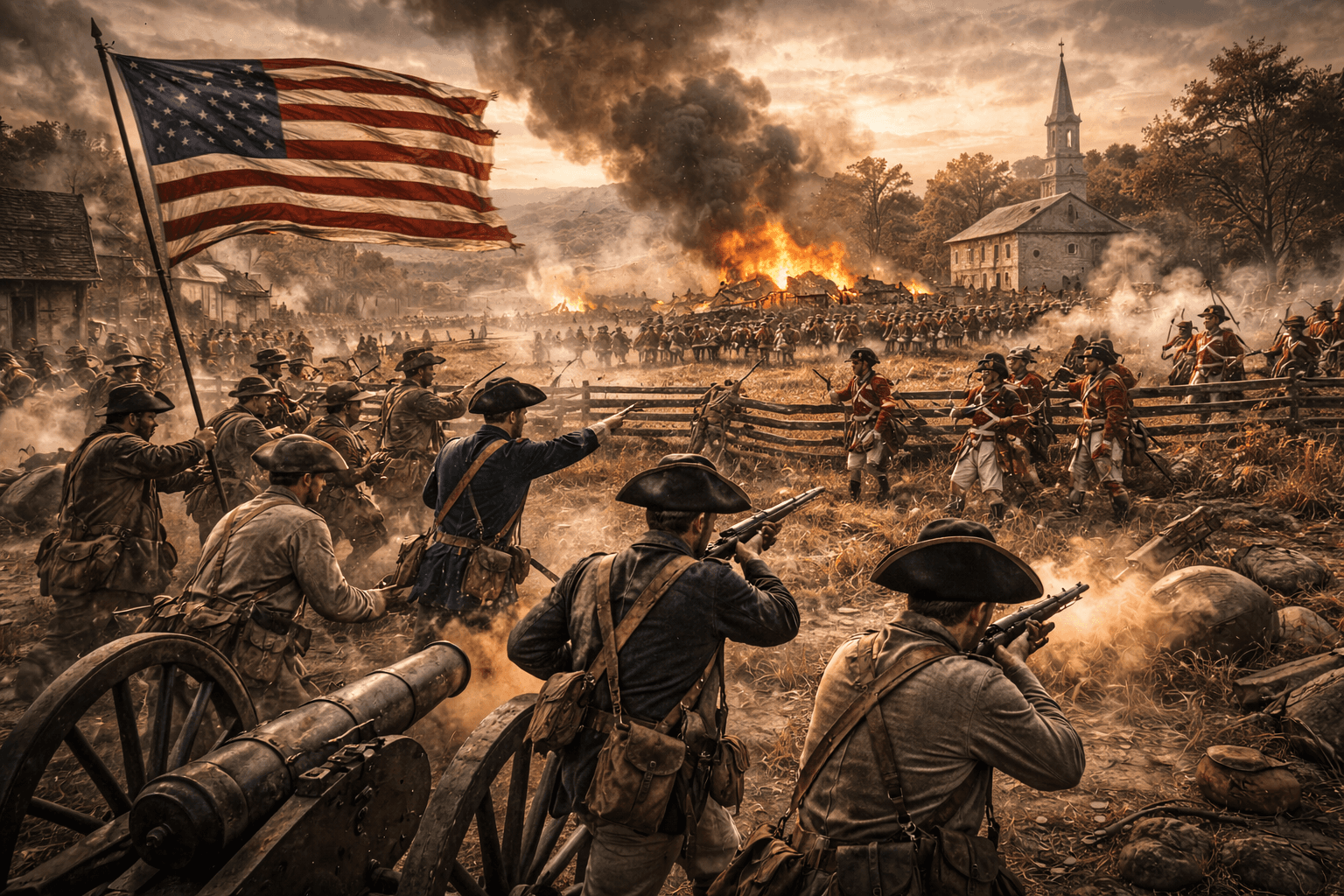
From colonial tensions to independence, this traces the birth and early struggles of the United States of America.
Read story→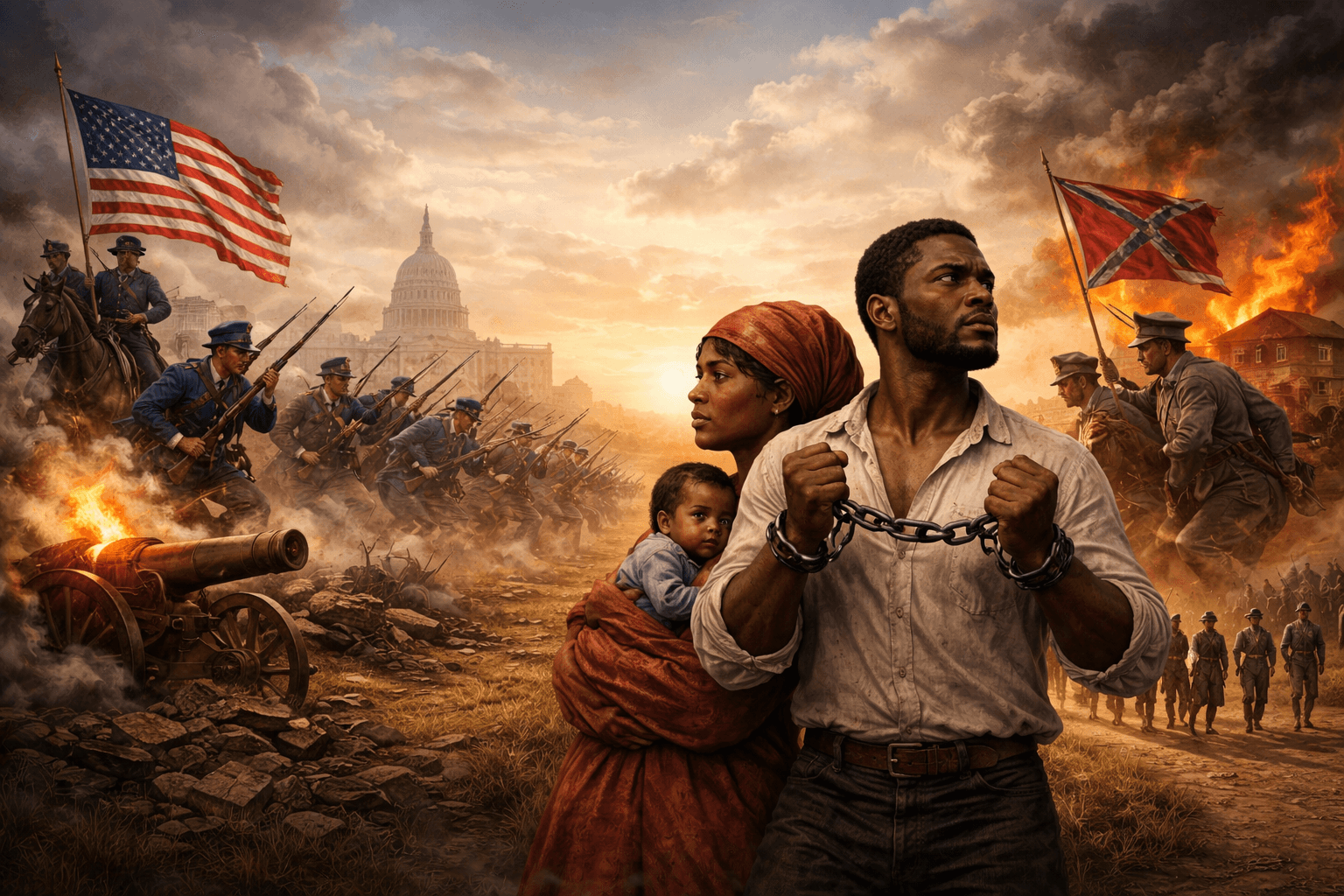
The American Civil War determined the survival of the Union and led to the abolition of slavery, fundamentally reshaping the United States.
Read story→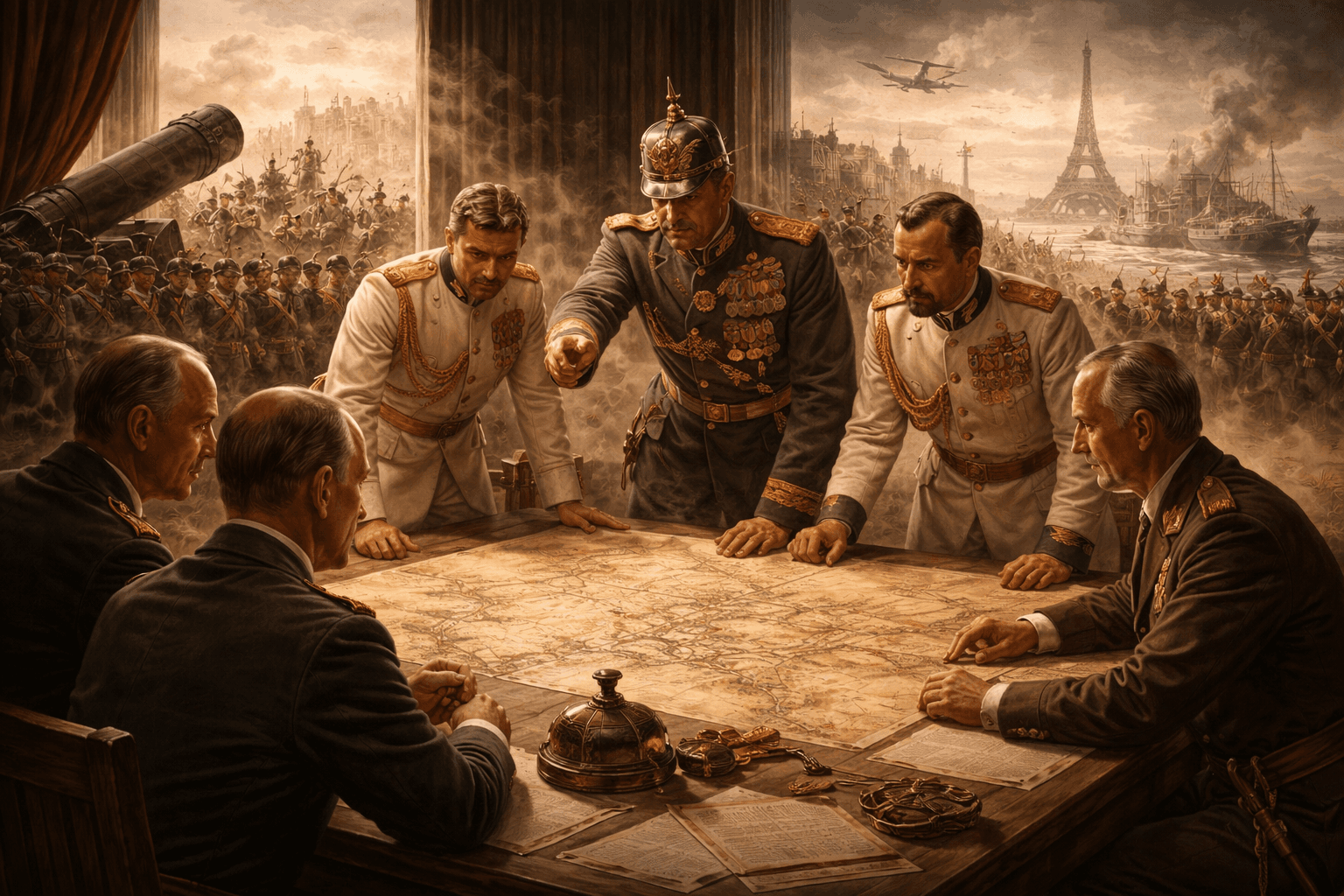
From the unification of Germany to the assassination at Sarajevo, this story traces the long fuses that ignited the First World War.
Read story→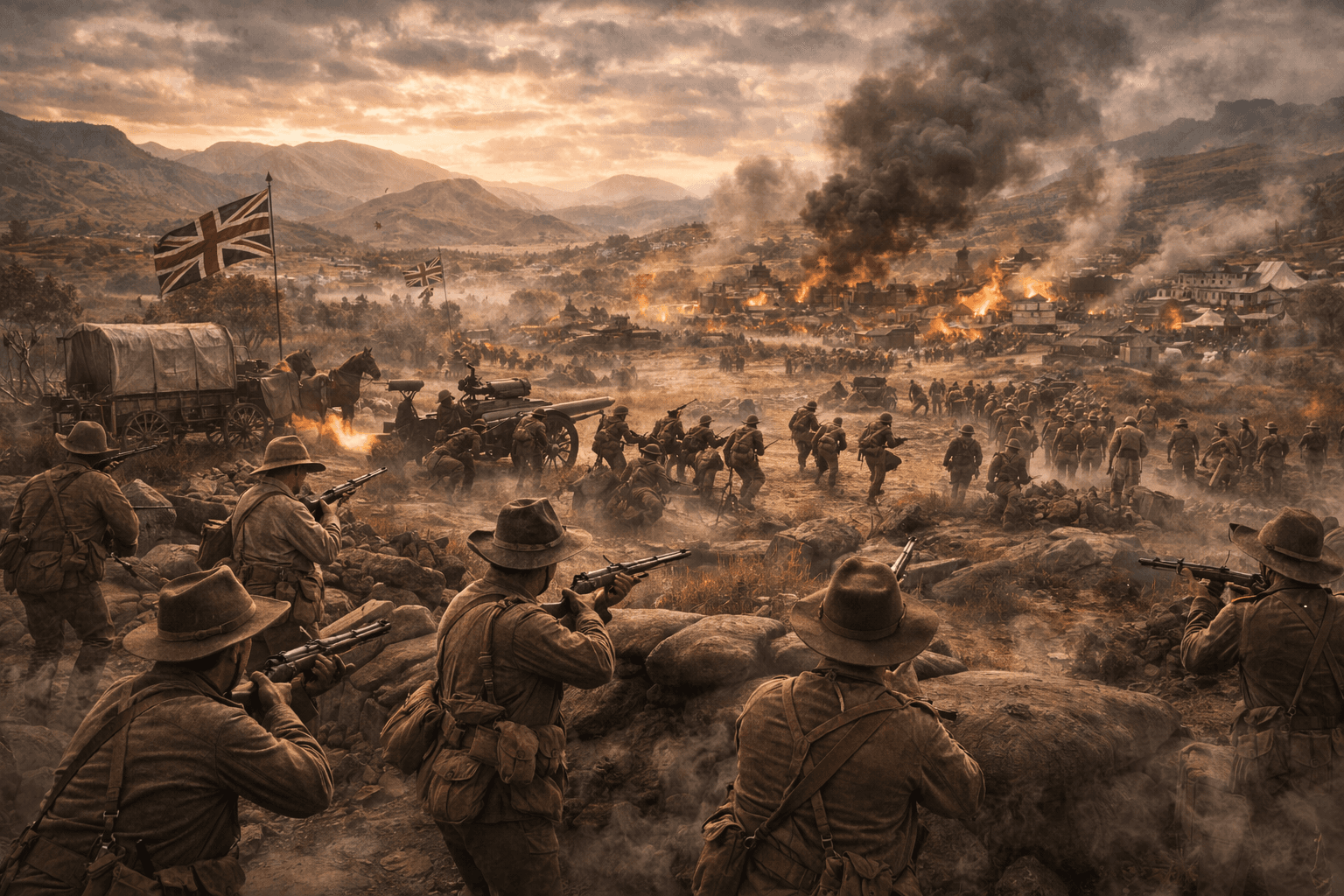
A war between Britain and Boer republics that exposed imperial costs and reshaped South Africa.
Read story→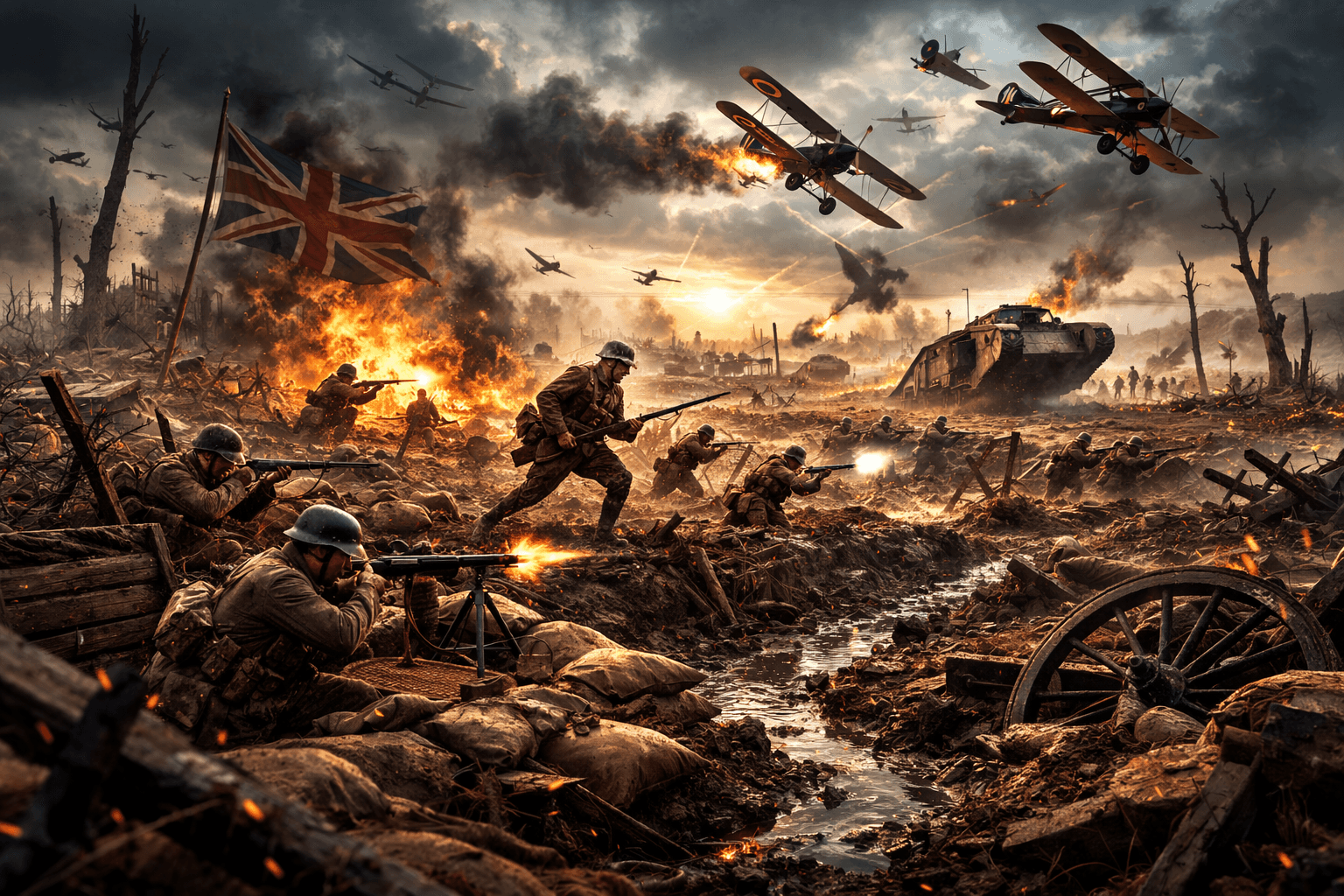
World War I reshaped empires, borders, and societies, setting the stage for World War II.
Read story→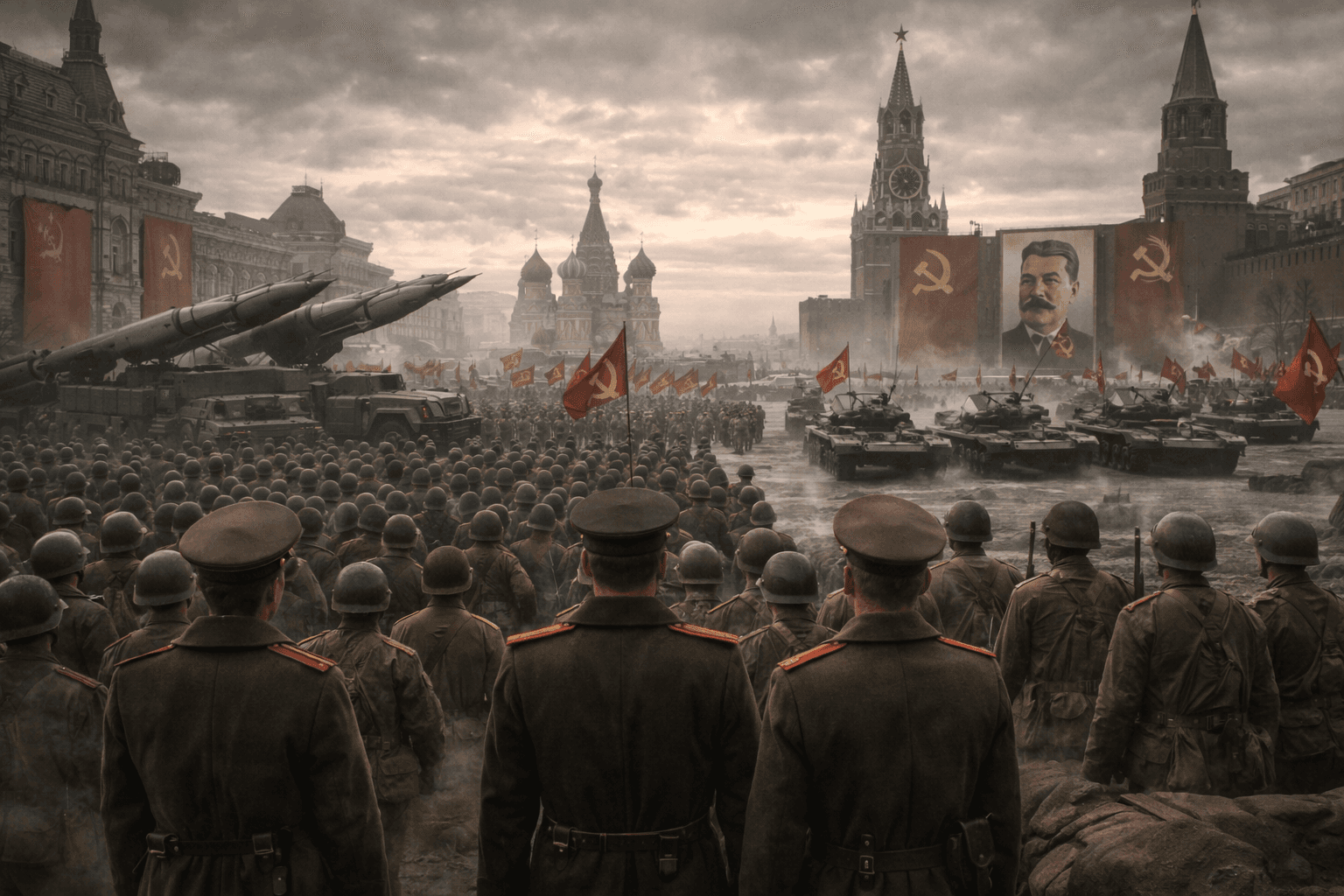
From revolution to superpower, the Soviet Union rose, struggled internally, and collapsed in 1991.
Read story→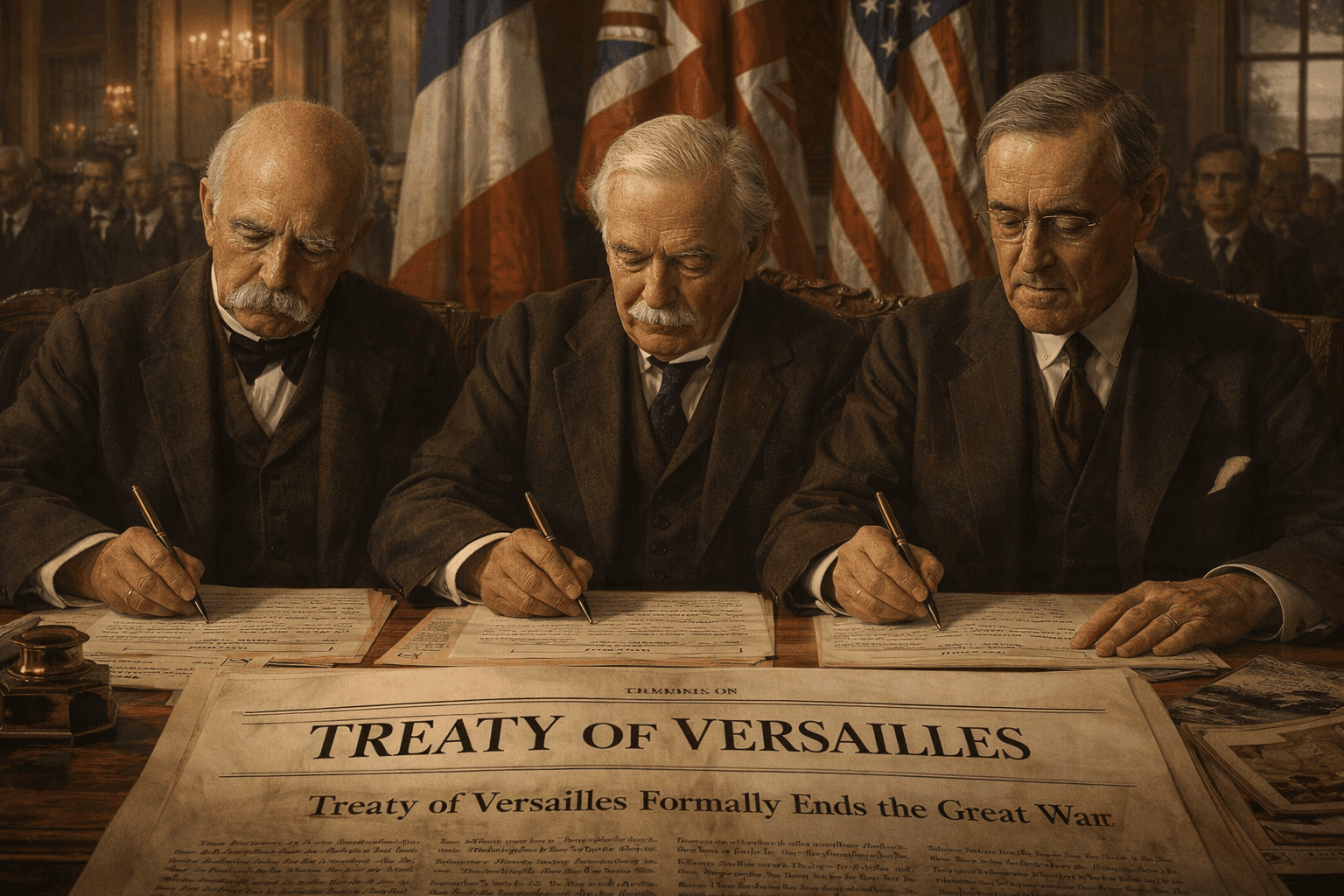
From the armistice of November 1918 to the signing of the Treaty of Versailles, this story traces how the peace settlement shaped the next two decades of world history.
Read story→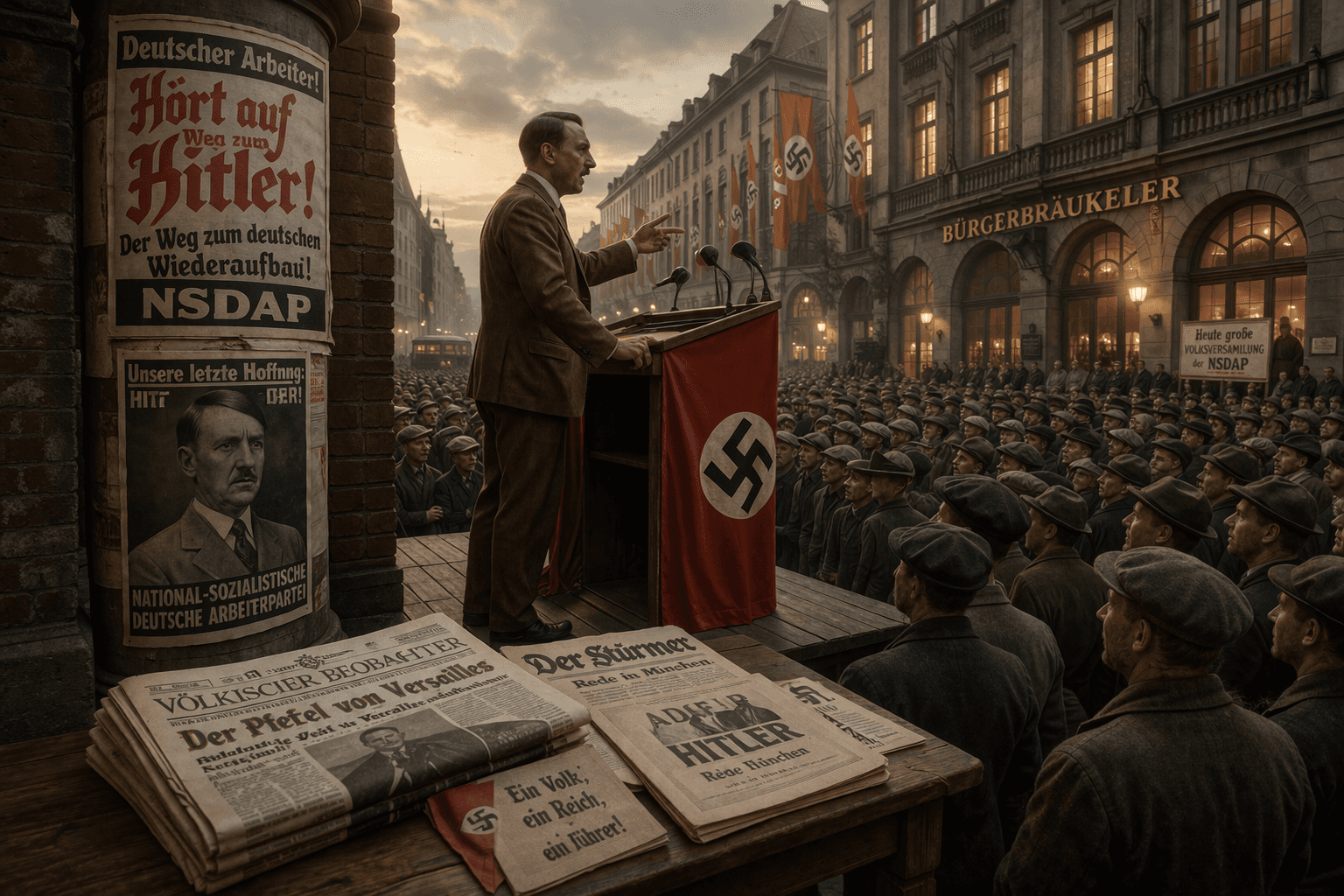
From the ashes of World War I to the Night of the Long Knives, this story traces the political rise of Adolf Hitler and the collapse of the Weimar Republic.
Read story→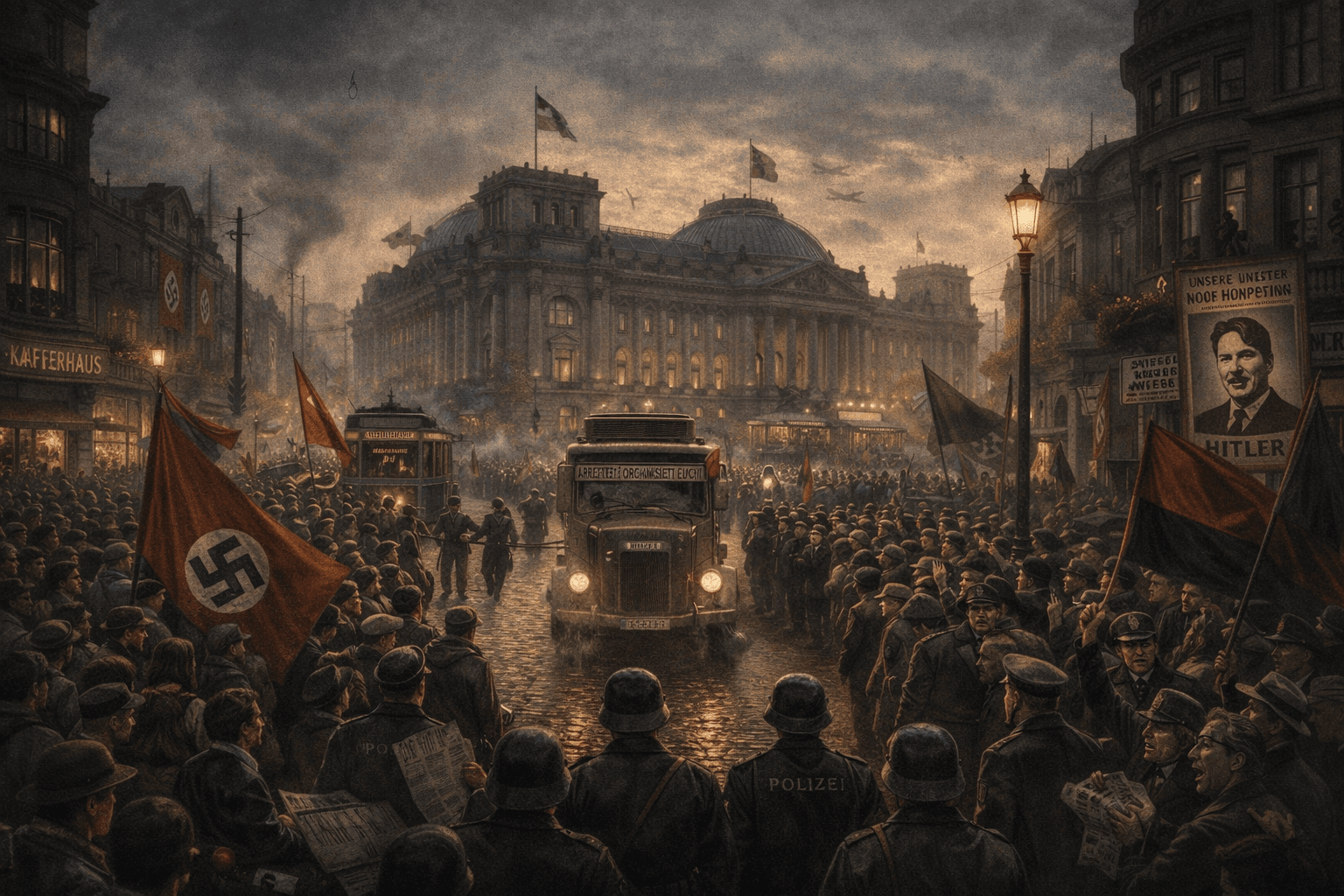
A fragile democracy marked by crisis and innovation, whose collapse paved the way for Nazi rule.
Read story→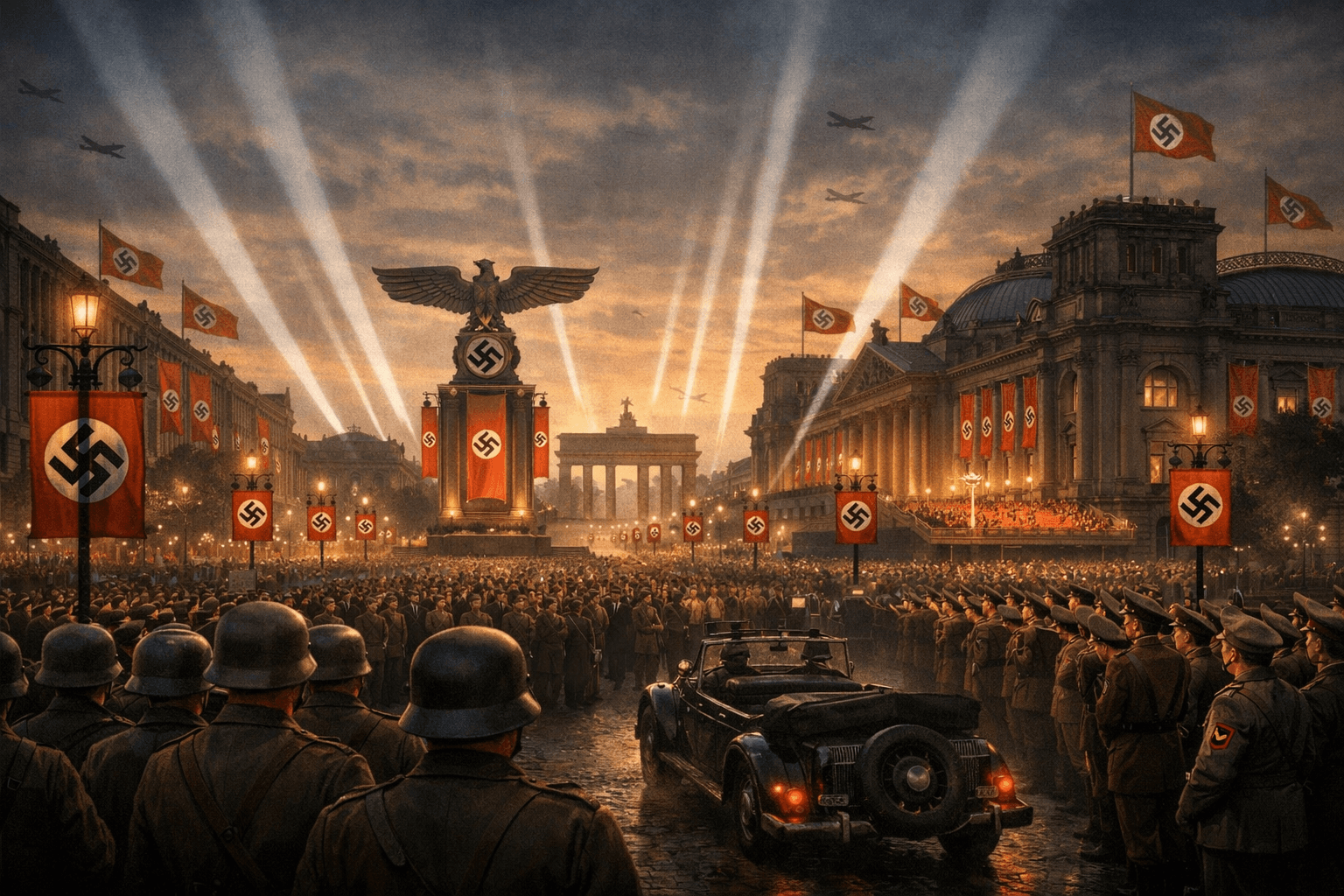
From Weimar collapse to WWII, Nazi Germany imposed totalitarian rule, expansion, and genocide.
Read story→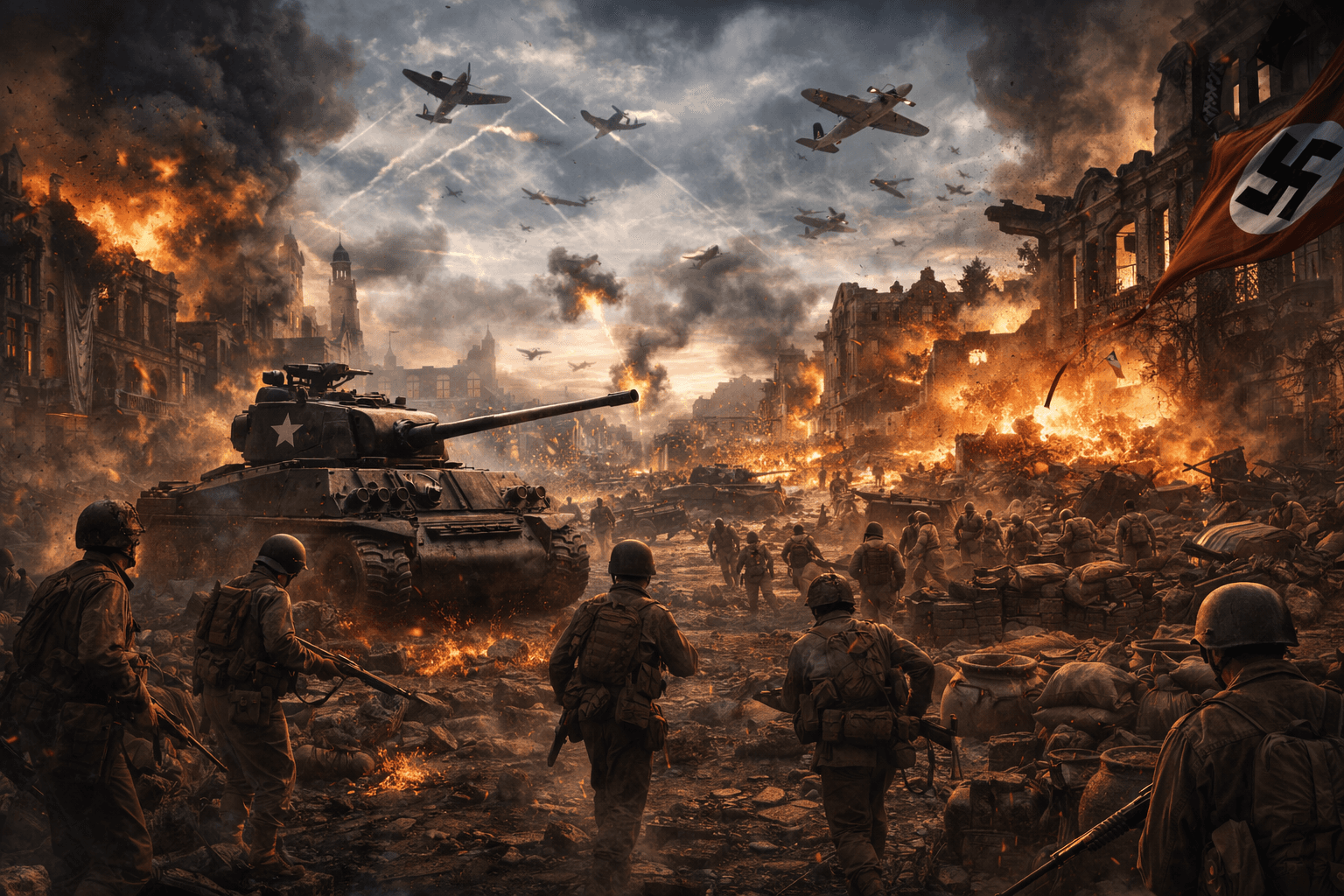
From fragile peace to global war, WWII reshaped the world through conflict, genocide, and new power orders.
Read story→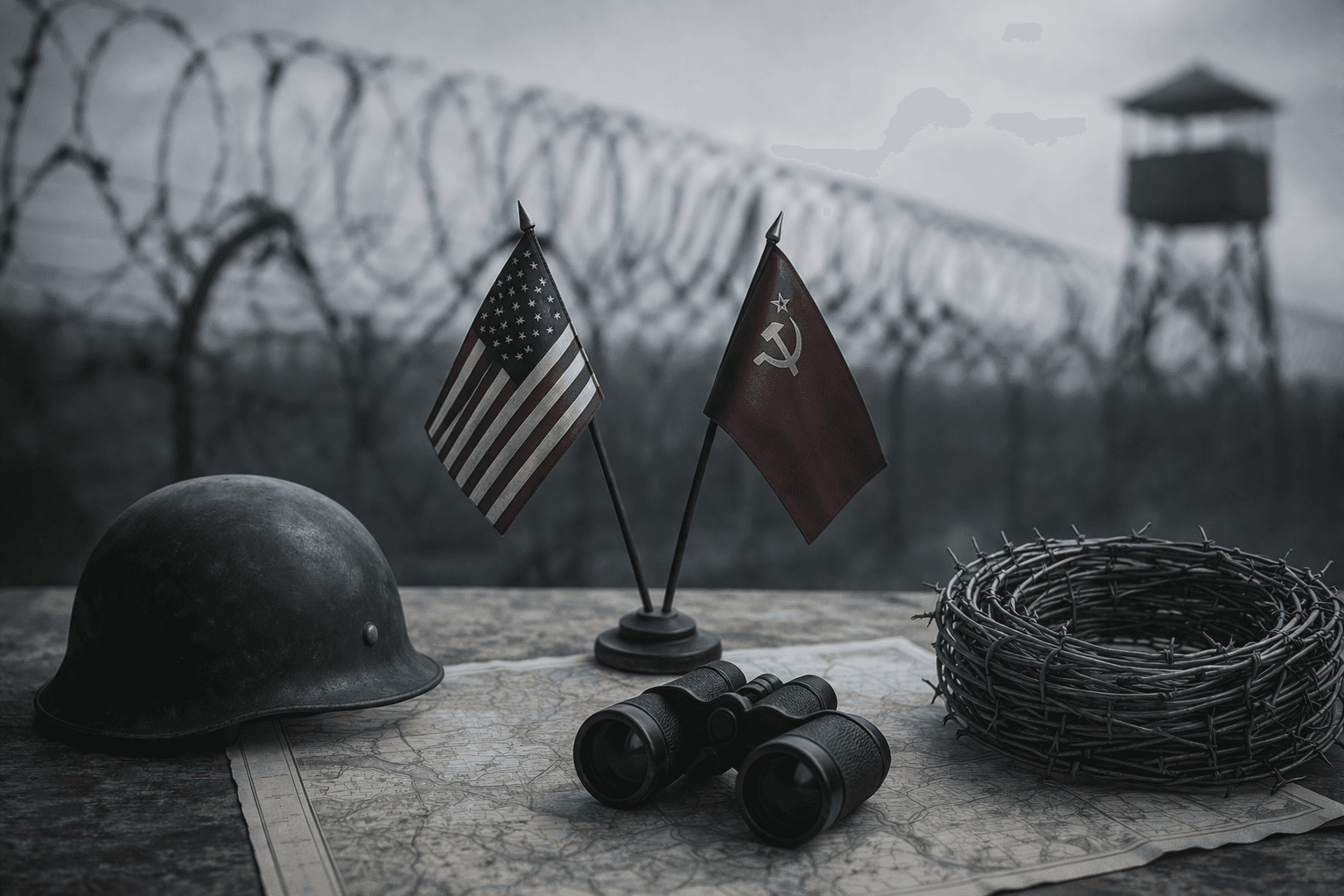
From the Grand Alliance to the Truman Doctrine, this story traces how the United States and Soviet Union shifted from wartime cooperation to global confrontation.
Read story→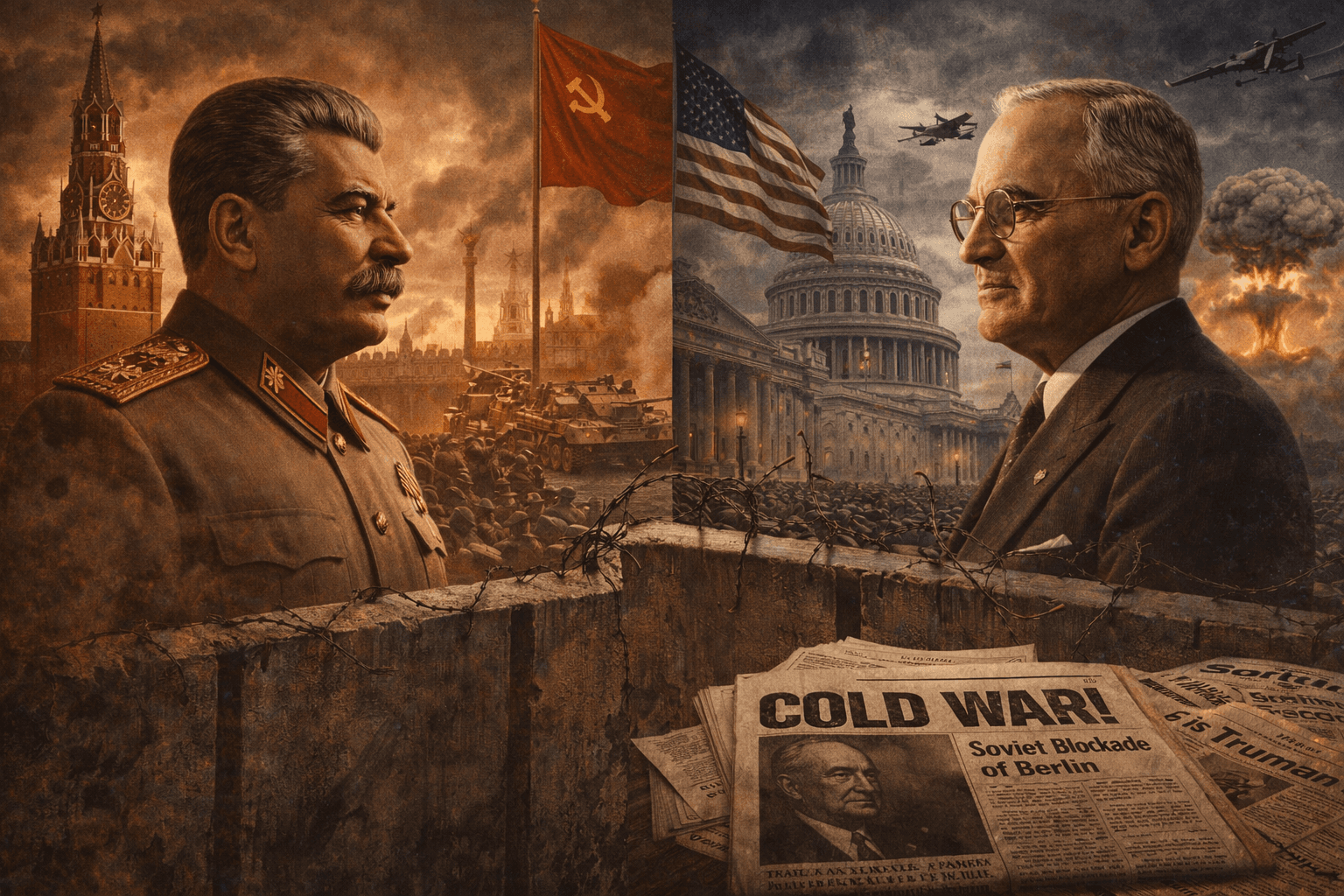
Rivalry between East and West shapes global politics - through proxy wars, propaganda, and nuclear tension.
Read story→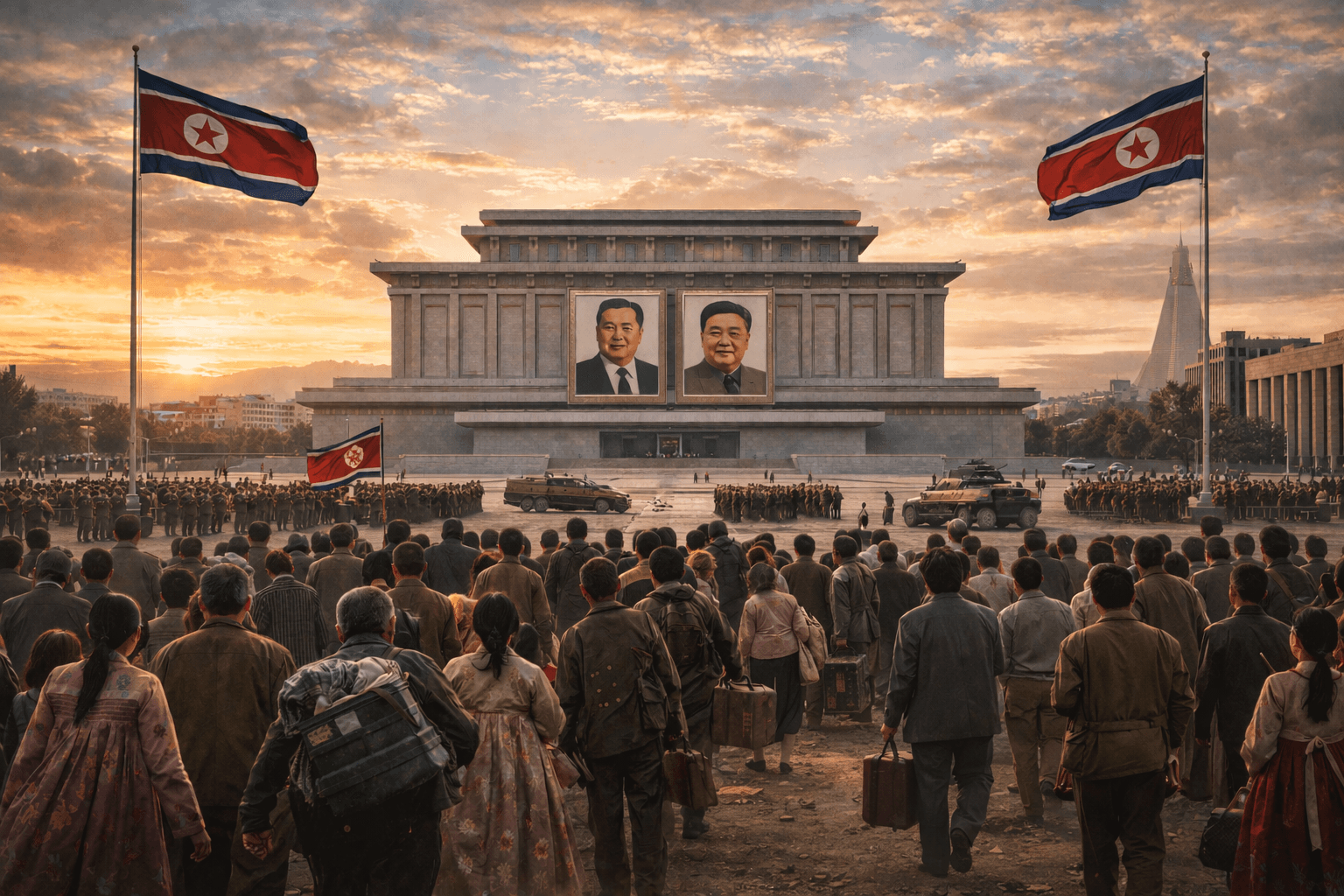
North Korea’s Kim dynasty built a nuclear-armed regime, maintaining power through crises and control.
Read story→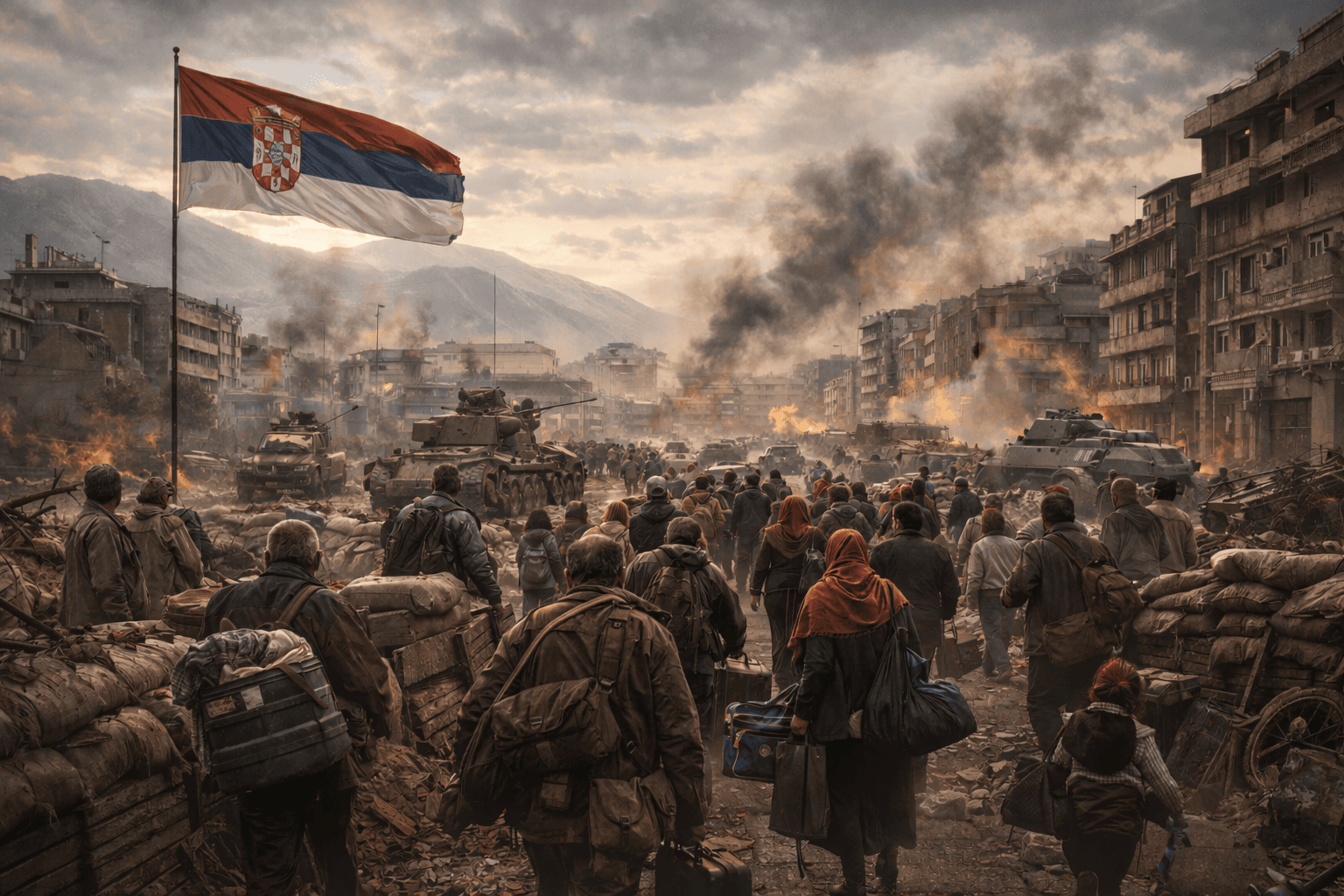
Yugoslavia fractured through crisis, nationalism, and war, collapsing violently in the 1990s.
Read story→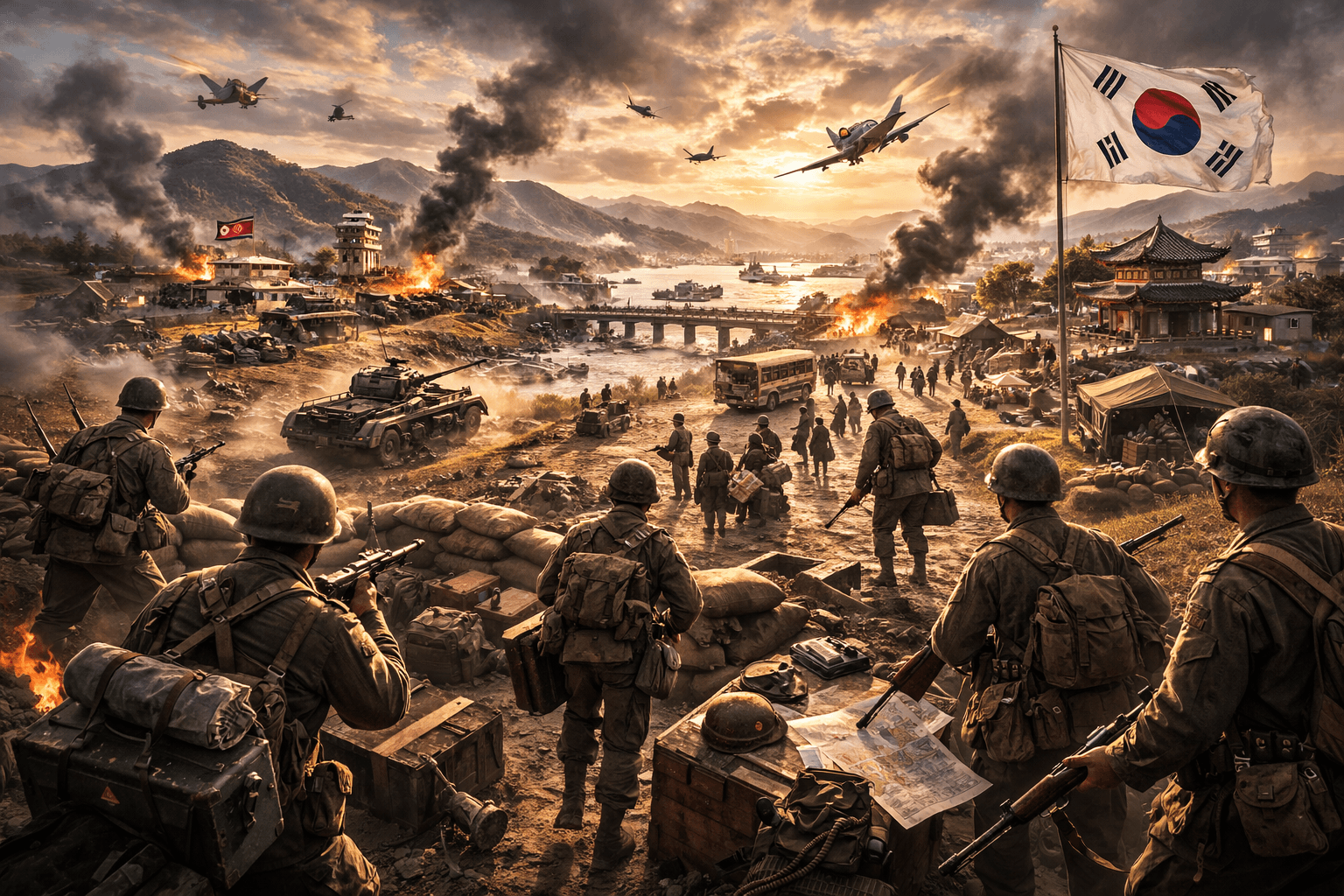
A Cold War conflict that divided Korea, ending in stalemate and a lasting unresolved border.
Read story→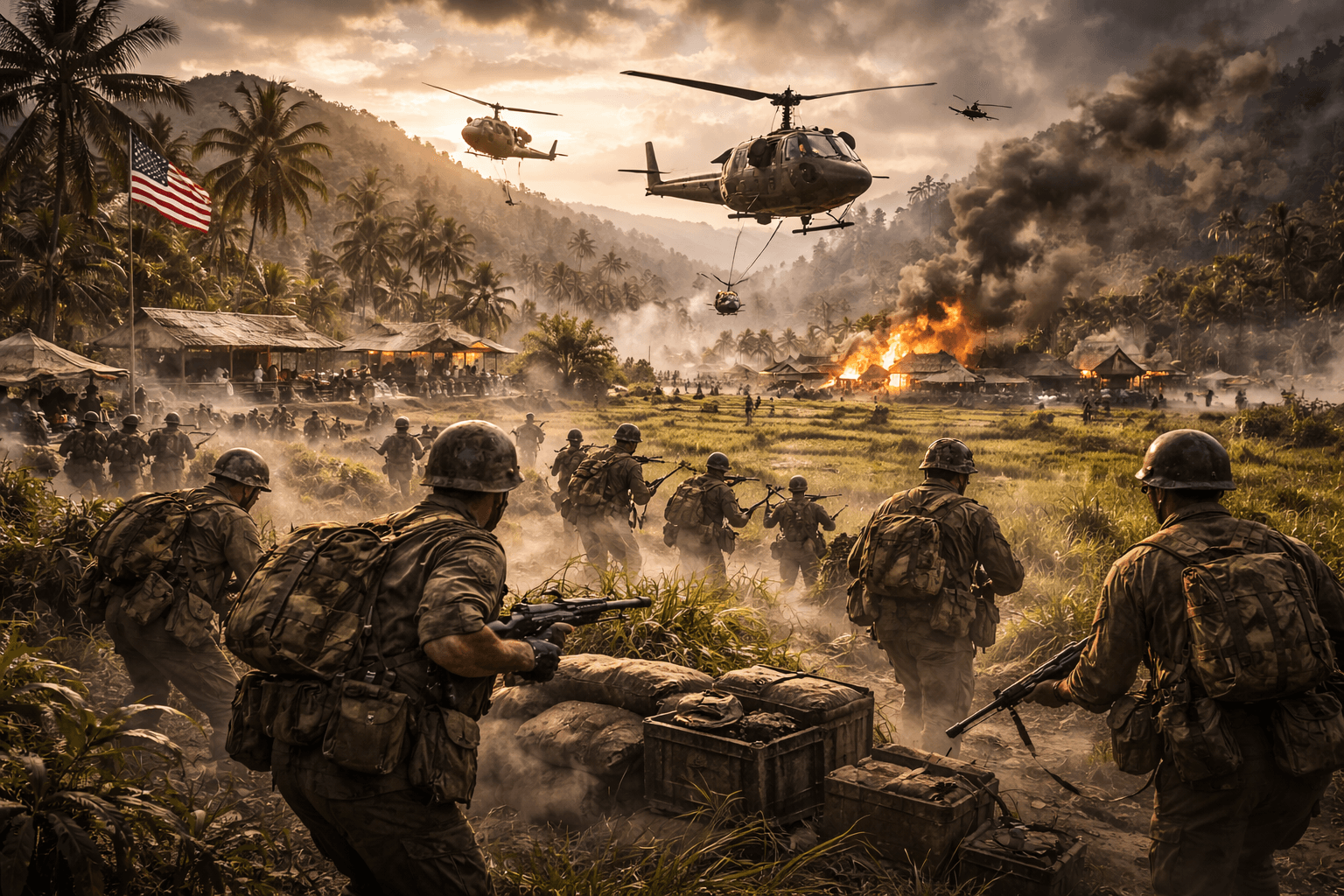
From decolonisation to Cold War conflict, the Vietnam War reshaped Southeast Asia and global politics.
Read story→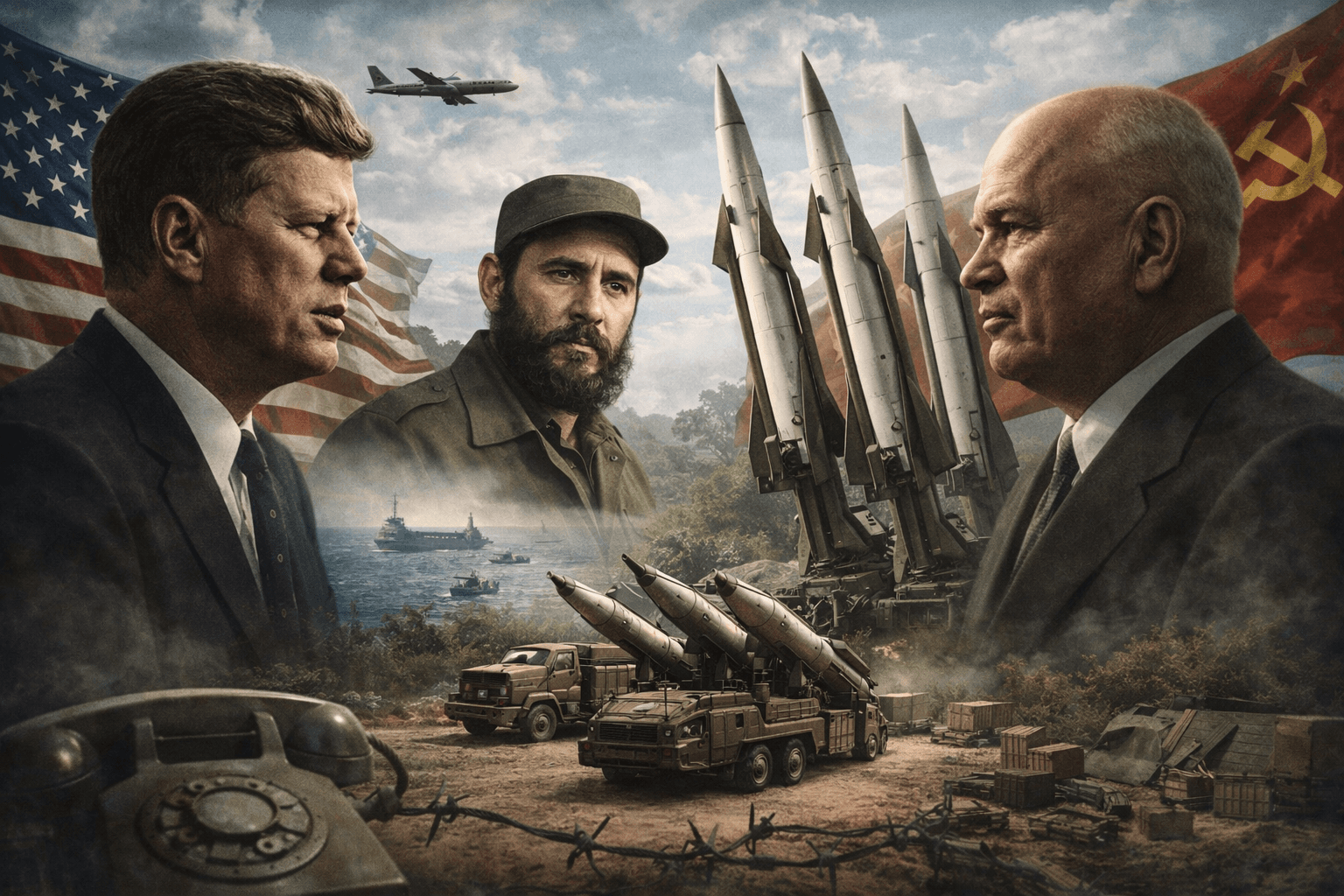
From the discovery of Soviet missiles in Cuba to the secret deal that ended the standoff, this story examines the most dangerous confrontation of the Cold War.
Read story→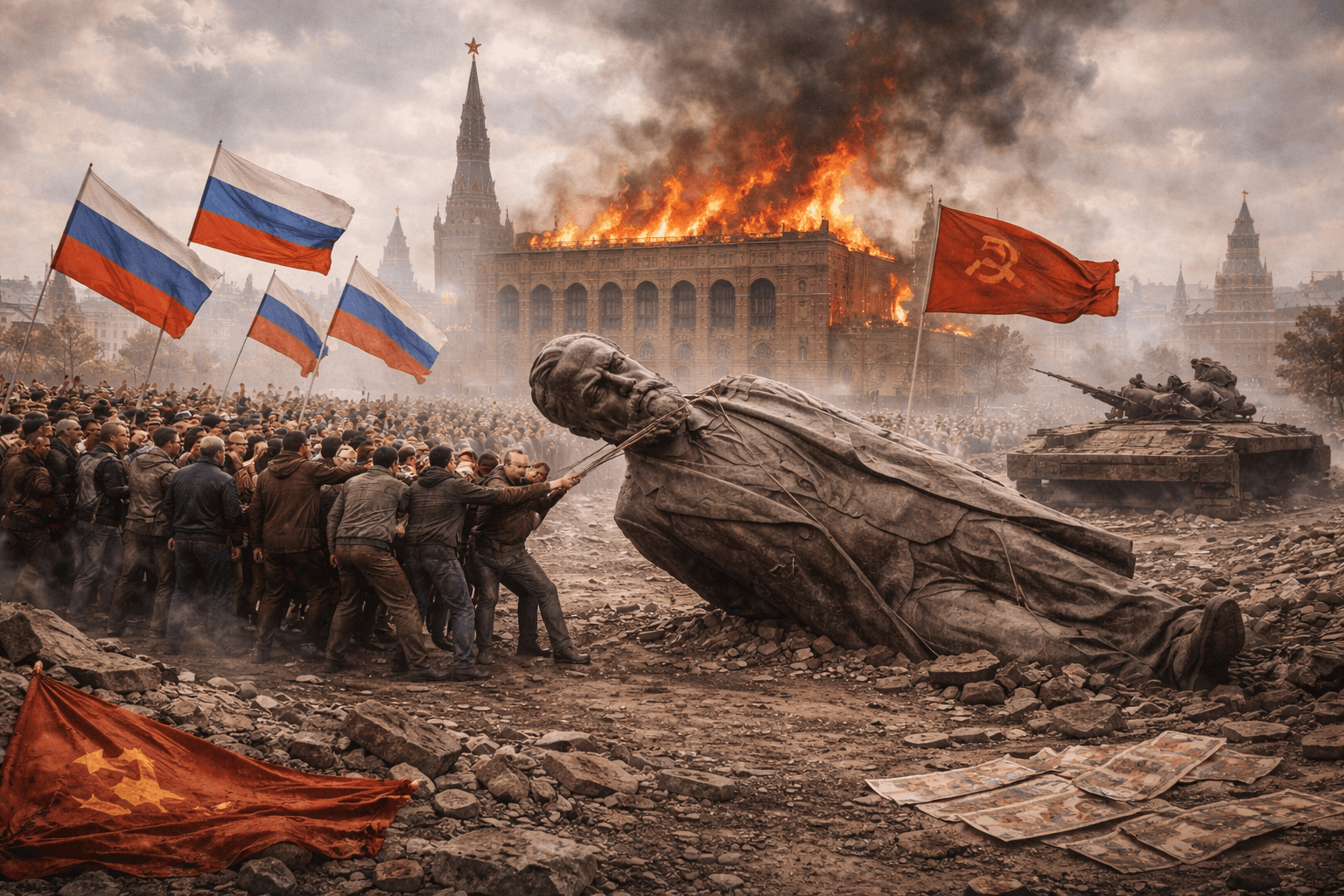
From Gorbachev’s reforms to the lowering of the Soviet flag over the Kremlin, this story traces the rapid unravelling of the USSR and the end of the Cold War.
Read story→
From the fall of the Soviet Union to the rise of China and global terrorism, this story traces the turbulent reshaping of the international order after 1991.
Read story→