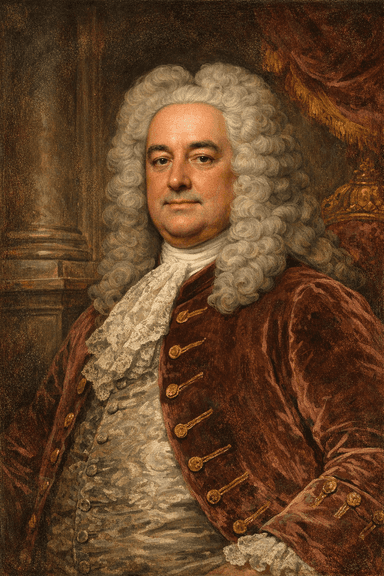
PRIME MINISTER 1
Sir Robert Walpole
1721–1742 · Whig
He quietly built the role of Britain’s first prime minister, mastering parliament and patronage while keeping a fragile kingdom stable through war scares and political intrigue.
View full profileLineage
Explore the full list of British prime ministers in chronological order, from Sir Robert Walpole in 1721 to the present day.
This timeline shows every premiership, including repeat terms, with party affiliation, key dates, and concise summaries. Switch between a visual timeline and a structured party view to understand how leadership in Britain has evolved over time.
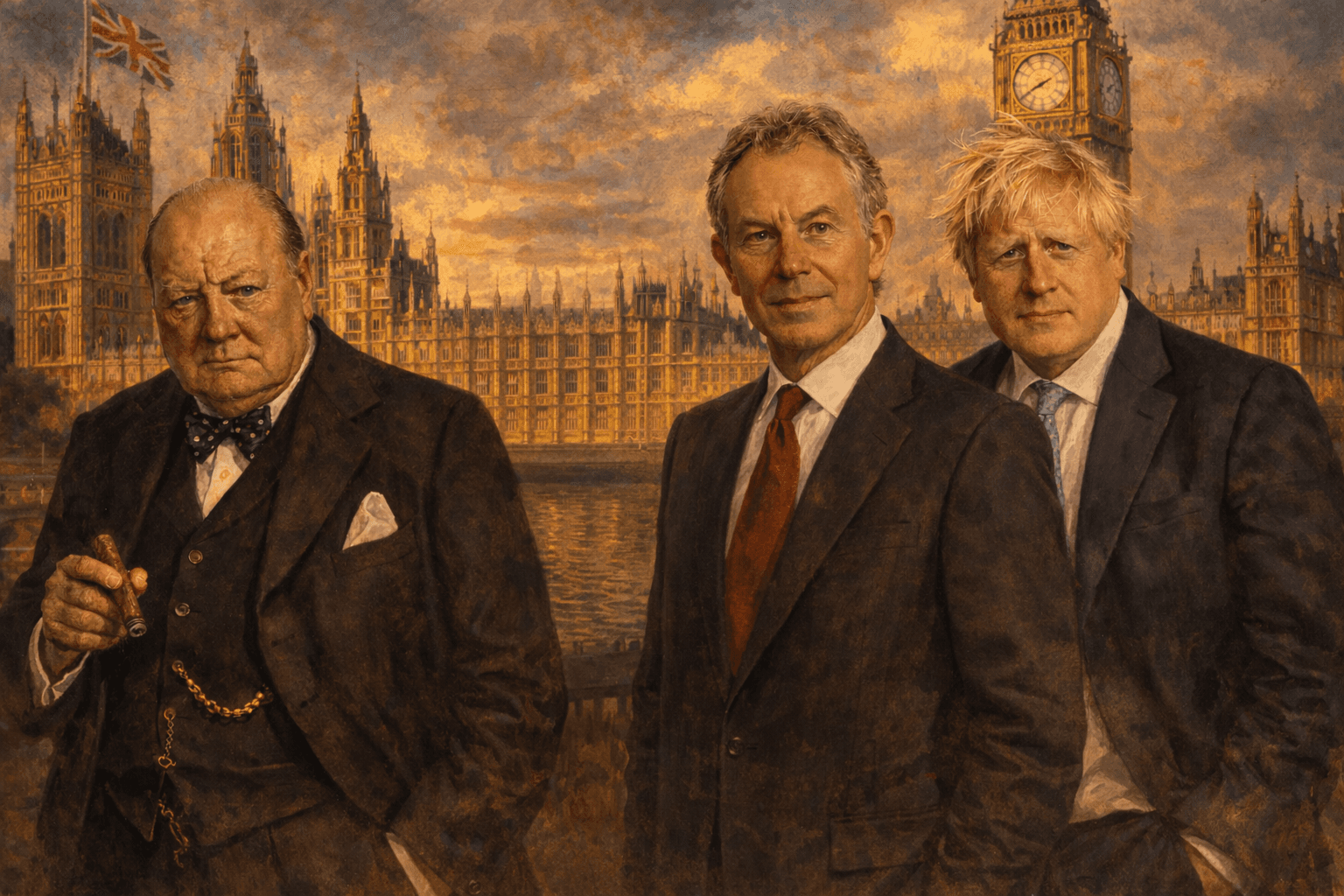
The role of prime minister was not formally defined at first. Sir Robert Walpole is generally considered the first holder of the office, though the position evolved gradually from senior ministers advising the monarch.
Over time, power shifted from the Crown to Parliament, and the prime minister became the central figure in British government. The rise of organised political parties, electoral reform in the nineteenth century, and the expansion of democracy all reshaped the office into its modern form.
This page lists every premiership in order, including multiple terms served by the same individual, to give a complete picture of political leadership in Britain.
PRIME MINISTER 1
1721–1742 · Whig
He quietly built the role of Britain’s first prime minister, mastering parliament and patronage while keeping a fragile kingdom stable through war scares and political intrigue.
View full profile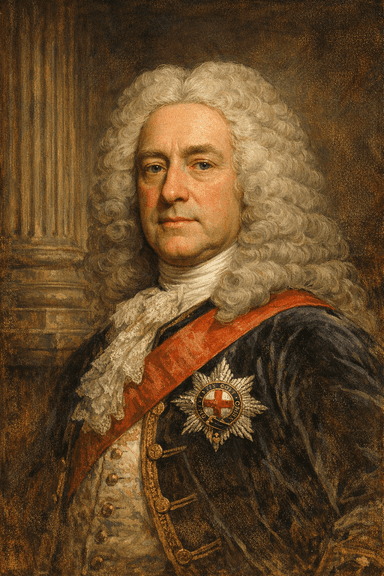
PRIME MINISTER 2
1742–1743 · Whig
He spent decades as a steady political operator, becoming prime minister almost by default when royal favour shifted, yet struggled to control the powerful forces around him.
View full profile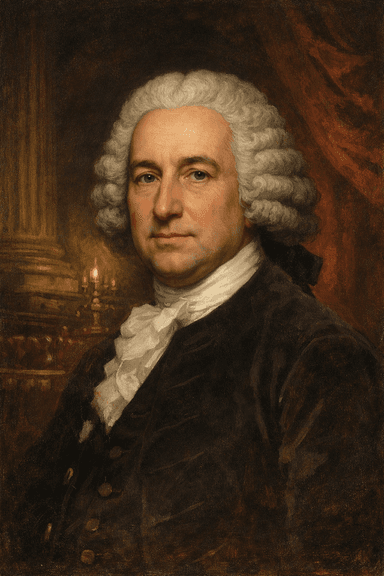
PRIME MINISTER 3
1743–1754 · Whig
He quietly stabilised Britain after years of conflict, balancing royal power and parliamentary control while building financial trust that allowed the state to recover and expand.
View full profile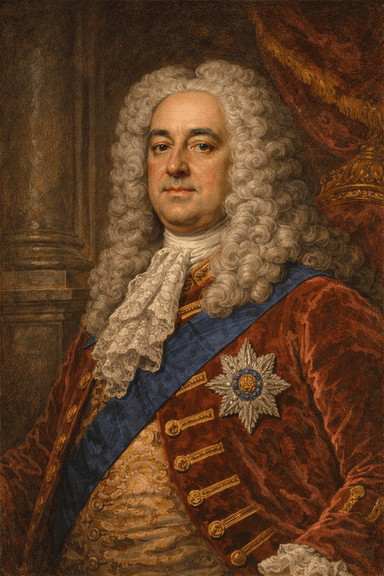
PRIME MINISTER 4
1754–1756 · Whig
He mastered elections, patronage, and political survival so completely that he could dominate government for decades without ever appearing fully in control.
View full profile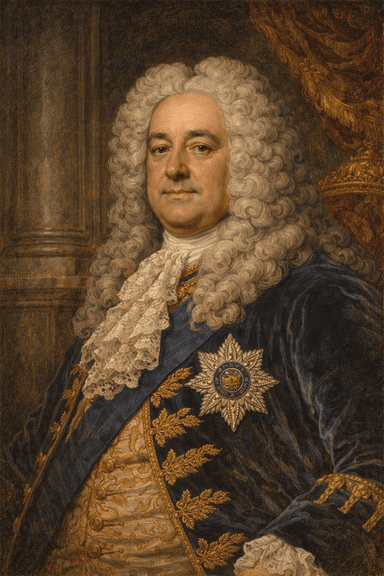
PRIME MINISTER 5
1756–1757 · Whig
He inherited immense estates and influence, then quietly steered British politics through patronage and alliances, helping shape power without seeking constant public attention.
View full profilePRIME MINISTER 6
1757–1762 · Whig
He mastered elections, patronage, and political survival so completely that he could dominate government for decades without ever appearing fully in control.
View full profile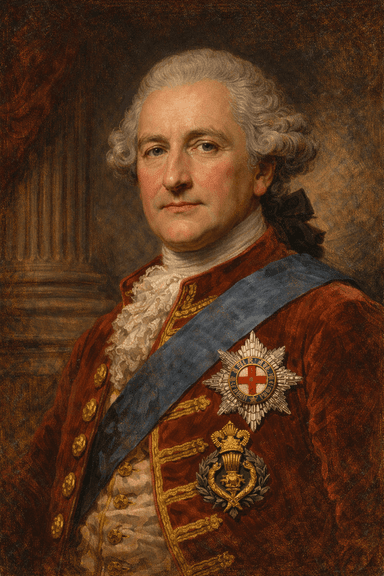
PRIME MINISTER 7
1762–1763 · Tory
He rose from royal tutor to Britain’s prime minister through personal influence over a young king, only to fall rapidly amid suspicion, hostility, and political isolation.
View full profile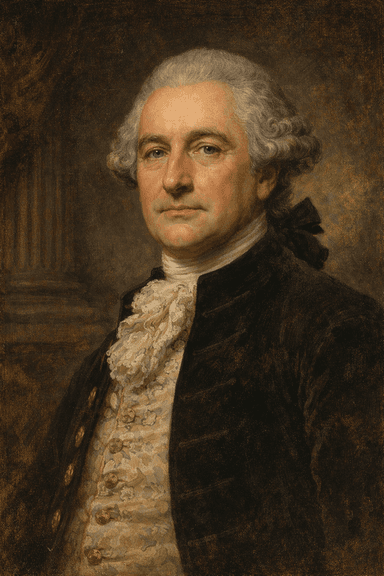
PRIME MINISTER 8
1763–1765 · Whig
He tried to tighten Britain’s grip on its American colonies through taxation, and in doing so, helped spark resistance that would eventually lead to revolution.
View full profile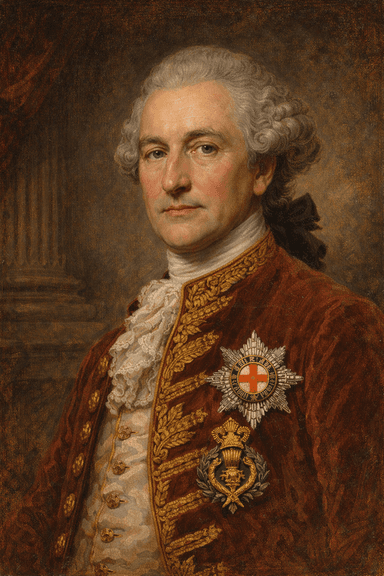
PRIME MINISTER 9
1765–1766 · Whig
He twice became prime minister during a turbulent imperial crisis, pushing for reconciliation with American colonies while trying to restrain royal influence over British politics.
View full profile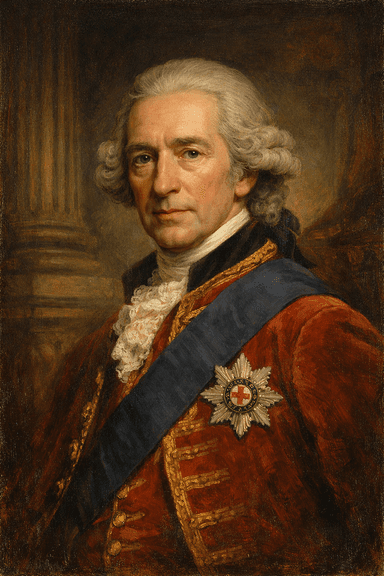
PRIME MINISTER 10
1766–1768 · Whig
He became Britain’s most commanding wartime leader during the struggle for empire, shaping victory against France before illness and politics slowly dimmed his influence.
View full profile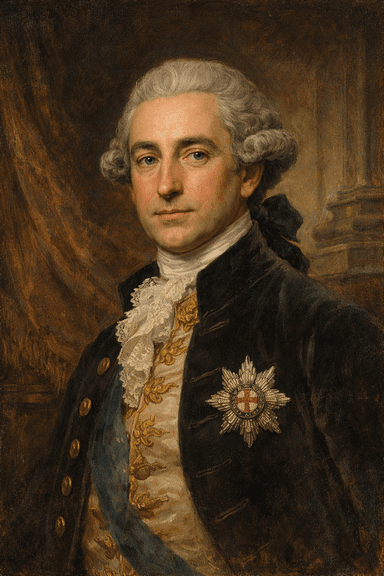
PRIME MINISTER 11
1768–1770 · Whig
He became prime minister while still young, struggled to control factional politics, and stepped aside as his government faltered under pressure from both allies and critics.
View full profile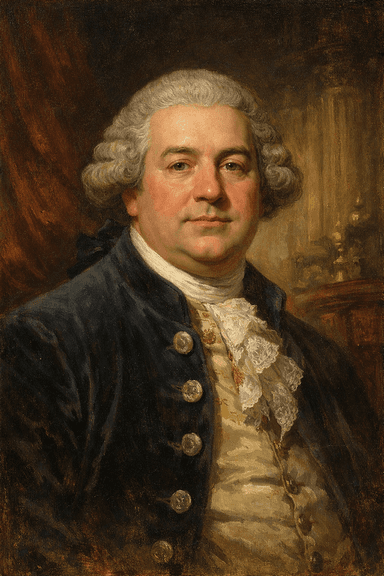
PRIME MINISTER 12
1770–1782 · Tory
He tried to manage a restless empire through compromise and control, but his decisions during the American conflict ended with Britain losing its colonies.
View full profilePRIME MINISTER 13
1782 · Whig
He twice became prime minister during a turbulent imperial crisis, pushing for reconciliation with American colonies while trying to restrain royal influence over British politics.
View full profile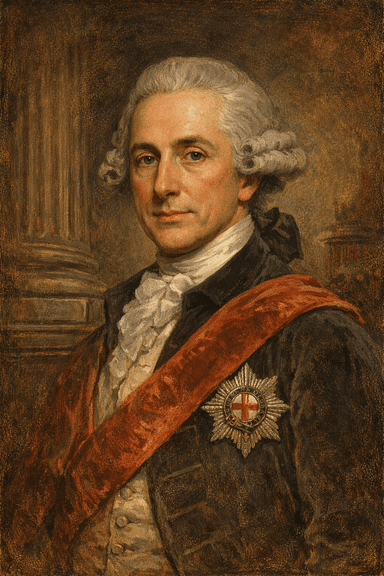
PRIME MINISTER 14
1782–1783 · Whig
He rose from aristocratic inheritance to become a reform-minded prime minister who steered Britain toward peace with America, yet left office before shaping the settlement’s long-term direction.
View full profile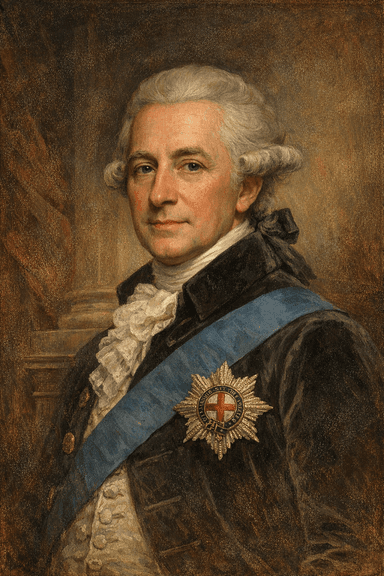
PRIME MINISTER 15
1783 · Whig Coalition
He twice served as British prime minister in moments of political strain, acting as a cautious broker between rival factions while never fully commanding the stage himself.
View full profile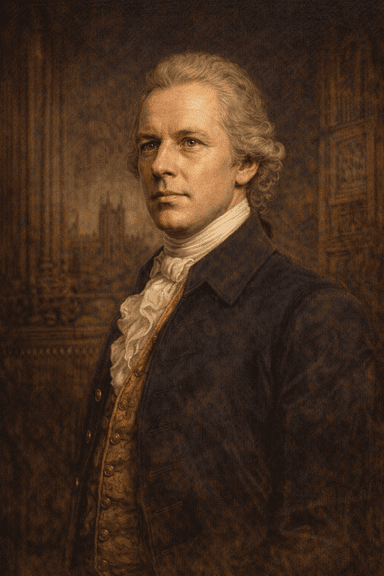
PRIME MINISTER 16
1783–1801 · Tory
He became prime minister at twenty-four, was widely expected to fail within months, and governed Britain for nearly twenty years through revolution, war, and the threat of Napoleon.
View full profile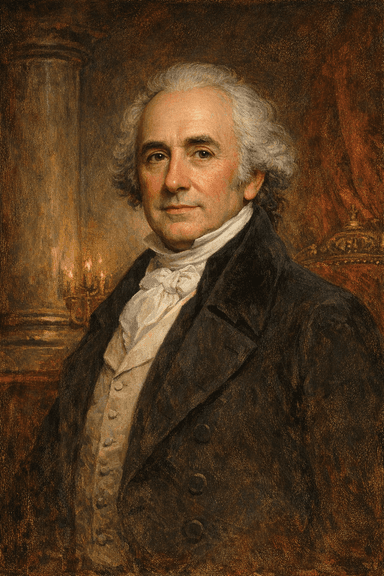
PRIME MINISTER 17
1801–1804 · Tory
He stepped from the Speaker’s chair into the role of prime minister during wartime uncertainty, negotiated a fragile peace, and later became a firm hand in domestic repression.
View full profilePRIME MINISTER 18
1804–1806 · Tory
He became prime minister at twenty-four, was widely expected to fail within months, and governed Britain for nearly twenty years through revolution, war, and the threat of Napoleon.
View full profile
PRIME MINISTER 19
1806–1807 · Whig
He led Britain through a tense moment in the Napoleonic era and helped push through the abolition of the slave trade, reshaping both foreign policy and moral direction.
View full profilePRIME MINISTER 20
1807–1809 · Tory
He twice served as British prime minister in moments of political strain, acting as a cautious broker between rival factions while never fully commanding the stage himself.
View full profile
PRIME MINISTER 21
1809–1812 · Tory
He led Britain through economic strain and war with France, only to become the only British prime minister ever assassinated, shot inside Parliament itself.
View full profile
PRIME MINISTER 22
1812–1827 · Tory
He steered Britain through the final defeat of Napoleon and into uneasy peace, balancing reform fears with stability in a society strained by war and change.
View full profile
PRIME MINISTER 23
1827 · Tory
He climbed from financial insecurity to the highest office in Britain, but his brief time as prime minister ended almost as soon as it began.
View full profile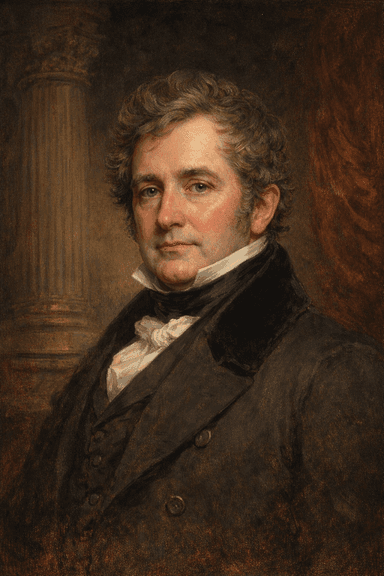
PRIME MINISTER 24
1827–1828 · Tory
He rose through finance and diplomacy to briefly become prime minister, only to preside over a government so fragile it collapsed within months.
View full profile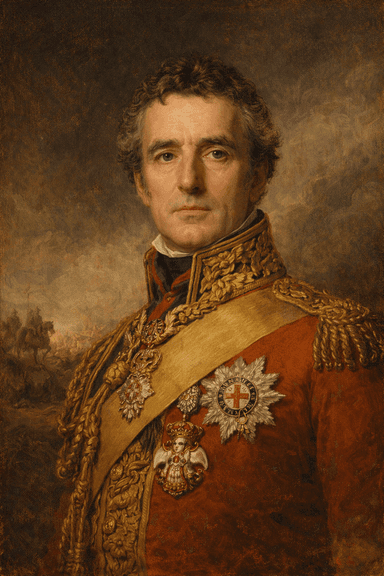
PRIME MINISTER 25
1828–1830 · Tory
He built his reputation defeating Napoleon in a final showdown at Waterloo, then carried that authority into politics, shaping Britain long after the cannons fell silent.
View full profile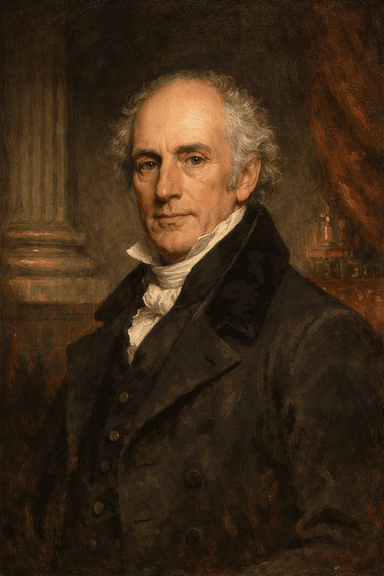
PRIME MINISTER 26
1830–1834 · Whig
He spent decades pressing for political reform, then as prime minister forced through the 1832 Reform Act and helped redraw the rules of British public life.
View full profile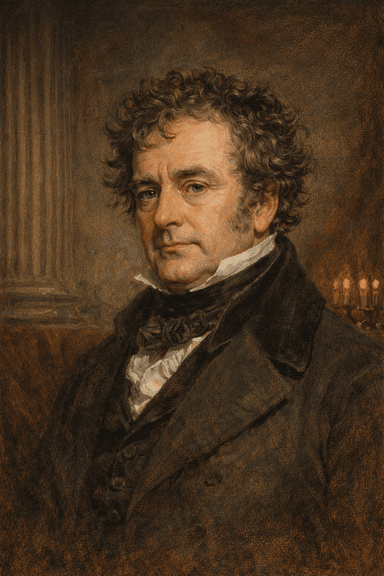
PRIME MINISTER 27
1834 · Whig
He drifted into power almost reluctantly, yet became the steady guide of a young queen, shaping early Victorian politics through calm judgement rather than dramatic ambition.
View full profilePRIME MINISTER 28
1834 · Tory
He built his reputation defeating Napoleon in a final showdown at Waterloo, then carried that authority into politics, shaping Britain long after the cannons fell silent.
View full profile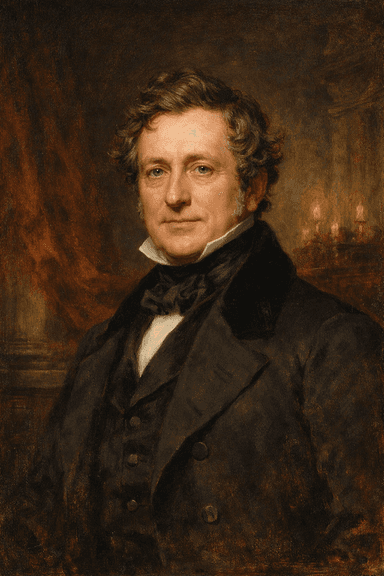
PRIME MINISTER 29
1834–1835 · Conservative
He built modern policing in London and split his own party to repeal grain tariffs, choosing economic stability over political survival in a move that reshaped British politics.
View full profilePRIME MINISTER 30
1835–1841 · Whig
He drifted into power almost reluctantly, yet became the steady guide of a young queen, shaping early Victorian politics through calm judgement rather than dramatic ambition.
View full profilePRIME MINISTER 31
1841–1846 · Conservative
He built modern policing in London and split his own party to repeal grain tariffs, choosing economic stability over political survival in a move that reshaped British politics.
View full profile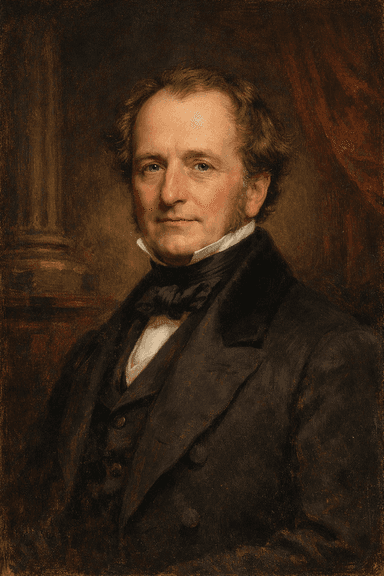
PRIME MINISTER 32
1846–1852 · Whig
He spent decades pushing Britain toward broader democracy, championing reform laws that reshaped Parliament while twice serving as prime minister during an era of political change.
View full profile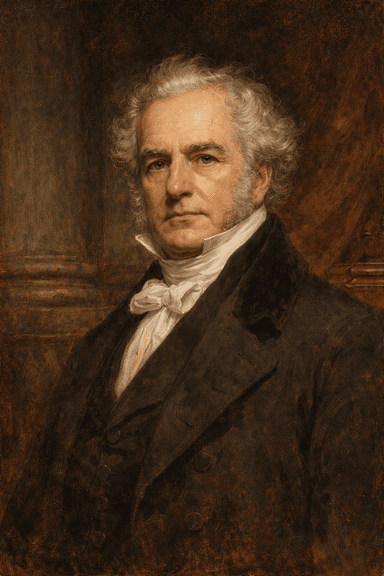
PRIME MINISTER 33
1852 · Conservative
He led Britain three times without ever securing lasting control, shaping modern Conservative identity while proving how fragile power could be in a divided political age.
View full profile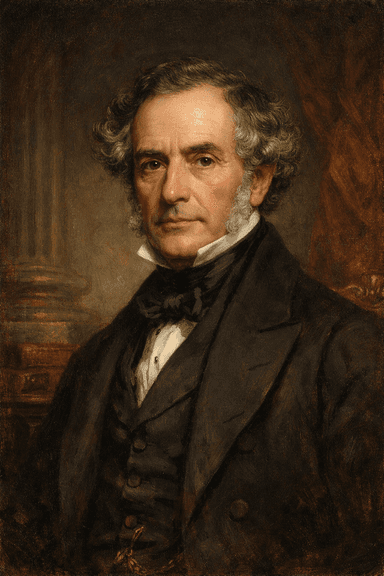
PRIME MINISTER 34
1852–1855 · Peelite Coalition
He preferred quiet diplomacy to loud politics, yet found himself leading Britain into the Crimean War, a conflict that tested his cautious instincts and ended his premiership.
View full profile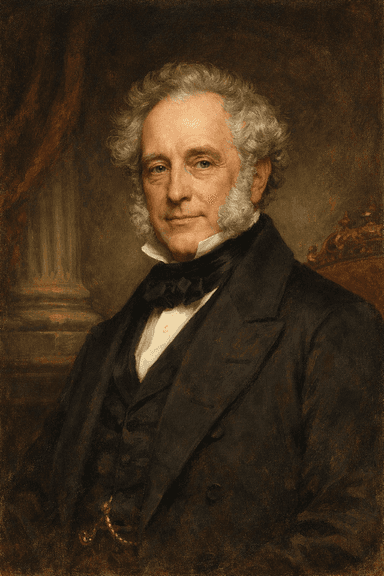
PRIME MINISTER 35
1855–1858 · Liberal
He spent decades shaping British foreign policy with bold confidence, becoming prime minister late in life and turning national pride into a political weapon.
View full profilePRIME MINISTER 36
1858–1859 · Conservative
He led Britain three times without ever securing lasting control, shaping modern Conservative identity while proving how fragile power could be in a divided political age.
View full profilePRIME MINISTER 37
1859–1865 · Liberal
He spent decades shaping British foreign policy with bold confidence, becoming prime minister late in life and turning national pride into a political weapon.
View full profilePRIME MINISTER 38
1865–1866 · Liberal
He spent decades pushing Britain toward broader democracy, championing reform laws that reshaped Parliament while twice serving as prime minister during an era of political change.
View full profilePRIME MINISTER 39
1866–1868 · Conservative
He led Britain three times without ever securing lasting control, shaping modern Conservative identity while proving how fragile power could be in a divided political age.
View full profile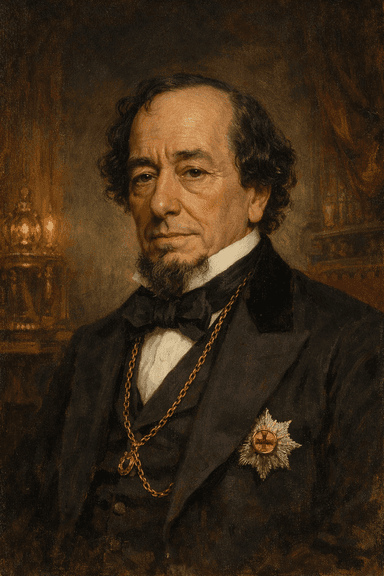
PRIME MINISTER 40
1868 · Conservative
He transformed himself from an outsider mocked in Parliament into a dominant prime minister who reshaped British conservatism and expanded imperial ambition with calculated flair.
View full profile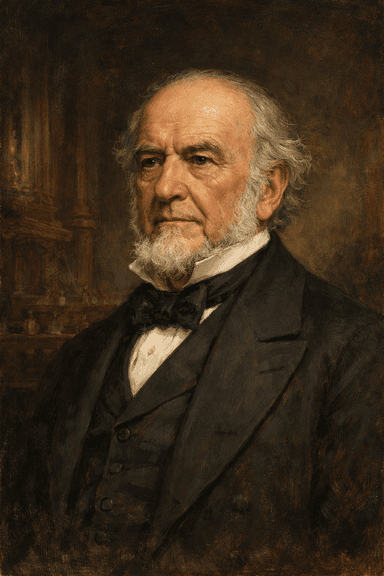
PRIME MINISTER 41
1868–1874 · Liberal
He reshaped British politics through relentless reform, moral conviction, and fierce rivalry, returning to power repeatedly even as age and controversy threatened to end his influence.
View full profilePRIME MINISTER 42
1874–1880 · Conservative
He transformed himself from an outsider mocked in Parliament into a dominant prime minister who reshaped British conservatism and expanded imperial ambition with calculated flair.
View full profilePRIME MINISTER 43
1880–1885 · Liberal
He reshaped British politics through relentless reform, moral conviction, and fierce rivalry, returning to power repeatedly even as age and controversy threatened to end his influence.
View full profile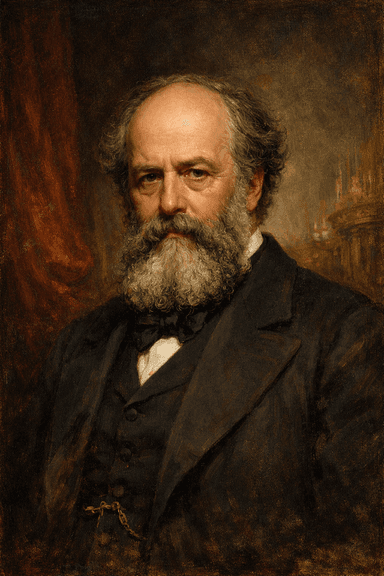
PRIME MINISTER 44
1885–1886 · Conservative
He distrusted democracy yet led Britain repeatedly as prime minister, steering imperial policy with cold realism while quietly shaping the balance of power across Europe.
View full profilePRIME MINISTER 45
1886 · Liberal
He reshaped British politics through relentless reform, moral conviction, and fierce rivalry, returning to power repeatedly even as age and controversy threatened to end his influence.
View full profilePRIME MINISTER 46
1886–1892 · Conservative
He distrusted democracy yet led Britain repeatedly as prime minister, steering imperial policy with cold realism while quietly shaping the balance of power across Europe.
View full profilePRIME MINISTER 47
1892–1894 · Liberal
He reshaped British politics through relentless reform, moral conviction, and fierce rivalry, returning to power repeatedly even as age and controversy threatened to end his influence.
View full profile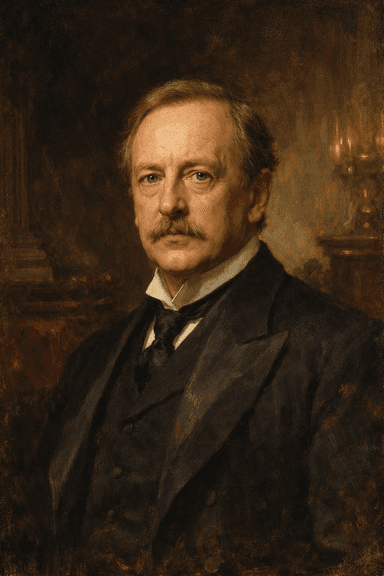
PRIME MINISTER 48
1894–1895 · Liberal
He inherited wealth and ambition, briefly became prime minister without strong party backing, and spent the rest of his life reflecting on power he never fully controlled.
View full profilePRIME MINISTER 49
1895–1902 · Conservative
He distrusted democracy yet led Britain repeatedly as prime minister, steering imperial policy with cold realism while quietly shaping the balance of power across Europe.
View full profile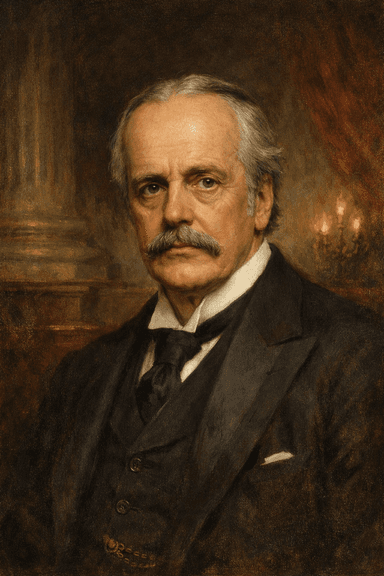
PRIME MINISTER 50
1902–1905 · Conservative
He led Britain during a restless imperial era, but his name became permanently tied to a single wartime letter that reshaped the politics of the Middle East.
View full profile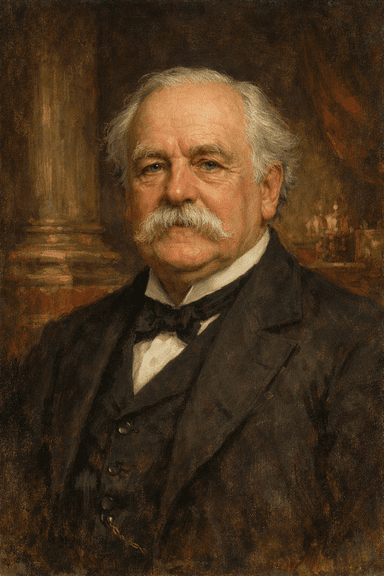
PRIME MINISTER 51
1905–1908 · Liberal
He spent decades in politics before unexpectedly leading a landslide victory, becoming prime minister and quietly reshaping British liberalism toward reform and reduced imperial aggression.
View full profile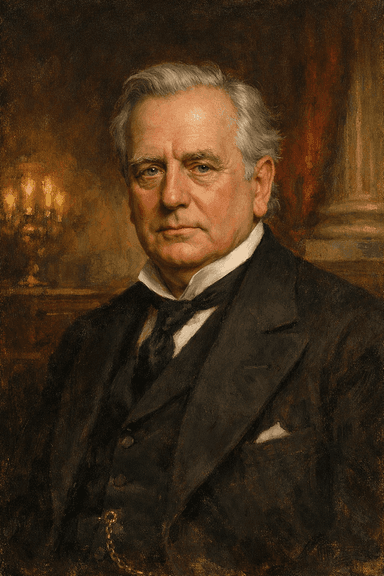
PRIME MINISTER 52
1908–1916 · Liberal
He led Britain into the First World War with calm confidence, yet the strain of total war quietly eroded his authority and ended his political dominance.
View full profile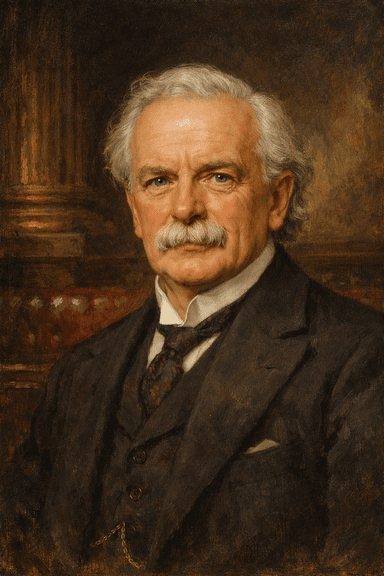
PRIME MINISTER 53
1916–1922 · Liberal Coalition
He guided Britain to victory in the First World War, helped redraw the map of Europe at Versailles, and then watched everything he built come apart in the following decade.
View full profile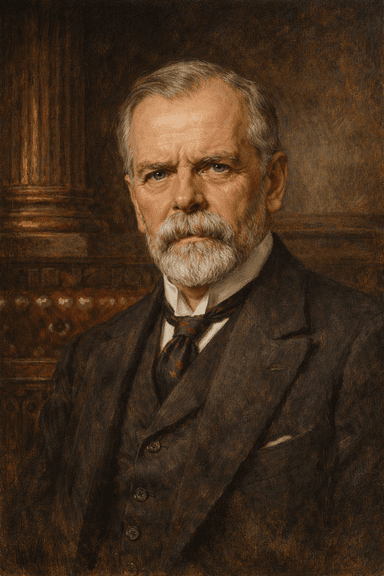
PRIME MINISTER 54
1922–1923 · Conservative
He spent years as the hard-edged organiser behind Conservative revival, then finally reached Downing Street only to be driven out almost at once by terminal illness.
View full profile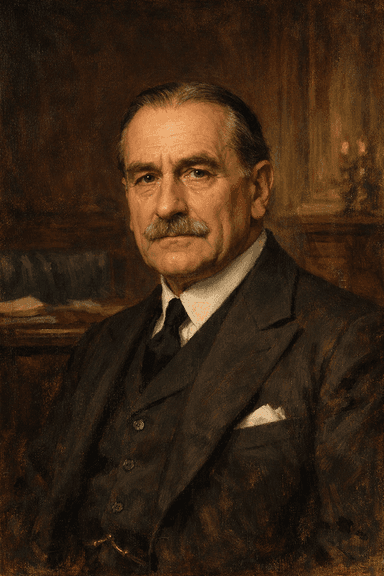
PRIME MINISTER 55
1923–1924 · Conservative
He guided Britain through political upheaval between two world wars, choosing caution and consensus, yet faced lasting criticism for how his leadership approached the rise of Nazi Germany.
View full profile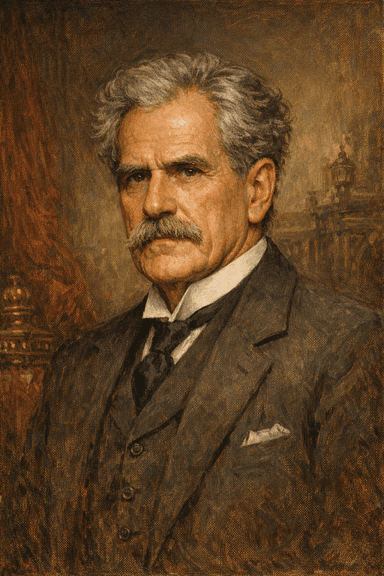
PRIME MINISTER 56
1924 · Labour
He rose from illegitimate birth in rural poverty to lead Britain’s first Labour government, only to split his party and govern with former opponents during crisis.
View full profilePRIME MINISTER 57
1924–1929 · Conservative
He guided Britain through political upheaval between two world wars, choosing caution and consensus, yet faced lasting criticism for how his leadership approached the rise of Nazi Germany.
View full profilePRIME MINISTER 58
1929–1931 · Labour
He rose from illegitimate birth in rural poverty to lead Britain’s first Labour government, only to split his party and govern with former opponents during crisis.
View full profilePRIME MINISTER 59
1931–1935 · National Labour
He rose from illegitimate birth in rural poverty to lead Britain’s first Labour government, only to split his party and govern with former opponents during crisis.
View full profilePRIME MINISTER 60
1935–1937 · Conservative
He guided Britain through political upheaval between two world wars, choosing caution and consensus, yet faced lasting criticism for how his leadership approached the rise of Nazi Germany.
View full profile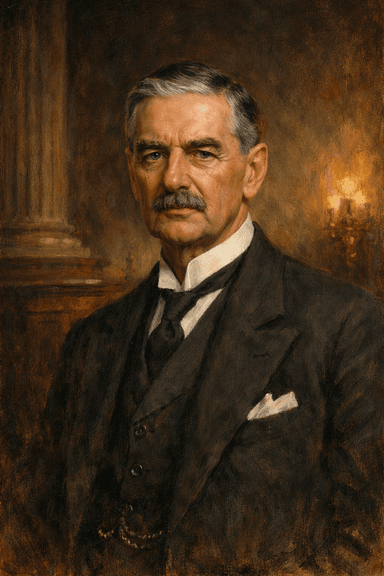
PRIME MINISTER 61
1937–1940 · Conservative
He staked his reputation on avoiding war through negotiation with Adolf Hitler, only to see his promise of peace collapse within a year.
View full profile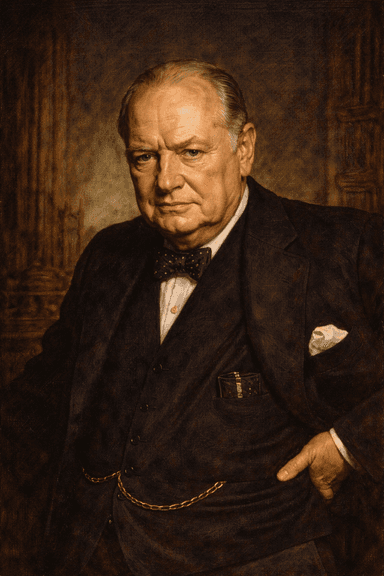
PRIME MINISTER 62
1940–1945 · Conservative Coalition
He spent the 1930s warning about Hitler while his own party tried to sideline him — and then, when the warning came true, they made him prime minister.
View full profile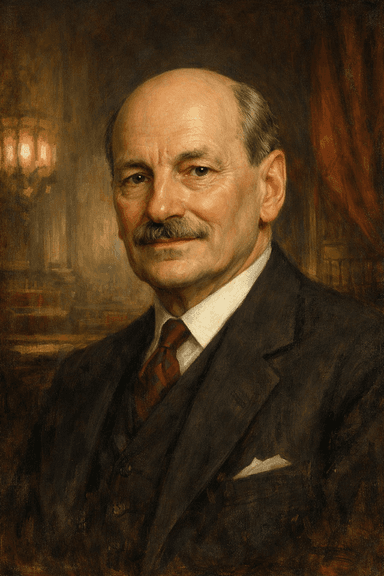
PRIME MINISTER 63
1945–1951 · Labour
He quietly reshaped Britain after war, building a welfare state and national health system that changed everyday life more deeply than many louder leaders ever managed.
View full profilePRIME MINISTER 64
1951–1955 · Conservative
He spent the 1930s warning about Hitler while his own party tried to sideline him — and then, when the warning came true, they made him prime minister.
View full profile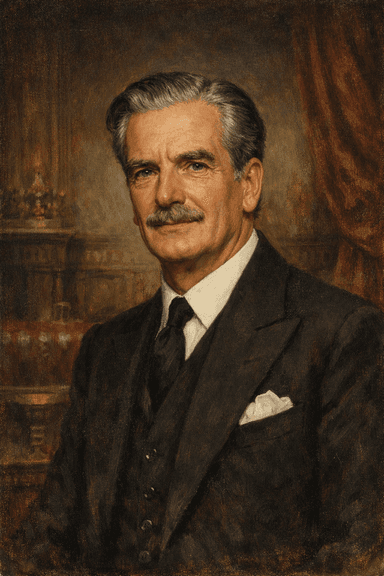
PRIME MINISTER 65
1955–1957 · Conservative
He spent decades warning about dictatorship abroad, yet his own premiership collapsed when the Suez Crisis exposed the limits of British power in a changing world.
View full profile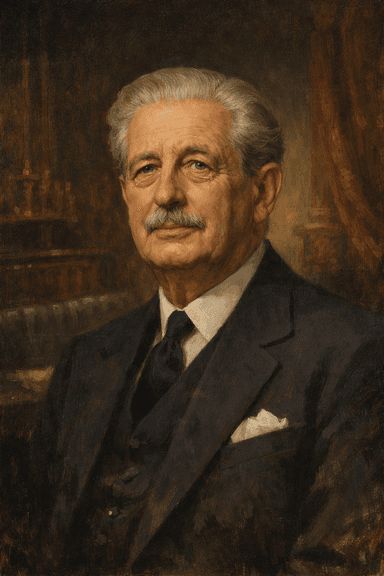
PRIME MINISTER 66
1957–1963 · Conservative
He inherited a nervous Britain after crisis, steadied its confidence with calm authority, and quietly accepted that the empire he grew up in was slipping away.
View full profile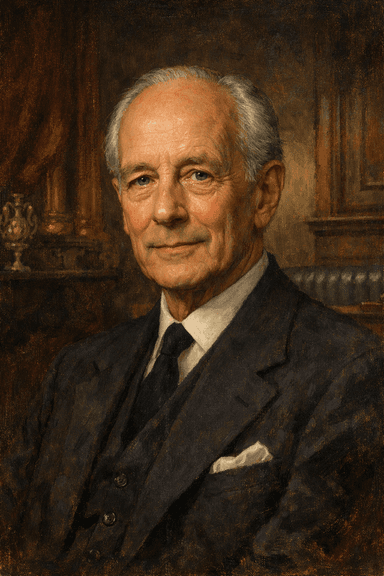
PRIME MINISTER 67
1963–1964 · Conservative
He unexpectedly renounced his aristocratic title to become prime minister, led briefly during a turbulent political shift, and later returned as a steady voice in foreign affairs.
View full profile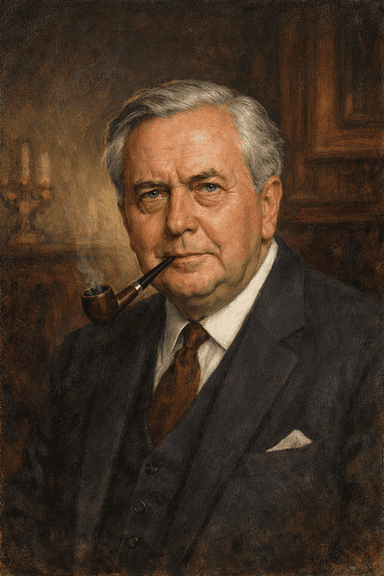
PRIME MINISTER 68
1964–1970 · Labour
He twice led Britain through turbulent economic and social change, balancing reform with political survival while quietly managing crises that could have ended his premiership much sooner.
View full profile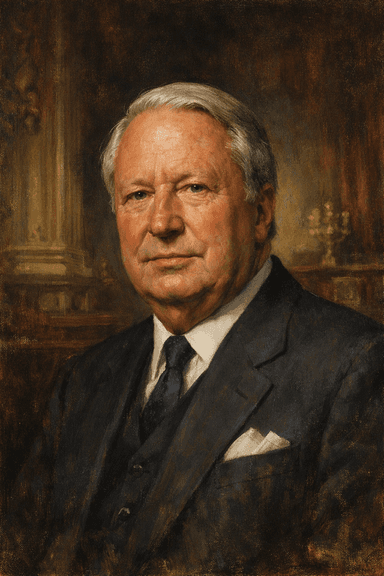
PRIME MINISTER 69
1970–1974 · Conservative
He led Britain into the European Economic Community, but crippling strikes and economic turmoil during his premiership ultimately cost him power and reshaped his political legacy.
View full profilePRIME MINISTER 70
1974–1976 · Labour
He twice led Britain through turbulent economic and social change, balancing reform with political survival while quietly managing crises that could have ended his premiership much sooner.
View full profile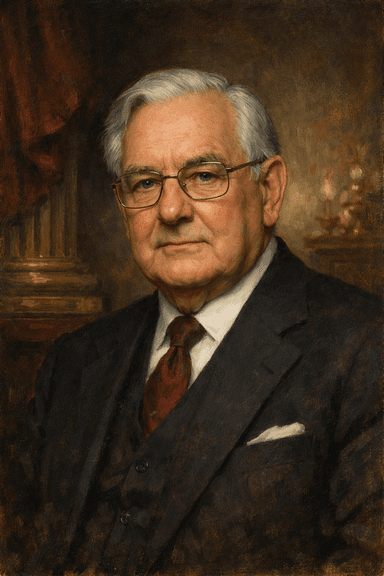
PRIME MINISTER 71
1976–1979 · Labour
He rose from a naval rating to Britain’s only leader to hold all four great offices of state, yet his premiership became defined by strikes that eroded public trust.
View full profile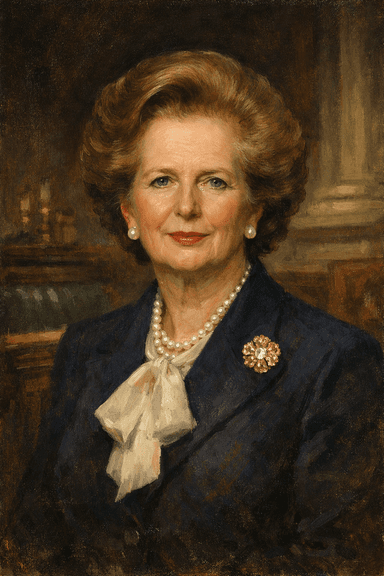
PRIME MINISTER 72
1979–1990 · Conservative
She remade Britain's economy, broke the unions, and won three consecutive elections — and the country has been arguing about what she did ever since.
View full profile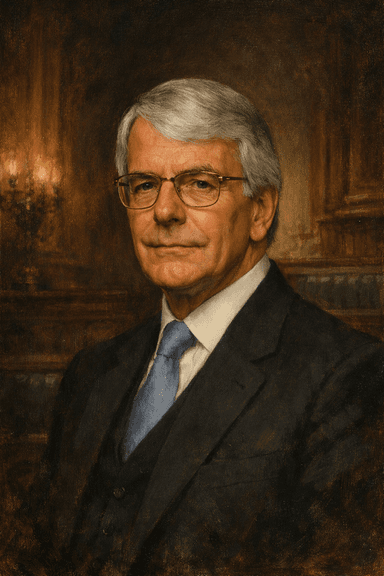
PRIME MINISTER 73
1990–1997 · Conservative
He rose from a modest South London childhood to lead Britain through economic turbulence and peace negotiations in Northern Ireland, shaping a quieter but consequential era of leadership.
View full profile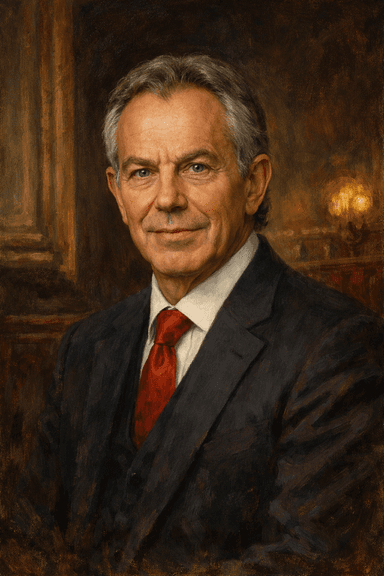
PRIME MINISTER 74
1997–2007 · Labour
He won three elections and modernised his party, passed major reforms, and then committed Britain to a war in Iraq that overshadowed everything else he'd done.
View full profile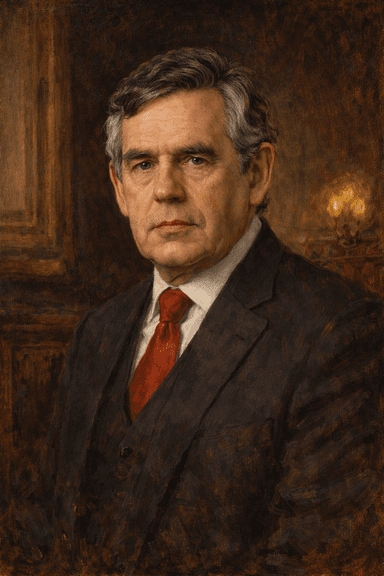
PRIME MINISTER 75
2007–2010 · Labour
He spent a decade controlling Britain’s economy as chancellor before inheriting the premiership mid-crisis, where global financial turmoil defined and ultimately limited his time in power.
View full profile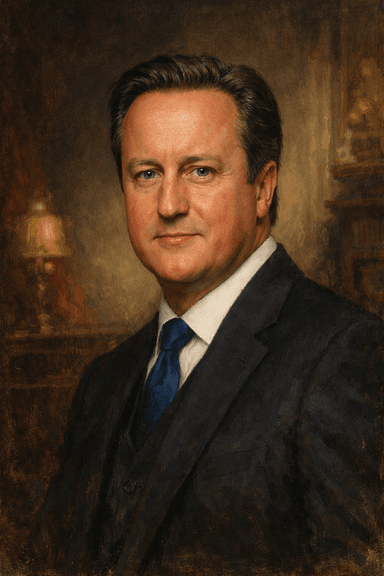
PRIME MINISTER 76
2010–2016 · Conservative
He rebranded Britain’s Conservative Party, led the country through austerity, then gambled on a referendum he thought he would win—and lost everything when voters chose Brexit.
View full profile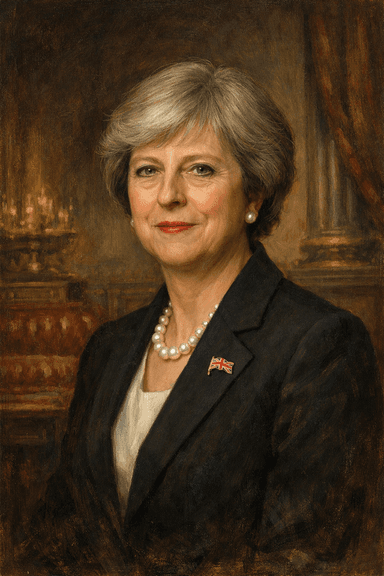
PRIME MINISTER 77
2016–2019 · Conservative
She stepped into leadership after a political earthquake, spent three years trying to deliver an exit few could agree on, and left office having defined a turbulent era.
View full profile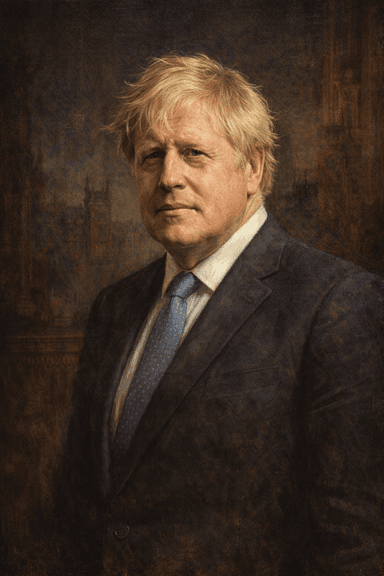
PRIME MINISTER 78
2019–2022 · Conservative
He built a career on being underestimated, won a referendum nobody thought he'd win, became prime minister, then resigned over a party he claimed he didn't know had happened.
View full profile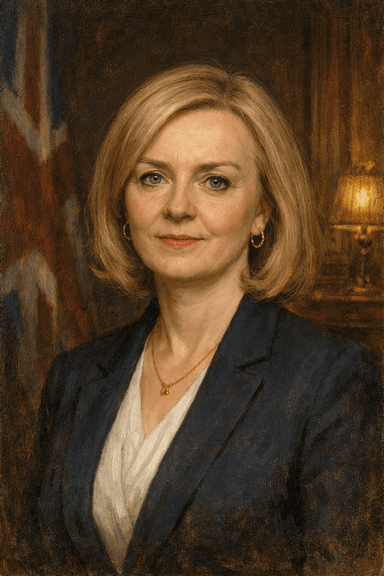
PRIME MINISTER 79
2022 · Conservative
She won the Conservative leadership contest and became prime minister — then announced an economic plan that crashed the pound, collapsed her authority, and ended her premiership in forty-five days.
View full profile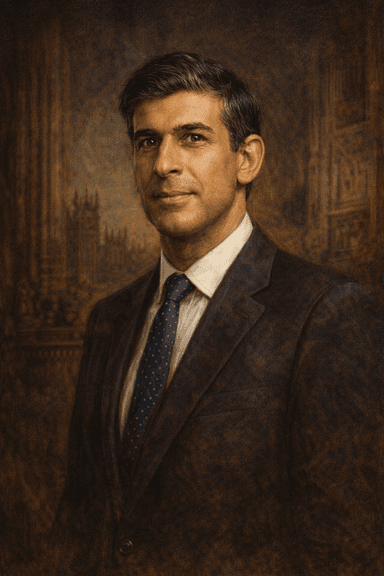
PRIME MINISTER 80
2022–2024 · Conservative
He became Britain's first British-Asian prime minister at a moment of profound political instability — and governed long enough to test whether that instability could be managed.
View full profile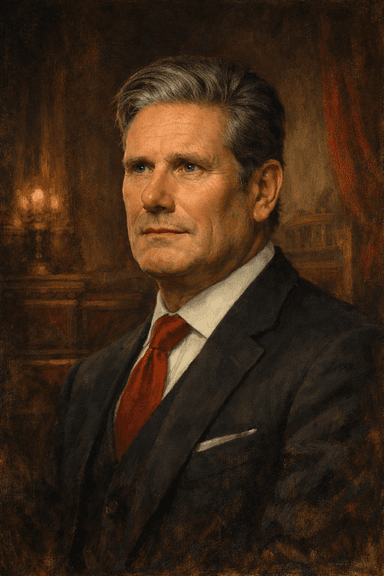
PRIME MINISTER 81
2024–present · Labour
He rebuilt a party that had just suffered its worst election result in a generation, led it to its largest majority in decades, then discovered that winning was only the beginning.
View full profileRobert Walpole is generally treated as the first British prime minister. He took office in 1721 and set the pattern for the role as it developed in the eighteenth century.
Sir Keir Starmer became prime minister in 2024 following a Labour general election victory.
Several prime ministers returned to office after losing power, resigning, or heading a new ministry later on. This page lists each separate premiership in chronological order.
Historically, Whig, Tory, Conservative, and Liberal traditions have dominated, with Labour emerging in the twentieth century as a major governing party.
Sir Robert Walpole is usually counted as the longest-serving British prime minister, with a tenure of more than twenty years.