People
Historical Figures and Influential People in History
Explore rulers, generals, thinkers, scientists and reformers who shaped world history. Search for a specific person, or browse by era, region, country and A–Z.
Industrial Age Figures in Europe
Use the filters on the right to narrow the figure index while keeping the main results in view.
48 results
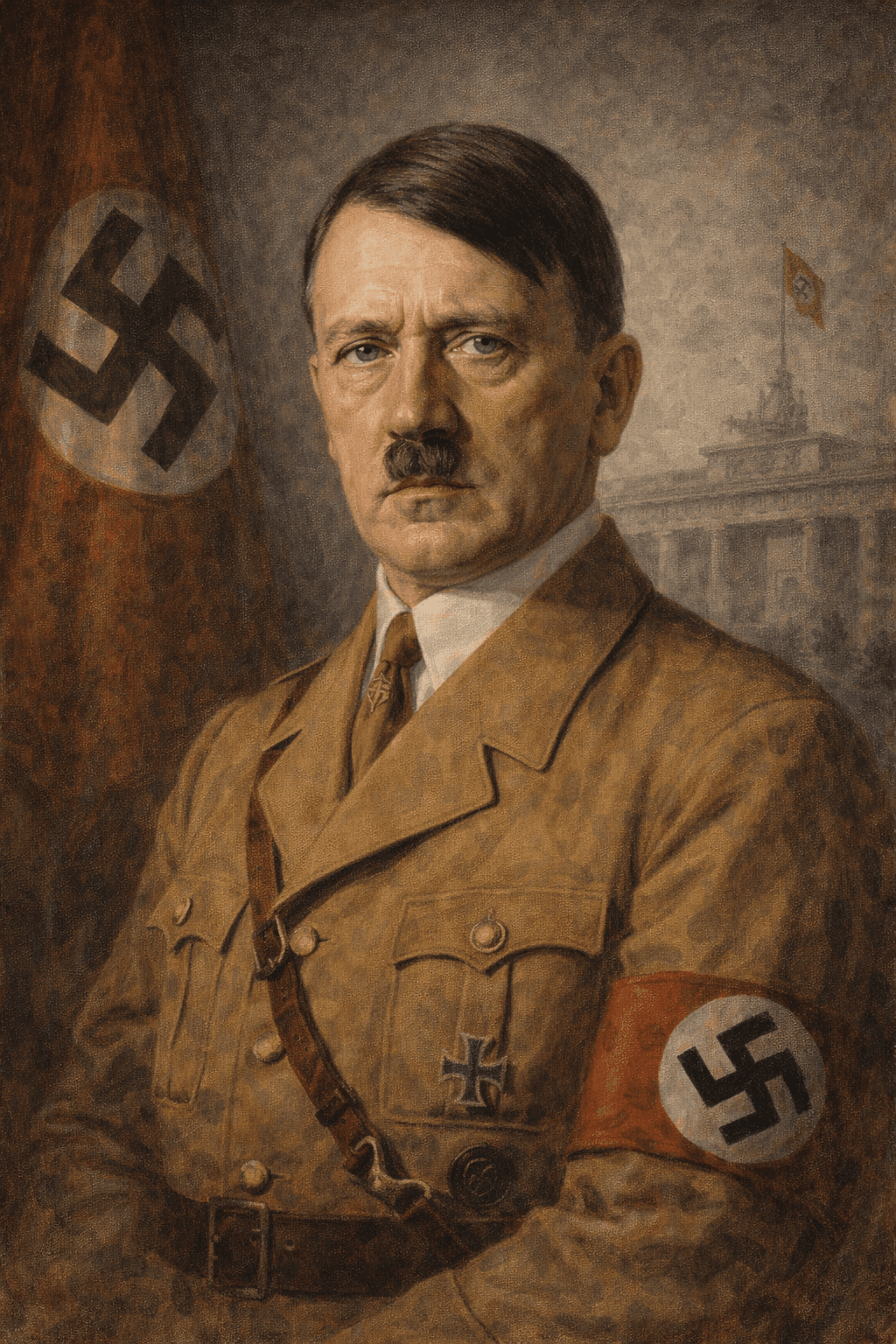
Adolf Hitler
1889–1945Germany
He turned a failed coup and a prison sentence into a path to absolute power, and the world spent a decade wondering if he could be reasoned with.
Open profile →
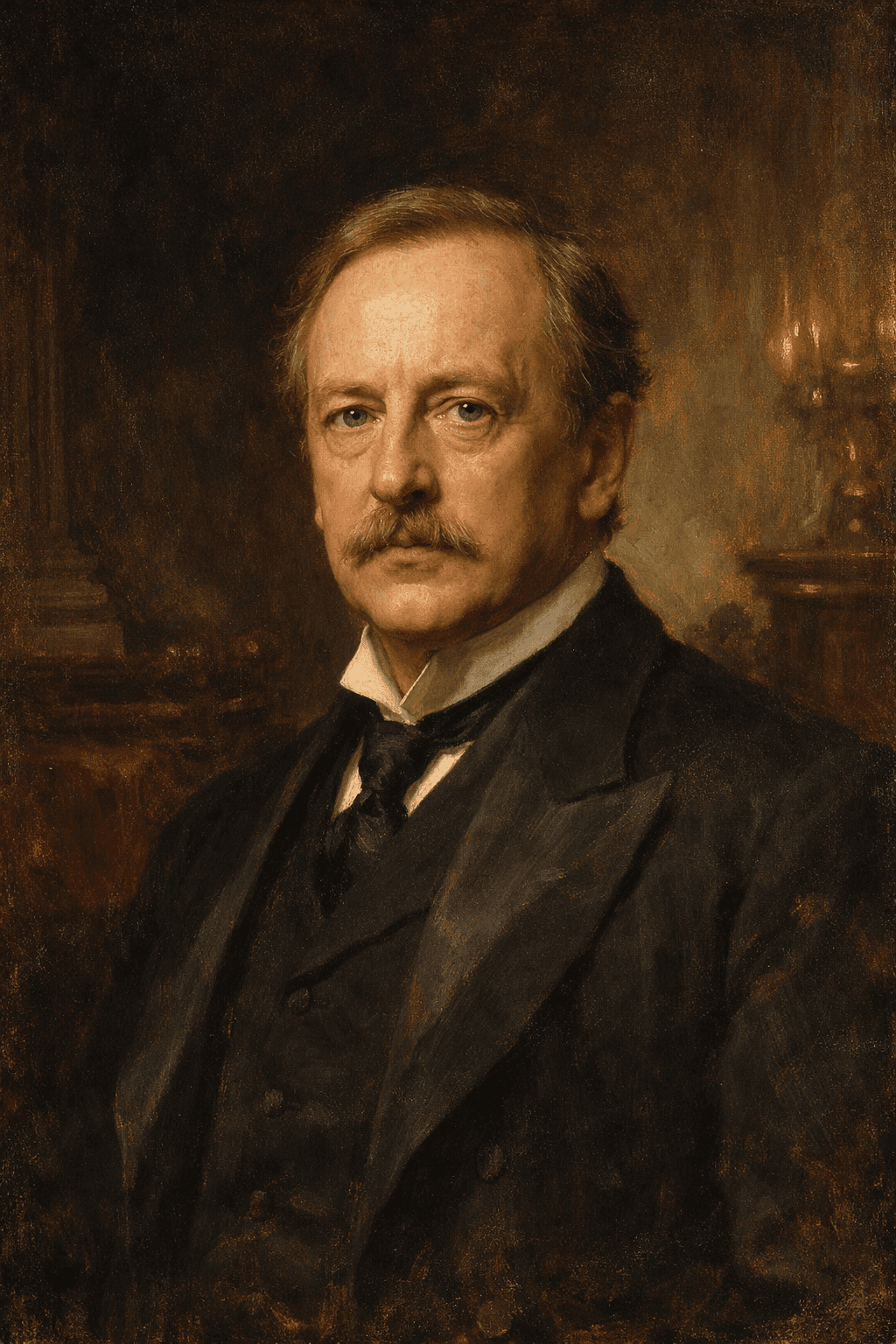
Archibald Primrose, 5th Earl of Rosebery
1847–1929United Kingdom
He inherited wealth and ambition, briefly became prime minister without strong party backing, and spent the rest of his life reflecting on power he never fully controlled.
Open profile →
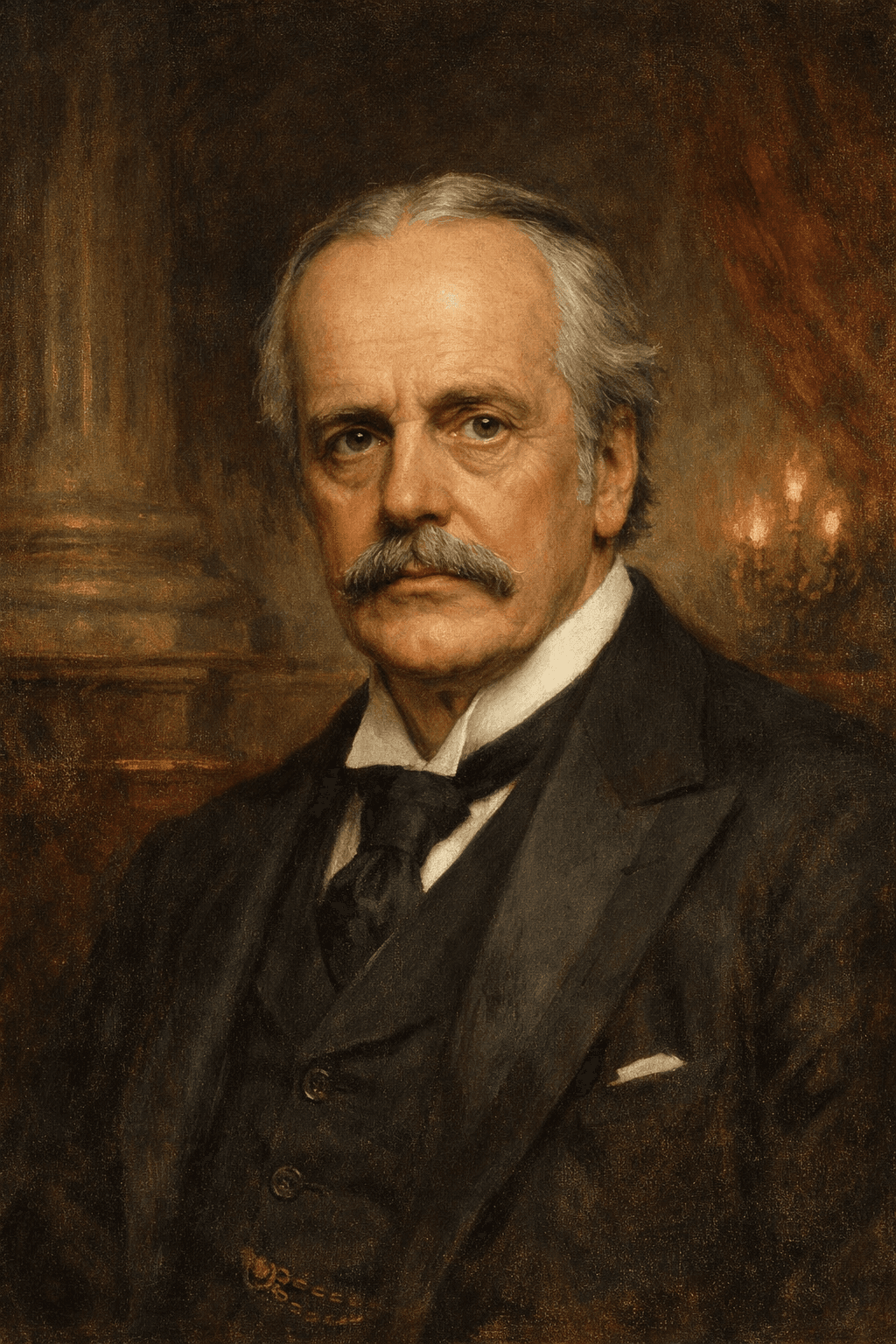
Arthur Balfour
1848–1930United Kingdom
He led Britain during a restless imperial era, but his name became permanently tied to a single wartime letter that reshaped the politics of the Middle East.
Open profile →
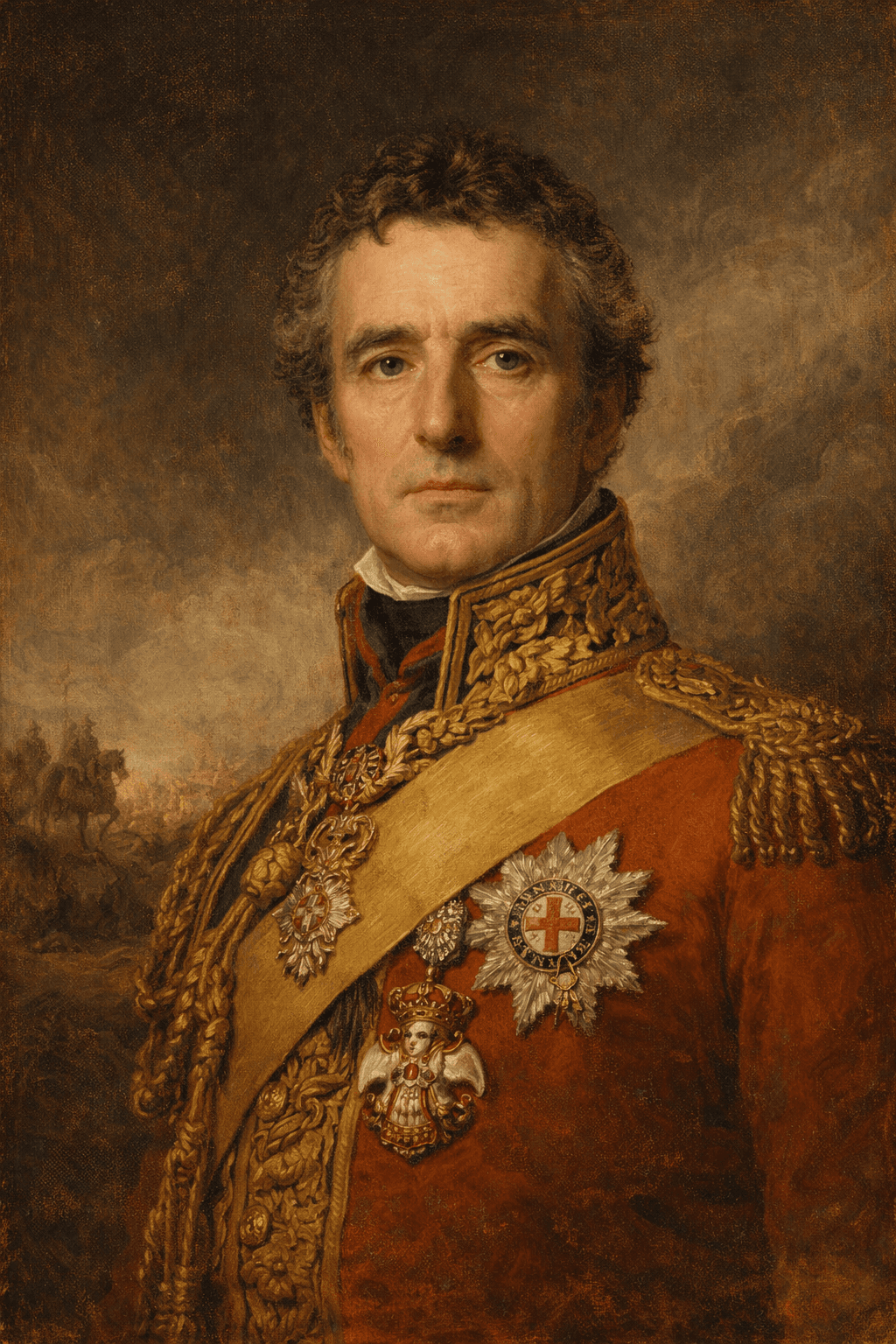
Arthur Wellesley, Duke of Wellington
1769–1852United Kingdom
He built his reputation defeating Napoleon in a final showdown at Waterloo, then carried that authority into politics, shaping Britain long after the cannons fell silent.
Open profile →
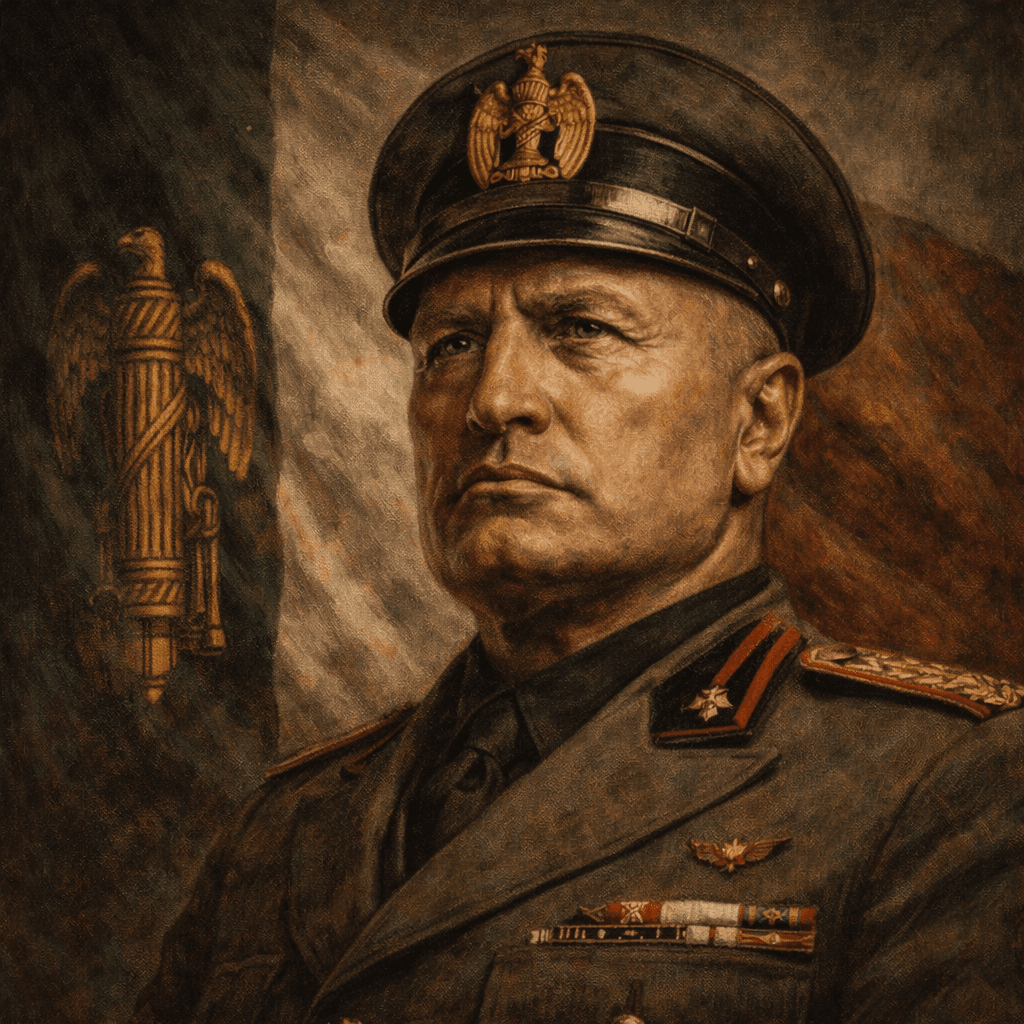
Benito Mussolini
1883–1945Italy
He invented fascism, made the trains run on time, and allied himself with Hitler — a sequence of decisions that ended with him hanging upside down from a petrol station.
Open profile →
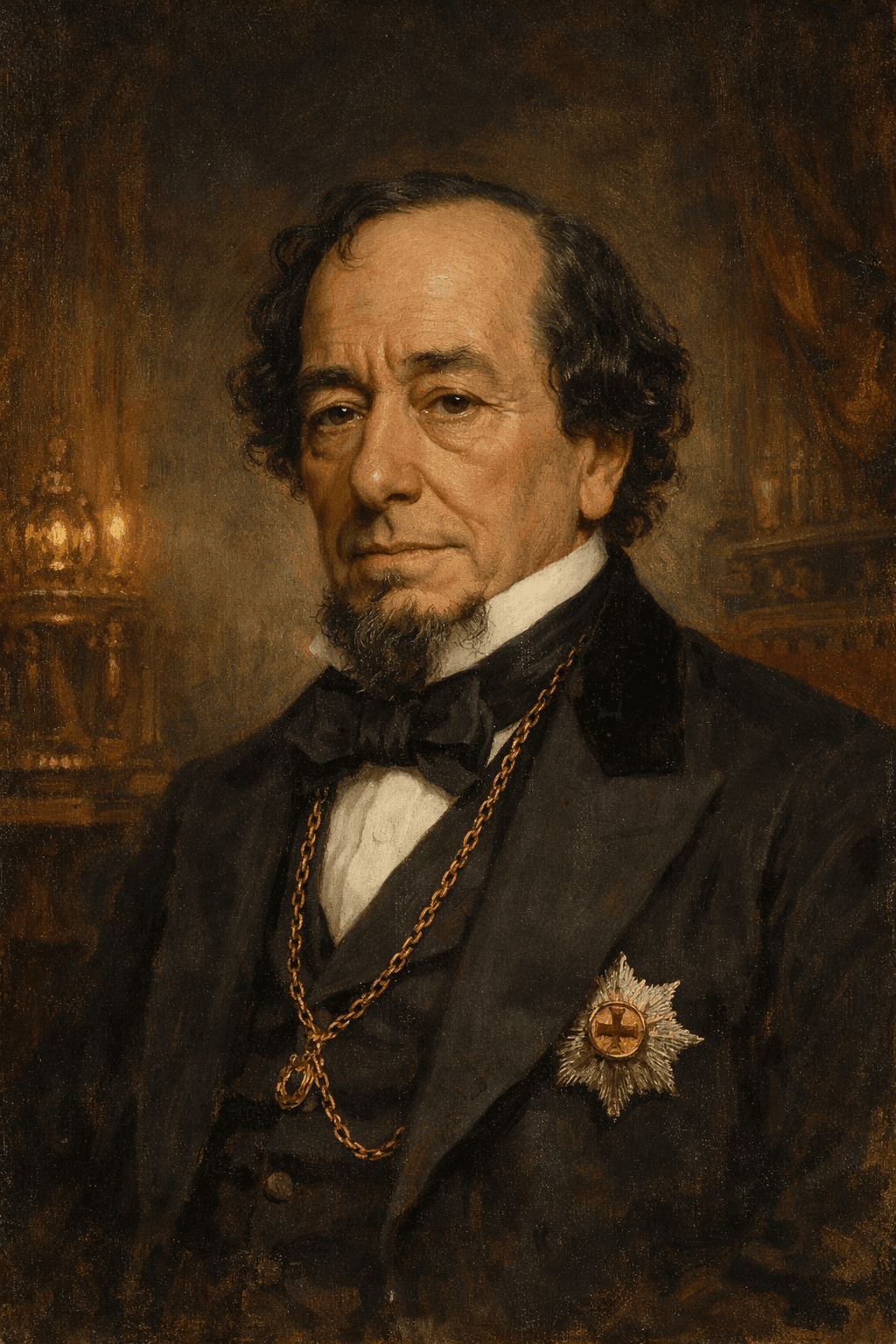
Benjamin Disraeli
1804–1881United Kingdom
He transformed himself from an outsider mocked in Parliament into a dominant prime minister who reshaped British conservatism and expanded imperial ambition with calculated flair.
Open profile →
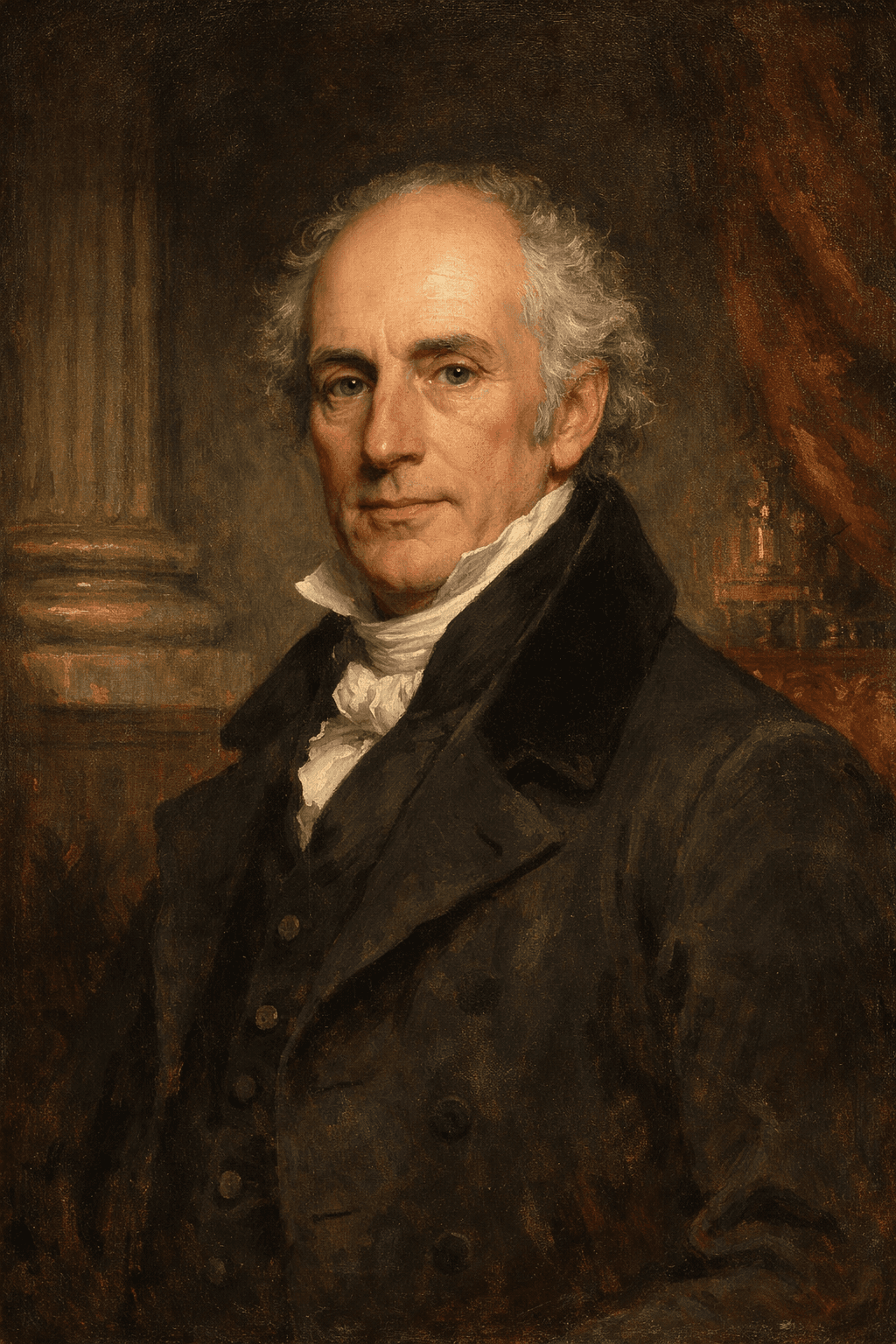
Charles Grey, 2nd Earl Grey
1764–1845United Kingdom
He spent decades pressing for political reform, then as prime minister forced through the 1832 Reform Act and helped redraw the rules of British public life.
Open profile →
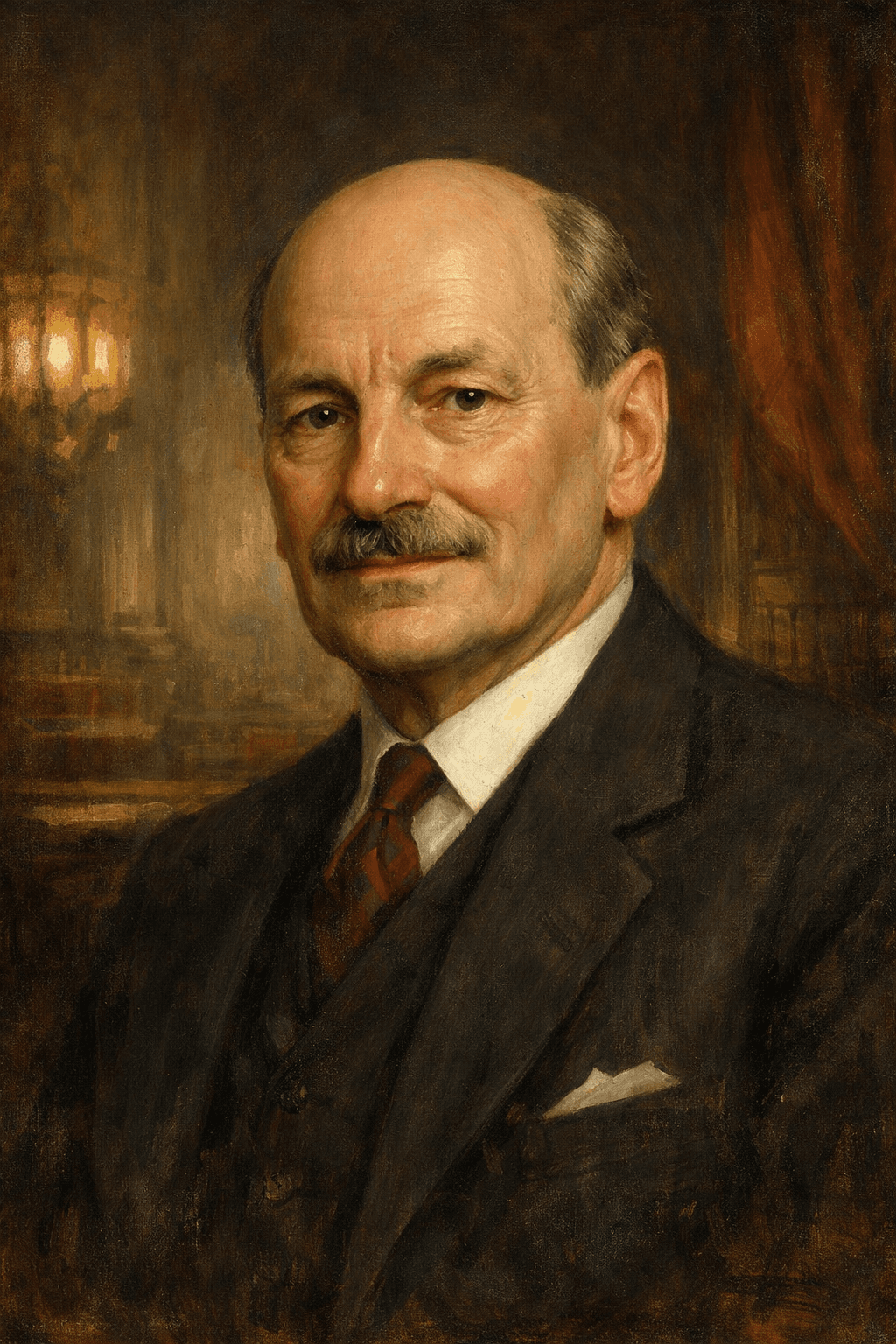
Clement Attlee
1883–1967United Kingdom
He quietly reshaped Britain after war, building a welfare state and national health system that changed everyday life more deeply than many louder leaders ever managed.
Open profile →
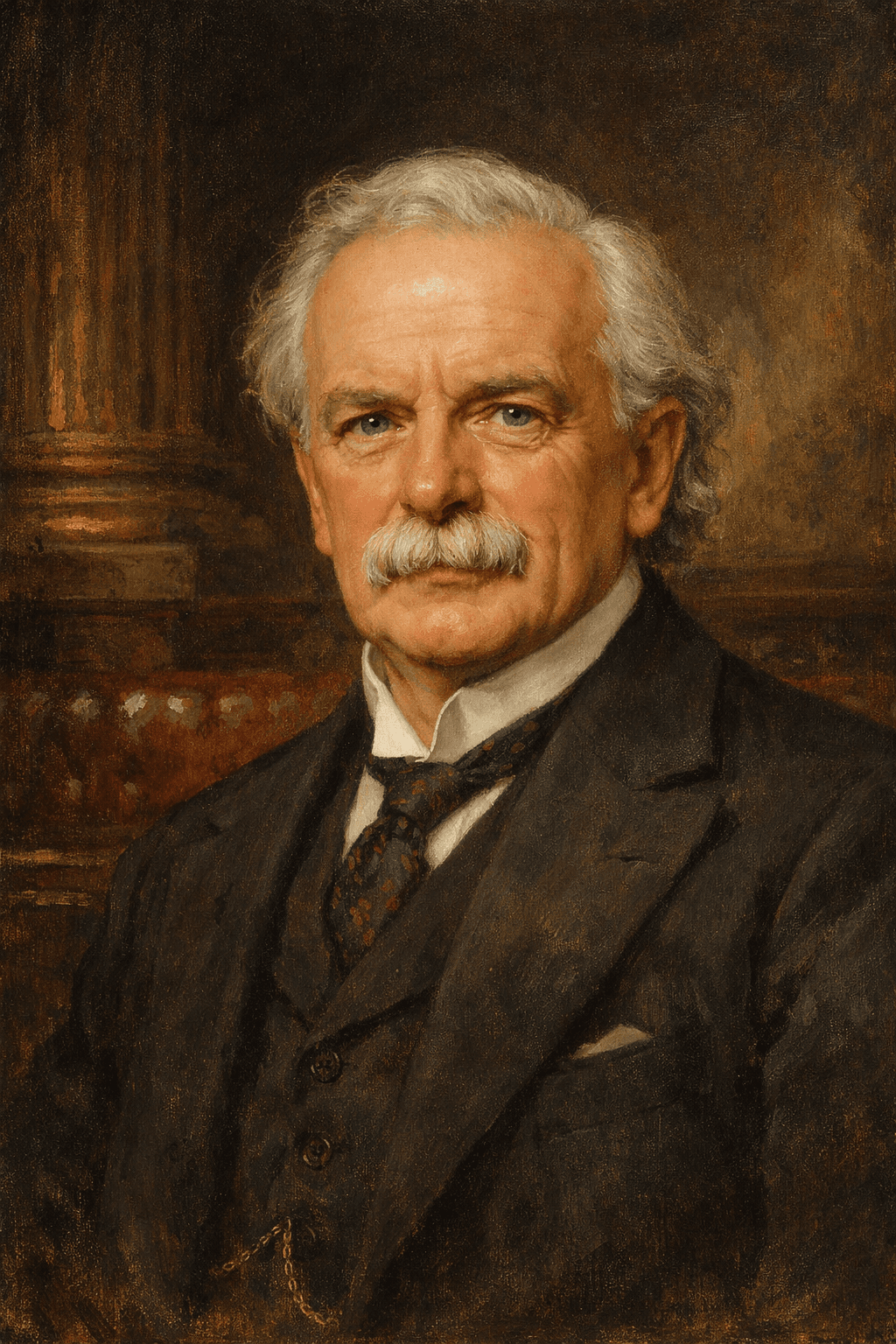
David Lloyd George
1863–1945United Kingdom
He guided Britain to victory in the First World War, helped redraw the map of Europe at Versailles, and then watched everything he built come apart in the following decade.
Open profile →
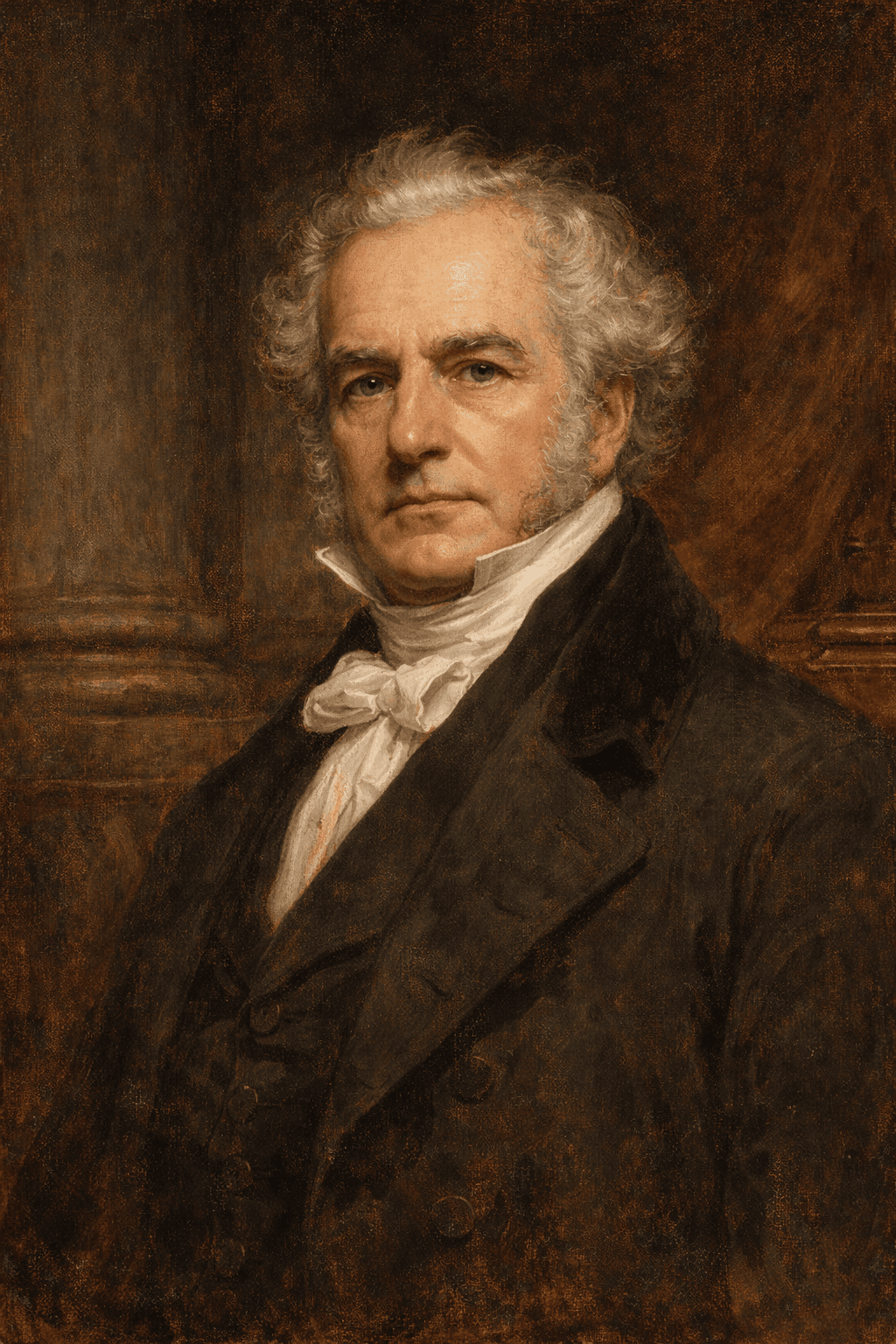
Edward Smith-Stanley, 14th Earl of Derby
1799–1869United Kingdom
He led Britain three times without ever securing lasting control, shaping modern Conservative identity while proving how fragile power could be in a divided political age.
Open profile →
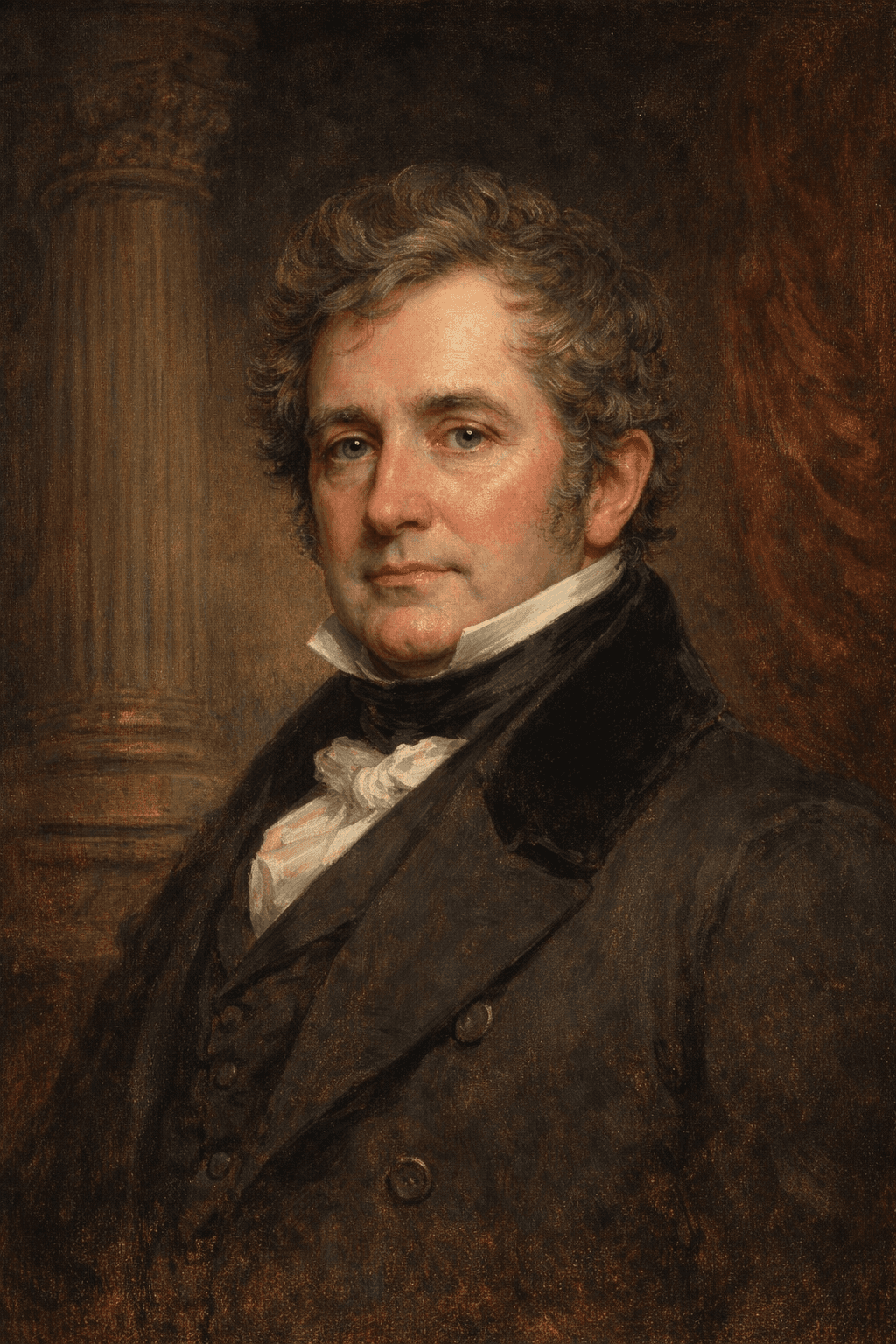
Frederick Robinson, Viscount Goderich
1782–1859United Kingdom
He rose through finance and diplomacy to briefly become prime minister, only to preside over a government so fragile it collapsed within months.
Open profile →
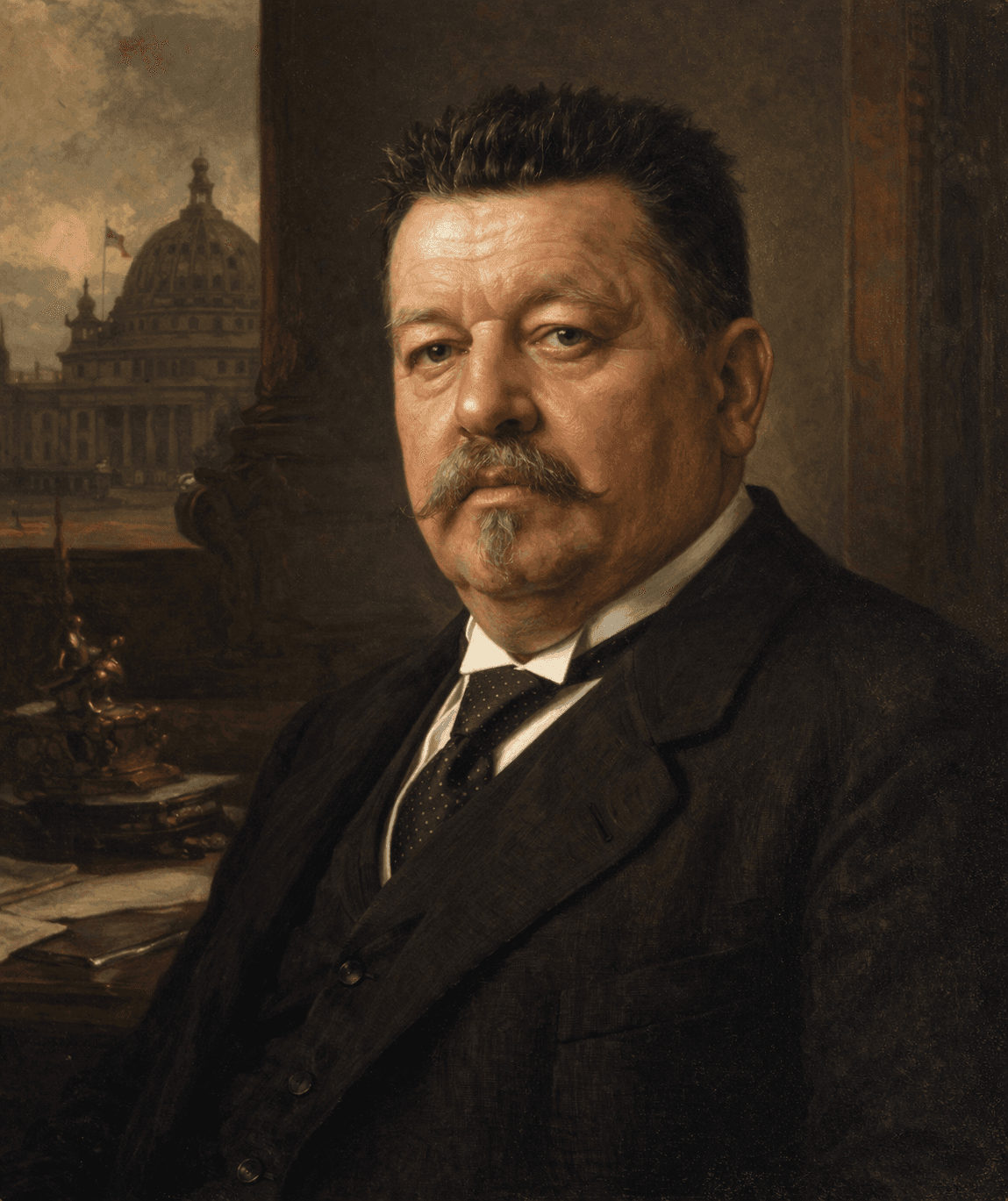
Friedrich Ebert
1871–1925Germany
He became Germany's first democratic president in a revolution he didn't want, crushed the uprisings that threatened it, and died before he could see what was coming next.
Open profile →
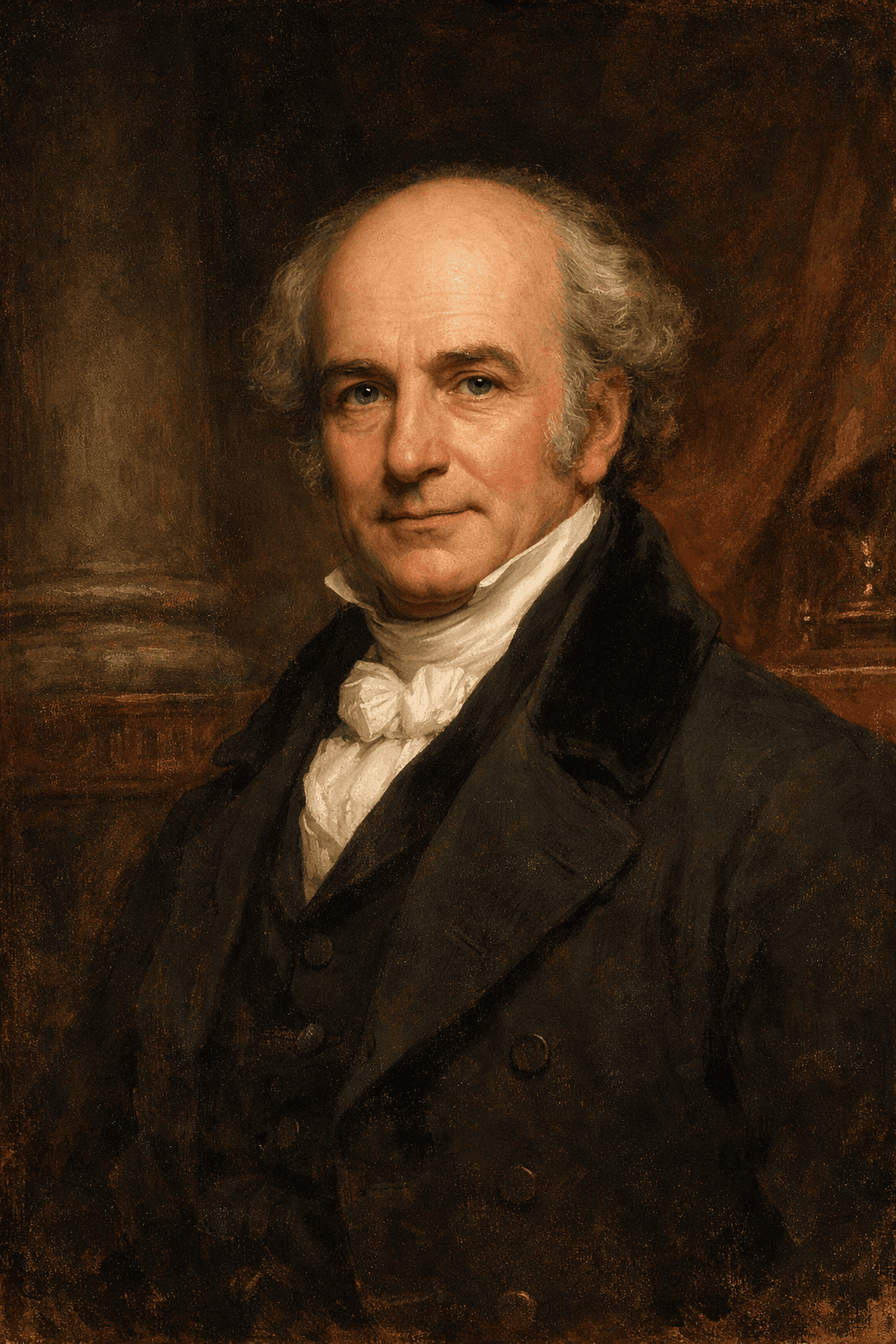
George Canning
1770–1827United Kingdom
He climbed from financial insecurity to the highest office in Britain, but his brief time as prime minister ended almost as soon as it began.
Open profile →
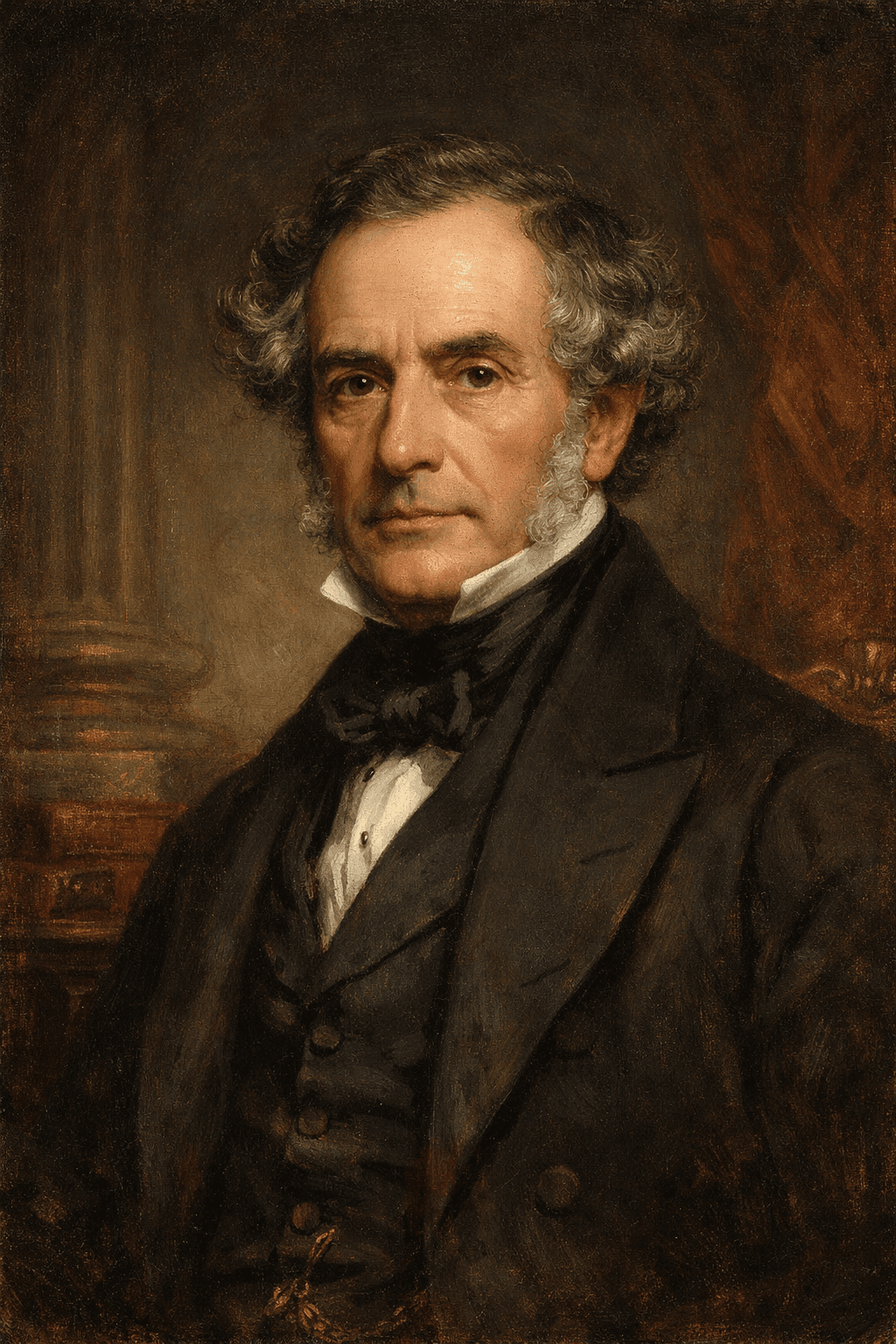
George Hamilton-Gordon, 4th Earl of Aberdeen
1784–1860United Kingdom
He preferred quiet diplomacy to loud politics, yet found himself leading Britain into the Crimean War, a conflict that tested his cautious instincts and ended his premiership.
Open profile →
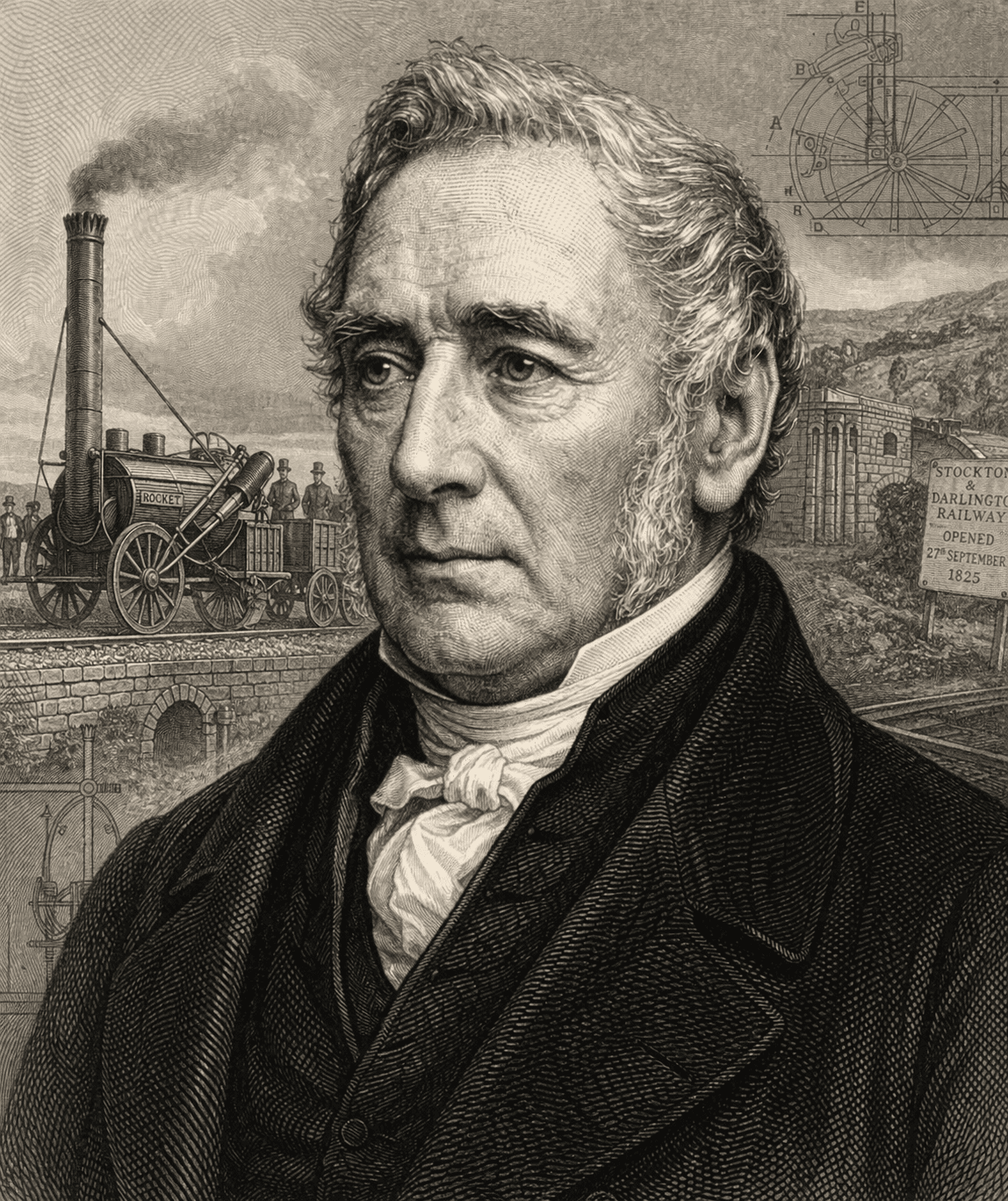
George Stephenson
1781–1848United Kingdom
He grew up illiterate on the Northumberland coalfields and redesigned the way humans moved across the surface of the earth.
Open profile →
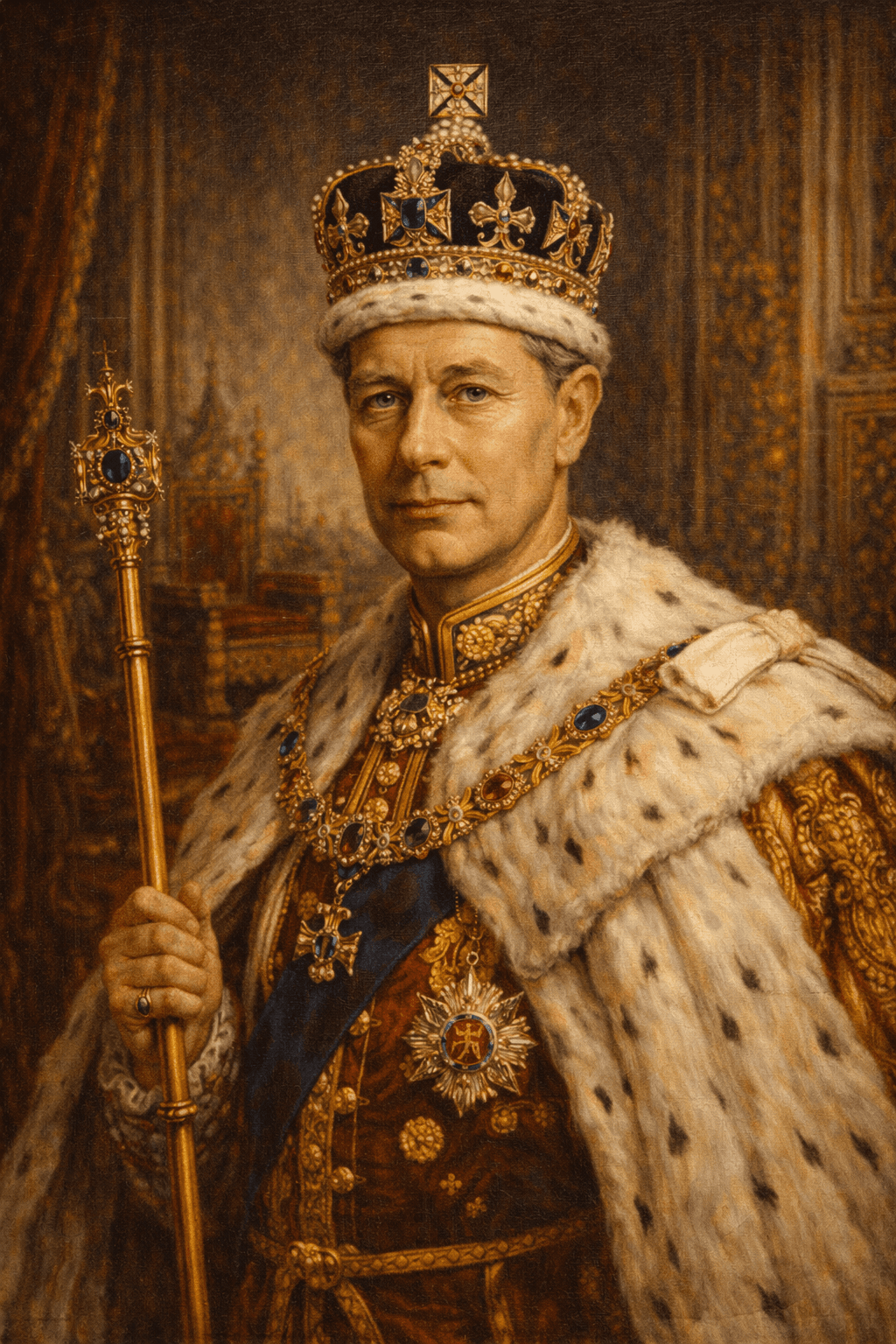
George VI
1895–1952United Kingdom
He never wanted to be king, had a stammer that made public speaking an ordeal, and became the defining symbol of his country's refusal to give in during its darkest years.
Open profile →
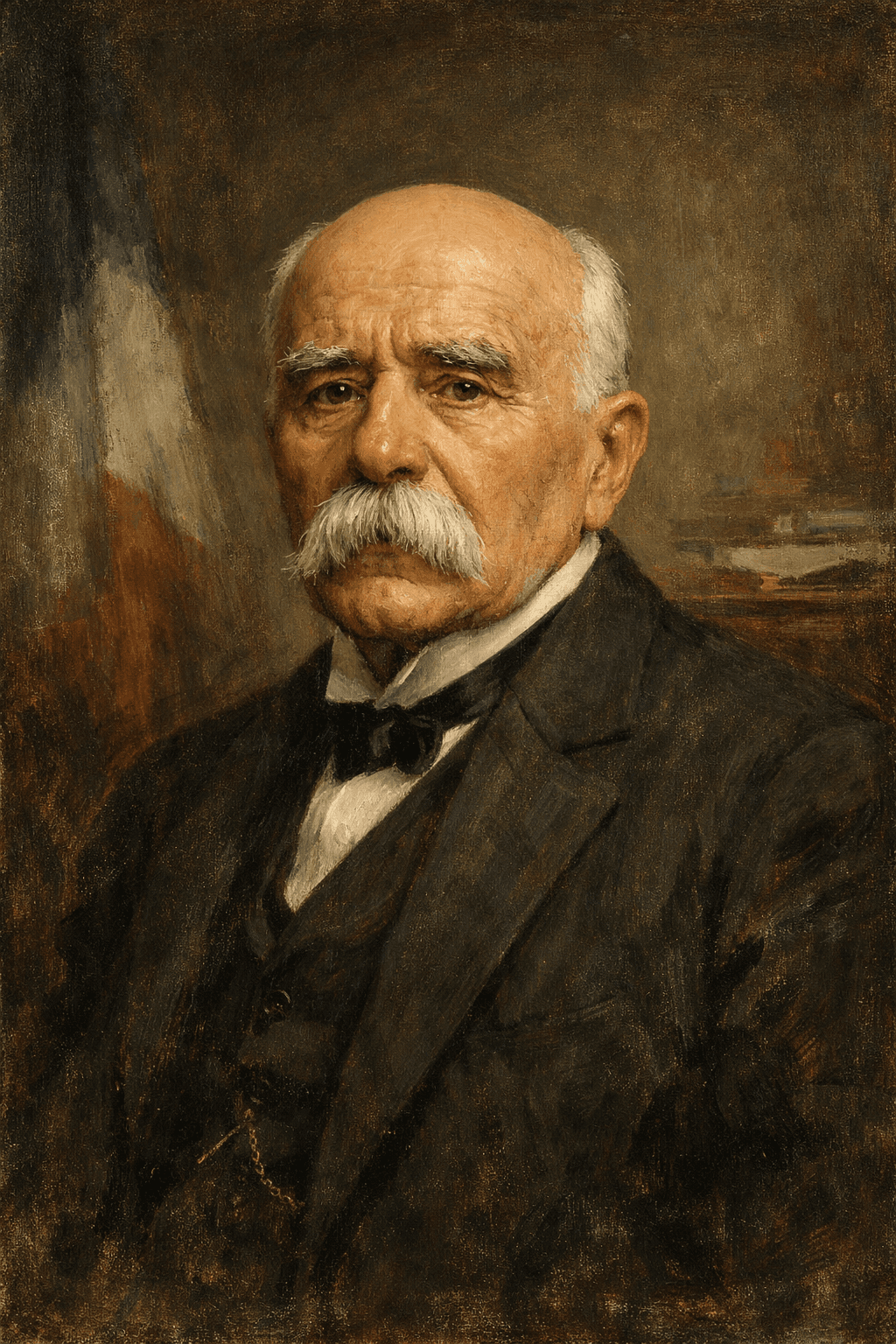
Georges Clemenceau
1841–1929France
He had been waiting his entire career for France to get its revenge on Germany — and when it finally came, he made sure the peace was as harsh as the victory.
Open profile →
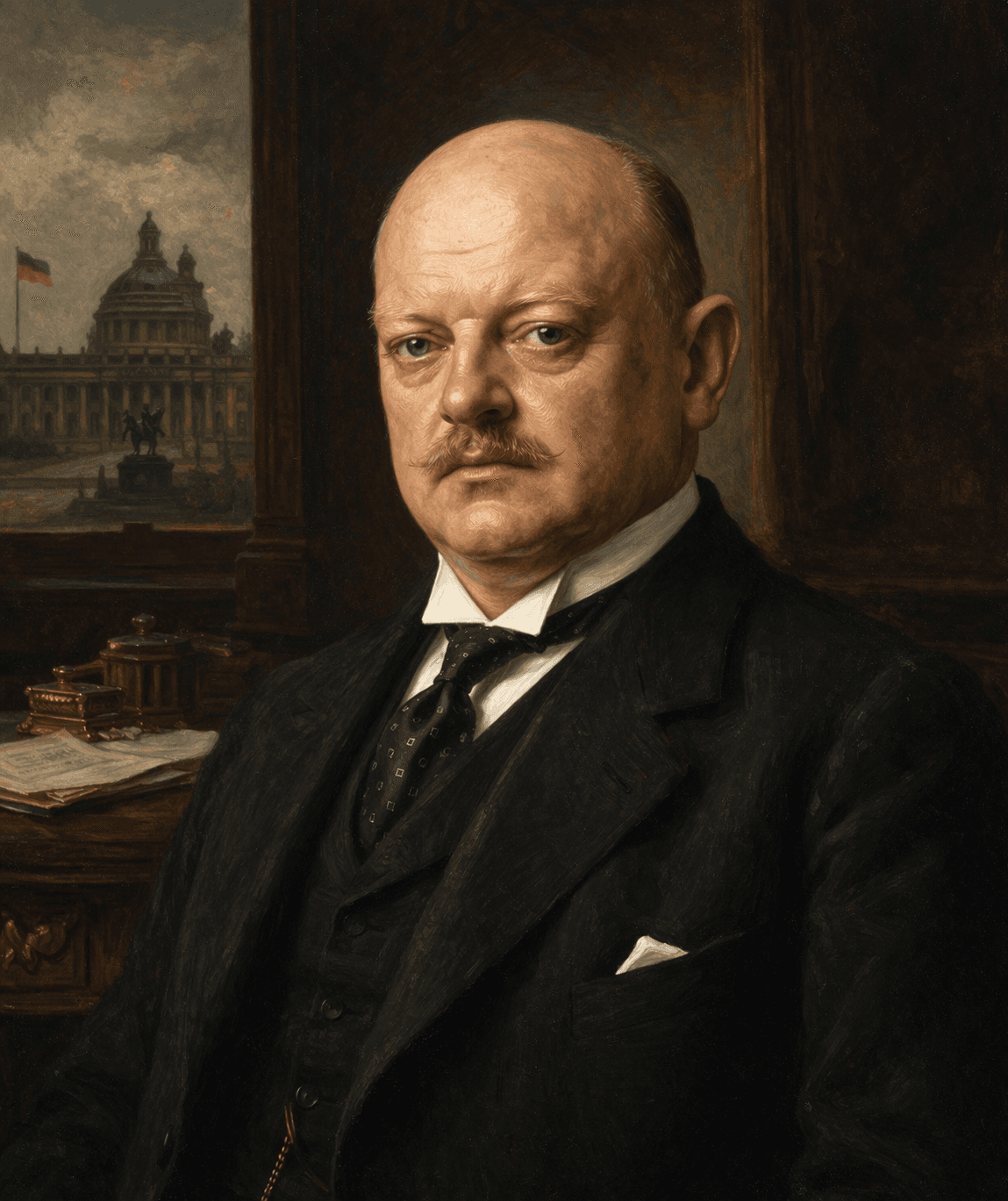
Gustav Stresemann
1878–1929Germany
Gustav Stresemann was a German statesman who stabilised the Weimar Republic and reshaped its foreign relations through pragmatic diplomacy after the First World War.
Open profile →
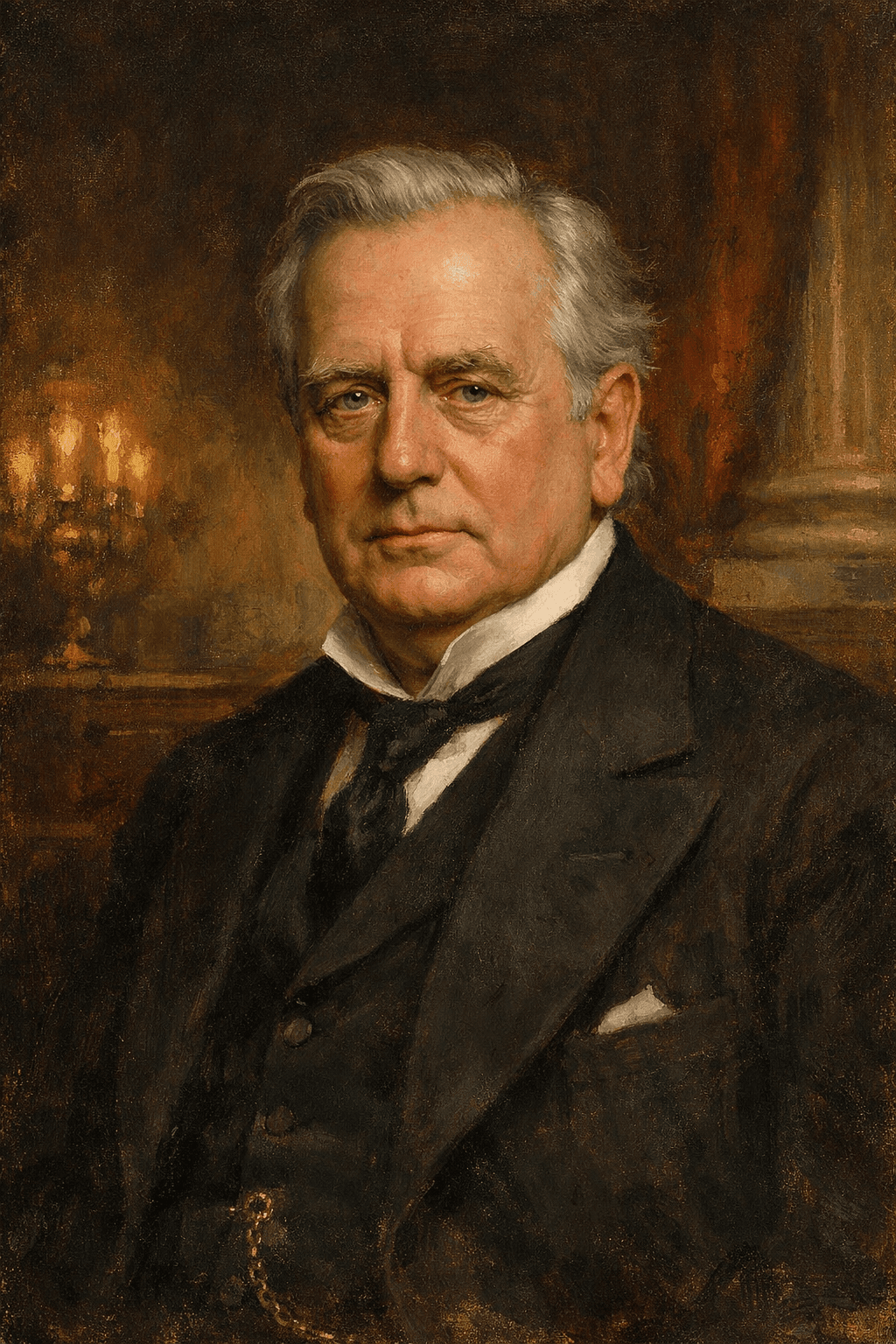
H. H. Asquith
1852–1928United Kingdom
He led Britain into the First World War with calm confidence, yet the strain of total war quietly eroded his authority and ended his political dominance.
Open profile →
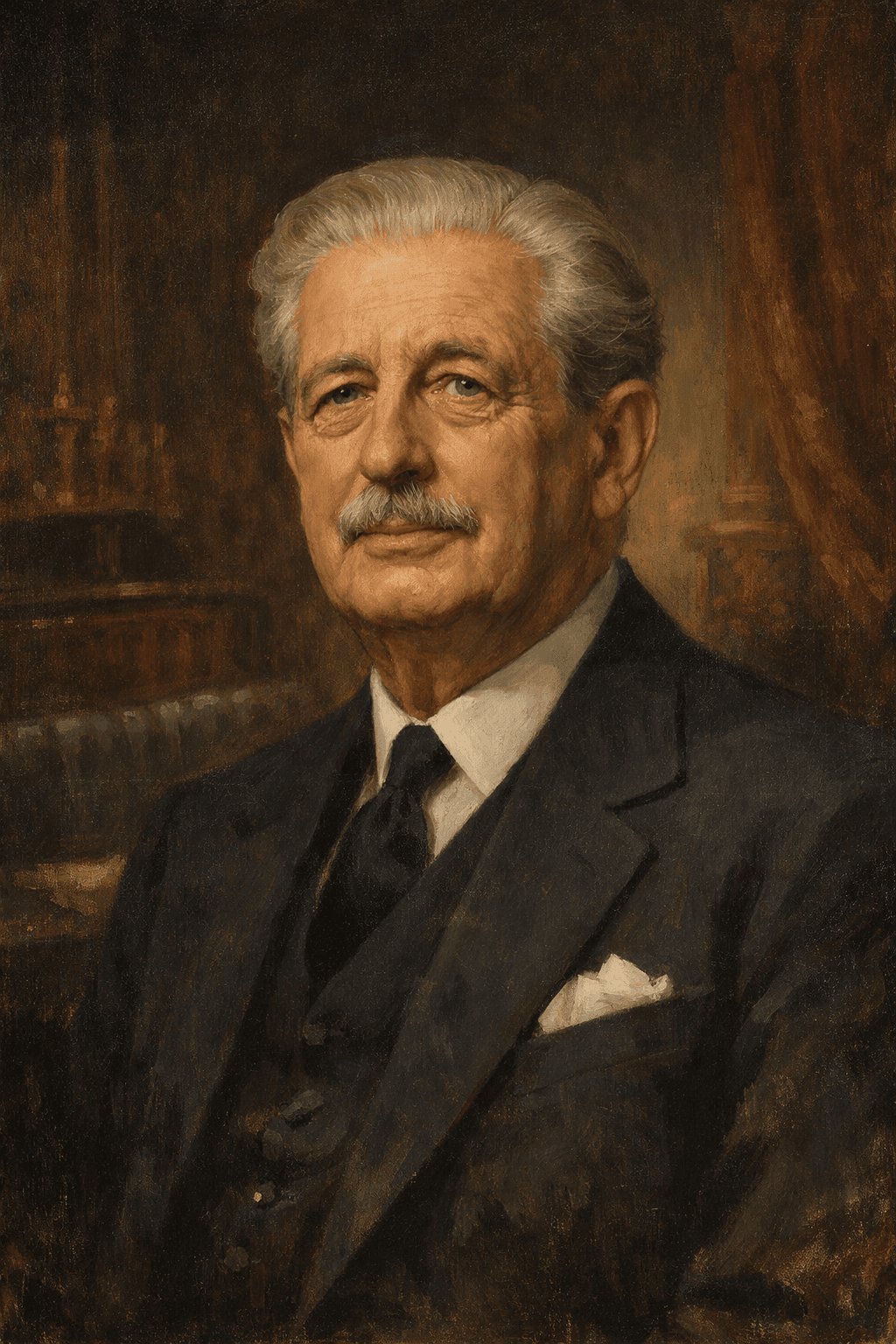
Harold Macmillan
1894–1986United Kingdom
He inherited a nervous Britain after crisis, steadied its confidence with calm authority, and quietly accepted that the empire he grew up in was slipping away.
Open profile →
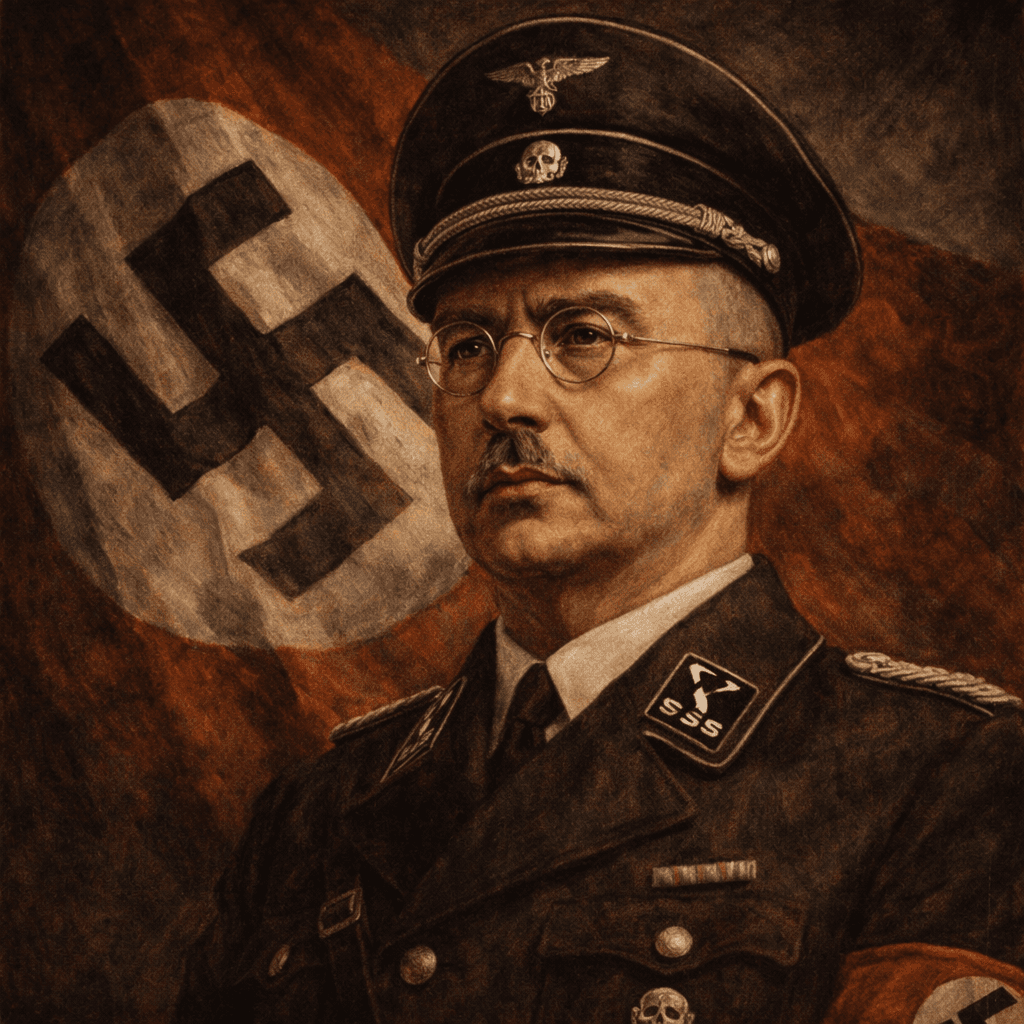
Heinrich Himmler
1900–1945Germany
He was a failed chicken farmer who became the most feared man in Nazi Germany — running the SS, the Gestapo, and the machinery of the Holocaust with the orderliness of a bureaucrat.
Open profile →
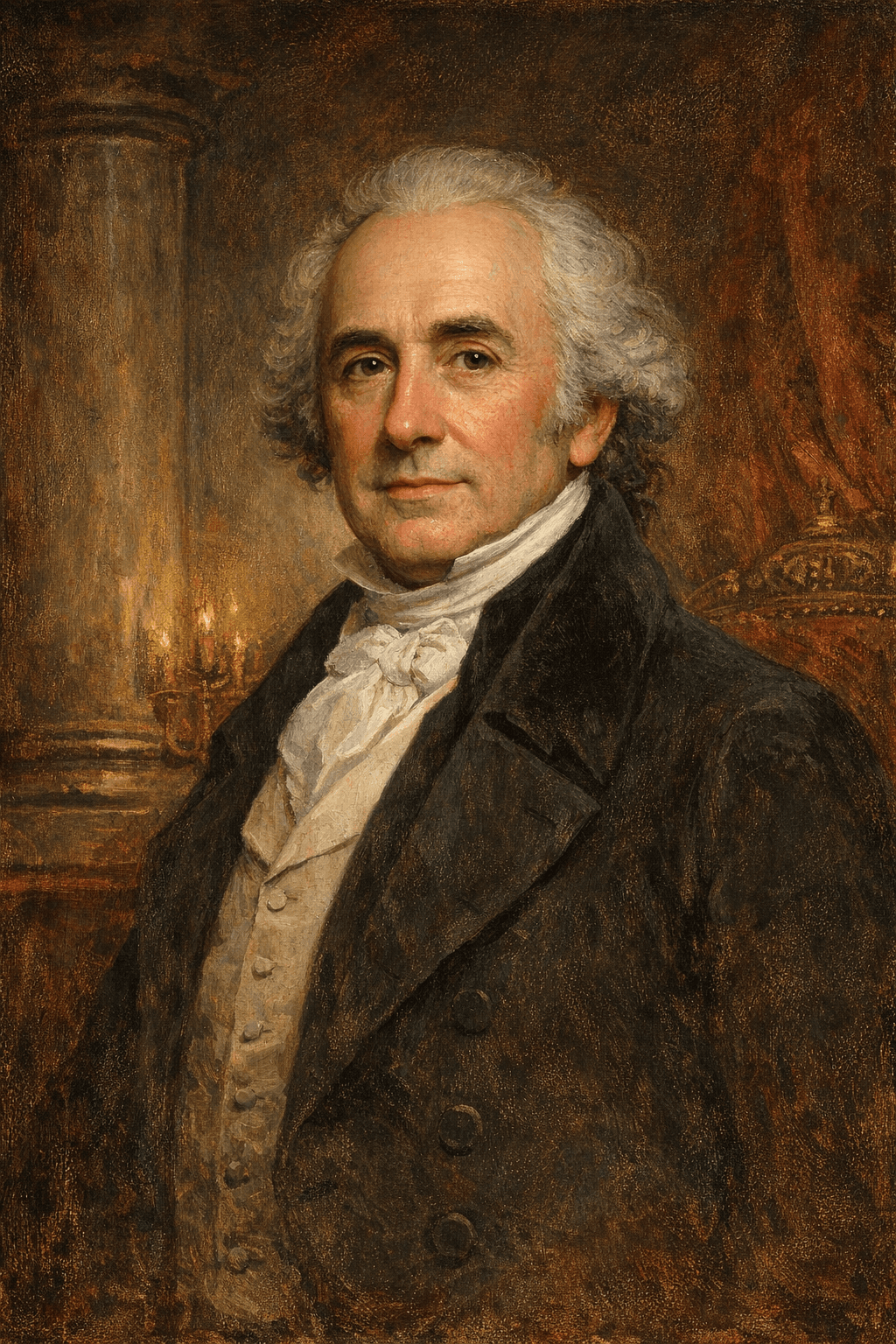
Henry Addington
1757–1844United Kingdom
He stepped from the Speaker’s chair into the role of prime minister during wartime uncertainty, negotiated a fragile peace, and later became a firm hand in domestic repression.
Open profile →
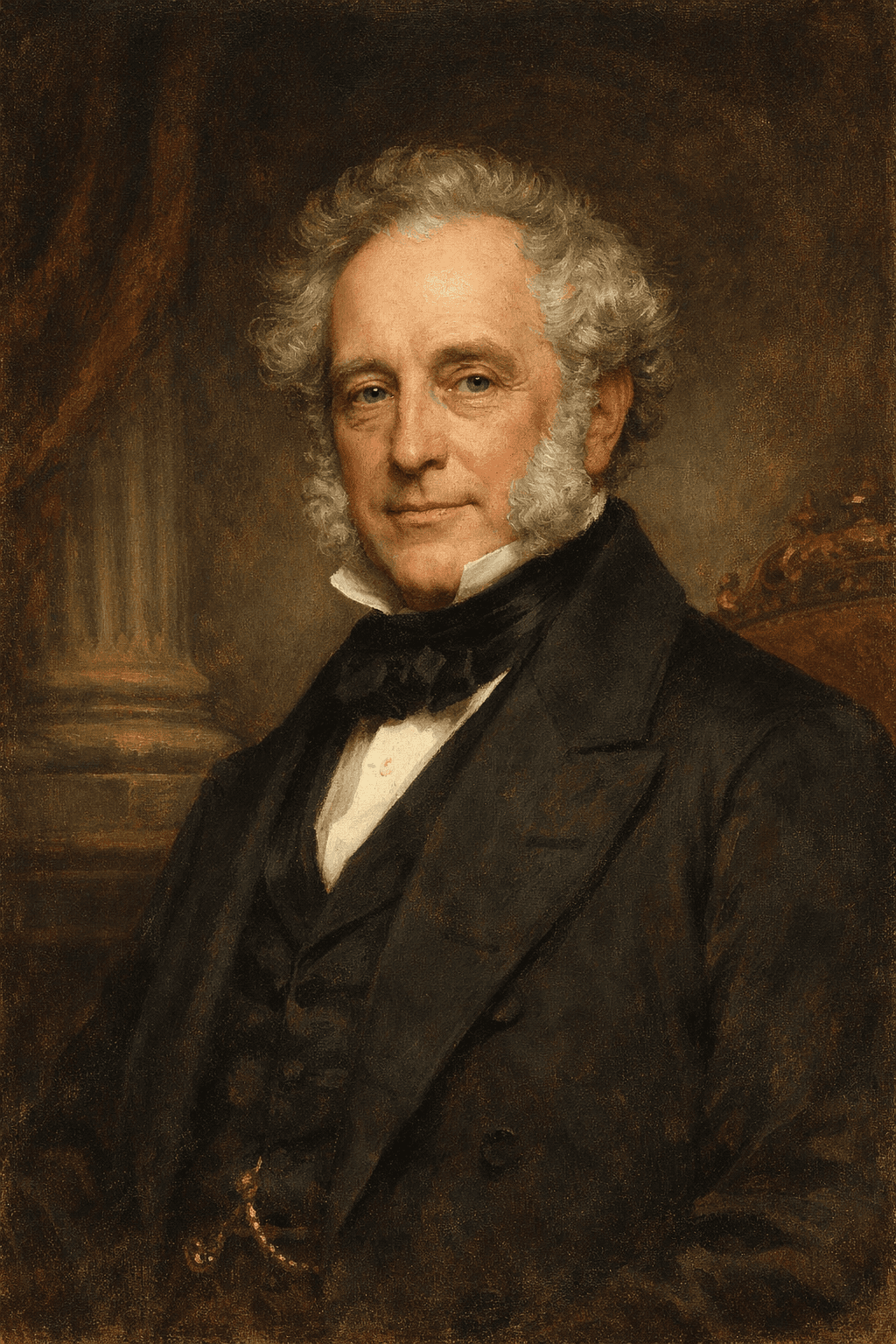
Henry John Temple, 3rd Viscount Palmerston
1784–1865United Kingdom
He spent decades shaping British foreign policy with bold confidence, becoming prime minister late in life and turning national pride into a political weapon.
Open profile →
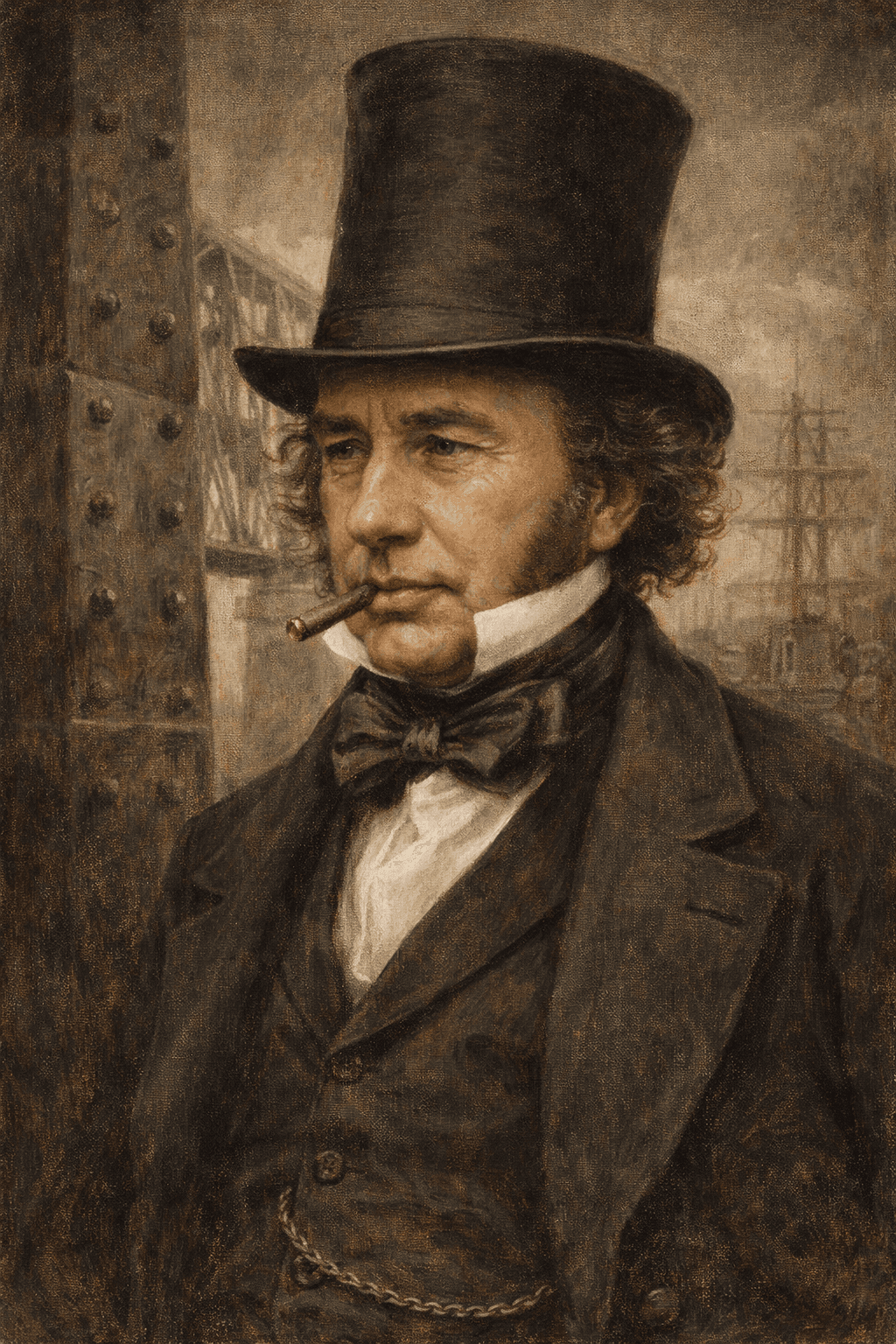
Isambard Kingdom Brunel
1806–1859United Kingdom
He was told his ship was too big to float and his tunnel was too deep to survive — and spent his career proving that what seemed impossible was mostly a failure of imagination.
Open profile →
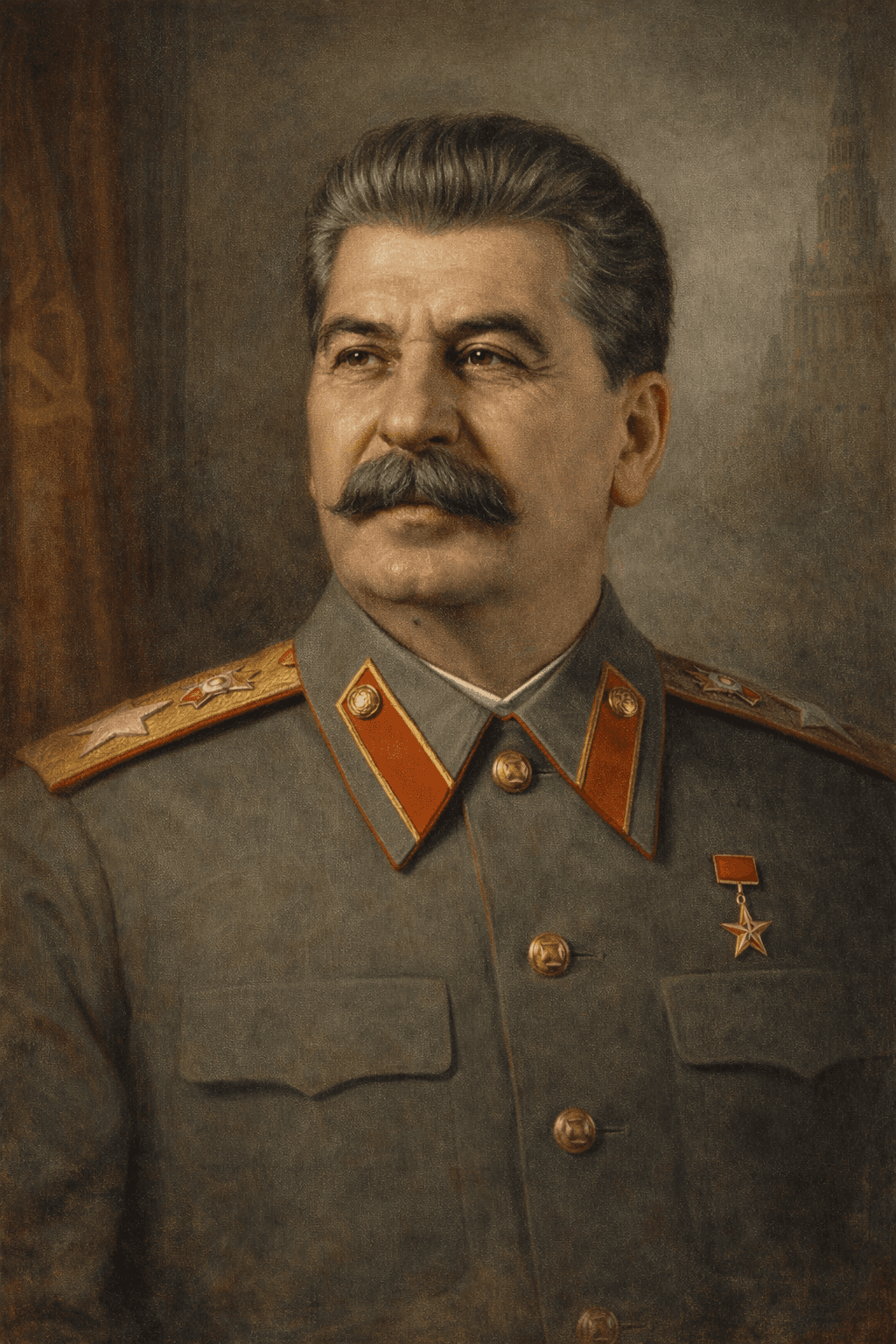
Joseph Stalin
1878–1953Russia
He transformed the Soviet Union through forced industrialisation and systematic terror, killed millions in the process, and died in his bed with people too afraid to call a doctor.
Open profile →
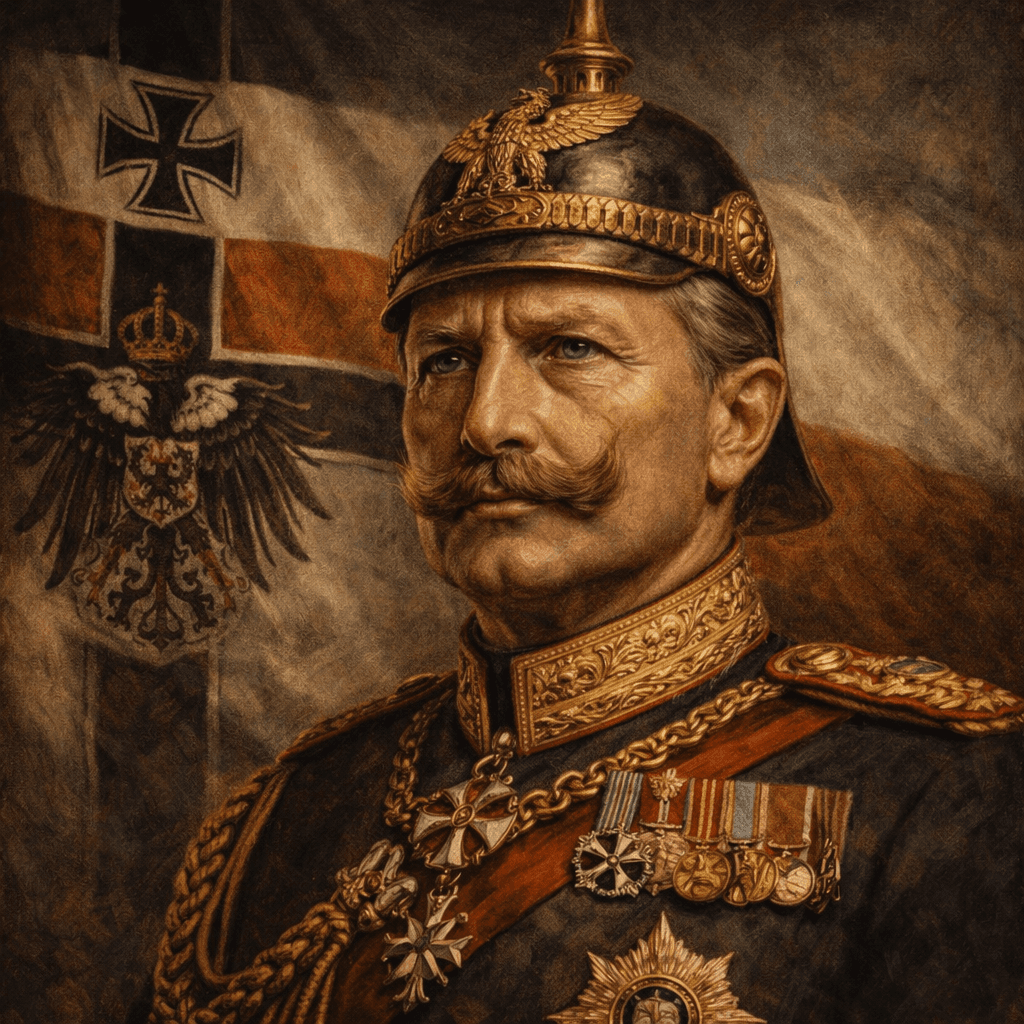
Kaiser Wilhelm II
1859–1941Germany
He believed himself to be a great statesman, dismissed the chancellor who actually was one, and spent thirty years inadvertently helping cause the worst war Europe had ever seen.
Open profile →
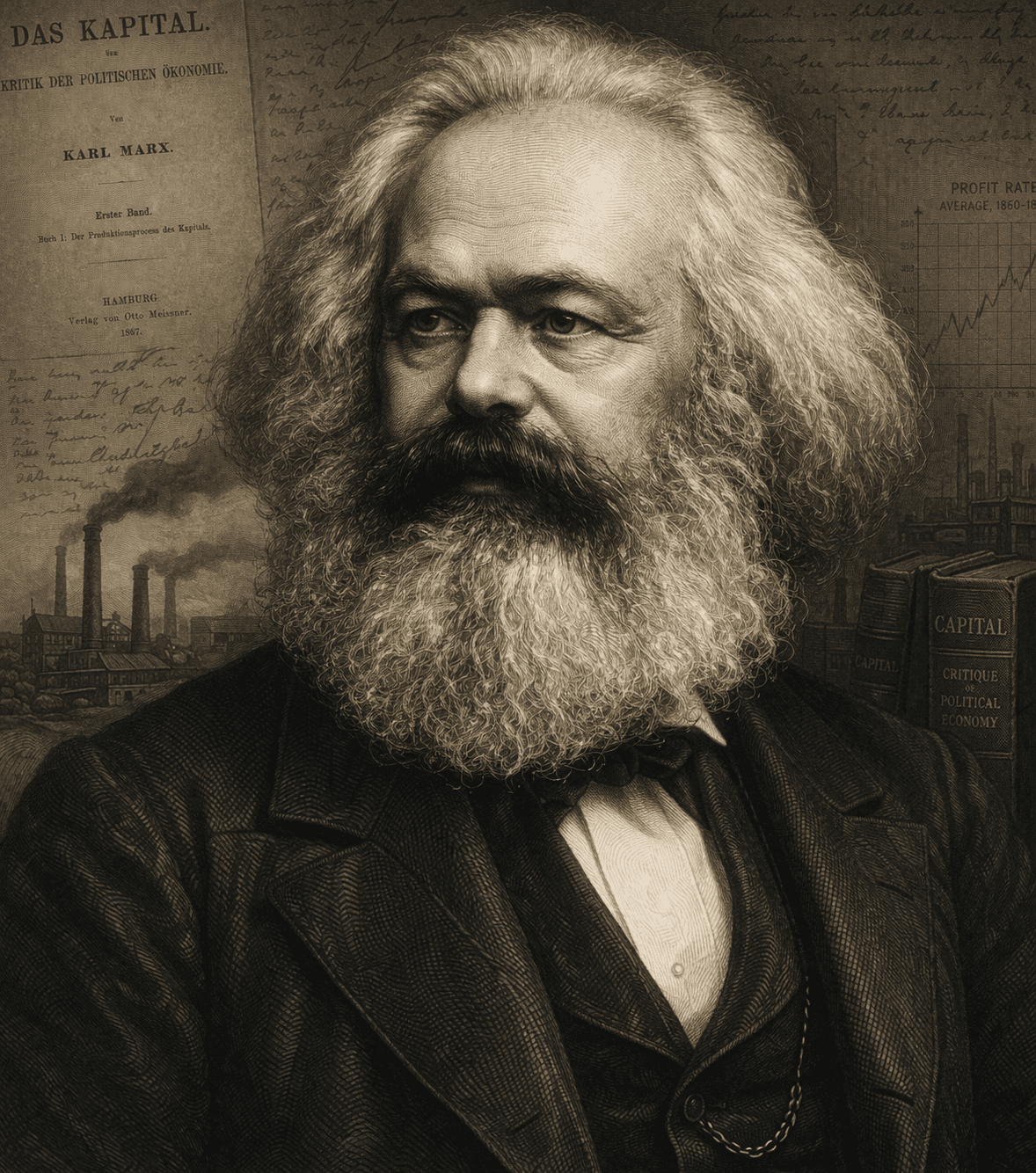
Karl Marx
1818–1883Germany
He spent his life in poverty writing about the workers' revolution, died before it happened, and his ideas were used to justify revolutions he never imagined by leaders he would never have trusted.
Open profile →
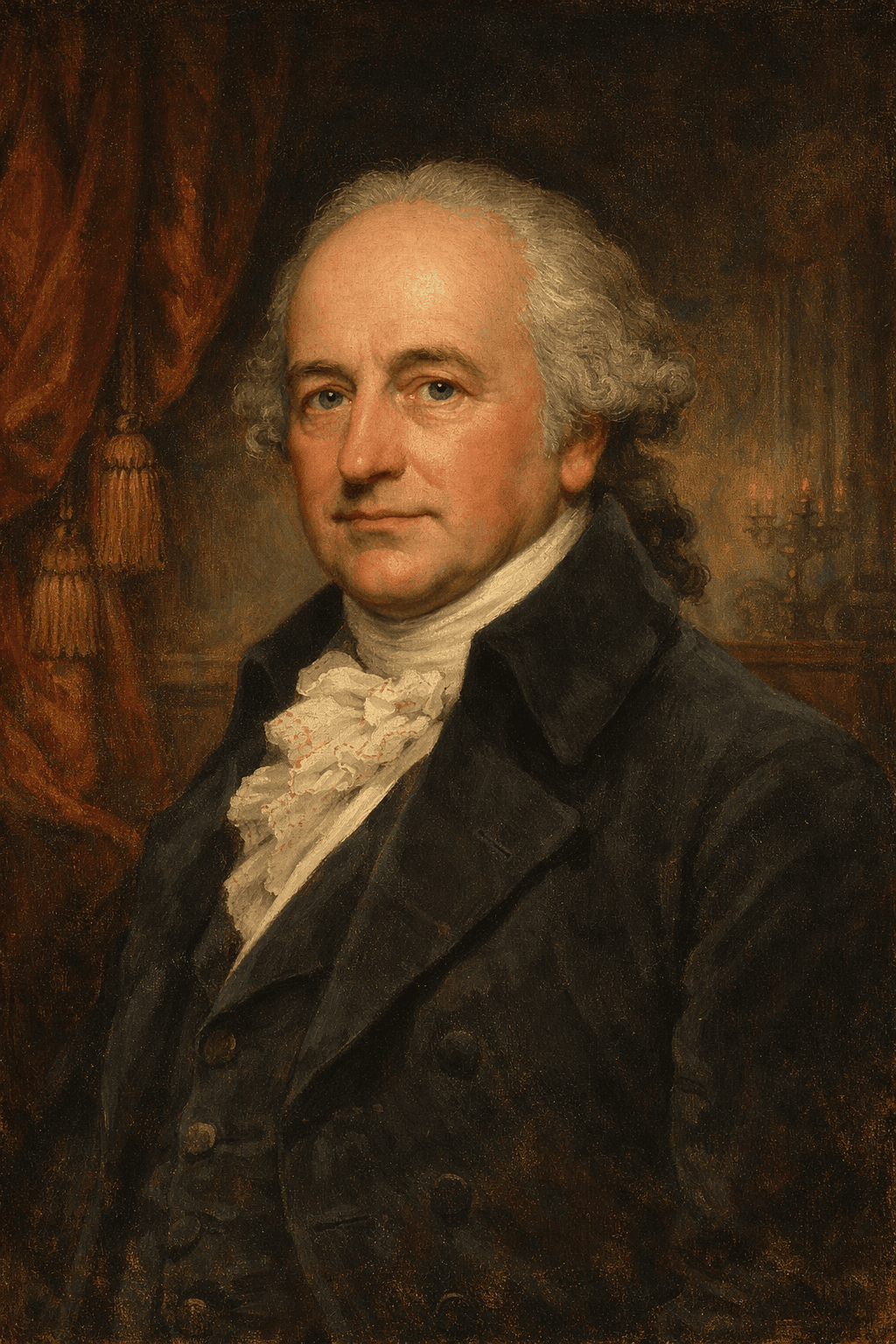
Lord Grenville
1759–1834United Kingdom
He led Britain through a tense moment in the Napoleonic era and helped push through the abolition of the slave trade, reshaping both foreign policy and moral direction.
Open profile →
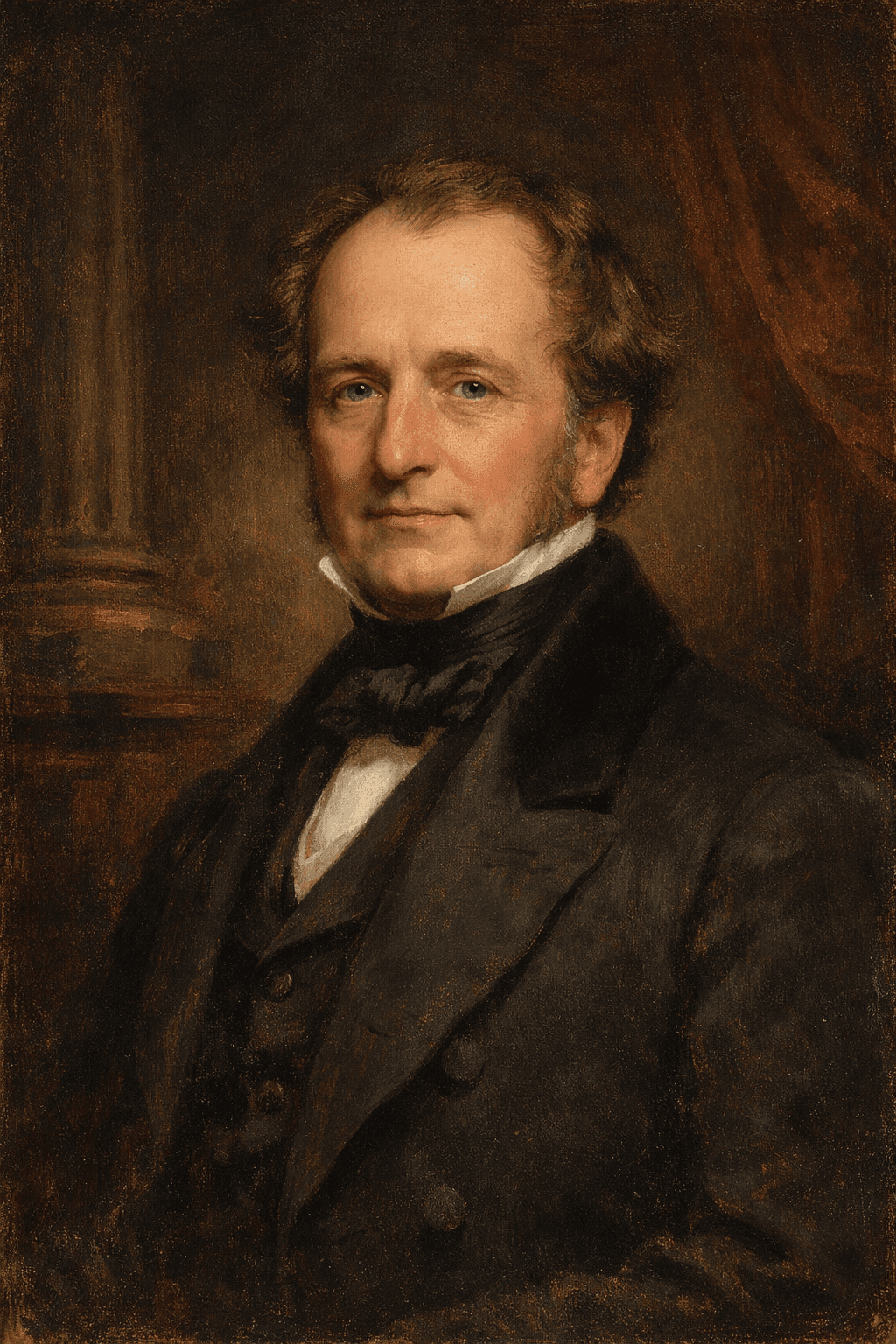
Lord John Russell
1792–1878United Kingdom
He spent decades pushing Britain toward broader democracy, championing reform laws that reshaped Parliament while twice serving as prime minister during an era of political change.
Open profile →
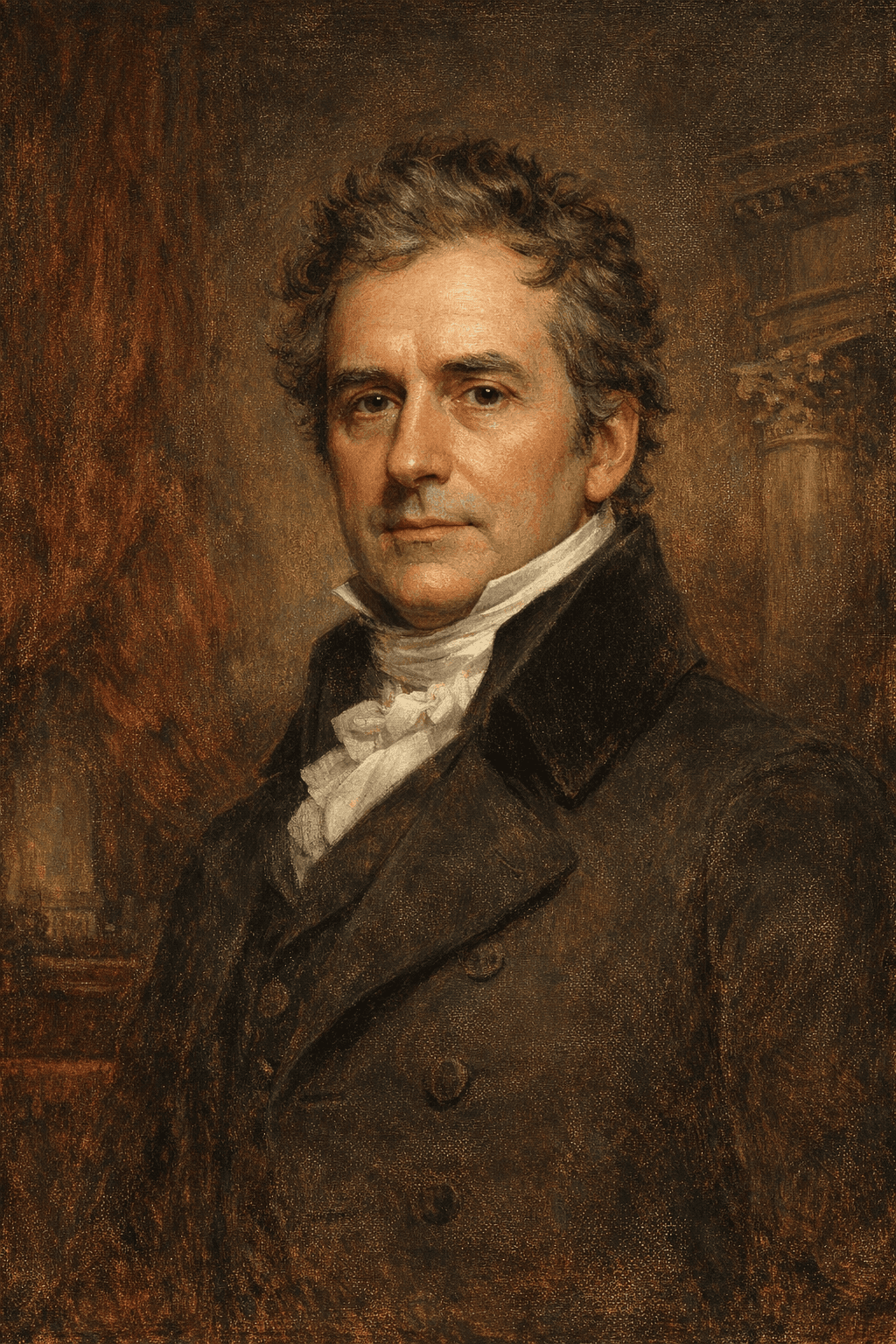
Lord Liverpool
1770–1828United Kingdom
He steered Britain through the final defeat of Napoleon and into uneasy peace, balancing reform fears with stability in a society strained by war and change.
Open profile →
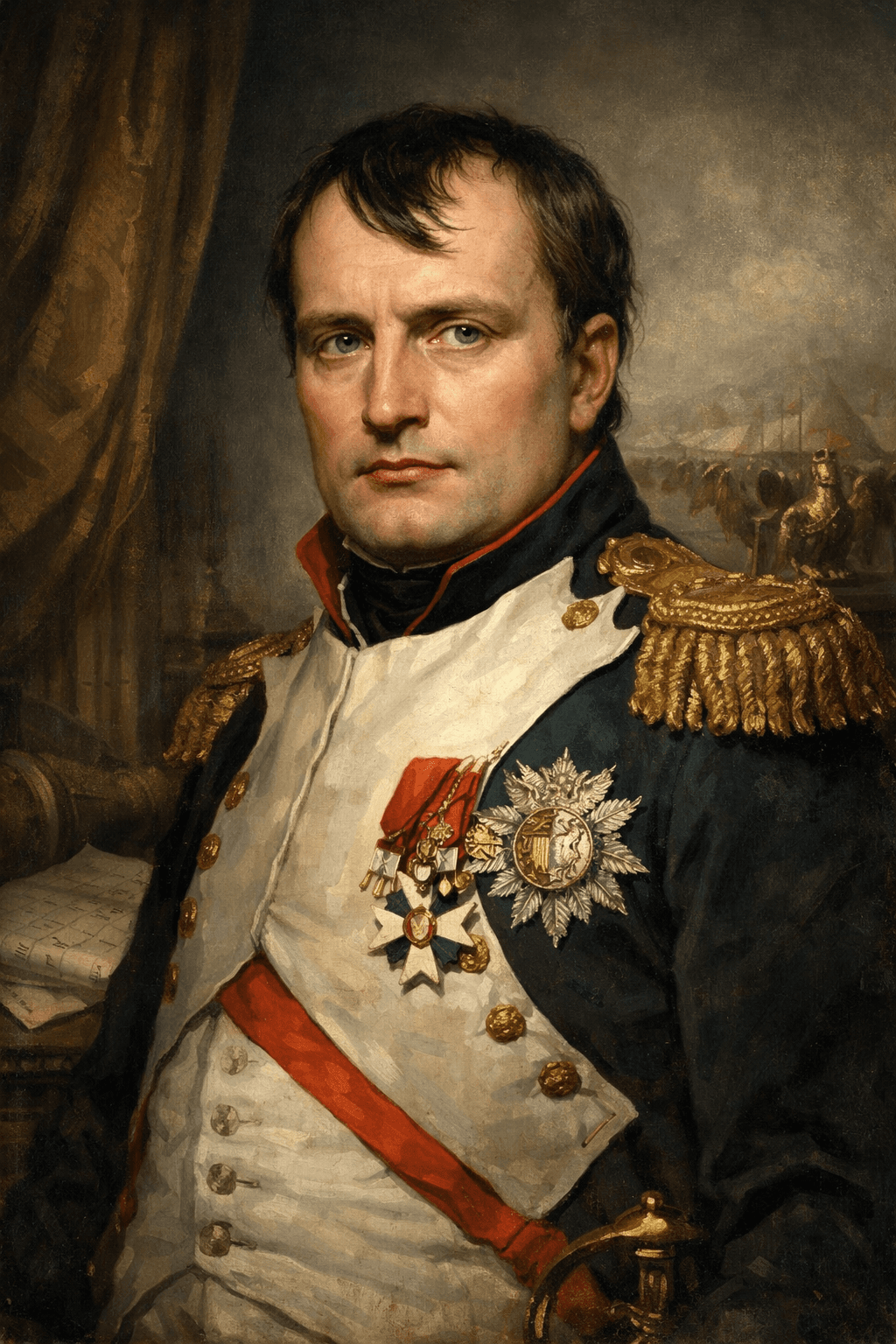
Napoleon Bonaparte
1769–1821France
He rose from obscure Corsican origins to master of Europe, then invaded Russia — a decision that set the clock ticking on everything he had built.
Open profile →
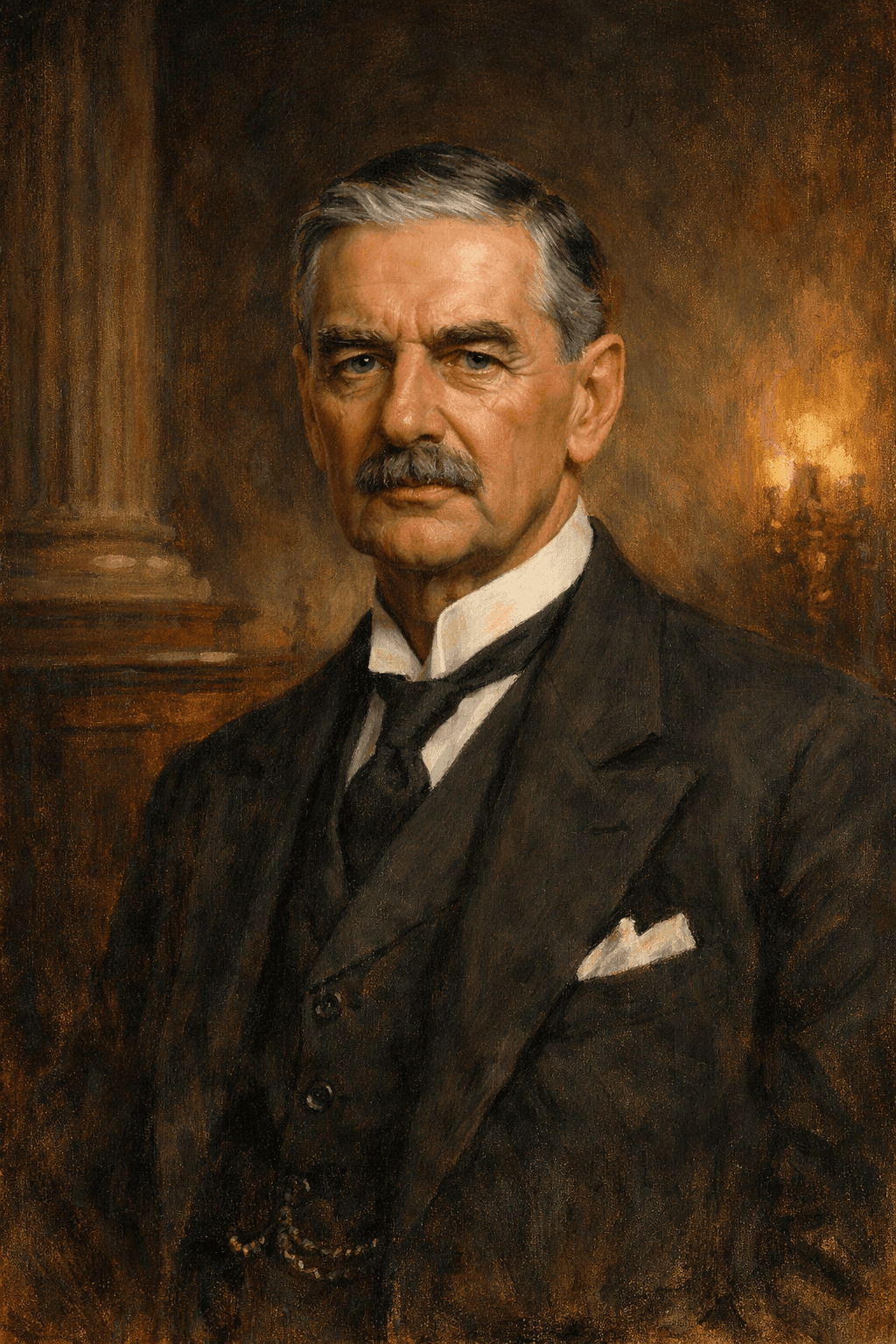
Neville Chamberlain
1869–1940United Kingdom
He staked his reputation on avoiding war through negotiation with Adolf Hitler, only to see his promise of peace collapse within a year.
Open profile →
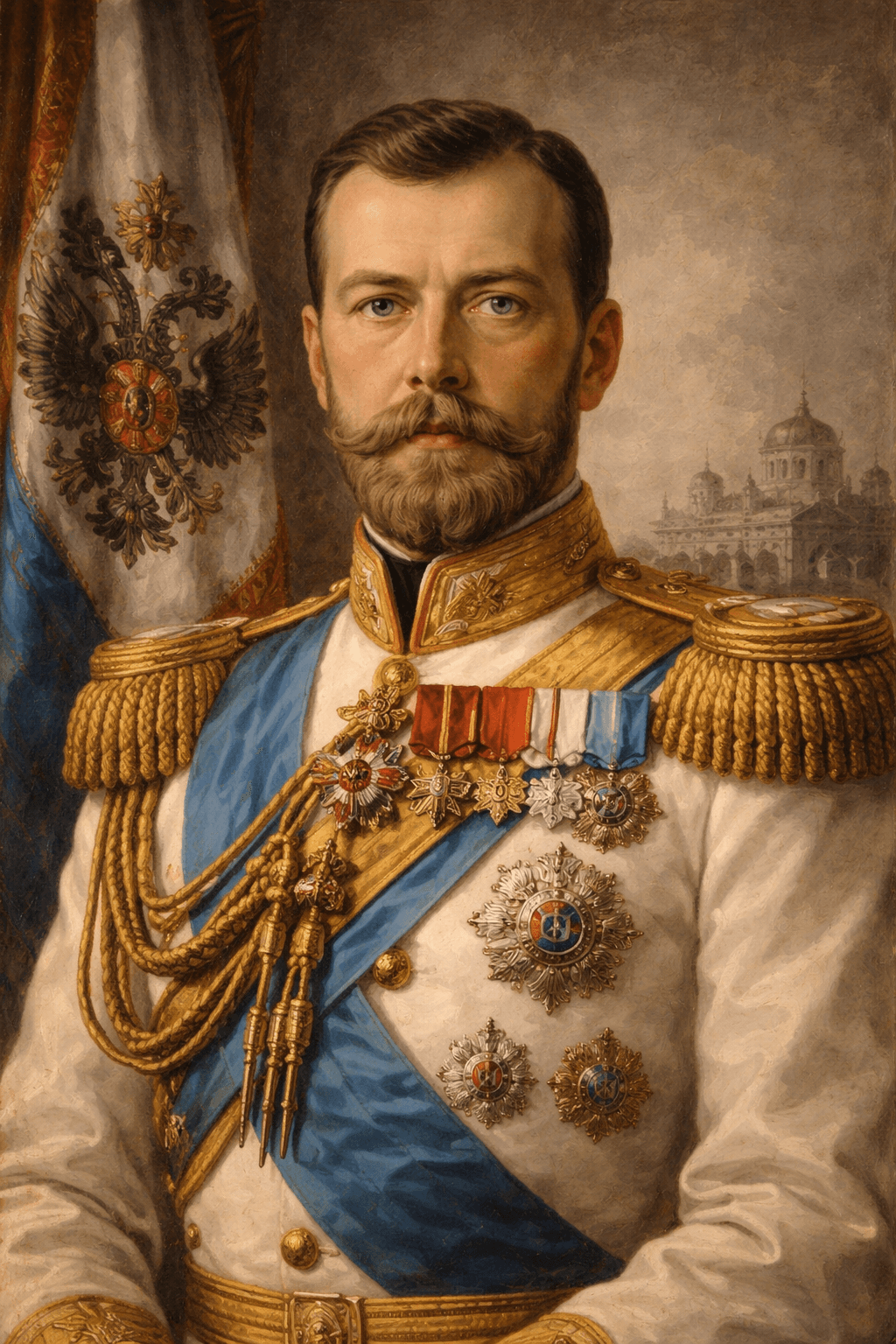
Nicholas II
1868–1918Russia
He inherited the largest country on earth, believed in autocracy deeply and sincerely, and watched it all collapse because he couldn't imagine any other way to rule.
Open profile →
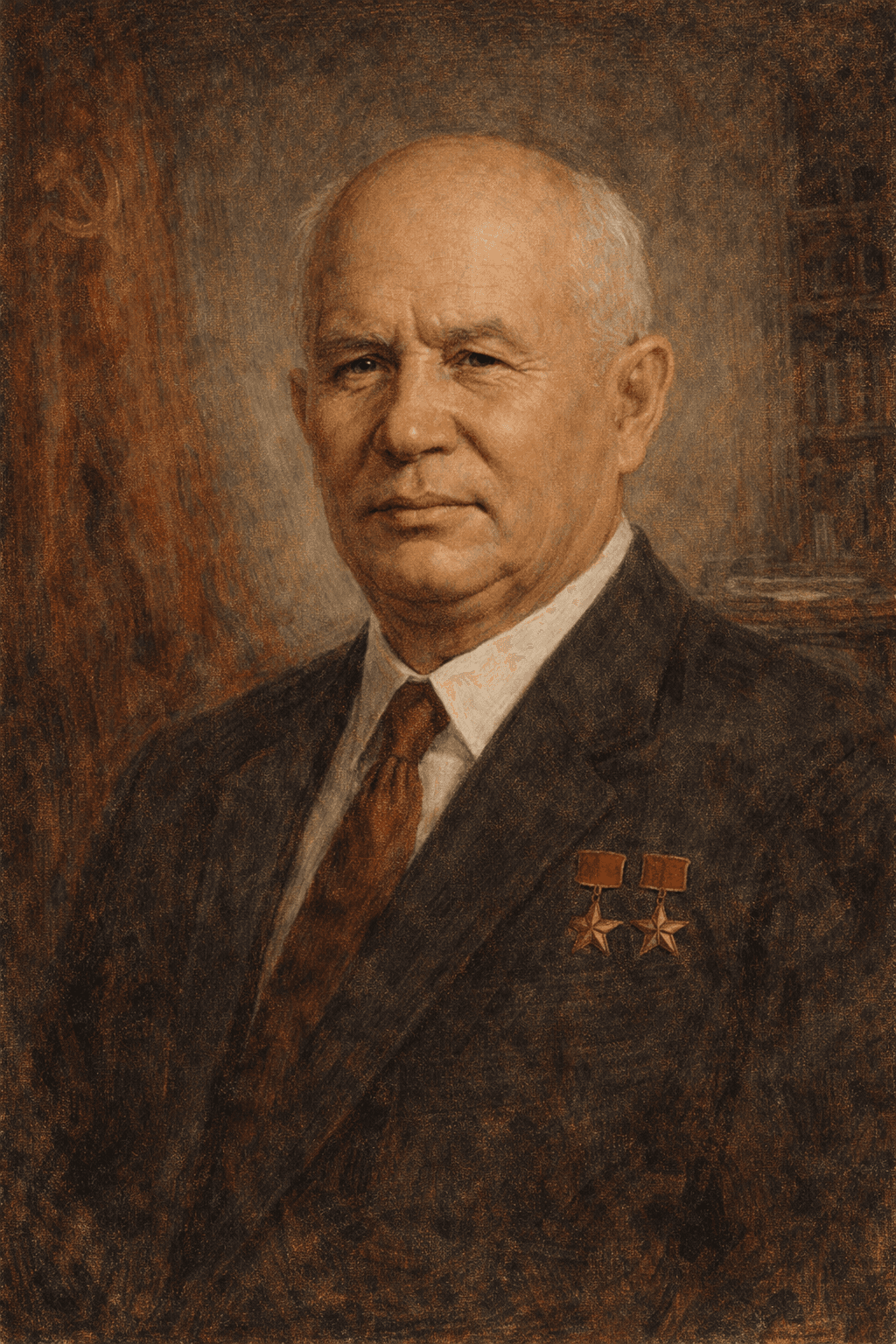
Nikita Khrushchev
1894–1971Russia
He denounced Stalin, launched Sputnik, and brought the world to the edge of nuclear war over Cuba — then was removed from power while on holiday by colleagues who'd had enough.
Open profile →
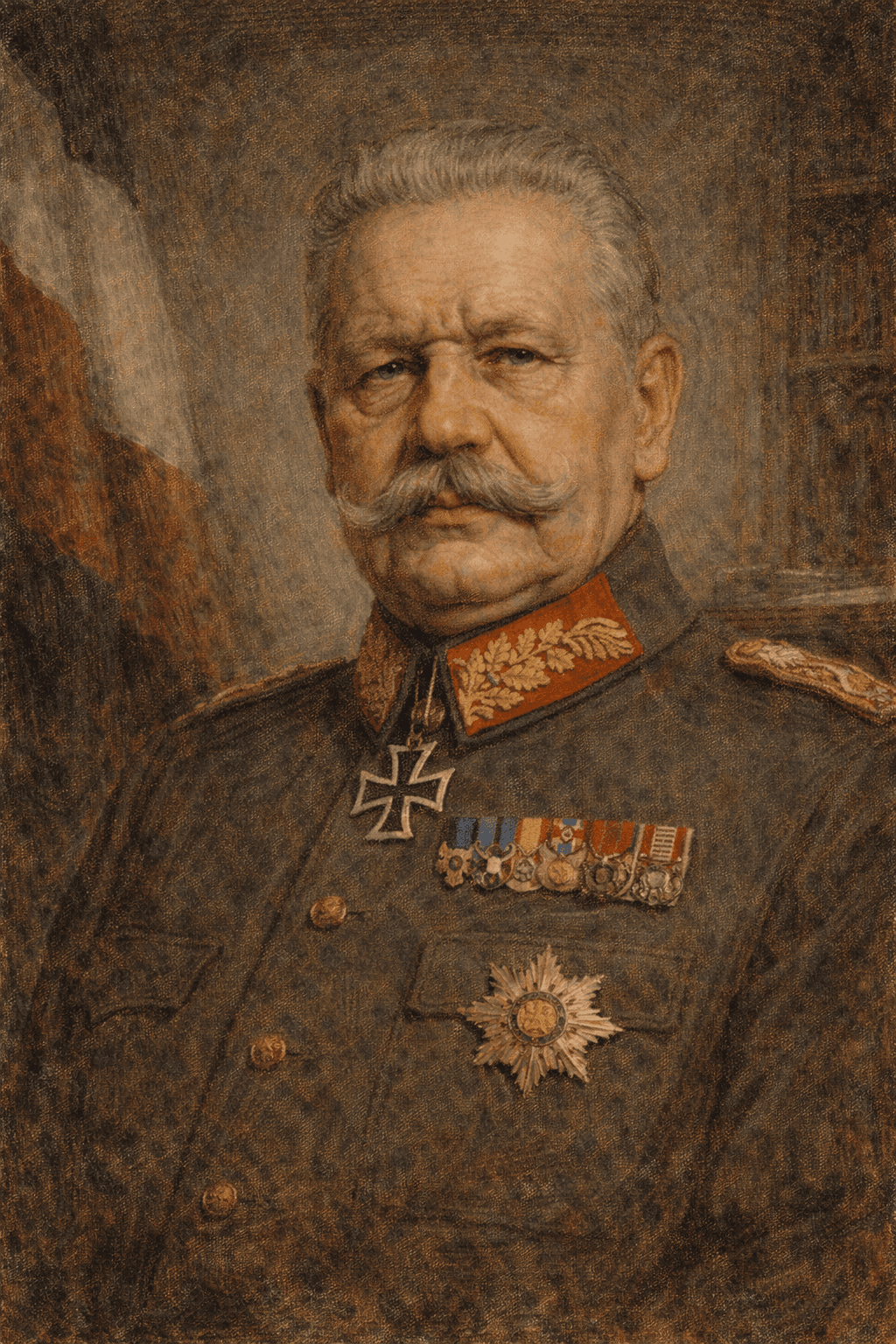
Paul von Hindenburg
1847–1934Germany
He was a war hero and a president who despised Hitler, considered him a vulgar upstart — and then appointed him chancellor anyway, convinced he could control him.
Open profile →
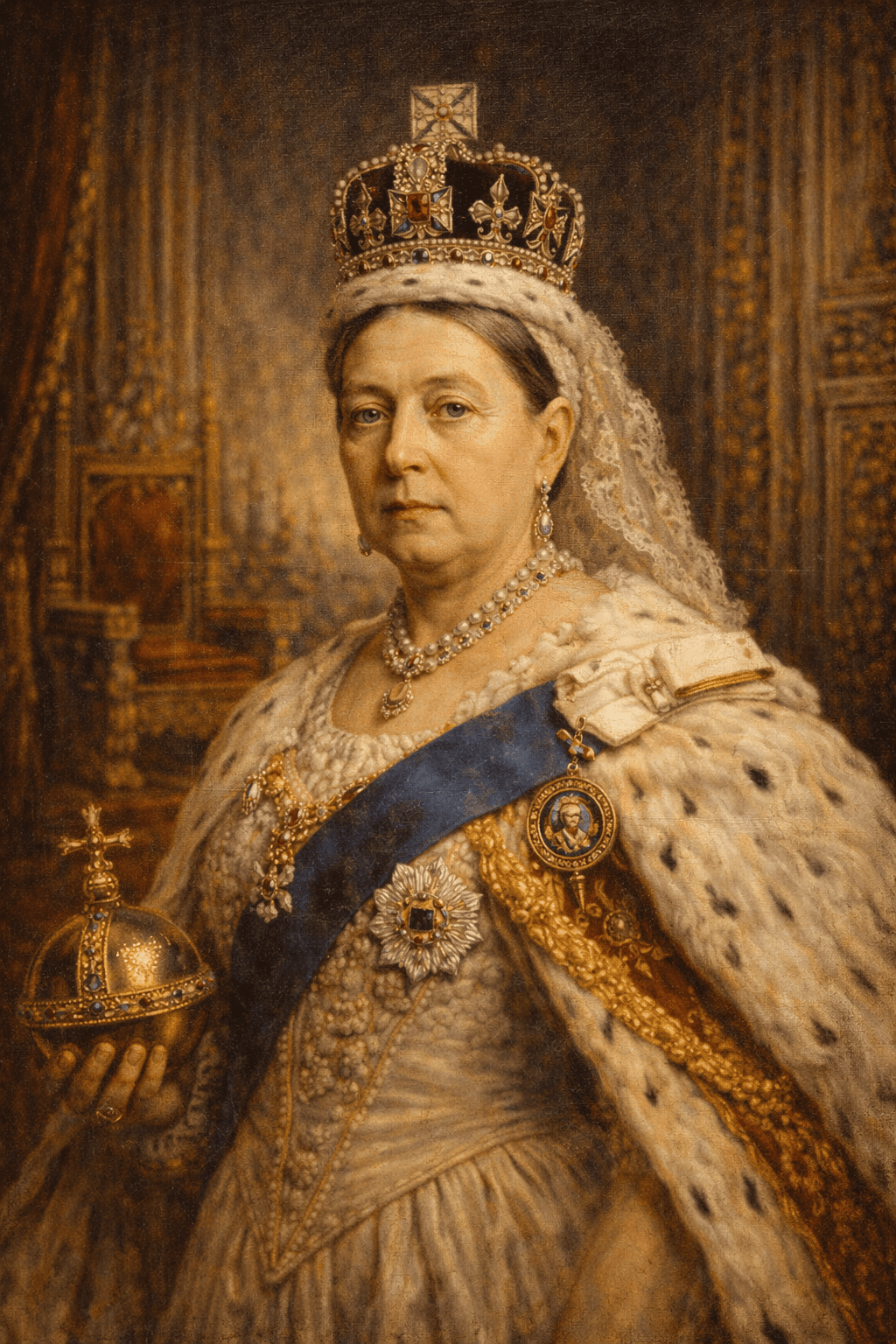
Queen Victoria
1819–1901United Kingdom
She became queen at eighteen, reigned for sixty-three years, and by the time she died her descendants sat on the thrones of half the royal houses of Europe.
Open profile →
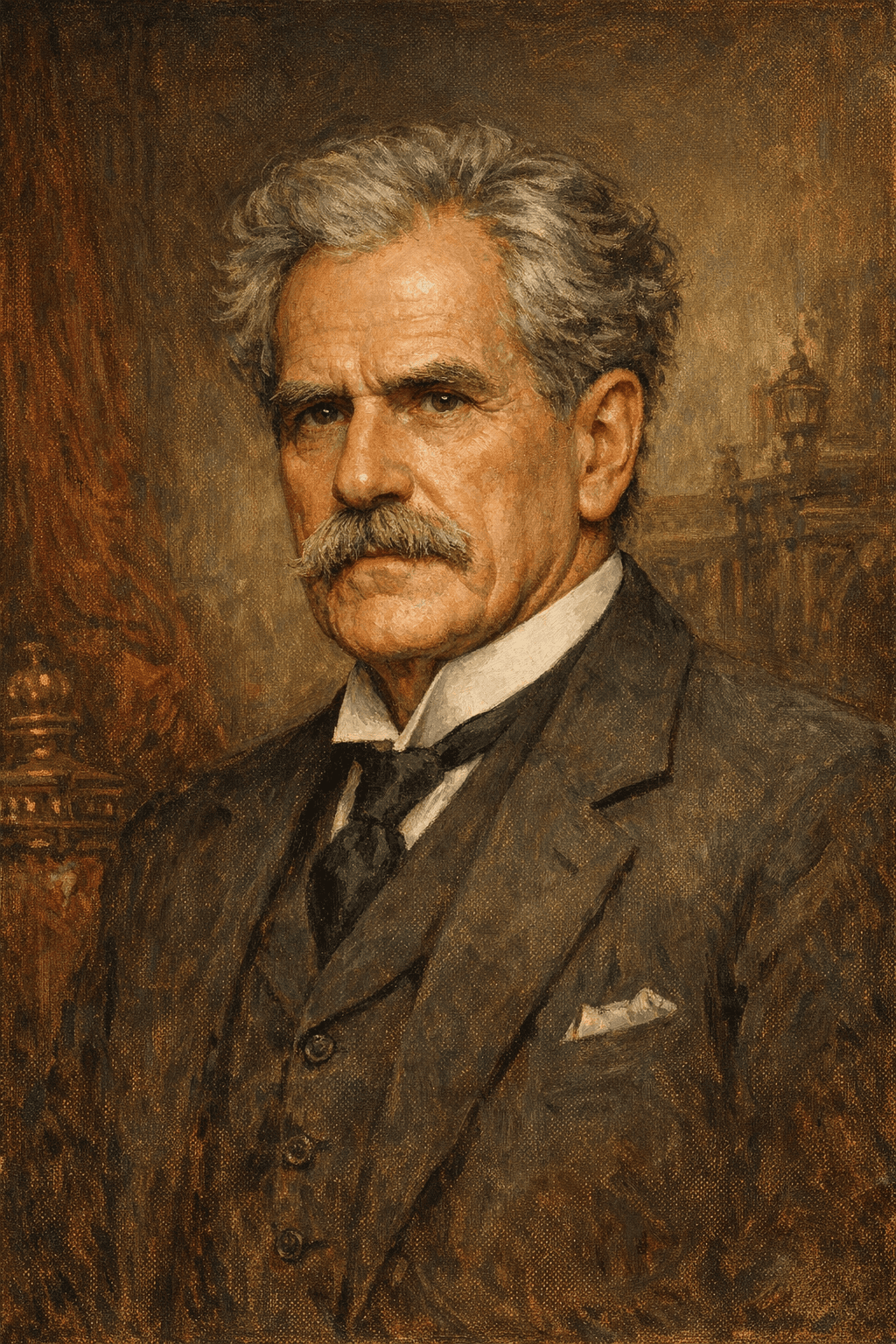
Ramsay MacDonald
1866–1937United Kingdom
He rose from illegitimate birth in rural poverty to lead Britain’s first Labour government, only to split his party and govern with former opponents during crisis.
Open profile →
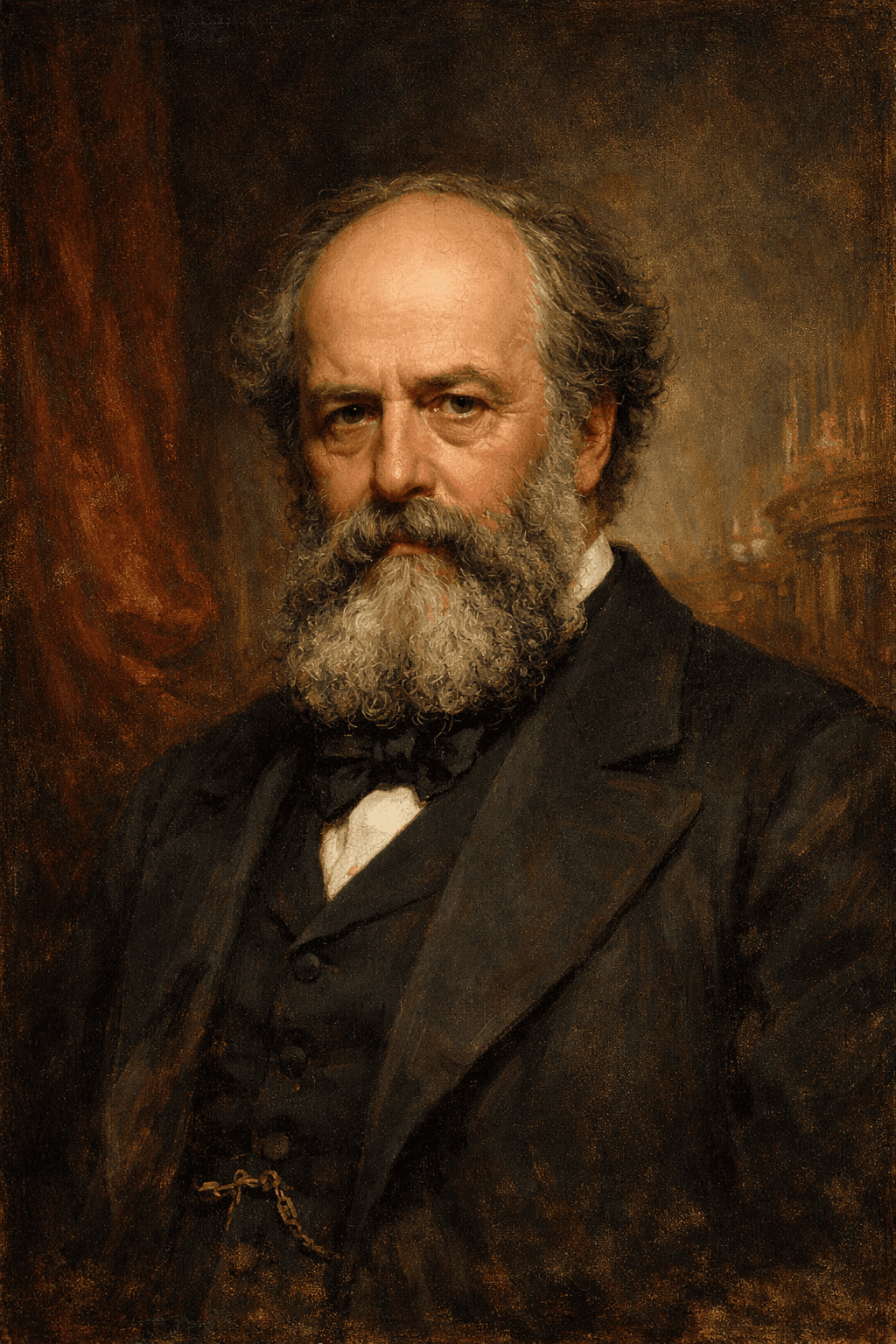
Robert Gascoyne-Cecil, 3rd Marquess of Salisbury
1830–1903United Kingdom
He distrusted democracy yet led Britain repeatedly as prime minister, steering imperial policy with cold realism while quietly shaping the balance of power across Europe.
Open profile →
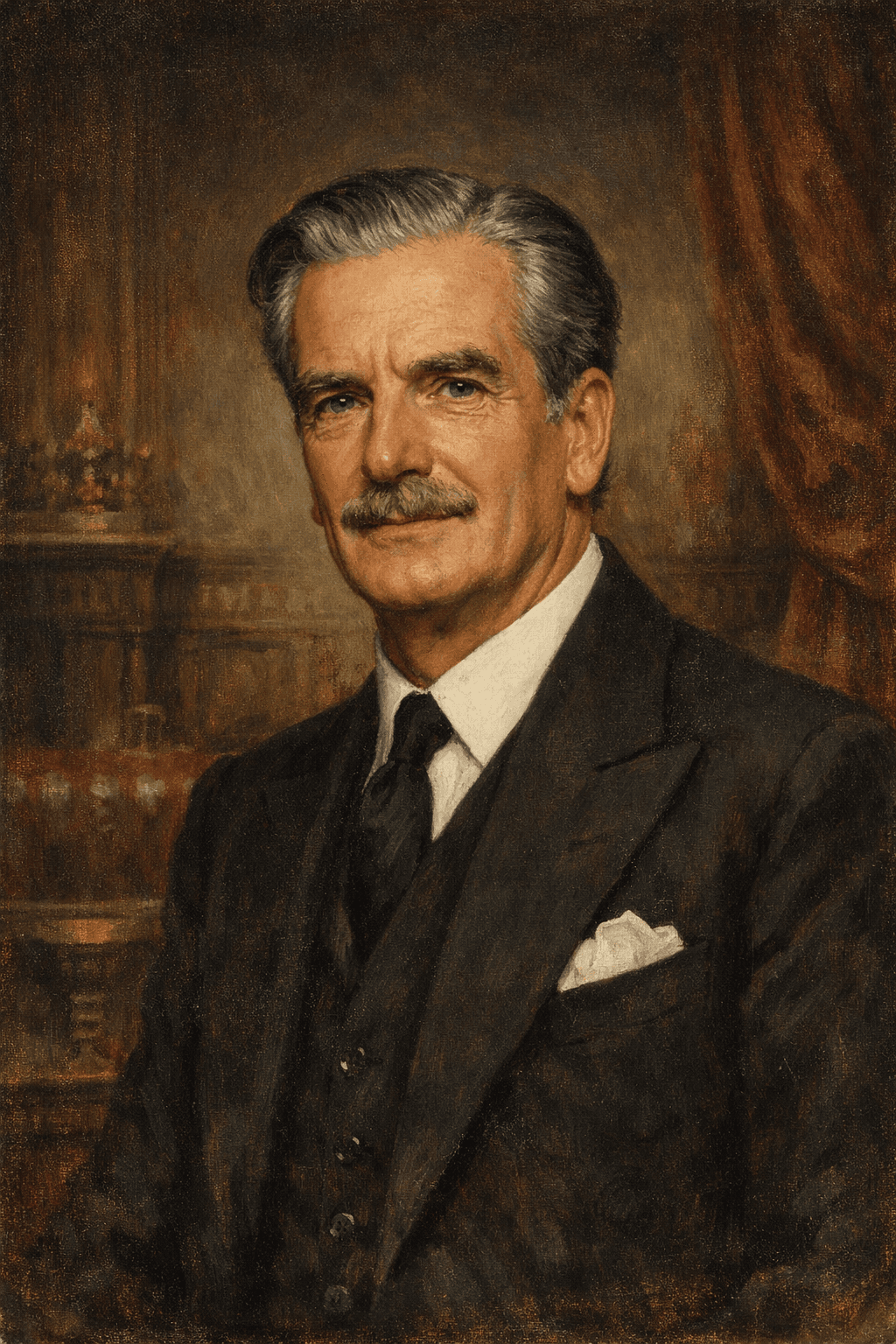
Sir Anthony Eden
1897–1977United Kingdom
He spent decades warning about dictatorship abroad, yet his own premiership collapsed when the Suez Crisis exposed the limits of British power in a changing world.
Open profile →
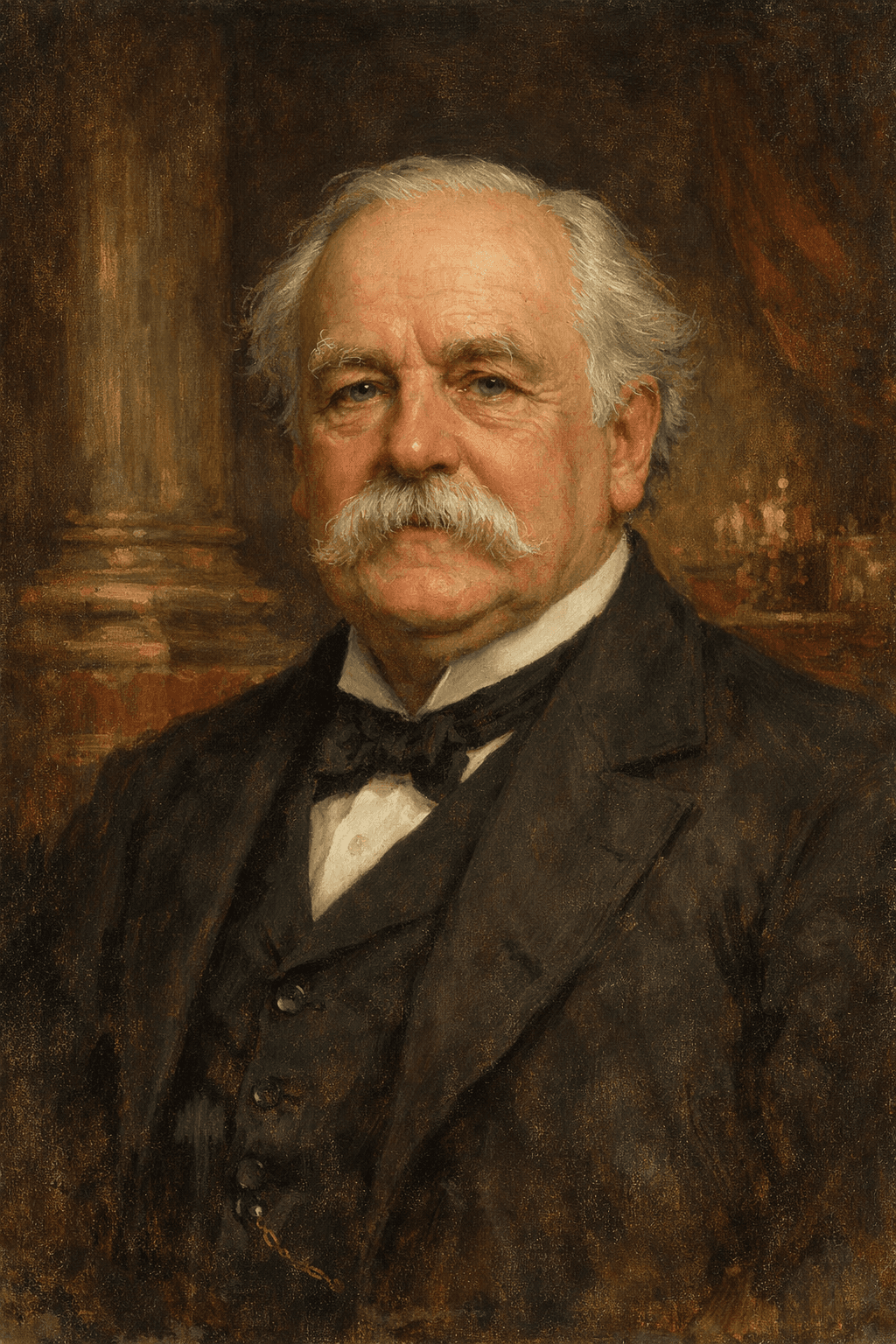
Sir Henry Campbell-Bannerman
1836–1908United Kingdom
He spent decades in politics before unexpectedly leading a landslide victory, becoming prime minister and quietly reshaping British liberalism toward reform and reduced imperial aggression.
Open profile →
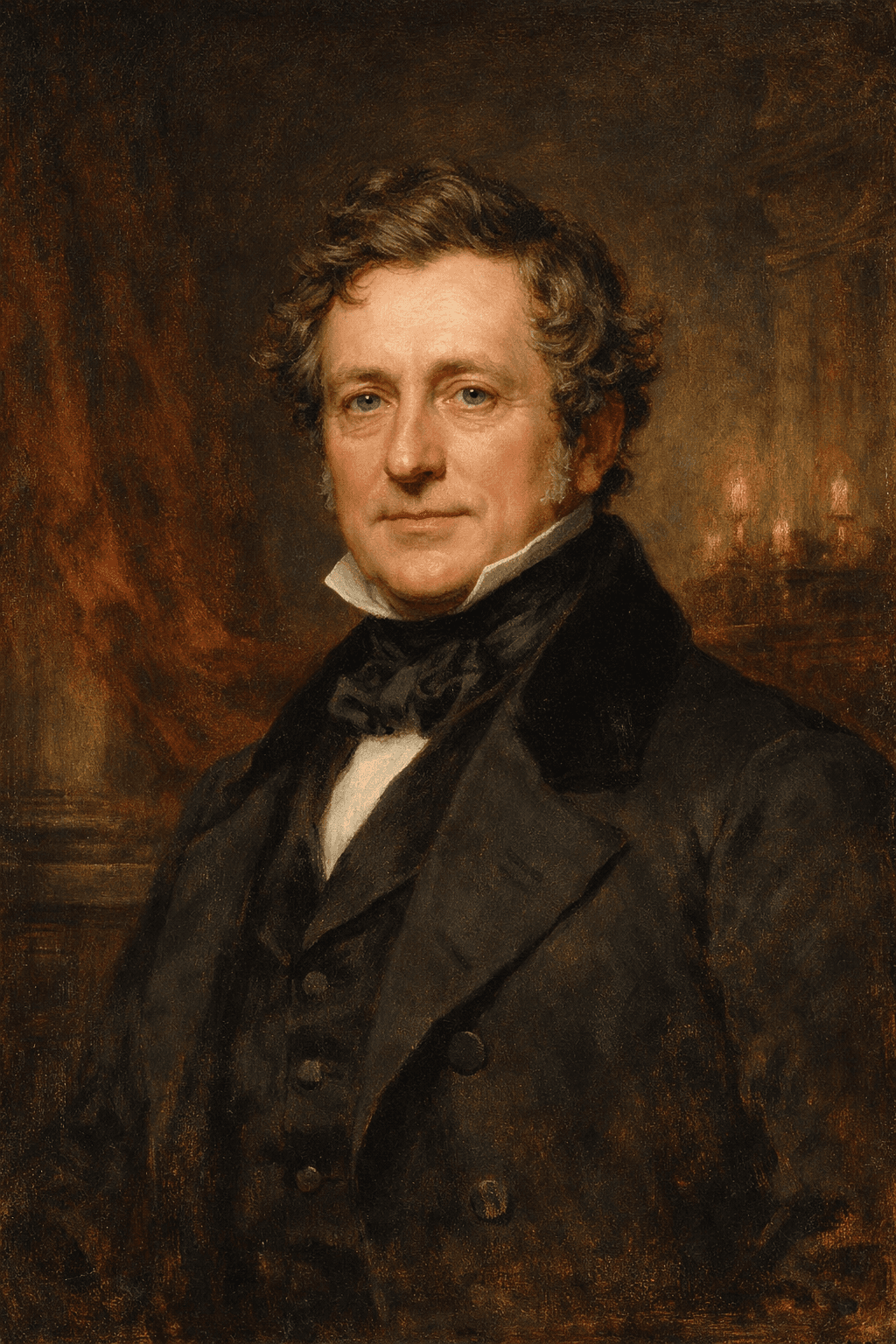
Sir Robert Peel
1788–1850United Kingdom
He built modern policing in London and split his own party to repeal grain tariffs, choosing economic stability over political survival in a move that reshaped British politics.
Open profile →
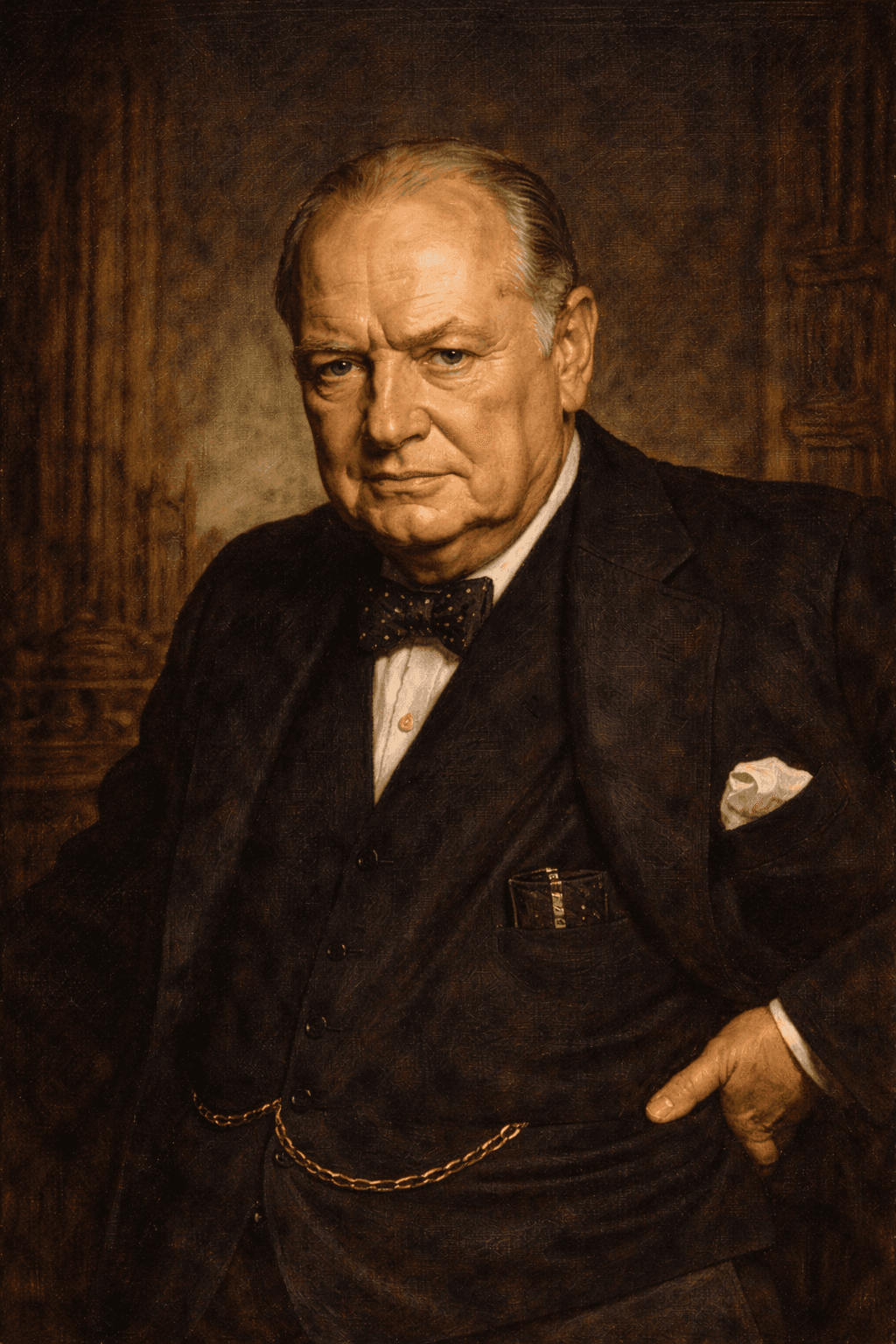
Sir Winston Churchill
1874–1965United Kingdom
He spent the 1930s warning about Hitler while his own party tried to sideline him — and then, when the warning came true, they made him prime minister.
Open profile →
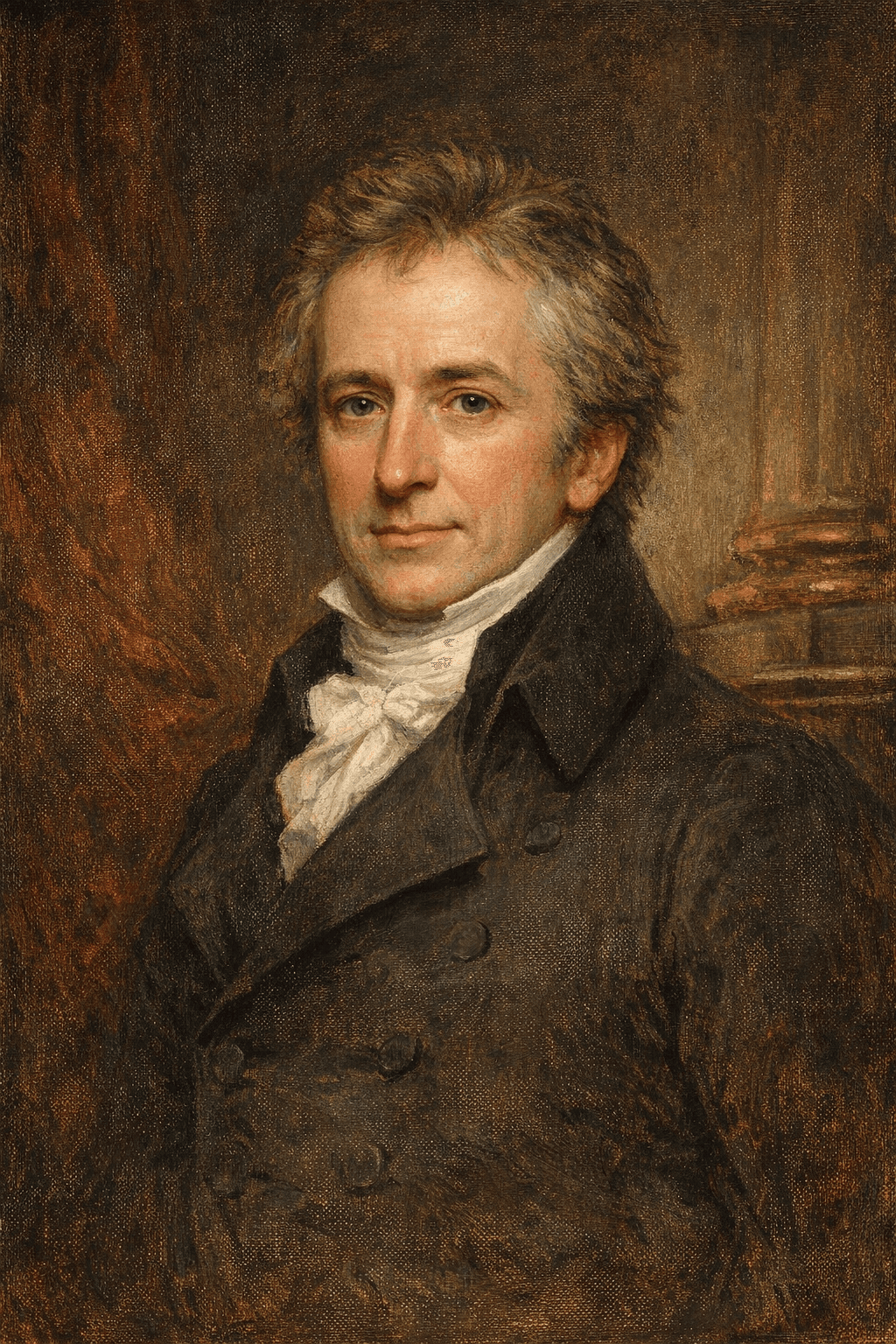
Spencer Perceval
1762–1812United Kingdom
He led Britain through economic strain and war with France, only to become the only British prime minister ever assassinated, shot inside Parliament itself.
Open profile →
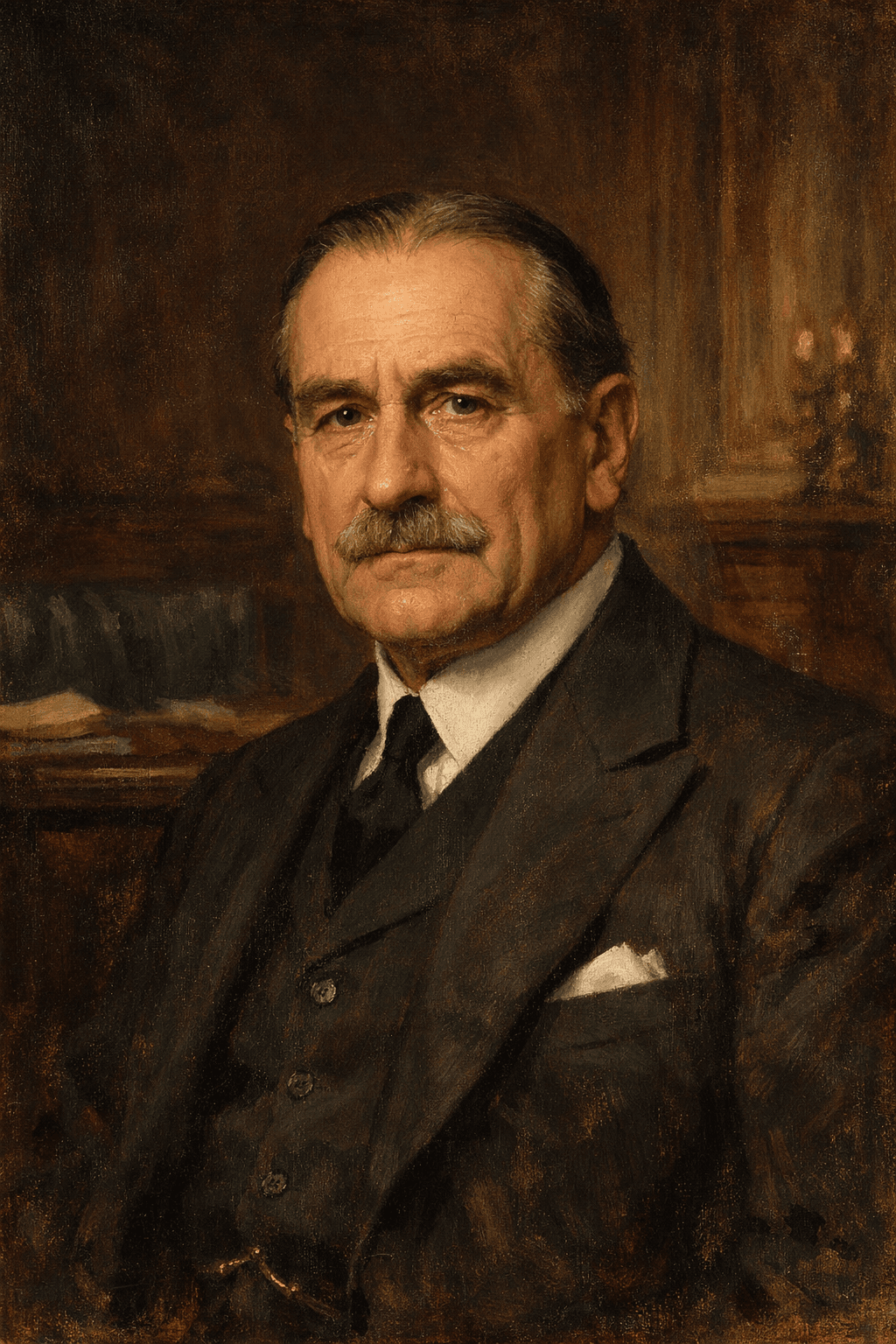
Stanley Baldwin
1867–1947United Kingdom
He guided Britain through political upheaval between two world wars, choosing caution and consensus, yet faced lasting criticism for how his leadership approached the rise of Nazi Germany.
Open profile →
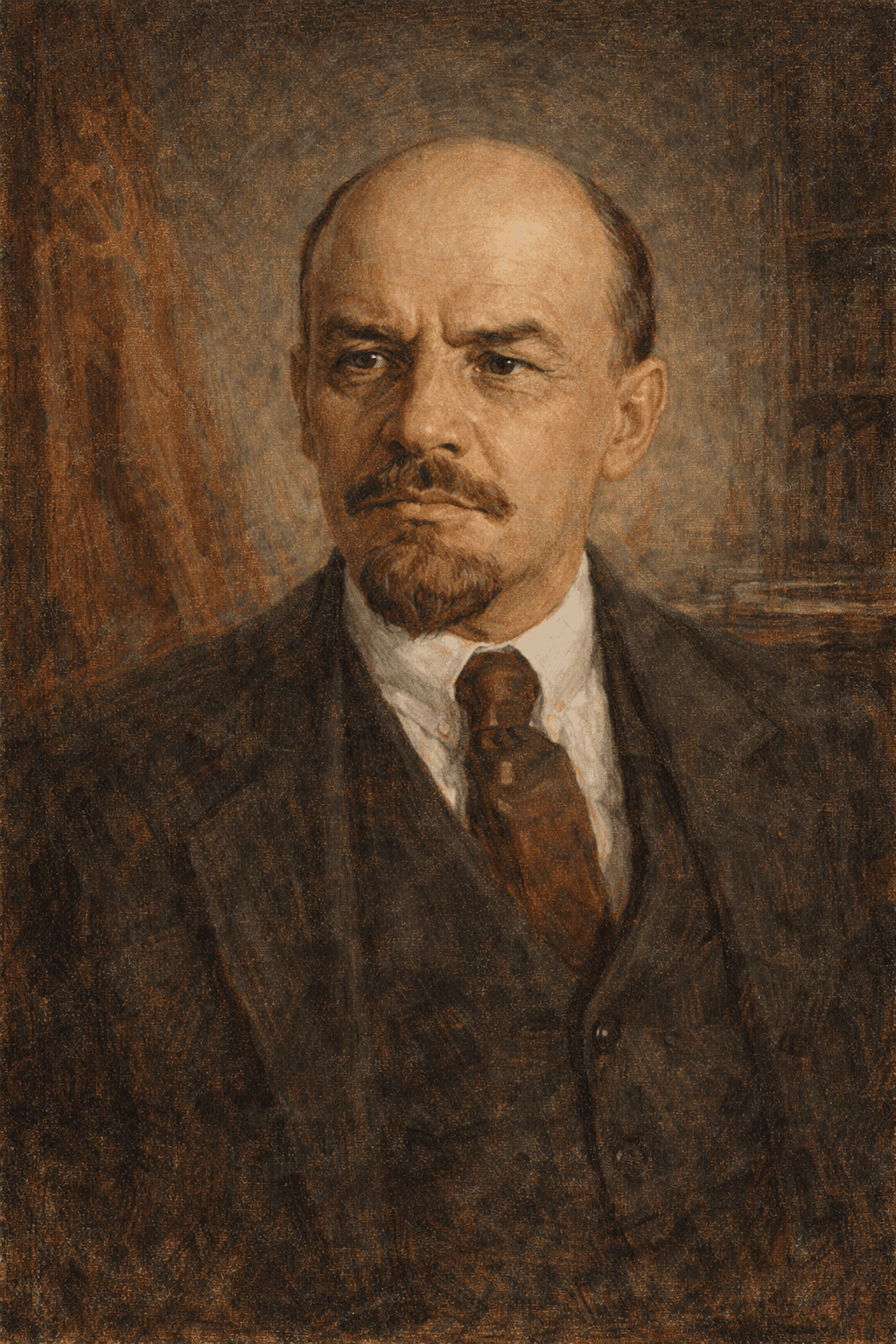
Vladimir Lenin
1870–1924Russia
He spent years writing in exile about a revolution that never seemed to come — and when it finally arrived in 1917, he seized it so completely that his version became the only one that survived.
Open profile →
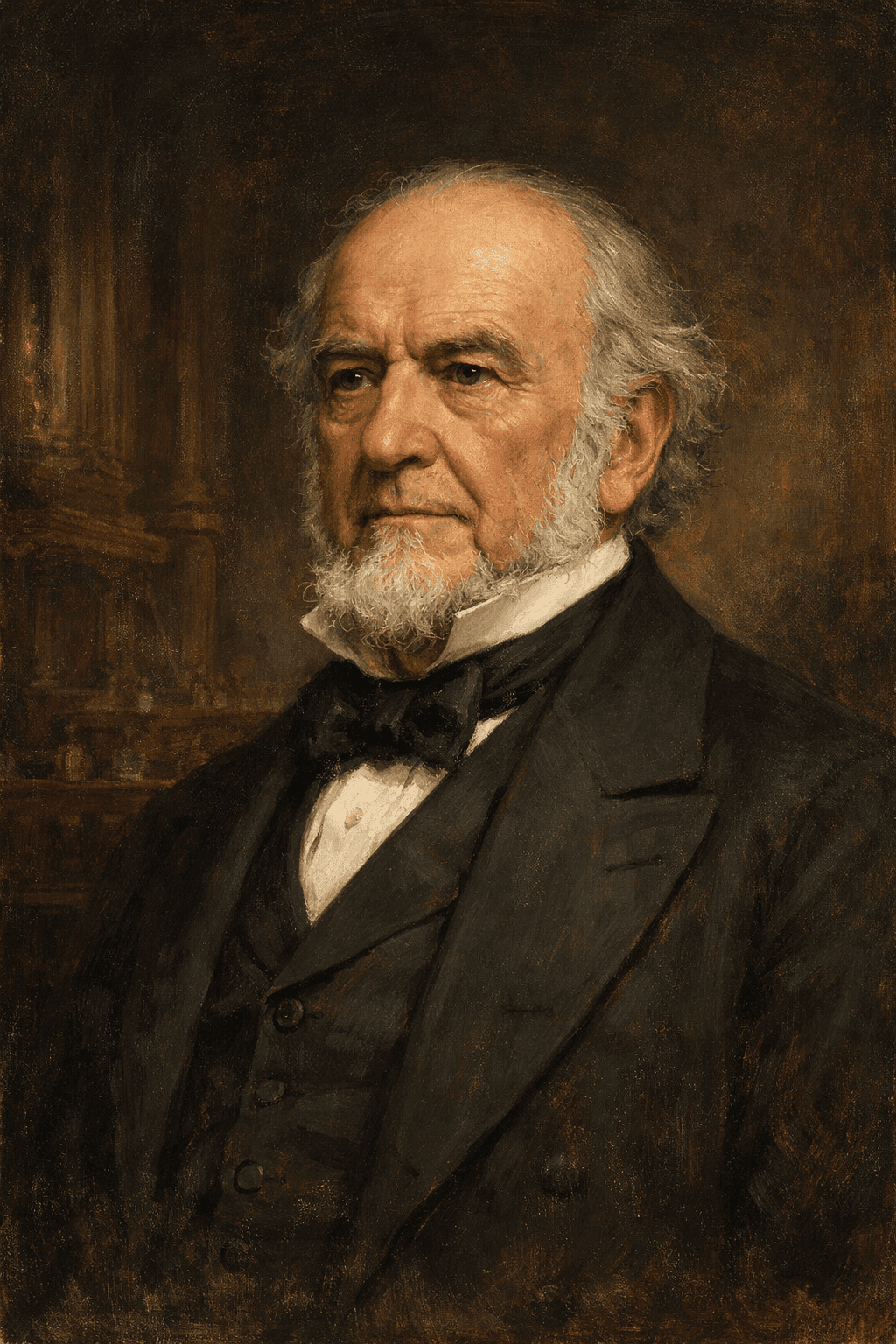
William Ewart Gladstone
1809–1898United Kingdom
He reshaped British politics through relentless reform, moral conviction, and fierce rivalry, returning to power repeatedly even as age and controversy threatened to end his influence.
Open profile →
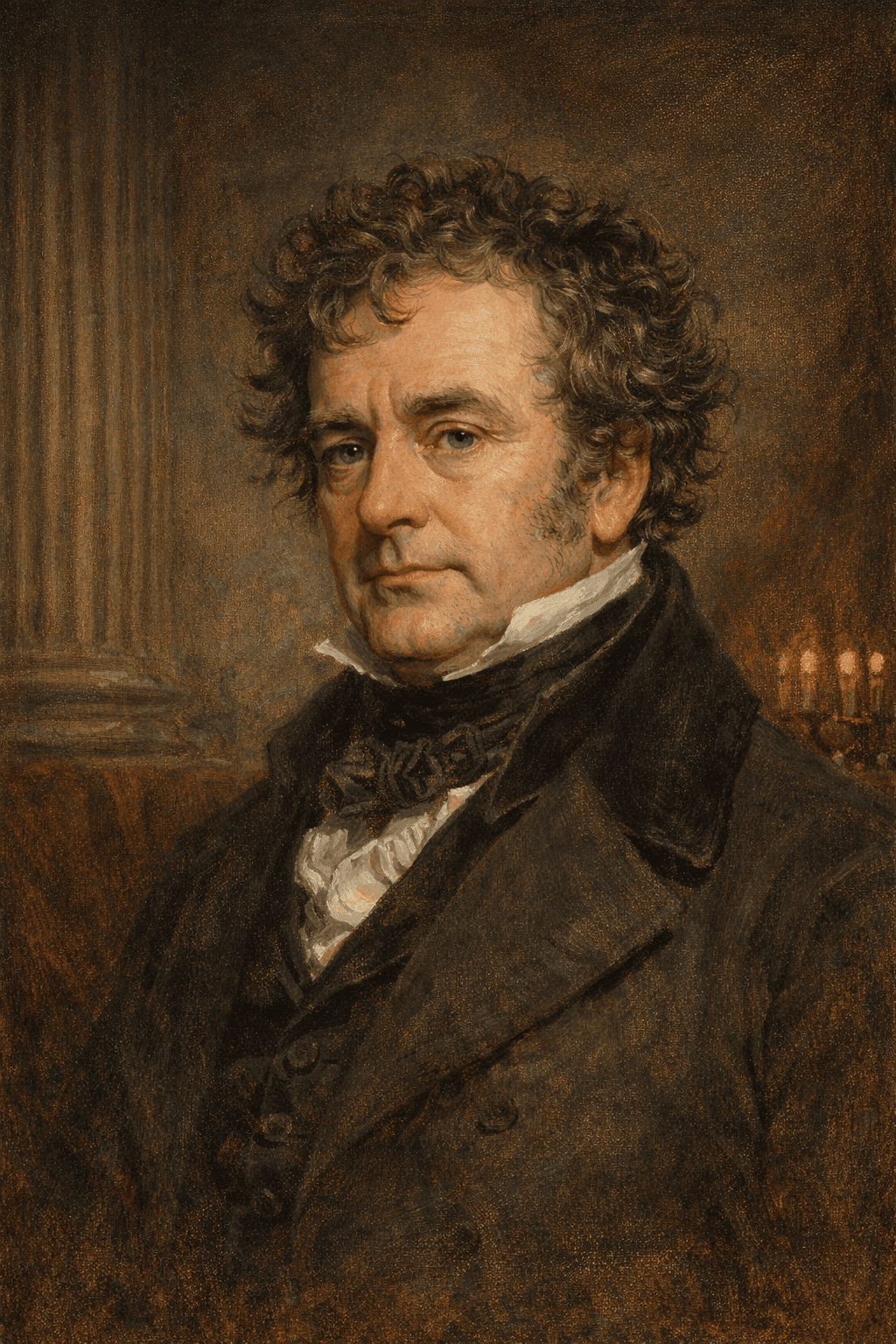
William Lamb, Viscount Melbourne
1779–1848United Kingdom
He drifted into power almost reluctantly, yet became the steady guide of a young queen, shaping early Victorian politics through calm judgement rather than dramatic ambition.
Open profile →
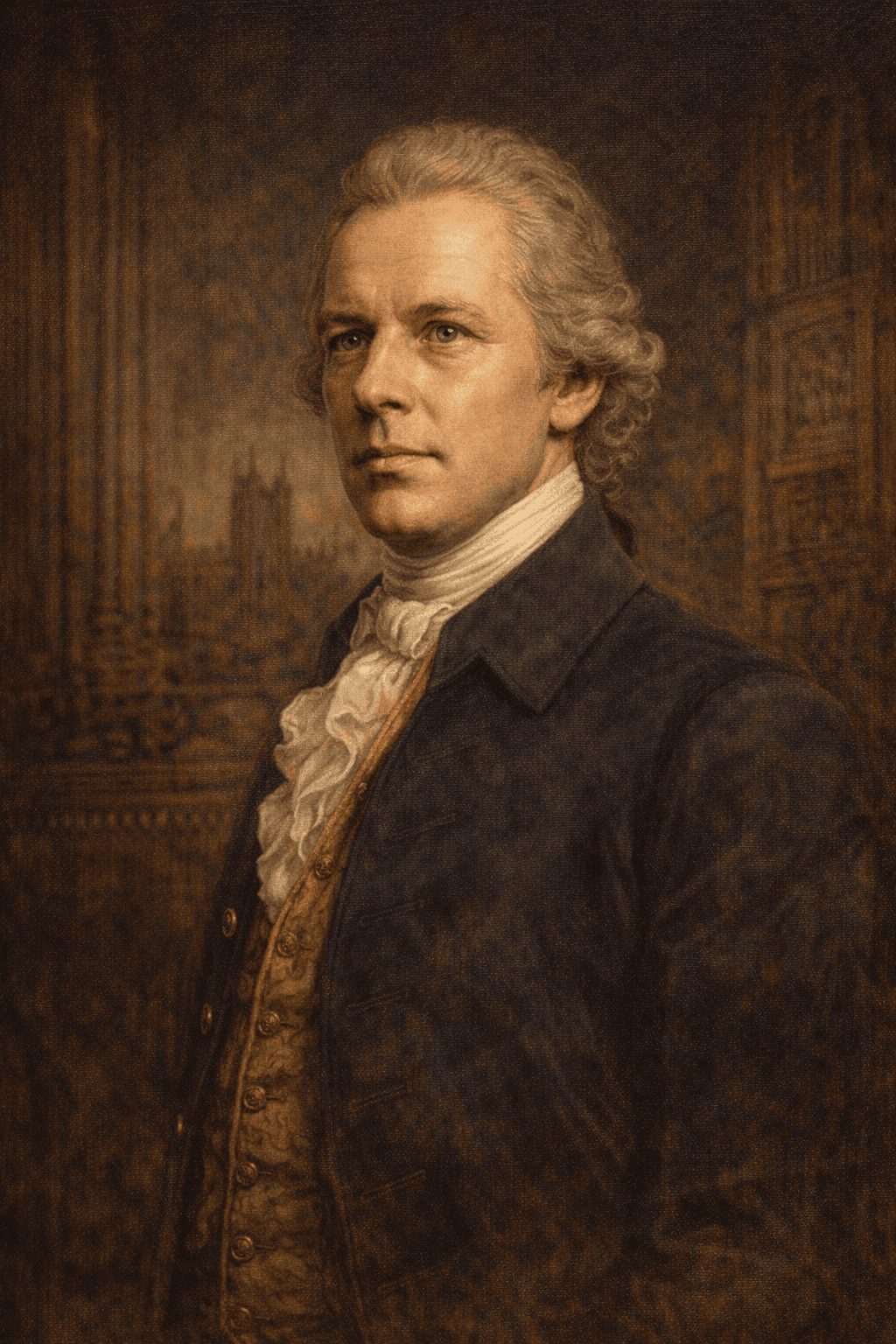
William Pitt the Younger
1759–1806United Kingdom
He became prime minister at twenty-four, was widely expected to fail within months, and governed Britain for nearly twenty years through revolution, war, and the threat of Napoleon.
Open profile →