People
Historical Figures and Influential People in History
Explore rulers, generals, thinkers, scientists and reformers who shaped world history. Search for a specific person, or browse by era, region, country and A–Z.
Early Modern Era Figures in Europe
Use the filters on the right to narrow the figure index while keeping the main results in view.
22 results
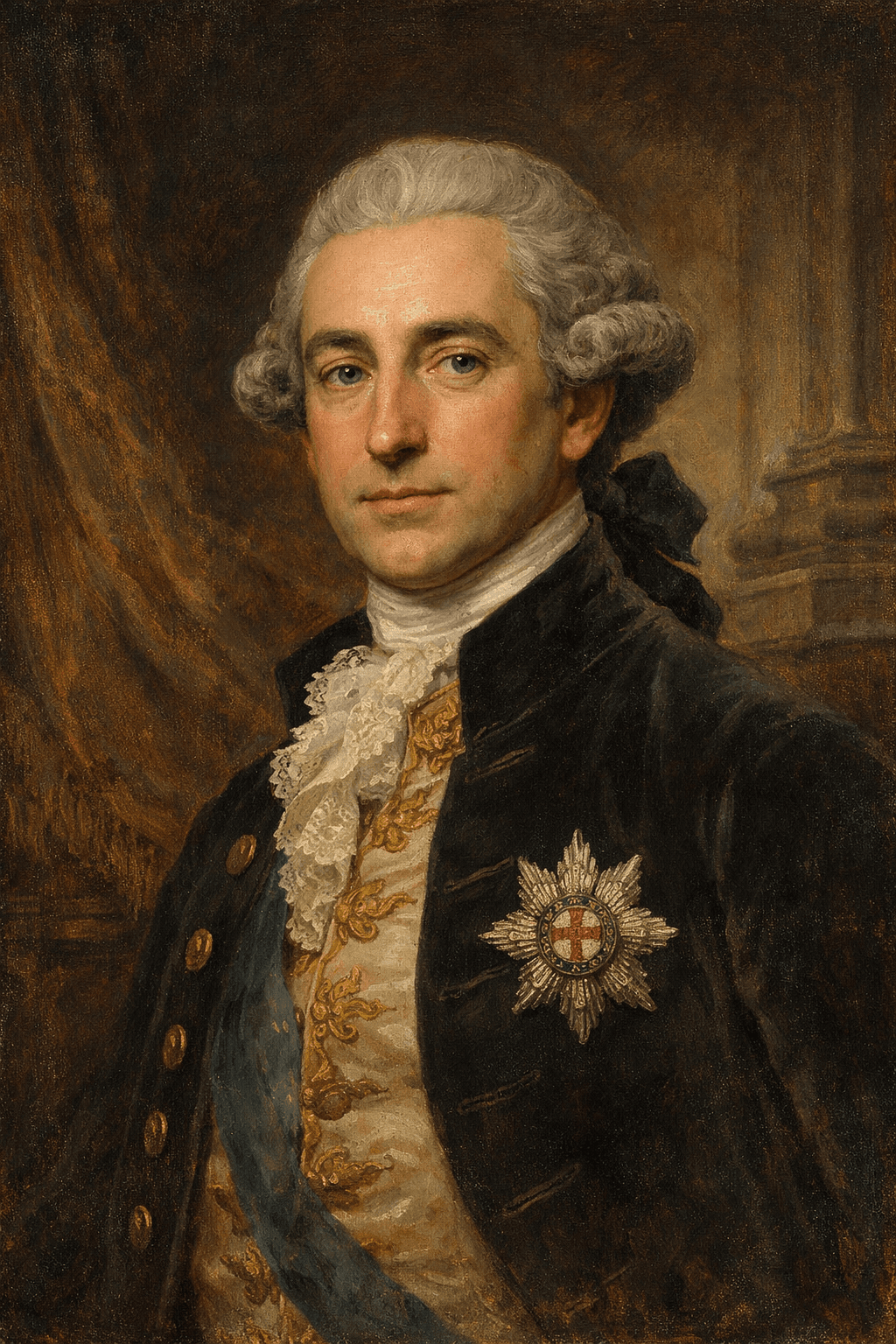
Augustus FitzRoy, 3rd Duke of Grafton
1735–1811United Kingdom
He became prime minister while still young, struggled to control factional politics, and stepped aside as his government faltered under pressure from both allies and critics.
Open profile →
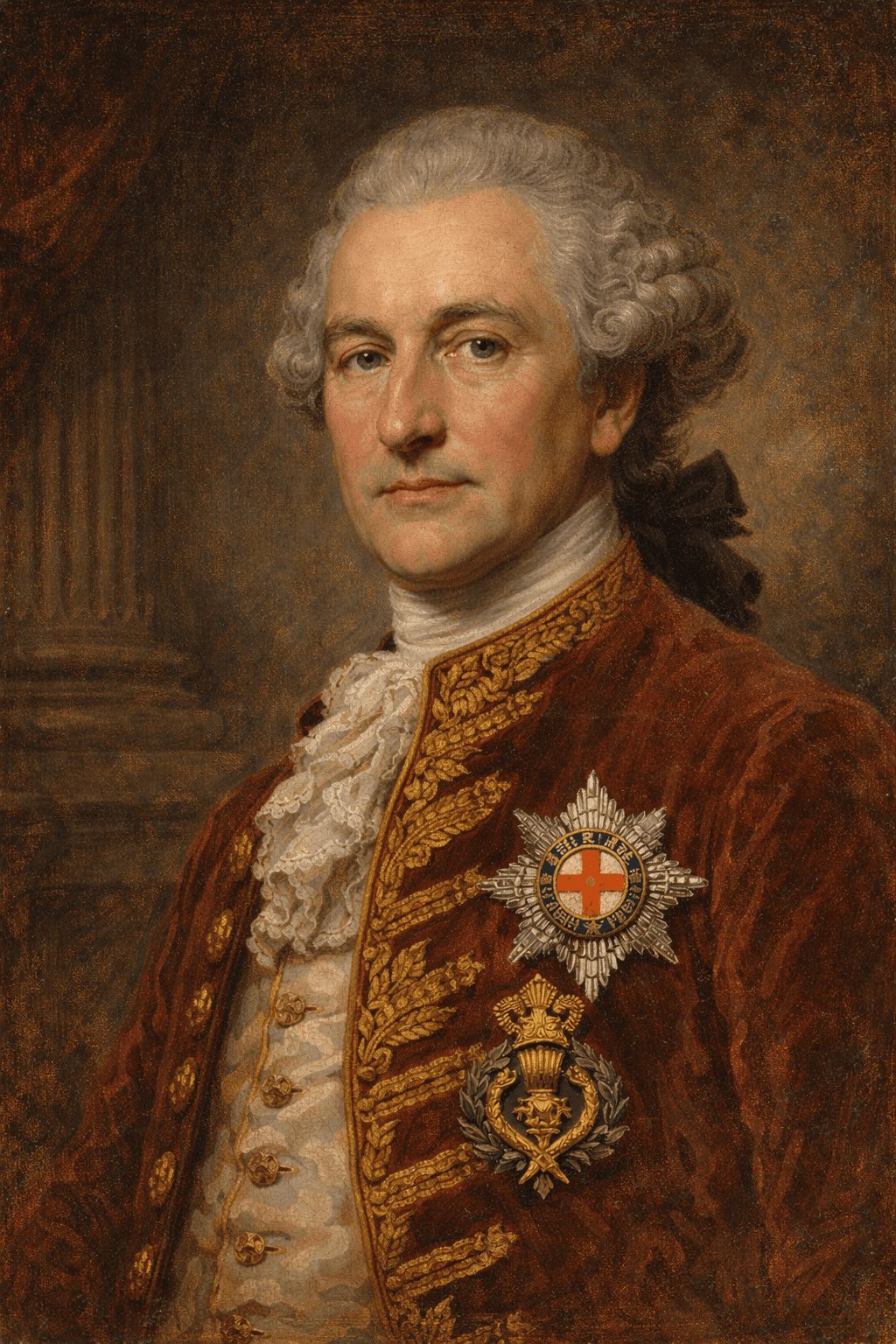
Charles Watson-Wentworth, 2nd Marquess of Rockingham
1730–1782United Kingdom
He twice became prime minister during a turbulent imperial crisis, pushing for reconciliation with American colonies while trying to restrain royal influence over British politics.
Open profile →
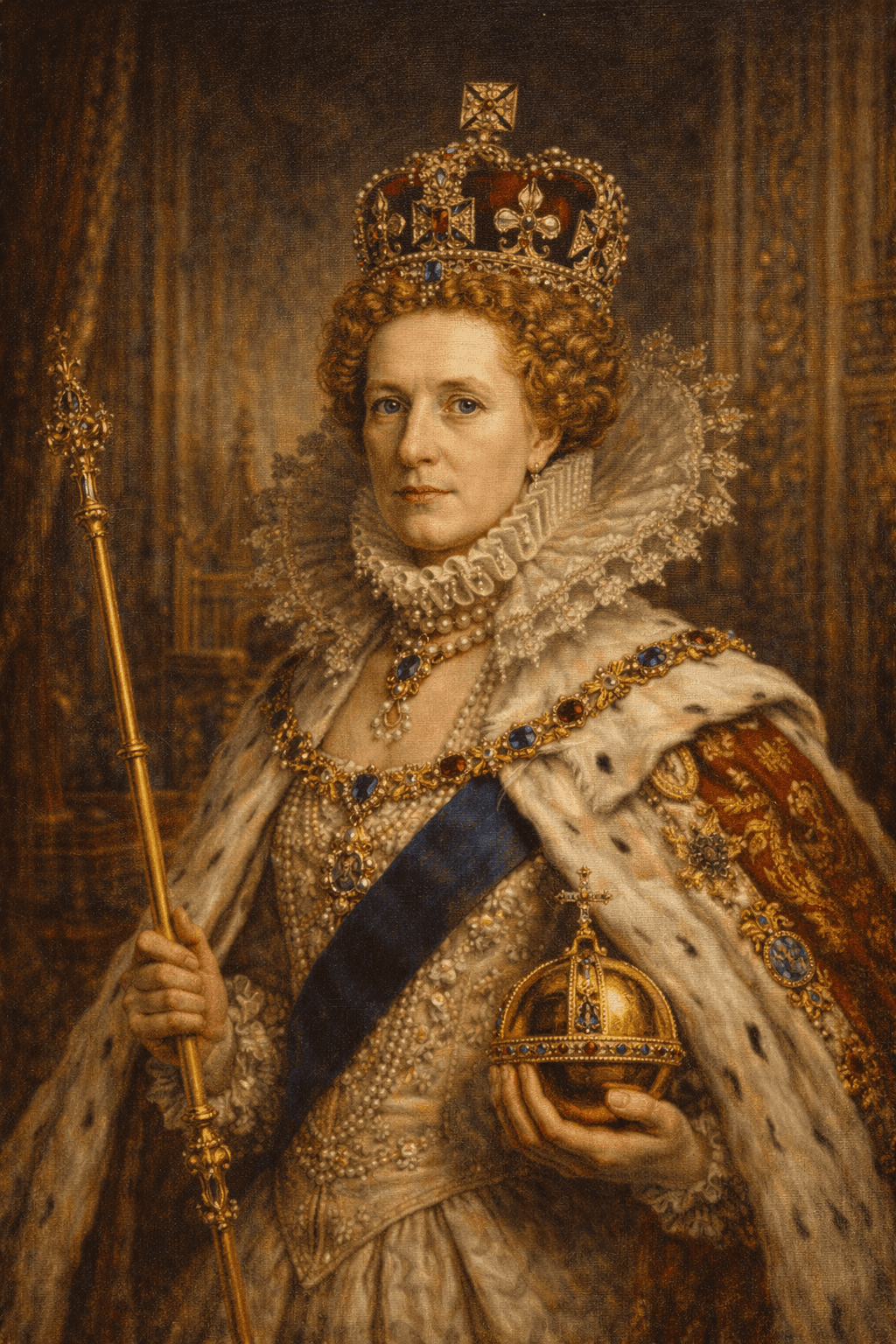
Elizabeth I
1533–1603United Kingdom
Every European power assumed a woman couldn't rule alone — and she governed England for forty-five years without a husband, surviving plots, rebellions, and the Spanish Armada.
Open profile →
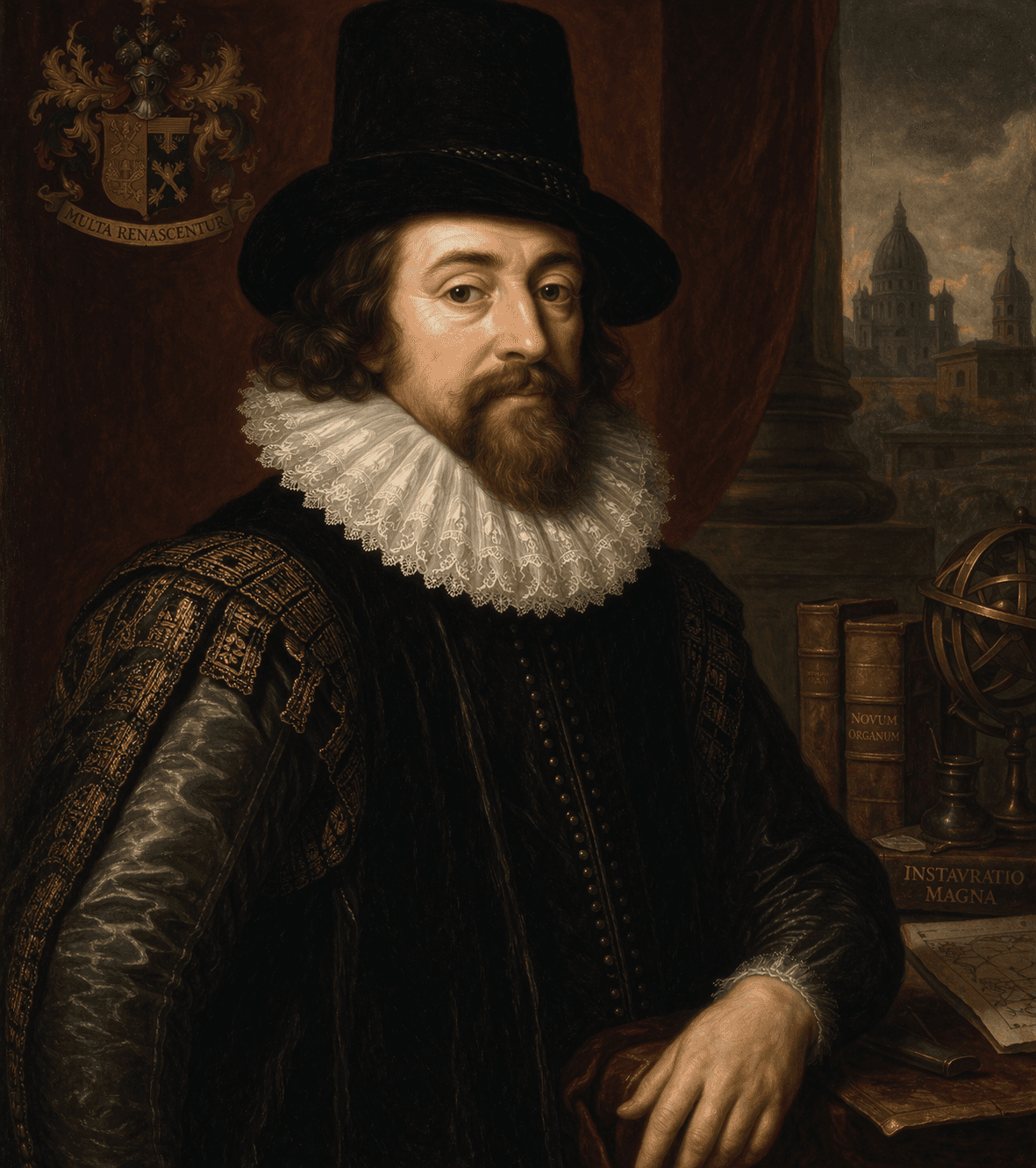
Francis Bacon
1561–1626United Kingdom
He argued that everything we thought we knew about the natural world needed to be tested against reality — a simple idea that took centuries to fully spread.
Open profile →
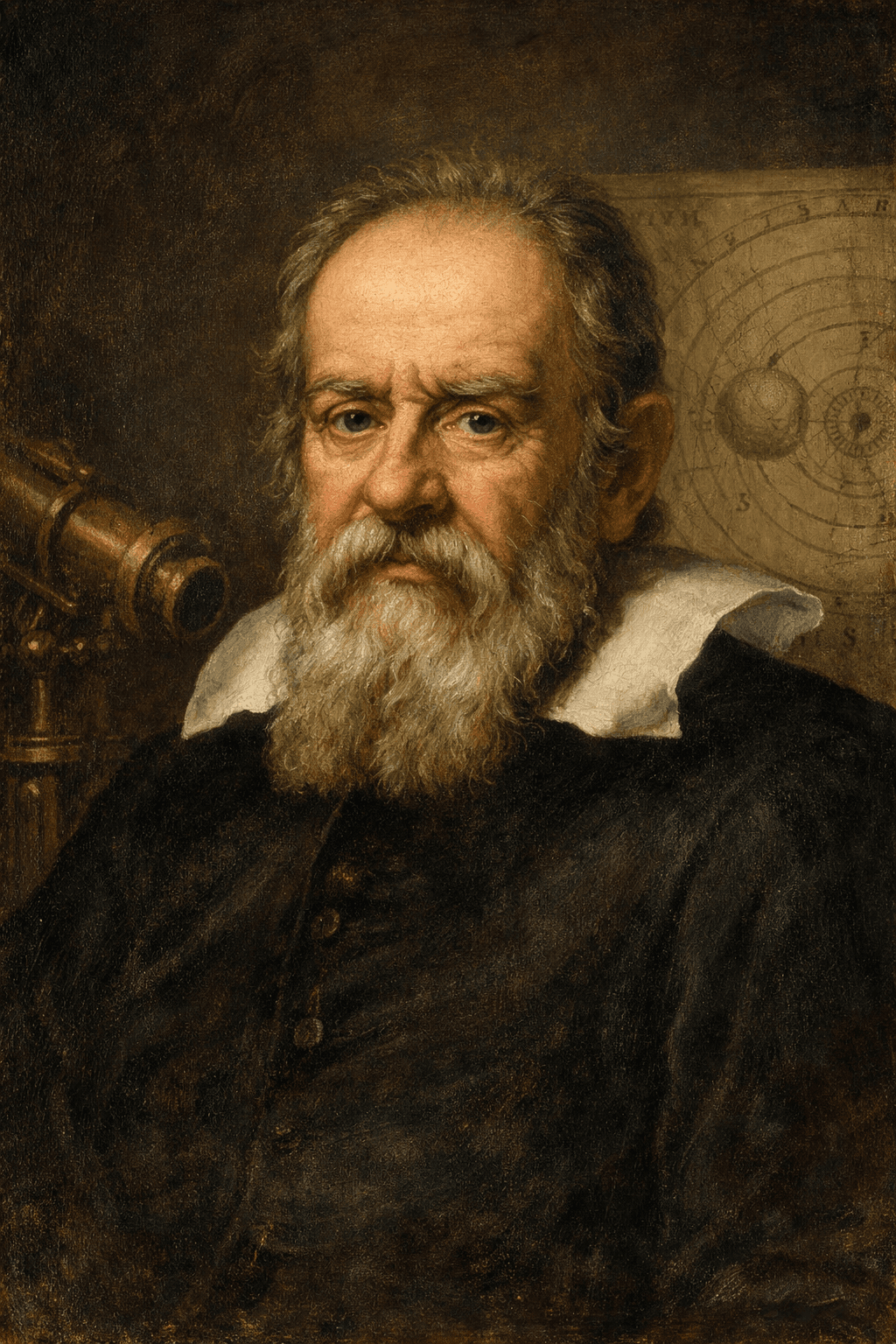
Galileo Galilei
1564–1642Italy
He pointed a telescope at the sky, saw things that couldn't be explained by the accepted model of the universe, and spent the rest of his life in trouble for saying so.
Open profile →
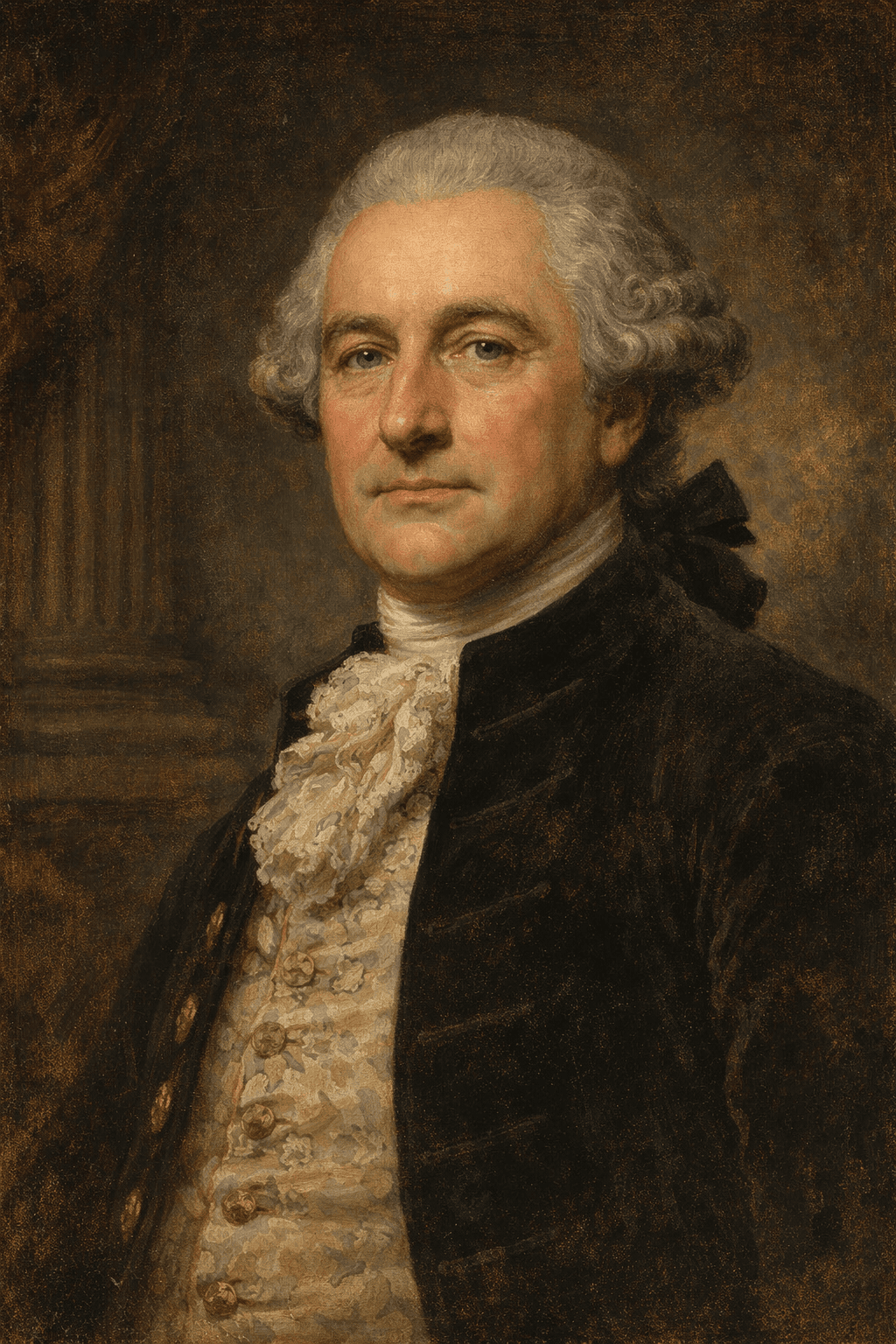
George Grenville
1712–1770United Kingdom
He tried to tighten Britain’s grip on its American colonies through taxation, and in doing so, helped spark resistance that would eventually lead to revolution.
Open profile →
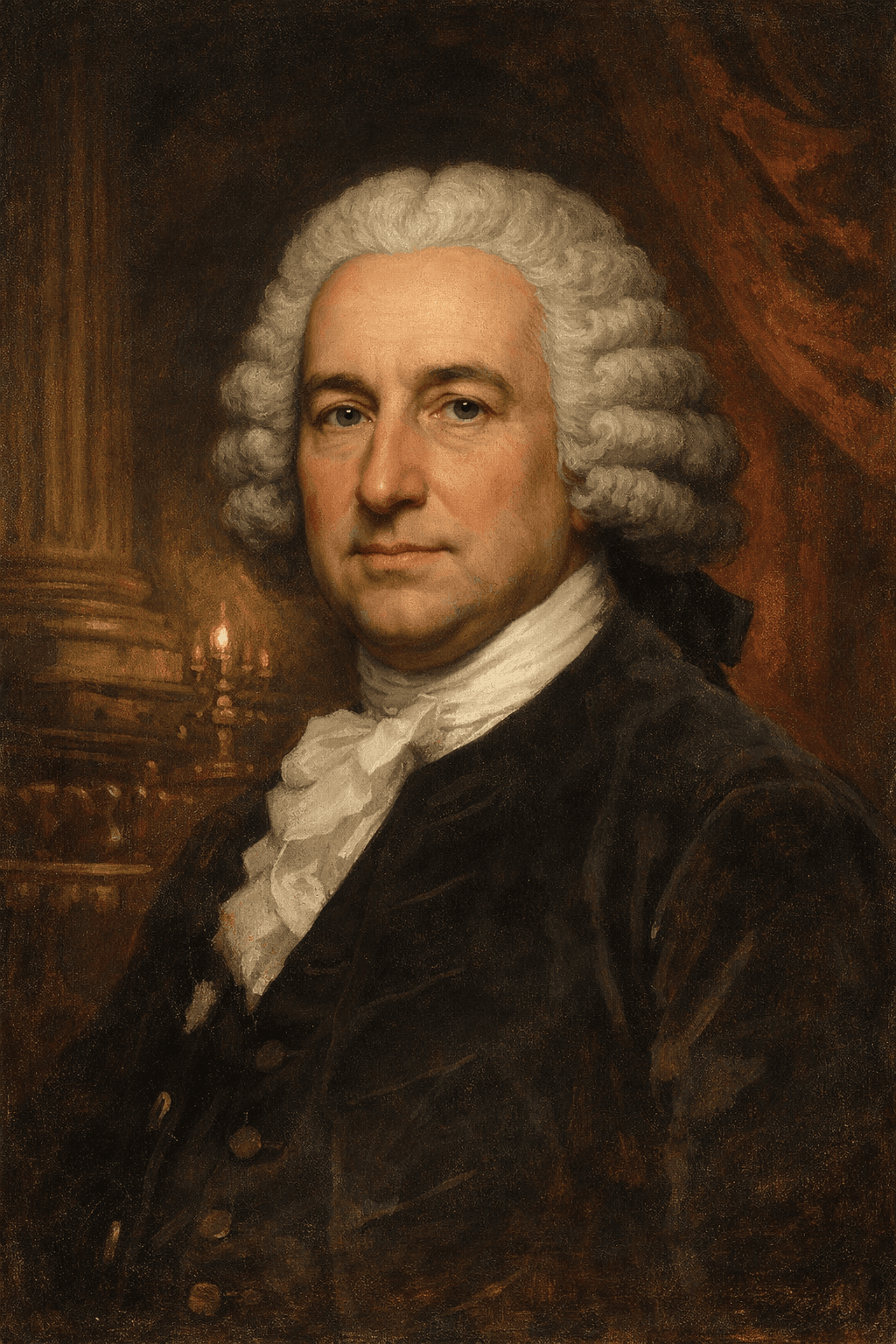
Henry Pelham
1694–1754United Kingdom
He quietly stabilised Britain after years of conflict, balancing royal power and parliamentary control while building financial trust that allowed the state to recover and expand.
Open profile →
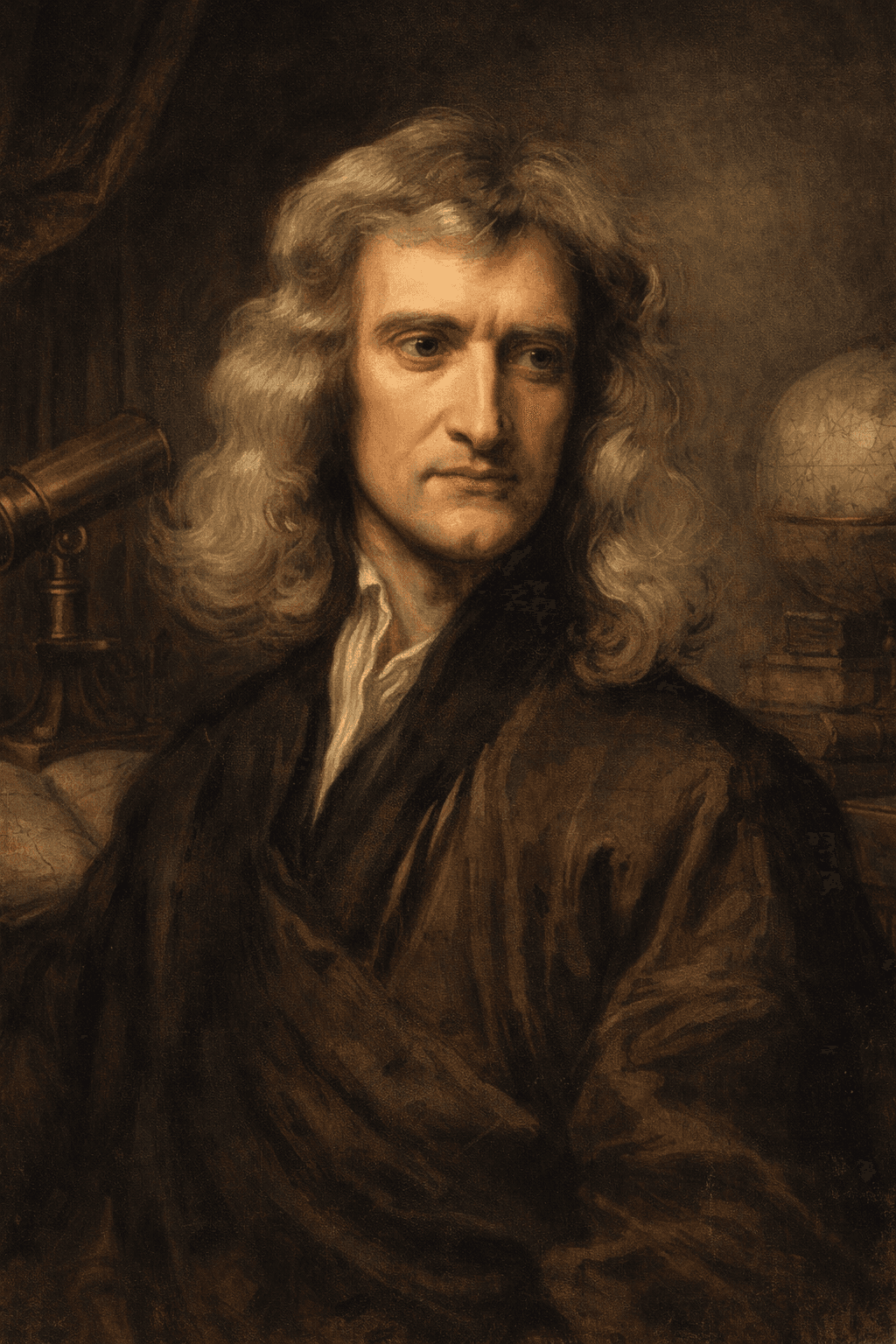
Isaac Newton
1643–1727United Kingdom
Isaac Newton reshaped science by formulating the laws of motion and universal gravitation while developing calculus and advancing the understanding of light and optics.
Open profile →
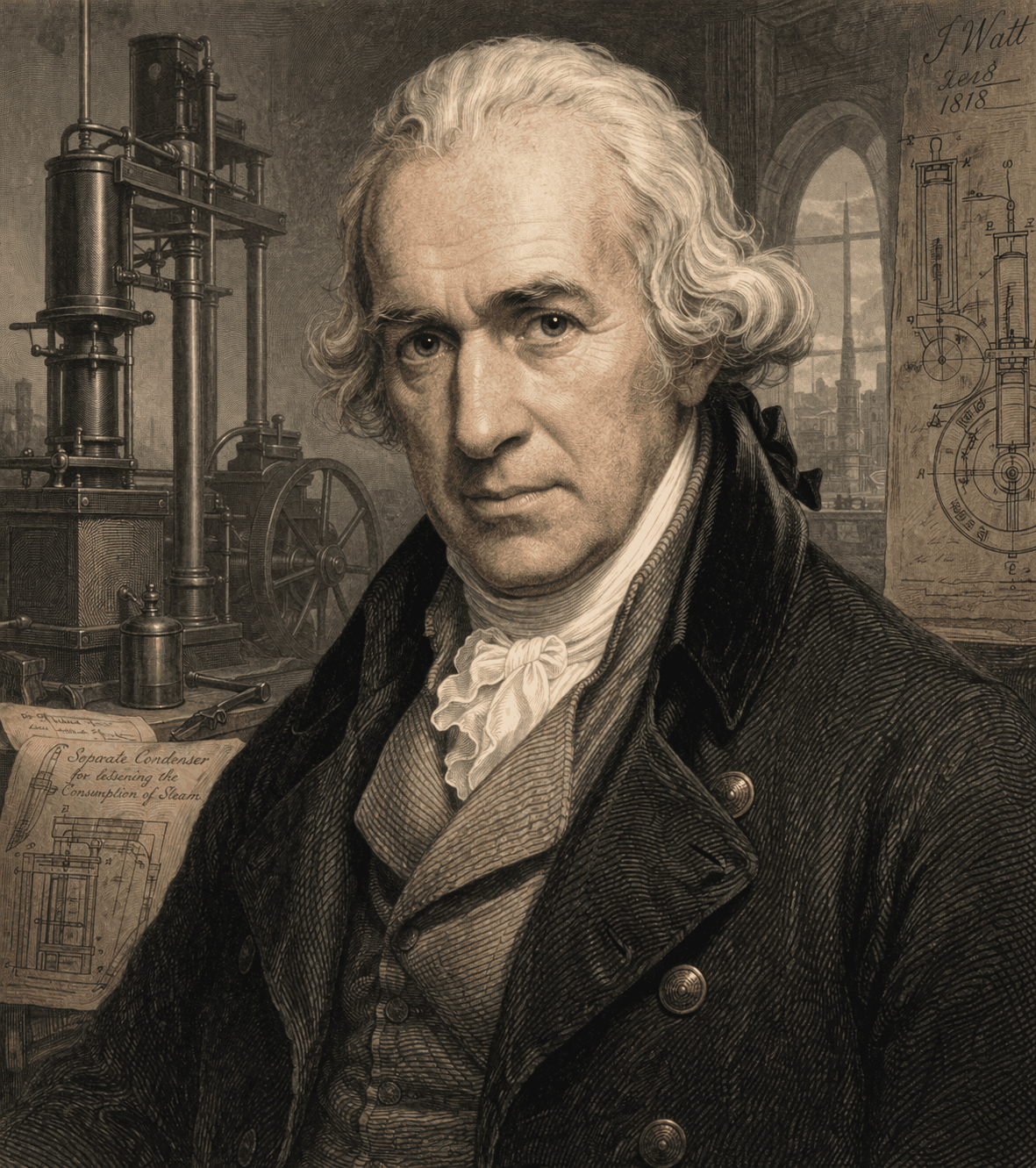
James Watt
1736–1819United Kingdom
He spent years improving a machine that already existed — the adjustments he made were so significant that the world still measures power in his name.
Open profile →
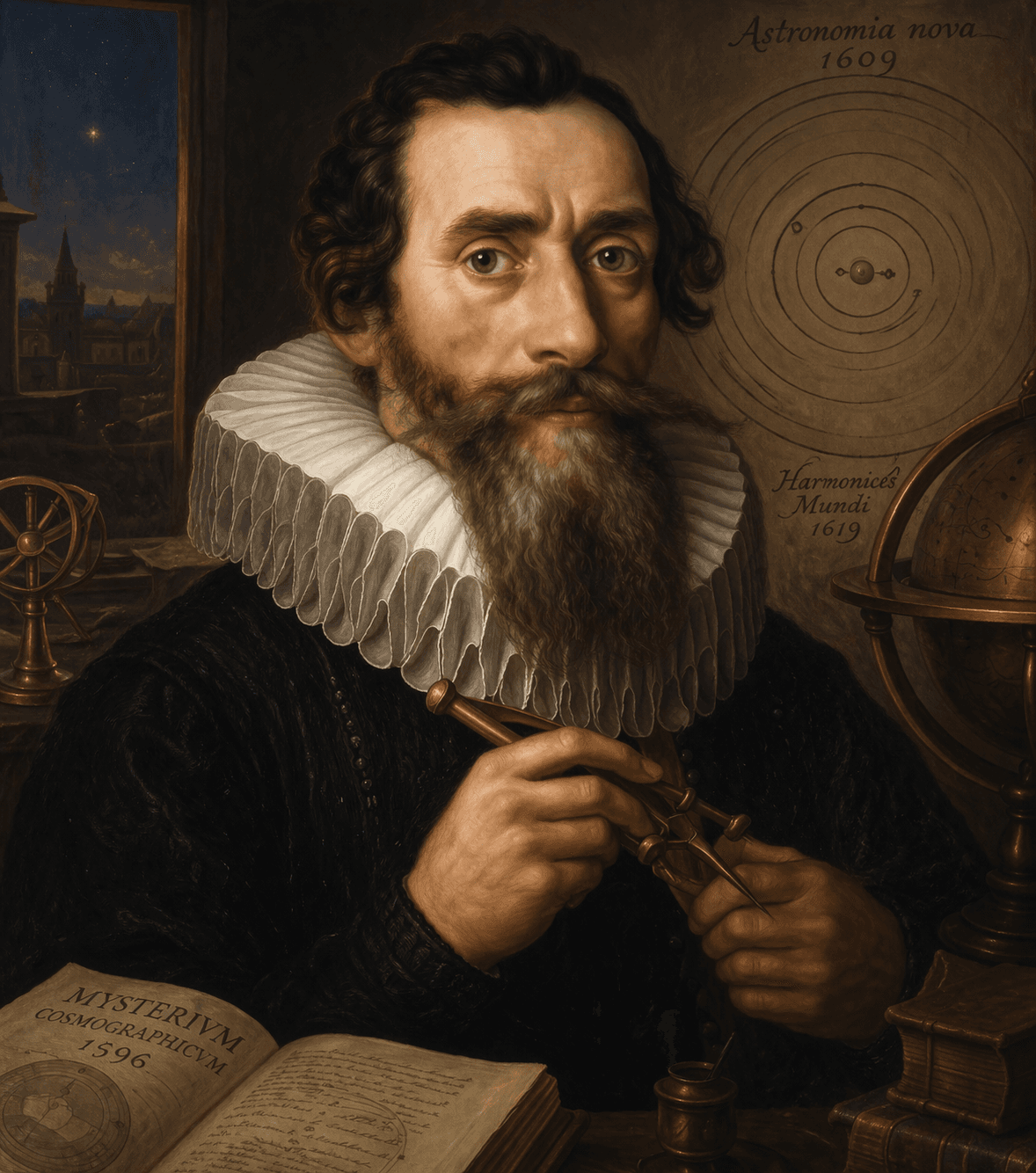
Johannes Kepler
1571–1630Germany
He used his rival's painstakingly collected data — data the rival had died trying to protect — to prove that the planets moved in ellipses, not the perfect circles the universe was supposed to use.
Open profile →
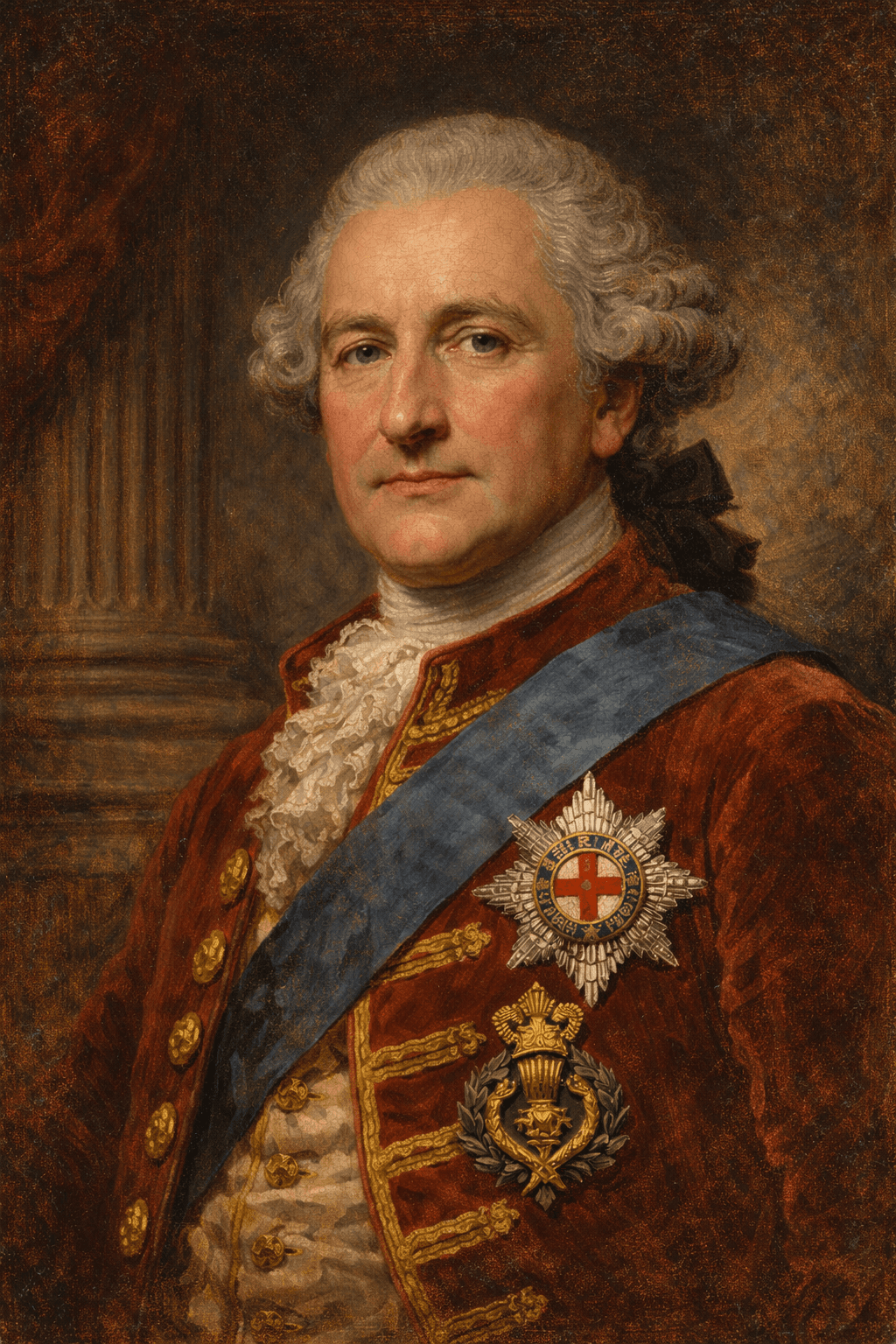
John Stuart, 3rd Earl of Bute
1713–1792United Kingdom
He rose from royal tutor to Britain’s prime minister through personal influence over a young king, only to fall rapidly amid suspicion, hostility, and political isolation.
Open profile →
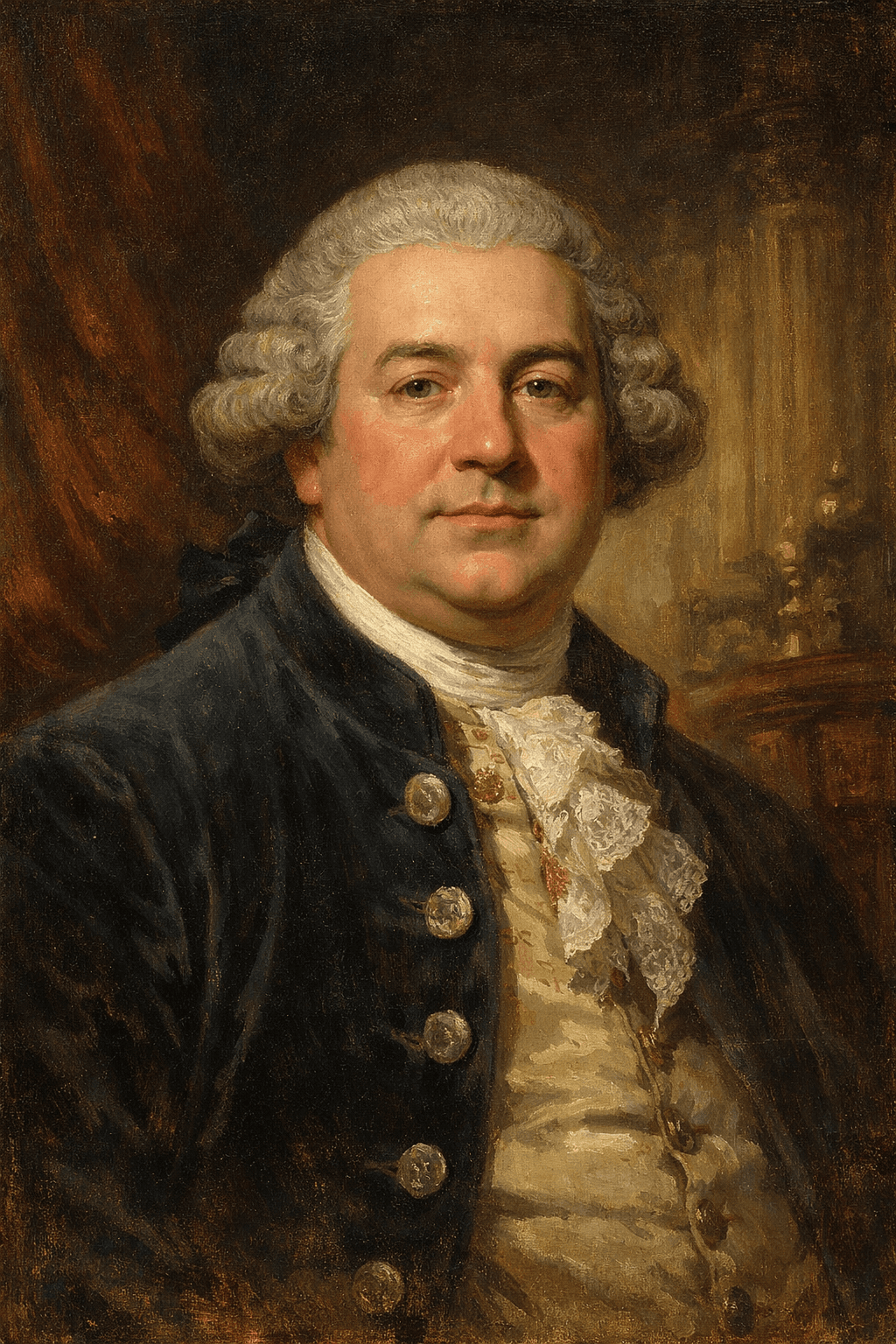
Lord North
1732–1792United Kingdom
He tried to manage a restless empire through compromise and control, but his decisions during the American conflict ended with Britain losing its colonies.
Open profile →
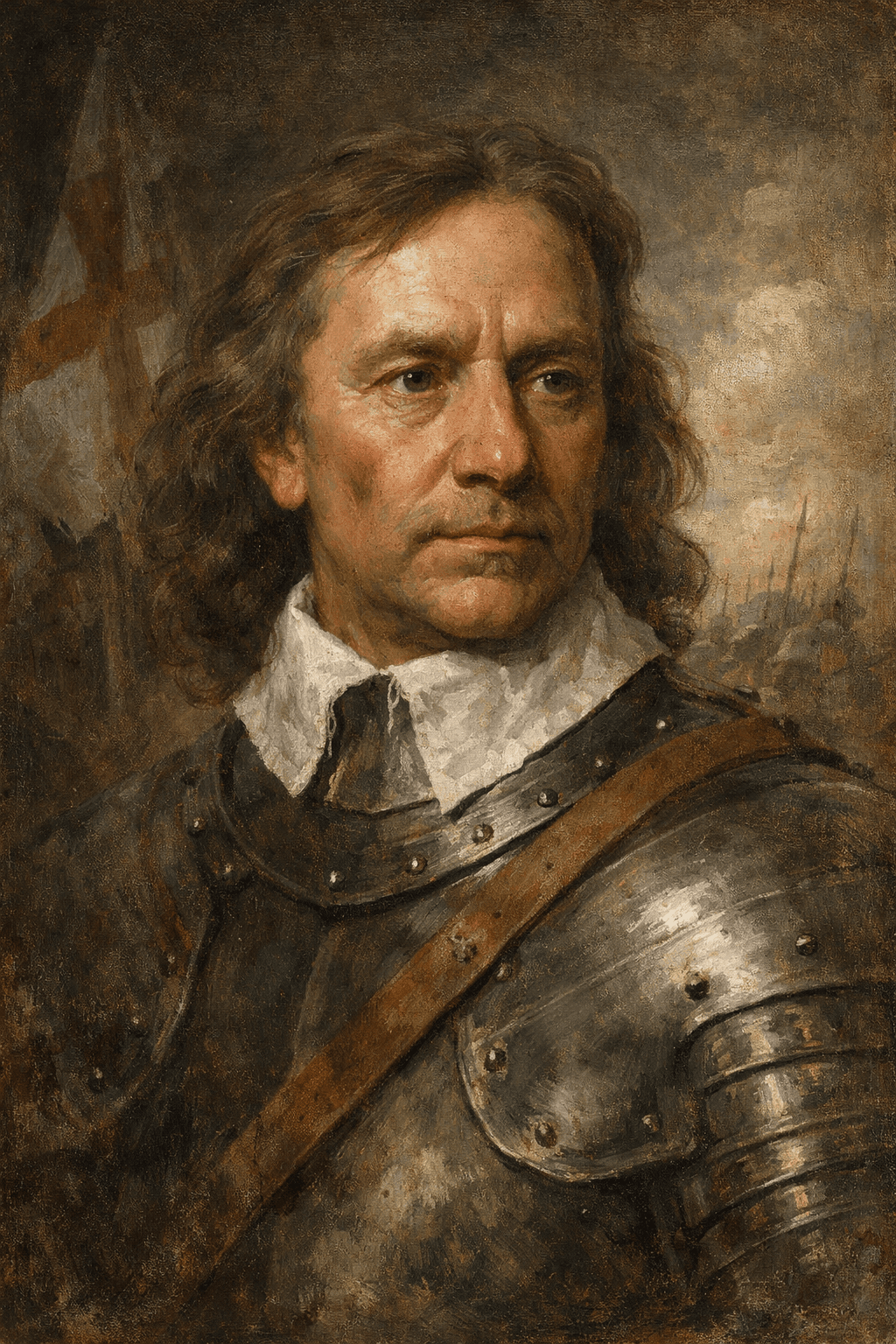
Oliver Cromwell
1599–1658United Kingdom
He went to war to limit royal power, signed the king's death warrant, and ended up with more authority than any English monarch before him — a contradiction he never satisfactorily resolved.
Open profile →
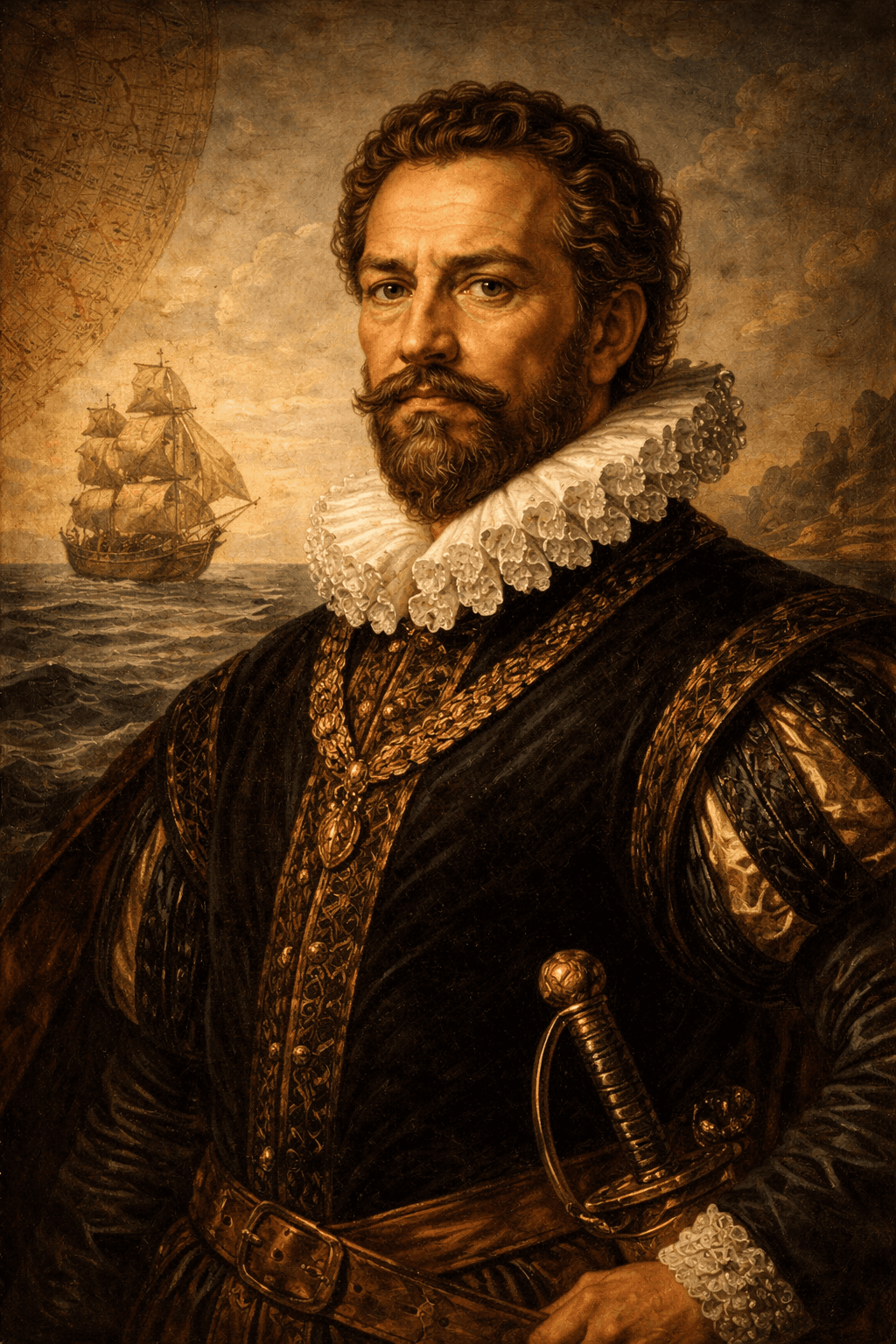
Sir Francis Drake
1540–1596United Kingdom
The Spanish called him a pirate and put a price on his head; the English called him a hero and made him a knight — and both were essentially right.
Open profile →
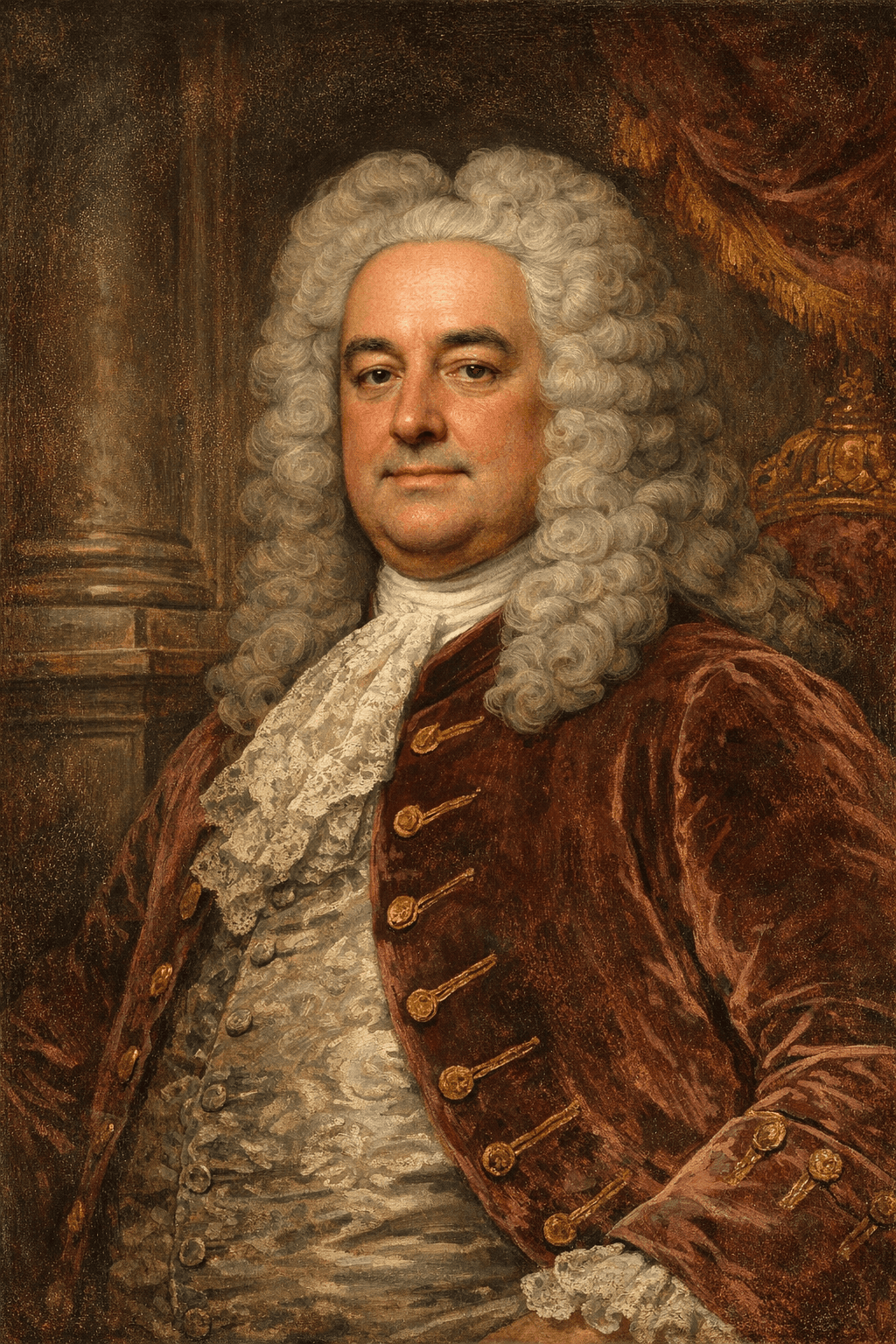
Sir Robert Walpole
1676–1745United Kingdom
He quietly built the role of Britain’s first prime minister, mastering parliament and patronage while keeping a fragile kingdom stable through war scares and political intrigue.
Open profile →
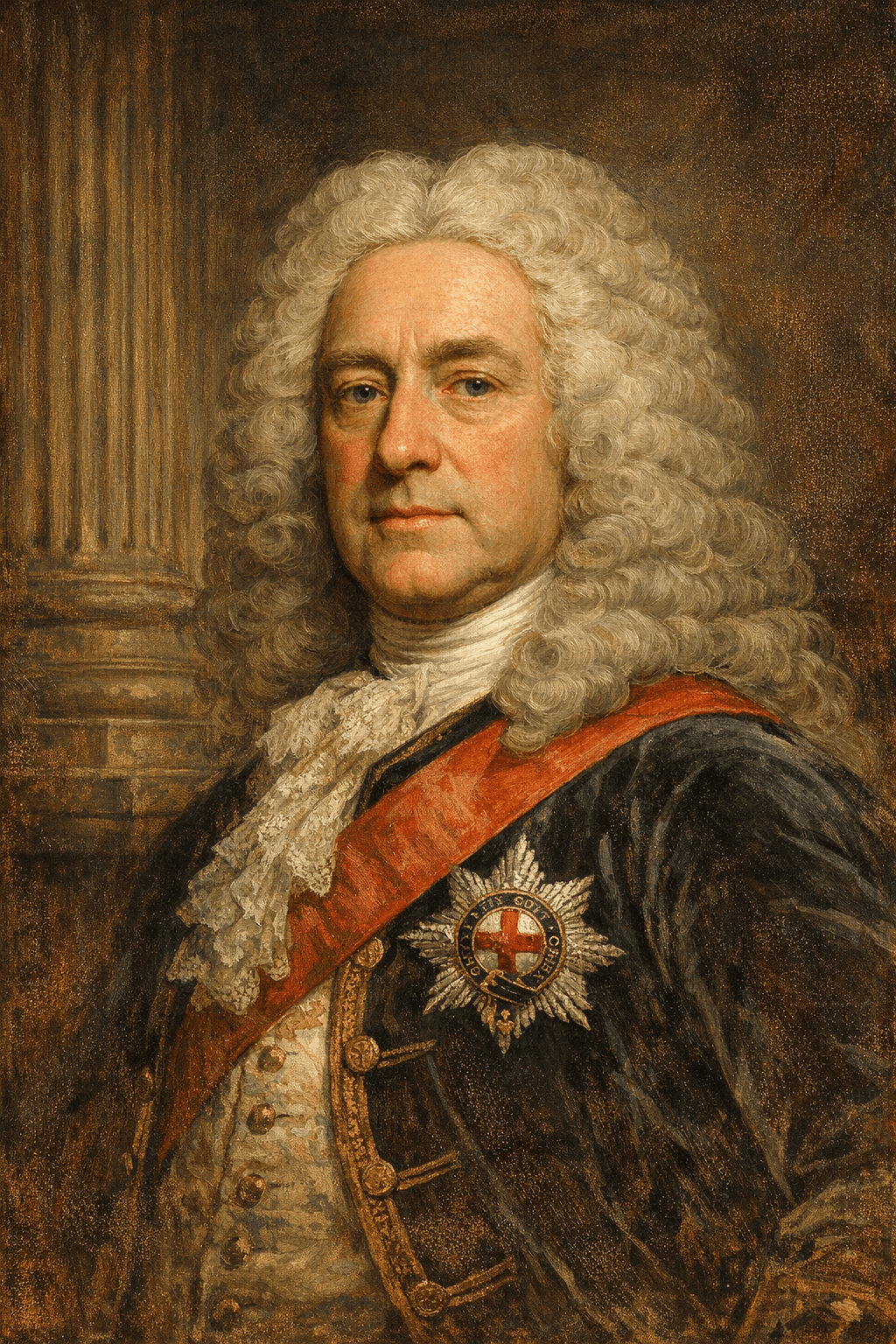
Spencer Compton
1673–1743United Kingdom
He spent decades as a steady political operator, becoming prime minister almost by default when royal favour shifted, yet struggled to control the powerful forces around him.
Open profile →
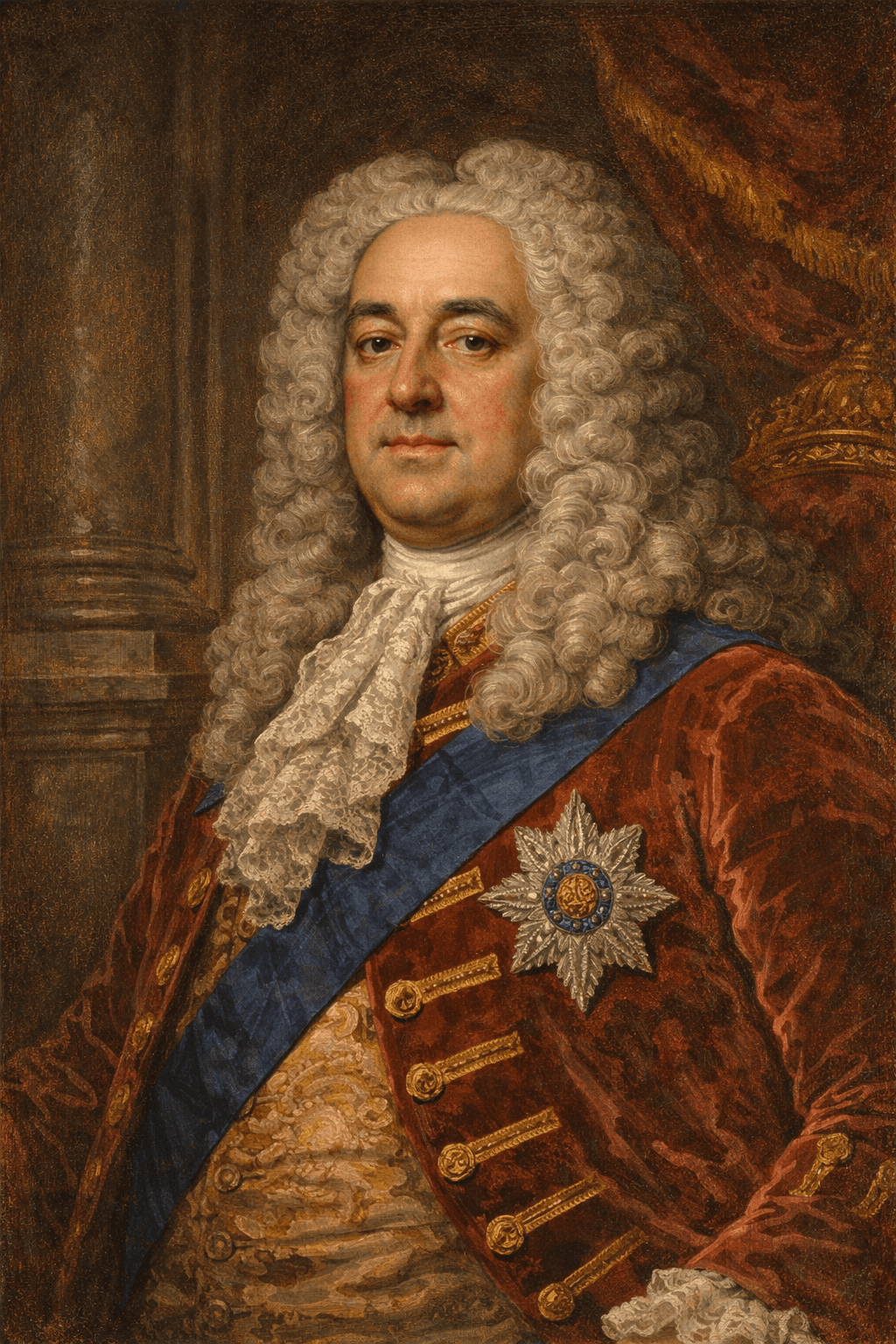
Thomas Pelham Holles, Duke of Newcastle
1693–1768United Kingdom
He mastered elections, patronage, and political survival so completely that he could dominate government for decades without ever appearing fully in control.
Open profile →
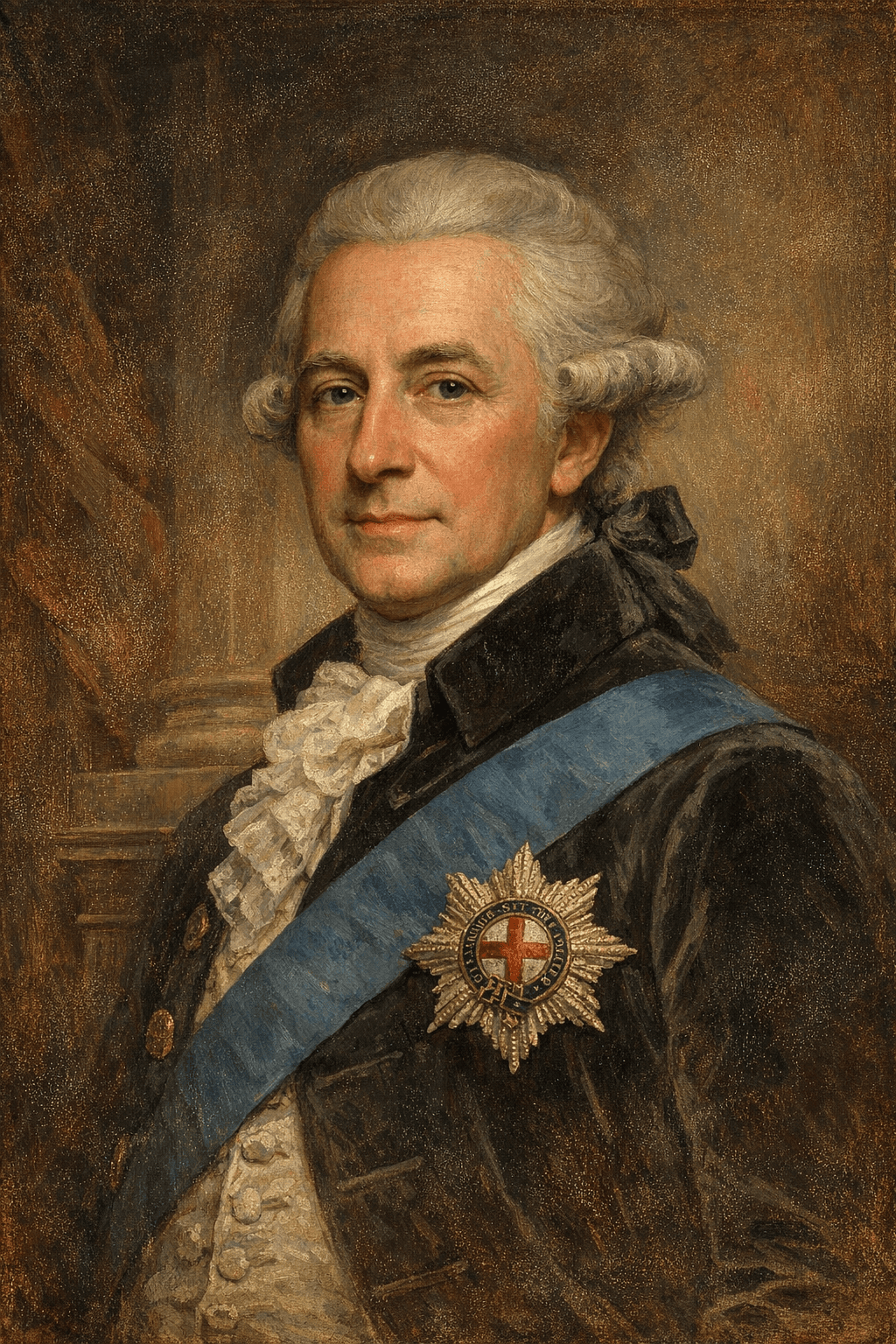
William Cavendish-Bentinck, 3rd Duke of Portland
1738–1809United Kingdom
He twice served as British prime minister in moments of political strain, acting as a cautious broker between rival factions while never fully commanding the stage himself.
Open profile →
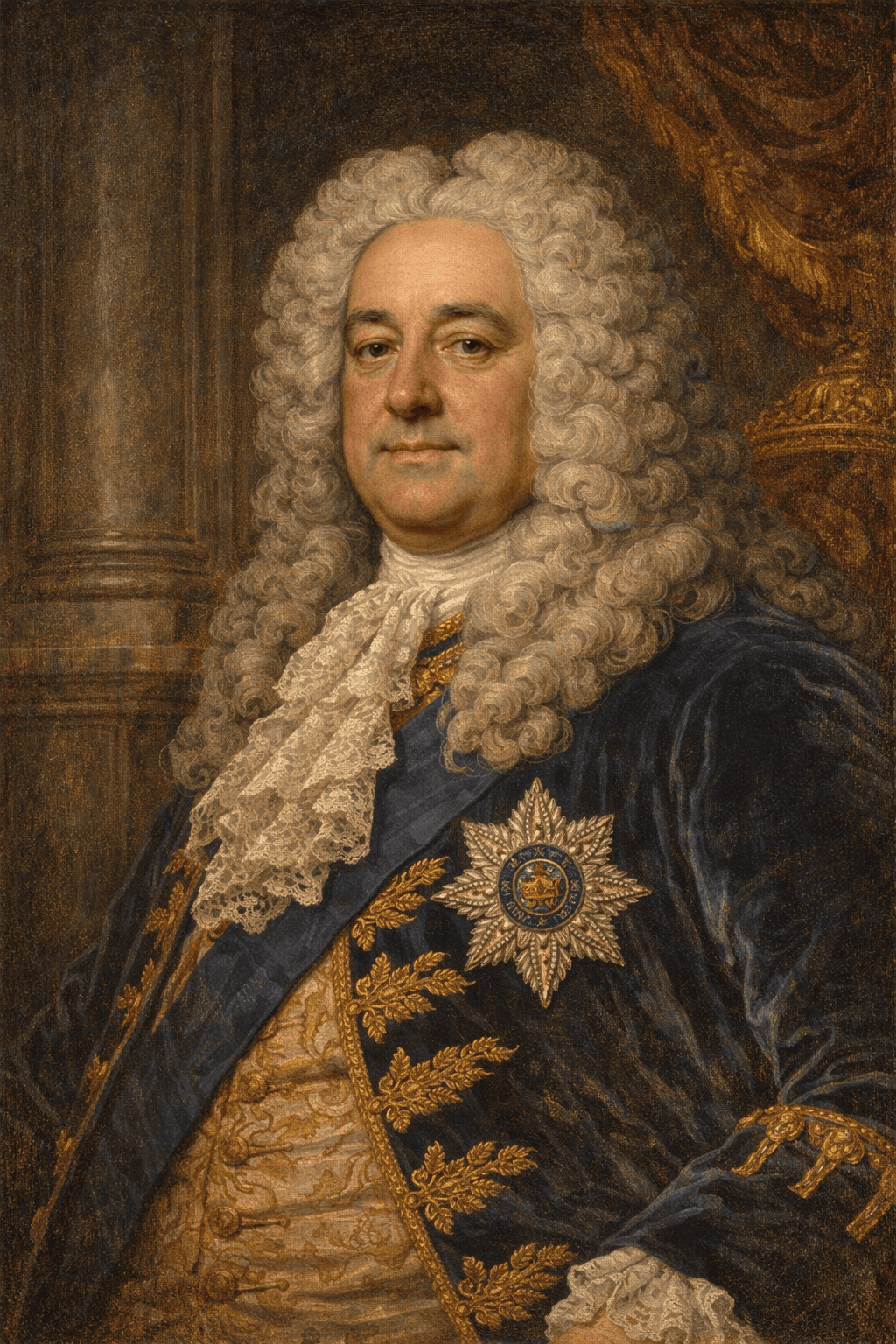
William Cavendish, 4th Duke of Devonshire
1720–1764United Kingdom
He inherited immense estates and influence, then quietly steered British politics through patronage and alliances, helping shape power without seeking constant public attention.
Open profile →
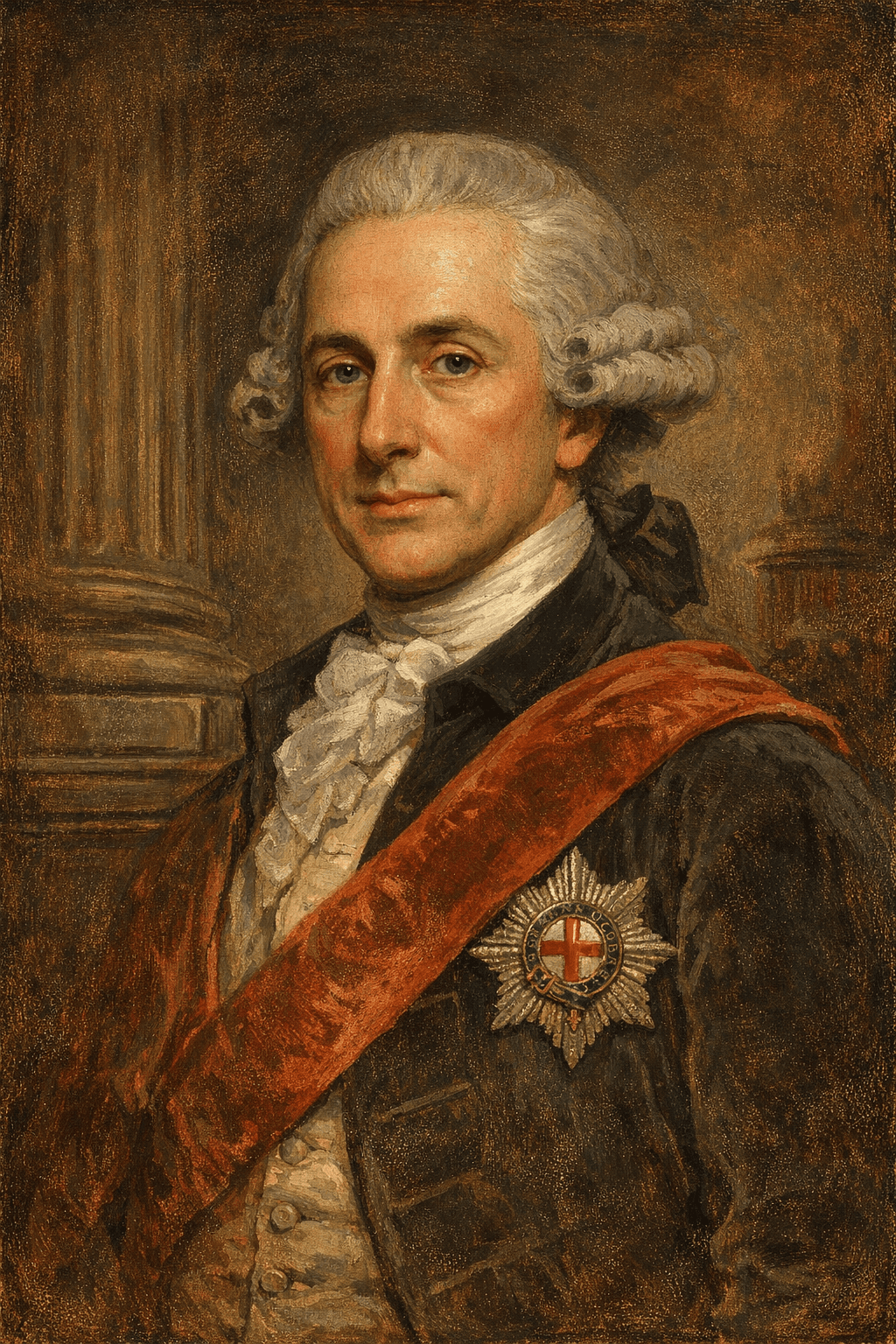
William Petty-Fitzmaurice, Earl of Shelburne
1737–1805United Kingdom
He rose from aristocratic inheritance to become a reform-minded prime minister who steered Britain toward peace with America, yet left office before shaping the settlement’s long-term direction.
Open profile →
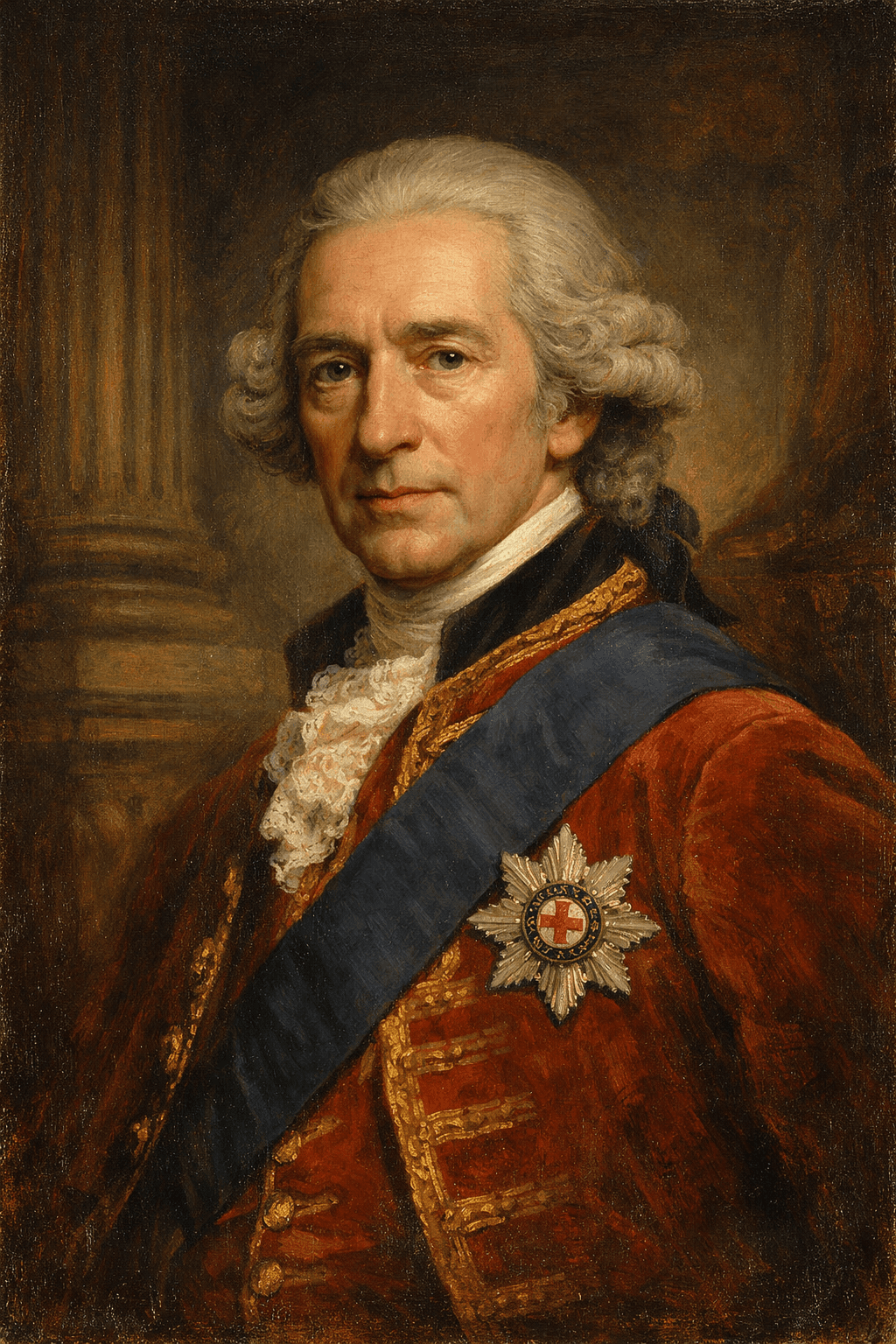
William Pitt the Elder
1708–1778United Kingdom
He became Britain’s most commanding wartime leader during the struggle for empire, shaping victory against France before illness and politics slowly dimmed his influence.
Open profile →
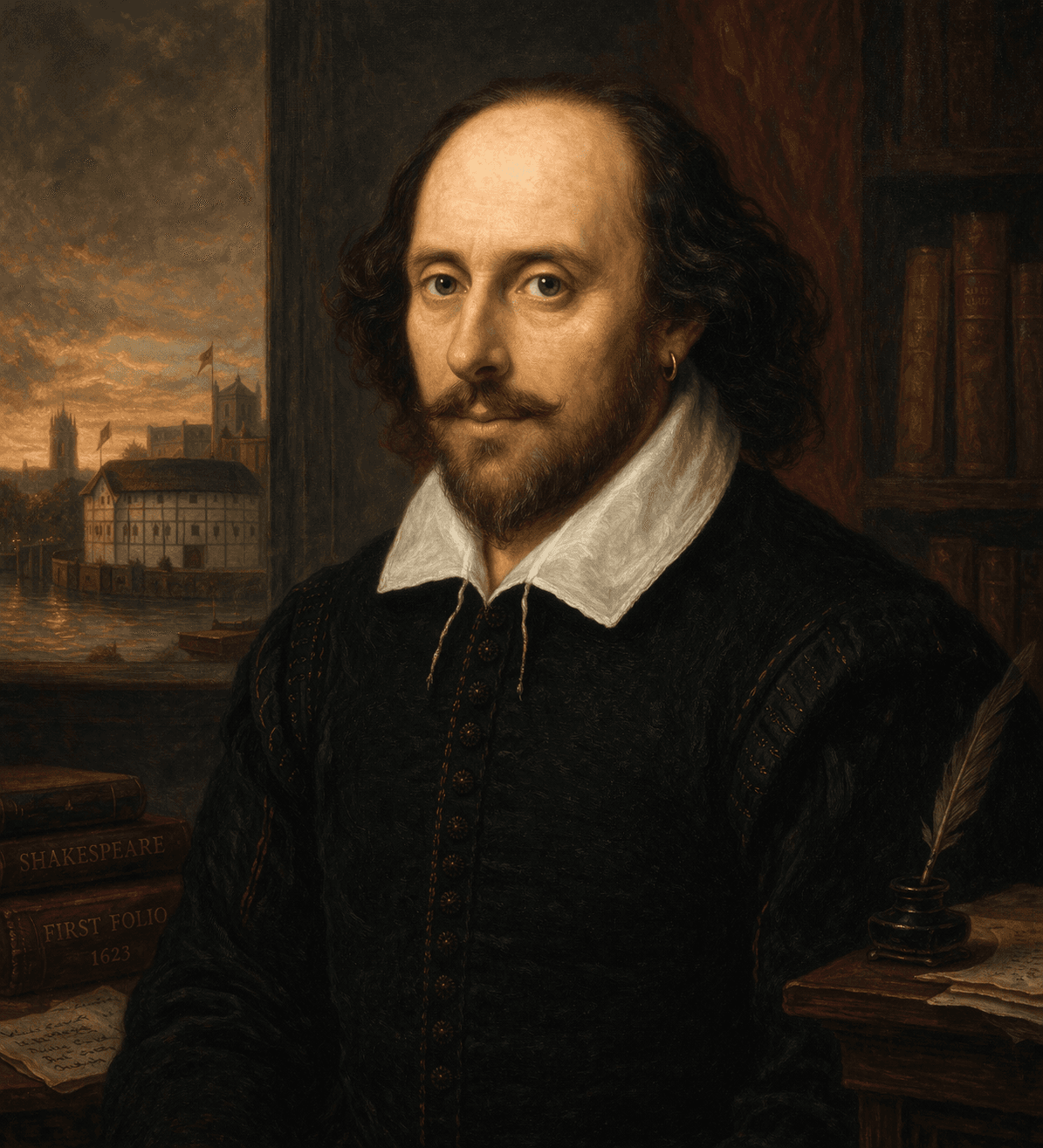
William Shakespeare
1564–1616United Kingdom
He wrote thirty-seven plays, invented hundreds of words still in daily use, and left behind so little biographical trace that a persistent minority refuses to believe he existed.
Open profile →