People
Historical Figures and Influential People in History
Explore rulers, generals, thinkers, scientists and reformers who shaped world history. Search for a specific person, or browse by era, region, country and A–Z.
Industrial Age Figures from United States
Use the filters on the right to narrow the figure index while keeping the main results in view.
34 results
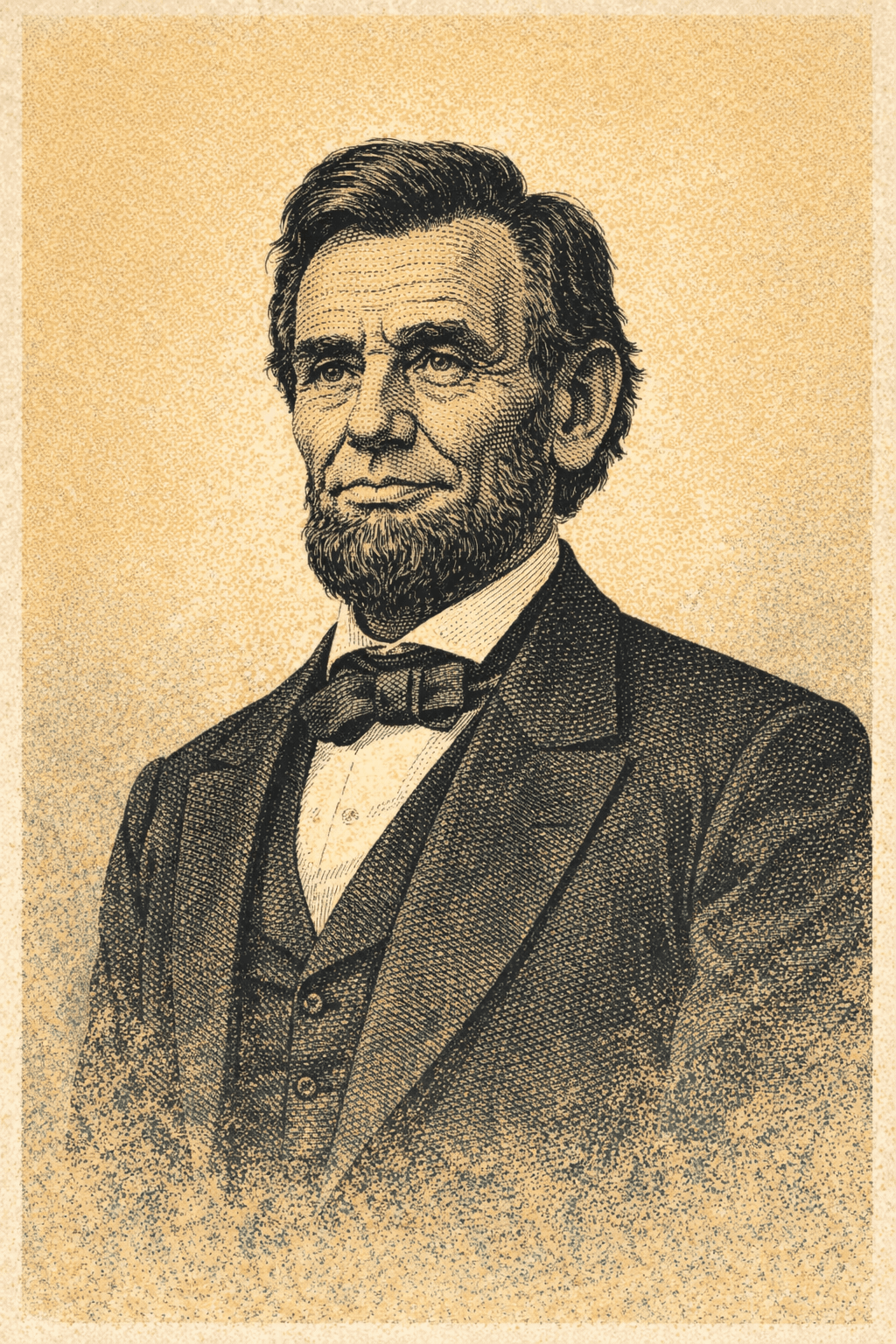
Abraham Lincoln
1809–1865Americas
He held a fractured country together through its bloodiest war — and was shot five days after the fighting stopped.
Open profile →
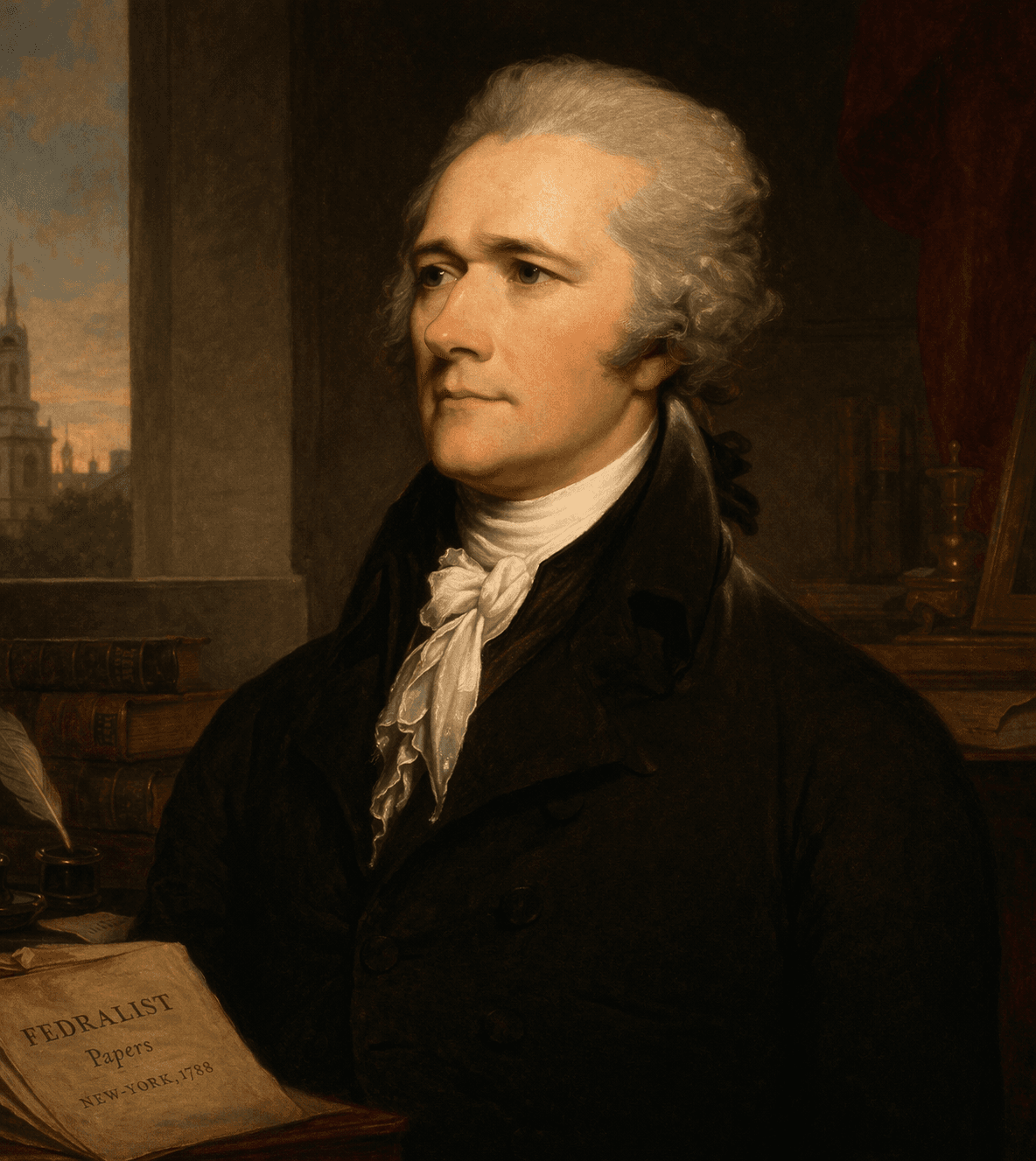
Alexander Hamilton
1755–1804Americas
He arrived in America with nothing and built the financial system a new republic desperately needed — then died in a duel with the sitting vice president.
Open profile →
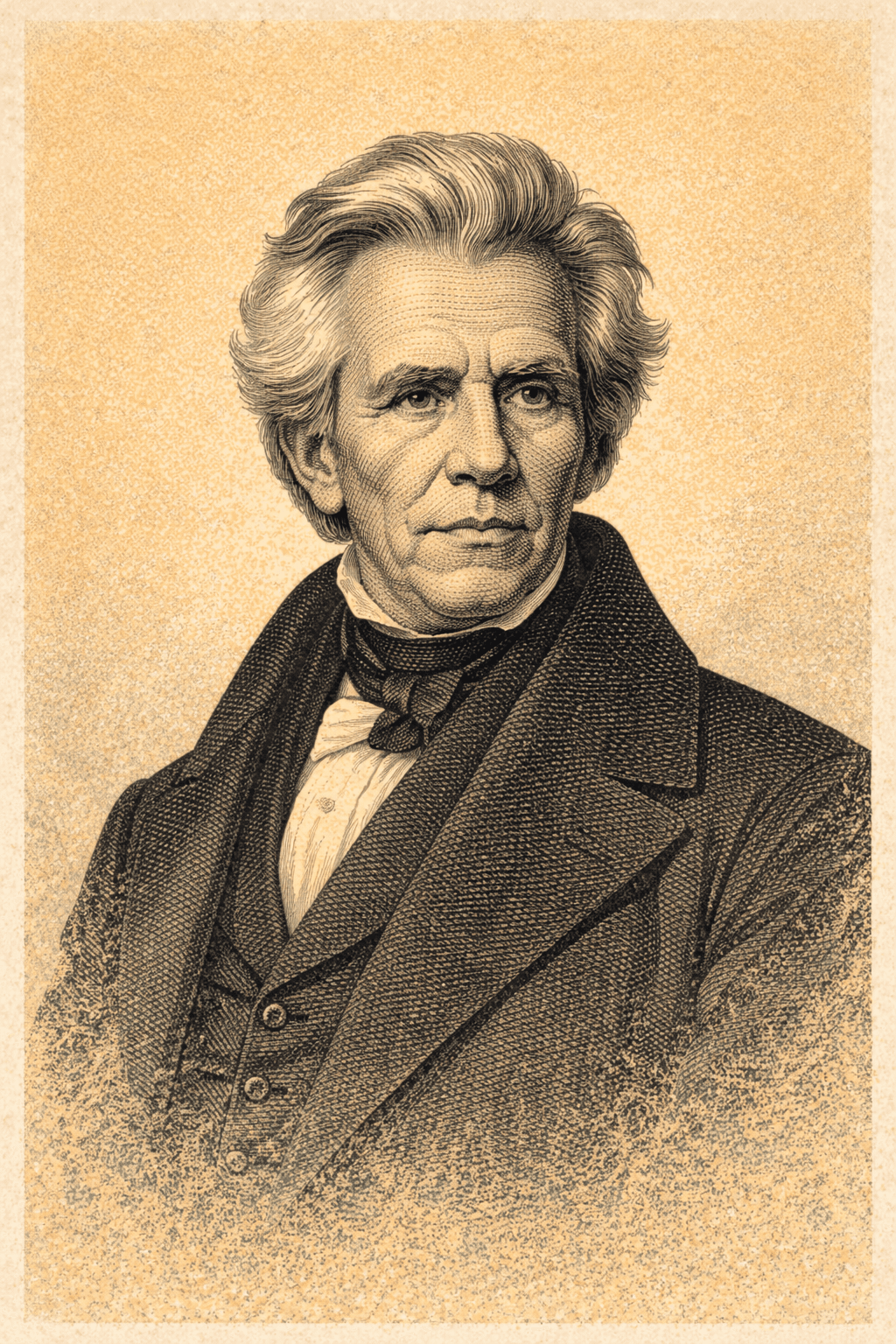
Andrew Jackson
1767–1845Americas
He survived duels, a knife wound, and two bullets lodged in his chest — then ran the country with the same approach he'd used to win fights.
Open profile →
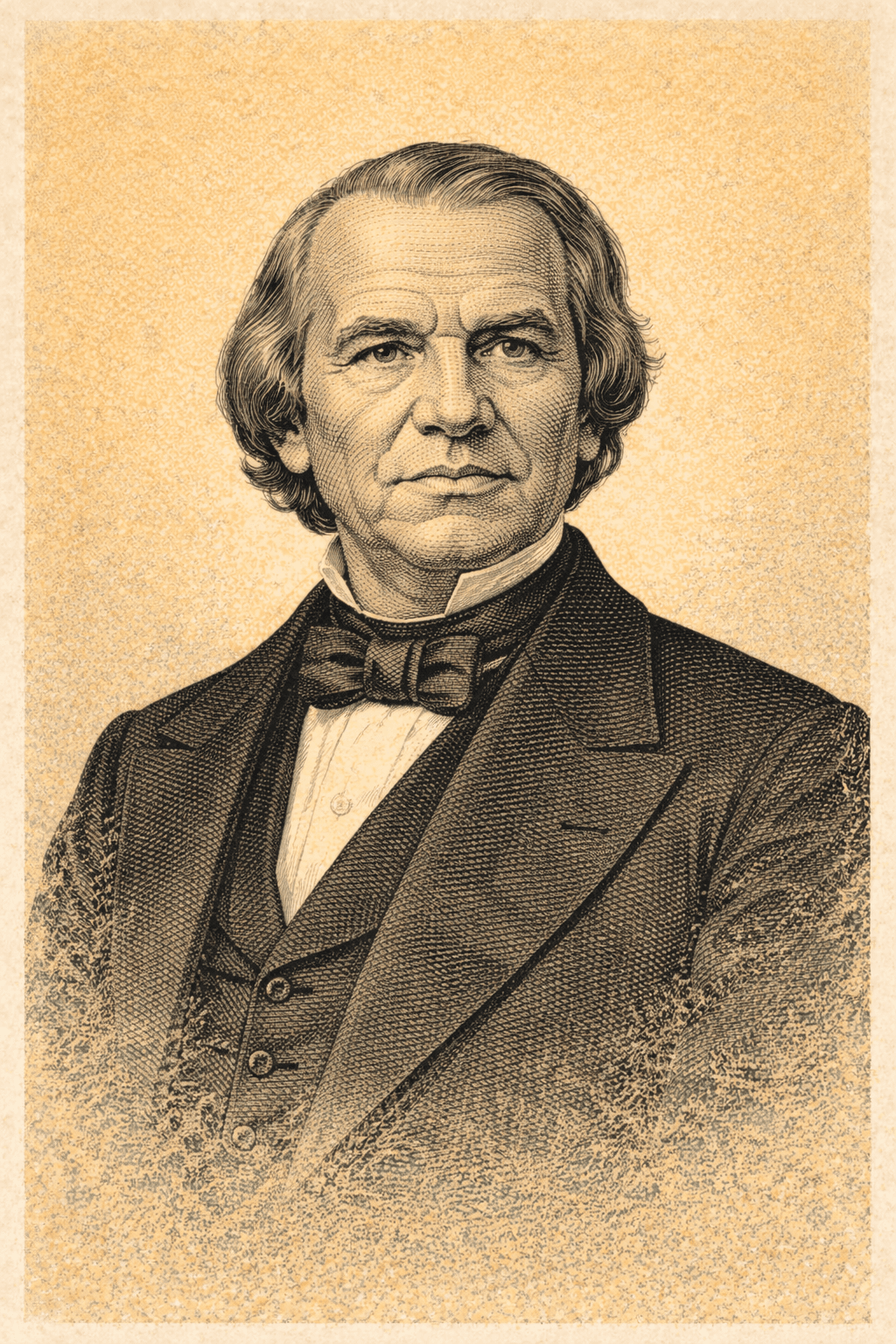
Andrew Johnson
1808–1875Americas
He took office after Lincoln's assassination with a plan for reuniting the country, and promptly became the first president to be impeached.
Open profile →
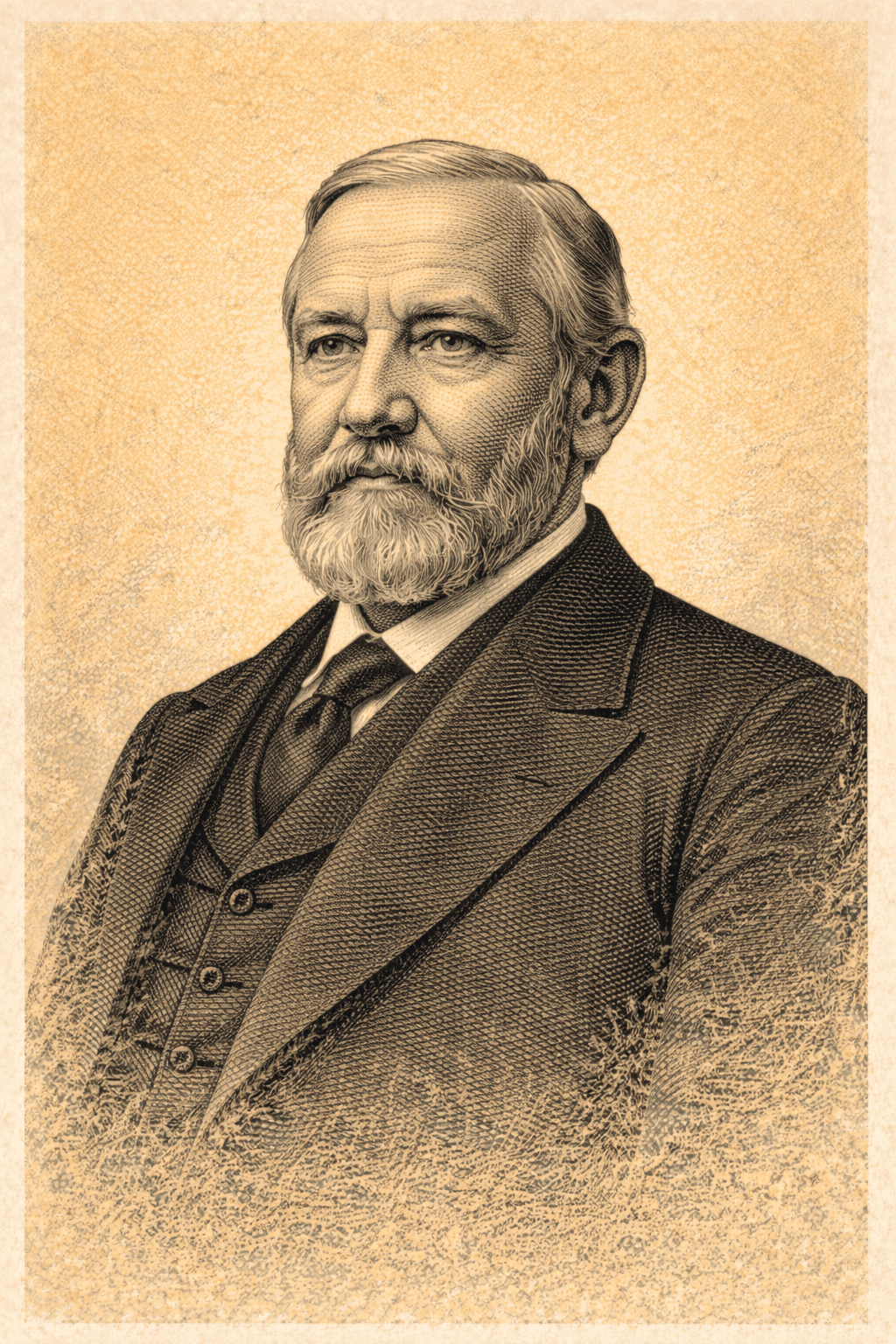
Benjamin Harrison
1833–1901Americas
He won the presidency with fewer votes than his opponent, served a single quiet term, then lost to the same man four years later.
Open profile →
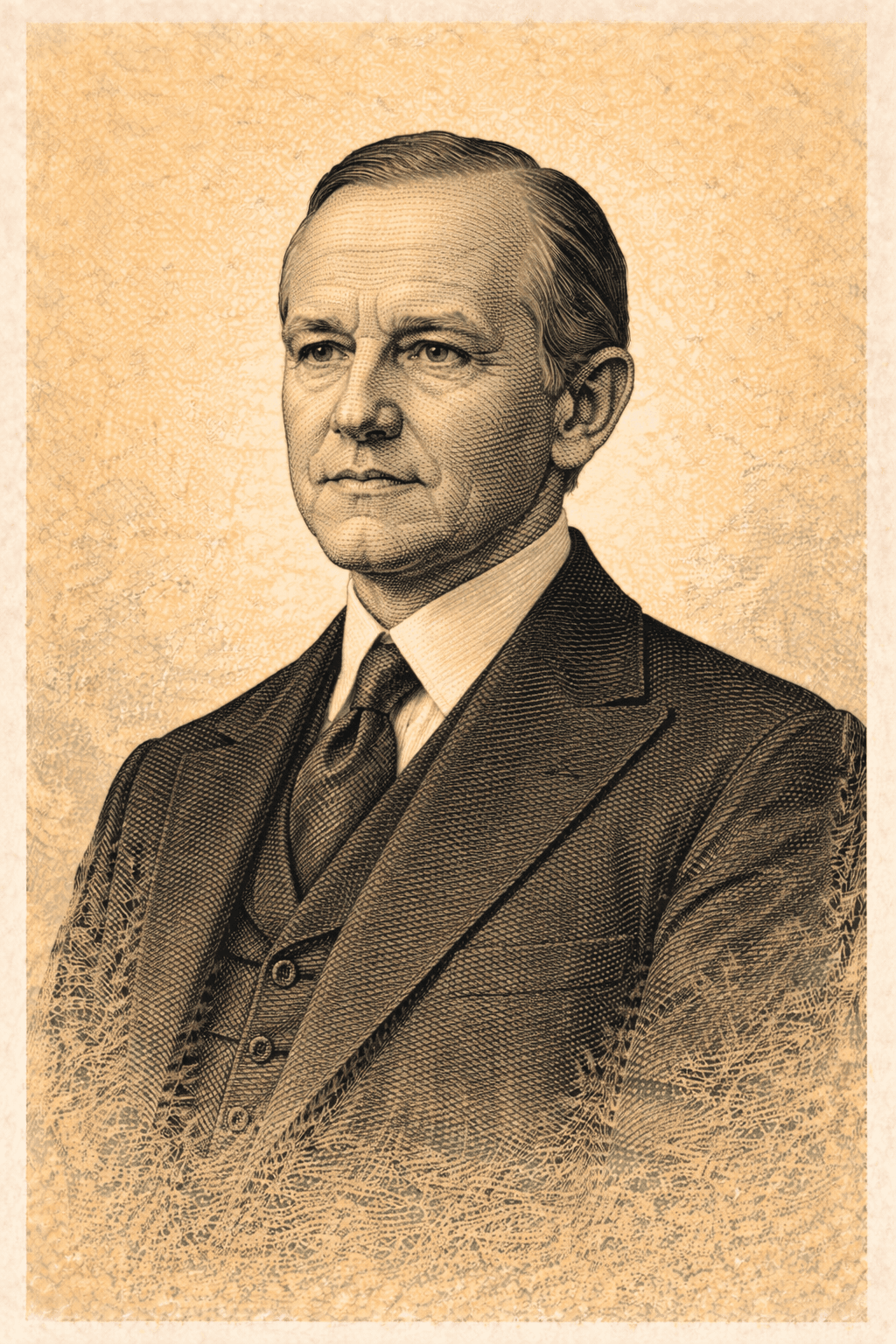
Calvin Coolidge
1872–1933Americas
He believed the business of America was business, presided over the boom years of the 1920s, and quietly stepped aside before the crash came.
Open profile →
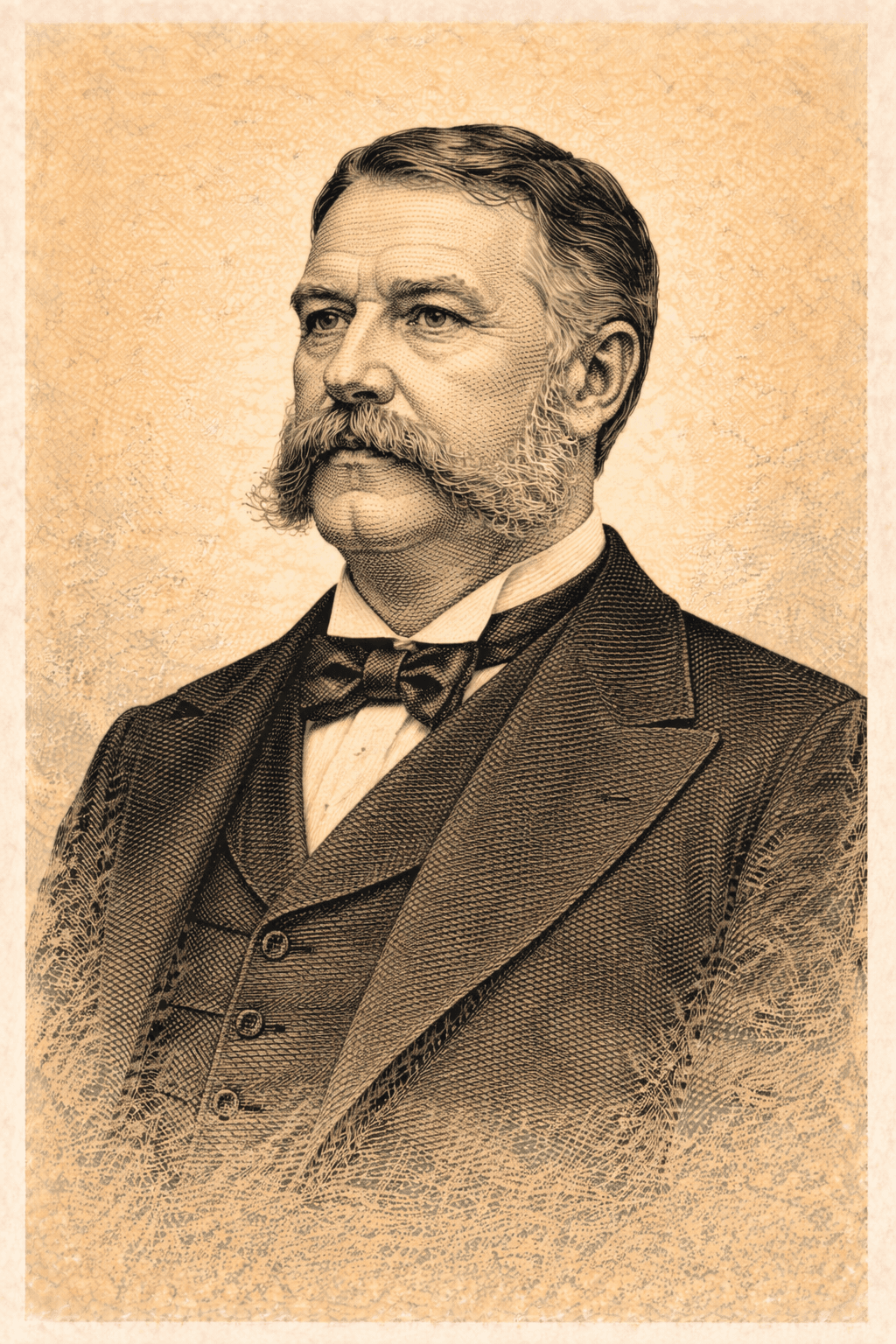
Chester A. Arthur
1829–1886Americas
He reached the presidency through machine politics and promptly turned against the machine, championing the civil service reform that dismantled the very system that made him.
Open profile →
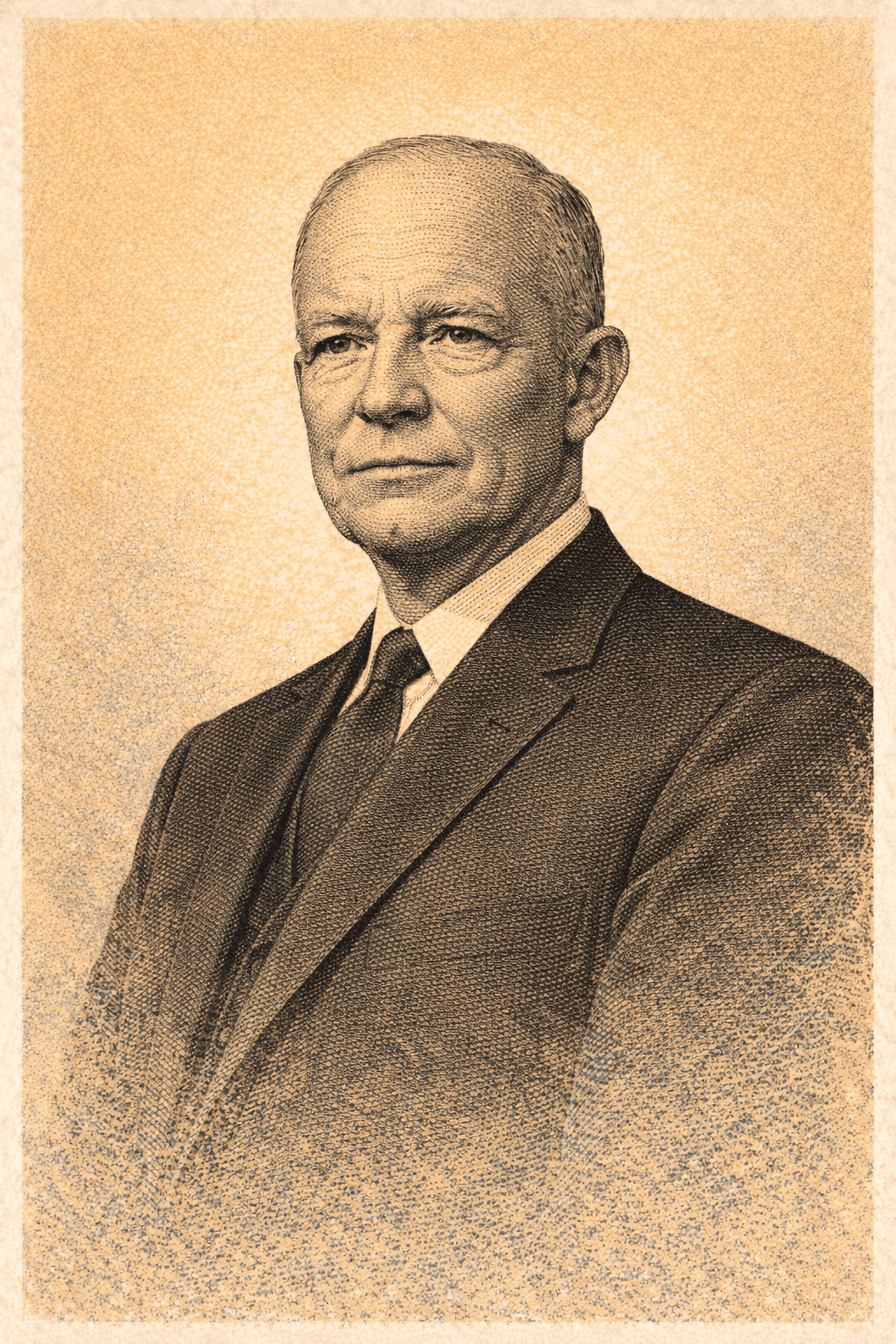
Dwight D. Eisenhower
1890–1969Americas
He planned the largest military operation in history, became president on the strength of it, then warned in his farewell address that the military machine he'd helped build was becoming a threat.
Open profile →
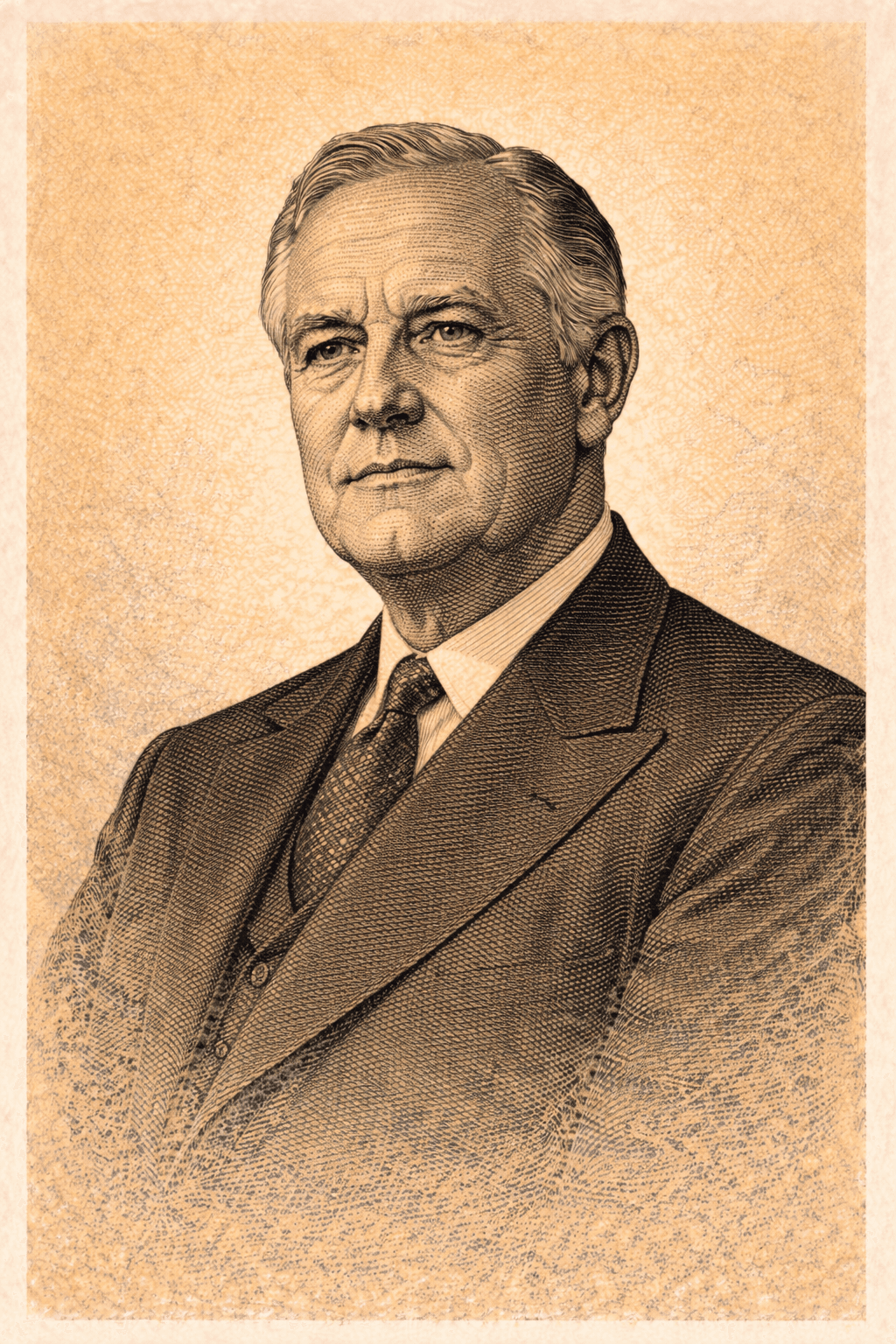
Franklin D. Roosevelt
1882–1945Americas
He was paralysed from the waist down, ran for president four times, won four times, and governed through the Depression and a world war without anyone outside his inner circle fully knowing the extent of his condition.
Open profile →
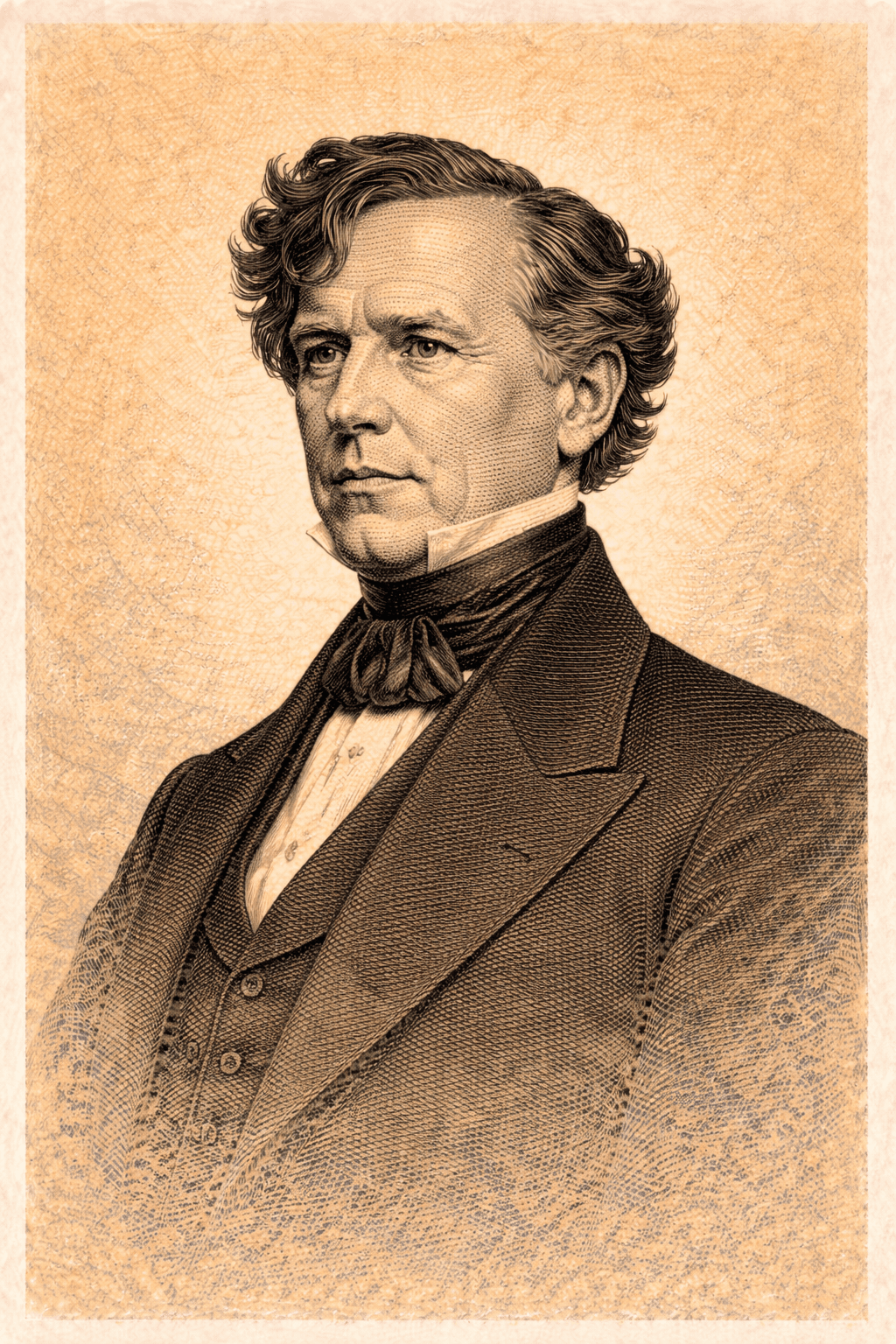
Franklin Pierce
1804–1869Americas
He was a personally popular man whose presidency accelerated the collapse of national compromise over slavery — a reminder that charm and catastrophic judgment often coexist.
Open profile →
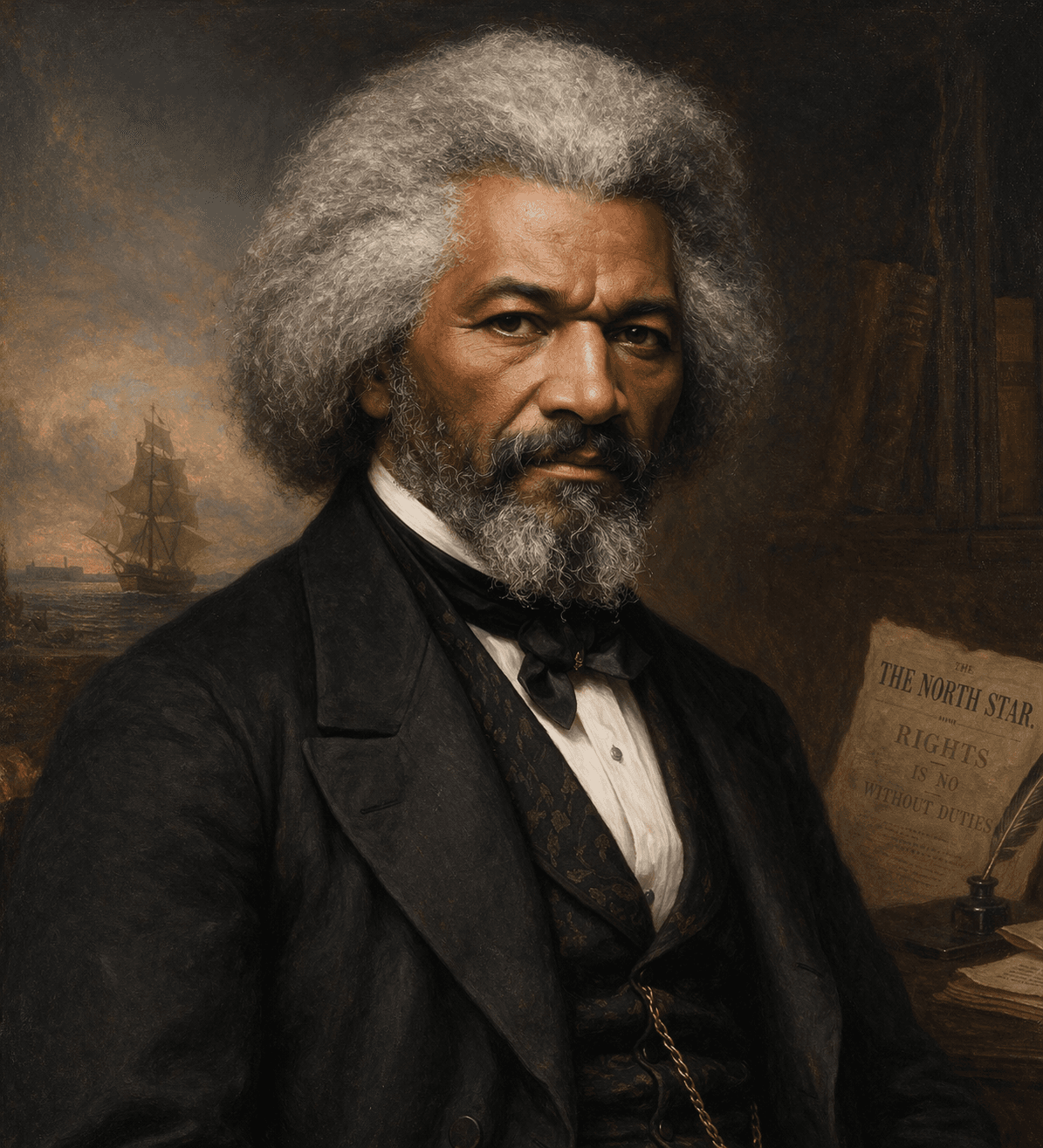
Frederick Douglass
1818–1895Americas
He taught himself to read in secret, escaped enslavement, and became the most prominent Black voice in America — then kept arguing long after others thought the argument was won.
Open profile →
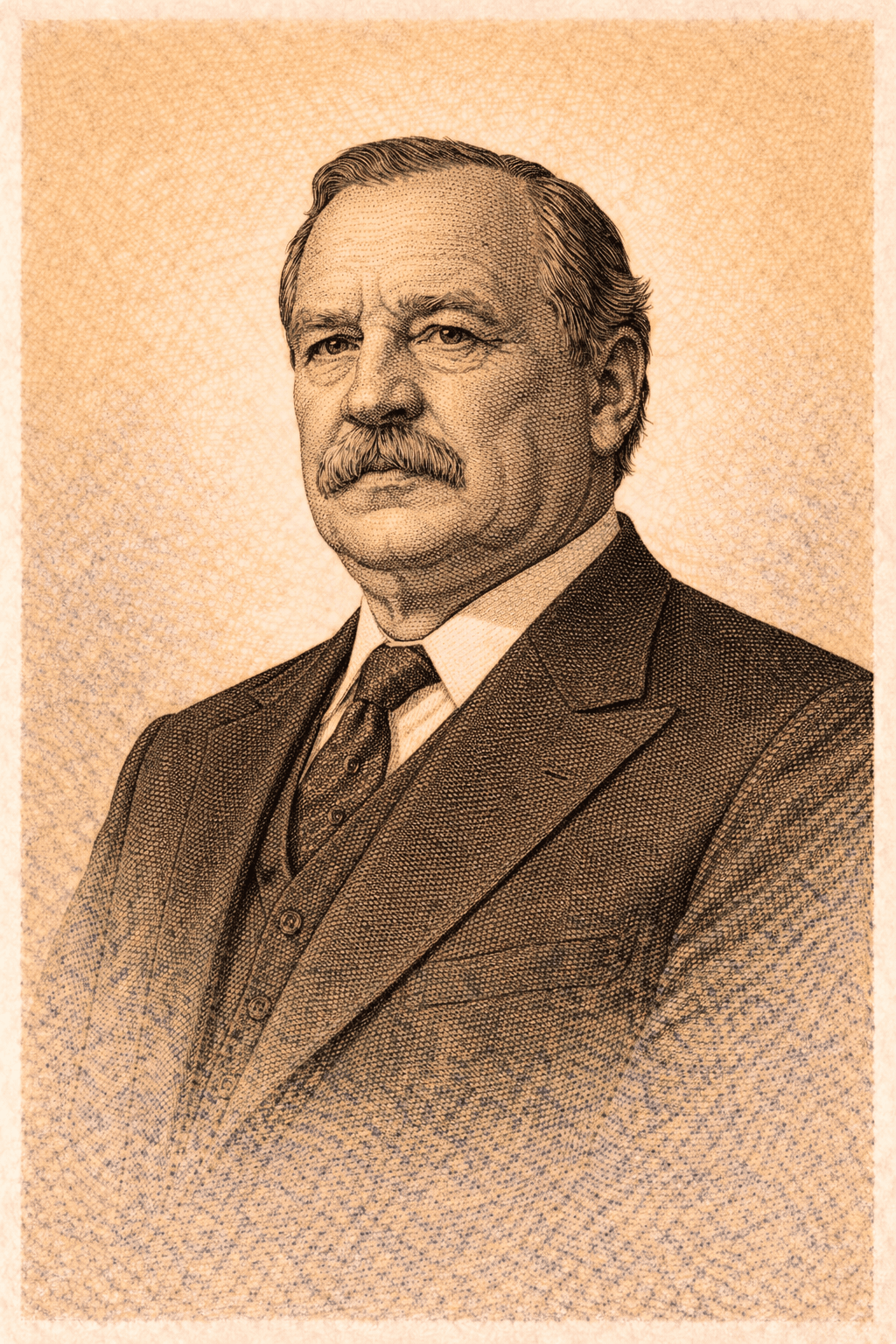
Grover Cleveland
1837–1908Americas
He won the presidency, lost it, and won it again four years later — the only president ever to serve two non-consecutive terms until the twenty-first century.
Open profile →
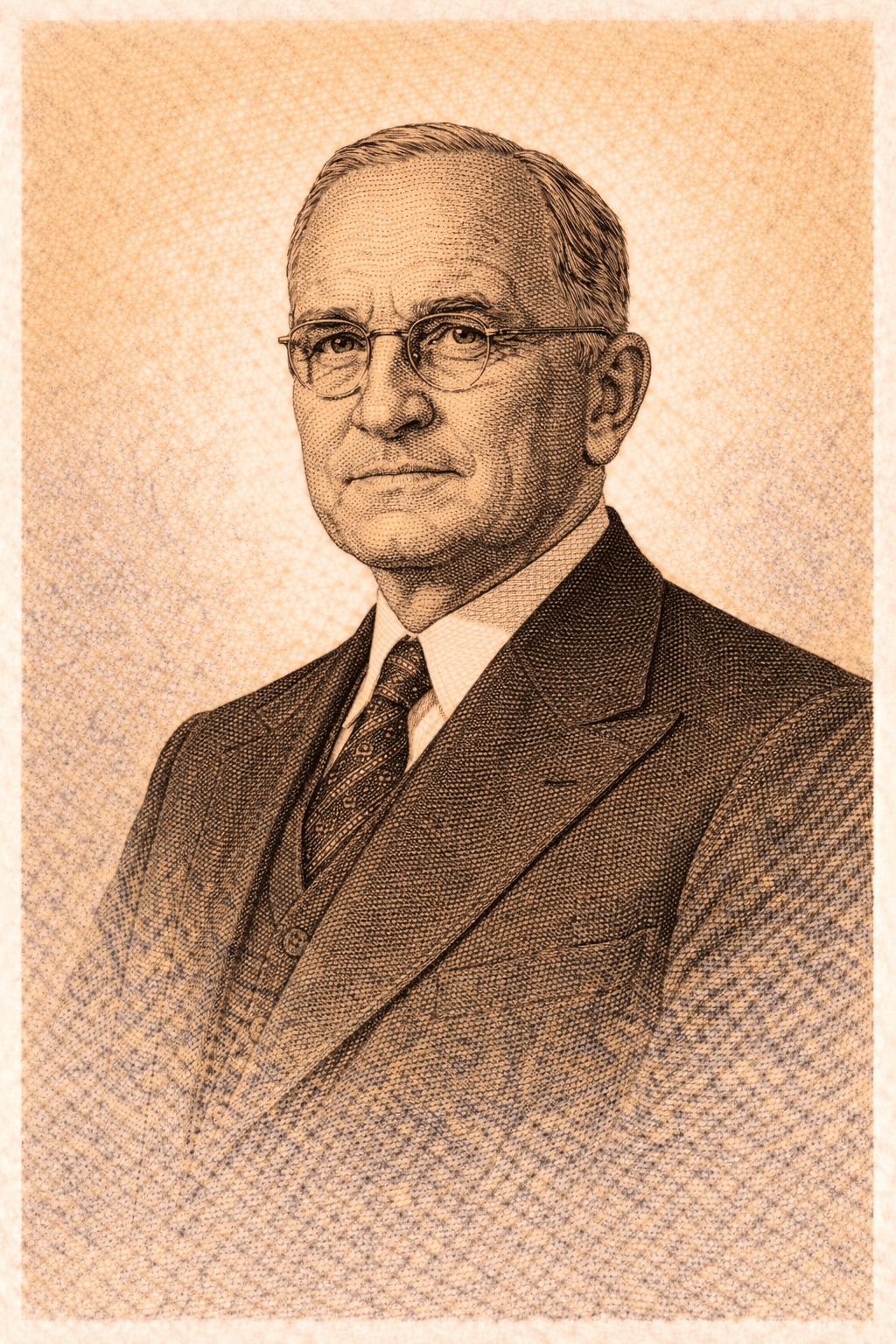
Harry S Truman
1884–1972Americas
He became president when Roosevelt died, was not told about the atomic bomb until after the ceremony, and within months had used it twice.
Open profile →
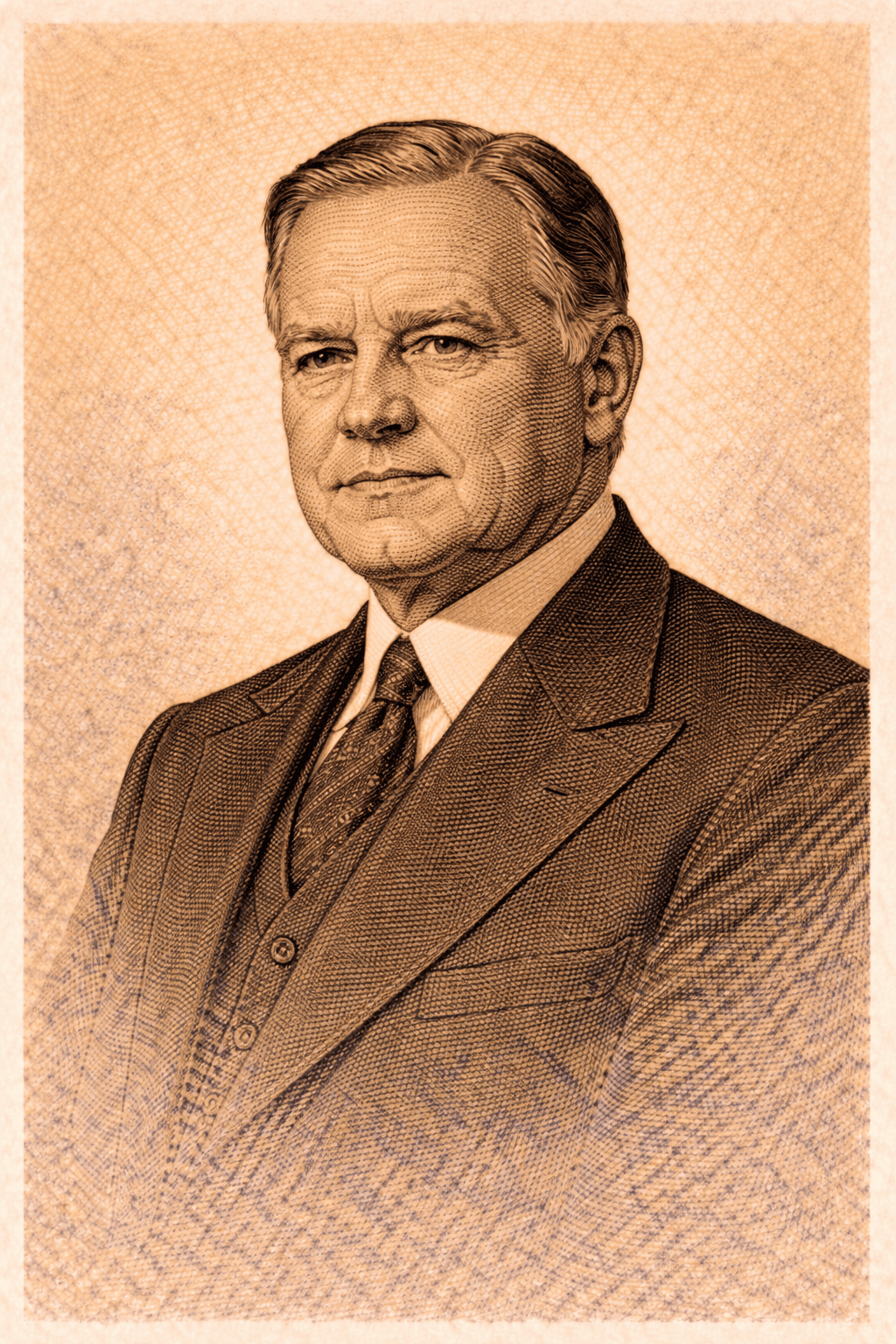
Herbert Hoover
1874–1964Americas
He was one of the most admired men in America before the Depression and one of the most blamed during it — a reminder that timing is everything in politics.
Open profile →
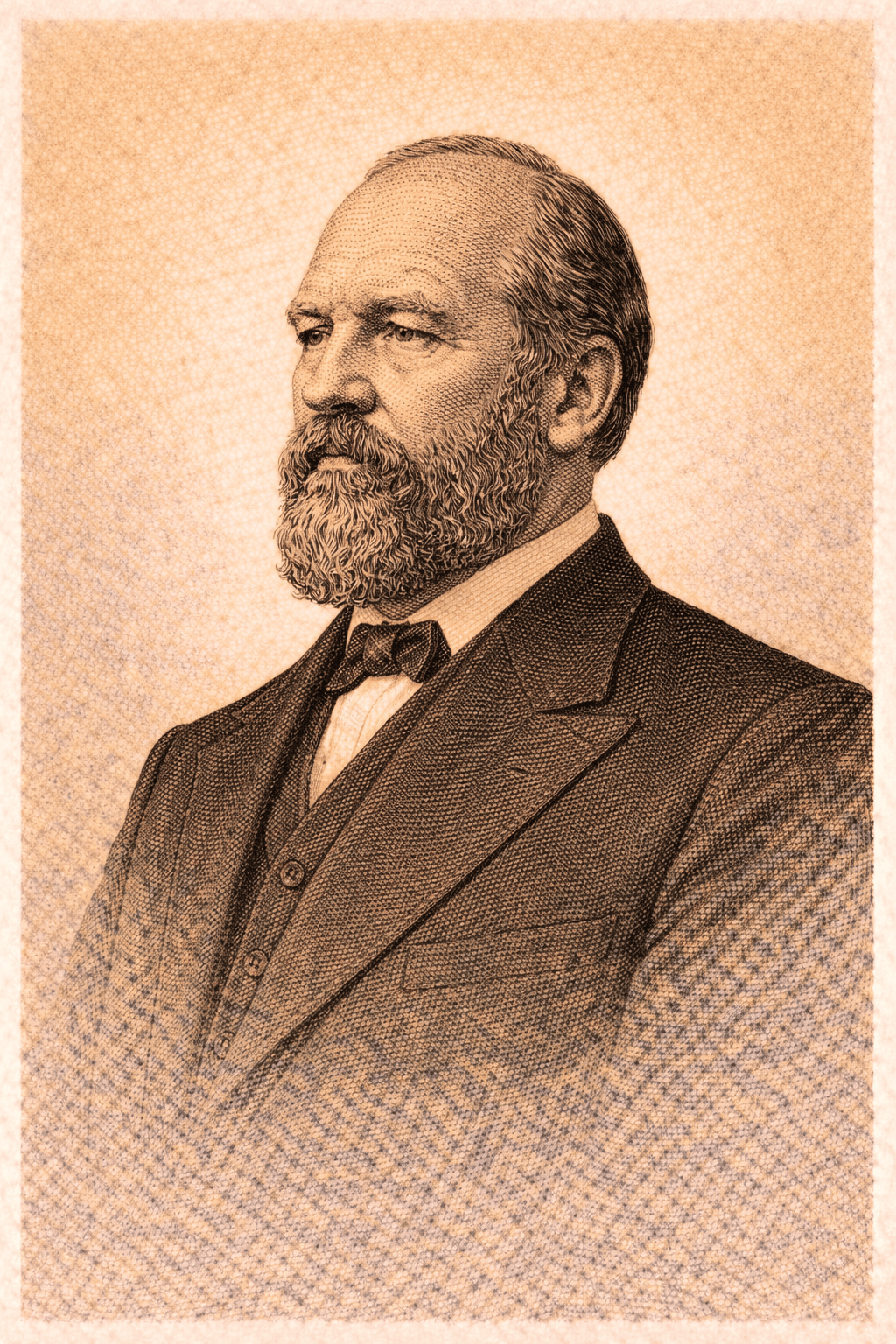
James A Garfield
1831–1881Americas
He was shot by a disappointed civil servant two months into his presidency and survived the bullet — but not the infection caused by the doctors who tried to save him.
Open profile →
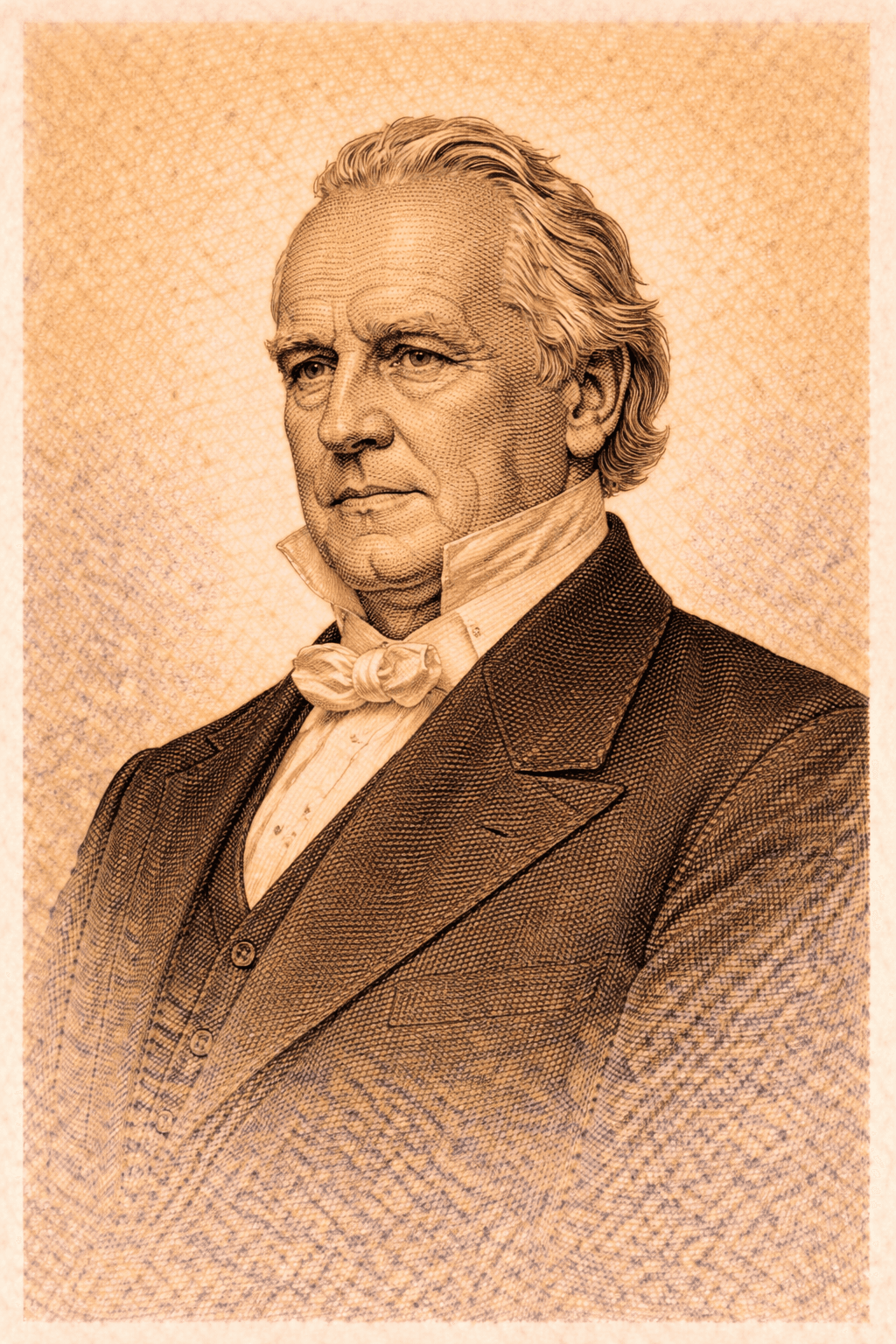
James Buchanan
1791–1868Americas
He watched the United States lurch toward civil war during his four years in office and seems to have concluded, repeatedly, that not acting was the safest option.
Open profile →
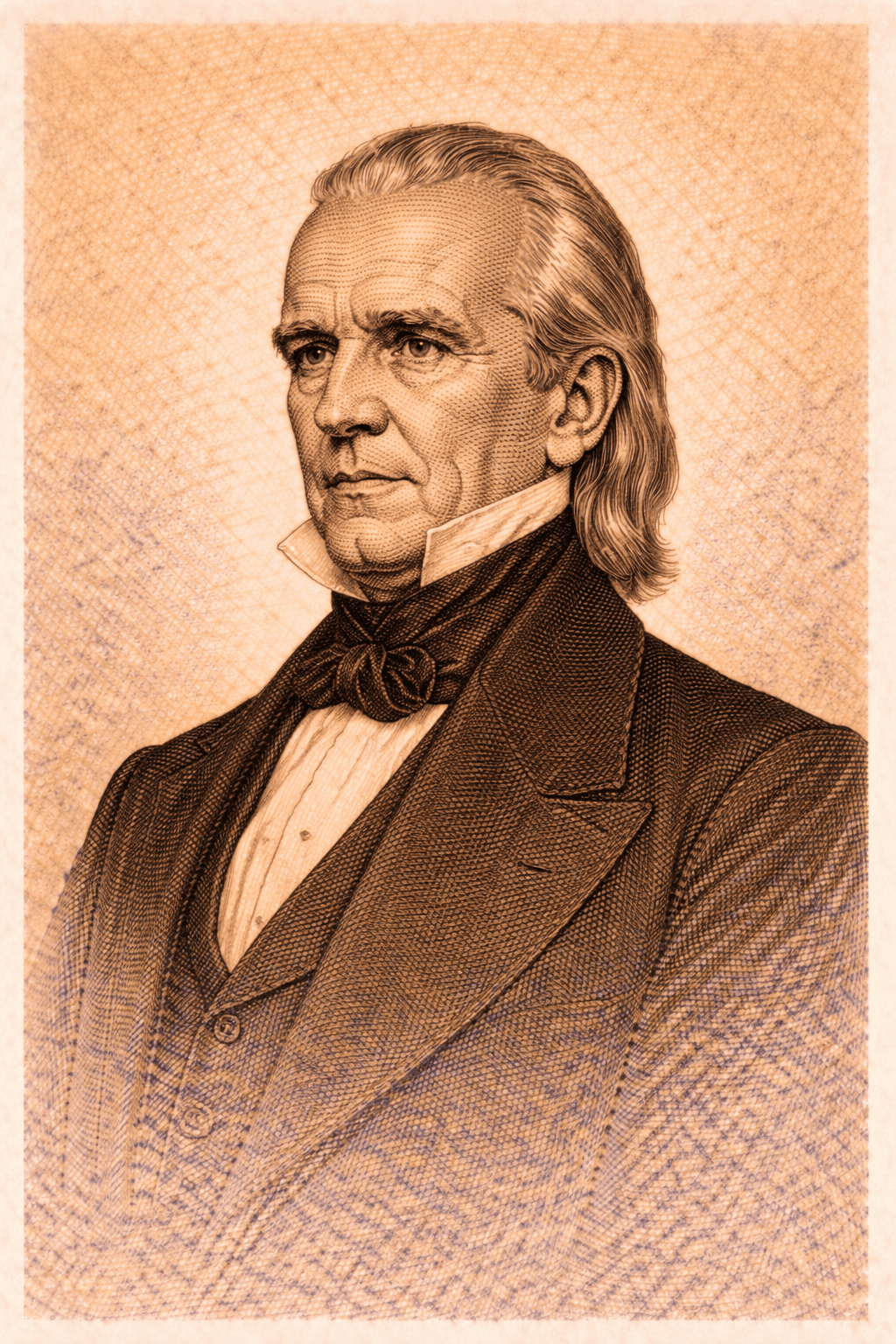
James K Polk
1795–1849Americas
He came to office with a list of four specific goals, achieved all four in a single term, and left — one of the few presidents who did exactly what he said he would.
Open profile →
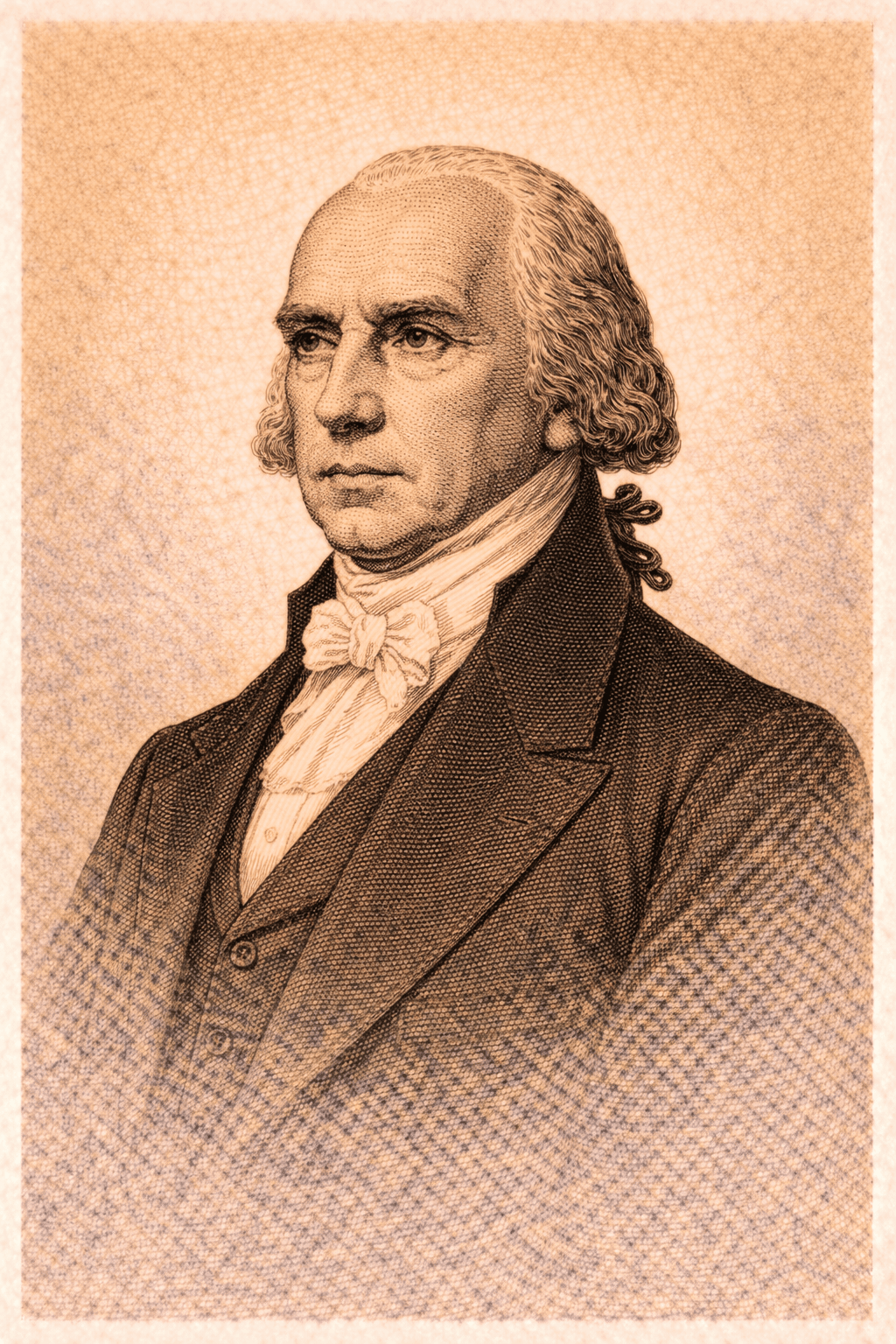
James Madison
1751–1836Americas
He helped design a government capable of limiting its own power, then faced a war that burned its capital to the ground and tested whether any of it had worked.
Open profile →
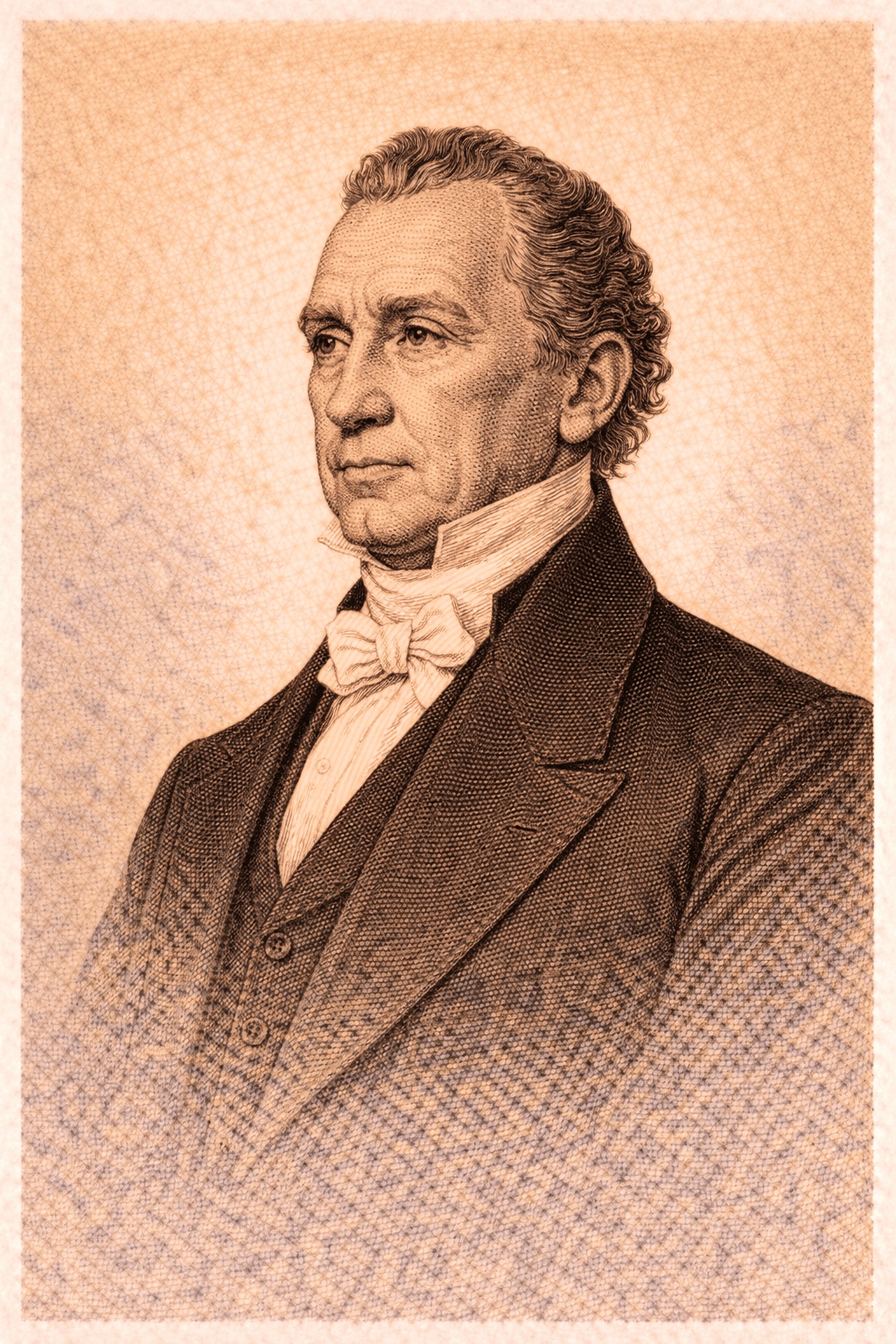
James Monroe
1758–1831Americas
He ran for re-election without opposition, presided over what newspapers called the Era of Good Feelings, and issued a doctrine that quietly shaped American foreign policy for two centuries.
Open profile →
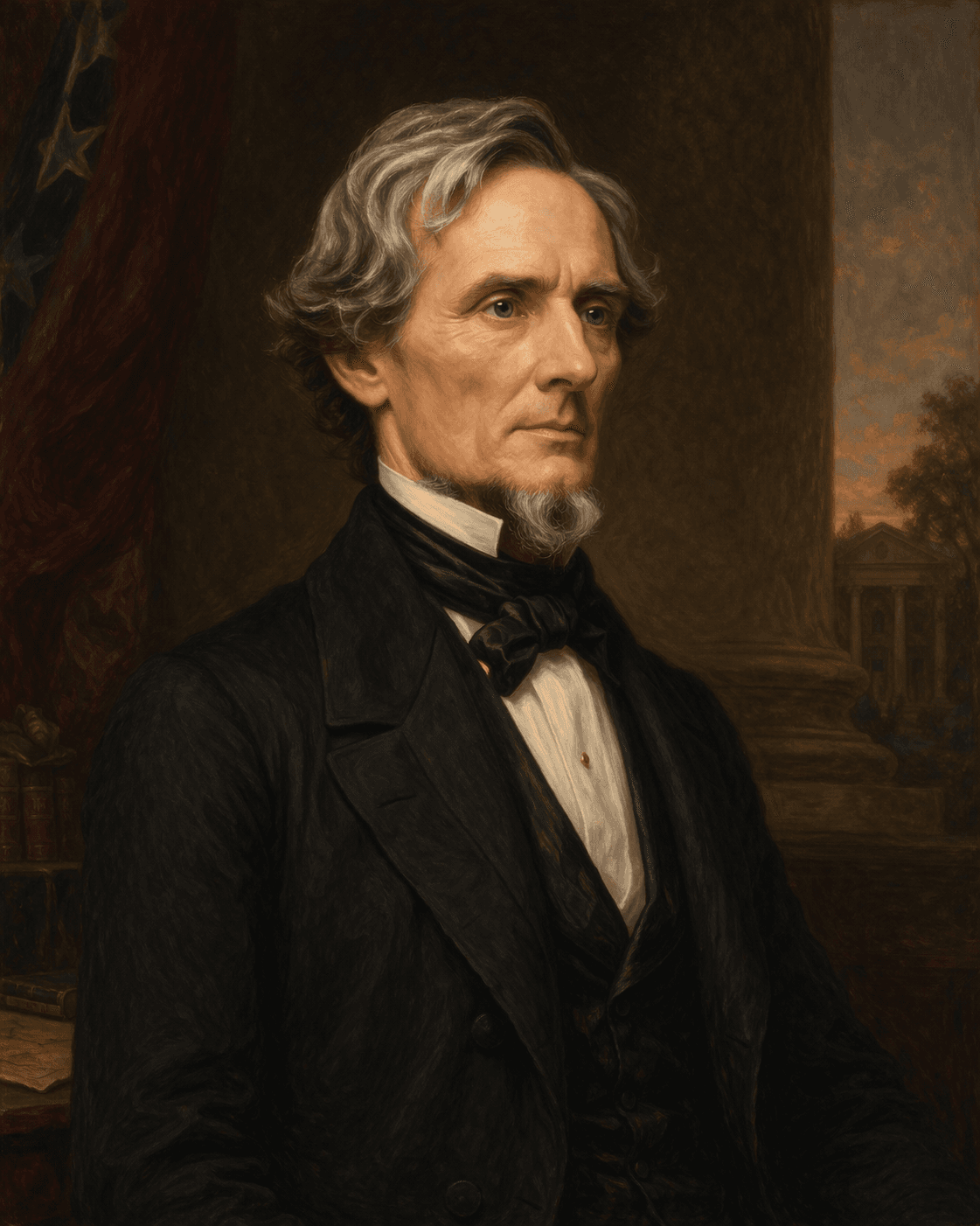
Jefferson Davis
1808–1889Americas
He led a nation built on the right to hold people in slavery, lost the war fought to preserve it, and spent the rest of his life insisting the cause had been just.
Open profile →
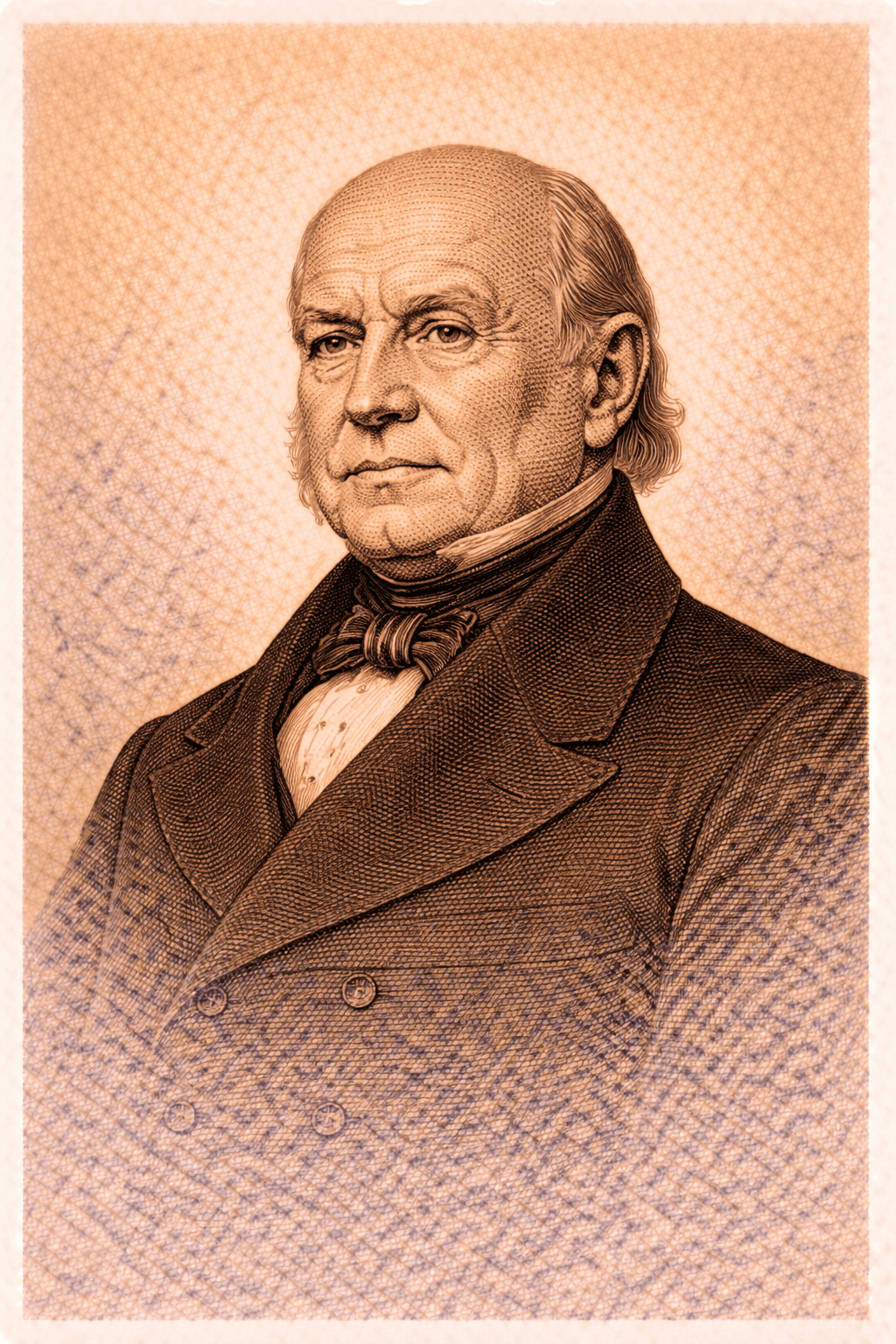
John Quincy Adams
1767–1848Americas
He won the presidency despite getting fewer votes than his main opponent, served one bruising term, lost badly, and then returned to Congress for seventeen more years — the most productive of his career.
Open profile →
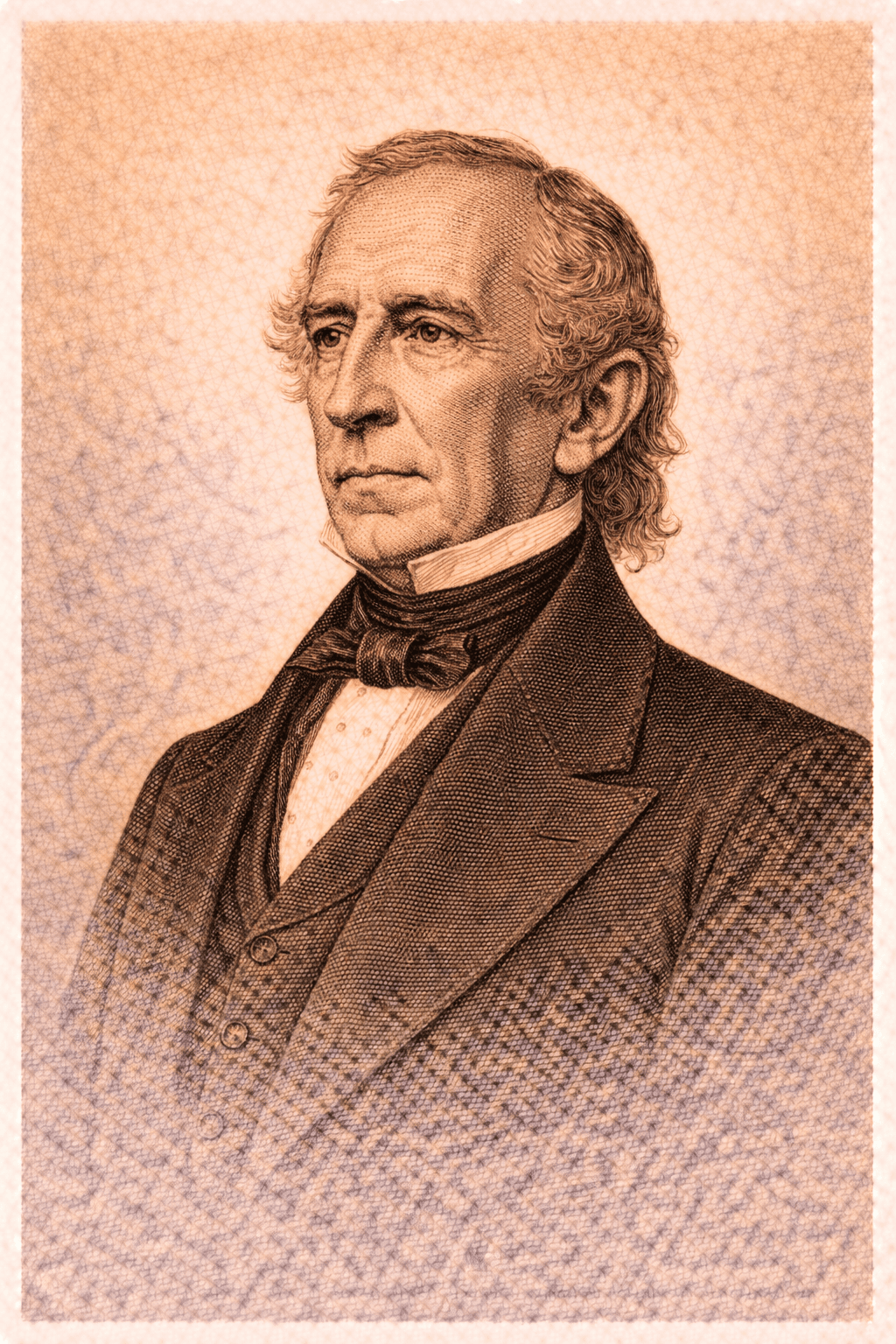
John Tyler
1790–1862Americas
He became president when Harrison died after a month, was promptly expelled from his own party, governed without one, and still managed to deliver Texas to the United States.
Open profile →
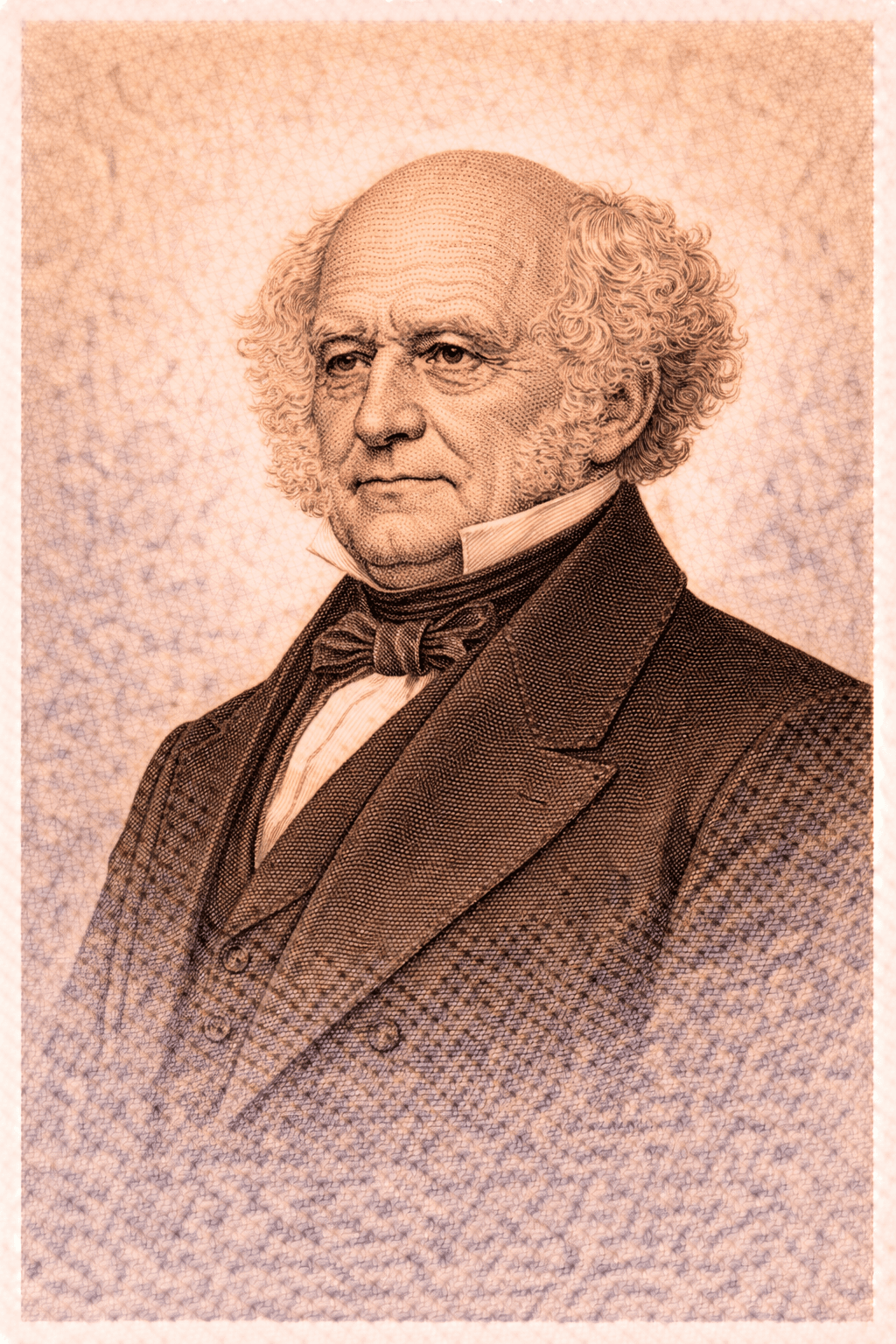
Martin Van Buren
1782–1862Americas
He engineered Andrew Jackson's rise to power, became president himself, inherited the financial crash that followed Jackson's policies, and lost his re-election campaign to a man whose main qualification was being a war hero.
Open profile →
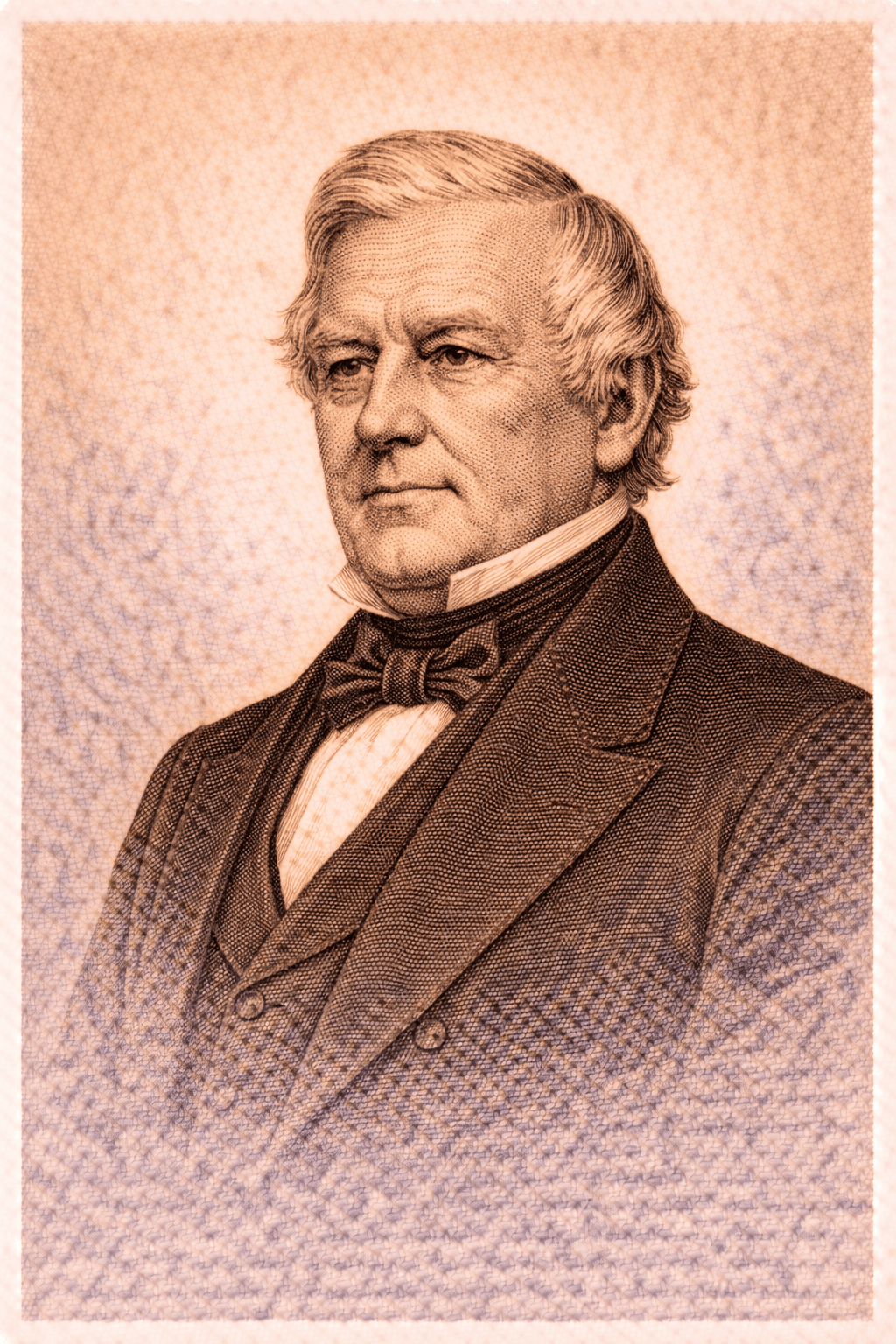
Millard Fillmore
1800–1874Americas
He signed the Compromise of 1850 hoping to settle the slavery question for a generation, and instead bought the country a decade to prepare for a war it couldn't avoid.
Open profile →
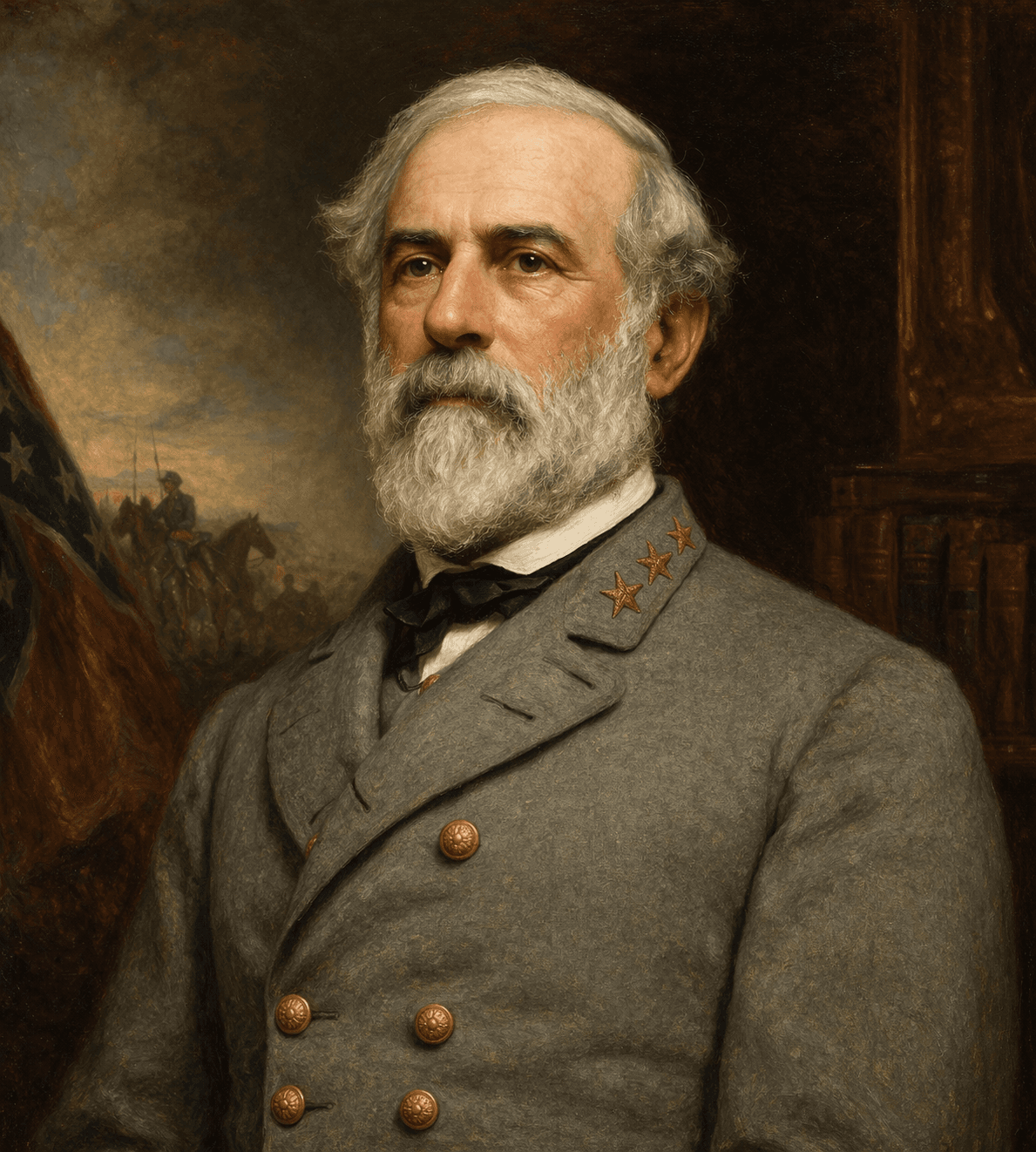
Robert E. Lee
1807–1870Americas
He turned down command of the Union army, chose Virginia instead, and spent four years fighting brilliantly for a cause whose central purpose was the preservation of slavery.
Open profile →
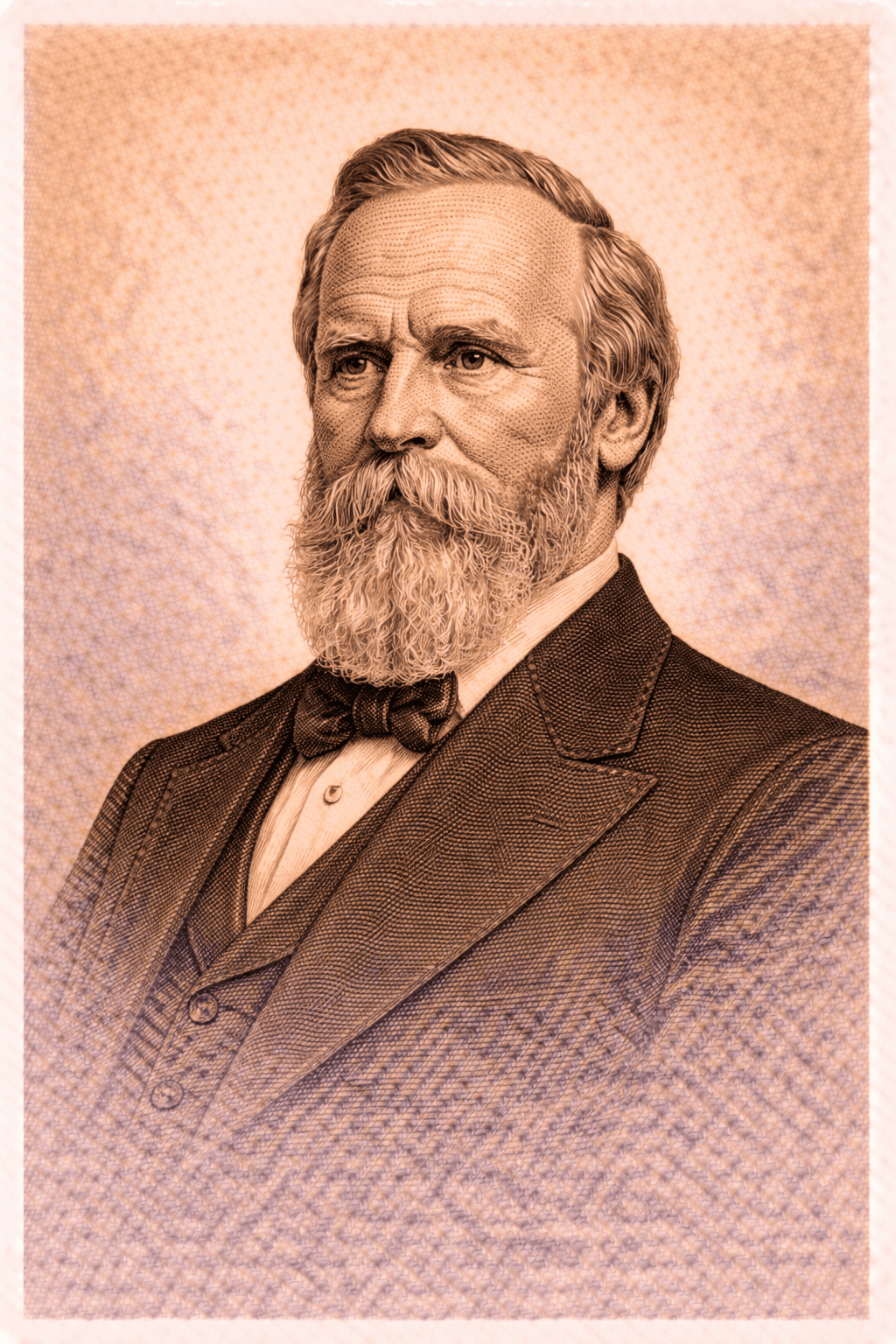
Rutherford B Hayes
1822–1893Americas
He won the most disputed presidential election in American history by a single electoral vote, withdrew federal troops from the South, and effectively ended Reconstruction.
Open profile →
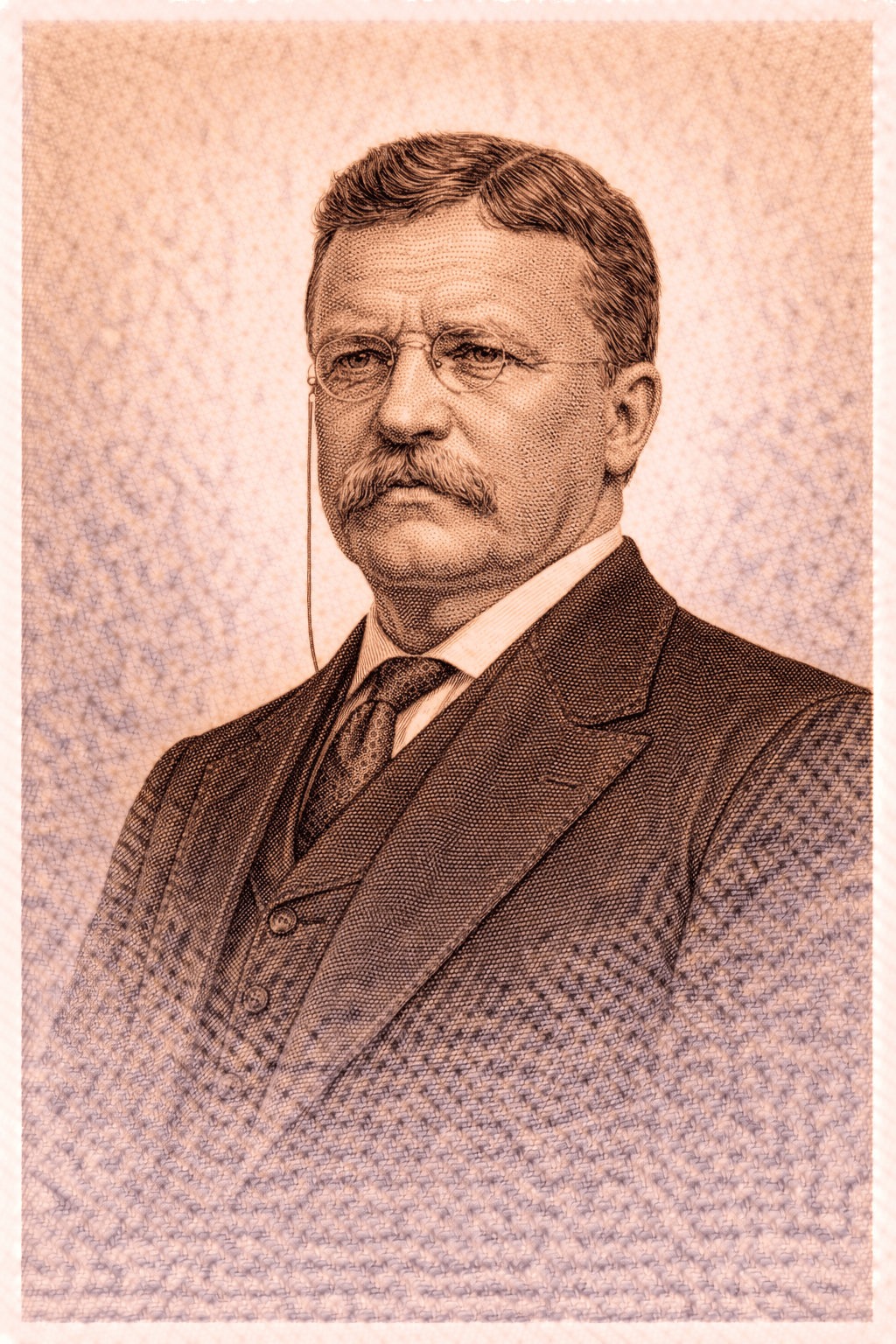
Theodore Roosevelt
1858–1919Americas
He became president at forty-two after an assassination, hunted big game, built the Panama Canal, and won a Nobel Peace Prize — all within seven years.
Open profile →
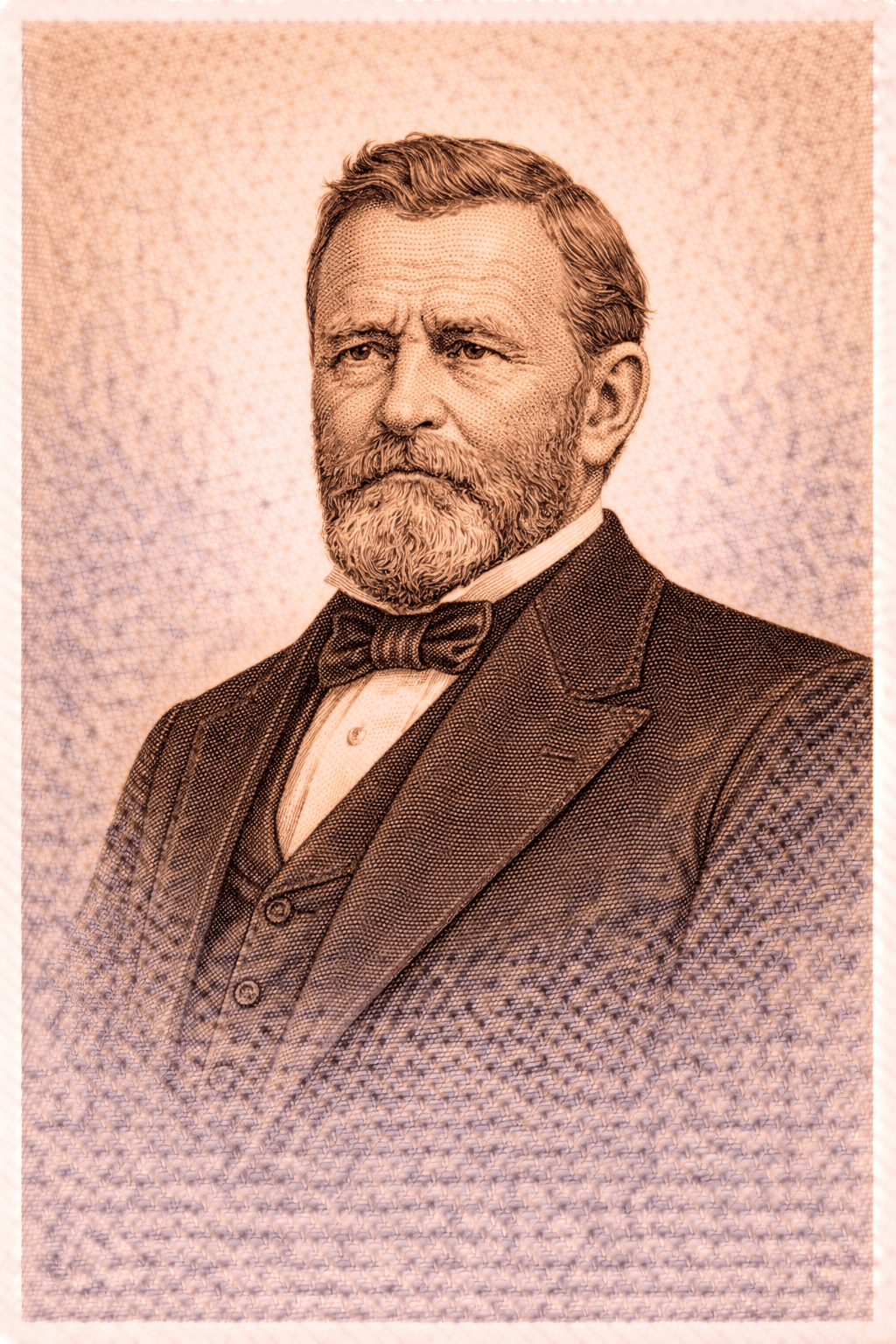
Ulysses S. Grant
1822–1885Americas
He was a failure at nearly everything before the Civil War, became the general who won it, served two terms as president, went bankrupt, and spent his dying days writing his memoirs to leave money for his family.
Open profile →
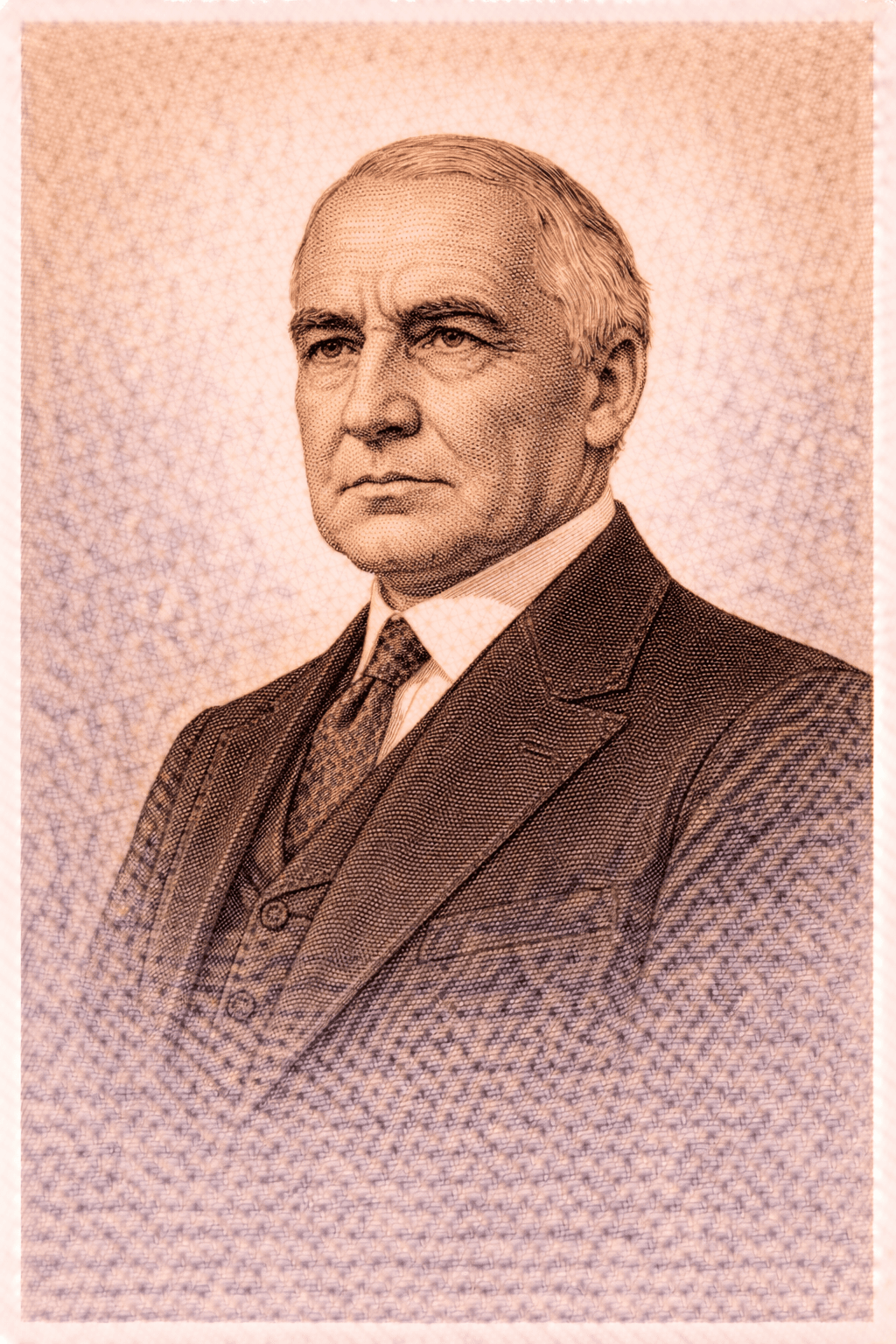
Warren G. Harding
1865–1923Americas
He was one of the most popular presidents in American history while alive and one of the most mocked after death — when the scale of his administration's corruption became clear.
Open profile →
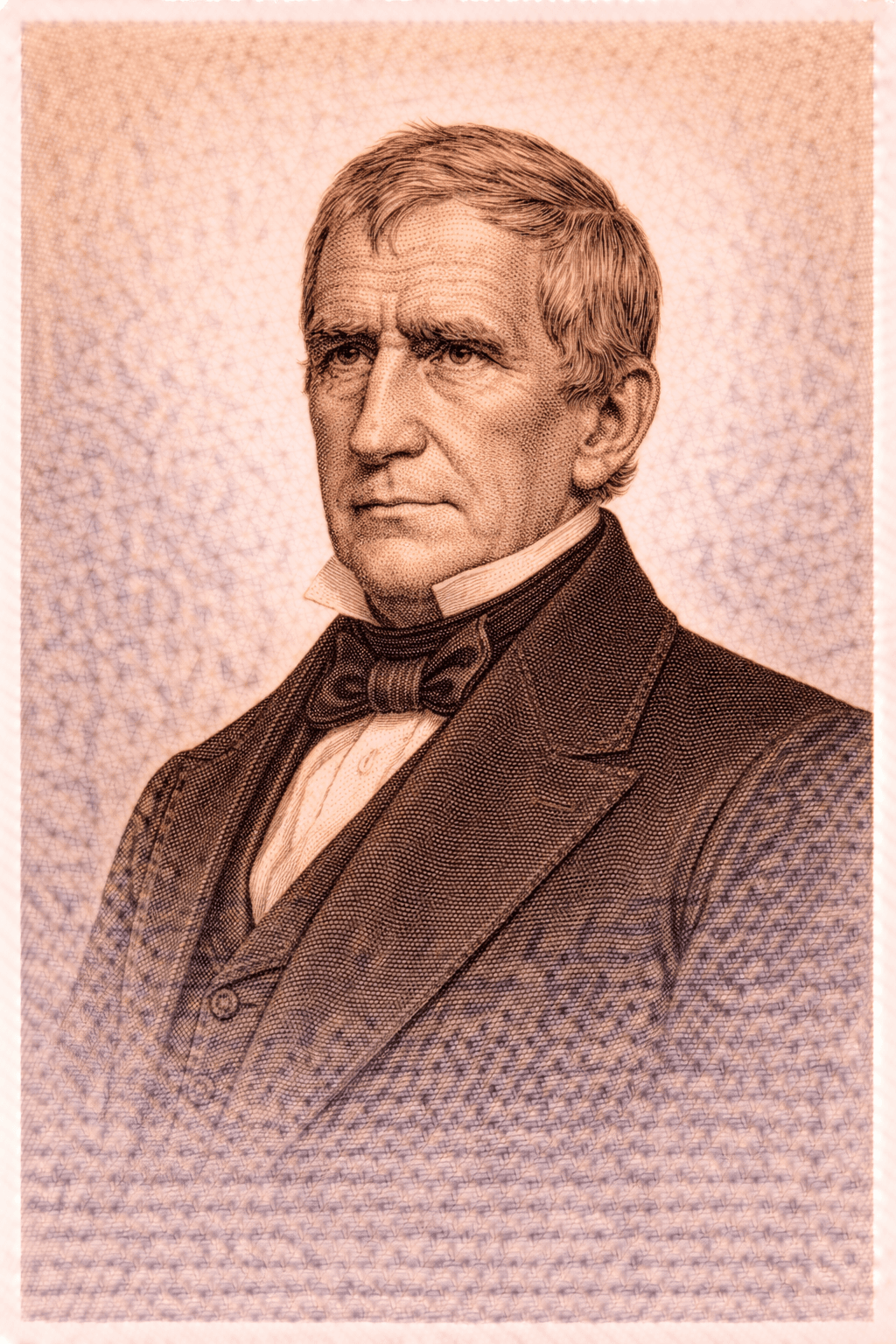
William Henry Harrison
1773–1841Americas
He gave the longest inaugural address in presidential history in freezing weather without a hat or coat, caught pneumonia, and died thirty-one days later.
Open profile →
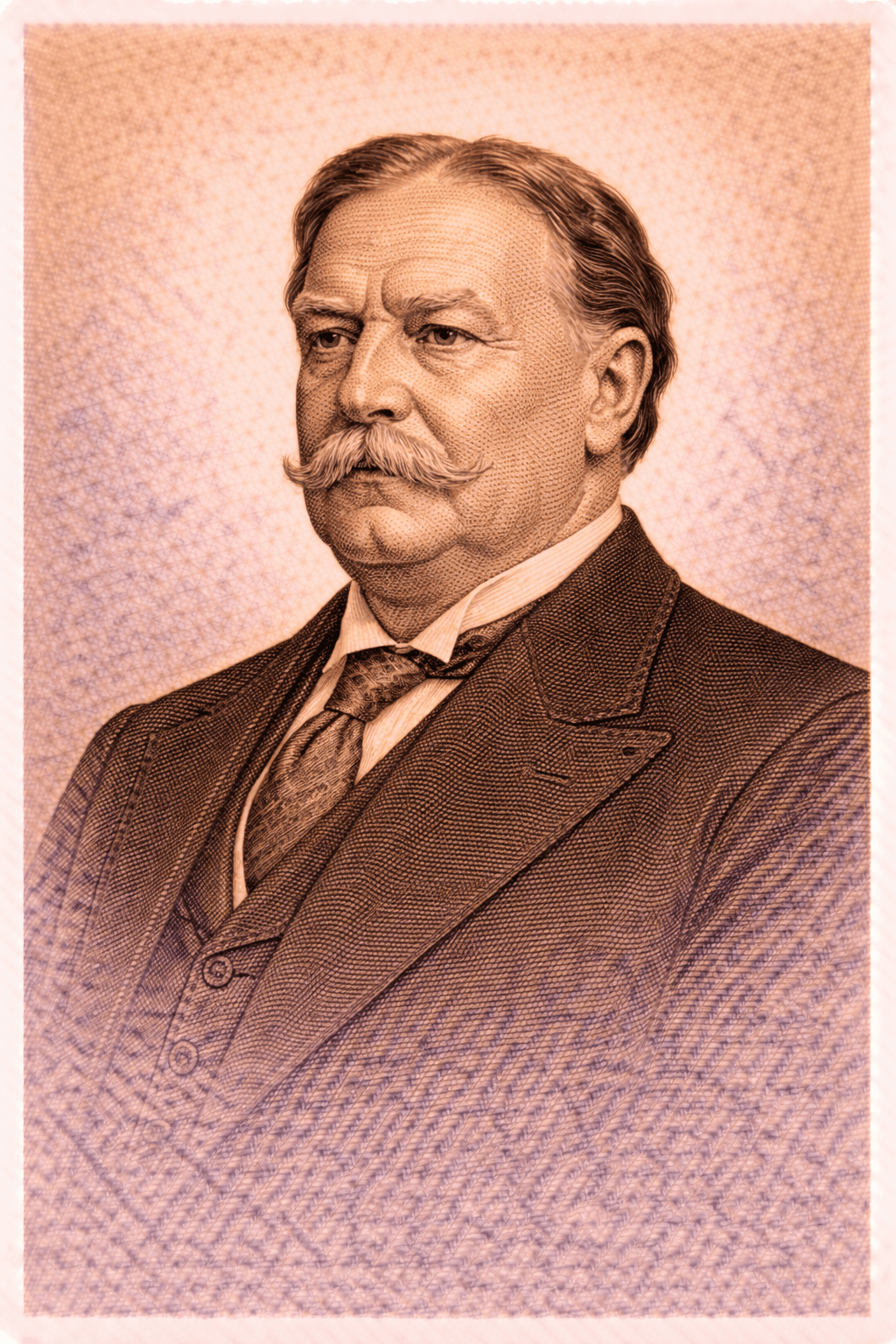
William Howard Taft
1857–1930Americas
He hated being president, loved being a judge, and eventually became Chief Justice of the Supreme Court — which he considered the better job by far.
Open profile →
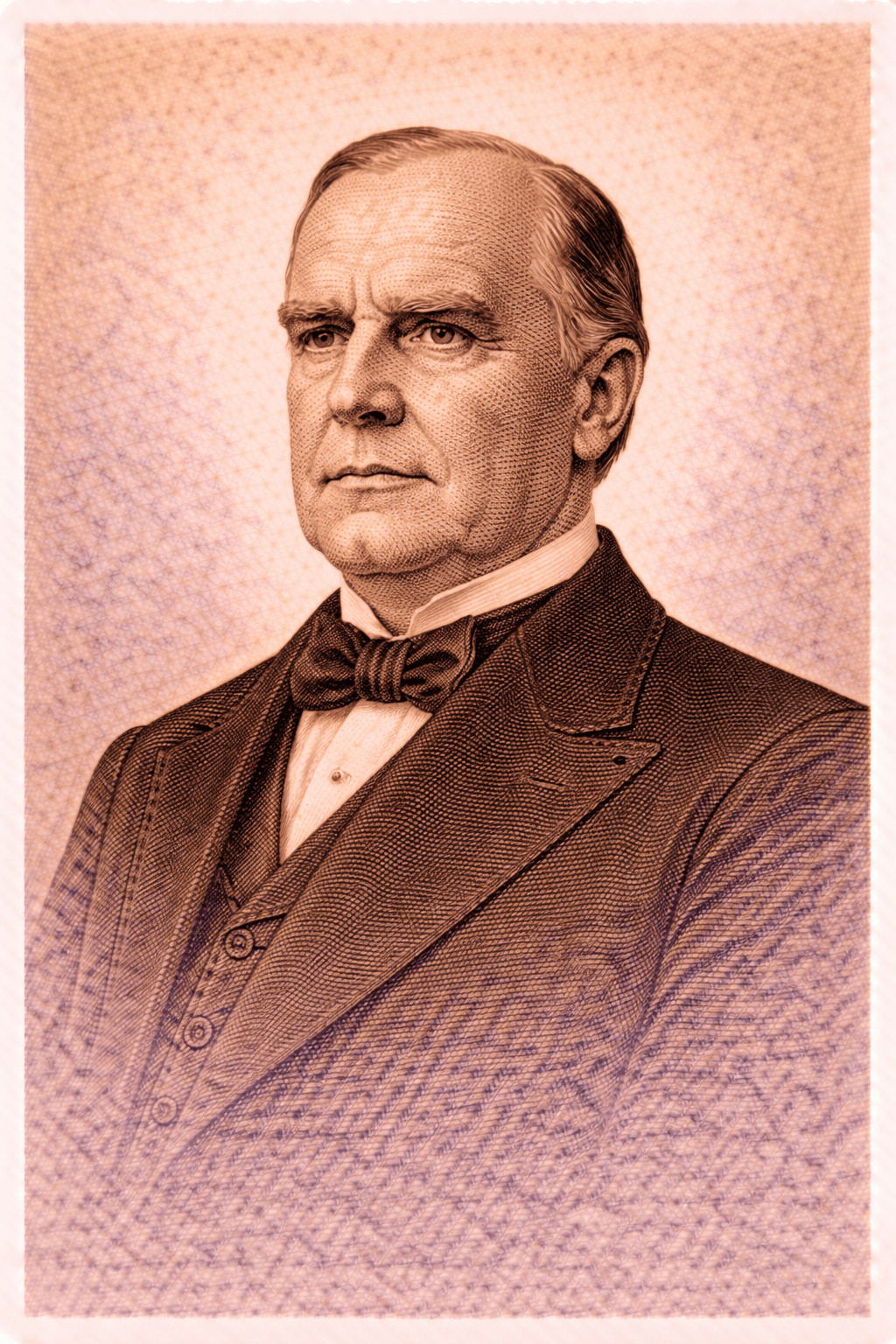
William McKinley
1843–1901Americas
He won the presidency twice, led the United States into an imperial war, and was shot by an anarchist at a public handshake line he'd been warned not to attend.
Open profile →
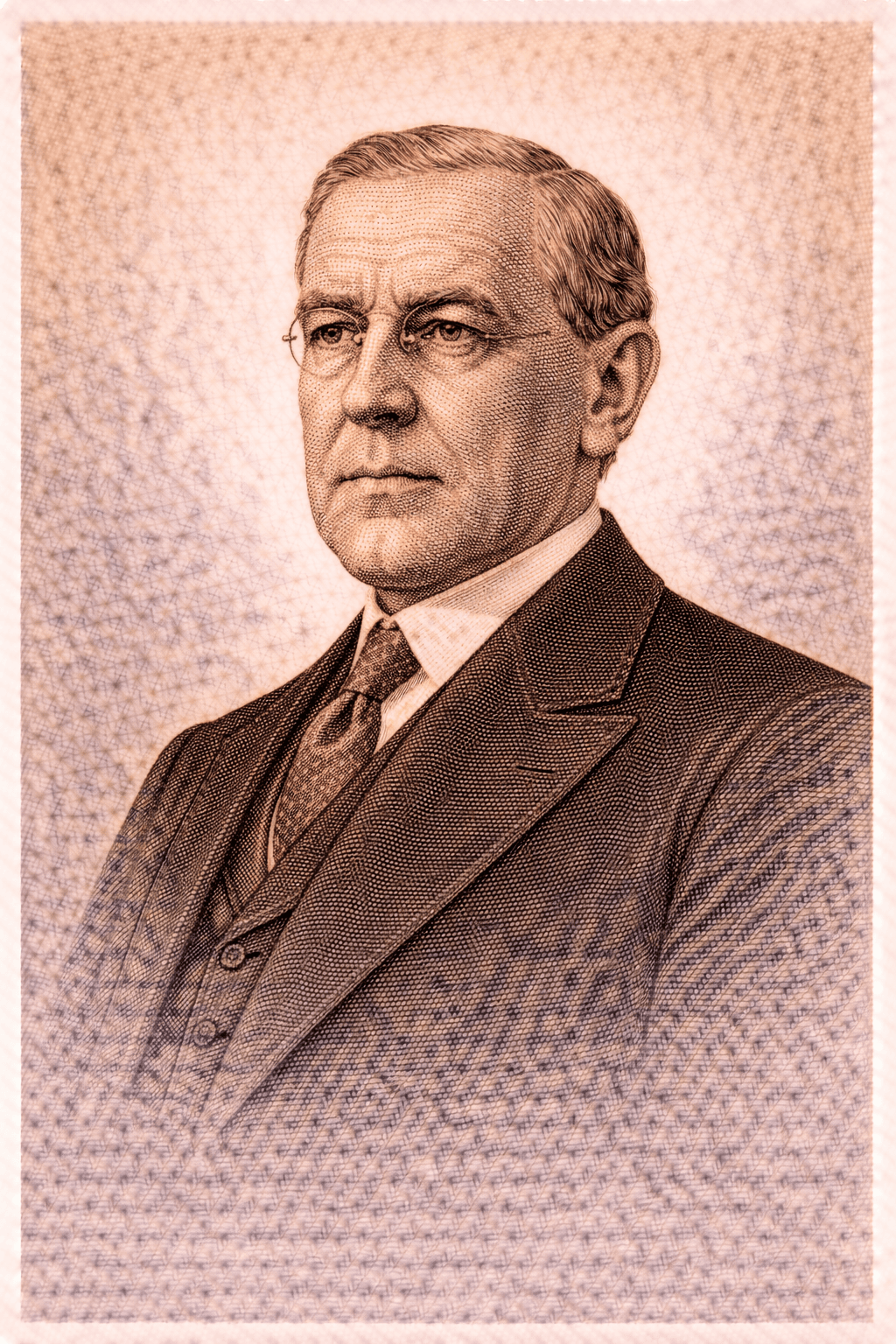
Woodrow Wilson
1856–1924Americas
He proposed the League of Nations to prevent another world war, won the Nobel Peace Prize for doing so, and then watched the United States Senate refuse to join it.
Open profile →
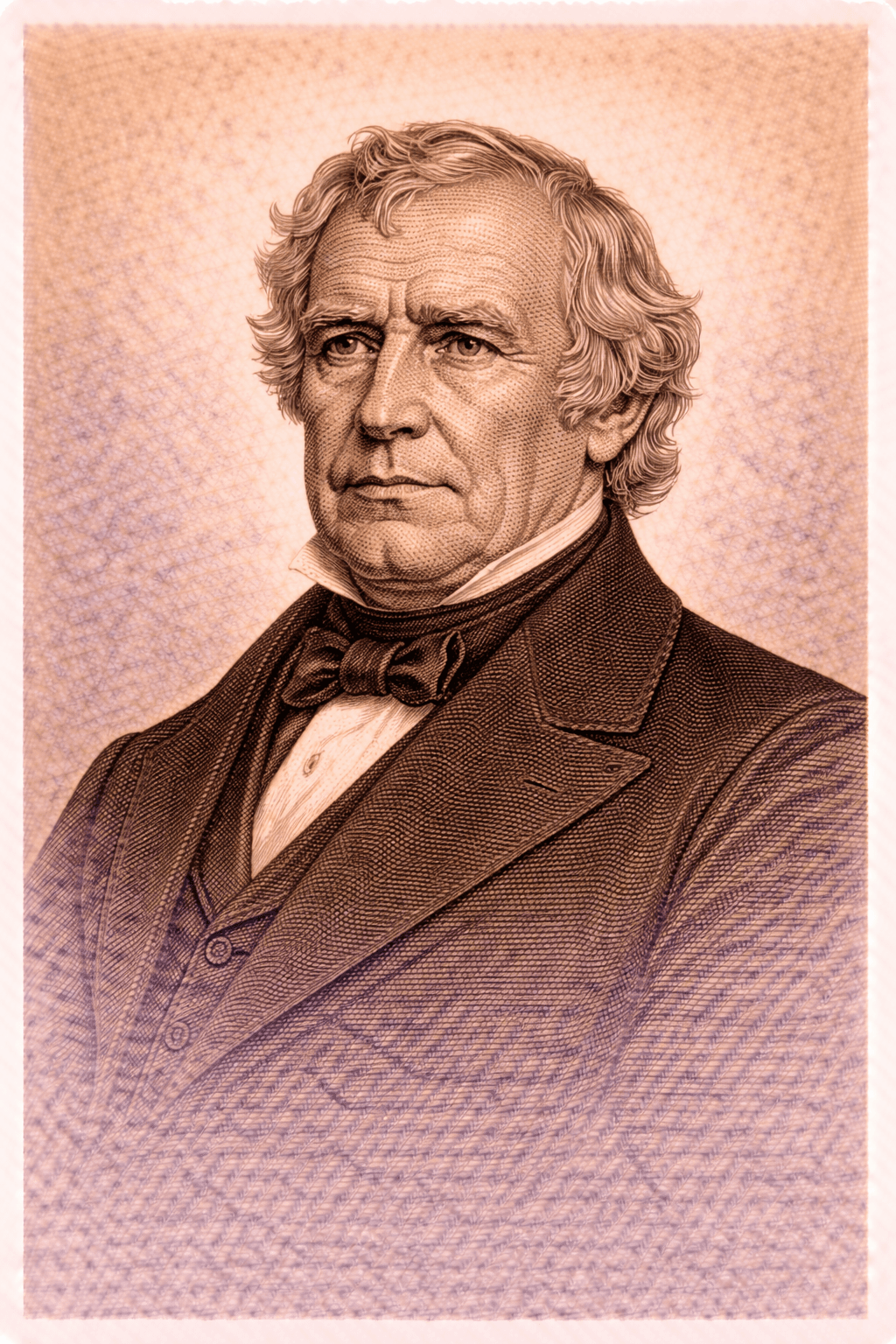
Zachary Taylor
1784–1850Americas
He spent his career fighting wars and actively avoided politics until he was sixty-four — then agreed to run for president, won, and died sixteen months later.
Open profile →