People
Historical Figures and Influential People in History
Explore rulers, generals, thinkers, scientists and reformers who shaped world history. Search for a specific person, or browse by era, region, country and A–Z.
Classical World Figures from Italy in Europe
Use the filters on the right to narrow the figure index while keeping the main results in view.
16 results
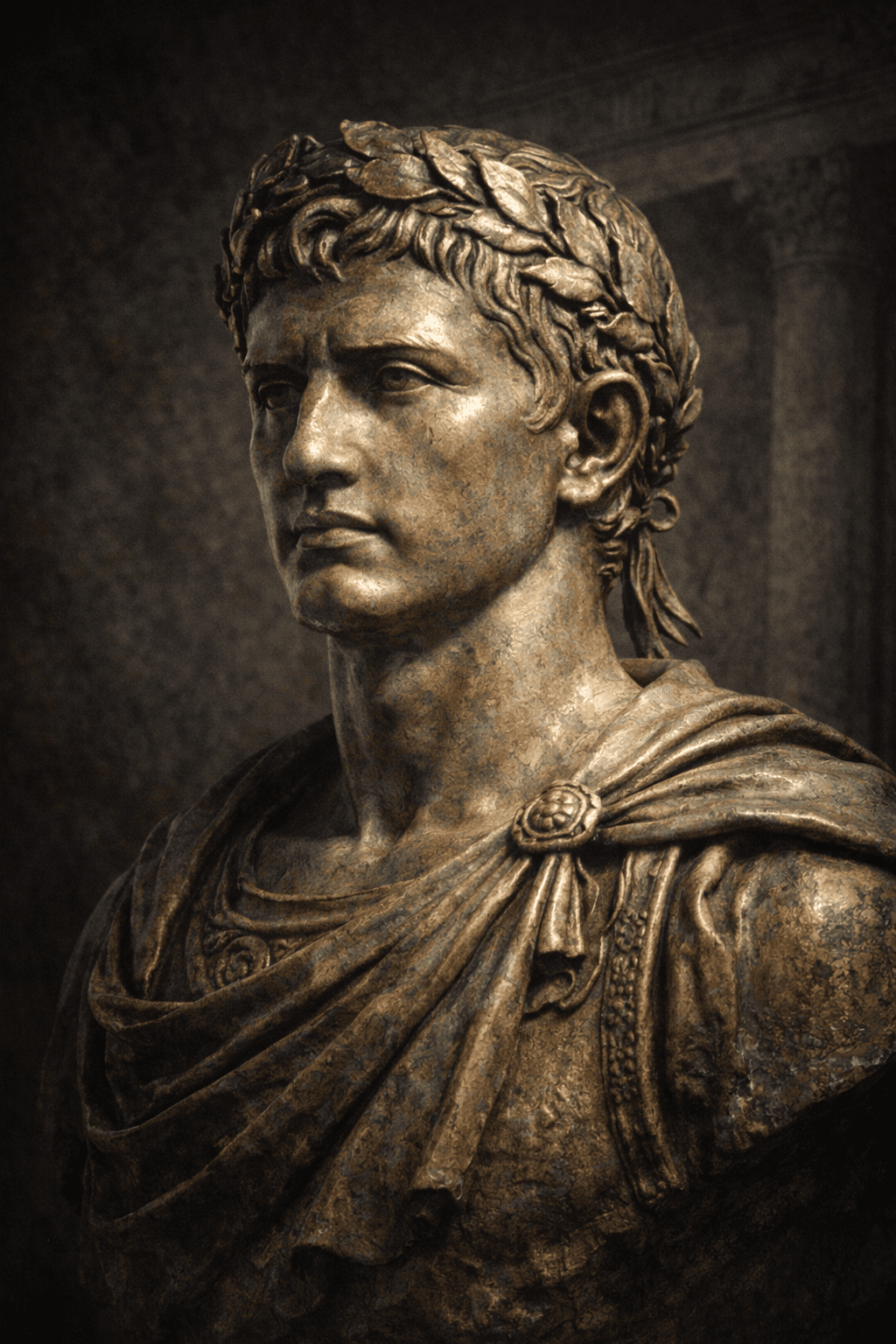
Augustus
-63–14
He won Rome's civil wars by outmanoeuvring everyone who tried to destroy him — then spent the next forty years pretending he hadn't changed anything.
Open profile →
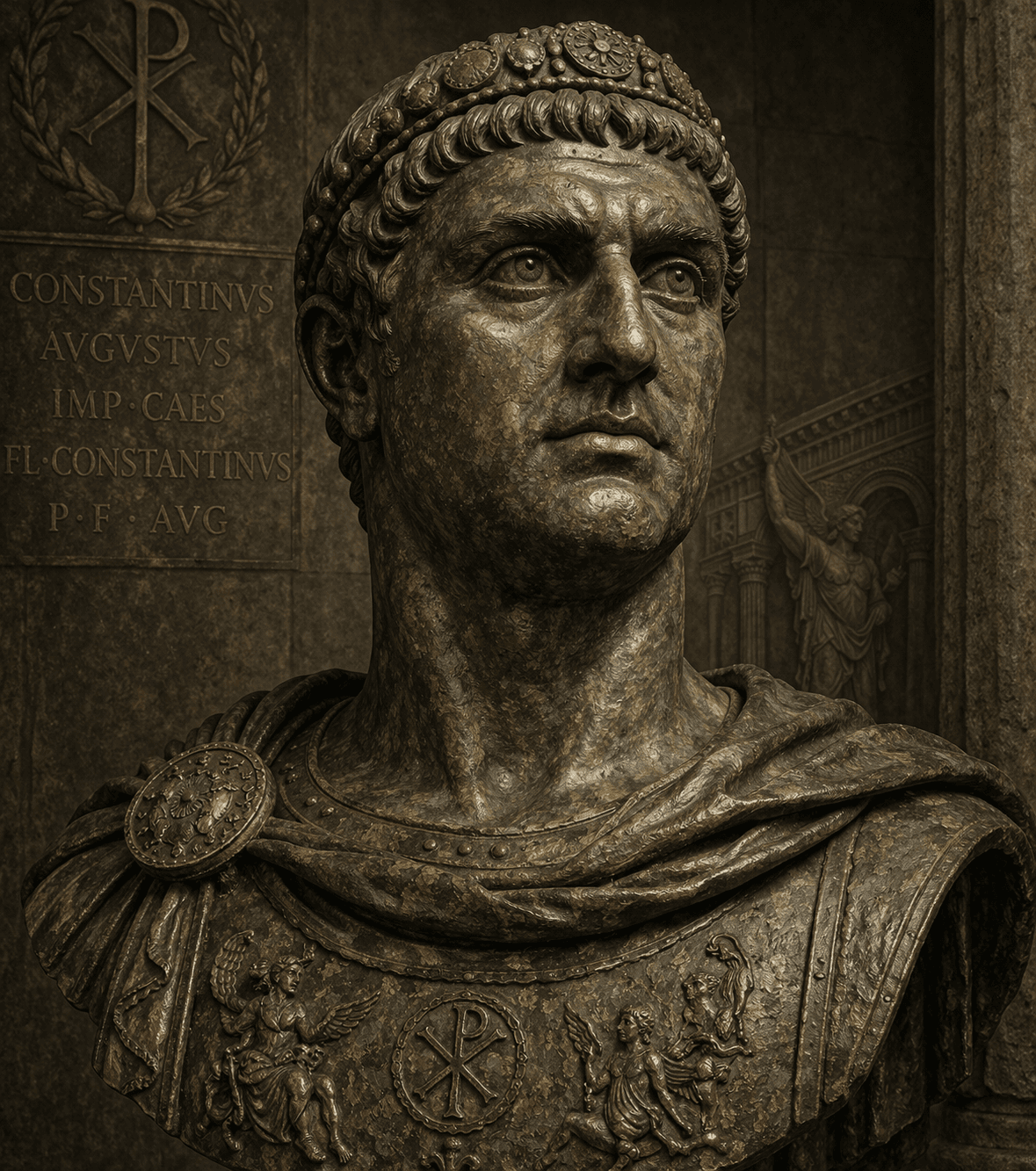
Constantine the Great
272–337
He converted to Christianity on the eve of battle, won the battle, and spent the rest of his reign trying to work out what that meant for an empire built on other gods.
Open profile →
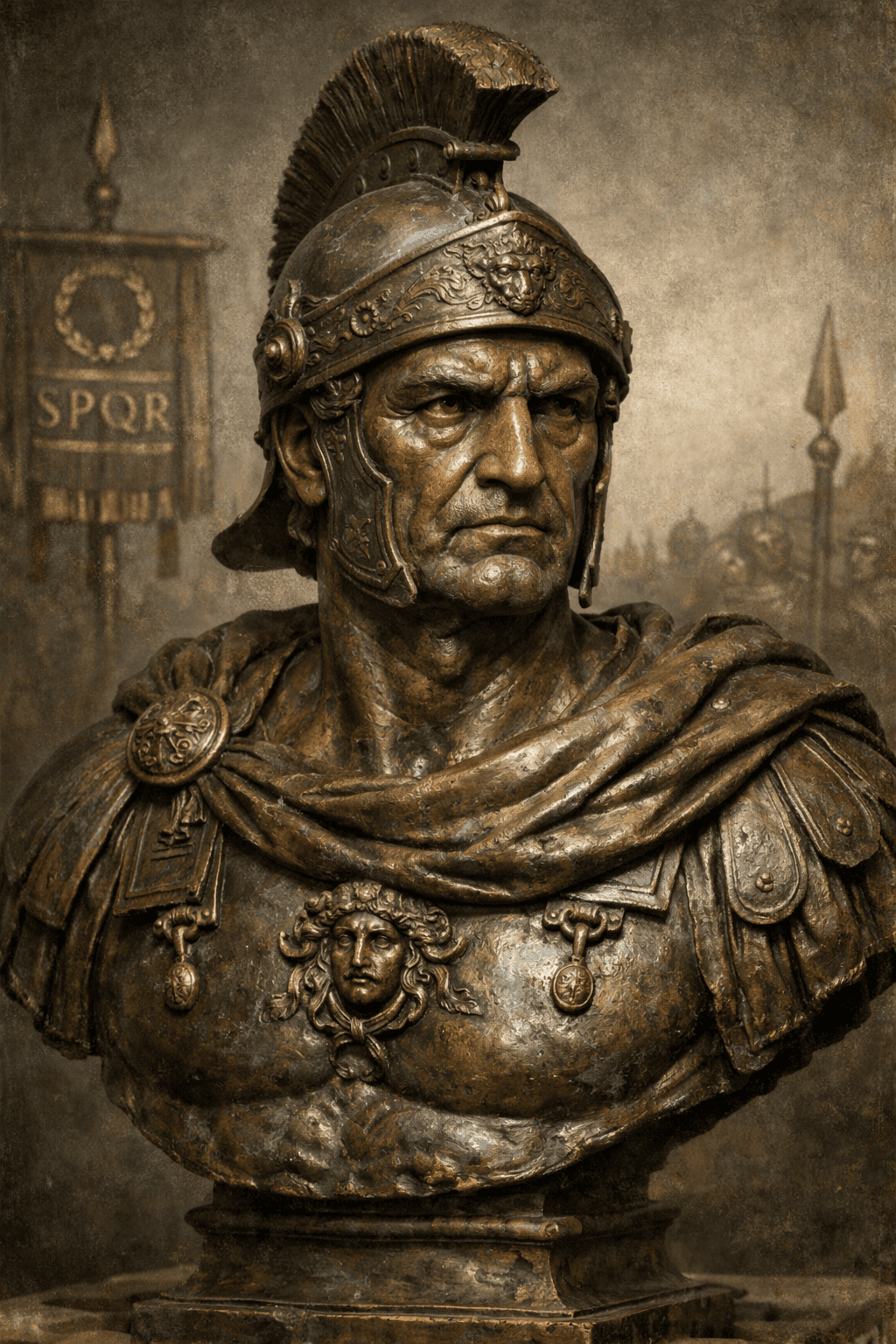
Fabius Maximus
280–203
While Rome panicked after disaster, he refused to fight — shadowing Hannibal's army, cutting off supplies, wearing down the invader — and the Romans called him a coward for it.
Open profile →
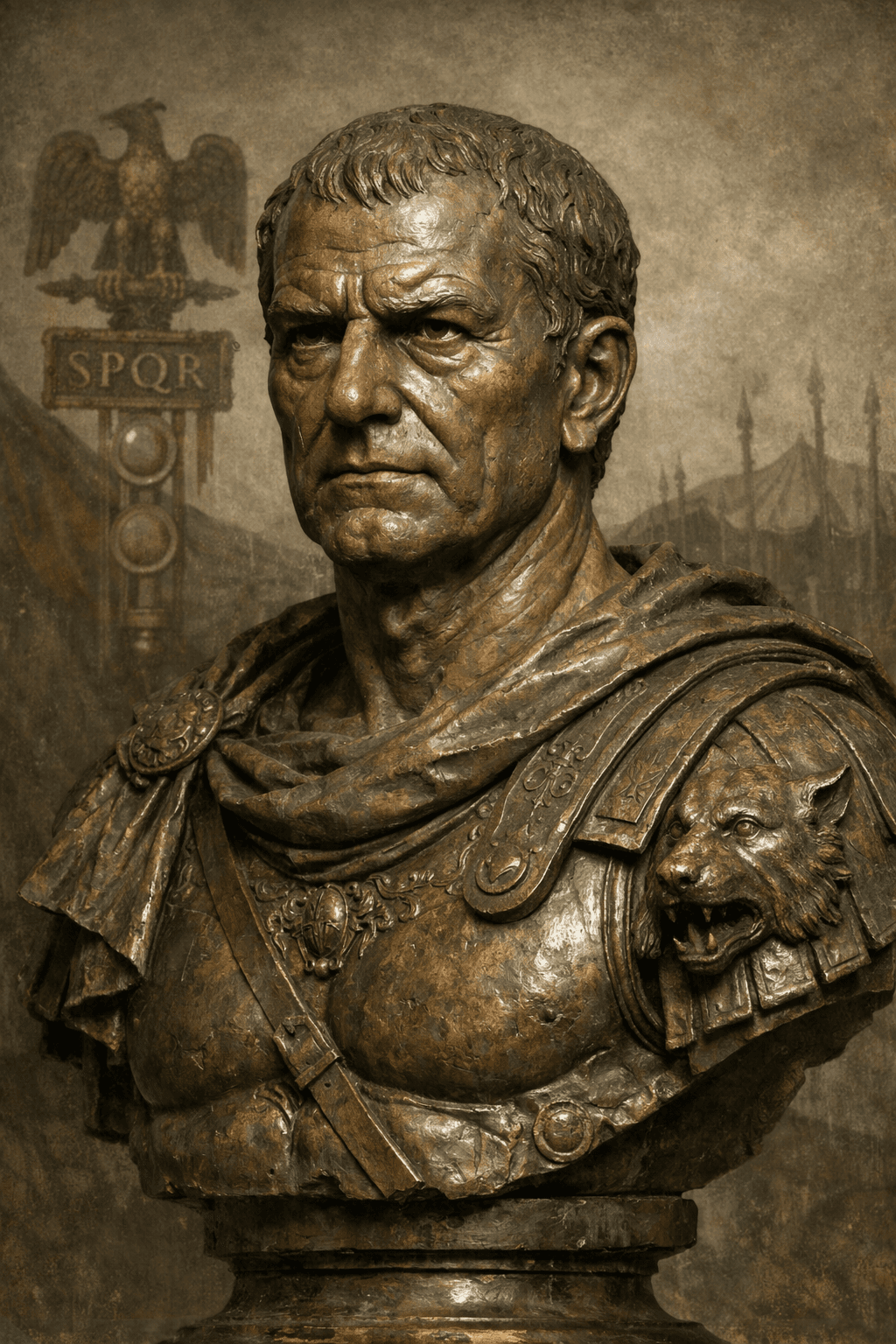
Gaius Marius
-157–-86
He saved Rome from invasion, won seven consulships — more than anyone before him — and in doing so proved that the republic's rules meant nothing when a general had a loyal army.
Open profile →
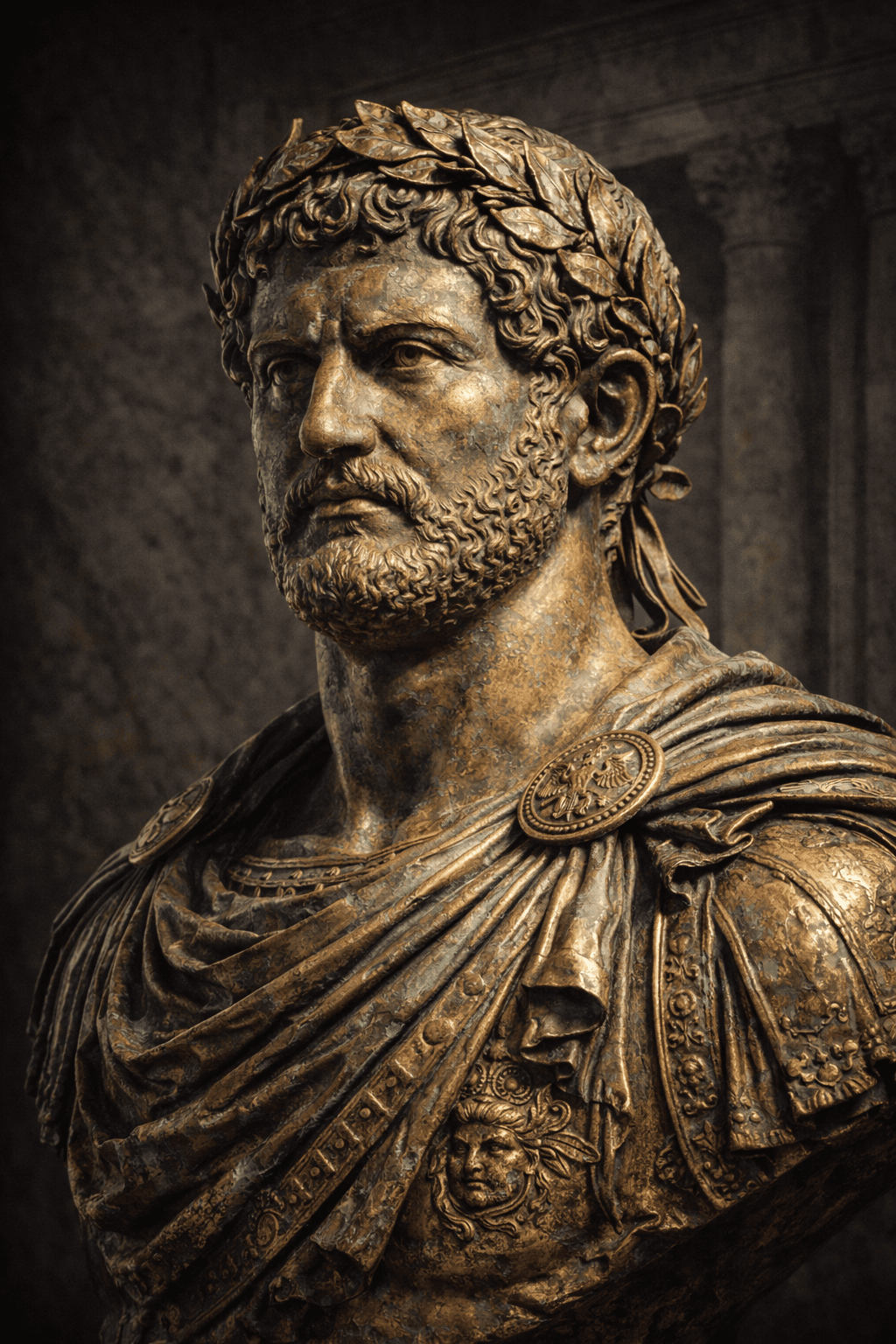
Hadrian
76–138
He spent half his reign travelling the empire he governed, ordered a wall built across the north of Britain, and died designing a tomb that still stands in Rome.
Open profile →
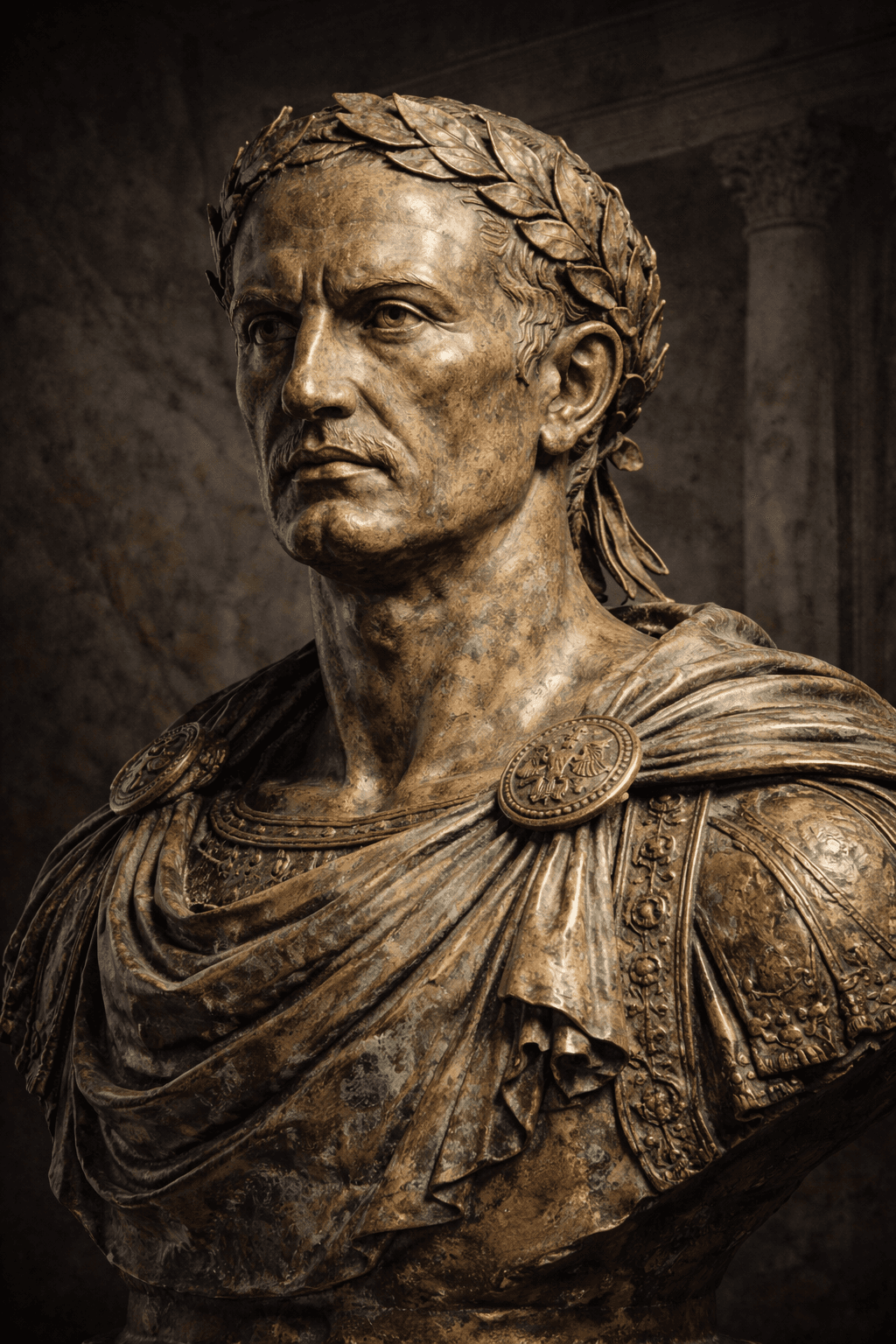
Julius Caesar
-100–-44
He held all the power Rome could offer — then a group of senators decided that was the problem.
Open profile →
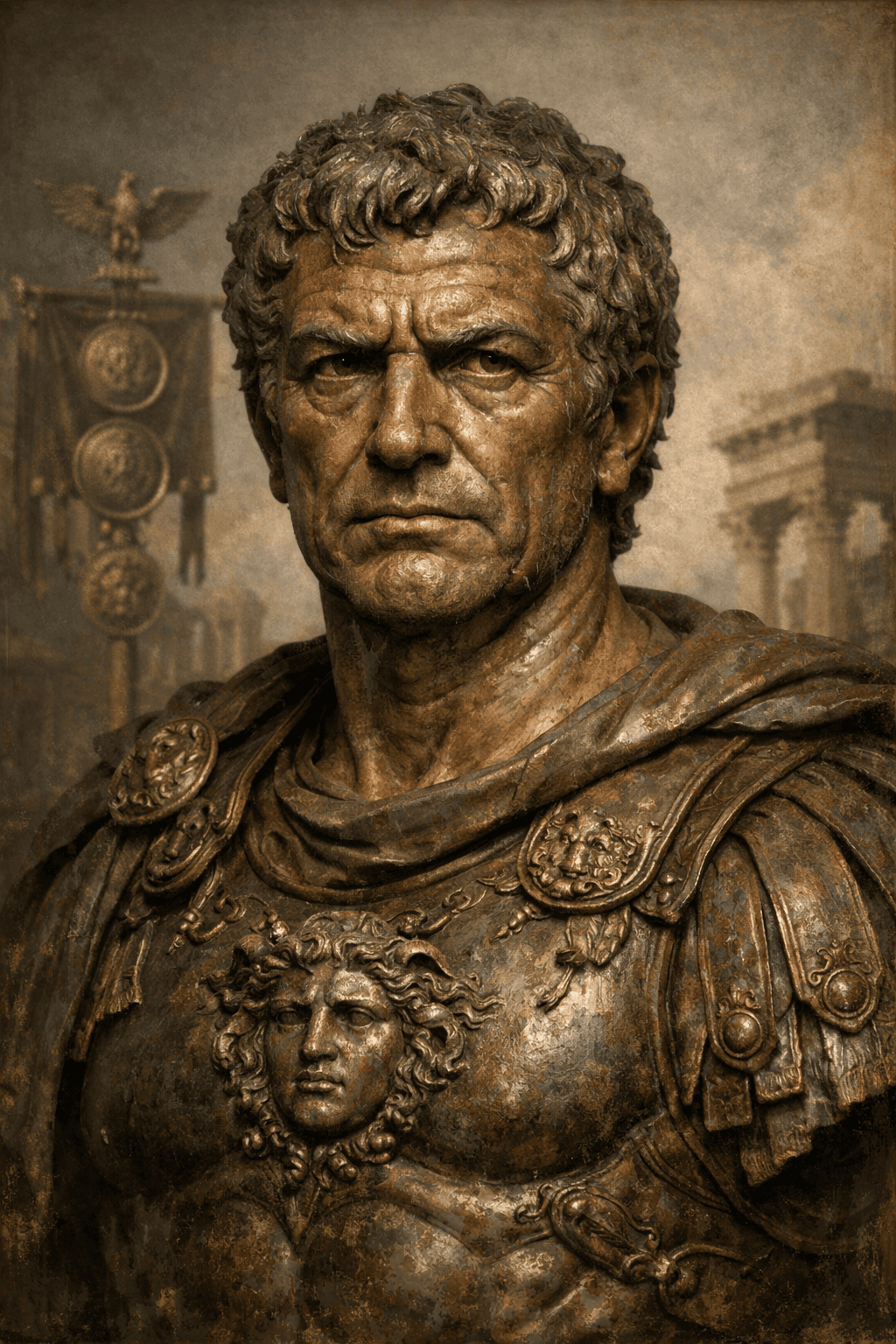
Lucius Cornelius Sulla
-138–-78
He marched his army on Rome twice — something no Roman general had ever done — became dictator, reformed the republic, and then walked away of his own free will.
Open profile →
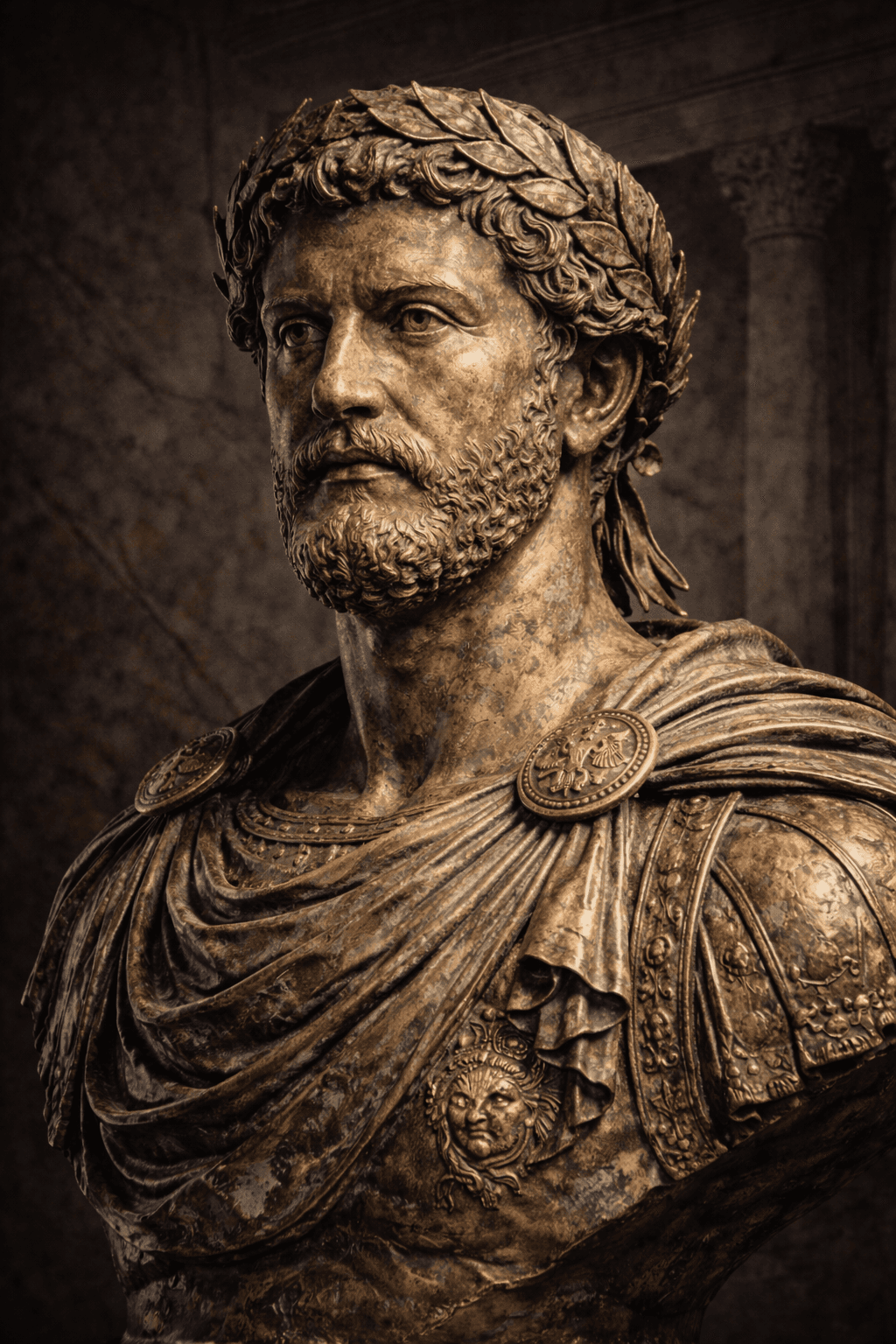
Marcus Aurelius
121–180
He spent his reign doing the opposite of what he wrote — a philosopher king who believed in peace, presiding over almost constant war.
Open profile →
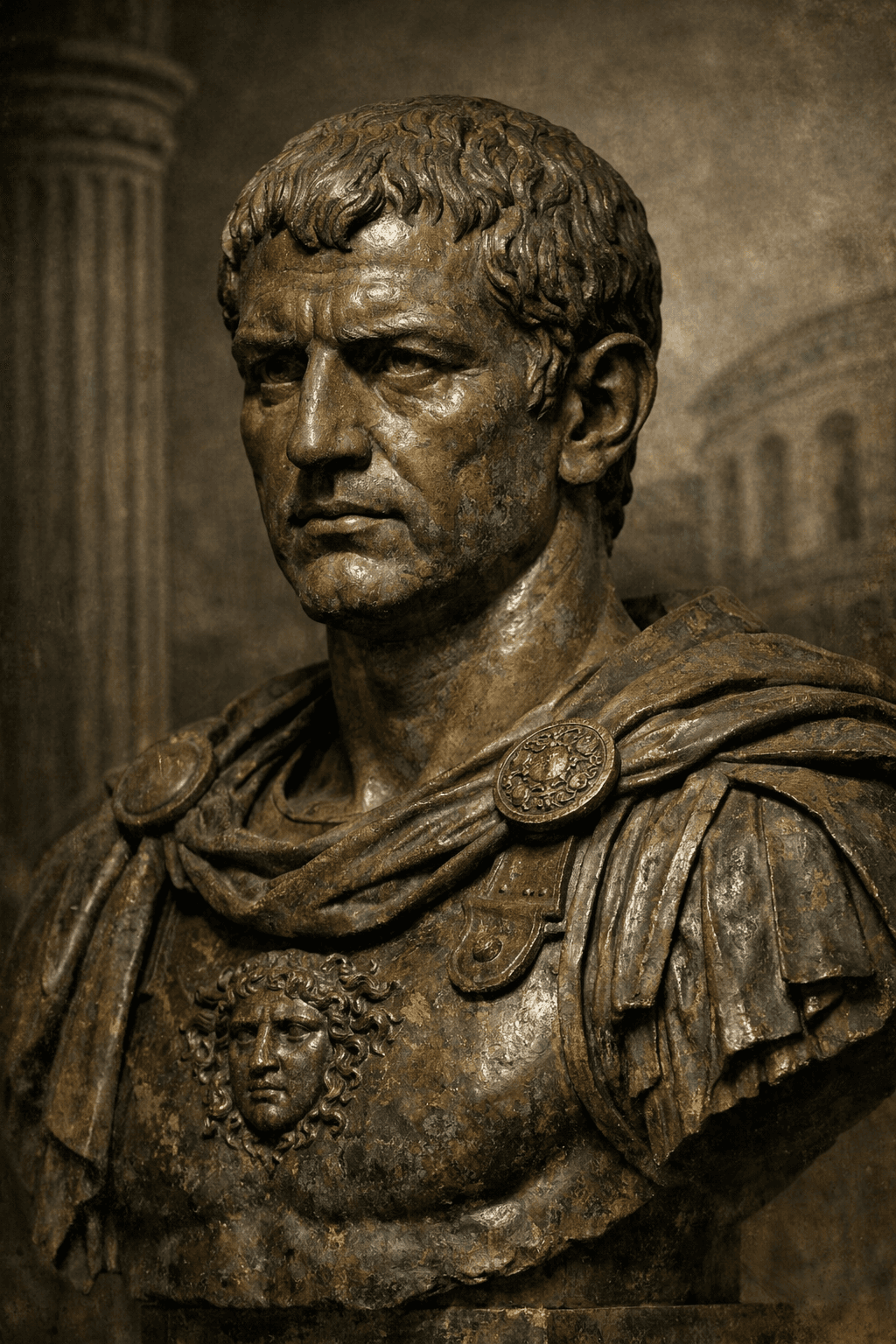
Marcus Livius Drusus
-124–-91
He proposed reforms that might have prevented the Social War, was assassinated before they could pass, and his death triggered the very conflict he had tried to avoid.
Open profile →
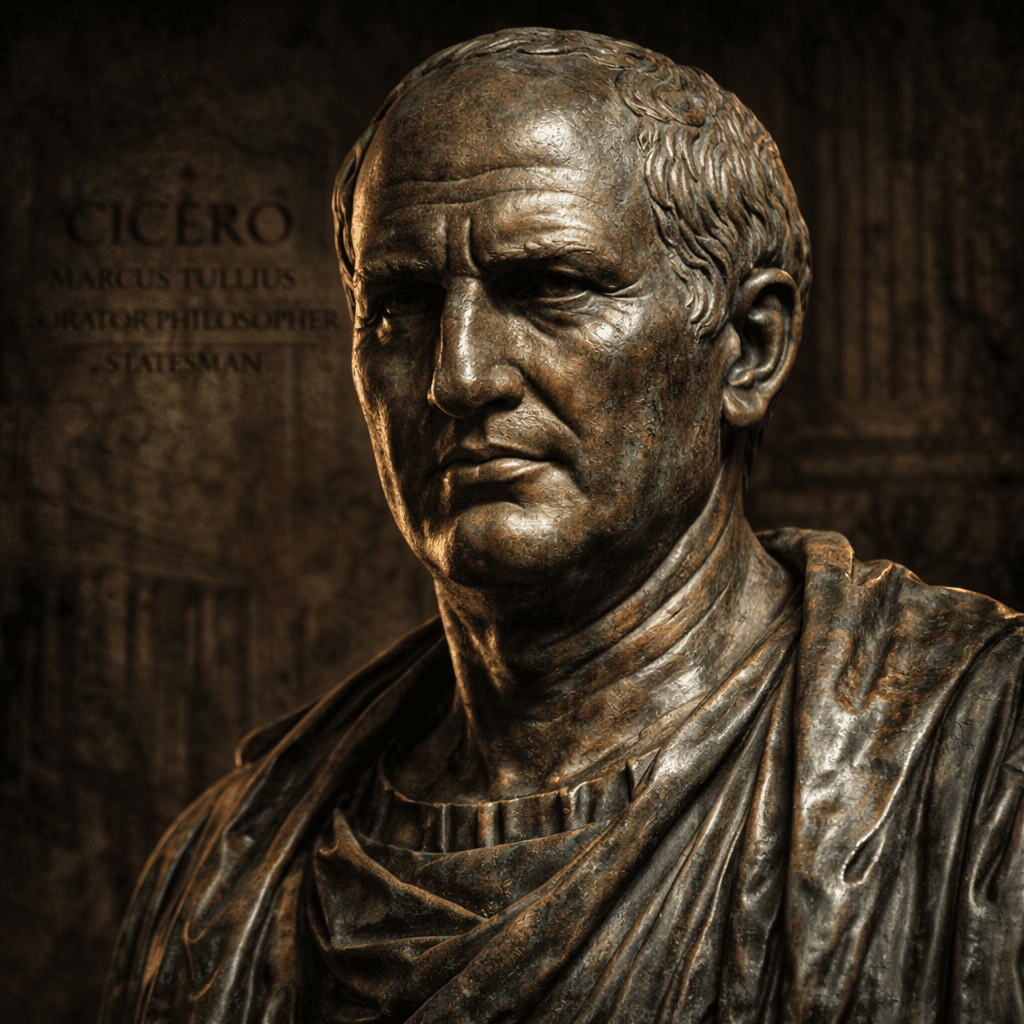
Marcus Tullius Cicero
-106–-43
He used his speeches to destroy Rome's most dangerous men — and when he ran out of enemies to expose, Rome's most dangerous men came for him.
Open profile →
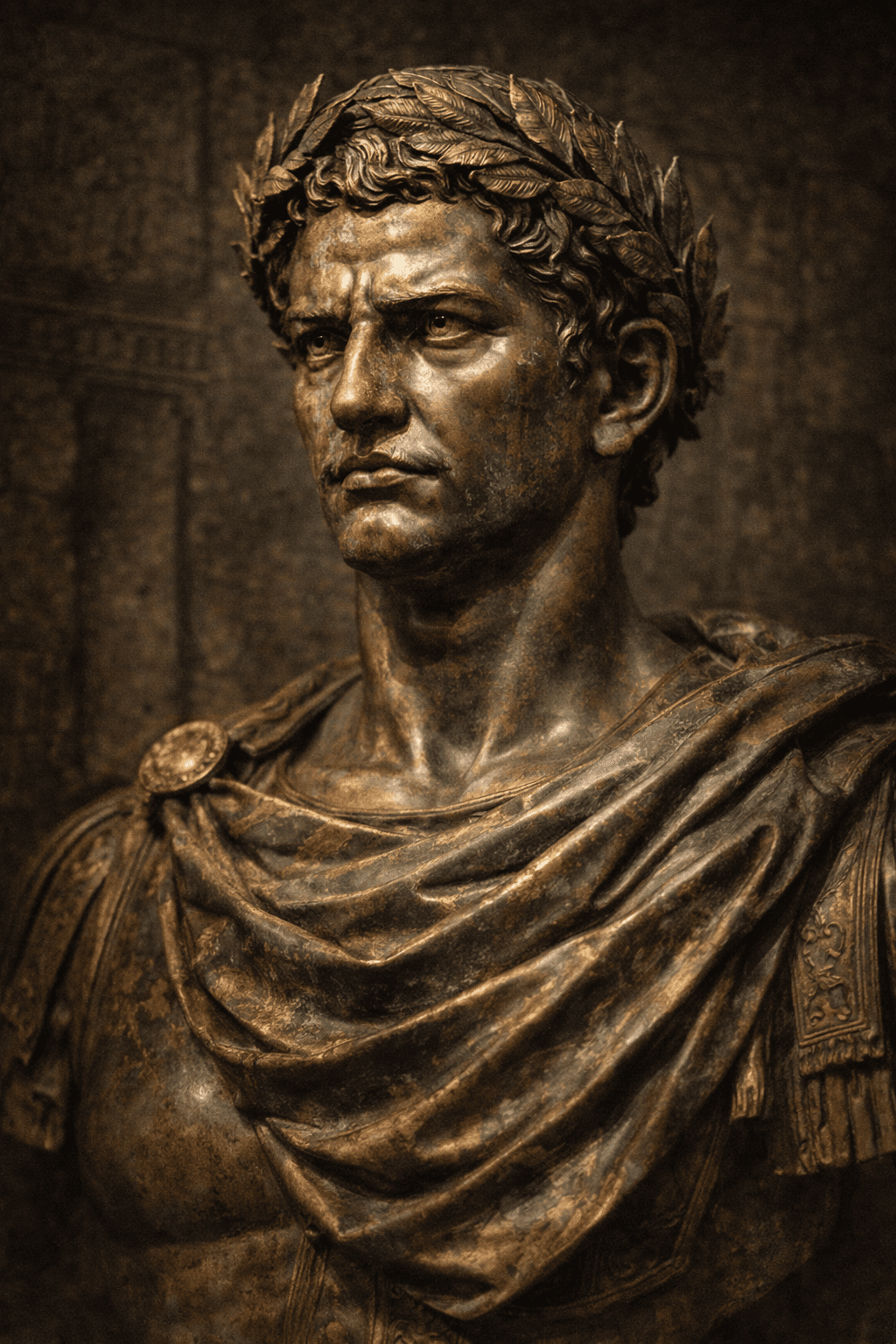
Mark Antony
-83–-30
He was Rome's most powerful man after Caesar's death, threw in his lot with Cleopatra, and lost everything — though whether through love, miscalculation, or bad luck depends on who you ask.
Open profile →
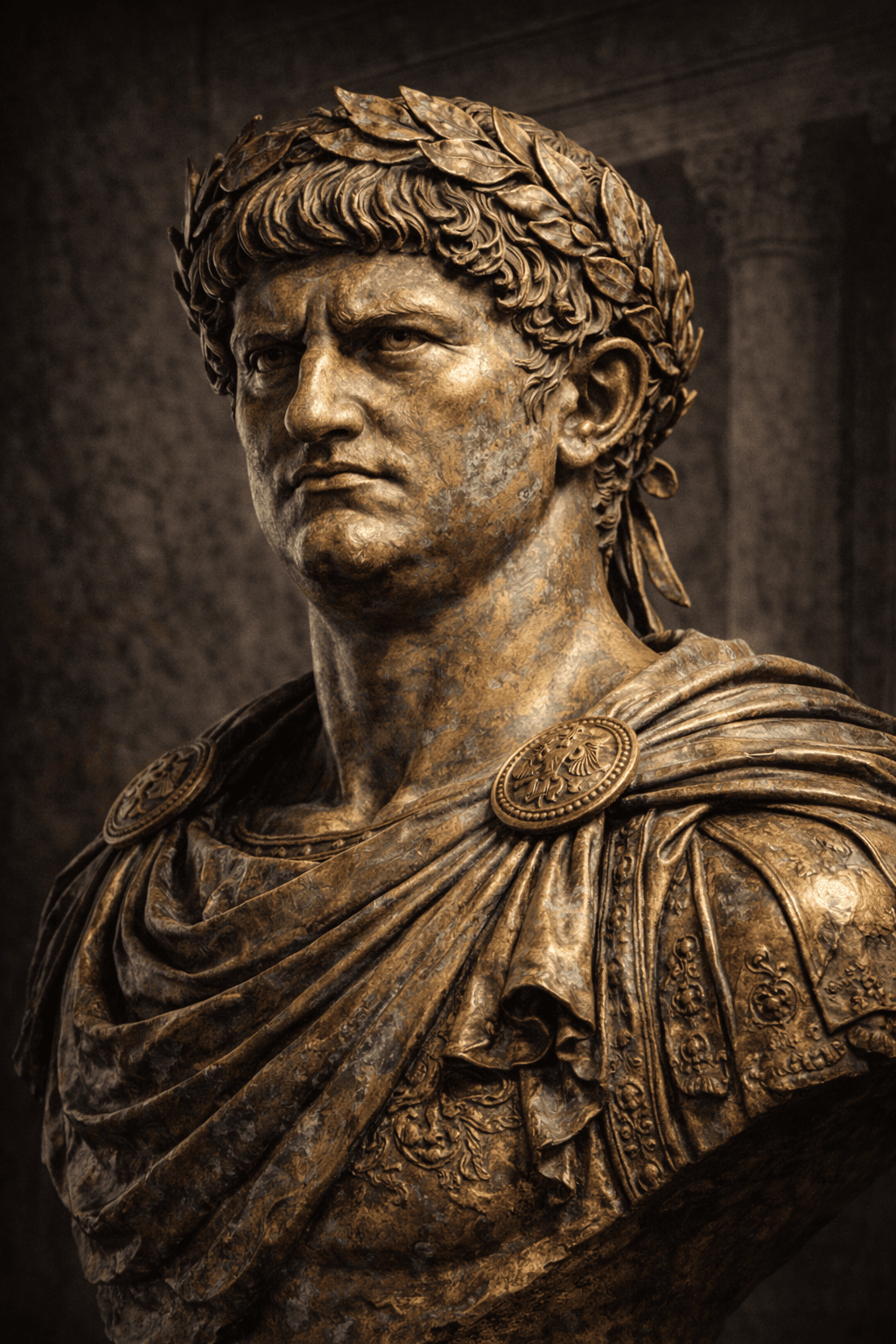
Nero
37–68
He was blamed for burning Rome, killing his own mother, and destroying the Julio-Claudian dynasty — and historians have spent two thousand years arguing about how much of it is actually true.
Open profile →
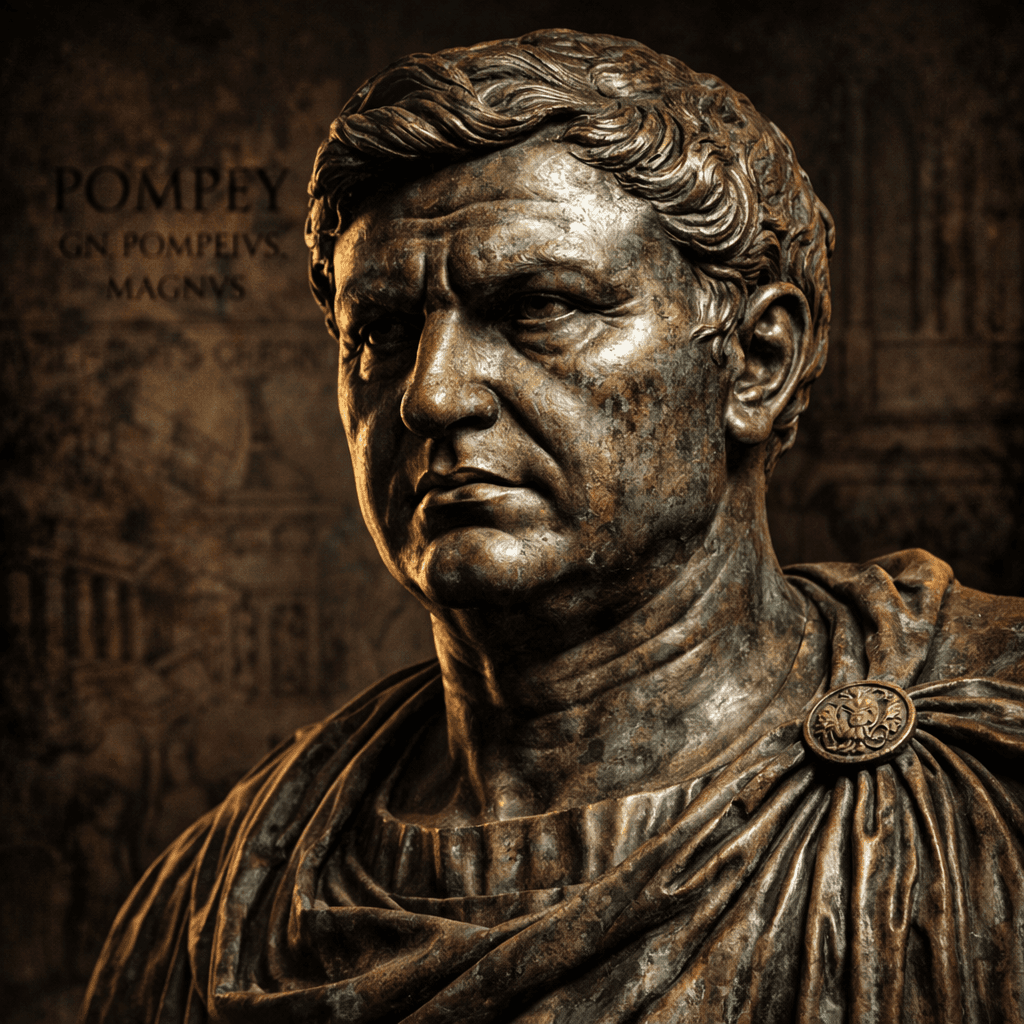
Pompey the Great
-106–-48
He was the most celebrated Roman general of his age, until Caesar's victories in Gaul made his own look modest — a rivalry that helped end the republic.
Open profile →
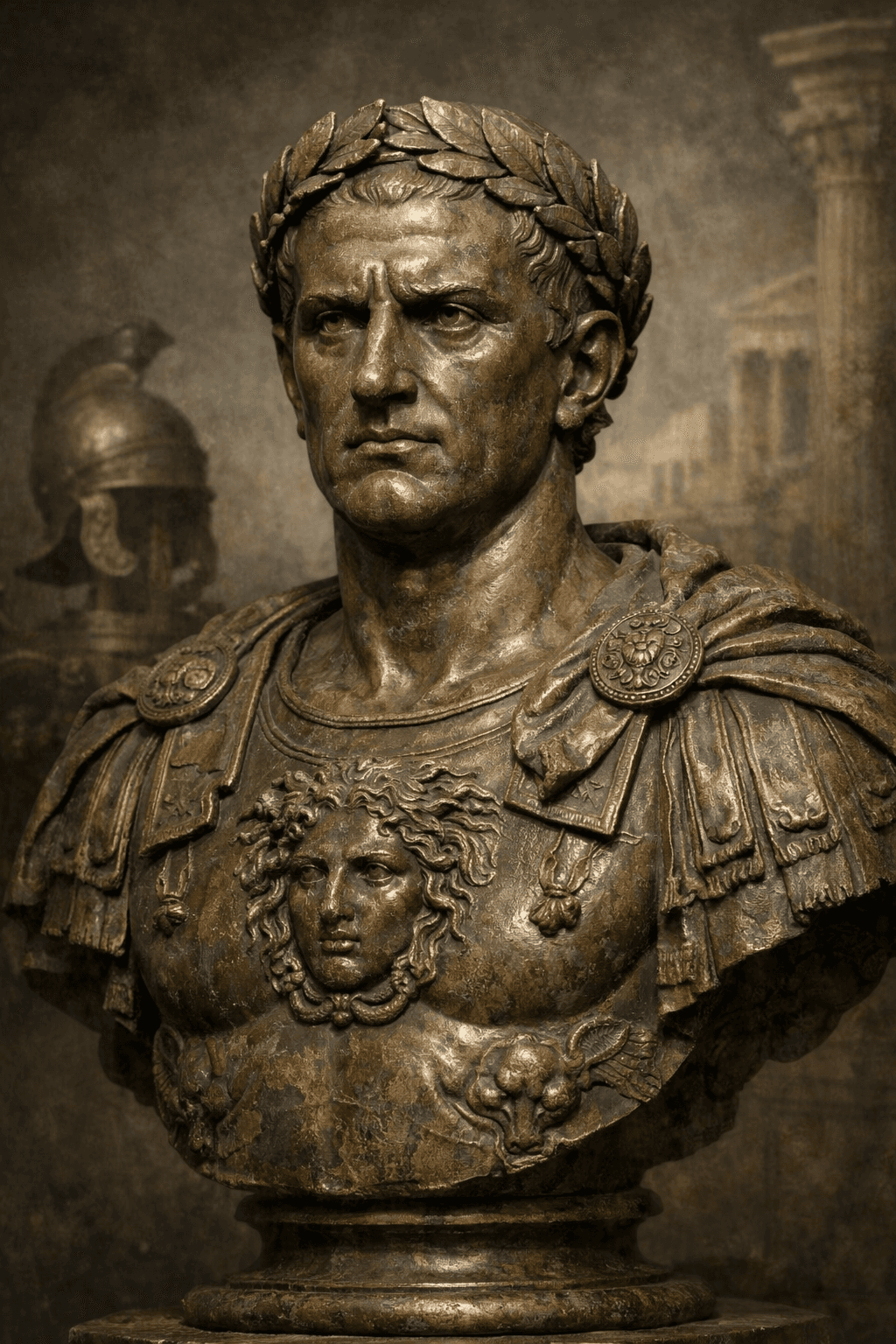
Scipio Africanus
-236–-183
Rome had been losing to Hannibal for over a decade when Scipio proposed carrying the war to Africa — his own side thought he was reckless, and he won.
Open profile →
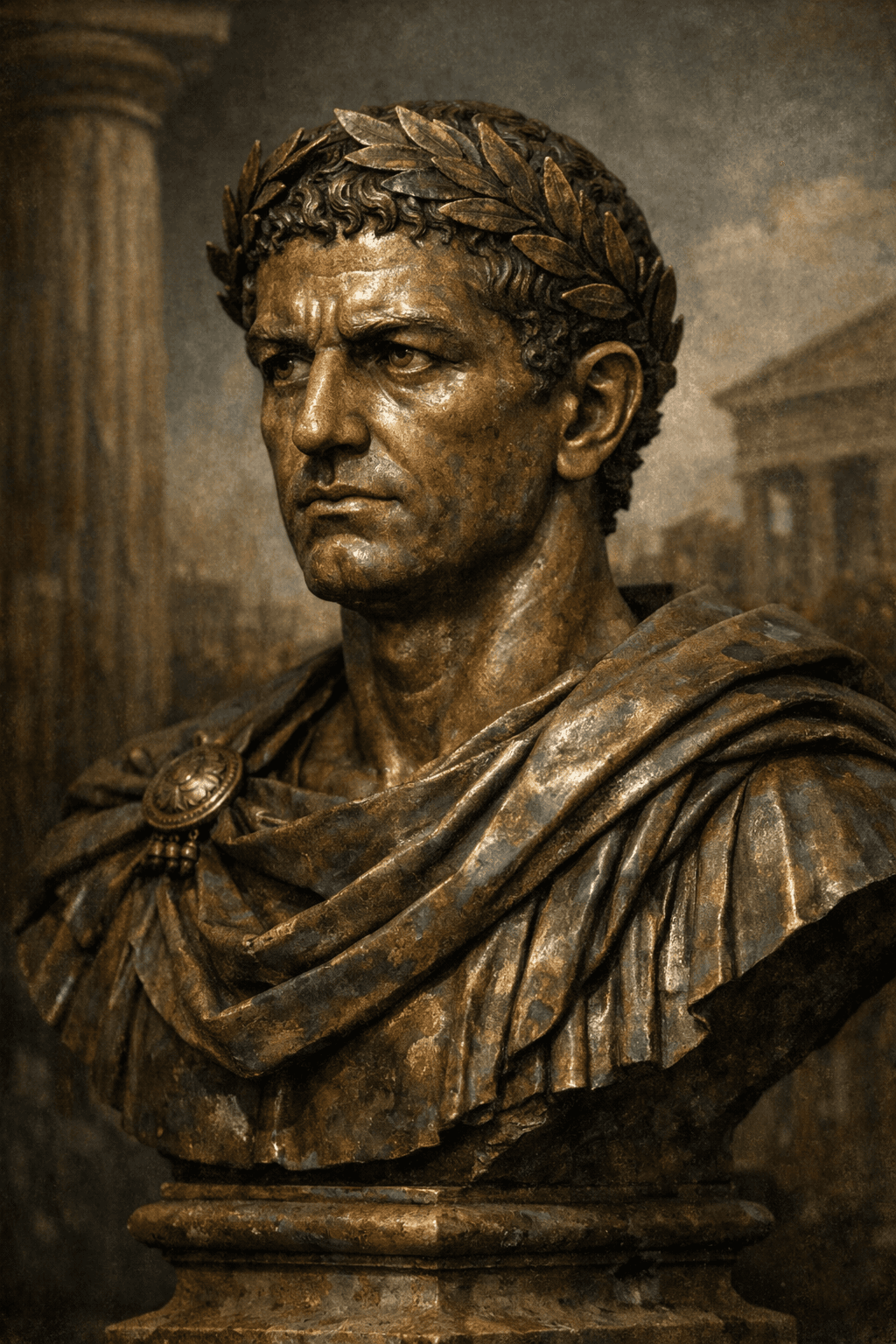
Tiberius Gracchus
-163–-133
He proposed giving land to Rome's dispossessed poor, was told it was unconstitutional, and pushed ahead anyway — setting a precedent that helped destroy the republic.
Open profile →
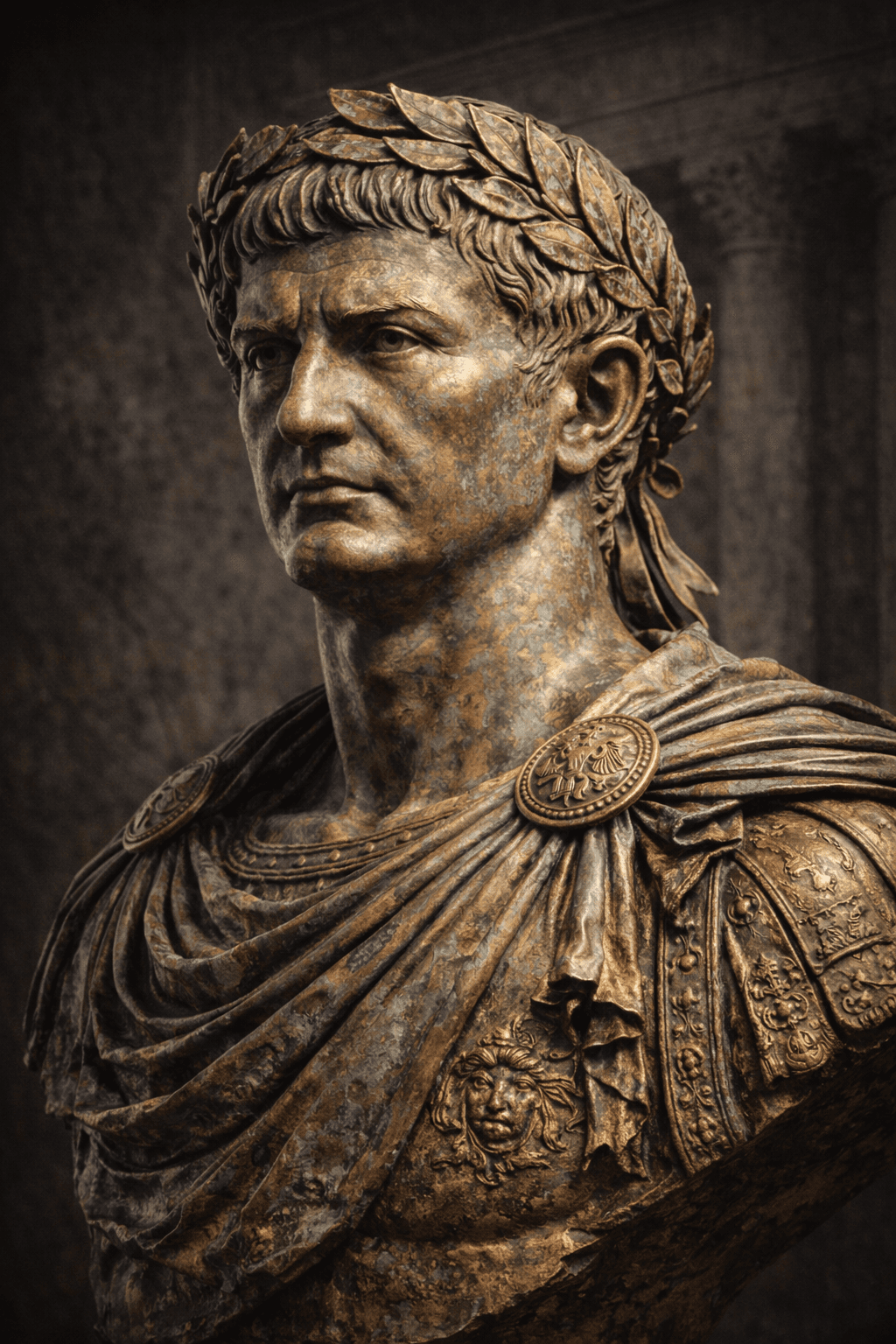
Trajan
53–117
He pushed Roman territory to its greatest extent, won wars the Senate called unwinnable, and built so much that the Romans chose him as the benchmark: emperors were wished to be 'luckier than Augustus and better than Trajan.'
Open profile →